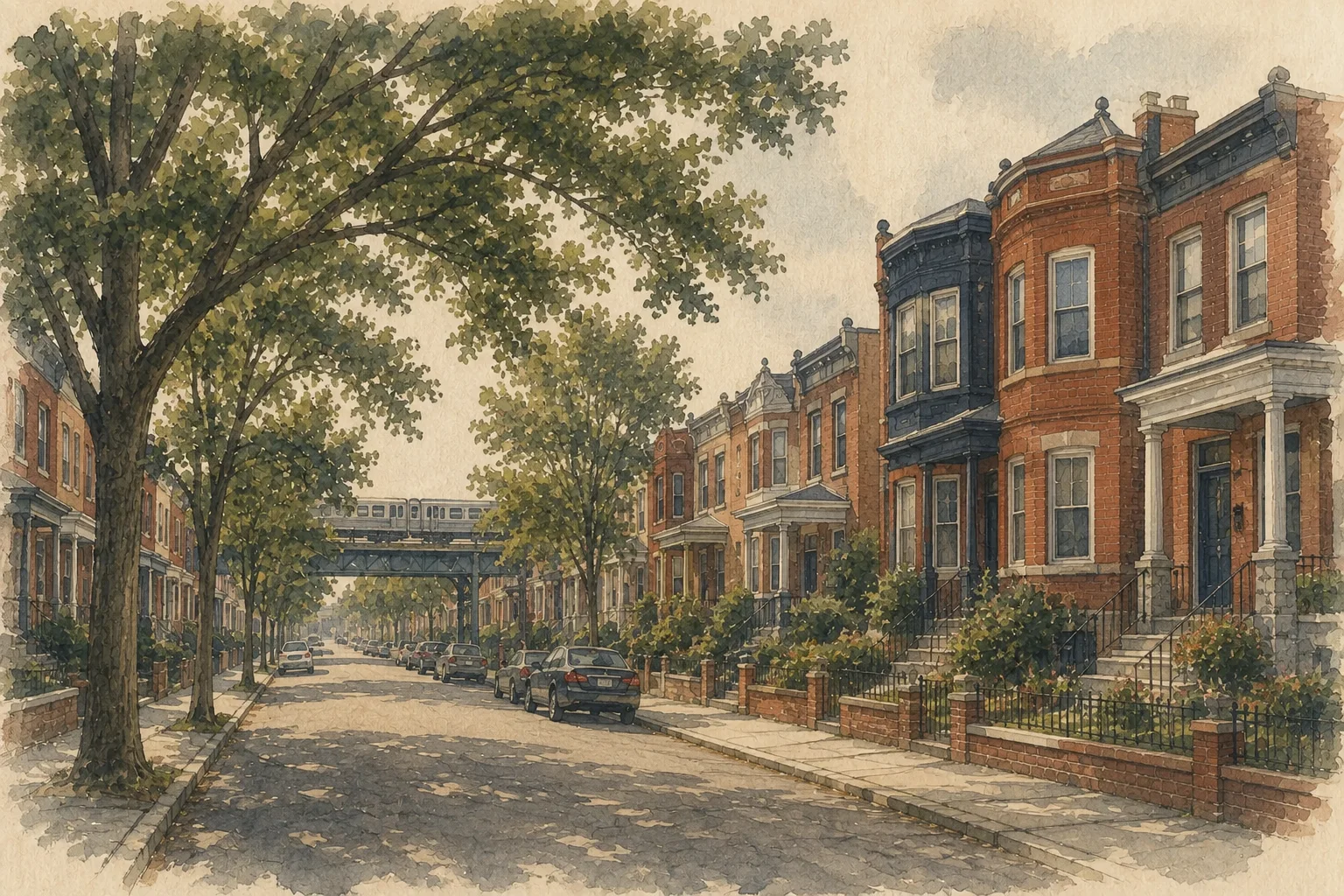
A little orientation
Compare everyday life across Northeast Philadelphia
Make the comparison concrete.
Use the same workplace and essential errands for each candidate address instead of comparing broad Lower and Far Northeast labels.
Look closely at the Boulevard.
Check official Roosevelt Boulevard project information and the actual journey you need; a future proposal is not a current travel arrangement.
Check the household details.
Confirm school information from the address and relevant grade, rather than drawing conclusions from a neighborhood’s reputation or housing style.
A closer look
Three ways to narrow a large district
Let the guide introduce places such as Mayfair, Fox Chase or Somerton, then test what matters to you.
Use the same journey for each home.
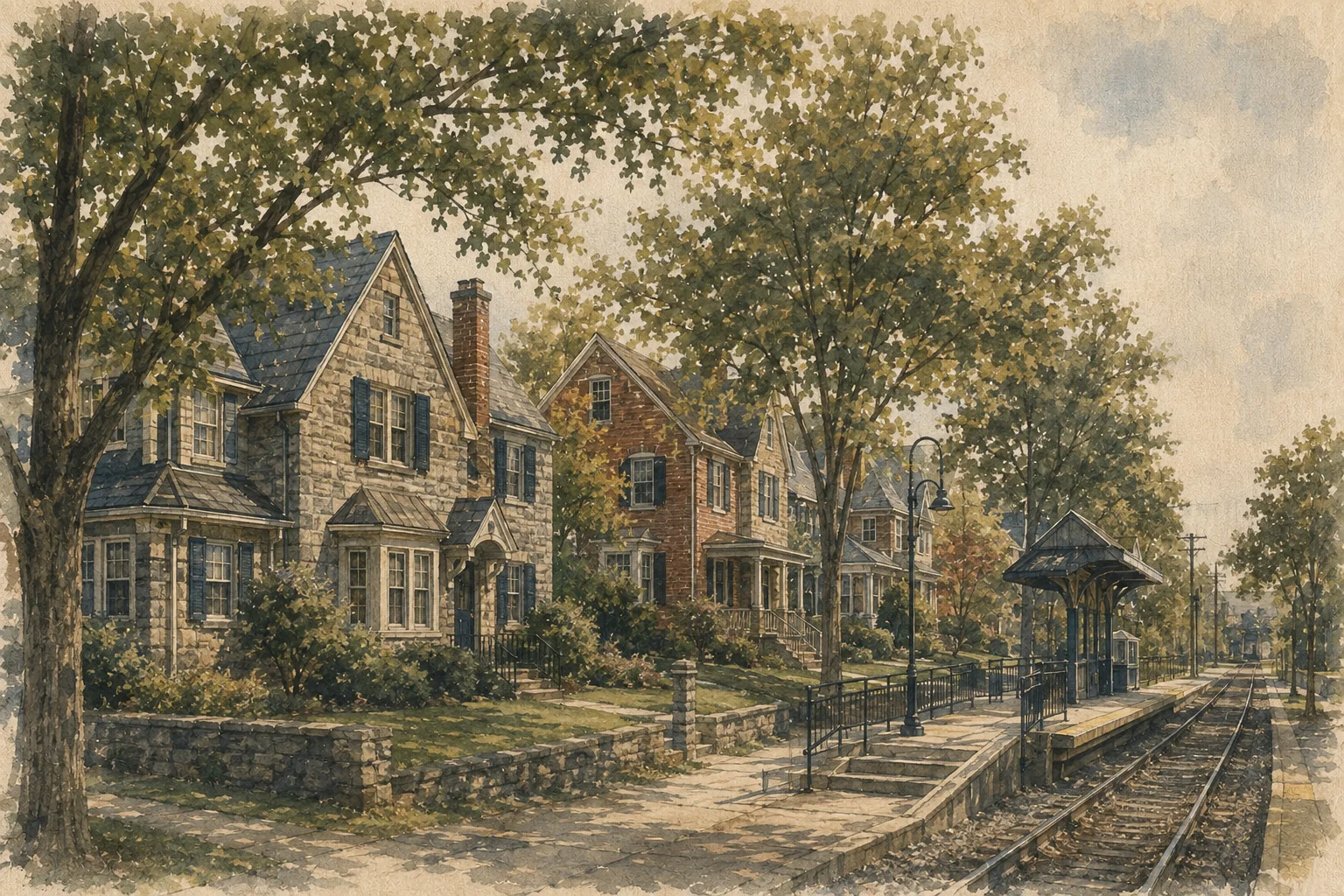
Pick two candidate addresses and compare trips to the same destination at the same time. Include transfers, walking connections and the return journey, so the comparison explains something about your routine rather than simply repeating a district description.
A useful questionWhich address better supports the trips you will make most often?
Source & next step ↗Separate plans from present conditions.
Read the City’s Route for Change information and follow its current project links for the stretch relevant to you. Keep long-term proposals separate from your immediate route, and inspect the actual walking or transfer connection before relying on it.
A useful questionWhat is confirmed for your route today, and what remains a future proposal?
Source & next step ↗Start with the exact address.
Use the School District’s enrollment resources to find the address-based lookup and read the instructions relevant to your child. Confirm unresolved questions with the District rather than using a neighborhood label as a school assignment or quality judgment.
A useful questionWhich school and enrollment questions need the District’s answer for your address?
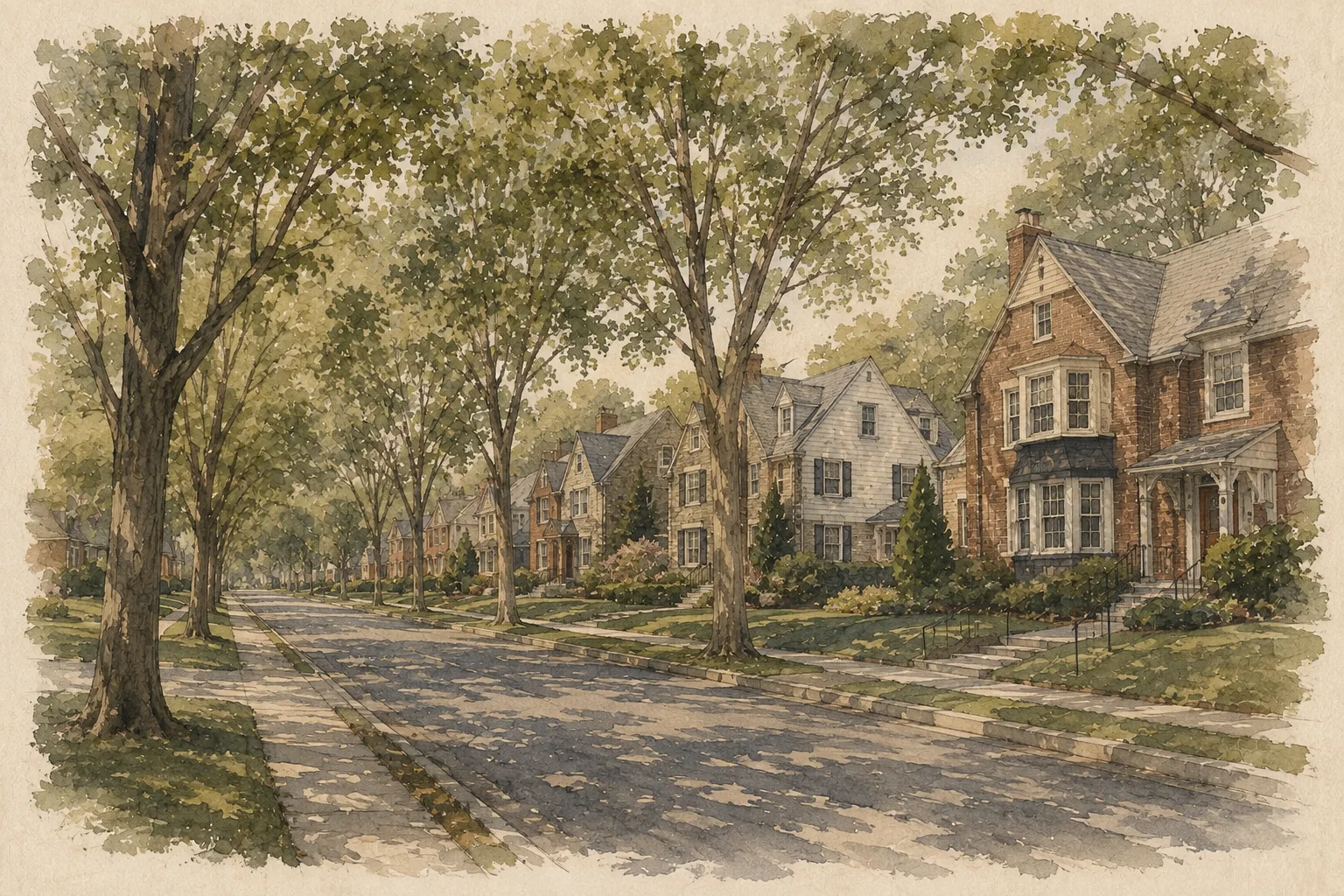
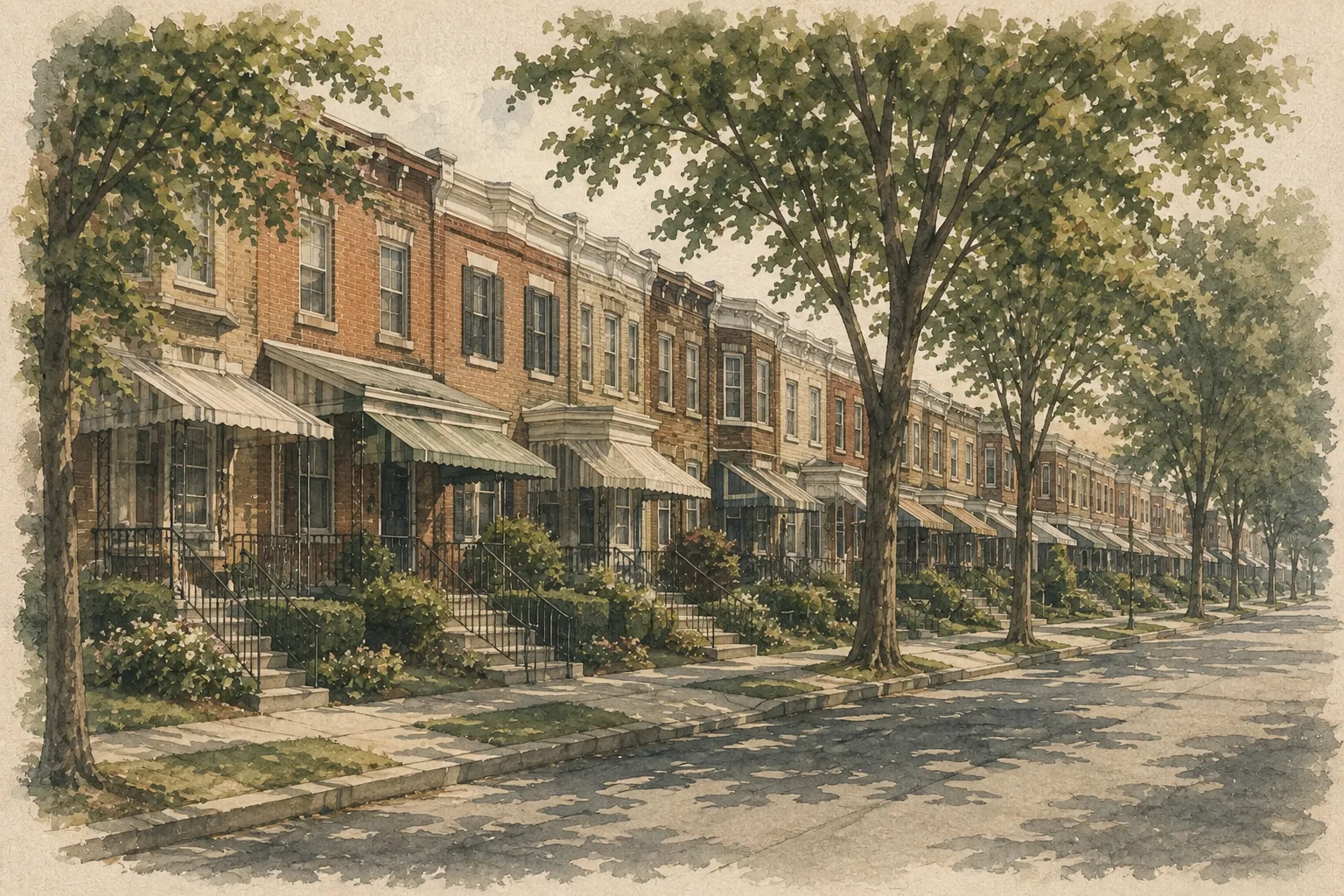
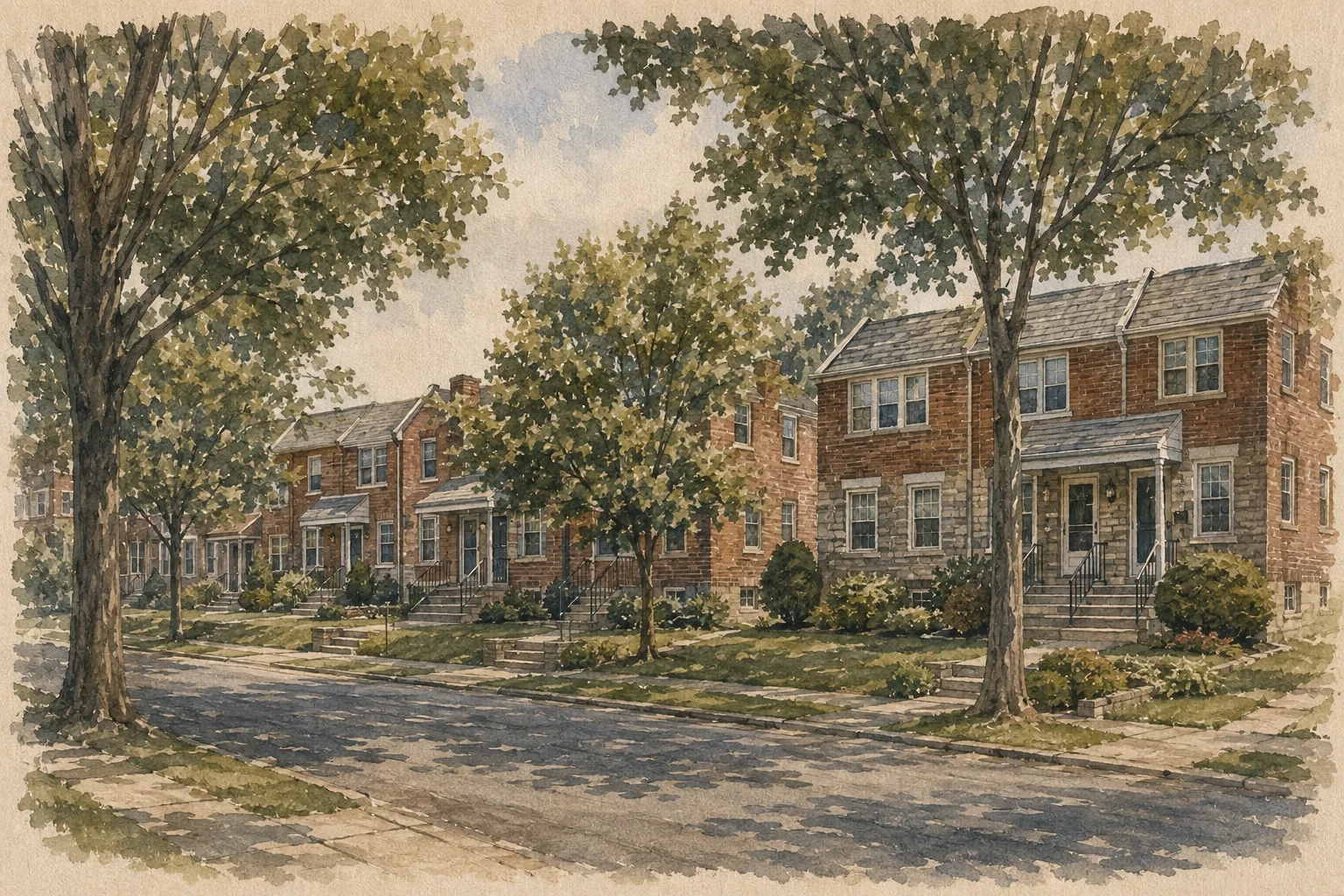
Source & next step ↗This guide covers Northeast Philadelphia from Frankford to Fox Chase, Mayfair to Somerton, as its residents describe it: how different each block feels, how routines change street by street, and how families adapt to everything from parking chaos to construction disruptions.
Here, you’ll find what living in Northeast Philly actually feels like. Not generic real estate summaries. Not polished tourism talk. Just practical insight into safety patterns, traffic realities, parking culture, neighborhood tensions, and the quiet routines that hold everything together.
The Real Baseline: What Living in Northeast Philly Actually Feels Like
Living in Northeast Philadelphia is less about lifestyle branding and more about daily functionality. People move here for one main reason: you get more physical space for your money. Bigger houses. Real yards. Extra bedrooms. Driveways in some pockets. Storage basements. That single factor explains almost everything else you are about to read.
Northeast Philly is not trying to impress you. It is not curated. It does not market itself with murals and coffee roasters. It operates on practicality. You grocery shop locally. You hit strip malls instead of boutique corridors. You run errands without crossing neighborhoods. You find your favorite pizza place, your bar, your diner, and you stay loyal.
A defining trait of the area is self-containment. Many residents rarely go to Center City unless they absolutely have to. Between malls, supermarkets, casinos, schools, doctors, mechanics, and food spots, daily life can be handled entirely inside the Northeast. That creates a strong neighborhood gravity. People learn their routines and stick to them.
Emotionally, the place carries a mix of defensive pride and quiet fatigue. Locals are used to being looked down on by other parts of Philly. They also know outsiders rarely understand how block-specific everything is here. So there is a constant undercurrent of “you wouldn’t get it unless you live here.”
Nothing about Northeast Philly is glamorous. Very little is designed to wow you. But for thousands of families, it works. That is the baseline. It is a place you settle into, not a place you show off.
Where the Northeast sits
- Roosevelt Boulevard
- Frankford Avenue
- Philadelphia Mills
- Roosevelt Mall
Schematic · not to scale
Northeast Is Not One Place: The Block-by-Block Reality
People who talk about “Northeast Philly” like it is one unified neighborhood immediately give themselves away as outsiders.
Locals divide it instinctively.
Lower Northeast generally refers to areas like Frankford, Tacony, Mayfair, and Oxford Circle. This is where most crime complaints originate. This is where residents talk about shootings, kids staying indoors, and visible decline. This is also where racial tension shows up most loudly in neighborhood groups and online arguments.
Far or Upper Northeast usually means places like Bustleton, Somerton, and Fox Chase. Homes are larger. Streets feel quieter. There is a stronger presence of immigrant communities, especially Russian and South Asian families. Malls replace corner stores as social anchors. Safety perception is noticeably higher.
Even within those categories, reality changes street by street.
People do not say “this neighborhood is safe.” They say “this block is fine.”
That distinction matters. A single avenue can feel completely different depending on which side you live on. Longtime residents quietly track which corners feel stable, which routes to avoid at night, and which blocks they would never recommend publicly.
There is also an unspoken rule about “good blocks.” If someone lives on one, they rarely broadcast it online. Word travels fast, and nobody wants extra attention.
If you are new here, understand this early: Northeast Philly is a mosaic, not a single experience. You learn it by walking it, driving it, and paying attention to where people feel relaxed versus where they move quickly.
The Northeast is not one place
People who talk about it like one unified neighborhood immediately give themselves away as outsiders.
Lower Northeast
Frankford · Tacony · Mayfair · Oxford CircleThe denser, older half. Corner stores rather than malls, and the part of the Northeast that generates the loudest stories in neighborhood groups and online arguments.
Far or Upper Northeast
Bustleton · Somerton · Fox ChaseHomes are larger. Streets feel quieter. A stronger presence of immigrant communities, especially Russian and South Asian families. Malls replace corner stores as social anchors.
Roosevelt Boulevard
The corridor everyone plans aroundNot just a road — a psychological boundary. Driving culture is notoriously aggressive, sections shut down without warning, and heading south you move into the inner lanes before Rhawn Street or risk getting trapped.
Safety, Crime, and the Daily Risk Calculus
Safety in Northeast Philly is not evaluated in headlines. It is evaluated through small daily decisions.
Can kids play outside today?
Is it okay to walk to the store after dark?
Where do I park so my car is still here in the morning?
Residents talk about car break-ins and thefts as background noise. It is not shocking anymore. It is something you plan around. People avoid leaving items visible. They choose parking spots carefully. Some rearrange schedules to avoid walking alone at certain hours.
There are specific patterns locals internalize.
Teen crowds around Somerton’s Skate Plex tend to build in the late afternoon, usually starting around 5pm. When that happens, nearby Wawa locations sometimes close preemptively. That becomes an unofficial signal that things are escalating.
Serious police incidents do not respect “quiet hours.” One of the most intense standoffs near Roosevelt Boulevard unfolded before 5am. Residents woke up to blocked lanes and emergency activity instead of sunrise.
There are also persistent stories of harassment, especially women being bothered while walking to their cars. Youth sports parks have seen shootings. These are not abstract issues. They shape how families move through their own neighborhoods.
What emerges over time is a shared survival posture:
Do not escalate.
Do not engage strangers.
Do not honk at aggressive drivers.
Mind your business.
People learn to read situations quickly. They avoid confrontation not because they are passive, but because they understand how fast small moments can turn serious.
Safety here is less about feeling secure and more about staying alert.
Roosevelt Boulevard: The Corridor Everyone Plans Around
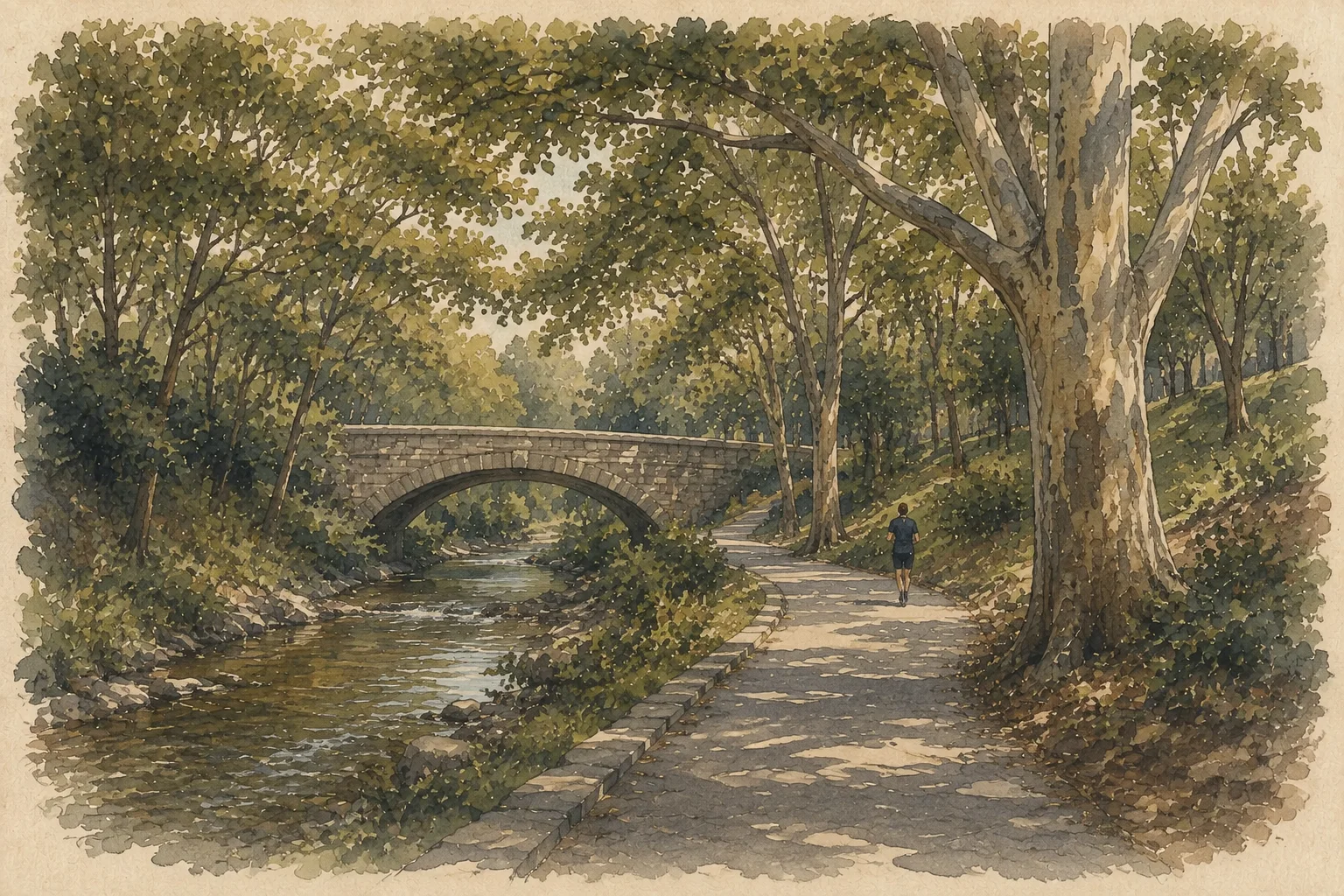
Roosevelt Boulevard is not just a road. It is a psychological boundary.
Locals treat it like a high-risk zone that requires strategy.
Driving culture on the Boulevard is notoriously aggressive. Speeding feels normalized. Lane changes are sudden. Road rage is common. Residents jokingly compare it to action movies, but the humor covers real fear. People genuinely worry that a wrong honk or gesture could escalate into violence.
On top of traffic chaos, the Boulevard regularly becomes the site of police activity, lane closures, and emergency responses. When incidents happen, entire sections shut down without warning.
There is one hyper-local driving rule many residents learn the hard way:
If you are heading south, move into the inner lanes before Rhawn Street.
People who wait too long often get trapped by closures or forced detours. It is one of those details that never appears on Google Maps but circulates quietly among locals.
Wawa closures along the Boulevard are another informal signal system. When those doors lock, residents know something serious is unfolding nearby.
For outsiders, Roosevelt Boulevard looks like a wide arterial road.
For people who live here, it is a daily obstacle course that demands anticipation.
Construction + Trash = Quality of Life Collapse
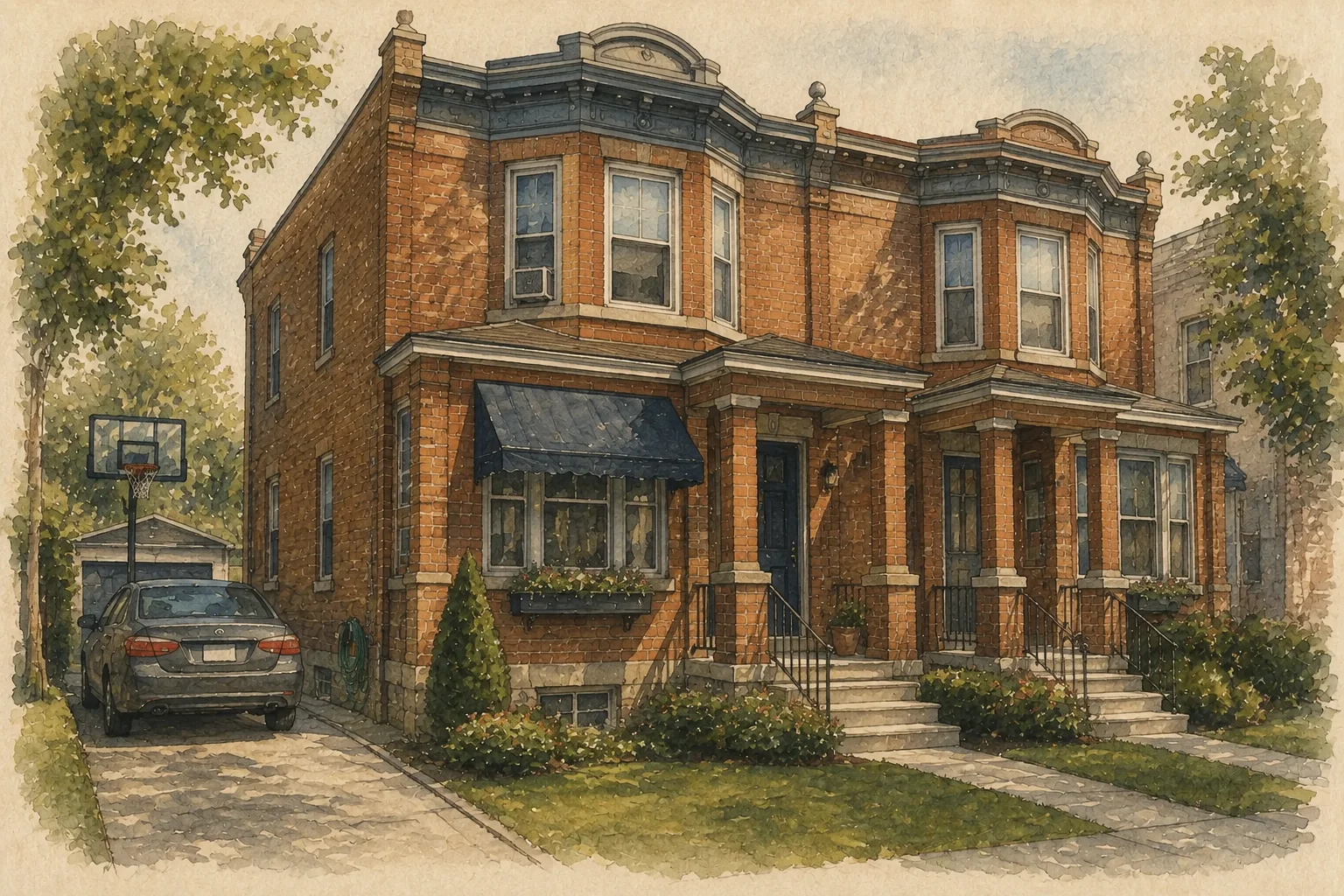
Few things push Northeast Philly residents past their breaking point faster than prolonged construction combined with garbage disruption.
When streets get torn up, everything else falls apart.
On blocks like the 5800 section of Penn Street, residents dealt with months of excavation that removed parking, blocked sidewalks, and forced constant detours. Parents stopped letting kids walk freely because heavy equipment and debris made basic movement unsafe. Daily routines stretched longer. Errands required rerouting. Emergency access felt questionable.
Now layer trash problems on top of that.
During sanitation strikes and pickup delays, Fox Chase streets filled with black bags stacked curb to curb. Tires, broken furniture, and random household debris appeared beside dumpsters. Flies collected near front doors. Entire corridors like Shady Lane and Pine Road looked abandoned for weeks at a time.
What makes this especially painful for locals is that it feels avoidable.
People can tolerate crime alerts. They have learned to live with parking wars. But visible decay hits morale directly. When trash piles up and streets stay ripped apart, residents start talking about disgrace instead of inconvenience.
This is where Northeast Philly shifts emotionally from scrappy to exhausted.
You hear it in how people describe their blocks. Not frustrated. Defeated.
Construction and trash together break the illusion that the city is still paying attention.
Digital Neighborhoods: Facebook and Nextdoor as Conflict Engines
If you want to understand Northeast Philly anxiety in real time, you do not walk the streets. You open Facebook or Nextdoor.
Local groups like Northeast Philadelphia Residents and Friendly Northeast Philly were created for safety alerts and neighbor support. In practice, they function as pressure release valves for thousands of stressed people sharing the same infrastructure.
The result is chaos.
Posts about stolen packages turn into racial arguments. Parking complaints escalate into doxxing. Someone shares a grainy security video and suddenly half the neighborhood is accusing each other of criminal intent.
Hustler scams appear weekly. Fake sob stories asking for money circulate until longtime locals, often called oldheads, publicly expose them. Even then, people still donate.
Moderators attempt cleanup, but they are unpaid volunteers facing nonstop conflict from groups with 10,000 plus members.
Parking shaming is especially vicious. Residents post photos of cars, bikes, and even kids, accusing strangers of disrespecting “their” spots. Threats of retaliation appear in comment threads. People warn each other not to move buckets because someone might damage your vehicle.
The common advice from seasoned residents is simple: stay out of neighborhood groups unless you need lost pet alerts or emergency information.
These platforms amplify the worst impulses of already stressed communities. They rarely solve problems. They mainly make everyone angrier.
Racism, Class, and the Blue-Collar Hivemind
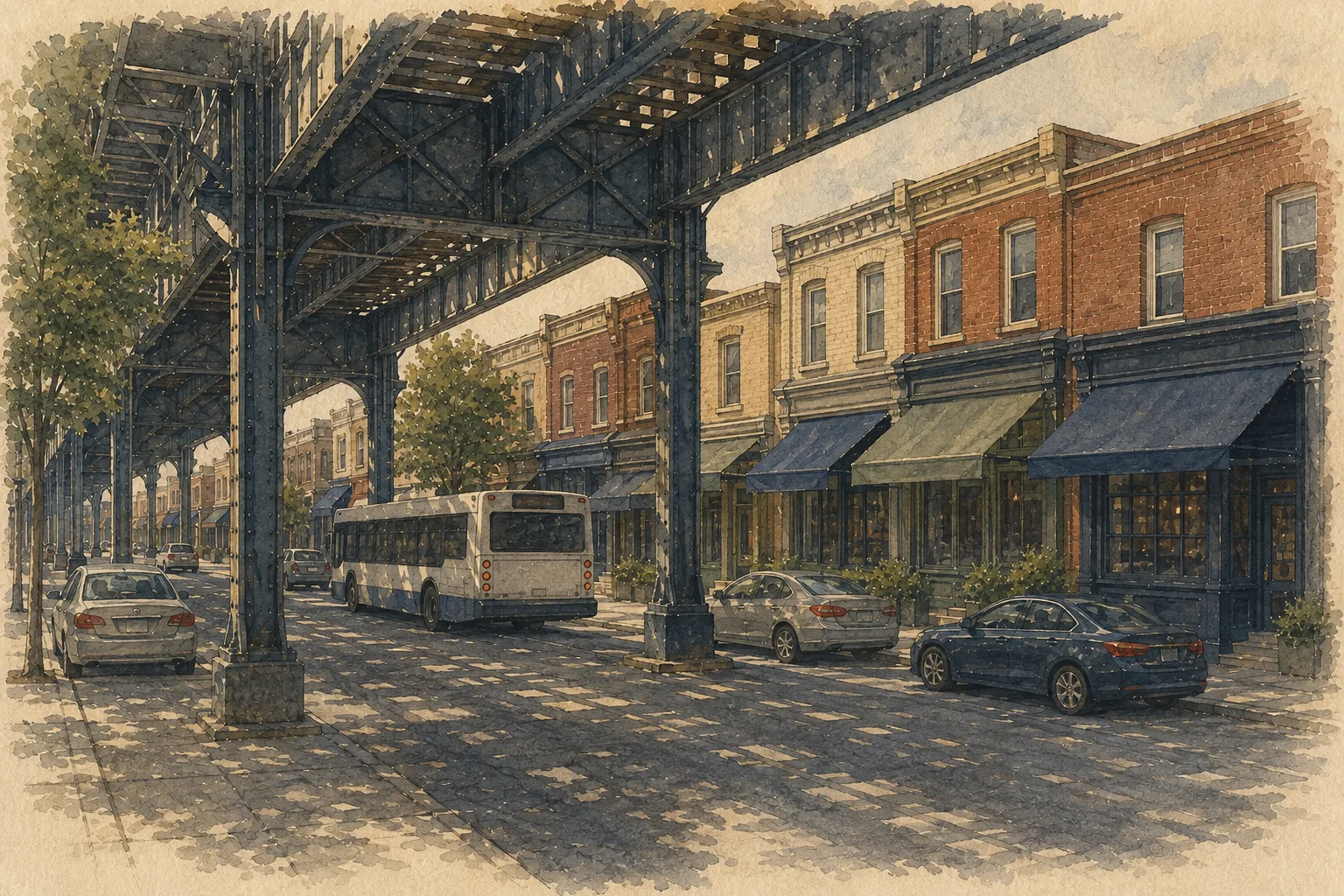
Northeast Philly carries a reputation that locals both defend and quietly acknowledge.
There is deep neighborhood loyalty here. People shovel each other’s sidewalks. They help jump-start cars. They watch each other’s houses.
There is also persistent racism.
Many residents describe a strange duality: neighbors who will help you fix your car while complaining about immigrants in the same breath. Longtime families express fear of demographic change while continuing to live side by side with increasingly diverse communities.
The area has absorbed waves of Russian, Asian, Hispanic, and African American residents over decades. That diversity exists physically, but socially it remains fragmented.
Lower Northeast areas like Frankford and Mayfair generate the loudest stories. Racist posts surface regularly in local groups. Black residents have reported Northeast as the only place in Philly where they experienced open discrimination. Immigrant neighbors become targets of bizarre accusations tied to food smells, yard conditions, or imagined behavior.
Layered over race is class.
Northeast Philly is deeply blue-collar. Sports loyalty, Wawa culture, trade work, and practical survival shape social norms. People who do not fit that mold often feel out of place quickly. Outsiders describe the environment as tightly wound, dominated by pissing contests, pizza shops, and defensive masculinity.
This creates a social wall.
If you grew up here, you are part of the fabric. If you did not, you are tested.
It is not subtle.
NE vs the Rest of Philly: Snobs, Transplants, and Secession Fantasies
Northeast Philly exists in permanent tension with the rest of the city.
Residents feel dismissed by Center City and Fishtown transplants who romanticize rowhouse life while paying premium rents. In response, Northeast locals mock newcomers for spending fifteen dollars on burgers and calling themselves Philadelphians after five years.
There is also a long-standing fantasy among some Far Northeast residents about separating from Philadelphia entirely. Decades ago, this took the form of a proposed Liberty County. Today it survives mostly as sarcasm, but the underlying resentment remains.
People complain about paying city taxes while living in what feels like suburban conditions with worse schools and smaller yards. They resent being grouped with Kensington crime statistics. They argue that Northeast problems are ignored unless something explodes on Roosevelt Boulevard.
Outsiders call Northeast residents snobs.
Northeast residents call outsiders naive.
Both sides think the other does not understand real Philly.
This friction shows up constantly in online debates. Every conversation about development, crime, or infrastructure eventually turns into a fight about who belongs and who ruined what.
It is not polite.
It is deeply emotional.
Families, Kids, and How People Actually Cope
For families, Northeast Philly is about adaptation.
Parents learn which parks feel safe and which do not. They schedule activities around daylight. They escort kids to cars. They avoid certain corners after school hours. Youth sports games now come with quiet anxiety because shootings have occurred near fields.
At the same time, people work hard to preserve normalcy.
Kids still ride bikes on good blocks. Neighborhood fireworks explode every summer despite city bans. Lawn chairs appear on sidewalks during holidays. Fourth of July celebrations in Lawncrest consistently draw crowds larger than many official city events.
Parents attend community meetings with the 15th Police District, pleading for improvement while reminding each other to focus on positives. Some genuinely believe Northeast can stabilize again. Others are quietly planning exits once finances allow.
Coping mechanisms are practical.
People install cameras.
They share crime alerts.
They shovel together after snowstorms.
They memorize which Wawas close first when trouble starts.
They accept that certain behaviors are outside their control.
There is a quiet resilience here, mixed with fatigue. Families stay because of space, affordability, and history. They adapt because leaving is not always possible.
Northeast Philly does not offer peace.
It offers endurance.
Where Life Actually Happens (When It’s Not Chaos)
Despite everything that dominates headlines and neighborhood feeds, most of Northeast Philly life happens quietly.
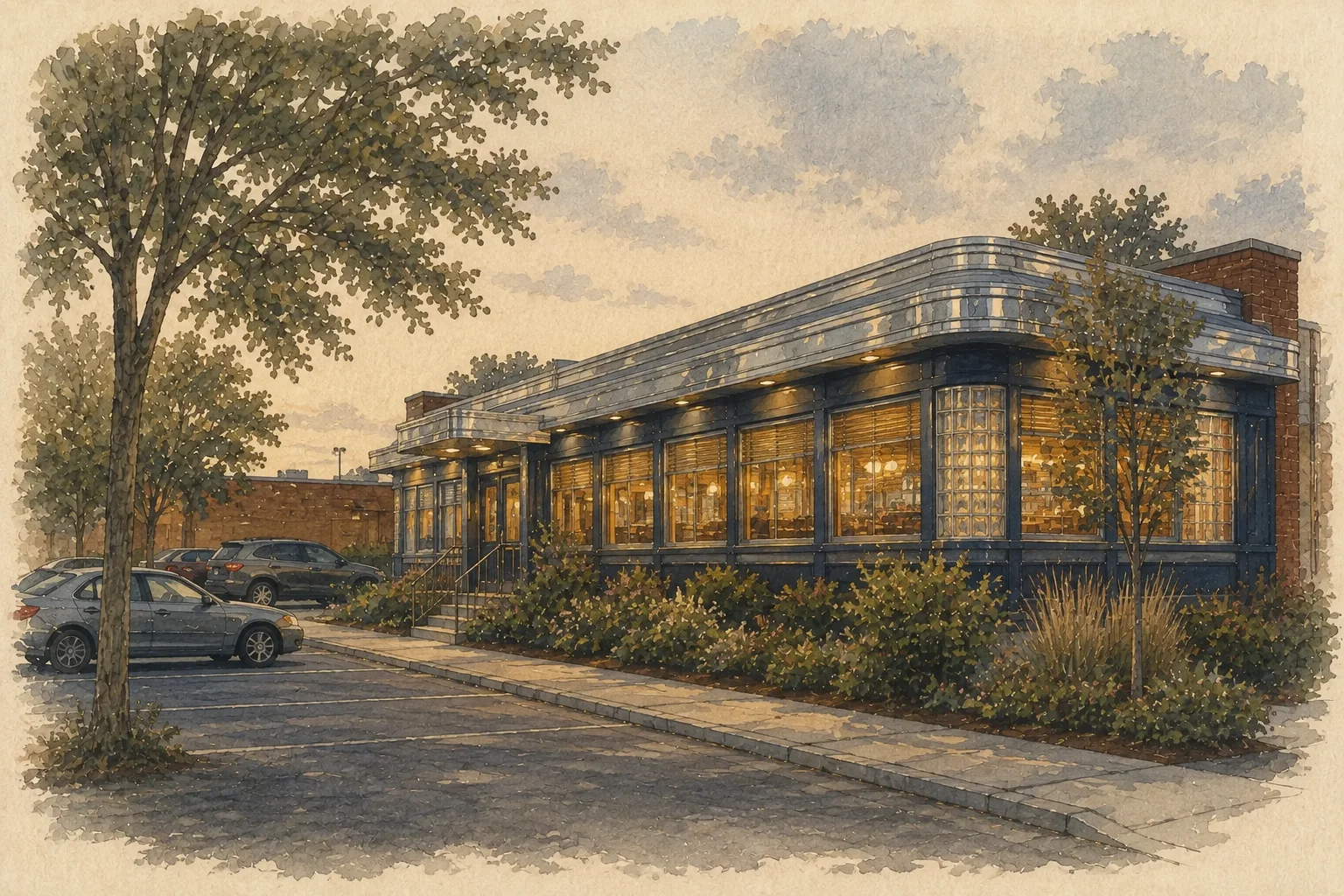
It happens in strip mall parking lots on weekday afternoons. It happens inside family-owned pizza shops on Frankford Avenue. It happens at diners where the decor has not changed in decades and nobody is rushing you out of a booth. It happens at neighborhood bars like Grey Lodge and Hop Angel where bartenders still remember faces and pour heavy.
People build routines around a handful of dependable places.
Malls matter here in a way they do not in trendier parts of the city. Philadelphia Mills and Neshaminy are not dying retail zones. They are social infrastructure. Teenagers hang out. Seniors walk laps. Parents kill time between errands. Russian-language ads play on screens in food courts, reflecting how immigrant communities have reshaped the area.
Food loyalty runs deep. Tacony’s hoagie corridor remains a quiet point of pride. Italian bakeries still anchor mornings. Barbershops double as community centers. Mayfair Pizza, Carangi Baking Company, and old-school diners on Frankford are not Instagram destinations, but they are consistent, and consistency matters more than novelty here.
Casinos and local bars fill the nightlife gap. There is no entertainment district to speak of. People either drink close to home or drive elsewhere.
This is how Northeast Philly survives its own stress.
By leaning on routine.
Where life actually happens
Most of Northeast Philly life happens quietly, in a handful of dependable places.
Grey Lodge
One of the bars where bartenders still remember faces and pour heavy. There is no entertainment district here; people either drink close to home or drive elsewhere.
Hop Angel
The other name locals give when asked where they actually go. Same rule: faces remembered, drinks poured heavy.
Mayfair Pizza
Not an Instagram destination, but consistent — and consistency matters more than novelty here. Food loyalty in the Northeast runs deep.
Carangi Baking Company
Italian bakeries still anchor mornings. Tacony's hoagie corridor remains a quiet point of pride, and barbershops double as community centers.
Philadelphia Mills and Neshaminy
Teenagers hang out, seniors walk laps, parents kill time between errands. Russian-language ads play on screens in food courts, reflecting how immigrant communities have reshaped the area.
Hyper-Local Pride and Insider Lore
Northeast Philly pride does not look like murals or hashtags. It shows up in oddly specific stories that locals repeat to each other.
Lawncrest’s Fourth of July celebration routinely beats the Parkway for sheer neighborhood energy. Fox Chase has a bar that longtime residents quietly insist is one of their favorites anywhere. Roosevelt Mall still carries emotional weight because of a decades-old plane crash that older residents remember vividly. Northeast High School holds strange celebrity lore tied to Tony Danza filming there.
These are not things people advertise.
They surface in casual conversations.
There is also pride in survival. People brag about growing up with yards, Catholic schools, and block parties even while admitting the area has declined. They defend their neighborhoods aggressively when outsiders criticize them, even if they privately complain daily.
Immigrant communities add their own layers of lore. Russian grocery stores, South Asian families in Bustleton, and Asian businesses in Somerton have quietly reshaped food options and retail without fanfare.
The pride here is understated and stubborn.
It is less about excellence and more about endurance.
The Unwritten Rules of Northeast Philly
There are rules here that nobody formally explains, but everyone eventually learns.
Do not honk at aggressive drivers, especially on Roosevelt Boulevard.
Do not move parking buckets unless you are prepared for retaliation.
Do not argue in Facebook neighborhood groups unless you enjoy being publicly dragged.
Do not assume public parking feels public.
Do not walk certain routes late at night just because Google Maps says it is fine.
Do not broadcast which blocks feel safe.
Respect oldheads when they call out scammers.
Watch which Wawas close first during disturbances.
Move into inner lanes before Rhawn Street when heading south on Roosevelt Boulevard.
Help shovel during snowstorms and people will remember.
Mind your business when strangers are yelling.
These rules exist because people learned them the hard way.
They form a quiet operating system that keeps daily life moving.
The 10 Specific Details No Tourist Will Ever Know
-
Teen crowds near Somerton Skate Plex tend to form around 5pm, and nearby Wawas close when things escalate.
-
Southbound Roosevelt Boulevard drivers who fail to merge inward before Rhawn Street often get trapped during police shutdowns.
-
Lawncrest’s Fourth of July celebration draws heavier neighborhood participation than the Parkway.
-
Vista Street once had nine separate buckets claiming parking spots on a single block.
-
Fox Chase residents still reference Shady Lane and Pine Road as visual symbols of trash collapse during sanitation disruptions.
-
Oldheads in local Facebook groups regularly expose weekly hustler scams, yet donations continue anyway.
-
Certain blocks keep cameras pointed directly at curbside parking to enforce informal territorial claims.
-
Russian-language Comcast ads are a quiet marker of Far Northeast demographic shifts.
-
Residents time errands around PPA enforcement windows and use meter apps with alarms to avoid surprise tickets.
-
People treat Wawa closures as real-time safety alerts, not retail inconveniences.
None of this appears in guidebooks.
Every bit of it shapes daily behavior.
What People Guard Without Saying Out Loud
There are three things Northeast Philly residents protect quietly.
The first is their “good block.”
People will complain endlessly about the neighborhood in general, but they rarely disclose which streets feel stable, friendly, or calm. Those details are shared privately, neighbor to neighbor, never broadly online. A good block means kids can ride bikes. It means packages survive overnight. It means you know who lives next door. Once a block gains attention, it changes, so locals keep that knowledge close.
The second is routine.
Residents defend their daily paths like territory. Which grocery store feels safe after dark. Which barber is consistent. Which diner serves breakfast fast enough before school drop-off. These routines are survival structures. Disrupt them with construction, trash delays, or crime spikes and stress levels explode.
The third is their version of dignity.
People here do not like being portrayed as backward, racist, or broken. Even when they admit those problems exist, they resent outsiders flattening their lives into stereotypes. Northeast Philly residents carry pride in having endured decades of change without abandoning their communities.
They will criticize their home all day long.
They just do not want you doing it.
The Math Everyone Does in Their Head
Locals measure whether Northeast Philly is “worth it” using a very specific internal calculator.
They weigh space against stress.
They compare mortgage or rent costs to how often helicopters fly overhead.
They count yards and bedrooms against car break-ins and parking wars.
They evaluate whether their kids can play outside, even if only on certain blocks or at certain times.
They ask themselves how often they have to drive across Roosevelt Boulevard versus how much money they save living here.
They factor in commute times, school quality, and whether their favorite Wawa still feels normal.
Nobody writes this down.
But everyone runs it constantly.
If the balance tilts too far toward chaos, people quietly start planning exits. If space and affordability still win, they stay and adapt.
That is the Northeast Philly equation.
The equation everyone runs in their head
They weigh space against stress. If space and affordability still win, they stay and adapt.
- More physical space for your money — bigger houses, real yards, extra bedrooms, driveways in some pockets, storage basements.
- Self-containment: malls, supermarkets, casinos, schools, doctors, mechanics and food spots inside the Northeast.
- Deep neighborhood loyalty — people shovel each other's sidewalks, jump-start cars, watch each other's houses.
- A place you settle into, not a place you show off.
- Parking feels like warfare, enforced socially more than legally.
- Roosevelt Boulevard traffic creates constant anxiety and planning.
- Trash delays combined with construction make entire blocks feel abandoned.
- Neighborhood Facebook and Nextdoor groups amplify conflict instead of solving problems.
- Crime uncertainty forces families into constant risk assessment.
Northeast Philly, Unfiltered
Northeast Philadelphia is not misunderstood.
It is under-explained.
This is a place built on practicality, not aesthetics. On routines, not reinvention. On endurance more than aspiration.
It holds families who have lived on the same blocks for generations alongside new immigrants building fresh lives. It contains both racism and radical neighborliness. It produces Facebook chaos and real-world cooperation. It offers yards and space while demanding vigilance and compromise.
You learn Northeast Philly through repetition.
You learn which routes to avoid.
You learn when Wawas close.
You learn how to park without starting a feud.
You learn that safety is not a fixed condition but a daily calculation.
You learn that people here are rough, helpful, defensive, generous, angry, funny, and tired all at once.
Most of all, you learn that Northeast Philly does not reward optimism.
It rewards awareness.
If you arrive expecting charm, you will be disappointed.
If you arrive ready to observe, adapt, and respect the invisible rules, you can build a real life here.
Not a curated one.
A real one.
Make it yours
Your Northeast comparison sheet
A short list to turn what you read into your own next steps.
Saved checks stay on this device when browser storage is available. This is a personal planning list, not a property inspection or professional assessment.
Sources & next steps
Useful advice should
show its working.
These resources support the reader tools above and help you check details for your own address, date, or plans.
- SEPTA trip planner
Plan your date, direction and return journey; check service and accessibility details.
- Roosevelt Boulevard: Route for Change
Find official project information and the linked update channels.
- School District enrollment tools
Find the address-based school lookup and current enrollment instructions.
These tools support a household comparison. They do not assign demographic identities, school rankings or safety ratings to parts of the Northeast.
Keep exploring