A little orientation
Plan a Fox Chase visit around what you need
Check the return train.
Look up service for the actual day and direction before making plans that depend on a particular departure.
Choose a park entrance deliberately.
Use official facility information for the access and activity you want, rather than treating every Pennypack reference as the same destination.
Let the hospital guide the visit.
For Fox Chase Cancer Center, follow the hospital’s own current visitor instructions and your care team’s arrangements, not neighborhood commentary.
A closer look
Three different kinds of visit
Pick the panel that matches your trip, then save the relevant official information.
Plan both directions.
Use SEPTA’s planner for your actual destination and date rather than relying on the guide’s general Fox Chase Line description. Check the return journey, station access and any notices before deciding which train fits your plan.
A useful questionWhich return service and access details have you confirmed for your trip?
Source & next step ↗Find the entrance that fits.
Research the Pennypack destination you intend to use through official park information, starting from the guide’s Krewstown Road reference if relevant. Confirm the entrance, activity and access questions for your group without assuming the whole park has one approach.
A useful questionWhich entrance supports the walk or activity your group actually wants?
Source & next step ↗Follow your appointment instructions.
For a visit to Fox Chase Cancer Center, check the hospital’s current visitor information and confirm the building with the care team. Ask directly about arrival and access needs; neighborhood descriptions cannot establish an appointment plan or medical outcome.
A useful questionWhat arrival instructions has the hospital given for your specific appointment or visit?
Source & next step ↗Fox Chase is not a simple neighborhood to understand from listings or quick visits. The experience changes depending on where you live, what time of day you are outside, and how you move through the area. A block that feels calm in the morning can feel completely different at night. A street that looks ideal on a map may sit right next to areas locals actively avoid. Even something as routine as commuting can vary dramatically depending on how you plan your day.
In Fox Chase, how people actually live differs from how the neighborhood is marketed — the maintenance issues and everyday frustrations that never show up in a real estate listing.
This guide is built from real local data, real conversations, and the kind of details that only come from people who live here. It breaks down what Fox Chase actually feels like, not just what it looks like on paper, so you can make decisions based on reality.
What Fox Chase Actually Feels Like (The Core Identity and Tradeoffs)
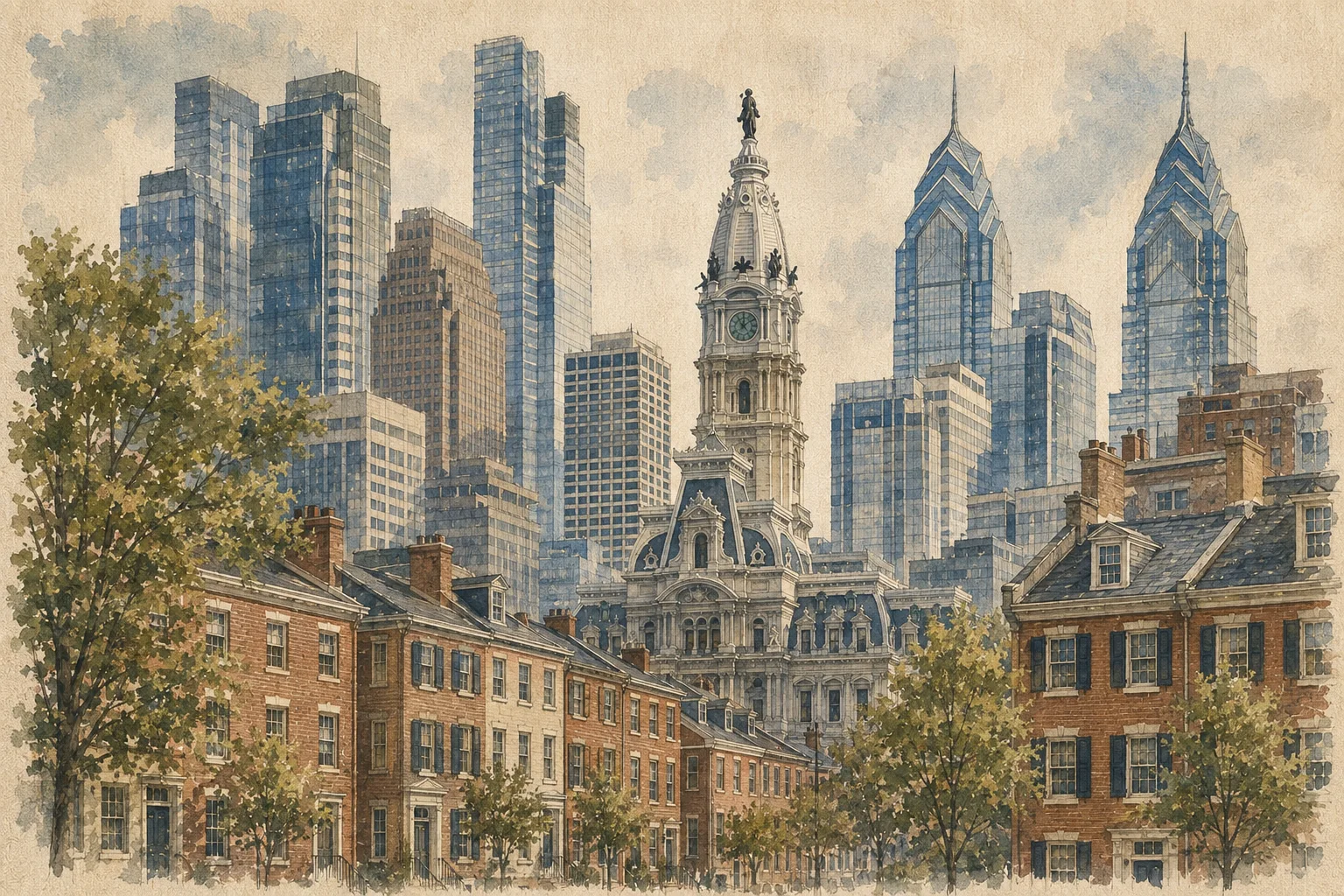
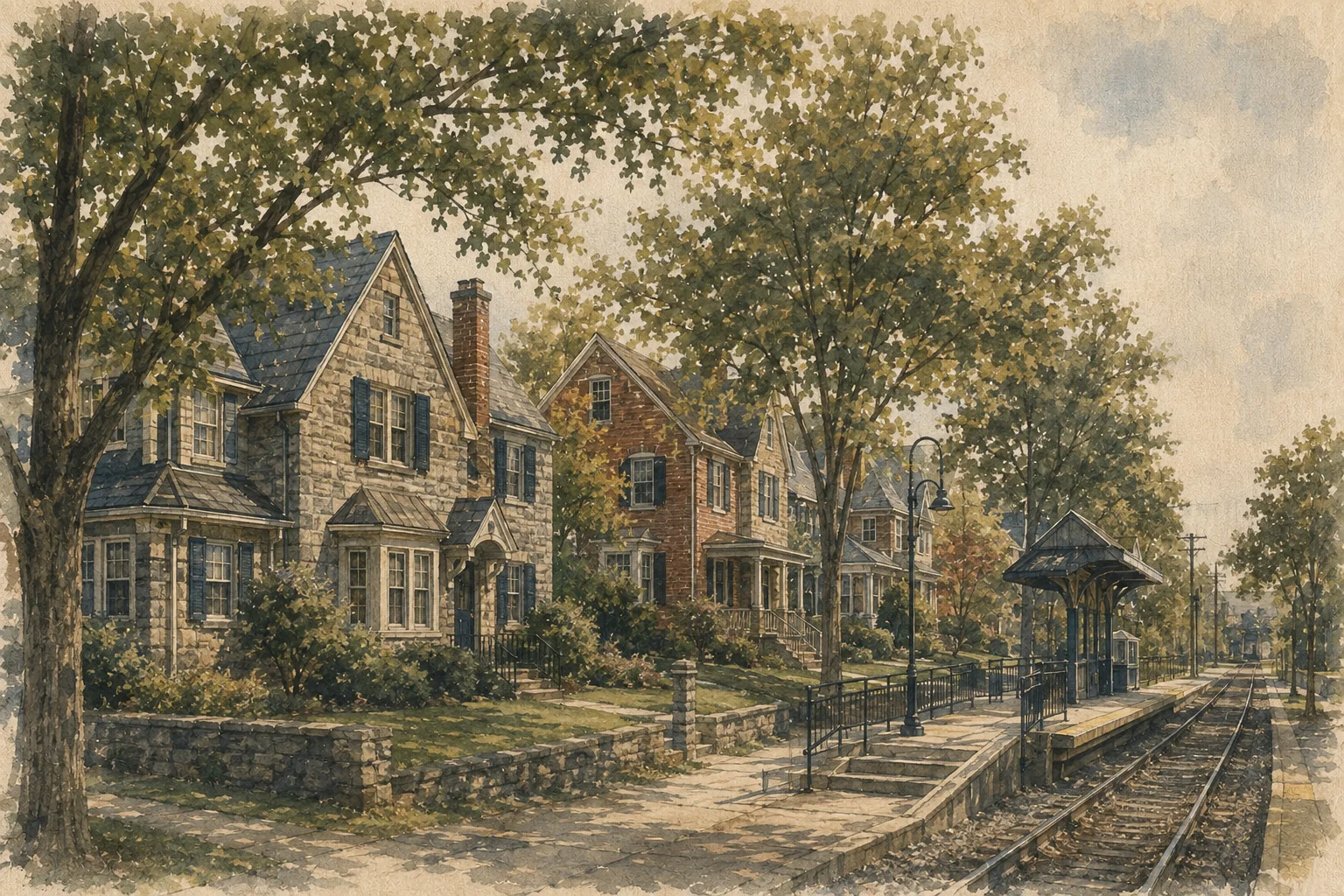
When people describe Fox Chase, they almost always start with the same idea. It feels like a small town tucked inside Philadelphia. The streets are quieter than most parts of the city, there is more space between homes, and parking is rarely something you have to fight for. You can step outside, walk your dog, and not feel like you are in a dense urban neighborhood. That first impression is real, but it is only part of the story.
Living here is defined by a constant tradeoff. You gain quiet streets, easier parking, and access to green space. In exchange, you accept a longer commute, a less dynamic food scene, and a level of unpredictability that comes from being connected to surrounding areas that do not always share the same feel. People who live here understand this balance. It is not something they complain about every day, but it shows up in how they talk about the neighborhood.
You will often hear people say the area is solid or a good place to live. What stands out is that the statement rarely ends there. It is usually followed by a qualification about nearby neighborhoods, the commute, or changes over time. That pattern tells you a lot. Fox Chase is not a place people blindly praise. It is a place people evaluate, compare, and justify.
The neighborhood also carries the identity of being part of Northeast Philadelphia. That label matters more than outsiders might expect. For some, it signals affordability, space, and a quieter lifestyle. For others, it carries assumptions about distance from Center City, culture, and even local politics. Whether those assumptions are accurate or not, they shape how Fox Chase is perceived.
At its core, Fox Chase is a decision. People choose it because they want breathing room without leaving the city entirely. They are willing to give up convenience for that trade. If you value being able to park on your street, take a walk without crowds, and live in a place that feels stable, Fox Chase delivers. If you expect quick access to nightlife, a wide variety of restaurants, or a short commute downtown, you will feel the tradeoff immediately.
Most locals measure everything here against a few simple questions. Is it safe at night. How far is it from Center City. Can I find parking. Is this better than the surrounding areas. Those questions guide almost every decision, from where to rent to which street feels comfortable. Understanding that mindset is the key to understanding Fox Chase.
Where Fox Chase sits
- Pennypack Park
- Fox Chase Cancer Center
- Fox Chase Line
- Krewstown Road
Schematic · not to scale
The Micro Geography: Where You Are Matters More Than the Neighborhood Name
One of the first things you learn about Fox Chase is that the neighborhood name does not tell you everything. Two blocks can feel completely different. People who live here do not talk about Fox Chase as one uniform place. They talk about specific streets, intersections, and edges.
The core of Fox Chase is generally described as quiet and stable. It has the characteristics people expect when they move here. Tree lined streets, residential homes, and a slower pace compared to the rest of the city. This is the version of Fox Chase that shows up in positive descriptions.
Then there are the edges. Areas that sit closer to Oxford Circle or Lawndale are often described differently. These bordering sections come up repeatedly in conversations about safety and overall feel. Even if you are technically still in Fox Chase, proximity to those areas can change how a block is perceived.
This creates a kind of invisible map that only locals understand. It is not written anywhere, but people know which streets feel comfortable and which ones require more awareness. When someone says an area is good, they are usually referring to a specific section, not the entire neighborhood.
Because of this, advice about Fox Chase is often highly specific. A street that feels fine during the day might not be recommended for walking at night. A block near the park might be desirable for its access to green space but less appealing depending on what happens there after dark. These nuances matter more than the general neighborhood label.
Parking, walking routes, and even where people choose to shop or eat are influenced by this micro geography. Someone who has lived here for a while develops a mental map of where they feel comfortable at different times. That map is not obvious to newcomers.
The most important thing to understand is that Fox Chase is not one experience. It is a collection of smaller zones, each with its own reputation. The difference between them is subtle but important. Locals navigate those differences without thinking about it, while newcomers usually only notice after spending time in the area.
Where you are matters more than the neighborhood name
An invisible map only locals hold. When someone says an area is good, they mean a section, not the whole neighborhood.
The core
Quiet and stableTree-lined streets, residential homes and a slower pace than the rest of the city. This is the version of Fox Chase that shows up in positive descriptions.
The edges toward Oxford Circle and Lawndale
The bordering sectionsDescribed differently, and they come up repeatedly in conversations about safety and overall feel. Even if you are technically still in Fox Chase, proximity to those areas can change how a block is perceived.
The blocks by the park
Green space, with a caveatDesirable for access to green space, but less appealing depending on what happens there after dark. A street that feels fine during the day is not always recommended for walking at night.
Time Changes Everything (Day vs Night Reality)
Fox Chase is a neighborhood where time of day plays a major role in how it feels. The same street can feel completely different depending on when you are there. This is one of the most consistent patterns in how people describe the area.
During the day, the neighborhood lives up to its reputation. It feels calm, residential, and predictable. People are out walking dogs, driving to errands, or heading into Pennypack Park. There is a sense of routine that makes the area feel stable.
At night, that perception changes. It does not necessarily become dangerous in a dramatic way, but it becomes less comfortable. People become more aware of their surroundings. Walking alone is something many residents avoid, especially in areas closer to the neighborhood borders or near less active streets.
Because of this, daily routines adjust around time. People who might walk somewhere during the day will choose to drive in the evening. Routes that feel normal in daylight are avoided after dark. These are not official rules, but they are widely understood behaviors.
The idea of time affecting daily life also shows up in commuting. A trip that should be simple can turn into something unpredictable depending on timing. A well documented example involved a train ride that started in the late afternoon and turned into a long delay lasting well over an hour, with multiple updates before the train finally moved again. Experiences like that are not rare, and they shape how people plan their days.
What this means in practice is that Fox Chase is not just about where you are, but when you are there. Understanding that difference is part of adjusting to the neighborhood. It is one of those details that is rarely mentioned in official descriptions, but it comes up constantly when people talk about real life here.
Safety, Crime, and the Decline Narrative
Safety in Fox Chase is one of the most debated topics among residents. There is no single consensus, which is why it comes up so often. Some people describe the neighborhood as solid and relatively safe, while others feel it has changed over time.
The idea that the area is declining appears frequently. It is usually connected to smaller issues rather than major crime. People mention trash, petty theft, and a general sense that things are not as well maintained as they used to be. These changes are often described as gradual, which makes them harder to define but easy to notice.
At the same time, larger incidents have had a strong impact on perception. A widely discussed case involved a missing person who was later found in a local park, with details emerging about how the suspect was identified. Another incident involved a dispute that escalated into violence inside a home. Events like these do not happen every day, but they stay in people’s minds and influence how safe the area feels.
What is important is that most concerns are not about constant danger. Instead, they focus on unpredictability. People worry about situations that could happen rather than things they see happening all the time. This leads to a cautious mindset rather than outright fear.
There is also a political layer to these discussions. Some residents attribute changes in crime to broader city policies, often referencing leadership by name. Others push back on that idea. These disagreements show up in conversations and can become part of the larger debate about the neighborhood’s direction.
Overall, safety in Fox Chase is best understood as mixed. It is not defined by extreme conditions, but by a combination of everyday annoyances, occasional serious incidents, and ongoing debates about what has changed. That combination is what shapes how people feel living here.
The Daily Friction: Small Problems That Define Living Here
The challenges of living in Fox Chase are not usually dramatic. What shapes daily life here are smaller issues that repeat often enough to matter. Over time, these small problems become part of the experience of the neighborhood.
One of the most common concerns is the condition of the streets and public spaces. Residents mention trash and a general feeling that upkeep is not as strong as it used to be. It is not always severe, but it is noticeable. When people talk about the area declining, this is often what they are referring to. It is not about one major issue, but a collection of small ones that add up.
Noise is another recurring frustration. Fireworks are mentioned frequently, especially outside of holidays. Combined with untrained dogs in residential areas, these things disrupt the quiet atmosphere that people expect when they move here. The neighborhood is supposed to feel calm, so anything that breaks that expectation stands out more.
Parks also come up in this context. While Pennypack Park is widely appreciated, there are concerns about how some areas are used. Families expect it to be a safe environment for kids, and when that expectation is not met, it creates frustration. This is especially true when activity in the park feels out of place for a family oriented space.
There is also a layer of skepticism that has developed around interactions with strangers and local businesses. People talk about repeated situations where individuals ask for help or money with stories that change over time. Whether these situations are common or just highly visible, they have shaped how residents respond. There is a noticeable shift toward caution.
None of these problems define Fox Chase on their own. What matters is how often they come up. They create a background level of friction that influences how people move through their day. It is not enough to push people out of the neighborhood, but it is enough to shape how they live in it.
The Commute Reality: SEPTA, Distance, and Daily Tradeoffs
Living in Fox Chase means accepting that getting to Center City is not always simple. Distance is part of it, but the bigger issue is reliability. The Fox Chase Line is the main connection to the rest of the city, and it has a reputation that residents are very familiar with.
Delays are a regular part of the experience. It is not unusual for a trip that should be straightforward to stretch far beyond what was planned. There are accounts of rides that extended well over an hour due to mechanical issues, with multiple updates and changes before the train finally continued. Situations like that are not rare enough to ignore. They are part of how people think about commuting from this area.
Because of this, there is a sense of resignation around SEPTA. People do not expect it to run perfectly. They expect delays and adjust their schedules accordingly. Some even check third party tracking sites before leaving, just to get a sense of what they are dealing with. This has become part of the routine.
The language people use around the commute reflects that frustration. It is often sarcastic or blunt. There is an understanding that things may not work as intended, and people cope with that reality rather than expecting it to change.
Distance also plays a role. Fox Chase is farther from Center City than many other neighborhoods, so even when the train runs smoothly, the trip takes time. When you combine that with unpredictability, it turns commuting into a significant part of daily life.
For some residents, this is the biggest downside of living here. It affects work schedules, social plans, and overall convenience. For others, it is simply part of the tradeoff for having more space and a quieter environment.
In practice, many people adapt by driving whenever possible or planning their trips carefully. The commute is not a dealbreaker for everyone, but it is something you have to accept before choosing to live in Fox Chase.
Why People Stay: Parking, Space, and Lifestyle
Despite the tradeoffs, people choose to stay in Fox Chase for specific reasons. The advantages may seem simple, but they are difficult to find in other parts of Philadelphia.
Parking is one of the biggest factors. In many neighborhoods, finding a spot can be a daily challenge. In Fox Chase, it is much easier. Residents consistently mention that parking is available, even on residential streets. This changes how people move through their day. You do not have to plan around parking or worry about circling the block when you get home.
Space is another major advantage. Homes are generally larger, and the streets feel less crowded. This creates a sense of separation from the rest of the city. It is not just about physical space, but about how that space affects daily life. There is less pressure, less noise, and a slower pace.
The lifestyle that comes with these factors is what keeps people here. It is easier to maintain routines, whether that means walking in the park, running errands by car, or simply spending time at home. The neighborhood supports a more predictable way of living.
This is especially appealing for people who prioritize stability. The housing stock and higher rate of homeownership contribute to that feeling. It is not a transient area where people are constantly moving in and out. There is a sense that the neighborhood is established.
For many residents, these advantages outweigh the downsides. The commute may be longer, and the food options may be limited, but having space and convenience in daily life is worth it. Fox Chase works for people who value those things more than access to the center of the city.
Food Scene Reality: Weak Overall, Strong If You Know Where to Go
The overall perception of the food scene in Fox Chase is not particularly strong. Residents often describe it as limited, with many of the same types of options repeating across the area. Pizza shops and fast food spots are easy to find, but variety is not the neighborhood’s strength.
That does not mean there is no good food. It means that finding it requires more specific knowledge. Instead of relying on the general scene, people rely on individual places that have built a reputation over time.
This creates a different way of thinking about food. In neighborhoods with a strong food culture, you can explore and discover new places easily. In Fox Chase, people tend to stick to a short list of spots they trust. Those spots become part of the local identity.
Recommendations are usually very specific. Someone will suggest a particular deli, butcher, or restaurant, rather than saying the area has good food overall. This is a key difference. The value is in the details, not in the variety.
There is also an element of discovery. Some places are not widely advertised, but once people find them, they become regular stops. Social media and word of mouth play a role in this, especially for newer or less obvious locations.
If you approach Fox Chase expecting a strong, diverse food scene, you will likely be disappointed. If you approach it with the understanding that there are a handful of reliable spots worth knowing, the experience is different. It becomes less about exploring and more about knowing where to go.
The True Local Spots (Insider Knowledge Only)
The real value of the Fox Chase food scene comes from a small number of places that locals consistently mention. These spots are not just places to eat. They are part of the neighborhood’s identity.
Riekers Meats stands out as one of the most recognized local businesses. It is located near Le Souk Market, and people often refer to the two together when giving directions. The shop specializes in German style meats and products, including sausages and items that are prepared on site. Certain products have developed a reputation among regular customers, and knowing what to order is part of the experience. It is the kind of place where people feel like they are in on something that others might miss.
Red Rooster Inn represents a different kind of local tradition. It has been around for decades and is known for its large portions and specific menu items. Weekend mornings, especially Sunday, are a key time for this spot. It is not about innovation or variety. It is about consistency and familiarity. People go there because it has always been there.
Le Souk Market is often described as a place you discover rather than seek out. It has a wide selection of items, and the appeal comes from the variety. People who find it tend to recommend it enthusiastically, as if they have come across something unexpected in the neighborhood.
Joseph’s Pizza and Chubby’s Deli are examples of how specific items can define a place. Instead of being known for everything on the menu, they are known for doing one thing well. That is enough to make them part of the local rotation.
There are also less obvious spots, like a local recording studio that offers modern equipment at a relatively low cost. This kind of detail shows that Fox Chase is not just residential. There are small pockets of activity that you only find by spending time in the area.
Even something as simple as a scenic drive can be part of local knowledge. There is a route that runs between Krewstown Road and Pine Road that people mention for its views near the edge of the city. It is not a tourist attraction, but it is something residents know and appreciate.
These details are what separate someone who lives in Fox Chase from someone who is just passing through. The neighborhood does not present everything on the surface. You learn it over time, through repetition and familiarity.
The true local spots
The food scene is weak overall and strong if you know where to go. This is the short list residents actually trust.
Riekers Meats
Sits near Le Souk Market, and people refer to the two together when giving directions. Sausages and items prepared on site; certain products have a reputation among regulars, and knowing what to order is part of the experience.
Best for · Feeling like you are in on something others might miss
Red Rooster Inn
Around for decades, known for large portions and specific menu items. Not about innovation or variety — about consistency and familiarity.
Best for · Weekend mornings, especially Sunday
Le Souk Market
A place you discover rather than seek out. A wide selection, and the appeal comes from the variety. People who find it recommend it enthusiastically, as if they came across something unexpected.
Joseph's Pizza and Chubby's Deli
Examples of how specific items define a place. Known for doing one thing well rather than for everything on the menu, which is enough to make them part of the local rotation.
The Cancer Center: The Most Emotionally Charged Topic
Fox Chase Cancer Center is one of the most recognizable institutions in the area. For many people, it is the first thing they associate with the neighborhood. It brings a steady flow of patients, families, and medical staff into Fox Chase, and it shapes how the area is perceived beyond its residential identity.
On the positive side, there is respect for the medical expertise. Some people point to strong outcomes and dedicated nursing care. In those cases, the cancer center represents hope and specialized treatment that is not easily found elsewhere.
What makes this topic different is the emotional weight behind it. This is not about convenience or lifestyle. It is about health, uncertainty, and trust. Experiences at the cancer center influence how people view the neighborhood, even if they do not live there.
Understanding Fox Chase means recognizing that the cancer center is more than just a landmark. It is a place where people form some of their strongest opinions about the area, shaped by moments that matter far more than everyday concerns.
The Real Community: Online Life vs Real Life
Community in Fox Chase exists in two very different spaces. There is the real life neighborhood, and then there is the online version of it. Both are active, but they do not always feel the same.
In person, Fox Chase can feel quiet and stable. People go about their routines, interact with neighbors, and use shared spaces like Pennypack Park. Community events such as local gatherings or safety focused activities bring people together in a way that reinforces the family oriented identity of the area.
Online, the tone changes. Local Facebook groups and platforms like Nextdoor are where much of the day to day conversation happens. These spaces are used for sharing information, asking for recommendations, and posting updates about what is happening in the neighborhood. They serve a practical purpose, especially when it comes to real time alerts or local issues.
At the same time, these platforms are also where a lot of tension shows up. Arguments, personal conflicts, and disagreements are common. Topics that might seem small can turn into extended debates. People who would never interact in person may find themselves in direct conflict online.
There is also a sense of fatigue around these spaces. Some residents describe them as dominated by complaints or repetitive issues. Posts about minor problems, disputes between neighbors, or ongoing arguments can create an atmosphere that feels more negative than the neighborhood itself.
Moderation plays a role in this dynamic. Certain individuals or admins become central figures in how discussions are managed. This can lead to additional tension, especially when people feel that conversations are being controlled too tightly or unevenly.
Despite these issues, people continue to use these platforms. They provide immediate access to information that can be useful in everyday life. Whether it is a report of suspicious activity, a lost item, or a recommendation for a local service, these groups remain part of the community structure.
The contrast between online and real life is important. Fox Chase may feel calm when you walk through it, but the online version of the neighborhood can feel much more intense. Understanding both sides gives a clearer picture of how the community actually functions.
The Unwritten Rules of Living in Fox Chase
Living in Fox Chase comes with a set of unwritten rules that shape how people navigate the neighborhood. These are not formal guidelines, but they are widely understood by residents who have spent time here.
One of the most important rules relates to safety. People adjust their behavior based on time and location. Walking alone at night is something many avoid, especially in areas that are less active. Knowing which streets feel comfortable and which ones require more awareness is part of daily life. This knowledge is not something you find on a map. It comes from experience.
Another rule involves transportation. While public transit is available, many people rely on their cars whenever possible. Driving offers more control over time and avoids the unpredictability of delays. Checking transit conditions before leaving is a common habit, especially for those who need to be somewhere at a specific time.
Social awareness is also important. Online platforms are useful, but they are not always reliable. Residents learn to take information with caution and to avoid getting drawn into unnecessary conflicts. At the same time, there is an understanding that these platforms can provide valuable updates, so they are used carefully rather than avoided completely.
There is also a level of skepticism that shapes interactions with strangers. Requests for help or money are not taken at face value. People pay attention to patterns and past experiences, which influences how they respond. This does not mean the community is unfriendly, but it does mean that trust is earned rather than assumed.
Food and local recommendations follow a similar pattern. Instead of relying on general reviews, residents trust specific suggestions from people who know the area. Knowing which places are reliable is more important than exploring new options at random.
These unwritten rules are what allow people to feel comfortable in Fox Chase. They are not always obvious, but they guide everyday decisions. Learning them is part of becoming familiar with the neighborhood.
The Local Frustrations, Pride, and Who This Neighborhood Is For
Fox Chase is defined by a mix of frustrations and strengths. Understanding both sides is essential to knowing whether the neighborhood is a good fit.
The most common frustrations are consistent. Commuting is a major one, especially when relying on public transit. Delays and unpredictability can affect daily schedules and add stress. There is also concern about the condition of the neighborhood, including trash and small scale crime. These issues may not be severe, but they contribute to the feeling that things have changed over time.
Online community dynamics are another source of frustration. While useful, local platforms can become overwhelming due to constant complaints and disagreements. This creates a contrast between the calm physical environment and the more intense online conversations.
The food scene is also seen as limited. While there are specific places that residents trust, the overall variety is not as strong as in other parts of the city. For people who prioritize dining options, this can be a drawback.
Safety at night is another factor that people consider. Even if the neighborhood feels comfortable during the day, the need to adjust behavior after dark is something that comes up repeatedly.
At the same time, there are clear reasons why people choose to stay. Pennypack Park provides access to green space that is hard to find elsewhere in the city. The ability to park easily and have more space at home makes daily life more manageable. The neighborhood feels established, with a level of stability that comes from long term residents and homeownership.
There is also a sense of pride in certain local institutions and businesses. Places that have been part of the area for years become part of its identity. Residents take ownership of these spots and recommend them to others.
Fox Chase tends to work best for people who value space, quiet, and routine. It appeals to those who are willing to trade convenience for a more relaxed environment. If you prefer a neighborhood where you can park without difficulty, walk in a large park, and live at a slower pace, Fox Chase can be a good fit.
On the other hand, it may not suit everyone. People who rely heavily on public transit, want quick access to Center City, or expect a wide range of dining and nightlife options may find the limitations challenging.
In the end, Fox Chase is not defined by extremes. It is defined by balance. The experience depends on what you value and how you adapt to the realities of the neighborhood.
The frustrations and the reasons people stay
Fox Chase is not defined by extremes. It is defined by balance — and by what you are willing to trade.
- Pennypack Park provides access to green space that is hard to find elsewhere in the city.
- Parking is available even on residential streets, so you never plan around it or circle the block.
- Homes are generally larger and the streets feel less crowded — less pressure, less noise, a slower pace.
- The neighborhood feels established, with stability from long-term residents and homeownership.
- Commuting on the Fox Chase Line brings delays that can stretch a trip well over an hour.
- Trash and small-scale crime feed the feeling that upkeep is not as strong as it used to be.
- Local Facebook and Nextdoor groups get overwhelming — constant complaints and disagreements.
- The food scene's overall variety is not as strong as in other parts of the city.
- Walking alone at night is something many residents avoid, especially on less active streets.
Make it yours
Before setting out for Fox Chase
A short list to turn what you read into your own next steps.
Saved checks stay on this device when browser storage is available. This is a personal planning list, not a property inspection or professional assessment.
Sources & next steps
Useful advice should
show its working.
These resources support the reader tools above and help you check details for your own address, date, or plans.
- SEPTA trip planner
Plan your date, direction and return journey; check service and accessibility details.
- Philadelphia Parks & Recreation Finder
Find named public facilities and their contact information.
- Fox Chase Cancer Center visitor information
Check the hospital’s own visitor arrangements and current access instructions.
The hospital source supports visitor logistics only. These tools do not make treatment claims or certify a park route’s accessibility or safety.
Keep exploring