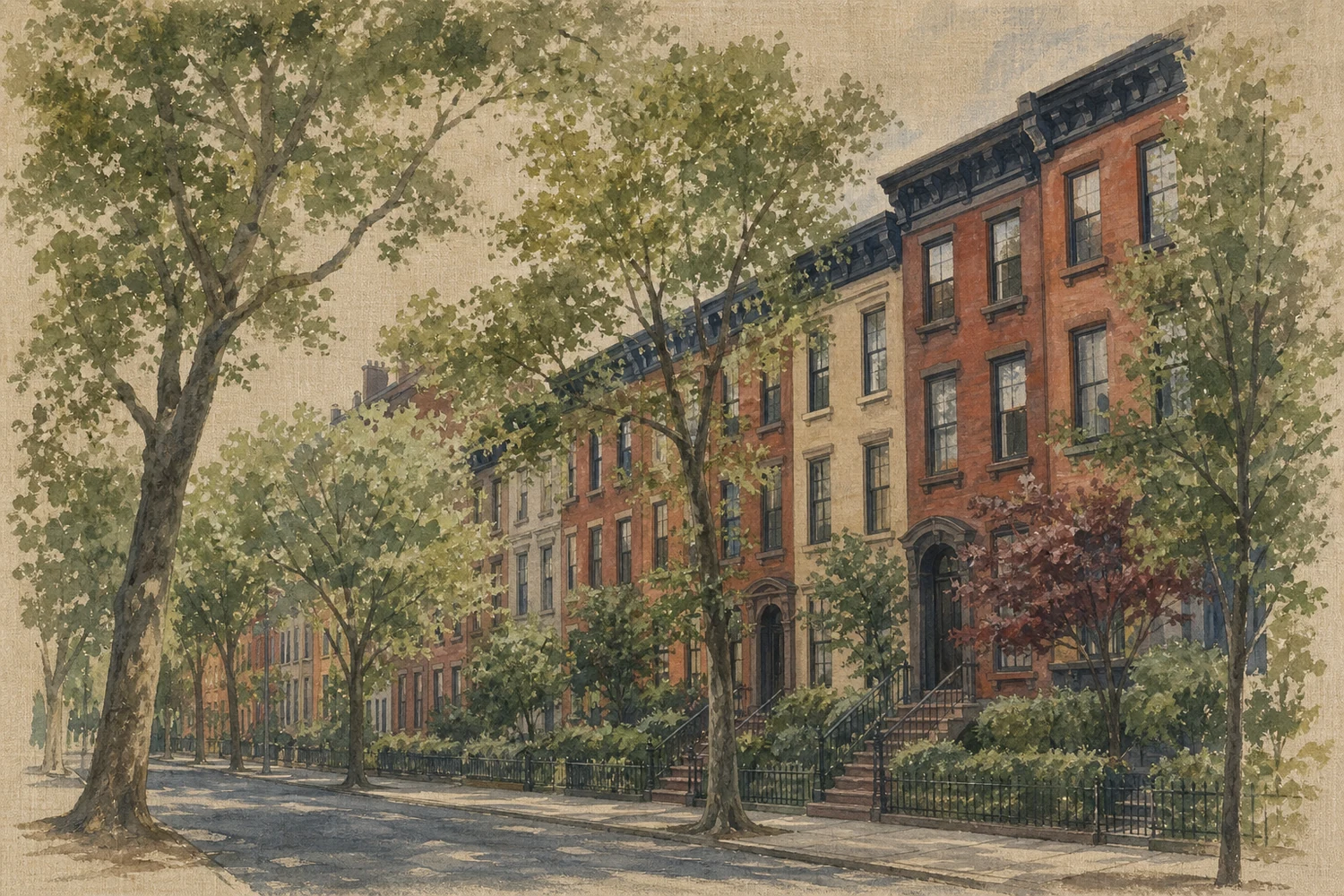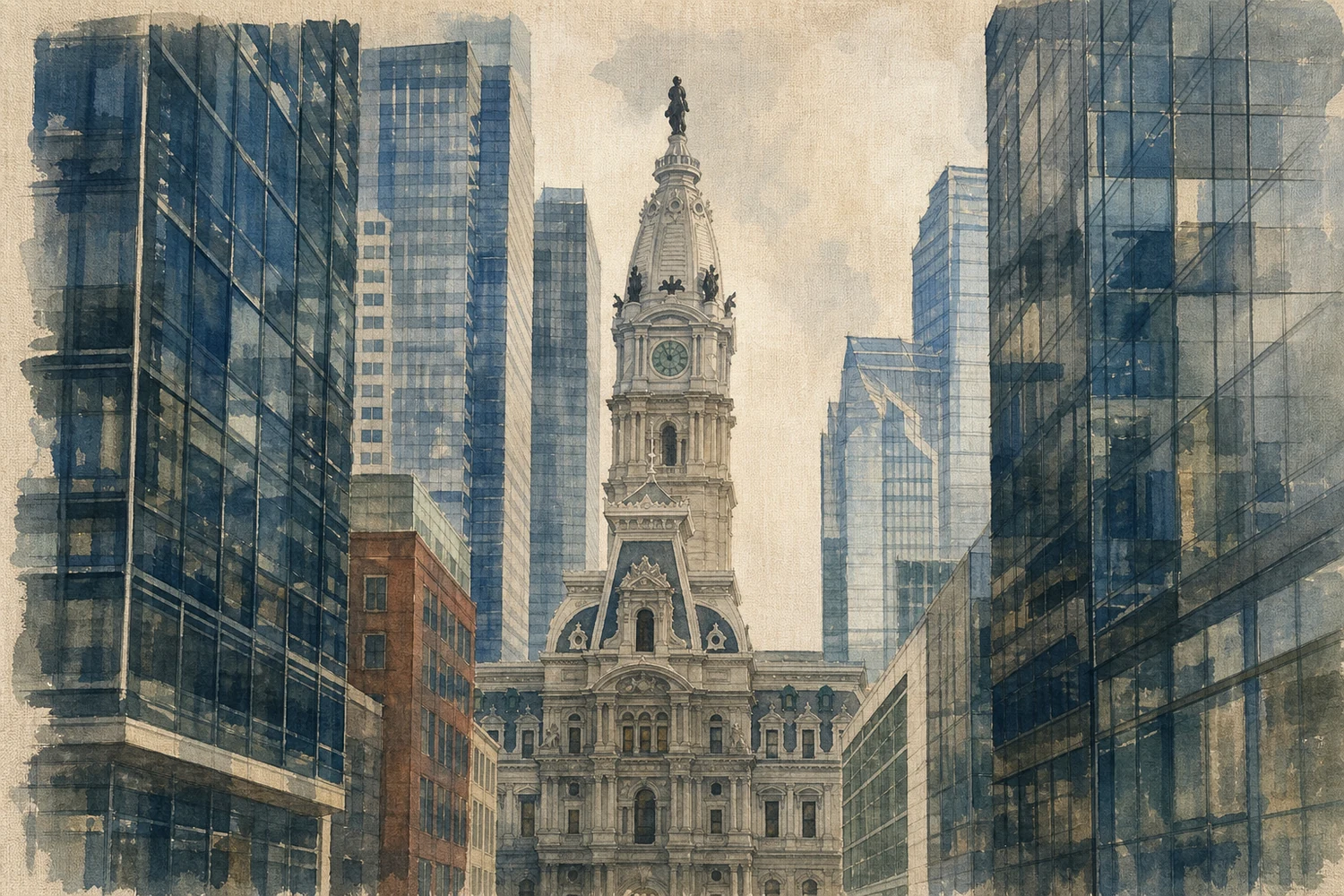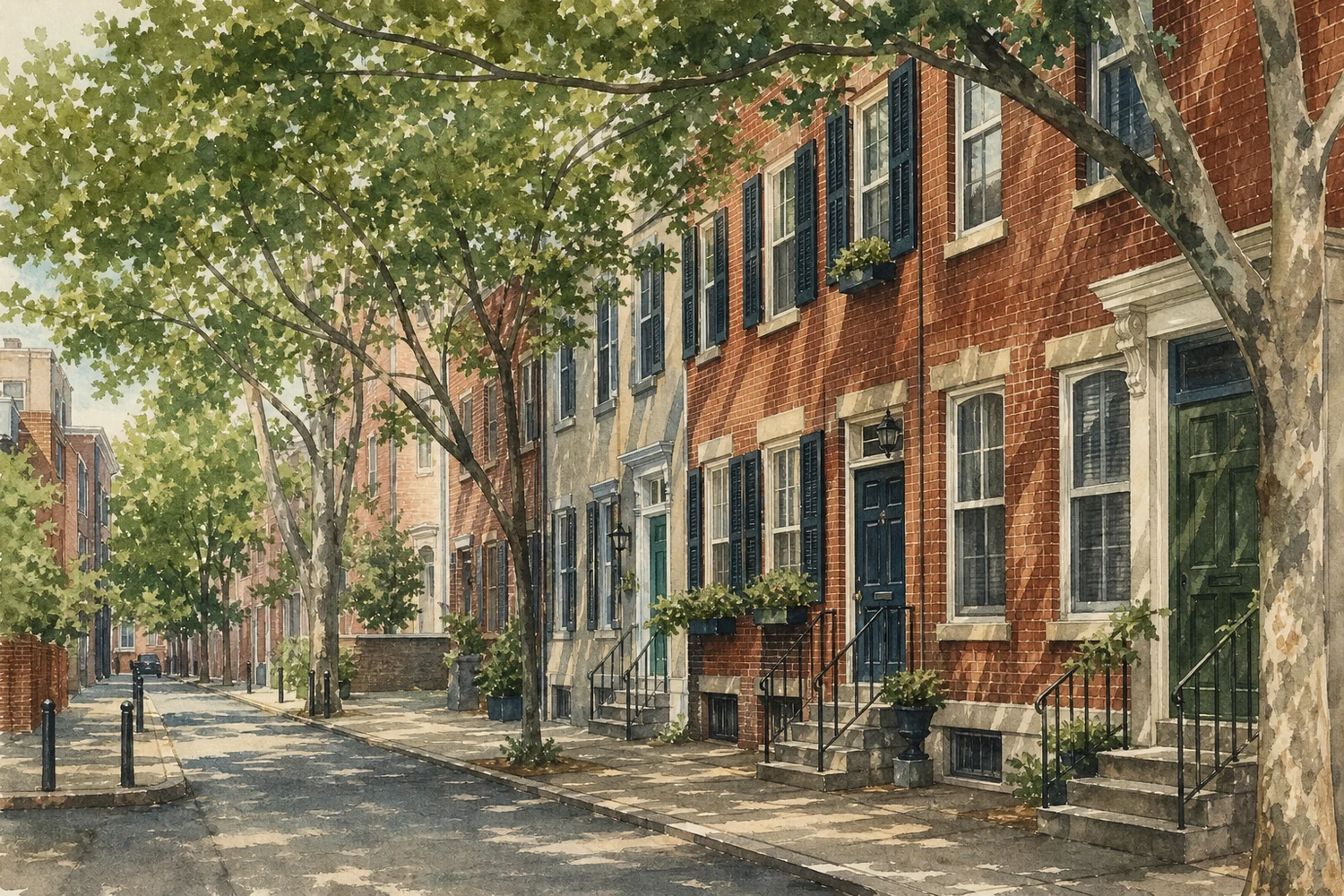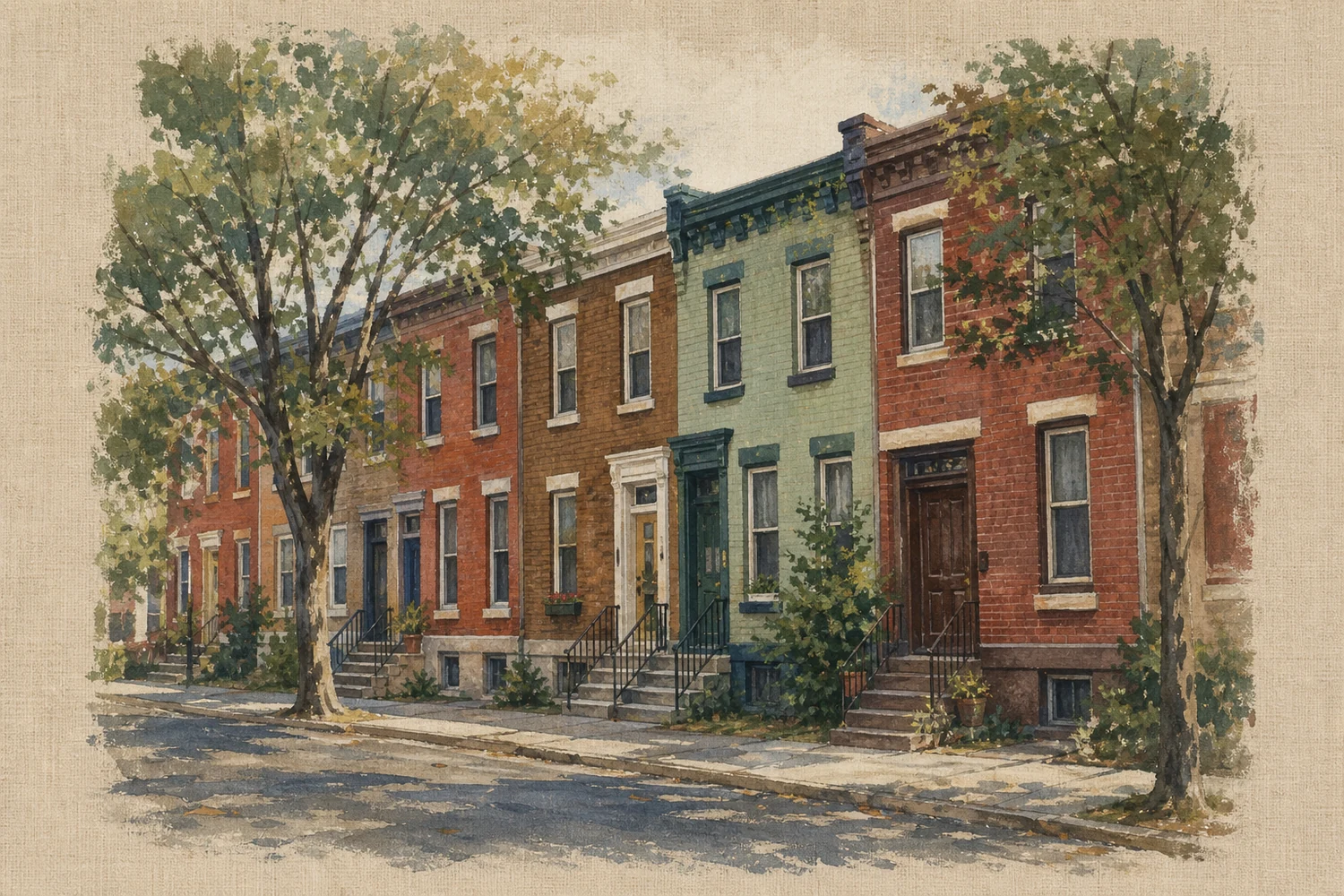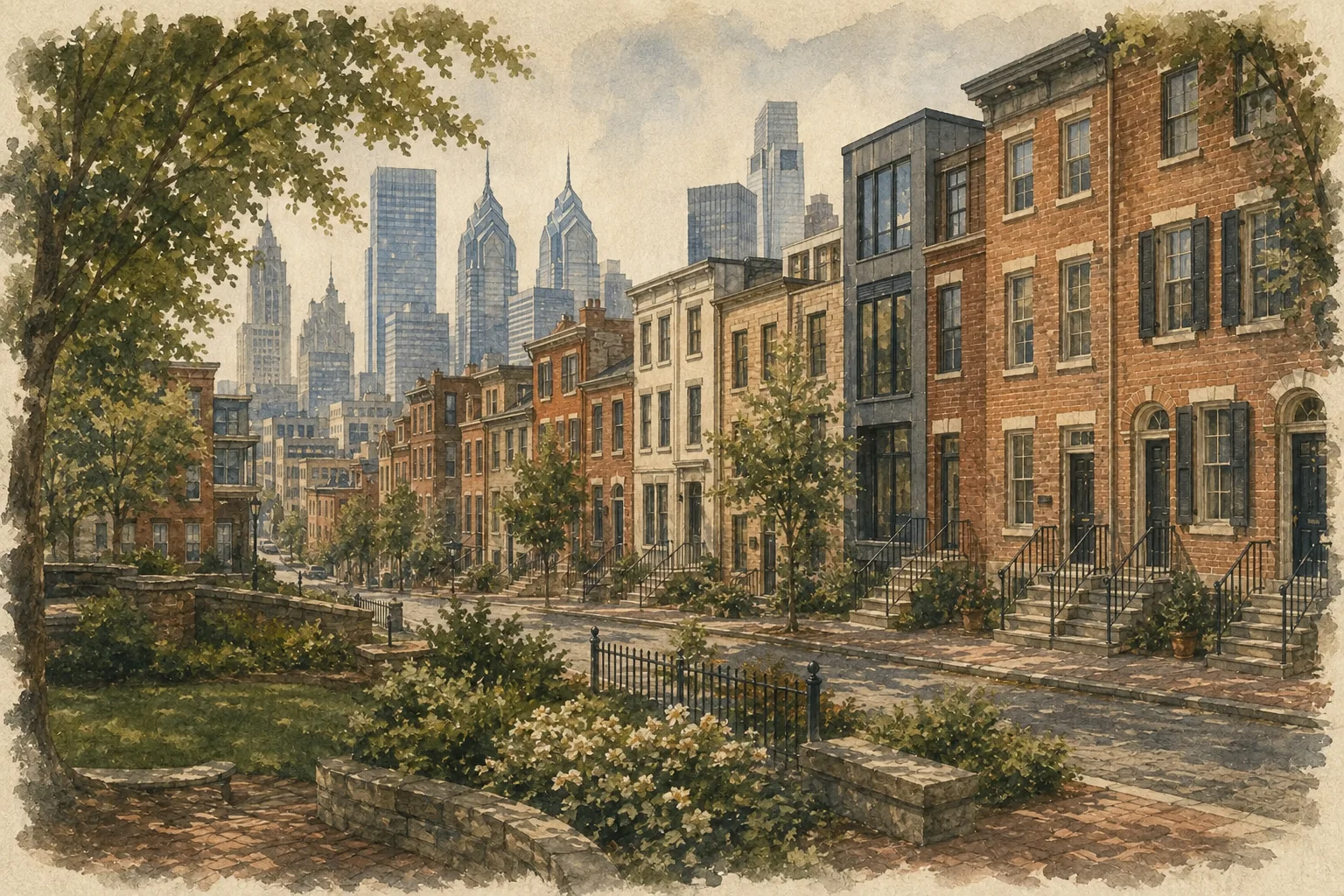
A little orientation
Take a closer look at Francisville
Check the home and nearby work
Look up exact addresses before asking how construction could affect your entrance or everyday routine.
Confirm the activity
Ask about the particular playground, pool, or recreation program instead of assuming it is available from the facility name.
Use your own schedule
Compare outward and return transit journeys at the times you would normally travel.
A closer look
Choose your Francisville check
Start with the question that could most affect your daily use of the neighborhood.
Identify the site before the question
Look up the candidate Francisville home and any neighboring work site in the City's property tools. Compare the available permit information with what you observe, then ask the property contact about access, shared boundaries, and work still expected after moving.
A useful questionWhich nearby project could affect this home's everyday access?
Source & next step ↗Check the program you need
Find the Francisville recreation facility in the City's listings and use its contact information to ask about your intended activity. Confirm the specific entrance, registration, and current arrangements before building a school pickup or family afternoon around the visit.
A useful questionWho can confirm the program and entrance for my visit?
Source & next step ↗Test the actual boarding point
Enter your Francisville starting address and regular destination into SEPTA's planner. Compare the suggested boarding points and walking sections around Ridge or Broad, then check the trip home; record the exact stops so the plan remains useful beyond the visit.
A useful questionWhich stop would I actually use from this home?
Source & next step ↗Francisville is one of Philadelphia’s most complicated neighborhoods to explain because no two blocks feel exactly the same. Some streets feel calm, residential, and closely connected to Fairmount’s cafés and restaurants, while others still carry the noise, construction pressure, and unpredictability of a rapidly changing North Philly corridor. After studying local discussions, neighborhood patterns, resident frustrations, development trends, and the everyday rhythms around Ridge Avenue, Girard Avenue, Parrish Street, and nearby residential pockets, this guide was built to help you understand what Francisville actually feels like beyond apartment listings and real estate marketing.
Instead of giving generic advice, this guide breaks down the neighborhood the way locals talk about it: by cross streets, timing, routines, parking realities, construction zones, walkability, and the subtle differences between one block and the next.
Francisville Is Not One Simple Neighborhood
One of the fastest ways to tell whether someone actually knows Francisville is by how they answer questions about it. People who live nearby rarely give a simple yes or no answer when someone asks whether the neighborhood is good, safe, walkable, quiet, or worth moving into. Instead, they immediately start asking for cross streets. That habit says everything about how Francisville works.
Living near Ridge Avenue feels different from living deeper inside the quieter residential blocks near Poplar or Parrish. A place that feels calm on a Sunday afternoon can feel much busier once weekday construction crews show up at 7 a.m. A block that feels connected to Fairmount’s café and restaurant energy may feel completely different only a few streets away closer to older North Philly corridors. Even longtime residents describe Francisville in fragments instead of as one complete identity. People talk about specific corners, specific routes home, specific stretches of sidewalk, and specific nighttime habits.
The neighborhood sits in an awkward but fascinating middle space between several parts of Philadelphia that all carry different reputations. Some residents naturally drift toward Fairmount for groceries, bars, coffee shops, and daily errands. Others think of Francisville through Ridge Avenue and North Philly culture. Some newer residents describe it as a quieter alternative to Center City with easier access to Broad Street and Girard Avenue. Older residents often speak about what certain blocks used to look like before waves of construction and redevelopment changed the area’s rhythm.
That block-by-block mentality affects almost every part of daily life here. Parking changes dramatically depending on whether you are near major development projects. Noise levels shift depending on how close your building is to Ridge or Girard. Safety conversations become hyper specific once locals start naming exact intersections. Even the feeling of the neighborhood changes once you move from newer townhome clusters into older stretches where longtime residents still know everyone on the block.
Francisville also has one of those neighborhood identities that outsiders often flatten into a single sentence. Online real estate listings tend to package it as an up-and-coming residential area near Fairmount and Center City. Residents usually describe it with much more caution and nuance. People who actually spend time here understand that Francisville contains several versions of itself at once. Some streets feel polished and newly rebuilt. Others still feel transitional, uneven, and emotionally tied to an older version of the neighborhood that many people are protective of.
If you want to understand Francisville properly, you have to stop thinking about it as one neighborhood experience. The reality changes depending on whether you are standing near Ridge and Parrish during weekday construction hours, walking closer to Fairmount in the evening, or heading north after dark near blocks still carrying heavier North Philly energy. Locals know this instinctively, which is why cross streets matter more here than broad labels ever will.
- Ridge Avenue
- Girard Avenue
- Francisville Playground
Schematic · not to scale
Where Francisville Actually Feels Like Francisville
Francisville’s official boundaries matter far less than the way people actually move through it. Most residents mentally organize the neighborhood around corridors, edges, and nearby landmarks instead of precise map lines. Ridge Avenue acts as the spine. Girard Avenue functions like a pressure point where the atmosphere starts changing block by block. Fairmount influences the neighborhood socially and commercially even when people technically live outside Fairmount itself.
Ridge Avenue is where Francisville feels the most exposed to change. You see newer construction projects sitting beside older buildings that survived several versions of the neighborhood. Some stretches feel active and promising with cafés, apartments, murals, and traffic moving toward Center City. Other sections still feel rough around the edges, especially late at night or near heavily active construction zones. Residents repeatedly use Ridge as a reference point when describing where the neighborhood starts feeling more polished versus where it still carries older North Philly tension.
Girard Avenue also changes how Francisville feels. South of Girard, especially closer to Fairmount and Spring Garden influences, the environment tends to feel more connected to restaurant corridors, foot traffic, and newer residential development. Moving farther north or farther from those edges often changes how residents describe safety, quietness, and neighborhood comfort. People casually use phrases like “off Girard” or “near Ridge” because those distinctions immediately communicate a different experience to locals.
Fairmount plays a huge role in how newcomers experience Francisville. Many people living in Francisville spend a large portion of their social and practical life outside the neighborhood itself. Residents walk into Fairmount for coffee shops, restaurants, bars, gyms, and grocery runs. In practice, Francisville often functions like a residential extension of nearby neighborhoods rather than a fully self contained district. That is why people regularly describe it as Fairmount adjacent instead of simply calling it Fairmount.
There is also a visible overlap with Brewerytown and Poplar depending on which direction conversations move. Some apartment hunters compare Francisville and Brewerytown interchangeably because both neighborhoods carry similar conversations around development, changing demographics, safety questions, and new townhomes. Poplar enters the conversation more often in safety discussions or when people are talking about exact residential pockets near certain intersections.
The tension that keeps appearing across local conversations is the idea that Francisville feels close to Fairmount while still undeniably carrying North Philly realities. That contradiction shapes almost every opinion about the neighborhood. Someone moving from Center City may view Francisville as quieter and more affordable while still centrally located. Someone who has lived in North Philly for decades may see it as heavily changed but still carrying familiar issues around safety, city services, and development pressure.
The neighborhood also feels different depending on the time of day. During daytime hours, some sections feel surprisingly residential and calm despite being only minutes from major city corridors. By nighttime, the same streets can feel emptier, darker, or more uncertain depending on where you are standing. Locals often build their routines around these subtle shifts without even consciously thinking about it anymore.
That is what makes Francisville difficult to summarize in one sentence. It sits between multiple identities at once. It borrows pieces of Fairmount, Brewerytown, North Philly, Spring Garden, and Broad Street energy while still maintaining its own internal divisions that only become obvious after spending real time there.
Corridors, edges, and the mental map
Official boundaries matter far less than the way people actually move through it.
Ridge Avenue
The spineWhere Francisville feels most exposed to change — new construction beside older buildings.
Girard Avenue
The pressure pointWhere the atmosphere starts changing block by block.
South of Girard
Toward Fairmount and Spring GardenMore connected to restaurant corridors, foot traffic, and newer residential development.
Toward Poplar
Interior blocksPockets tucked farther from Ridge feel more residential than commercial.
The Francisville Split: New Builds, Old Blocks, and Changing Identity
Francisville carries a very visible split between the neighborhood people remember and the neighborhood newer residents are buying into now. That divide shapes nearly every conversation about the area, even when people are technically talking about parking, safety, restaurants, or construction noise.
Longtime residents often describe Francisville through memory. Conversations drift toward older businesses, churches, familiar neighbors, former gathering spots, vacant lots that existed for years, and blocks that felt completely different before development accelerated. Some residents remember periods when parts of the neighborhood were far quieter physically because fewer people were moving in and fewer developers were rebuilding properties. Others remember stronger block relationships where neighbors knew each other across generations.
Newer residents usually describe Francisville through convenience and potential. They talk about being close to Center City without paying Center City prices. They focus on walkability to Fairmount, Broad Street, Girard Avenue, and nearby restaurants. They notice roof decks, renovated interiors, newer townhomes, dog walking routes, and access to transit. Many people moving into Francisville genuinely like living there, especially if they prioritize location over polished neighborhood uniformity.
Those two viewpoints often collide around the phrase “up-and-coming.” Real estate listings use it constantly. Residents react to it very differently depending on their relationship to the neighborhood. For some people, the phrase represents opportunity and investment. For others, it signals rising costs, cultural displacement, aggressive development, and pressure on longtime homeowners.
Construction intensified this split because it changed the physical look of Francisville so quickly. Entire stretches that once contained vacant lots or aging buildings now contain rows of newer homes with roof decks and modern facades. Some locals see that transformation as long overdue investment in an overlooked neighborhood. Others view it as rapid change that ignored the people already living there.
The emotional divide becomes strongest when conversations turn toward who the neighborhood is actually being built for. Residents frequently debate whether newer development improved quality of life or simply imported a completely different residential culture into the area. Some newer residents appreciate the quieter residential atmosphere while still expecting more businesses, grocery options, and polished amenities nearby. Meanwhile, longtime residents sometimes feel frustrated that the neighborhood’s history gets erased beneath marketing language focused entirely on future growth.
There is also resentment around the feeling that Francisville gets sold differently depending on the audience. Real estate marketing often presents it as a trendy residential district near Fairmount and Center City. Local discussions are usually more complicated. People acknowledge the convenience and improvements while still discussing construction problems, safety concerns, parking pressure, and the sense that certain blocks lost part of their older identity during redevelopment.
The neighborhood now exists in a strange overlap where old and new Francisville occupy the same physical space but often describe it completely differently. That tension is not hidden beneath the surface. It shapes how residents talk about nearly everything.
Ridge Avenue: The Street That Explains Francisville
If you spend enough time in Francisville, almost every conversation eventually circles back to Ridge Avenue. Ridge explains the neighborhood better than any official description because it contains nearly all of Francisville’s contradictions in one corridor.
Parts of Ridge feel energetic and visibly changing. New apartment buildings rise beside older storefronts. Cafés and newer businesses sit close to blocks still carrying older North Philly rhythms. Construction sites appear beside murals and long-standing community spaces. Depending on where you stand, Ridge can feel promising, chaotic, transitional, frustrating, or surprisingly calm.
Ridge is also where many locals mentally divide the neighborhood. Residents casually use Ridge as shorthand when describing whether a block feels busier, louder, newer, or less settled. Once people start talking about Ridge and Parrish, 16th and Ridge, or certain stretches closer to Girard, they are usually describing more than geography. They are talking about atmosphere.
Construction pressure feels strongest around Ridge because redevelopment activity concentrates heavily along that corridor. Sidewalk closures, scaffolding, blocked walkways, dust, and weekday noise all become more noticeable there. Residents who live near active projects often build daily routines around avoiding certain stretches during work hours. Someone visiting Francisville briefly on a weekend may completely miss how disruptive those same blocks feel during a normal weekday morning.
Ridge also carries many of the neighborhood’s public incidents and frustrations. Fires, collapse concerns, contractor complaints, and debates around unsafe development repeatedly emerge around the corridor. Residents often connect Ridge to conversations about L&I complaints, developers, city oversight, and fears that construction moved too quickly without enough accountability.
At the same time, Ridge still functions as one of Francisville’s most important cultural and social anchors. The corridor connects to community events, murals, local gathering spaces, jazz programming, cafés, and smaller neighborhood businesses. Some sections feel heavily residential while others still carry traces of older street culture and long-standing neighborhood identity. That overlap creates a feeling that Francisville is still negotiating what Ridge Avenue is supposed to become.
The street also changes dramatically depending on time. During the daytime, Ridge can feel active and practical with commuters, deliveries, construction crews, and people heading toward Broad Street or Fairmount. Late at night, certain stretches feel emptier and more uncertain, especially where active development created large gaps between residential clusters.
One reason Ridge matters so much is because it reveals how Francisville is still unfinished as a neighborhood identity. The corridor does not feel fully polished, fully neglected, fully residential, or fully commercial. It feels transitional in real time. Locals recognize that instinctively, which is why Ridge appears in so many neighborhood conversations regardless of the original topic.
What Locals Actually Like About Francisville
For all the debates surrounding Francisville, people who live there consistently point to several reasons they stay. The strongest positive is simple: location. Residents repeatedly describe the neighborhood as close to almost everything they need without requiring the intensity or pricing of Center City itself.
Walkability shapes daily life here more than many outsiders realize. Depending on the exact block, residents can walk toward Fairmount restaurants, Broad Street transit access, Girard Avenue corridors, the Art Museum area, Spring Garden connections, Kelly Drive, and the Schuylkill River Trail relatively quickly. That flexibility matters because Francisville itself still lacks some amenities internally. People compensate by using surrounding neighborhoods naturally as part of their daily routines.
Transit access also gets mentioned frequently by residents who do not want to rely heavily on driving. Bus routes, Broad Street access, and relatively fast travel into Center City make the neighborhood attractive to people who value central positioning without needing luxury high rise living. Even locals who complain about parking often admit that Francisville works best when your lifestyle is at least partially walkable.
Another positive people mention is that parts of Francisville can feel quieter than outsiders expect. Residential side streets away from heavier traffic corridors sometimes feel surprisingly calm during normal daytime hours. Certain pockets closer to Poplar or tucked farther from Ridge feel more residential than commercial. Residents who moved from busier sections of Center City occasionally describe Francisville as giving them more breathing room while still keeping them connected to the city.
Many newer residents also appreciate the amount of newer housing stock available compared to older Philadelphia neighborhoods where renovation quality varies dramatically. Modern townhomes, updated apartments, rooftop spaces, newer interiors, and larger layouts attract buyers and renters who want newer construction while staying relatively central.
Nearby food access helps as well, even if much of it technically sits outside Francisville proper. Residents regularly move between Francisville and nearby Fairmount spots without thinking much about the neighborhood line itself. Places around Ridge, Fairmount Avenue, and nearby corridors effectively become part of everyday Francisville life. Coffee shops, bars, takeout spots, gyms, and restaurants all contribute to the feeling that the area remains connected despite internal amenity gaps.
There is also a recurring feeling among residents that Francisville still has room to evolve. Some people genuinely enjoy living in a neighborhood that feels active and changing rather than completely stabilized. They like being close to development without being isolated from the city’s older character. For residents comfortable with transitional neighborhoods, Francisville can feel more dynamic than overly polished parts of Philadelphia.
Even conversations about safety tend to include nuance from people who otherwise like living there. Many residents describe daily life as manageable and relatively normal once they learn the rhythms of their specific blocks. People adjust to the neighborhood by understanding where they feel comfortable walking, when streets become quieter, and which routes feel more active at night.
The strongest positive sentiment around Francisville usually comes from people who value access, flexibility, and city convenience more than perfect neighborhood uniformity. Residents who expect every block to feel polished often struggle more than people who understand they are living in a changing part of Philadelphia with multiple identities layered together.
What Locals Complain About Most
Construction dominates local frustration in Francisville more than any other single issue. Residents repeatedly describe blocked sidewalks, loud weekday noise, dust, fencing, heavy equipment, and the feeling that entire stretches of the neighborhood remain permanently under development. Some blocks experience nonstop activity for months at a time. Even residents who support redevelopment often admit that daily life can become exhausting when construction projects stack too closely together.
The sidewalk issue appears constantly in local complaints. People get frustrated when pedestrians are pushed into the street because of fencing, materials, or poorly managed construction zones. Parents with strollers, dog walkers, and residents commuting on foot feel this particularly strongly because Francisville functions as a walking neighborhood for many people.
Parking creates another constant source of tension. Residents complain about shrinking parking availability near new developments, people saving spots, blocked driveways, delivery congestion, and general competition for street parking during evenings. At the same time, some locals argue that the neighborhood simply contains too many cars for an area where many residents could realistically rely more on transit or walking. That disagreement itself has become part of the neighborhood culture.
Another recurring frustration is the lack of a full grocery store inside Francisville proper. Residents frequently mention needing to leave the neighborhood for larger shopping trips even though they can walk to smaller takeout spots, cafés, or convenience businesses nearby. The area feels connected socially to Fairmount and surrounding neighborhoods, but many locals still feel that Francisville lacks enough internal amenities to function fully on its own.
Trash and cleanliness also surface repeatedly in neighborhood discussions. Illegal dumping, overflowing trash days, litter near construction areas, and inconsistent sidewalk conditions frustrate residents trying to maintain cleaner blocks. Community cleanup efforts and neighborhood pride exist, but many people still feel the city struggles to keep pace with the speed of development.
Distrust around developers and city oversight runs deep as well. Residents repeatedly connect unsafe construction, collapses, property damage, and disruptive projects to broader frustration with inspections, enforcement, and accountability. Some locals feel the city reacts only after major incidents happen instead of preventing problems early.
Safety uncertainty adds another layer of stress. Even residents who generally feel comfortable in Francisville often mention hearing gunshots occasionally, dealing with suspicious activity alerts, or changing their nighttime routes depending on the block. The uncertainty itself becomes exhausting because people rarely feel comfortable giving outsiders a straightforward answer about neighborhood safety.
Many frustrations also stem from Francisville feeling unfinished. Some residents feel caught between two versions of the neighborhood. The area has enough development to create pressure, noise, and rising housing costs, but not always enough businesses or infrastructure improvements to fully support the growing population. That imbalance appears constantly in local conversations.
What locals like, what they complain about
- Close to almost everything, without the intensity or pricing of Center City.
- Walk to Fairmount restaurants, Broad Street transit, Kelly Drive, the Schuylkill River Trail.
- More newer housing stock than older Philadelphia neighborhoods offer.
- Side streets away from the traffic corridors feel surprisingly calm in the daytime.
- Construction dominates local frustration more than any other single issue.
- Blocked sidewalks, loud weekday noise, dust, fencing, heavy equipment.
- Shrinking parking availability near the new developments.
- No full grocery store inside Francisville proper.
- Illegal dumping, overflowing trash days, litter near construction areas.
Safety in Francisville: The Honest Block-by-Block Answer
Safety conversations in Francisville almost always start with hesitation because locals know the answer changes depending on exactly where you are talking about. Residents rarely describe the neighborhood as either completely safe or completely unsafe. Instead, they start narrowing things down by block, nearby corridors, and time of day.
Someone living closer to quieter residential pockets may describe daily life as relatively calm and manageable. Another resident only a few streets away may mention hearing gunshots within the past year, dealing with suspicious activity nearby, or avoiding certain routes late at night. Those differences are real, which is why locals often seem cautious when answering broad questions about the neighborhood.
The phrase that appears repeatedly in local discussions is some variation of “generally okay, but still North Philly.” That statement carries a lot of meaning for residents. It usually signals that many people live normal, routine lives in Francisville while still remaining aware of their surroundings, especially after dark or near certain corridors.
Time matters heavily here. A block that feels comfortable during the daytime can feel much different late at night once foot traffic disappears. Some residents avoid certain routes after specific hours even if they feel fine using those same streets during the day. Others intentionally walk closer to busier corridors or better-lit stretches depending on the time.
Ridge Avenue and nearby corridors tend to appear frequently in safety discussions because they combine heavier traffic, development activity, nightlife spillover, and occasional incidents. Residents who feel comfortable in quieter interior sections may still describe Ridge differently after dark. Girard also changes the feel of nearby blocks depending on how much activity remains at night.
Locals also tend to separate personal experience from neighborhood reputation. Some residents insist they personally have never had problems living in Francisville. Others mention nearby shootings, package thefts, suspicious activity alerts, or hearing gunshots occasionally. Both perspectives exist simultaneously, which explains why local conversations about safety often feel contradictory to outsiders.
The strongest practical advice locals give is usually behavioral rather than dramatic. People recommend learning your exact block, walking the area at multiple times of day before moving in, paying attention to nearby construction and vacant stretches, and understanding how quickly the atmosphere changes from one intersection to the next. Residents also tend to trust active blocks with visible foot traffic more than isolated stretches late at night.
What stands out most is that longtime residents rarely treat Francisville as a neighborhood that can be understood through statistics alone. They evaluate safety through lived routine. Which route feels better after 10 p.m. Which corner stays active. Which streets empty out too early. Which blocks changed significantly in the last few years. Which stretches feel disconnected from the newer residential sections.
That hyper-local mindset defines safety in Francisville more than any citywide reputation does.
Construction Is Part of Daily Life Here
Anyone considering Francisville seriously needs to understand how much construction shapes the neighborhood’s daily rhythm. It is not something happening quietly in the background. In many parts of Francisville, development actively changes how residents move through the day.
The difference between visiting on a calm Sunday afternoon and living there Monday through Friday can be dramatic. Streets that feel quiet during weekend apartment tours may become crowded with work trucks, fencing, delivery vehicles, construction crews, and blocked sidewalks during the week. Some residents specifically mention learning to adjust their routines around active job sites because normal walking routes suddenly disappear behind temporary barriers or piles of materials.
Sidewalk closures frustrate people constantly. Residents pushing strollers, walking dogs, carrying groceries, or commuting on foot often end up forced into the street because pedestrian access changes block by block depending on which project is active. The issue becomes especially noticeable around Ridge Avenue and streets with multiple overlapping developments happening at the same time.
Noise also becomes part of the neighborhood atmosphere during weekday mornings. Drilling, hammering, heavy equipment, and delivery activity start early enough that residents working from home or spending more daytime hours in the neighborhood feel it directly. Some blocks experience months of repetitive disruption while nearby projects move through different construction stages.
Dust and debris are another complaint that outsiders often underestimate. Residents living beside active projects regularly deal with dirt buildup, muddy sidewalks after rain, construction trash, and temporary fencing that makes streets feel tighter and more chaotic than they appear in listing photos.
The emotional tension around construction goes deeper than inconvenience. Francisville residents repeatedly connect development to safety concerns because of several highly publicized incidents involving collapses, property damage, and contractor disputes nearby. Conversations around unsafe job sites, questionable oversight, and distrust toward certain developers surface frequently once people start discussing neighborhood change in detail.
Many locals have become highly observant about construction patterns because the effects feel personal. Residents notice which projects sit unfinished for long periods, which blocks become difficult to navigate, and which contractors repeatedly create neighborhood frustration. Even newer residents who support development often admit that living near nonstop construction can wear people down over time.
There is also a strange psychological effect created by constant development activity. Francisville can feel unfinished even on blocks with expensive new homes because there is often another active project only a few streets away. The neighborhood gives the impression of still negotiating what it wants to become. That energy attracts some residents and exhausts others.
People moving into Francisville usually adjust best when they expect the environment to feel transitional instead of polished. Residents who imagine a fully settled neighborhood often struggle more with the constant visual and physical disruption that comes with active redevelopment.
Parking, Cars, and the ‘You Don’t Need One But You Might Have One’ Problem
Parking in Francisville creates a strange contradiction that locals understand immediately. The neighborhood works well for people who do not rely heavily on driving, but many residents still own cars anyway. That tension sits underneath almost every parking complaint in the area.
Francisville is centrally positioned enough that residents can realistically walk, bike, or use transit for a large portion of daily life. Broad Street access, nearby bus routes, Center City proximity, and walkability toward Fairmount and Spring Garden all reduce the need for constant driving. Some locals intentionally chose Francisville because they wanted a more connected city lifestyle without relying on a car for every errand.
At the same time, car ownership remains common, especially among newer residents moving into larger townhomes or apartment buildings. The result is a neighborhood where parking pressure keeps growing even though many people technically could live car lighter lifestyles.
New construction intensified the problem. More residents arrived faster than parking infrastructure changed, and many newer buildings add density without adding meaningful off street parking. Blocks that once felt manageable now become noticeably tighter during evenings when residents return home from work.
Residents regularly complain about circling for spots, blocked driveways, delivery congestion, and the frustration of watching parking disappear near active development zones. Certain blocks become especially competitive at night, particularly near newer residential clusters or busier corridors closer to Ridge and Girard.
PPA enforcement also shapes the local parking experience. Residents familiar with Philadelphia parking culture already expect ticketing pressure and strict signage enforcement, but newcomers often underestimate how quickly parking frustration becomes part of everyday life here. Some locals build entire routines around avoiding specific streets during certain hours because of parking rules, construction activity, or traffic flow.
Spot saving and territorial parking behavior appear periodically in neighborhood discussions too. As parking tightens, tensions rise between longtime residents, newcomers, contractors, and delivery traffic. Even people who rarely drive may still feel affected because crowded streets change how blocks function visually and socially.
What makes the situation complicated is that many locals genuinely believe Francisville works best without heavy car dependence. Residents who walk frequently or rely on transit often feel less stressed about the neighborhood overall. Someone who expects suburban style parking convenience usually adjusts poorly.
Parking pressure also changes block by block. Residential side streets farther from major development projects may feel manageable compared to busier stretches near Ridge Avenue or highly active construction zones. Residents familiar with Francisville rarely talk about parking generally. They talk about specific streets, specific hours, and specific problem blocks.
The neighborhood tends to work best for people willing to treat a car as optional rather than essential. Residents who understand that balance usually tolerate the parking situation much better than people expecting easy nightly parking directly outside their front door.
The Amenity Gap: Walkable, But Not Fully Self-Contained
One of Francisville’s most noticeable contradictions is how connected it feels while still lacking some basic neighborhood conveniences internally. Residents can reach a huge portion of Philadelphia quickly, yet many still leave the neighborhood regularly for groceries, restaurants, errands, and daily routines.
The missing grocery store becomes the clearest example. Locals repeatedly point out that Francisville does not have a full scale grocery option within the neighborhood itself. Residents often head toward Fairmount, Broad Street corridors, or nearby commercial areas for larger shopping trips. For some people this barely matters because they already live car light lifestyles and expect to move between neighborhoods naturally. Others find it surprisingly inconvenient after moving in.
That pattern repeats across many amenities. Francisville residents constantly use surrounding neighborhoods as extensions of daily life. Fairmount especially fills many of the neighborhood gaps. People walk there for restaurants, bars, cafés, gyms, pharmacies, and social activity without thinking much about the neighborhood line itself.
Places like Bar Hygge, Libertee Grounds, Vineyards Cafe, Manong, and nearby Fairmount Avenue spots become part of regular Francisville routines even when technically located outside the neighborhood. Newer cafés like Phin Cafe contribute to Francisville’s changing identity, but the overall commercial ecosystem still feels thinner than many newcomers initially expect.
The neighborhood also depends heavily on takeout and smaller convenience style food options around Ridge and nearby corridors. Residents mention delivery spots, pizza places, smaller kitchens, and quick neighborhood food more often than large destination dining experiences inside Francisville proper.
That thinner commercial density affects the neighborhood atmosphere in subtle ways. Some residents describe parts of Francisville as feeling quieter than expected because there are fewer active business corridors internally compared to surrounding neighborhoods. Certain streets become almost entirely residential once you move away from Ridge or Girard.
For people who enjoy walking through lively commercial districts constantly, Francisville can occasionally feel incomplete. Residents who expected a stronger café, retail, or restaurant presence directly inside the neighborhood sometimes end up spending more time in Fairmount, Brewerytown, or Center City than they originally planned.
At the same time, many locals see the quieter residential feel as a positive tradeoff. The neighborhood gives people easier access to nearby activity without placing them directly inside louder nightlife corridors. Residents who prioritize central access over constant street activity often adjust well to this setup.
The amenity gap also reinforces the importance of exact location within Francisville. Living closer to Fairmount or Girard can dramatically change how walkable daily errands feel. Residents deeper inside quieter sections may rely more heavily on delivery services, driving, or longer walks toward surrounding commercial areas.
People who enjoy layered city living usually adapt quickly because they naturally move between neighborhoods anyway. Residents expecting Francisville itself to function as a completely self contained urban district often feel more frustrated by the missing pieces.
Francisville Playground, Pool, and the Community Spaces That Matter
For a neighborhood that spends so much time debating development and change, Francisville still holds onto a few spaces that feel deeply local and community centered. Francisville Playground remains one of the clearest examples.
Located at 1737 Francis Street, the playground functions as more than just a recreational space. It becomes part of the neighborhood’s seasonal rhythm, especially during the summer when the pool opens and families begin spending more time outdoors. Residents familiar with the area often mention the playground when talking about the neighborhood feeling more residential and lived in beneath all the development pressure.
The pool carries its own neighborhood culture. Locals describe it as one of the more organized and well maintained public pool environments nearby, with visible rules, active staff presence, and a strong family atmosphere during summer afternoons. Kids arrive in groups, parents gather nearby, and the space starts influencing how surrounding blocks feel during warm weather.
That seasonal shift matters because Francisville can sometimes feel physically dominated by construction and new housing discussions. Community spaces like the playground remind residents that the neighborhood still contains everyday routines not connected to real estate or redevelopment.
The Francisville Farmers Market around 19th and Parrish also appears repeatedly in local memory even though it carries a much smaller profile than larger city markets. Residents remember the exact lot location and treat it more like a neighborhood gathering point than a polished attraction. That type of hyper specific local memory appears often in Francisville conversations. People remember corners, lots, and recurring community uses more than official branding.
Murals and local art spaces contribute to this feeling too. Public art around the neighborhood, especially near corridors like Ridge and Girard, helps maintain visible neighborhood identity while so much of the built environment changes rapidly. Residents often treat murals as landmarks when giving directions or describing parts of Francisville.
The jazz and arts scene tied to Ridge Avenue adds another layer of neighborhood identity. Community events, performances, and smaller gatherings create moments where Francisville feels socially connected rather than simply transitional. These events may not dominate citywide attention, but they matter locally because they give residents spaces that feel rooted in neighborhood culture rather than outside investment.
What stands out about these community spaces is how strongly locals attach emotional meaning to them. Residents rarely describe them like tourist attractions. Instead, they talk about routines, familiarity, neighborhood rhythms, and memories connected to certain corners or recurring events.
For all the conversation around roof decks, new builds, and development, spaces like the playground, pool, murals, and local arts activity still help Francisville feel like a real neighborhood instead of a collection of housing projects.
The Real Estate Version vs. the Resident Version of Francisville
Few neighborhoods in Philadelphia feel more split between marketing language and lived experience than Francisville. Real estate listings present one version of the area while residents often describe something much more layered and complicated.
The real estate version of Francisville focuses heavily on growth and proximity. Listings emphasize skyline views, roof decks, newer townhomes, modern interiors, walkability to Fairmount, and quick access to Center City. The neighborhood gets framed as energetic, rising, centrally located, and full of opportunity. Phrases like hidden gem, high growth, and up-and-coming appear constantly.
None of that is entirely inaccurate. Francisville genuinely is centrally positioned and full of visible development. Newer housing stock attracts buyers who want more modern interiors while staying relatively close to Center City. Many residents do enjoy living there because of convenience and access.
The resident version simply includes much more context.
Locals immediately start discussing things that rarely appear in listing descriptions. They talk about weekday construction noise, blocked sidewalks, parking pressure, safety differences between blocks, contractor distrust, and the feeling that some sections still change dramatically after dark. Residents also describe emotional tension around displacement, neighborhood memory, and rapid redevelopment in ways that polished marketing language usually avoids entirely.
The contrast becomes obvious when you compare a real estate walkthrough to normal weekday life. A rooftop showing on a quiet Sunday afternoon may completely miss the Monday morning reality of active construction nearby, delivery congestion, parking frustration, or noise from multiple projects happening simultaneously.
Residents also tend to describe Francisville relationally instead of aspirationally. They explain which parts feel closer to Fairmount energy, which blocks still feel rougher, which intersections stay active at night, and where construction currently dominates the streetscape. The neighborhood feels practical and negotiated rather than fully polished.
Another difference is how each group talks about change. Real estate framing usually treats development as automatic improvement. Local conversations are much more emotionally divided. Some residents appreciate cleaner streets, investment, and newer housing. Others feel frustrated watching longtime neighbors disappear while luxury oriented development reshapes blocks faster than the community itself can adjust.
There is also a major difference in how time works inside these two narratives. Real estate language focuses heavily on the future. Residents focus much more on the present daily experience and the neighborhood’s past. Longtime residents especially talk about what used to exist on certain corners, what blocks felt like before development accelerated, and how the neighborhood’s social fabric changed over time.
The truth about Francisville usually lives somewhere between those two versions. It is not simply a polished high growth district, but it is also not frozen in the older North Philly identity some outsiders still imagine. Residents navigate both realities simultaneously every day.
Who Francisville Works Best For
Francisville tends to work best for people who understand what type of neighborhood they are moving into before they arrive. Residents who thrive there usually prioritize location, flexibility, and city access over polished neighborhood consistency.
Young professionals often adapt well to Francisville because the neighborhood sits close to multiple parts of the city without carrying full Center City pricing or density. Residents who commute into downtown, spend time around Broad Street, or regularly move between Fairmount, Spring Garden, and Brewerytown usually appreciate the central positioning.
People comfortable with walking based lifestyles also tend to do well there. Francisville rewards residents willing to move fluidly between neighborhoods for groceries, coffee shops, gyms, restaurants, and social activity. Someone expecting everything directly within the neighborhood may feel frustrated. Someone comfortable treating nearby areas as part of daily life often enjoys the setup.
Residents who tolerate a little unpredictability usually adjust better too. Francisville changes block by block and season by season. Construction projects appear suddenly. Sidewalk routes shift. Parking pressure fluctuates. New businesses open while other stretches still feel transitional. People who need perfectly stable neighborhood conditions often become stressed by that constant movement.
The neighborhood also works well for buyers and renters willing to research carefully before committing. Residents who spend time walking blocks at different hours, checking nearby development projects, and understanding how Ridge, Girard, Fairmount, and Broad influence different sections usually make smarter decisions. Francisville rewards hyper local awareness more than generic neighborhood assumptions.
People comfortable with mixed urban environments generally adjust better too. Francisville contains visible contrasts between newer development and older neighborhood energy. Residents who expect every block to feel polished or socially uniform may struggle more than people already familiar with transitional city neighborhoods.
Car light residents often feel less stressed overall because they rely more heavily on transit and walkability instead of nightly parking availability. The neighborhood becomes significantly easier to enjoy when parking pressure does not dominate daily routine.
Many residents who genuinely like Francisville also share a certain mindset about city living. They value access over perfection. They appreciate being near multiple parts of Philadelphia while still living in a neighborhood that feels residential rather than corporate or overly commercialized.
People who approach Francisville with curiosity and realistic expectations usually adjust much better than those arriving with either overly negative assumptions or overly polished real estate fantasies.
Who Might Struggle Living in Francisville
Francisville is not difficult for everyone, but certain types of residents tend to become frustrated there fairly quickly. Most of those frustrations come from mismatched expectations rather than one single neighborhood flaw.
People expecting Fairmount level polish often struggle first. Francisville sits close to Fairmount geographically, but daily life feels different. Sidewalk conditions, construction activity, noise patterns, and safety conversations carry a heavier North Philly influence than some newcomers anticipate after seeing polished listing photos online.
Residents highly sensitive to construction noise or visual disruption may also struggle. Active development affects large portions of the neighborhood, especially around Ridge Avenue and nearby corridors. Someone working from home near an active project may deal with months of weekday noise, blocked sidewalks, trucks, fencing, and dust.
People who strongly prioritize easy grocery access often become frustrated too. The lack of a major grocery option inside Francisville itself affects daily routine more than some residents initially expect. Anyone wanting a fully self contained neighborhood with all essentials nearby may feel inconvenienced by regularly leaving the area for larger errands.
Car dependent households also tend to feel more stress over time. Residents who expect simple nightly parking or rely heavily on driving for everyday movement usually experience more frustration with crowded streets, spot competition, construction congestion, and parking enforcement.
People uncomfortable with neighborhood ambiguity may struggle as well. Francisville rarely gives straightforward answers about identity, safety, or atmosphere. Some blocks feel polished while others still feel transitional. Some residents describe the neighborhood as calm while others remain cautious about nighttime routines. People looking for a completely stable neighborhood reputation often become unsettled by those contradictions.
The area can also feel emotionally difficult for residents who dislike visible inequality or rapid redevelopment pressure. Francisville openly displays the tension between newer investment and older neighborhood history. Construction sites stand beside longtime homes. Luxury townhomes rise near blocks still carrying visible economic struggle. Some people find that contrast energizing while others find it exhausting or uncomfortable.
Residents seeking heavy commercial activity directly outside their door may also feel underwhelmed. Francisville contains quieter residential stretches where foot traffic drops significantly outside peak hours. People expecting nonstop café and restaurant density often spend more time in Fairmount, Center City, or other nearby neighborhoods than they originally planned.
The neighborhood usually works worst for people who arrive expecting certainty. Francisville remains transitional enough that residents need flexibility, patience, and realistic expectations about city living. Those who struggle most often arrive assuming the neighborhood will function exactly like a fully stabilized version of itself that does not exist yet.
Unwritten Rules Locals Understand
One of the clearest signs that someone actually understands Francisville is how specific their advice becomes. Locals rarely talk about the neighborhood generally for very long. They immediately narrow the conversation down to exact streets, nearby intersections, walking routes, and time of day. That habit exists because daily life changes quickly from block to block.
The first unwritten rule is simple: always ask for cross streets. Someone living near Ridge and Parrish may have a completely different experience from someone closer to Poplar or farther toward Fairmount. Locals instinctively know this, which is why neighborhood recommendations often sound more like navigation instructions than broad opinions.
Another major rule is to never judge Francisville from a single apartment showing. A quiet Sunday afternoon tour reveals almost nothing about weekday life. Residents who know the neighborhood well recommend visiting during weekday mornings when construction crews are active, trucks are blocking streets, and sidewalks are functioning normally under pressure. Some blocks feel dramatically different once regular workweek activity starts.
People also learn quickly to pay attention to nearby job sites before signing a lease or buying property. A beautiful renovated home can suddenly feel much less attractive once a major development project begins directly beside it. Residents regularly monitor active permits, fencing, excavation work, and empty lots because they know today’s quiet street may become tomorrow’s construction corridor.
There is also an unwritten expectation that residents will use surrounding neighborhoods as part of daily life. People familiar with Francisville naturally drift toward Fairmount for groceries, cafés, bars, and errands. Newcomers expecting everything directly inside the neighborhood often become frustrated faster than locals who already understand the routine.
Nighttime behavior changes too. Residents quietly develop preferred walking routes after dark depending on lighting, activity levels, and nearby blocks. Some streets feel active and comfortable later into the evening while others empty out quickly. Locals rarely dramatize this publicly, but many adjust their movement patterns automatically after living there for a while.
Parking culture contains its own unwritten rules as well. Residents learn which blocks become impossible at certain hours, where construction crews typically take up space, and when moving trucks or deliveries tend to create bottlenecks. People who live there long enough stop expecting perfect parking convenience and instead build routines around timing and flexibility.
Another local instinct involves understanding which neighborhood comparisons actually matter. Residents constantly compare Francisville to Fairmount, Brewerytown, Poplar, and Spring Garden because those nearby areas shape expectations about safety, walkability, amenities, and cost. Locals understand that Francisville exists relationally. Its identity shifts depending on which nearby neighborhood someone uses as a measuring stick.
The biggest unwritten rule is accepting that Francisville rewards observation. Residents who pay attention to patterns, timing, and exact location usually settle in comfortably. People who expect the entire neighborhood to feel consistent from block to block often struggle more than locals who treat Francisville like a collection of smaller micro environments stitched together.
Micro-Seasons and Timing That Change the Experience
Francisville changes noticeably depending on season, weather, time of day, and even the specific week of the month. Residents who have lived there long enough stop thinking about the neighborhood as static because daily life constantly shifts with timing.
Summer changes the atmosphere more than any other season. The Francisville Playground and pool become active community anchors once school lets out and temperatures rise. Families spend more time outdoors, kids move through the neighborhood in larger groups, and residential blocks feel more socially active during afternoons and evenings. The warmer months also bring more visible foot traffic around Ridge, Girard, and nearby commercial corridors.
Construction activity feels heaviest during spring and summer as well. Weekday mornings become louder, sidewalks feel tighter, and trucks appear more frequently on residential blocks. Residents working from home often feel this shift immediately because the rhythm of weekday life becomes tied closely to nearby job sites and active development schedules.
Trash day changes the feel of certain streets too. Some blocks remain relatively clean throughout the week while others feel noticeably different once bags pile onto sidewalks before pickup. Construction areas intensify the issue because debris, loose materials, and crowded sidewalks can make already narrow streets feel more chaotic during certain periods.
Nighttime patterns shift seasonally as well. Summer evenings often bring more outdoor activity, louder streets, and more people walking around after dark. During colder months, some sections of Francisville become noticeably quieter earlier in the evening, especially on residential side streets farther from Ridge or Girard.
Weekend energy changes depending on location too. Blocks near Fairmount connected corridors may feel busier because residents walk toward restaurants, bars, and social spaces nearby. Quieter interior streets often stay calmer, especially during daytime hours. Sunday mornings in particular can feel surprisingly peaceful compared to weekday construction heavy routines.
Moving season creates another subtle neighborhood shift. During late spring and summer, turnover becomes more visible as newer renters and homeowners move into recently completed developments. Residents notice moving trucks, deliveries, furniture pickups, and temporary parking congestion increase during those months. Certain blocks feel almost rotational because of how quickly occupancy changes inside newer buildings.
Timing also affects how people perceive safety and comfort. Residents who feel completely fine walking certain routes during daytime may change habits after dark, particularly during quieter winter evenings when streets empty faster. Locals often give time specific advice without realizing how hyper local it sounds to outsiders.
Even weather changes Francisville’s mood noticeably. Rainy weeks make construction areas muddier and sidewalks more frustrating. Hot summer stretches intensify trash smells and street noise. Bright spring weekends can suddenly make parts of the neighborhood feel much more social and connected than they seemed during colder months.
The neighborhood rewards residents who learn its timing patterns instead of expecting the environment to feel consistent every day. Longtime locals instinctively understand when blocks feel busiest, quietest, cleanest, loudest, or most stressful depending on season and schedule.
Micro-seasons and timing
The neighborhood rewards residents who learn its timing patterns.
Construction is heaviest — weekday mornings louder, sidewalks tighter, more trucks.
The move · People working from home build the day around the nearby job sites.
Hot stretches intensify trash smells and street noise, and evenings run louder.
The move · The Francisville Playground and pool become active community anchors.
Some sections go noticeably quieter earlier in the evening.
The move · Residents shift their nighttime routes when the streets empty faster.
How to Evaluate a Specific Francisville Block Before Moving In
The biggest mistake people make when evaluating Francisville is treating the neighborhood as one uniform experience. Locals consistently recommend researching the exact block itself rather than relying on broad neighborhood reputation alone.
The first step is visiting at multiple times of day. A street that feels calm during a sunny afternoon may feel completely different on a weekday morning once construction crews arrive or late at night once foot traffic disappears. Residents familiar with Francisville strongly encourage people to walk the same block during weekday mornings, evenings, and weekends before committing to a lease or purchase.
Paying attention to Ridge Avenue and Girard proximity matters too. Blocks closer to major corridors usually experience more traffic, noise, construction pressure, and street activity. Some residents prefer that energy because it feels connected and active. Others prefer quieter interior sections farther from constant movement.
Checking for nearby construction sites is essential. Empty lots, fencing, excavation equipment, or recently cleared properties often signal upcoming development activity. Residents who skip this step sometimes move into quiet buildings only to spend the next year beside active construction projects.
Testing grocery and errand routes also helps reveal how daily life actually functions. Many newcomers underestimate how often they will leave Francisville itself for essentials. Walking toward Fairmount, Broad Street, or nearby commercial corridors gives a much clearer sense of how practical the neighborhood feels day to day.
Parking should always be evaluated at night rather than midday. Streets that appear manageable during work hours often become significantly tighter once residents return home in the evening. Locals familiar with the area usually recommend driving through potential blocks after dark to see the real parking situation.
Talking to neighbors can reveal more than online listings ever will. Residents often share hyper specific details about nearby construction, noise patterns, package theft issues, difficult landlords, or recurring block problems that would never appear in marketing materials. Even short conversations can reveal whether a block feels socially connected or largely anonymous.
Checking recent incidents nearby also matters, especially because Francisville safety discussions tend to be highly localized. Residents evaluate neighborhoods through specific intersections and recurring patterns rather than broad crime statistics alone. Looking at recent activity near exact cross streets provides a more realistic picture of daily comfort levels.
Walking the neighborhood without relying on GPS helps too. Residents familiar with Francisville naturally judge how blocks connect visually and socially to surrounding areas. Some streets feel linked closely to Fairmount activity while others feel quieter, more isolated, or more transitional.
One of the most useful things a potential resident can do is simply spend time there without a specific agenda. Sit near Ridge, walk toward Girard, observe traffic flow, watch how people use the sidewalks, and notice where streets feel active or empty. Francisville usually reveals itself best through observation rather than quick impressions.
Francisville Compared With Fairmount, Brewerytown, Poplar, and Spring Garden
People rarely understand Francisville fully until they understand how often locals compare it to surrounding neighborhoods. Francisville exists in constant conversation with nearby areas because its identity depends heavily on what someone is comparing it against.
Fairmount acts as the neighborhood’s biggest reference point. Many people moving into Francisville originally considered Fairmount but chose Francisville because housing costs felt more manageable or newer construction was easier to find. Residents constantly use Fairmount as a lifestyle measuring stick for restaurants, grocery access, walkability, and overall neighborhood polish.
At the same time, locals usually make it clear that Francisville does not feel exactly like Fairmount despite the proximity. Fairmount tends to feel more settled, more commercially developed, and more predictable block to block. Francisville carries more visible development pressure, more construction activity, and more neighborhood variation depending on where you are standing.
Brewerytown enters the conversation because it shares many of the same transitional neighborhood dynamics. Both areas deal with conversations around redevelopment, newer residents, changing demographics, and construction heavy streets. Residents comparing the two often focus on atmosphere and convenience rather than dramatic differences in distance.
Some locals feel Brewerytown has developed a slightly stronger internal commercial identity while Francisville still depends more heavily on surrounding neighborhoods for amenities. Others prefer Francisville because of easier access toward Broad Street, Fairmount, and Center City.
Poplar overlaps heavily with Francisville in safety discussions and neighborhood boundary confusion. Residents frequently reference Poplar when discussing blocks near certain intersections or areas farther from Fairmount influence. The transition between the two neighborhoods can feel subtle depending on the exact streets involved.
Spring Garden enters the conversation mostly through access and connectivity. Francisville residents often move toward Spring Garden corridors naturally when heading into Center City or connecting to nearby neighborhoods. The relationship feels practical rather than cultural. Spring Garden tends to feel more established commercially and more directly connected to downtown energy.
The boundaries between all these neighborhoods blur in real life more than maps suggest. Residents move between them constantly without treating each transition like entering a completely separate environment. Someone living in Francisville may spend most evenings eating in Fairmount, exercising near Spring Garden, or walking through Brewerytown regularly.
That overlap creates part of Francisville’s appeal. Residents gain access to multiple neighborhood ecosystems at once. The tradeoff is that Francisville itself can sometimes feel less self contained or internally defined compared to surrounding areas with stronger commercial cores.
Locals who know the area well usually describe Francisville relationally instead of independently. The neighborhood makes the most sense once you understand how it fits between Fairmount polish, Brewerytown transition, Poplar overlap, and Spring Garden connectivity.
The Local Bottom Line
Francisville is one of those Philadelphia neighborhoods where expectations determine experience almost as much as the neighborhood itself. Residents who understand what they are moving into often end up appreciating the location, convenience, and evolving energy. People arriving with overly polished expectations usually become frustrated much faster.
The neighborhood works because of access. Residents can move quickly toward Fairmount, Broad Street, Center City, Spring Garden, Kelly Drive, and surrounding commercial corridors while still living somewhere that feels more residential than downtown Philadelphia. That positioning continues attracting new renters and buyers despite all the debates surrounding development and change.
At the same time, Francisville still feels unfinished in many ways. Construction remains part of daily life. Parking pressure continues growing. Grocery access remains limited internally. Safety conversations stay highly block specific. Some streets feel settled while others still feel transitional depending on nearby development and nighttime activity.
The neighborhood also carries visible emotional tension around identity. Longtime residents remember a completely different Francisville than the version newer residents are buying into today. Some people see growth and investment. Others see displacement, rising costs, and neighborhood memory disappearing beneath redevelopment pressure.
What makes Francisville interesting is that all of those realities coexist at once. A resident may genuinely love living near Fairmount and Center City while still complaining daily about construction noise and parking. Someone else may appreciate newer housing stock while remaining uneasy about how quickly the neighborhood changed.
The best way to approach Francisville is with precision instead of broad assumptions. Exact blocks matter. Timing matters. Nearby corridors matter. Construction activity matters. The difference between a good Francisville experience and a frustrating one often comes down to whether someone researched their specific location carefully enough beforehand.
For residents comfortable with changing city neighborhoods, Francisville can feel practical, connected, and full of potential. For people expecting a fully polished, predictable environment, the neighborhood may feel exhausting faster than expected.
Locals who stay usually adapt by learning the rhythms. They know which routes feel best at night, where parking becomes difficult, which nearby neighborhoods fill amenity gaps, and which blocks still feel quieter despite the development pressure surrounding them.
Francisville rewards people willing to understand it on a micro level rather than treating it like a generic real estate category.
FAQ
Is Francisville safe?
Most residents describe Francisville as generally manageable but highly dependent on exact location and time of day. Safety conversations tend to become very block specific once locals start discussing the neighborhood seriously. Some residents report feeling comfortable living there for years, while others mention nearby shootings, package theft, or avoiding certain routes after dark.
Is Francisville walkable?
Yes, especially for residents comfortable using nearby neighborhoods as part of daily life. Francisville offers relatively easy access to Fairmount, Broad Street, Spring Garden, Girard Avenue, and Center City connections. Many residents walk regularly for restaurants, transit, gyms, and social activity.
Is parking hard in Francisville?
Parking can become frustrating, particularly near active construction areas and newer residential developments. Evening parking tends to feel much tighter than daytime parking. Residents who rely heavily on driving often feel more stress than people living more transit oriented lifestyles.
Is Francisville good for young professionals?
Many young professionals like Francisville because of its central location, newer housing stock, and access to surrounding neighborhoods. Residents comfortable with changing city environments and block by block variation usually adjust better than people expecting a quieter or more polished atmosphere.
Is Francisville the same as Fairmount?
No, although the two neighborhoods overlap socially and geographically. Many Francisville residents rely heavily on Fairmount for restaurants, groceries, and nightlife, but Francisville generally feels more transitional, construction heavy, and varied block to block.
What streets matter most in Francisville?
Ridge Avenue shapes much of the neighborhood’s identity and development pressure. Girard Avenue also heavily influences atmosphere, traffic, and access. Residents frequently discuss specific intersections near Ridge, Girard, Parrish, Poplar, and nearby corridors when describing different parts of the neighborhood.
Does Francisville have a grocery store?
Francisville does not currently have a major full scale grocery store within the neighborhood itself. Most residents leave the area for larger grocery runs while relying on nearby convenience stores, takeout spots, cafés, and surrounding neighborhoods for daily needs.
What is the biggest adjustment people face after moving to Francisville?
Many newcomers underestimate how block specific the neighborhood feels. Construction activity, parking pressure, safety comfort, and overall atmosphere can change quickly depending on exact location. Residents who spend time researching specific streets before moving usually adapt much more comfortably.
Make it yours
Five notes for a Francisville visit
A short list to turn what you read into your own next steps.
Saved checks stay on this device when browser storage is available. This is a personal planning list, not a property inspection or professional assessment.
A few good questions
Before you make a plan.
Is Francisville safe?
What is parking like in Francisville?
Sources & next steps
Useful advice should
show its working.
These resources support the reader tools above and help you check details for your own address, date, or plans.
- City property and zoning lookup
Opens the City's address-based zoning and permit tools.
- Find a playground or recreation center
City facility listings provide locations and contacts for checking programs and access.
- SEPTA trip planner
Compare transit journeys using your actual stops, date, and departure time.
The profile does not assume groceries are absent or a recreation facility is operating a particular program. Confirm the service and address that matter to your household.
Keep exploring