A little orientation
Try a Fairmount day with room to adjust
Choose one main stop
Confirm the museum or park plan first, then add nearby activities only if time and energy allow.
Test the actual street
Visit the candidate address and record your own questions rather than relying on broad neighborhood subdivisions.
Plan the journey home
Check return travel for the time your outing or workday is likely to end.
A closer look
Choose your Fairmount trial run
Use a cultural visit, a daily journey, or a property question as your anchor.
Start with the visit you can confirm
Open the Barnes Foundation's own visit information and choose the admission or program you want to investigate. Check the date, entry arrangements, and access needs before adding a Fairmount walk, leaving enough flexibility to shorten the rest of the outing.
A useful questionWhat needs booking before I build the rest of my day?
Source & next step ↗Check the weekday behind the weekend
Use a Fairmount home and your regular destination in SEPTA's planner at the times you expect to travel. Compare the return trip too, then visit the walking sections so a pleasant weekend outing is not your only evidence.
A useful questionDoes this route work when I actually need it?
Source & next step ↗Ask about what you can see
Look up the precise Fairmount property in the City's zoning and permit tools before a viewing. Note nearby work and the home's entrances, then ask the property contact about the specific issues you observed rather than applying a neighborhood-wide prediction.
A useful questionWhich question about this street should I ask the property contact?
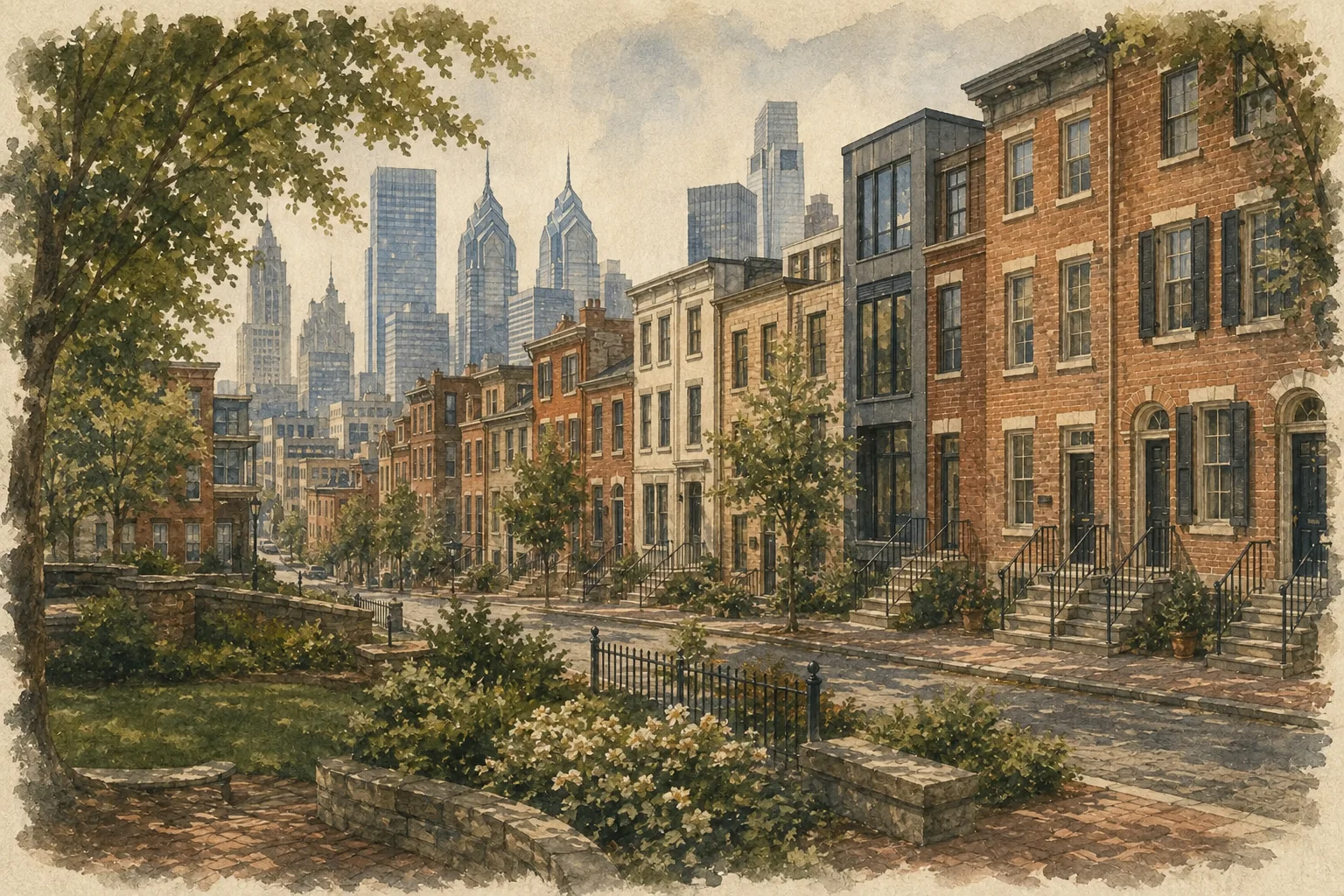
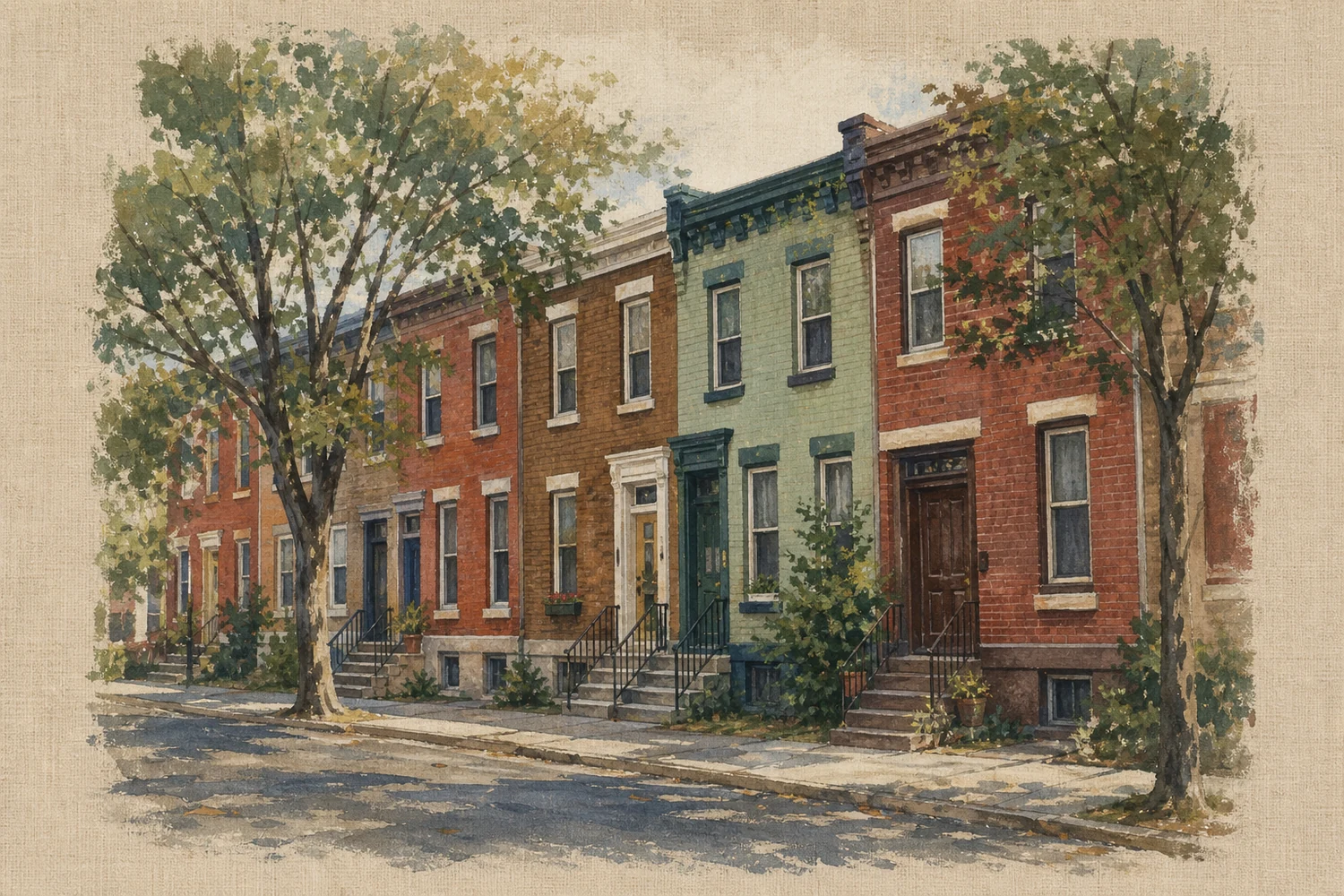
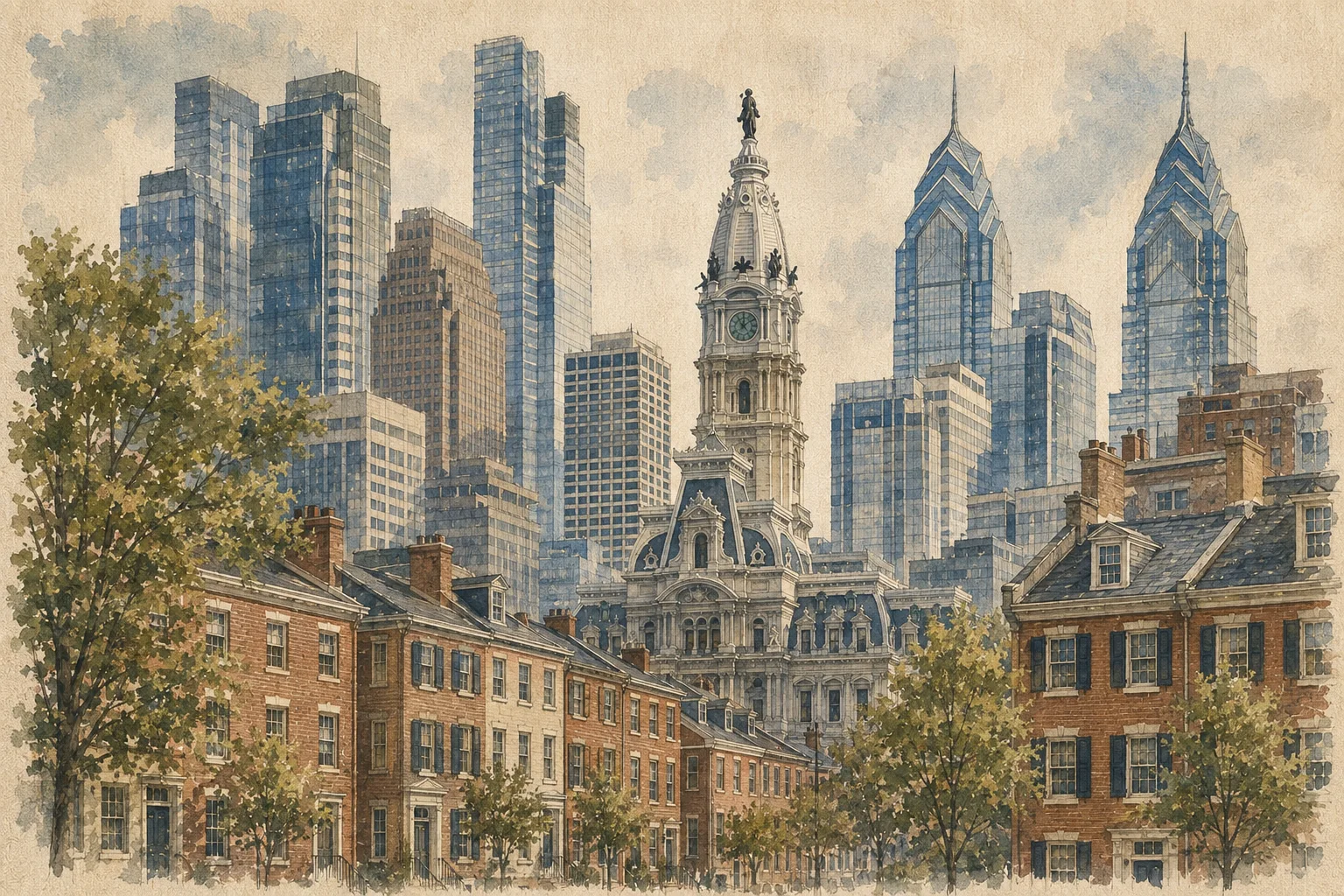
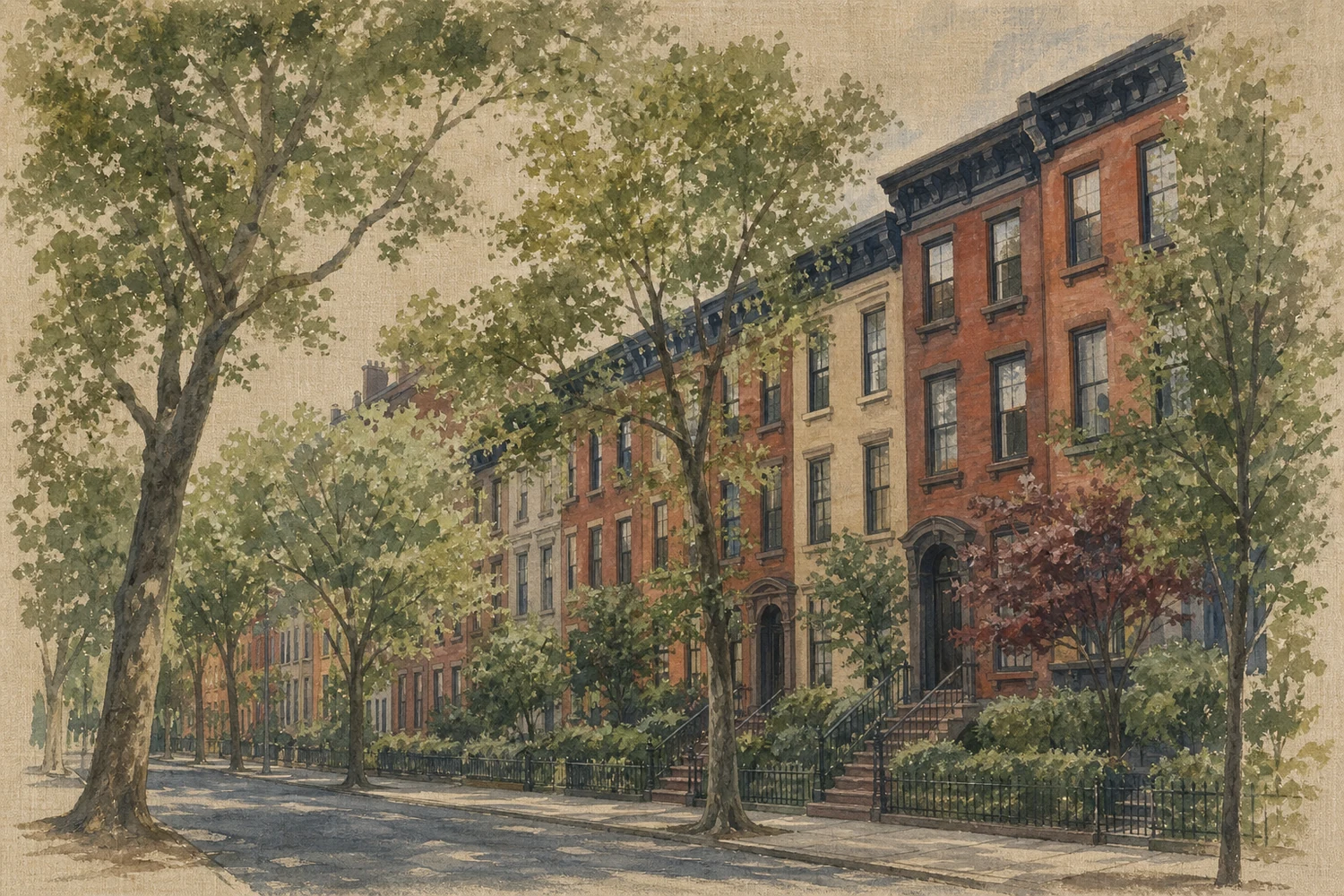
Source & next step ↗Fairmount is one of those Philadelphia neighborhoods that looks effortless from the outside. The historic rowhomes, the easy walk to the Art Museum, the river trail mornings, and the tree lined blocks all paint a picture of calm city living. What most visitors never see is the hyper local texture that shapes daily life here. Fairmount changes block by block and hour by hour. People who live here pay attention to where they walk, where they park, how they move around the park, and what the neighborhood sounds like on a warm summer night. This guide follows those patterns block by block and hour by hour, covering the questions that matter most to families, remote workers, and long time residents.
The Real Fairmount Map Your Phone Will Never Show You
Fairmount only makes sense when you stop thinking in zip codes and start thinking in blocks. Locals talk in micro-zones, because the lived experience on one side of an intersection can feel entirely different from the next. Core Fairmount sits in that sweet rectangle below Girard and between roughly 19th and 23rd, where brownstones, strollers, and quiet after-dinner dog walks are the norm. The energy changes fast when you drift north of Girard. Residents will tell you that the difference is immediate: stoops feel watched, lobby doors get tested, and the relaxed rhythm evaporates. Francisville often feels like Fairmount’s quieter younger sibling, but take two blocks in the wrong direction and you notice a shift that is impossible to miss.
You learn quickly that Fairmount is not one neighborhood but a patchwork of hyper-specific pockets. Dawson Street sits just close enough to West Fairmount Park that you can feel the bassline of late-night car gatherings vibrating through bedroom walls. None of this shows up on a relocation guide, but these patterns shape the experience more than any brochure.
Local navigation relies on understanding where the invisible borders lie. People new to Fairmount quickly learn why core blocks closer to the Art Museum feel calmer and more predictable. Those same newcomers, after one late night walk past Girard, never forget why this street is used as a mental boundary. The difference is not dramatic on a map, but it lands hard when you experience it by foot. Living here means training your instincts to read the block before you read the sign.
Fairmount is a neighborhood that rewards the people who take time to understand these territorial nuances. The closer you get to the Parkway, the more everything feels curated and peaceful. The closer you creep toward Brewerytown or the wrong stretch north of Girard, the more you start noticing who is outside, what they are doing, and how closely they watch you pass. This is not fearmongering. This is simply the hyper-local awareness that residents rely on every single day.
By the end of your first week you will navigate using landmarks that only locals recognize: the building where cars always lose their mirrors, the stretch where the speed camera never seems to work, the curb that looks legal until the tow truck arrives, and the stairwell that residents always avoid after dusk. Fairmount is not complicated. It is simply precise.
Where Fairmount sits
- Art Museum
- Girard Avenue
- Kelly Drive
- West Fairmount Park
Schematic · not to scale
The map your phone will never show you
Fairmount only makes sense when you stop thinking in zip codes and start thinking in blocks.
Core Fairmount
Below Girard, roughly 19th to 23rdThe sweet rectangle where brownstones, strollers and quiet after-dinner dog walks are the norm. The closer you get to the Parkway, the more everything feels curated and peaceful.
North of Girard
The mental boundaryResidents say the difference is immediate: stoops feel watched, lobby doors get tested, and the relaxed rhythm evaporates. Some blocks read as natural extensions of Fairmount, others feel disconnected — the difference can be three minutes of walking.
Francisville
The quieter younger siblingDraws people who want Fairmount's walkability without core Fairmount prices. Residential calm and new developments appeal to families and remote workers, but it changes quickly from block to block.
Dawson Street
Near West Fairmount ParkSits just close enough to West Fairmount Park that you can feel the bassline of late-night car gatherings through the walls.
A Day in Fairmount That Locals Actually Recognize
Your experience in Fairmount changes dramatically based on the hour. Early mornings feel like the neighborhood’s purest version of itself. Residents walk toward the cafes on Fairmount Avenue, dogs sniff the same corners every day, and the streets feel calm in a way that only a residential pocket near a major city can manage. Groceries at Target or Whole Foods are part of the morning ritual, and an easy walk replaces the need to drive. Workers head toward the museum district or hop on a bike for a short commute without the feeling of navigating a city in chaos.
Afternoons carry a different rhythm. Families claim the sidewalks, neighbors run errands, and students cut through on their way to classes or shifts. You start to see the subtle pride locals have in their blocks. Trash cans get pulled in early. Flower beds stay tended. People know their dog walkers and stroller moms, even if they never exchange names. The cultural shift between noon and four in Fairmount is subtle but unmistakable. The neighborhood breathes differently when daylight is strong and people are out handling life at a comfortable pace.
The evening transformation is one of Fairmount’s defining quirks. By six o’clock many blocks feel as if someone lowered the neighborhood’s volume dial. Streets become noticeably empty, and the quiet can surprise newcomers who expected more nightlife simply because of Fairmount’s central location. Instead, people retreat indoors or leave the neighborhood for dinner or bars in nearby districts. What fills that silence is the low hum of the city itself. Sometimes the background noise includes far-off bass rumbling from the direction of West Fairmount Park, reaching even calm residential pockets.
This gentle evening emptiness is what long-time residents secretly love. You feel removed from the rush without actually leaving the city. For many, the relaxed nights are the tradeoff for the complex parking rules, the occasional towing blitz during Parkway events, and the never-ending alertness around potential car break-ins. Nighttime here feels safe in the core blocks, almost suburban in rhythm, but with the convenience of Center City five minutes away. Timing is everything in Fairmount, and evenings show you the blend of comfort and caution that defines the neighborhood.
When you start to understand the daily rhythm, you begin planning around it. Have packages delivered during the busy hours. Walk dogs during the most populated stretches of the day. Plan errands before the silence settles in. Fairmount is predictable once you learn its clock. Everything moves according to this quiet rhythm that only locals mention because it makes life here feel steady even when the city around it does not.
Picking Your Block Like a Local, Not a Tourist
Choosing where to live in Fairmount is an art form. You cannot rely on the standard advice that works in generic neighborhoods. Here, the experience varies dramatically based on the exact block and how it behaves at different hours. A place might feel perfect at noon when people are out walking to the park, yet completely different at 10 PM when foot traffic disappears and the tone shifts. The safest-feeling pockets tend to sit closer to the Art Museum because the constant hum of activity, tourism, and police presence softens the edges of the evening.
Francisville attracts people who want Fairmount’s walkability and low-key lifestyle but do not want to pay core Fairmount prices. Its residential calm and new developments appeal to families and remote workers alike. Even so, Francisville changes quickly from block to block. You can walk one minute and feel like you are deep in a settled neighborhood, then turn a corner and sense the energy switch. That is normal here. Understanding which blocks feel stable requires physically walking them at different times.
North of Girard requires a different kind of evaluation. Some blocks feel like natural extensions of Fairmount, and others feel disconnected and unpredictable. The difference might be three minutes of walking. This is where personal comfort matters more than any online research. Time of day plays an even greater role here than elsewhere in the neighborhood. A street that seems fine at five o’clock might feel completely different late at night. Locals learn this quickly and adjust their routines accordingly.
Deciding where you fit in Fairmount means paying attention to the micro-signals: which porches feel lived in, which storefronts are active, where people leave their cars overnight, and which blocks stay consistently lit. These are the clues that matter far more than searching broad crime maps. The best approach is a three-visit rule. Check the block during daylight, after dinner, and near midnight. That rhythm reveals more about your future experience than any listing can describe.
Picking your block is not about fear. It is about awareness. Fairmount rewards people who choose with intention. If you want walkability and stable evenings, stick closer to the core. If you want more space or lower rent, choose Francisville but walk it carefully at night. If you are curious about the areas above Girard, observe them during different times and trust your instincts. Fairmount is full of excellent places to live, but it takes precision to get it right.
Owning a Car Here Is a Whole Lifestyle, Not a Convenience
The first truth you learn in Fairmount is that owning a car is not the easy safety net it seems to be. The neighborhood is walkable enough that many people eventually realize the car brings more stress than value. Parking spots feel like prizes you have to win, not amenities you can count on. You may spend evenings circling blocks only to end up parking farther away than you intended. That experience is so common that it becomes a shared understanding among residents.
If you decide to keep your car, you quickly meet Fairmount’s unforgiving parking rules. Zone passes require Pennsylvania registration, which means out-of-state plates immediately raise eyebrows and suspicion. Locals talk about plate politics with surprising intensity because long-term street parking affects everyone. You cannot casually park at a corner or in front of certain mailboxes unless you want your car photographed for a community page that exists solely to shame illegal stops. The thirty second convenience of squeezing into a borderline spot can turn into a ticket or towing bill.
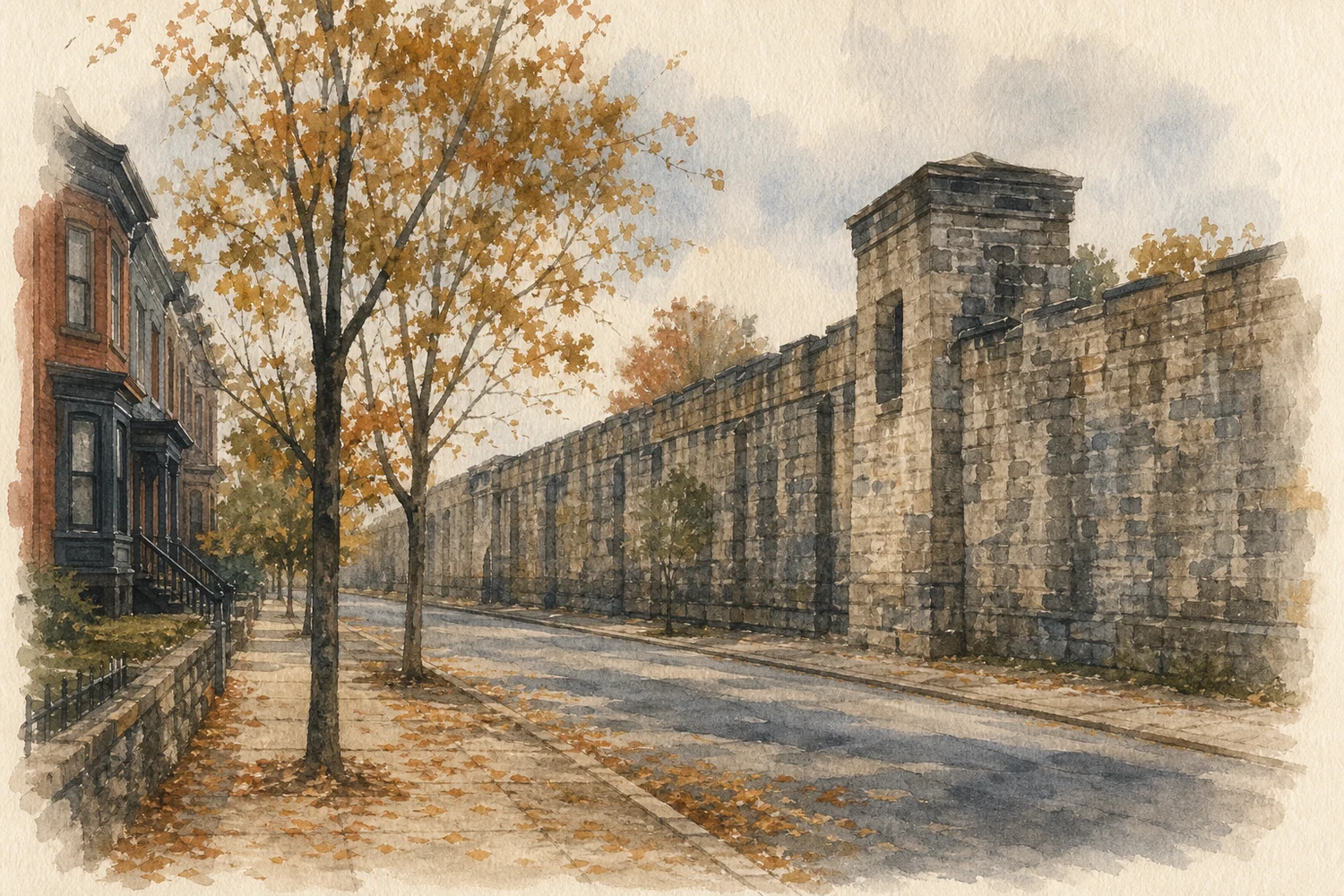
Event days around the Parkway create their own chaos. During large parades, especially the Thanksgiving Day Parade, entire stretches near the Ben Franklin Parkway transform into danger zones for parked cars. Tow trucks appear before sunrise and relocate vehicles several blocks away. Residents have returned to find their cars moved twice in the same day. Parking during the Halloween season becomes equally unpredictable near Eastern State Penitentiary, where crowds stretch around blocks and swallow every street spot within minutes.
Some residents keep cars but treat them like fragile creatures that must be monitored. They pick specific blocks known to be less chaotic and time their errands to avoid peak parking battles. Others give up entirely and lean into Fairmount’s walkability and bike infrastructure, using ride share only when convenience is worth the price. This shift from car dependence to neighborhood-based living is a quiet urban rite of passage. Those who embrace it often find life here becomes more relaxed.
The best advice is to decide early whether the car adds comfort or constant anxiety. Fairmount is easier when you understand that the car is not essential for most daily needs. If you love the freedom of driving everywhere, be ready for rules, towing patterns, and occasional frustration. If you prefer walking or biking, Fairmount will feel much more forgiving.
Fairmount Park: The Postcard Image With a Shadow Behind It
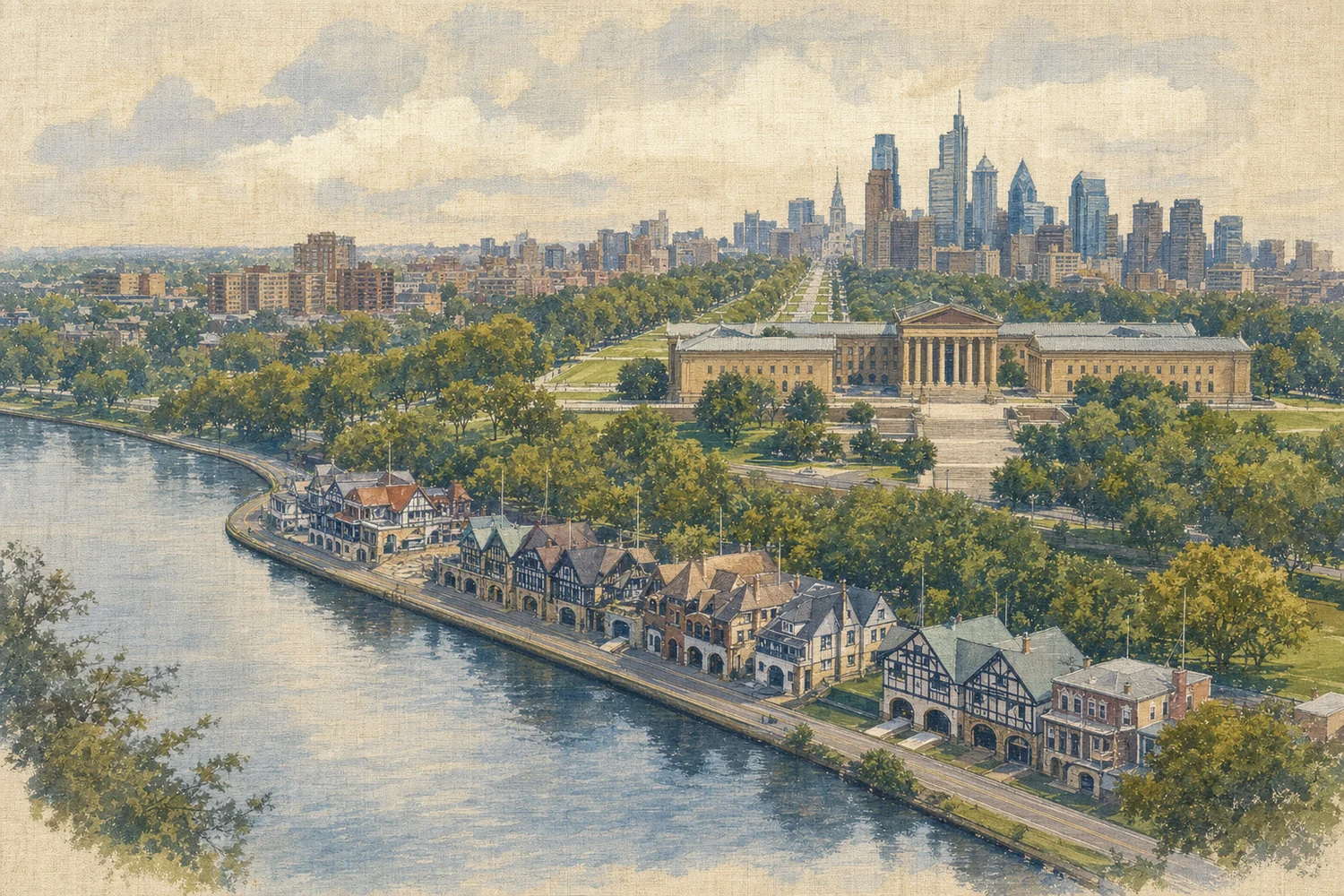
Fairmount Park looks flawless on brochures. The photos show curving trails, manicured lawns, families picnicking in soft afternoon light, and Boathouse Row glowing just past the Art Museum. That version exists, but only if you stay within the most polished corridors. Once you step away from the postcard sections, the mood shifts fast. Maintenance becomes inconsistent. Fountains sit drained for months. Historic statues lose their shine under layers of grime. Staircases gather broken glass, leaves, and debris. Some even collect things you do not want to identify.
West Fairmount Park is the area that surprises newcomers the most. It looks like a place built for wandering, yet the road layout tells another story. Wide lanes surround you, and sidewalks vanish right when you need them. Crossing points are scarce, which forces you into short sprints across fast-moving traffic. Hidden staircases under the Girard and Strawberry Mansion bridges offer secret access routes, but they drop you onto roads that feel built for cars rather than people. Even seasoned locals hesitate before crossing certain sections because the traffic pace is intense and relentless.
Cars regularly push far beyond the posted limits. The park’s layout turns scenic drives into speed corridors. Advocacy groups continue to push for changes, but improvements arrive slowly. Locals still navigate on instinct, staying alert to engines revving in the distance and gaps in traffic that never last long.
Seasonal events shift the park’s mood even more. Memorial Day, large festivals, and weekend gatherings attract huge crowds. Parks that feel peaceful on weekdays can turn chaotic with sudden surges of people, loud music, and unpredictable energy. Some nights bring boom party gatherings deep in the park, where cars line up with powerful sound systems that can be felt from blocks away. Families living near Dawson Street know this low rumble as part of their weekend landscape. For some, it is background noise. For others, it disrupts sleep or scares sensitive kids.
Fairmount Park offers incredible beauty, but its reality requires situational awareness. The postcard version is real, but so is the version where you step around broken fountain tiles and dodge speeding cars on what should be pedestrian routes. Locals appreciate the park deeply, but they move through it with an understanding that its charm and its flaws coexist in equal measure.
Staying Alive on Two Wheels: The Hyper-Local Guide to Moving Without a Car
Cycling, walking, and using Indego are part of daily life in Fairmount, but you need a strategy. Biking looks easy on a map, yet the real experience depends on where you ride and what time you go. The Schuylkill River Trail feels blissful on weekday mornings. You share the path with joggers, commuters, and neighborhood regulars who know the flow. Weekends are another story. Crowds surge. Cyclists weave aggressively. Families spread across the paths without watching for bikes. The risk of near collisions grows fast as the day gets warmer.
Venturing into Fairmount Park on a bike requires even more preparation. The roads inside West Fairmount Park behave like extensions of the city’s fastest corridors. Belmont, Lansdown, and Avenue of the Republic see drivers treating them like racetracks. If you are biking during heavy traffic hours, expect cars to pass close and fast. Locals plan their rides early in the morning or stick to quieter backstreets that lead toward the park. Hidden staircases offer quick access to trails, but they always force you to cross at least one busy road at the bottom.
Walking is safe and enjoyable in the core neighborhood, but certain routes challenge even the most confident pedestrians. Approaching West Park from Strawberry Mansion or Brewerytown sends you onto narrow shoulders with no sidewalks. Crossing Kelly Drive requires patience and careful timing because drivers do not slow down for pedestrians. Even where crosswalks exist, the signal timing feels unforgiving. Locals learn to wait for long gaps rather than trusting painted lines.
Indego is a lifesaver if you do not want the financial and emotional stress of owning a bike. Monthly or yearly memberships make sense for people who ride often. The day pass feels convenient, but the cost adds up quickly and becomes impractical if used more than a couple times a week. Indego stations around the Art Museum and Kelly Drive stay stocked, but the ones near park entrances empty during warm weekend afternoons. Locals avoid one way trips late at night because walking back from an empty dock through quiet blocks is not ideal.
Moving around Fairmount without a car is fully doable, but you need to understand the neighborhood’s rhythm. Pick your routes based on time of day. Stick to predictable corridors during busy hours. Use the SRT for comfort, but expect congestion. Treat park roads with caution. Once you adjust, walking and biking become the most reliable and stress free ways to navigate daily life here.
When the City Goes Quiet Then Suddenly Loud: Noise and Nighttime Micro-Seasons
Fairmount teaches you that noise is not constant. It comes in micro-seasons that shift without warning. Most nights feel peaceful. The residential blocks become almost still after dinner. Soft conversations drift from stoops, and you hear the hum of the city in the distance rather than around you. This calm is one of the reasons people stay. Then there are nights when the quiet breaks open and the entire neighborhood feels different.
Boom cars mark one of Fairmount’s most disruptive nighttime patterns. These gatherings happen deep in West Fairmount Park and carry sound far beyond their immediate location. The bassline can reach Dawson Street, cross over to the eastern blocks, and even vibrate through windows close to the Parkway. The noise pulses in waves, sometimes lasting minutes, other times rolling for hours. Sensitive kids struggle with the unpredictability. Adults lose sleep and stare at the ceiling waiting for it to stop.
Seasonal patterns make the noise more predictable. Warm months attract more nighttime activity. Summer weekends are especially loud because riders, drivers, and party groups treat the park as their personal after-hours playground. Some nights come with music shaking the treeline. Other nights remain silent. Locals learn to tell the difference based on weather, events, and the rhythm of the weekend. The pattern becomes familiar over time, even if it is frustrating.
Event season around the Parkway introduces another layer of sound. Concerts, marathons, festivals, and holiday events spill into Fairmount whether you attend them or not. Street closures send drivers searching for alternate routes through residential blocks. Engines rev, horns echo, and crowds swell. Eastern State Penitentiary adds its own noise cycle every fall. The Halloween attraction brings thousands of visitors, long lines, and a steady hum of voices and traffic stretching around the building for weeks.
Even nature contributes to Fairmount’s noise cycles. Cherry blossom season brings waves of visitors into West Park. Footsteps, conversations, and car doors blend into a constant background layer. The park’s open spaces amplify noise, making it feel as if gatherings are closer than they are. Then winter arrives and everything contracts. The park becomes quiet except for the rush of cars cutting through fast lanes and the occasional distant siren.
Understanding these micro-seasons helps you anticipate what each week might sound like. Fairmount is not consistently noisy or consistently quiet. It shifts. Locals adapt. They close windows on specific nights, avoid certain blocks during event traffic, or schedule sleep routines around the park’s energy. Knowing these patterns makes living here smoother and less surprising.
Reading Crime Like a Local: Beyond Headlines and Panic Posts
Crime in Fairmount is a pattern-driven experience rather than a constant threat. Headlines paint dramatic pictures because break-ins or park incidents make for gripping clips, but the day to day reality is more nuanced. Most residential blocks near the Art Museum feel stable and safe, especially during daytime and early evenings. People walk home from work, run errands, and take their kids to playgrounds without fear. The tension increases only when you cross into specific micro-zones or walk at hours when the neighborhood goes quiet.
Car vandalism is the issue that dominates conversations because it affects everyone, not just people involved in targeted situations. The smash and rummage pattern is predictable by month and by block. Summer brings the largest waves. Brown Street, Corinthian, and Pennsylvania Avenue consistently reappear in reports. These incidents rarely involve stolen items of value. Instead, glove boxes are emptied and interiors left in disarray. The damage feels more like harassment than theft, which is why residents describe it with such exhaustion.
Park crime is a different category. West Fairmount Park occasionally experiences violent incidents during large gatherings or unregulated night events. These situations rarely occur on the residential side of the neighborhood but create a shadow that influences how residents perceive the park after dark. People avoid remote paths when alone. They use main corridors, bring company, or choose daylight hours for trips deeper into the park. Long timers know which staircases and trail entries feel isolated and which feel safe enough during busy times.
The north side of the neighborhood introduces another layer of complexity. A few blocks above Girard shift in tone quickly, especially late at night. Residents who live near this border often describe a mix of normal city living and occasional unpredictable encounters. Building break ins, people sitting on stoops uninvited, or late night shouting matches become part of the background. It is not constant danger, but it is uneven enough that locals stay alert.
The important thing is that Fairmount is not a place where you panic every time you leave your home. It is a neighborhood where you learn to recognize patterns and adjust your routines. You walk confidently through residential blocks. You remain cautious in parts of West Park after dark. You check your block’s history for car vandalism before committing to parking. Once you understand the rhythms, the experience becomes measured rather than frightening.
Where Locals Actually Eat, Shop, and Avoid: The Unfiltered Fairmount Essentials Guide
Food in Fairmount is not about big name tourist spots. It is about the small places that stay consistently reliable. For everyday meals, locals gravitate toward familiar essentials. Christie’s Deli on Spring Garden is a neighborhood favorite for hoagies because the quality stays steady and the service feels personal. Residents pick it up on the way home from work or after errands because it is dependable. Zuzu Kitchen in Fairmount and Francisville earns repeat customers thanks to specific menu favorites, especially their well known chicken sandwich that people mention again and again.
When it comes to groceries, Target and Whole Foods handle the bulk of daily needs. The walkability to both is a major reason families and car free residents love Fairmount. Quick trips for essentials become second nature. Philadelphians appreciate convenience, and Fairmount delivers it in a way that lets people avoid the headache of driving unless absolutely necessary.
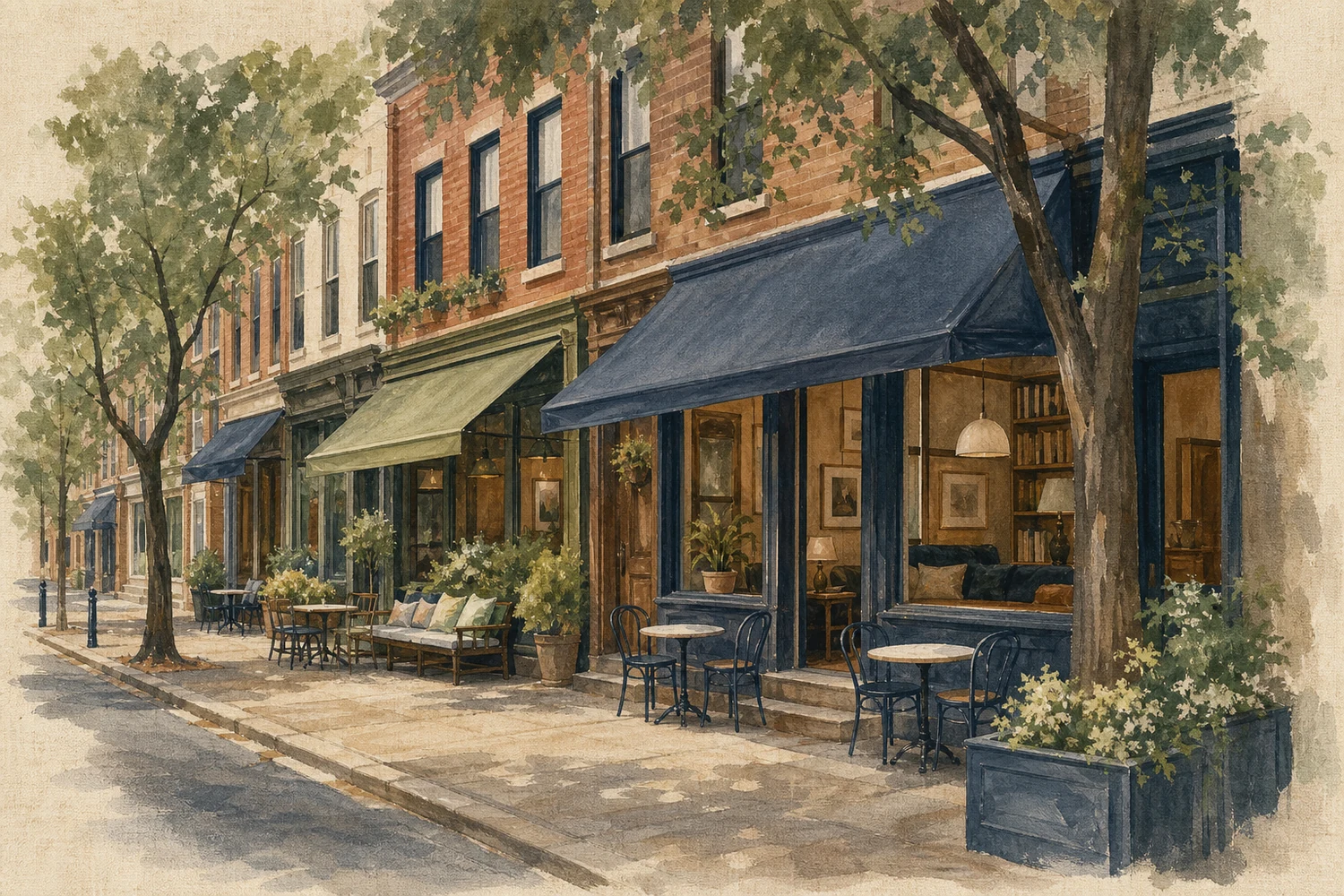
Beyond that, the essentials list depends heavily on your lifestyle. Parents rely on local playgrounds, corner stores, and after school programs at neighborhood centers. Runners stick to Kelly Drive and the SRT for daily loops. People who work from home treat the cafes along Fairmount Avenue as their unofficial offices. The businesses here are woven into daily routines more than special occasions. Most residents prefer dependable over trendy because it fits the rhythm of the neighborhood.
Fairmount rewards those who explore without relying solely on recommendations. You find your own favorites by walking, trying small spots, and observing which places stay busy on a weekday afternoon. The neighborhood is full of reliable essentials that do not appear on curated lists, and the real joy comes from discovering them the same way locals did: one stop at a time.
Where locals actually eat and shop
Not the big-name tourist spots — the small places that stay consistently reliable.
Christie's Deli
The quality stays steady and the service feels personal. Residents pick it up on the way home from work or after errands because it is dependable.
Best for · The reliable weeknight pickup
Zuzu Kitchen
Earns repeat customers thanks to specific menu favorites, especially their well known chicken sandwich that people mention again and again.
Target and Whole Foods
Handle the bulk of daily needs. The walkability to both is a major reason families and car-free residents love Fairmount — quick trips for essentials become second nature.
Best for · Living here without a car
The Fairmount Avenue cafes
People who work from home treat them as their day-to-day workspace. Dependable beats trendy here, which is why they stay busy on a weekday afternoon.
Best for · Working outside the apartment
The Digital Side Streets: How Fairmount Talks When No One Is Watching
Fairmount has two neighborhoods: the one you walk through and the one that lives inside Facebook groups, Nextdoor alerts, and Reddit threads. These online spaces act like the neighborhood’s unofficial weather system. You check them the same way you might check the sky before leaving the house. One glance tells you if the mood is sunny or stormy.
Facebook groups are where you see the full range of local emotion. Residents share everything from missing pets to heated debates about who is responsible for changing curbside light bulbs. Discussions often spiral because people bring long standing tensions into every conversation. A simple question about recycling schedules can turn into a lesson about neighborhood history or friction between old timers and newcomers. Even so, Facebook is where you catch the earliest whispers about suspicious vehicles circling blocks or sudden streaks of vandalism.
Nextdoor is more direct. It behaves like an urgent neighborhood scanner. Middle of the night window smashes appear within minutes. Someone posts photos of a damaged car, and the entire thread becomes a timeline of when the incident likely happened and who else heard it. Nextdoor creates fast awareness but also amplifies anxieties. The upside is that patterns become visible quickly. Residents learn which blocks to avoid parking on and which nights seem to attract trouble.
Reddit functions as the commentary layer. Instead of real time alerts, you get analysis of why things happen and how the neighborhood has changed over the years. Locals discuss everything from Fairmount Park safety patterns to which blocks feel stable at night. These conversations reveal the unspoken realities that guide how residents move through the area. Reddit threads offer perspective that balances out the urgency of Nextdoor and the emotional swings of Facebook.
Together, these platforms form a digital ecosystem that mirrors the neighborhood’s rhythms. Residents do not rely on one platform. They move through all three because each offers a piece of the information puzzle. To live in Fairmount comfortably, you eventually join at least one of them. They teach you how the community reacts, where the pressure points lie, and which concerns are constant rather than temporary. Navigating Fairmount means paying attention to both the streets and the screens.
The Slow Shift: How Fairmount Balances Charm, Change, and Tension
Fairmount’s personality is shaped by waves of people moving in and out. Families, professionals, students, long time residents, and newcomers all converge in the same grid of blocks. The tension between old and new energy creates a unique neighborhood character. You see it in block meetings, in casual conversations, and especially online. Some residents feel protective of the older version of Fairmount. Others embrace the changes brought by new developments, cafes, and renovated brownstones.
The most noticeable shifts tend to happen around the edges. Francisville feels more vibrant every year as new storefronts appear and renovated homes fill the streets. The blocks north of Girard continue to evolve despite their unevenness. Fairmount’s core retains its calm, but it is affected by everything happening around it. Rising housing costs push some families further outward. Young professionals move in, attracted by walkability and access to the Parkway. Each group brings expectations that sometimes align and sometimes collide.
Cultural friction shows up in small ways. Long timers prefer local shops and community events while newcomers gravitate toward trendy spots or national chains. Groups disagree on parking rules, noise tolerance, and how to handle unregulated activity in the park. Even something as simple as holiday decorations can spark discussions about what the neighborhood should represent. These disagreements do not make Fairmount hostile. They make it dynamic.
Gentrification here is complicated because both sides contribute something valuable. New residents bring investment and attention that keeps businesses alive. Long timers offer stability and deep neighborhood knowledge that shapes how others interact with the area. The balance between these forces keeps Fairmount from drifting too far in any single direction. Real community emerges when people respect the layers that came before them.
Living in Fairmount means acknowledging the shifts while appreciating the constants. The tree lined blocks near the Art Museum still feel timeless. Neighbors still wave on their morning walks. Kids still run through local playgrounds. The atmosphere evolves, but the sense of place remains grounded. That blend of change and familiarity defines the neighborhood more than anything else.
The Rules You Only Learn After You Embarrass Yourself Once
Fairmount has a set of unwritten rules that everyone eventually figures out. Learning them makes daily life smoother and avoids awkward run ins with neighbors. The first rule is simple. Never trust a spot that looks barely legal. If the curb paint is faded or if a mailbox sits uncomfortably close, assume someone will photograph your car and post it online. Parking etiquette is serious here because space is precious and violations inconvenience everyone.
Another important rule involves Fairmount Park. If you would not walk a specific path alone after dark, do not do it with headphones in broad daylight. Certain areas feel inviting but quickly empty out as soon as the sun starts to dip. The deeper staircases, long stretches of wooded paths, and remote entry points require extra awareness. Residents learn which routes remain active and which ones become too isolated for comfort.
Interaction with delivery workers is another sensitive area. Locals care deeply about how workers are treated because so many people rely on them for meals, groceries, and essentials. Issues with certain businesses refusing basic needs became neighborhood wide discussions because they reflect on community values. Treating workers respectfully is not just expected. It is part of maintaining the neighborhood’s social fabric.
Online etiquette also matters. Fairmount’s digital spaces amplify everything, so people choose their words carefully when discussing sensitive topics. Blunt criticism of the neighborhood gets noticed fast. Posting without context invites pushback. Sharing photos of strangers creates instant debate. Residents value honesty, but they also value nuance. Learning how to engage without escalating tensions is a sign that you have adapted to Fairmount’s culture.
These unwritten rules do not exist to restrict anyone. They are survival tools that reflect years of lived experience. Following them helps you move through Fairmount with confidence. Ignoring them leads to misunderstandings that can linger longer than you expect.
The Two Day Test: How to Know If Fairmount Fits Your Life
The best way to understand Fairmount is to live here for a weekend without committing long term. A two day test reveals more than any real estate tour or online forum ever could. Start the first morning with a walk from the Art Museum to Boathouse Row. This route shows you how serene the river trail feels when the city is waking up. You will see joggers, early riders, and residents who have claimed this loop as part of their daily routine. Continue toward the Kelly Drive crossing and observe how drivers behave. This is where you experience the reality of sharing pathways with high speed traffic.
Spend the afternoon exploring the residential grid. Walk along Brown Street, Corinthian, and the surrounding blocks to see how parking density, foot traffic, and general energy shift from one intersection to the next. Pause near Pennsylvania Avenue and look for signs of overnight car damage. Fairmount tells its stories through small details that become obvious once you pay attention. Check Nextdoor or local Facebook updates to get a snapshot of what the neighborhood discussed in the past week.
Your first evening should include a stop at a local deli or cafe. Grab food from Christie’s or Zuzu and walk through the quieter blocks after dinner. This is when you feel the neighborhood’s true personality. The silence sets in early. Streetlights glow softly. You see families heading inside and a few dog walkers finishing their last lap of the night. Listen for distant bass or activity coming from West Park. This tells you what your nights may sound like during warmer months.
Night one is the honesty check. Do you feel comfortable walking to your car. Does the block feel predictable. Are you startled by every sound or do you settle into the calm. These reactions matter more than any statistic.
On day two, stress test the neighborhood. Try parking during a busy period near Eastern State Penitentiary or the Parkway. Check how long it takes to find a spot. Rent an Indego bike and ride from the Art Museum toward the park. Evaluate how safe you feel sharing space with fast moving vehicles. Enter West Park from one of the hidden staircases and decide if you would ever do that alone.
By the end of the second day, you will know whether Fairmount’s balance of beauty and unpredictability fits your life. Some people fall in love with the walkability and community energy. Others find the tradeoffs too heavy. The two day test makes the decision clear.
What the two-day test tells you
Some people fall in love with the walkability and community energy. Others find the tradeoffs too heavy.
- By six o'clock many blocks feel as if someone lowered the volume dial — removed from the rush without leaving the city.
- Groceries at Target or Whole Foods are a walk, not a drive.
- The river trail from the Art Museum to Boathouse Row is a daily routine for joggers and early riders.
- Nighttime feels safe in the core blocks, almost suburban in rhythm, with Center City five minutes away.
- Parking spots feel like prizes you have to win, and zone passes require Pennsylvania registration.
- Tow trucks appear before sunrise during Parkway events; residents have found cars moved twice in one day.
- Overnight break-ins arrive in waves that intensify every summer.
- Boom-car gatherings deep in West Fairmount Park carry bass far past Dawson Street.
- West Park sidewalks vanish where you need them, and drivers push far past the posted limits.
The Hyper Local Decoder: Everything You Need To Remember When You Live Here
Fairmount becomes much easier once you internalize the small patterns that shape everyday life. The first pattern is the block matrix. The neighborhood feels different on every corner, so trust your instincts about where you feel most at ease. The core near the Art Museum is calm. North of Girard shifts quickly. Brown Street, Corinthian, and Pennsylvania Avenue demand extra attention if you park there.
The second pattern is the seasonal rhythm. Spring brings blossoms and crowds. Summer brings window smashes and late night booms from deep inside the park. Fall brings Eastern State Penitentiary traffic. Winter brings silence interrupted only by high speed cars cutting through West Park corridors. Each season has its own personality.
The third pattern involves movement. Indego, walking, and biking are the most reliable ways to navigate the neighborhood. The river trail is your comfort zone. West Park requires caution. Crossings near Kelly Drive and Fountain Green demand patience and awareness. Avoid shortcuts through isolated paths unless you know the area well.
The fourth pattern centers on digital awareness. Facebook groups tell you how people feel. Nextdoor tells you what happened. Reddit tells you why it matters. All three together help you understand the mood of the neighborhood and the issues that shape decision making.
The fifth pattern is the social code. Respect delivery workers. Avoid borderline parking spots. Keep valuable items out of your car. Stay alert in the deeper parts of the park. Engage online with thoughtfulness. These habits are part of living here and keeping good relationships with neighbors.
When you combine these patterns, Fairmount stops feeling unpredictable. It becomes a place with a clear rhythm and understandable logic. The neighborhood rewards people who pay attention and move with intention. Once you learn the cues, Fairmount feels familiar and manageable, and you begin to see why so many residents stay despite the challenges.
Fairmount's seasonal rhythm
The body's own decoder: each season has its own personality, and its own thing to plan around.
Blossoms and crowds. Cherry blossom season brings waves of visitors into West Park, and footsteps, conversations and car doors blend into a constant background layer.
The move · Keep the Schuylkill River Trail for weekday mornings, when it feels blissful rather than congested.
Window smashes and late-night booms from deep inside the park. When the air gets warm, smashed glass on sidewalks becomes a recurring part of the street landscape.
The move · Leave cars empty, never keep visible items, and choose blocks that feel slightly less vulnerable.
Eastern State Penitentiary traffic. The Halloween attraction brings thousands of visitors, long lines, and a steady hum of voices and traffic stretching around the building for weeks.
The move · Avoid certain blocks during event traffic, and expect street spots near Eastern State to disappear within minutes.
Silence, interrupted only by high-speed cars cutting through West Park corridors. The park becomes quiet except for the rush of cars in the fast lanes and the occasional distant siren.
The move · Treat crossings near Kelly Drive and Fountain Green as places that demand patience and awareness.
Make it yours
Five notes for your Fairmount visit
A short list to turn what you read into your own next steps.
Saved checks stay on this device when browser storage is available. This is a personal planning list, not a property inspection or professional assessment.
Sources & next steps
Useful advice should
show its working.
These resources support the reader tools above and help you check details for your own address, date, or plans.
- The Barnes Foundation
The museum's own site provides visit planning, exhibitions, and booking information.
- SEPTA trip planner
Compare transit journeys using your actual stops, date, and departure time.
- City property and zoning lookup
Opens the City's address-based zoning and permit tools.
The tool does not define Fairmount through disputed neighborhood borders or predict parking enforcement. Check event arrangements, curb signs, and the particular property directly.
Keep exploring