A little orientation
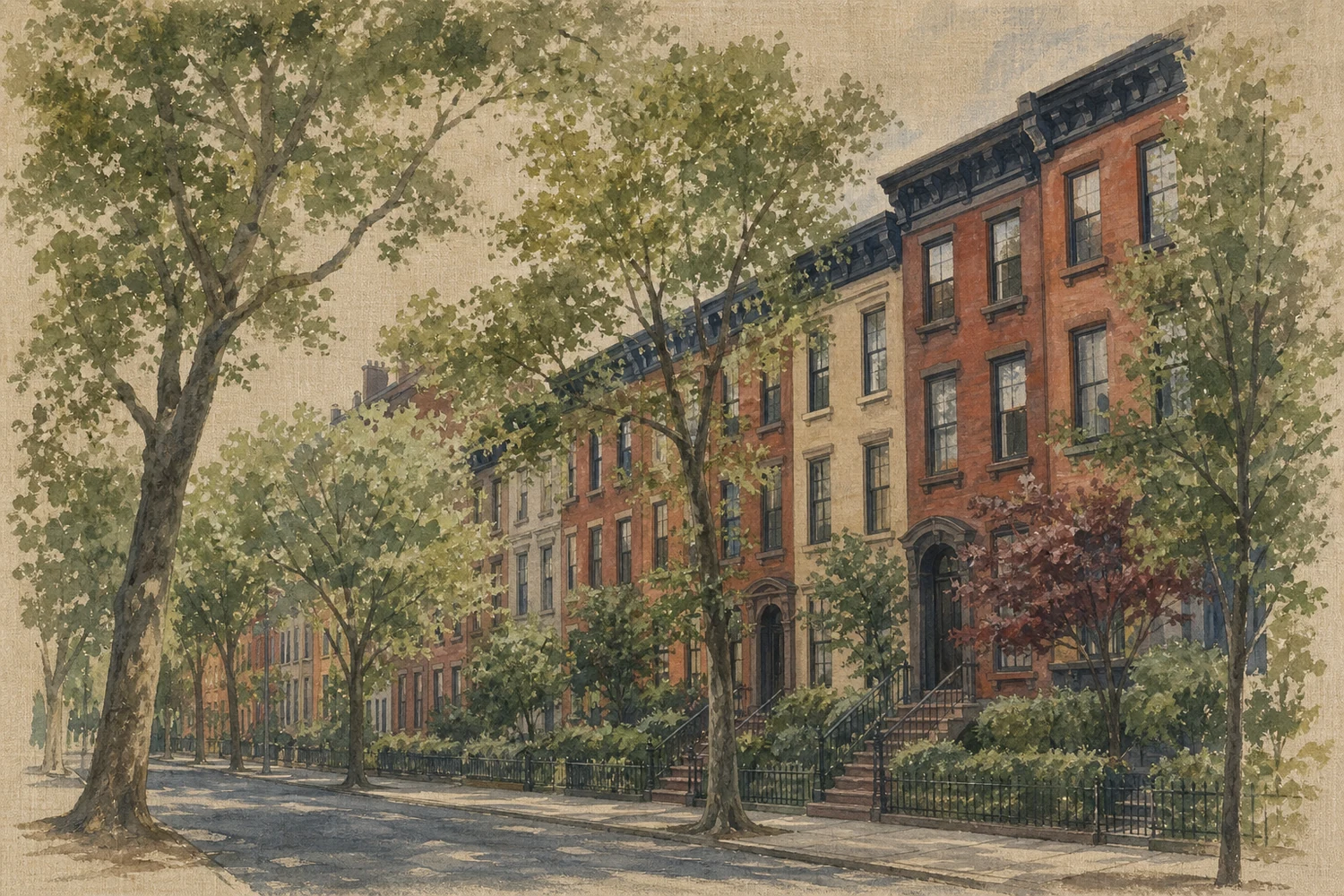
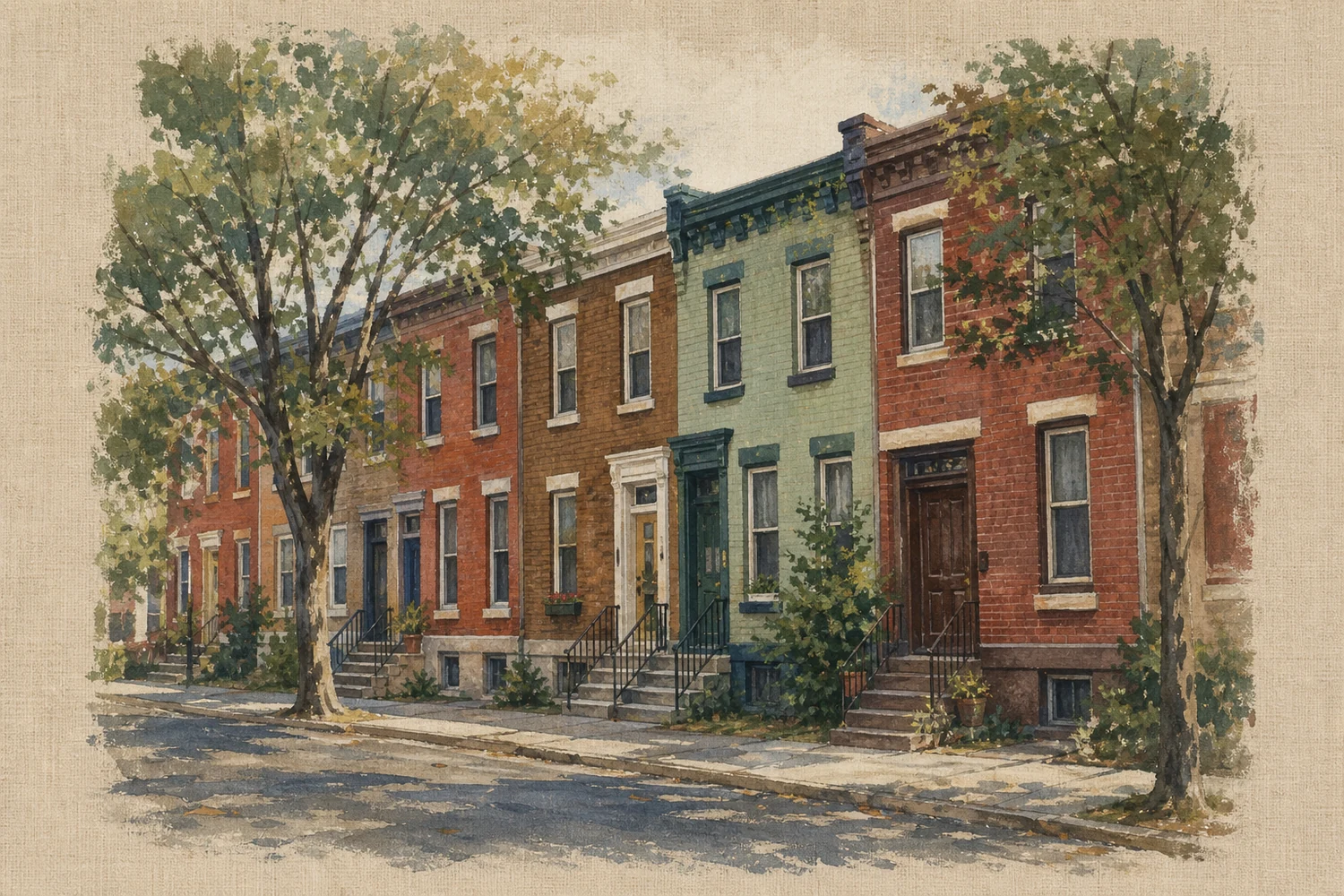
Look closely at a Brewerytown block
Keep the address central
Use the specific home and nearby work sites for property research instead of judging a whole area.
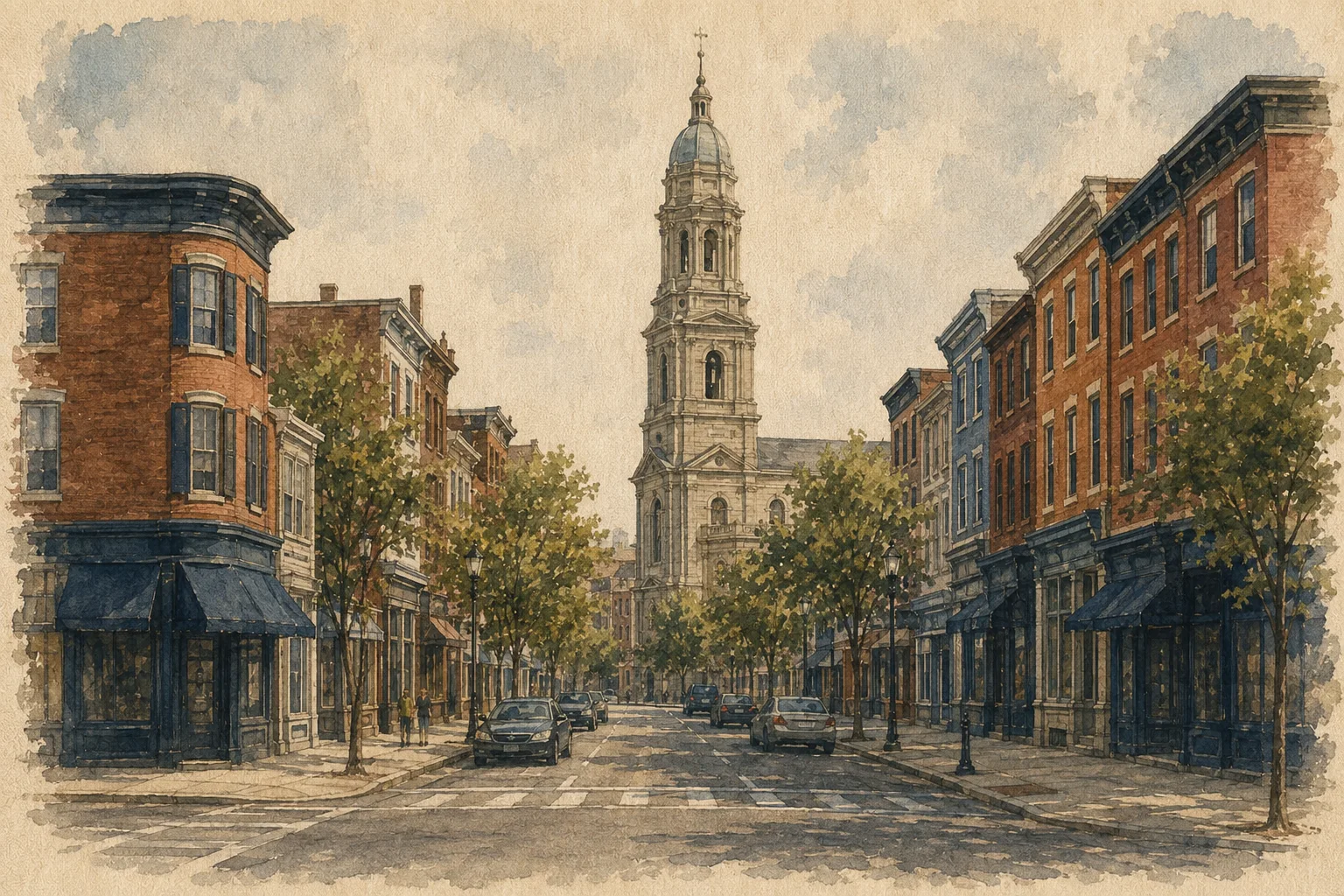
Test the Girard journey
Check where you would board and how you would return at your ordinary travel times.
Choose a repeatable outing
Confirm the facility or park activity you mean to use before counting it as part of daily life.
A closer look
Choose a Brewerytown starting question
Move from a broad description to something you can check on your next visit.
Check the connection that matters
Use your prospective Brewerytown address and regular destination in SEPTA's planner. Look at the walk to the boarding point and any transfer, then compare the return journey rather than assuming a route along Girard Avenue solves every trip.
A useful questionWhere would the transfer fit into my normal day?
Source & next step ↗Ask about the work behind the finish
Open the City's zoning and permit tools for the exact rowhome you are considering. Use the record to ask about renovations, shared walls, and outstanding work, then inspect the actual entrance and rooms before deciding what care the home needs.
A useful questionWhat renovation or maintenance question remains after the viewing?
Source & next step ↗Pick one place to return to
Search the City's facility listings for the park or recreation activity you want near Brewerytown. Confirm the entrance and program contact, then plan an outing from your prospective home that still leaves room for shopping or other weekend obligations.
A useful questionWould I still make this trip during a busy week?
Source & next step ↗This guide looks at Brewerytown block by block, including how the neighborhood changes around Girard Avenue. It covers the food scene, access to Fairmount Park, stoop culture and festivals, as well as parking, building quality and noise.
This guide was created to give newcomers the clarity they deserve. It breaks down Brewerytown the way residents experience it: street by street, time by time, season by season. Whether you are moving here for the first time or trying to decide if the neighborhood fits your lifestyle long term, this resource helps you understand the real patterns that shape daily living.
What Brewerytown Really Means Block by Block
A Neighborhood With Borders That Shift Depending on Who You Ask
If you rely on real estate maps, Brewerytown looks like a tidy triangle between Girard, Fairmount Park, and a few neat side streets. Locals do not use that map. In daily conversation, Brewerytown is a sliding scale between North Philadelphia intensity and Fairmount convenience. The closer you sit to the park side, the more likely you are to see joggers, strollers, and dog walkers forming a calm morning corridor. Move toward the Girard spine and the atmosphere sharpens: bars, breweries, food gems, ATVs, and the traffic of people who live, work, argue, and party at street level. Push north or east toward the project-adjacent blocks and the mood becomes heavier with territorial energy, faster-moving traffic, and the sense of being watched the moment you round the corner.
Locals split the neighborhood into micro-zones that outsiders do not notice. The park side is described as comfortable. The Girard spine is seen as vibrant but volatile. The north-side flips are a separate universe of gut rehabs, rising prices, and uneven workmanship. The edges near the older public housing projects influence safety debates far more than any city-issued map. This is why you see endless online arguments about whether Brewerytown is part of North Philadelphia. The answer depends on which blocks you stand on and which direction you walk once the sun goes down.
The Mental Compass Locals Actually Use
People who live here navigate with a mix of street lore and hard lessons. The 1500 block of Myrtlewood is viewed as calm during the day and predictable at night. Just a few blocks away, the zero block of Newkirk carries a reputation for break-ins and uneven activity after sunset. The Porter apartment building is a perfect example of the neighborhood’s contradictions. Some call it safe because of its lighting and foot traffic. Others who lived a block from it for multiple years describe robberies and quality-of-life struggles that never appeared in listings.
What Up-and-Coming Really Looks Like Here
To call Brewerytown up-and-coming misses half the story. It is a neighborhood where a new café with expensive pastries might sit two doors from a boarded home with an L and I violation taped to its frame. New builds rise quickly, but collapsed rowhomes just as often dominate the news cycle. A brewery might host a packed trivia night while someone on the same block is dealing with a car break-in for the third time in a year.
Locals judge progress using their own metrics. They count how many times their car alarm goes off in a month. They track whether the trash level on their street has improved since last summer. They notice if gunshots decline or if they have simply gotten better at identifying the difference between fireworks and a firearm. They pay attention to how many neighbors say hello on the stoop and whether those greetings come from people who have been there for years or new tenants who will be gone next season.
Locals read it as a sliding scale, not a boundary.
- Fairmount Park
- Girard
- Kelly Drive
- Lemon Hill
Schematic · not to scale
The micro-zones outsiders do not notice
Locals split the neighborhood into micro-zones that outsiders do not notice.
The park side
Toward Fairmount ParkDescribed as comfortable — joggers, strollers and dog walkers forming a calm morning corridor.
The Girard spine
Along Girard AvenueSeen as vibrant but volatile: bars, breweries, food gems, and street-level traffic at every hour.
The north-side flips
NorthA separate universe of gut rehabs, rising prices, and uneven workmanship.
The project-adjacent edges
North and eastThe edges near the older public housing projects influence safety debates more than any city-issued map.
Daily Rhythm: Time-of-Day and Micro-Season Playbook
Mornings When the Sidewalks Feel Friendly
If you want to understand whether your block is stable, walk outside between eight and ten in the morning. This is when the dog-walking circuit is strongest and when stroller routes form gentle loops toward the park. Neighbors sit on stoops with coffee, taking stock of who is out and how the block feels after the previous night. Morning is also when Kelly Drive and Boathouse Row become the preferred escape. Runners and cyclists choose these paths to avoid rush-hour traffic and to enjoy a rare stretch of peace that exists only in the early hours.
The morning window is when Brewerytown feels most predictable. The tone of the day is set by who you see on the sidewalks. Older residents with grocery carts heading toward Girard signal calm. Groups of teenagers heading toward transport hubs can indicate a more chaotic afternoon ahead. It is a neighborhood where mornings act as a weather report for the day.
Afternoons Built Around Errands and Street Work
By midday, the rhythm changes. Construction crews open up pavement for weeks at a time, leaving long strips of exposed road that punish tires. Delivery trucks jam blocks that are already narrow. People time their grocery runs carefully because parking turnover is unpredictable and PPA patrols increase as the afternoon progresses. Aldi is a refuge for some. Whole Foods is a test of patience for others, depending on whether their block currently has any open curb space.
Trash piles grow fastest in the afternoon, especially on the hotter days when the smell carries. People adjust their routes to avoid bulk-dump alleys and to get ahead of school dispersal times. Afternoon is also when the neighborhood’s flaws become the most obvious, because it sits at the crossroads of errands, deliveries, construction, and inconsistent sanitation schedules.
Evenings When the Mood Starts to Turn
After sunset, Brewerytown shifts again. ATVs and dirt bikes begin carving loud loops around Girard. Groups settle into specific corners, and residents instinctively change to the safer side of the street. Women in particular describe precise evening habits. Some will switch to ride shares once the lighting becomes patchy. Others avoid crossing certain intersections, even if it adds extra blocks to their walk.
Locals develop an internal system for managing evening risk. They become experts at telling fireworks from live rounds. They notice when foot traffic feels local versus when outsiders are lingering. The difference matters. What feels walkable at six can feel unpredictable at nine. Getting home from breweries or the Food Hall is part timing, part familiarity with the block, and part instinct.
How Weekends And Weekdays Rewrite the Script
The neighborhood has weekday patterns that differ sharply from weekend life. Weekdays have more predictable commutes and fewer surprises. Weekends introduce a different kind of pressure. Crime reports spike late in the week. Social media reels often show clusters of incidents between Thursday and Sunday. Weekend transit can feel riskier, especially after high profile bus incidents on the 15 line that shifted how many locals choose to travel.
Evening dining hours feel lively on Fridays and Saturdays, but they also bring more noise, more curbside arguments, and heavier PPA sweeps. Weeknights tend to be calmer, especially once the dinner rush fades. Brewerytown is not a neighborhood that rests on weekends. It amplifies.
Moving Around Without Losing Your Car or Your Patience
A Neighborhood That Tests Every Car Owner
Anyone who parks on the street learns quickly that vehicle damage is not a rare event. Cars that get hit once often get hit again. Some lots experience repeat vandalism within the same month. People cycle through emotions ranging from anger to resignation to changing their daily routine to avoid leaving anything visible inside. Many add cameras. Some have those cameras stolen during the same break-ins they were hoping to prevent. Eventually, a portion of residents decide this lifestyle does not fit their long term plans.
Owning a car in Brewerytown requires constant calculation. People think in terms of where tow trucks prowl, where vandals strike repeatedly, and which blocks feel watched. Some even avoid buying nicer cars to avoid becoming a target. The baseline expectation is that something will happen eventually. This is considered part of living here, not an anomaly.
Parking 101 for the Uninitiated
Street parking ranges from mildly annoying to fully chaotic. Some residents claim it is manageable if you know the timing and rotation of the block. Others insist it is a daily ordeal. Both can be true, depending on where you live. Cone culture is a defining element. On certain blocks, people place cones to reserve the spots they believe they earned. Removing these cones is treated as an invitation for conflict. Some do it anyway. Most learn quickly not to.
The PPA factor adds another layer. Sign traps are everywhere and visitors are the most vulnerable. Locals often encourage newcomers to avoid street parking entirely by using Center City garages and walking through the park back home. It is a thirty minute inconvenience that often costs less than one ticket. Once that habit forms, life becomes easier.
How Online Shaming Keeps the Curb Cuts Clear
Modern Brewerytown has an unusual enforcement tool. Residents photograph bad parking jobs and submit them to NotASpotPhila, a public-facing account that names and shames cars blocking wheelchair ramps or curb cuts. Being blasted online carries social weight. People who block ramps often find themselves recognized in local groups. The lesson spreads fast. Over time, this online shaming has become its own deterrent system.
Hyper-local etiquette says that even if a parking space looks open, you still need to check for the subtle cues that mean someone will call you out. Certain curb cuts are untouchable, even if the lines are faded. Some corners are basically off limits, whether legal or not. This is neighbor-enforced policy, not city policy.
If You Roll In With a Trailer or Showy Car
Residents with trailers or specialty vehicles face their own set of hazards. On the blocks around 30th and Oxford, tow thefts happen at a level many newcomers find hard to believe. A determined thief with a strong diesel vehicle can pull an entire trailer or boat in minutes. This is why locals insist that wheel locks are mandatory, not optional. Even then, the risk may outweigh the convenience.
People with luxury cars or custom vehicles often decide to garage them in other neighborhoods or commute from safer zones. Brewerytown can be manageable for standard cars but becomes significantly more complicated for anything large, shiny, or attention grabbing.
Safety, Risk, and How Locals Actually Move
A Patchwork of Safe Blocks and Red Zones
Brewerytown operates on a micro grid of safe feeling corridors, edgy corners, and blocks that locals pass through without stopping. The 1500 block of Myrtlewood has a steady reputation for calm. The blocks closer to Newkirk shift more unpredictably. The Porter building sparks debate because people a block away may have had a very different experience from those inside it.
Red spillover zones get talked about regularly. The one near 9th and Fairmount carries a long memory of gang conflict and a devastating incident involving a child. The one by 12th and Mount Vernon triggers caution because it fluctuates depending on season, weather, and crowd patterns. Outsiders see these as neighboring areas. Locals treat them as invisible borders that shape every walking decision.
How Women Navigate the Neighborhood After Dark
Women who live here often develop detailed safety patterns. Some avoid specific blocks entirely after sundown. Others stay on the side of Girard with more lighting and foot traffic. Visiting breweries, cafés, and restaurants often feels fine because those spaces are busy and social, but the route home can feel completely different depending on the hour. Ride shares become a nightly habit for many, especially after ten.
These micro adjustments are not formal rules. They are learned through repetition and shared quietly among neighbors. Even women who enjoy living here adjust their routines in ways that look invisible to outsiders.
The Nighttime Echo of ATVs and Territory Claims
ATVs and dirt bikes roll especially hard after sunset. Their volume and unpredictability can make an otherwise lively block feel tense. On certain corners near Girard, groups gather in ways that register as territory being held. Businesses have developed coping routines. Some reinforce entrances. Others keep brighter lights or add cameras.
The unspoken neighborhood rule is simple. Do not confront riders or anyone performing for the block. Locals acknowledge that some groups project control in ways that visitors misread as casual hanging out. After a certain hour, people choose routes that avoid these corners entirely.
Transit Choices Shaped by Experience
Public transit is a mixed bag. The 15 bus incident that turned into a viral reel changed how many residents think about weekend routes. Illegal car meetups throughout the city also create unpredictable traffic pockets that can touch Brewerytown without warning. Some residents prefer walking or calling a ride rather than dealing with the mood of bus lines after dark. Weekday transit is usually calmer, but even then the calculation varies from stop to stop.
Fireworks, gunshots, and random loud pops add another layer. People who moved here in 2021 or 2022 remember a time when these sounds dominated the night. In 2025, some say they hear them far less. Others argue the noise simply shifted to different blocks. Regardless, everyone learns how to distinguish the sounds within months.
Housing, Buildings and the Collapse Problem
Reading a Rowhome Like a Local Inspector
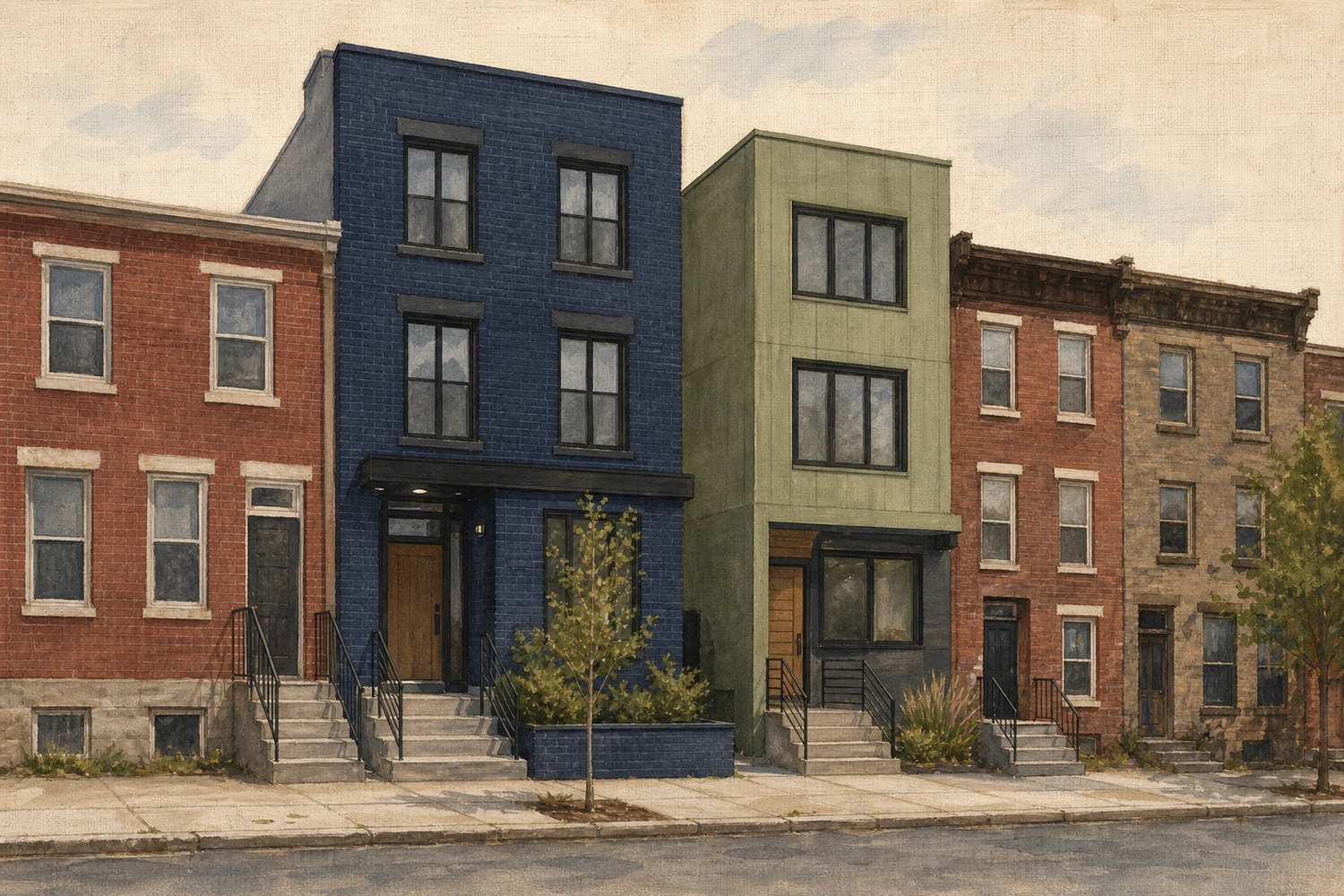
In Brewerytown, a rowhome is not just a pretty facade. Locals read these buildings like case files. One type is the long-held family house that has survived several economic cycles. You see older masonry, smaller renovation projects, and traces of years of care, even if some details feel dated. Another type is the rushed rehab with fresh siding and shining appliances in front, but a history of fire damage or structural issues behind the drywall. Then there are shells that never made it through a proper rebuild: boarded windows, bracing, and warning notices from the city.
The hardest houses to judge are the ones that look fully renewed. From the street, they can appear move-in ready. Online listings show polished floors and crisp paint. Residents who have watched the block for years notice the shortcut patterns instead. They remember when a prior fire gutted a wall, or when an owner cut joists too aggressively during demolition. In this neighborhood, a home that appears spotless can still be a structural headache waiting to happen.
When the Walls Actually Fall
Rowhome collapses are not abstract in Brewerytown.
Clips circulate of houses dropping overnight, followed by sirens and residents being marched out of neighboring homes while still half asleep.
Those nearby are suddenly told their own living rooms are within a danger zone. In public threads, one theme dominates: people who live here blame negligent owners far more than they blame the ground beneath the buildings. The popular myth about the area resting on unstable fill is pushed aside in favor of a simpler explanation that bad maintenance and careless demolition created a predictable disaster.
The city sometimes labels a property as an imminent hazard and instructs neighbors to treat certain windows or walls with extra caution. These warnings can linger for months while life continues next door. Residents talk about how often these alerts were ignored or downplayed until a collapse made them impossible to ignore. For newcomers, these stories are a shock. For longtime locals, they are proof that official notices are not enough if owners refuse to take action.
Due Diligence That Goes Way Beyond a Walkthrough
Buying or renting in Brewerytown requires more homework than the standard checklist. Locals advise checking L and I records, looking up past fire reports, and reviewing demolition permits before committing to a lease or mortgage. A clean interior means little if there is a trail of violations tied to the address or the adjoining properties. The most experienced residents scan the entire row and even the alley while they are still at the showing.
A common question appears in comment sections directed at unlucky buyers: whether they actually walked the neighborhood before closing. That question is not about a quick stroll on a sunny afternoon. It refers to multiple visits at different times of day and different days of the week. It also includes an unofficial trial stay. Some people book a weekend short-term rental on the block they are considering so they can feel the noise, traffic and police presence in real time. By the time someone signs paperwork after doing that level of research, they are choosing with eyes open.
Flips, Price Tags and the Feeling of a Setup
Investors talk about Brewerytown as a place where three story rehabs sell for around three hundred thousand on the north side. To them, that price reflects potential and the energy of an emerging market. To many residents, those same projects are symbols of a deeper imbalance. They see ambitious renovations that ignore structural realities, then watch as some of those shiny buildings develop cracks, leaks or worse.
This tension creates a powerful counter narrative. People warn each other not to fall for what they view as a surface level renewal that does not change underlying safety risks. In their eyes, the intersection of gentrification, crime and building quality is not an academic topic. It is the difference between feeling secure in your bedroom and waking up to a partial collapse a few doors down. Buyers and renters who are tuned into local conversations use both price and structural history as filters, not just finishes and square footage.
Food, Drink, and Where People Actually Hang Out
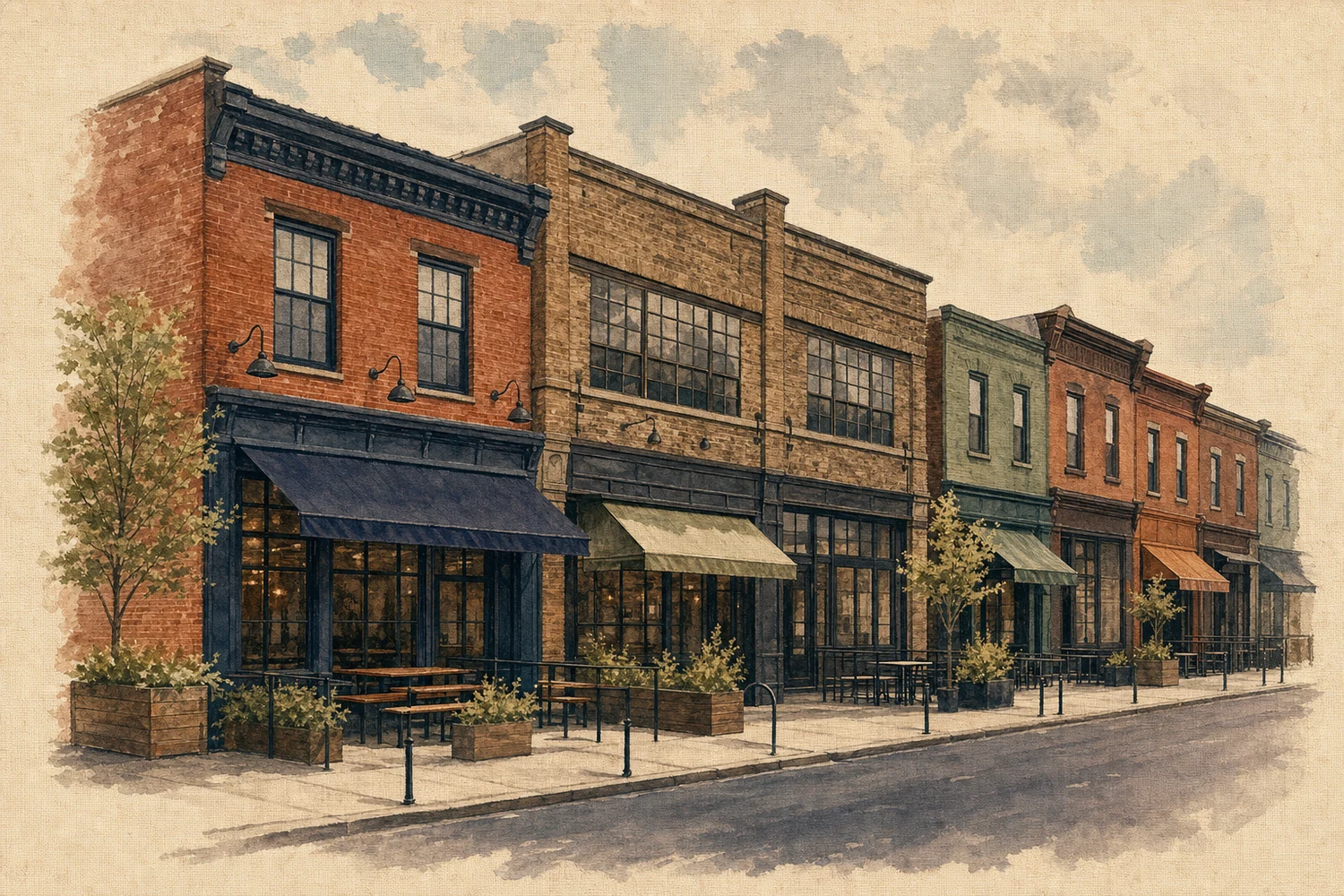
The Girard Food Spine and Its Satellites
For many residents, Girard Avenue is the dining backbone of Brewerytown. Along and just off this corridor you find brewery taprooms, comfort food brunches, and small spots that tourists overlook. Crime and Punishment acts as an anchor where people meet friends, sample rotating beers and plan the rest of their night. Rebrew offers another take on neighborhood brewing culture. Green Eggs Cafe pulls brunch crowds who are willing to wait for strong plates and heavy coffee. A Jamaican spot near the dollar store on Girard keeps regulars coming back for plates that taste like they belong to the block rather than a chain concept. Places like Otto’s, Lasers and Lucky Goat fill in the gaps with bar food, fried snacks and caffeine.
These places are part of weekly routines.
Someone might slide into a booth at Green Eggs on a Sunday, then grab a beer at Crime and Punishment later in the week, and hit the Jamaican spot when they want a no fuss dinner pickup.
Getting to these places is the easy part. Getting home after dark is where local knowledge kicks in. People plan which side streets they will use, where lighting is better, and whether they are walking with others or calling a ride. Someone who loves the food scene still adjusts their path based on the latest incident they heard about on Reddit or in a group chat.
Food Hall Energy and the Little Brewery Cluster
Brewerytown Food Hall gathers several pieces of neighborhood life in one big space. The front section lets people bring their dogs inside, which matters during bad weather or after long days when everyone wants to be social without heading to the park. Deeper in, a game area with things like beer pong turns it into a hangout for groups who want to stay in one building for hours. Happy hour here can feel like a small festival with different tables playing games, swapping food, and trying cider from the tap list.
Service is the wildcard. Regulars know that stock can run out on the most popular items. They have had nights where the signature loaded wonton nachos arrive lukewarm or the vegan tenders start crisp and end like bricks once they cool. Ordering through the app can be hit or miss, especially when the kitchen gets slammed and staff are juggling mobile and in person tickets. The broader brewery cluster around Girard shares similar patterns. Bartenders can be friendly and knowledgeable about cider and beer, but the experience changes completely if a rush hits or if certain staff are working.
Cash Only Counters and Regulars Tables
A different part of the local food ecosystem lives in spots like Julz. Here, the vibe is closer to an old school diner. Menus might be handwritten, the grill is within view, and kielbasa or other hearty staples are common orders. It runs cash only, which filters out some visitors before they ever sit down. For the people who do go regularly, that inconvenience is part of the charm.
Places like this function as neutral zones where longtime residents and newer arrivals sit side by side. You can see someone who has lived on the same block for decades sharing counter space with a recent transplant who found the spot through TikTok. Staff recognize regulars by their order and their schedule. These are the places that keep the neighborhood from feeling like it was built entirely for outsiders with high incomes.
Dog Bars, Parks, and Pet Politics
Boozy Mutt changed the script for dog owners in the area. Some residents are blunt about not enjoying standard dog parks. They describe them as loud, messy, and lacking any comfort for humans. A dog bar with drinks, seating and controlled entry solves multiple problems at once. People bring their pets there to socialize in a space where they can eat, drink and talk without balancing on a bench beside a muddy field.
Public parks still matter for daily walks and quick bathroom breaks, but for a subset of locals, the choice is clear. If they want a long hangout with friends and dogs, they head for Boozy Mutt instead of the closest fenced area. This has created an informal split. Some dog owners are park loyalists who prefer free, open space. Others are bar regulars who treat the dog bar as their social club.
Kids, Play Spaces and Where Families Retreat
For families with young children, Brewerytown requires more planning than the average neighborhood. Outdoor playgrounds give kids space to burn energy, but parents are acutely aware of the timing. Many feel fine at playgrounds in daylight, then switch to indoor options or stay home once the evening atmosphere changes.
Kith and Kin stands out as a rare indoor play space that parents praise for bright, imaginative environments. People will travel from surrounding neighborhoods to spend a few hours there. Local families combine this with careful use of neighborhood parks, trips to the river paths, and tactical planning around evenings when noise and incidents are more likely. The result is a rhythm where mornings and afternoons are for play and errands, while late evenings become time at home or in carefully selected venues.
The Girard food spine and its satellites
For many residents, Girard Avenue is the dining backbone of Brewerytown.
Crime and Punishment
The anchor where people meet friends, sample rotating beers and plan the rest of their night.
Green Eggs Cafe
Pulls brunch crowds who are willing to wait for strong plates and heavy coffee.
Brewerytown Food Hall
The front section lets people bring their dogs inside; deeper in, a game area turns it into an all-afternoon hangout.
Julz
$Closer to an old-school diner — handwritten menus, the grill in view, cash only.
Boozy Mutt
Drinks, seating and controlled entry, for owners who would rather not balance on a bench beside a muddy field.
Kith and Kin
A rare indoor play space parents praise for bright, imaginative environments.
Parks, Stoops and Outdoor Life
Fairmount Park and Kelly Drive as the Pressure Valve
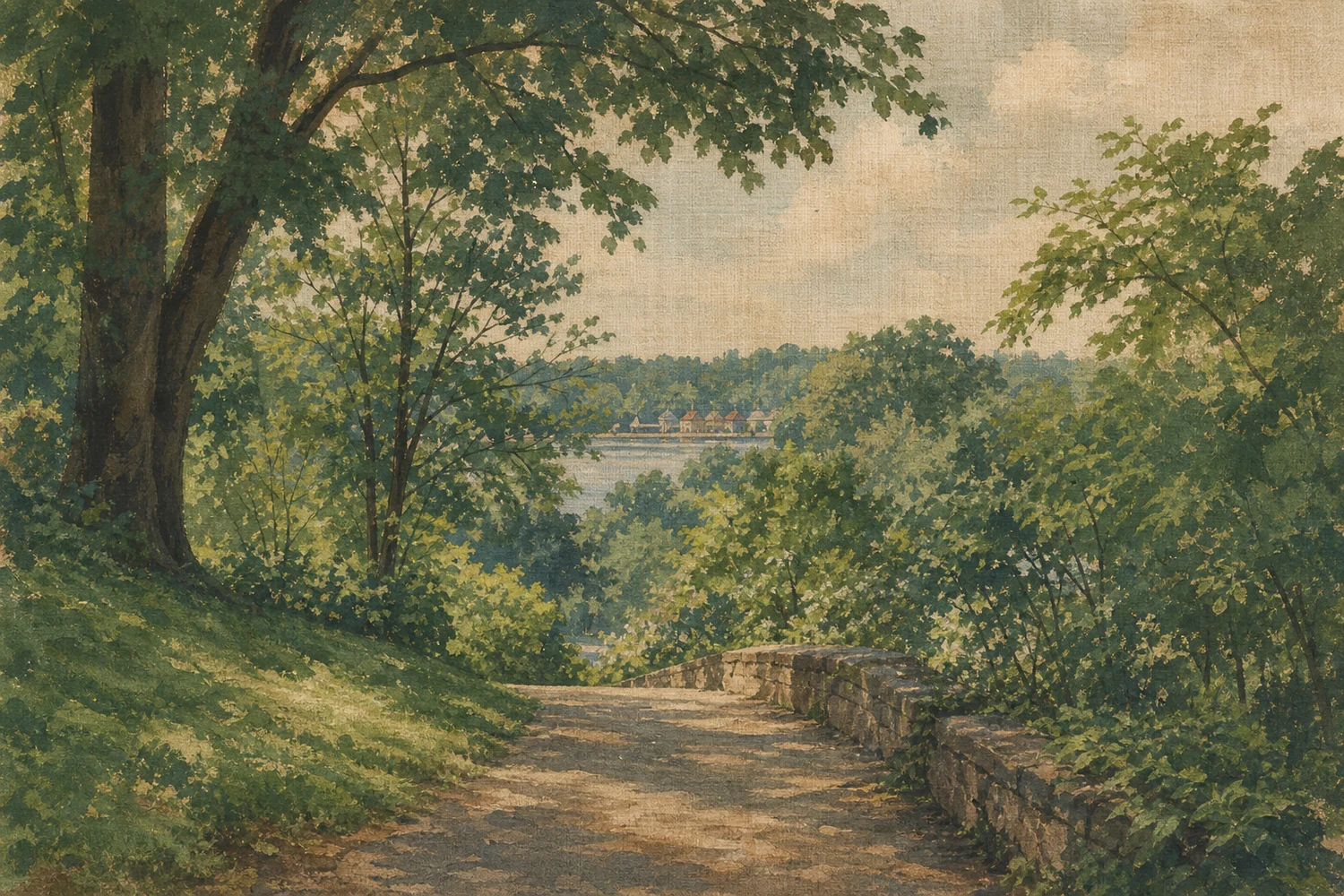
One of the strongest arguments for living in Brewerytown is how quickly you can hit green space. Fairmount Park is a short walk away for many blocks. Kelly Drive offers a long, winding stretch where runners, cyclists and walkers can travel for miles without crosswalk stress. From Brewerytown, it is common to see people lace up, cross a few local streets, then disappear toward Boathouse Row and the Art Museum loop.
Timing is everything. Early mornings are prime time for park activity. People feel comfortable running or walking then, while the city is still waking up and the temperature is manageable. As the day heats up or gets later, some shift to closer routes because they do not want to return home through more activated corridors after dark. The park is a gift that needs to be combined with a realistic reentry plan once the sun starts to drop.
Lemon Hill in Full Summer Mode
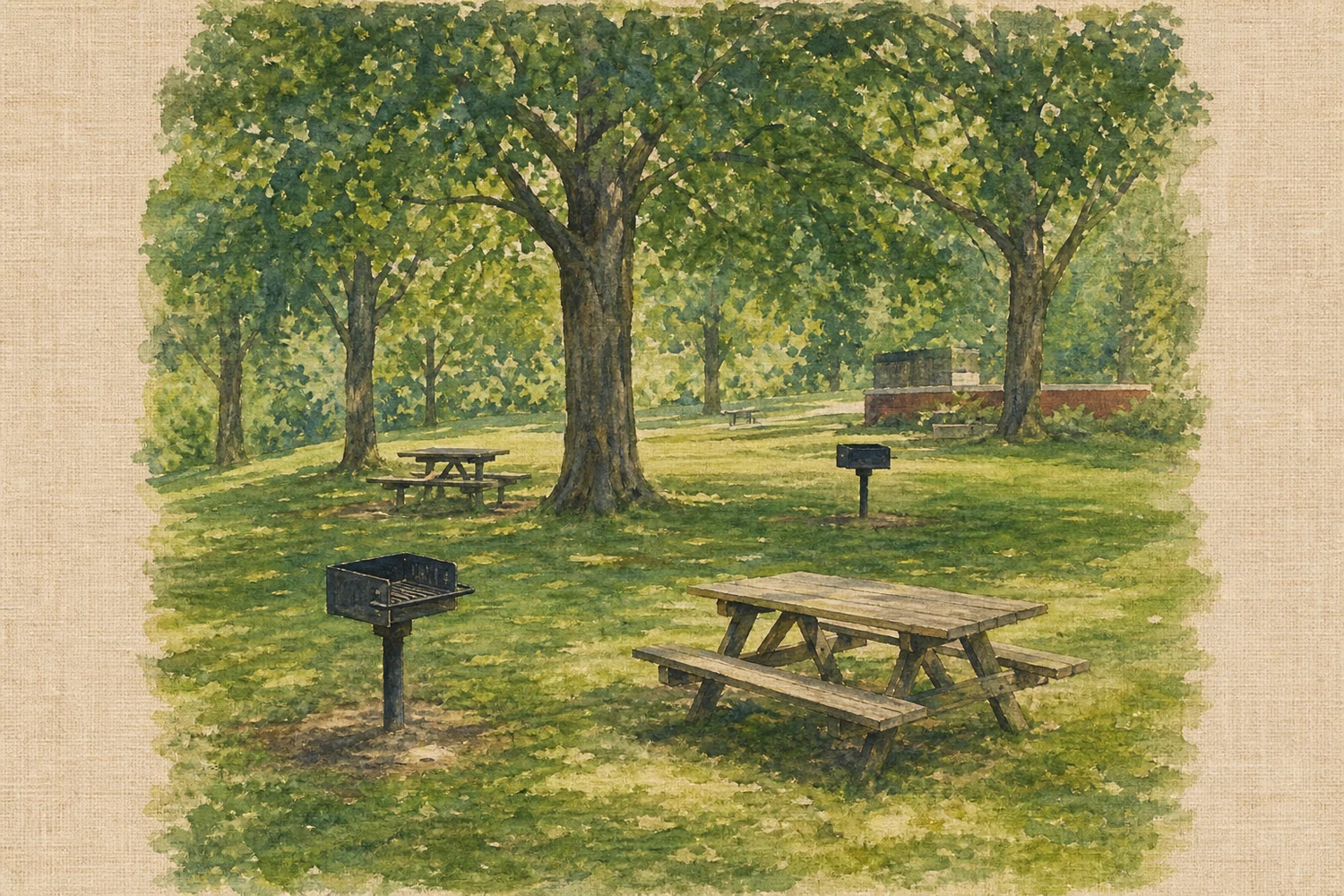
Lemon Hill has its own micro-season. During the warmest months, the hill turns into a near daily party zone. Grills line the grass. Speakers compete for volume. Cars come and go in waves, loading and unloading coolers. For some residents, this is the heart of what makes the area alive. They bring friends, join cookouts, and treat the hill as an open air living room.
Others see the aftermath more than the fun. Trash piles appear around trees and sidewalks. Noise carries into surrounding streets deep into the evening. People who work early or prefer quieter nights learn to avoid this zone entirely once July hits. The split is sharp. Lemon Hill is either the highlight of summer or the background soundtrack that pushes you to close your windows and plan weekend escapes.
Stoop Time as Neighborhood Radar
In Brewerytown, the stoop is not just a step. It is a front row seat to everything the block is doing. People sit outside to smoke, sip, watch dog walkers, wave at kids, and register which cars are lingering too long. Friendships form here before they ever move into group chats. A passing hello can turn into an invitation to a festival planning meeting, a safety conversation or a recommendation for the best jerk chicken on Girard.
The cast of characters on a stoop says a lot about a block. If elders are out in folding chairs, if kids are playing nearby, and if several dogs are trotting around on leashes, the street feels different from a block with only idling cars and no one outside. Residents learn to read this visual report without thinking about it. Newcomers eventually do the same. Outdoors in Brewerytown is not just the park or the hill. It is the concrete in front of your own door.
Community, Politics and the Gentrification Fight
Beat Cops, Bingo Nights and a Different Era
Many older residents anchor their sense of community to the days when the 23rd Police District ran its own beat in the area. They talk about officers who walked the streets regularly and knew shop owners by name. Weekly meetings with police captains took place in the old Fidelity Bank building at 29th and Girard, a space that also hosted bingo games for elders to raise money and strengthen neighborhood ties.
People who lived through that period describe crime as having reached a manageable plateau. They felt like there was a working partnership between businesses, residents and officers. When district lines changed and those beat structures faded, the sense of order slipped with them. Calls for a return to that model are not just nostalgia. They are a demand for visible, consistent presence instead of reactive patrols.
Developers, Red Lines and Parking Lots That Feel Like a Betrayal
Development groups often insist they are building on the neighborhood’s existing strengths. They talk about adding to the core rather than replacing it. They sponsor events, post about partnerships, and highlight renovations. On the other side, residents whose families have been here for decades experience many of these moves as extraction.
They see older businesses priced out, parking lots rising where community spaces were requested, and new apartments marketed to people with no existing ties to the area.
Discussions about redlining and paid parking are especially heated. Some residents point to long histories of denied investment and community proposals that went nowhere. The eventual outcome, in their view, was not a park or a rec center but a paid parking facility serving newcomers. To them, this feels less like progress and more like confirmation that their needs are still a lower priority than revenue from car storage.
The Group Chat Made Public
Brewerytown’s arguments and alliances do not stay on the sidewalk. They play out across Facebook groups, Nextdoor threads, Reddit posts, and organizational pages tied to groups like the Brewerytown Sharswood coalition or the local CDC. Neighborhood Facebook groups act like digital bulletin boards where lost packages, suspicious cars, and festival planning all coexist. Nextdoor threads often lean toward safety complaints, collapse speculation, and long posts about negligent owners.
Reddit spaces like r/Brewerytown and r/philadelphia host more unfiltered debates about whether the neighborhood is thriving or doomed. Some users act as unofficial guides, offering block-by-block breakdowns and nuanced takes. Others drop in only to vent. The CDC and business coalitions post about street festivals at places like Baby’s Kusina, calls to fix specific streets, and meetings with city officials. Together, these platforms form a stitched-together group chat that anyone with a phone can enter.
Kids, Diamonds and Who Gets Invested In
Youth programs and small gestures toward the next generation are a quiet but important part of the local story. Little League fields at 27th and Master and at 30th and Jefferson offer more than games. They create hubs where parents, coaches and local businesses intersect. Some businesses pride themselves on hiring teens from the neighborhood, especially during busy summer months, as a counter example to more extractive models.
Alongside that pride sits deep fatigue. People remember music stores on Girard that drew small crowds, kids dancing outside entertainment spots, and long running restaurants like Italian Express that became landmarks for families. When they look around today and see collapsed homes, vandalized lots, loud ATVs and social media crime clips, it can feel like the city uses their area as a pressure valve without providing enough support. This tension between pride and exhaustion is the emotional backdrop for every discussion about new projects, new neighbors and new promises.
Newcomer Playbook: Surviving Your First 6 Months
Step Zero: Test the Block Before You Commit
Moving to Brewerytown without a trial run is a risk many locals would never take. The neighborhood shifts dramatically depending on the hour. Booking a weekend stay on the exact block you are considering gives you a realistic sense of sound, foot traffic and the late night mood. If you wake up at two in the morning to bikes revving or loud arguments, you learn more in one night than any real estate agent will disclose.
Before signing a lease, review L and I records for the building and its neighbors. Scan past fire reports. Check whether the structure has been marked for hazards or emergency repairs. Speak to residents already living there. They will tell you more about noise, trash cycles and street activity than any listing ever will. The goal is not to avoid Brewerytown. The goal is to choose a block that aligns with your tolerance and lifestyle.
Month One: Learning the Local Operating System
Your first month is not about settling in. It is about decoding the unspoken map that everyone else already uses. Walk your routes in daylight and again after dark. Some streets feel identical during the day and completely different later. Pay attention to where the lighting is strong, where people gather, and which intersections feel tense during peak hours.
Study parking signs with patience because PPA fines are a rite of passage you want to avoid. Observe who uses cones on the block and whether they are respected. Identify the best places to park after nine at night and which spots get tagged frequently. Join Facebook groups and neighborhood corners of Reddit, but participate lightly at first. You want to listen before becoming a character in the local discourse.
Month Two and Three: Finding Your Places and Your People
Once you grasp the basics, you can start enjoying the neighborhood. Choose a handful of regular spots where you feel comfortable. Maybe it is a morning routine at Lucky Goat, weekend brunch at Green Eggs, Tuesday drinks at Crime and Punishment, late night Jamaican takeout or relaxed afternoons at Boozy Mutt with your dog. The key is consistency. Regulars get recognized and learn the social patterns faster.
Community events help you meet people without forcing awkward introductions. Badfest, the Girard Avenue festival and Little League games at the 27th or 30th fields create low pressure moments for conversation. Offering help in small, genuine ways, like spreading the word about a missing pet or assisting during a cleanup day, is appreciated far more than grand gestures that look performative. This is how you avoid being seen as someone parachuting into the neighborhood without understanding it.
Month Four to Six: The Big Decision Window
By month four, most newcomers know exactly how they feel about Brewerytown. You have a ledger of experiences. You know how many times your car was hit or how many nights you slept peacefully. You understand whether the noise level matches your tolerance and whether the food scene outweighs the stressful moments.
Some people decide that the park access, community events and lively blocks feel worth the challenges. They stay and become part of the neighborhood’s fabric. Others realize that the daily calculations feel heavier than the rewards. They leave with sharp opinions, either deeply grateful for the time they spent or relieved to be somewhere quieter. Your decision will likely fall between these two familiar paths.
Honest Verdict: Who Brewerytown Is For Right Now
The People Who Tend to Thrive Here
Brewerytown rewards certain personalities and lifestyles. Runners and walkers who value direct access to Fairmount Park are often willing to accept bursts of noise or uneven nights because the greenery and trail network improve their everyday quality of life. Food lovers enjoy living near a corridor packed with breweries, cafés and global flavors. People who like casual socializing feel at home on stoops, in online groups and in neighborhood events that pop up throughout the year.
There is also a type of resident who finds comfort in the neighborhood’s controlled chaos. They appreciate the honesty, the character, and the sense that daily life is unpredictable in a way that keeps things interesting. For them, Brewerytown is lively rather than intimidating.
The People Who Tend to Struggle Here
Residents who rely heavily on cars often grow frustrated quickly. Parking unpredictability, vandalism risk and PPA patterns make vehicle ownership stressful. People who need quiet, tidy streets and low sensory pressure often feel overwhelmed. Those who expect the polished experience that online lists call the coolest neighborhood struggle when their day to day life does not match the curated narrative.
Families expecting suburban calm or newcomers seeking a stable environment without the need to analyze safety patterns may find Brewerytown more demanding than anticipated. For them, the tradeoffs feel too steep.
Tension Points That Will Shape the Next Few Years
The neighborhood stands at a crossroads that will determine whether life becomes more stable or more volatile. The quality of new flips will either raise standards or add to the collapse problem. Public safety efforts may return to models that once worked well, such as block level presence, or the city may adopt new strategies that remain untested.
Festivals and street events could knit the community more tightly or spark new debates about noise and usage. Activism around redlining, paid parking and accessibility will continue to shape what gets built and who benefits. Digital shaming through platforms like NotASpotPhila may enforce better behavior or create new friction between residents.
Brewerytown is not fixed in place. It is evolving every month. Whether that evolution leads toward harmony or harder edges depends on how the community, developers and the city respond to these fault lines.
Honest verdict: who Brewerytown is for right now
- Runners and walkers who want direct access to Fairmount Park
- Food lovers living near a corridor of breweries, cafés and global flavors
- People who like casual socializing on stoops and in online groups
- Anyone who finds comfort in the neighborhood's controlled chaos
- Residents who rely heavily on cars
- People who need quiet, tidy streets and low sensory pressure
- Anyone expecting the polished "coolest neighborhood" experience
- Families expecting suburban calm
Make it yours
Take these notes around Brewerytown
A short list to turn what you read into your own next steps.
Saved checks stay on this device when browser storage is available. This is a personal planning list, not a property inspection or professional assessment.
Sources & next steps
Useful advice should
show its working.
These resources support the reader tools above and help you check details for your own address, date, or plans.
- SEPTA trip planner
Compare transit journeys using your actual stops, date, and departure time.
- City property and zoning lookup
Opens the City's address-based zoning and permit tools.
- Find a playground or recreation center
City facility listings provide locations and contacts for checking programs and access.
The tools avoid unsupported red-zone maps and claims about who experiences crime where. Observations and housing questions should stay tied to the particular place you visit.
Keep exploring