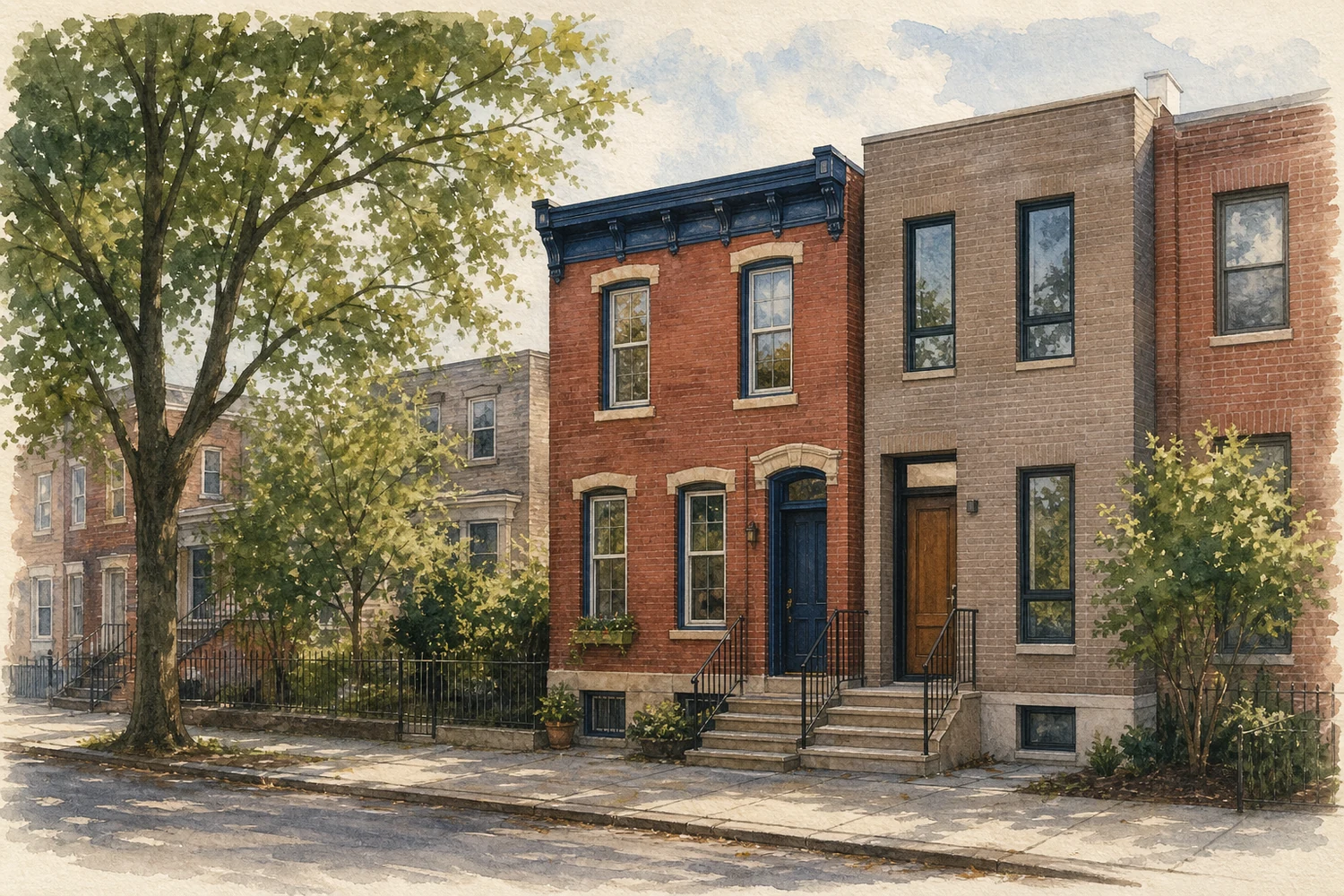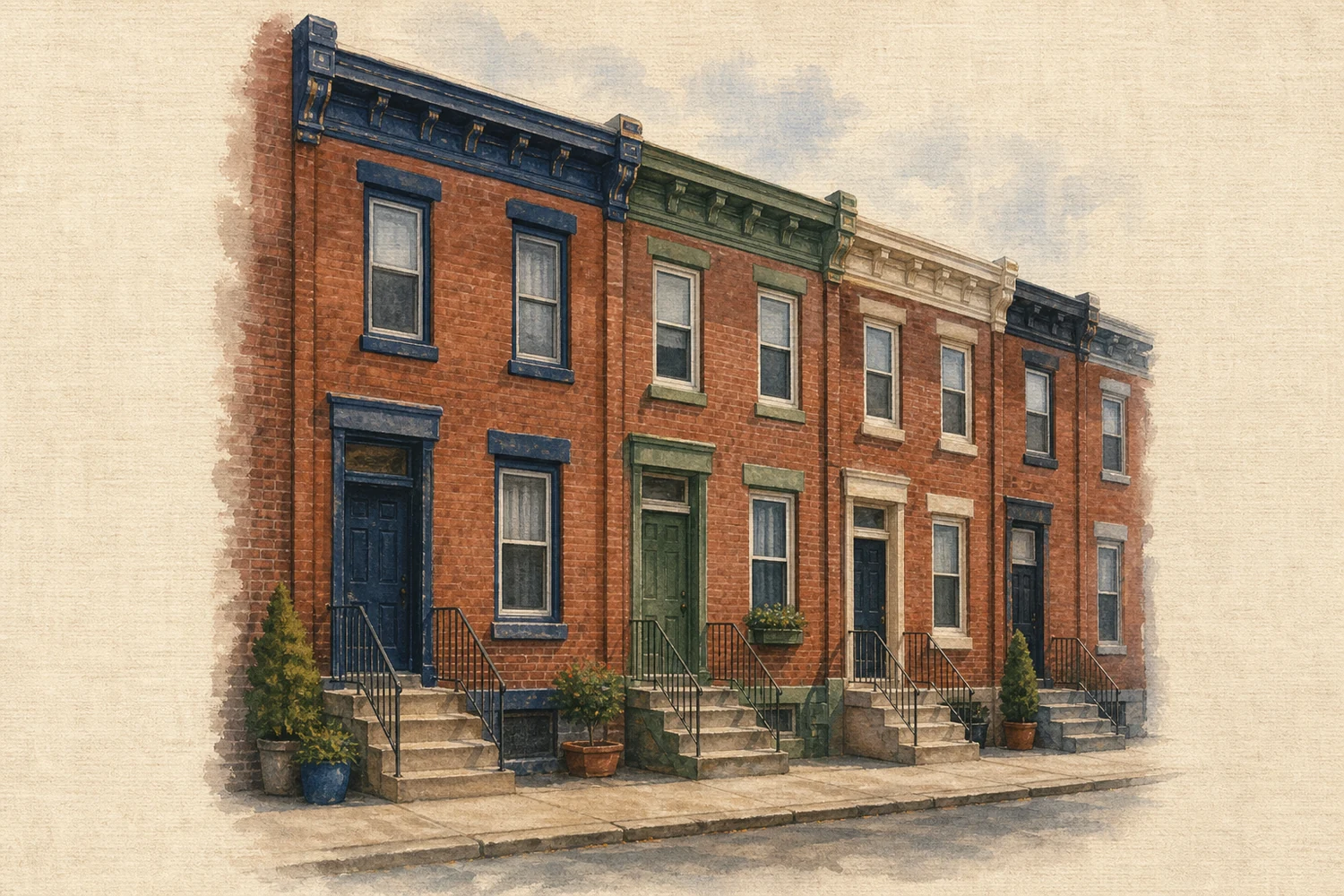
A little orientation
Make a useful Port Richmond block visit
Record what you observe
Use an address, date, and specific issue when asking about a nuisance or public service.
Check food stops directly
Confirm the current operator details for places such as Czerw's before planning a purchase or visit.
Compare the actual home
Review the property's records and entrance instead of choosing by an unsupported directional rule.
A closer look
Choose your Port Richmond question
Use a home, a journey, or an observable service issue to focus the next step.
Prepare a question for the owner
Look up the Port Richmond property in the City's address tools before your viewing. If deliveries, neighboring activity, or construction concern you, record exactly what you observe and ask how it affects this unit rather than repeating an accusation about a business.
A useful questionWhat did I observe that the property contact can explain?
Source & next step ↗Plan the return as well as the stop
Confirm the current address and visit arrangements with the food business you intend to use, such as Czerw's. Put that destination into SEPTA's planner and compare the return journey, allowing for carrying your purchase rather than assuming every named institution fits one walk.
A useful questionHow would I bring my purchase home from this actual location?
Source & next step ↗Make the request specific
Use Philly311's guidance to identify the right path for a non-emergency service question in Port Richmond. Keep the location, date, and observable condition ready, then save any request details so you can follow up without relying on a neighborhood-wide response claim.
A useful questionWhat exact location and issue would help the City respond?
Source & next step ↗At Hometress, we do more than keep homes spotless. Philadelphia neighborhoods work differently at street level than they do on a map. Port Richmond is a perfect example. From the late-night noise pockets near DashMart to the quiet, stoop-proud blocks east of Aramingo, each micro-zone comes with its own rhythms, cleaning needs, and everyday challenges.
This guide covers the realities most online guides miss: which blocks battle river-driven pests, which rowhomes collect traffic dust from Aramingo, which streets have tight parking that affects scheduling, and which older houses need deeper upkeep because of aging structure and long-term wear.
If You Know, You Know: Meeting Port Richmond For Real
Most people first hear about Port Richmond through two very different storylines. One is all pierogies, rowhomes and long time families who have been on the same block for decades. The other is crime maps, scary headlines about Kensington and clips of delivery drivers doing laps at 3 in the morning. Both stories come from the same few square blocks. Which one you get depends almost entirely on where you stand and when you are there.
Port Richmond still sits in that blue collar lane that a lot of the river wards have already aged out of. You feel it in the mix of Polish delis, corner bars that do not care about aesthetics, and neighbors who know exactly how long you have lived on the block. At the same time, you see the spillover from Fishtown in the form of younger buyers with bikes, dogs and pour over coffee setups who could not swing a house closer to Girard.
That is why the neighborhood can confuse outsiders. A newcomer can grab incredible wings on a quiet side street, then drive ten minutes and end up at an intersection with needles in the gas station lot. Someone who buys a house east of Aramingo might genuinely feel like they found a slept on pocket that balances affordability and access. Another person a few blocks away, above Lehigh or closer to the Kensington border, can feel like they are managing crisis after crisis.
If you want to understand Port Richmond at street level, you have to think like the people who actually live there. You do not navigate by neighborhood labels on a map. You navigate by arteries like Aramingo, by specific blocks like Miller Street, by where the El spits you out at K&A, and by who is sitting outside on their front steps at dusk.
Read this guide as if a neighbor is walking you around after dinner. Not a cheerleader, not a doom scroller, but someone who loves the area enough to stay and still complains about it almost every day.
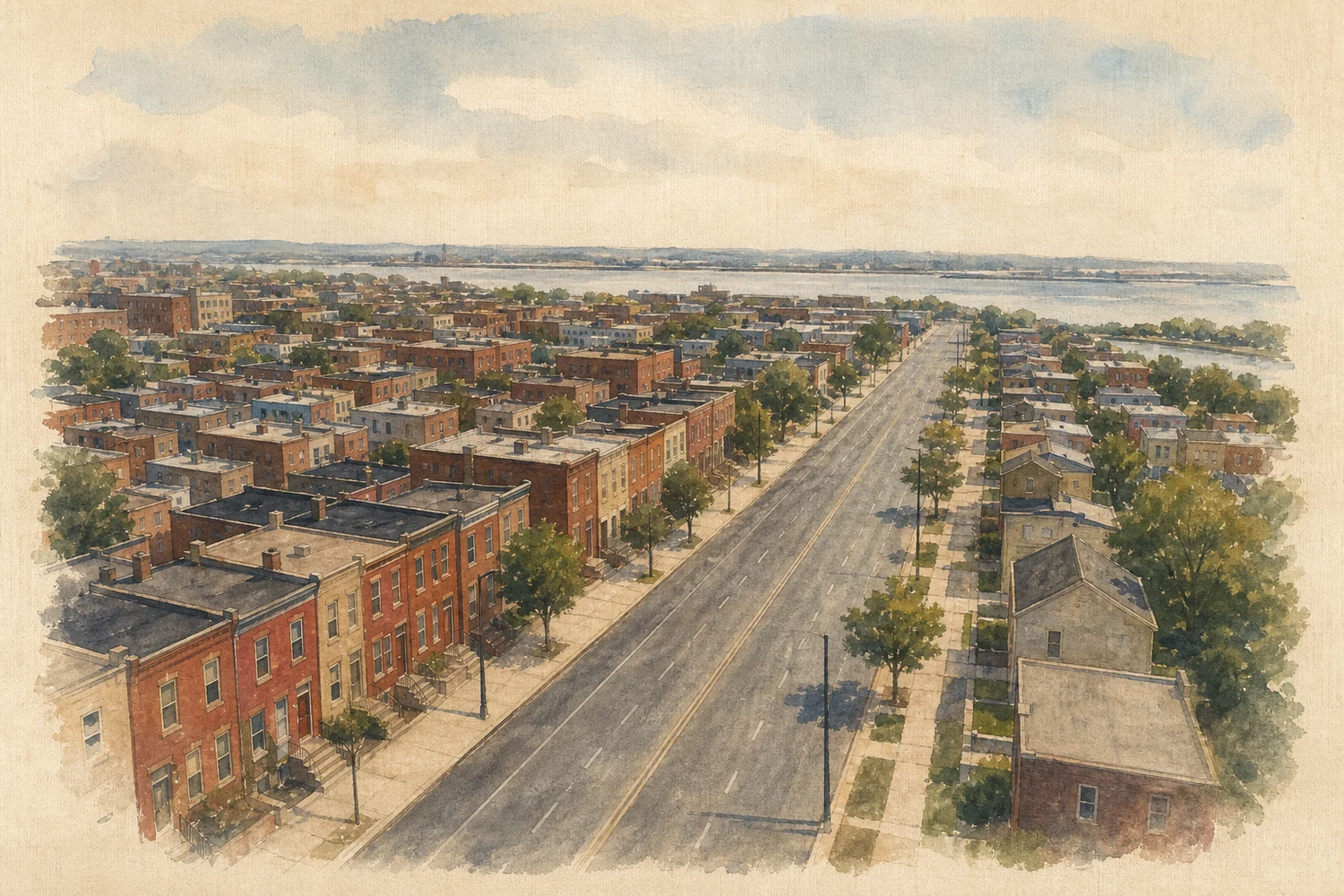
How Locals Actually Slice The Map
The Aramingo Line: One Road, Two Different Lives
Ask three Port Richmond residents to explain the neighborhood and at least two of them will start with Aramingo Avenue. It functions as an emotional border more than a legal one.
On the east side of Aramingo, especially as you get closer to the river and stay below Allegheny, day to day life is closer to what people describe as pretty good.
You see more blocks with older homeowners, cleaner sidewalks, and that feeling that most people on the street recognize each other. It is still rough around the edges, but many buyers and renters who land here say it feels relatively quiet compared with other parts of the city.
Once you move west of Aramingo, and especially once you cross above Lehigh, the stories shift. This is where people talk about things getting weird. You hear more about junkie spillover from Kensington, more needles in certain parking lots, more car break ins and louder nights. It is not that every single block west of Aramingo is a problem, but the ratio of hassle to upside changes enough that locals warn friends to be very specific about where they sign a lease.
Between the river, Gaul Street and below Allegheny is the area many long time residents privately rank as the sweet spot. When locals tell someone to buy east, they are not being vague. They mean this exact band.
Tiny Zones With Big Reputations
Port Richmond is full of micro zones that carry more weight than their size on the map.
The 3400 block of Miller Street is the loudest example. Before DashMart moved in at Schiller and Gaul, neighbors describe it as a standard quiet block. Since the delivery hub opened, that same stretch has become a late night loop for drivers idling, blasting music, burning rubber and cutting through at all hours. It shows up in Facebook posts, X threads, TikToks and news clips over and over as shorthand for the worst parts of new logistics activity in the neighborhood.
Tulip and Lehigh form another invisible line. Below Lehigh, people slide the area into the Fishtown bucket. Above Tulip, especially as you edge toward Kensington, the Kenzo label appears. Then there is Castor Avenue, which locals use to separate Port Richmond from Bridesburg. These cross streets are not trivia. Residents use them as quick filters to decide whether a listing description is reasonable or delusional.
Even soft boundaries like Somerset to Castor and Witte to Richmond matter. That rectangle defines the footprint for a Buy Nothing and resource sharing group, which is how many families swap kids clothes, furniture and everyday items. If you are inside that box, you have access to a surprisingly strong informal economy. If you are outside it, you are probably scrolling wishfully.
One Zip, Many Worlds: The 19125 Identity Battle
On paper, 19125 covers parts of Fishtown and Port Richmond. On the internet, that single zip code hosts endless arguments about where one stops and the other begins.
A house just north of Lehigh with a 19125 zip might be advertised as Fishtown to attract higher paying buyers who search for that keyword. Locals will look at the cross streets, roll their eyes and categorize it as Port Richmond or even as part of the Kensington fringe. Someone who has lived within that same zip for years may insist they are still in Port Richmond despite a mailing address that screams Fishtown to outsiders.
The SOPO nickname, a play on Soho, gets tossed around as a joke about agents trying to rebrand the area south of Port Richmond in a more polished way. Residents mostly treat it as satire rather than a serious label. The humor hides a real sensitivity about being flattened into a trendier brand while living with the same old problems.
If you want to sound like you have actually spent time here, you focus less on 19125 and more on what side of Lehigh, Tulip and Castor someone is on. That is how residents truly sort each other.
Where Port Richmond sits
- Aramingo Avenue
- Castor Avenue
- K&A
- St. Adalbert
Schematic · not to scale
Daily Reality Check: The Rules No One Prints On A Map
Rule One: Parking Will Reshape Your Entire Routine
People who move into Port Richmond quickly learn that parking is not a minor inconvenience. It becomes one of the main forces that shapes how you plan your day. Long time residents regularly describe the neighborhood as having some of the worst parking in the entire city.
If you need to be home by a certain time, you do not just think about traffic.
You think about whether you will spend 20 minutes circling, whether your block tends to double park, and whether you will have to hike back from a side street.
Evening appointments, grocery runs and even social plans in other neighborhoods get filtered through the question of where you will leave the car when you return.
On top of scarcity, there is enforcement anxiety. The Philadelphia Parking Authority has such a reputation here that locals talk as if officers materialize the second you throw your hazards on. Residents share stories of quick stops that still turned into tickets and treat that as part of the cost of living in the area.
The one wild card in your favor is the block culture. On certain streets with a high percentage of life long residents, neighbors really will keep an eye on cars when people travel. That same watchfulness also means strangers parking badly or blocking driveways are noticed and often called out. In Port Richmond, your relationship with parking depends on both geography and how accepted you are on your block.
Rule Two: You Can Complain Loudly, But Only If You Belong
There is a particular Port Richmond rhythm where people unload long lists of grievances about noise, trash, crime, potholes and online drama, then immediately pivot to talking about how much they love the place. Inside that rhythm, rants are a form of bonding. An over the top description of the parking nightmare or DashMart chaos is shorthand for I live this with you.
That energy shifts the second an outsider dismisses the area as simply dangerous or broken. Residents can catalogue every flaw in detail, but if someone who does not live there calls it the worst neighborhood or writes it off as just Kensington by another name, the tone hardens. You see people jump in to defend neighbors, point out positives and call out what they see as lazy labeling.
Local voices like Pam from Port Richmond sit right in that emotional pocket. Her comedy sketches exaggerate the hassles, the parenting moments and the neighborhood quirks in a way that makes residents feel seen without feeling attacked. When her content goes around group chats and feeds, it is a signal that humor is still one of the main tools people use to stay attached to the neighborhood despite the stress.
Rule Three: If You Do Not Use The Shorthand, You Sound New
In Port Richmond, the vocabulary itself tells people whether you pay attention. You do not say Kensington Avenue and Allegheny Avenue if you want to blend in. You say K&A. You do not say Kensington resident, you say Kenzo. When people talk about the regional drug epicenter, they do not always use formal names. They refer to it as the drug capital in a way that makes it clear everyone knows which stretch of streets they mean.
For food, you do not simply order a hoagie at Gaul and Co. You might ask for it wit or Witowski, echoing the way locals have customized that order. Everyday objects and places become a jawn. Community watch groups are not just Facebook groups. They are Eyes and Ears, with edited and unedited versions that carry very different expectations.
Picking up these terms is not about sounding cool. It is about showing that you understand the shortcuts people use when they quickly warn someone about a block, recommend a specific deli or mention what happened at K&A last weekend. The more fluent you are in that shorthand, the easier it is for residents to treat you as someone who lives here rather than someone who only read a neighborhood guide.
Living Next To Kensington: What That Actually Means
Spillover On Specific Corners, Not Every Block
Maps make it look like Port Richmond sits right up against Kensington, and that is technically true. Lived experience is more granular. A few specific nodes carry most of the weight.
The convenience stores and gas stations near K&A are where you hear the most about needles on the ground, people nodding off and transactions happening in plain sight. Those corners are part of daily life for anyone who drives or takes the El, but they do not represent the mood on every street.
Parents who live in Port Richmond often plan kids routes around these hotspots. They will choose side streets, different bus stops or earlier time slots to avoid the messier corners. They may still feel reasonably comfortable on their own block or walking to a nearby deli, but they behave as if there are invisible red zones where they tighten their guard.
The common phrase from residents could be summed up as it is not Kensington, but you still feel its pull. For some newcomers, that tension is surprising. For long time locals, adjusting around it is simply baked into their routines.
The Crimes People Actually Talk About
Official crime stats only tell part of the story. What comes up over and over in local conversations is a mix of smaller but frequent incidents and a few big events that shook confidence.
On the everyday side, people talk about package thefts, car break ins and entire vehicles disappearing. Posts about suspicious people checking door handles or following delivery trucks show up regularly in neighborhood groups. Catalytic converter thefts and smashed windows are common enough that residents treat them as a risk to be managed rather than a shocking event.
On the headline side, the robbery of a Brinks truck in the area stands out as a moment when residents expressed real shock. It reinforced the feeling that serious crime is not just happening in Kensington proper, but can spill into places that once felt quieter.
There is also a clear difference between daytime and late night. Many describe daytime as manageable with normal city awareness, while late night is when noise, intoxicated behavior and certain intersections feel more unstable. Housing decisions, commuting routes and even where people choose to go for a drink often reflect that split.
The Missing District: Why People Still Talk About The 24th
The change in police district coverage is not something an outsider would notice, but residents bring up the removal of the 24th District again and again when they talk about safety.
The core feeling is simple. People say that since that district was taken off their map, they have not seen meaningful improvement in safety. They describe calling in issues related to noise, drug activity or violence and either getting delayed responses or none at all. The sense is not just that crime exists, but that it goes unaddressed in ways that erode confidence.
To fill the gap, neighbors have layered their own systems on top. Cameras mounted above porches, group chats pinging when something suspicious moves down the street, and step sitting elders who keep an informal watch are all part of the security ecosystem. There is a quiet understanding that you take responsibility for your block because trusting the system alone does not feel realistic.

The Loudest Plotline In The Neighborhood: Life Next To DashMart
How One Warehouse Turned A Block Into A Night Shift
The story of the 3400 block of Miller Street is one of the clearest examples of how a single commercial decision can flip the feel of a residential block. Before DashMart opened at Schiller and Gaul, that stretch functioned like a typical Port Richmond rowhome street. After the hub came online, neighbors describe a change that feels less like an adjustment and more like an invasion.
From roughly 10 at night into the early morning hours, a constant flow of cars floods the area. Drivers idle with engines running, rev in and out of spots, slam doors and crank music loud enough that people inside nearby bedrooms feel it. Residents talk about traffic volume skyrocketing, with hundreds of cars passing through in a day where there used to be only local vehicles.
For households on that block, it is not just background city hum. It is the kind of persistent mechanical noise and sudden screeching that interrupts conversations, drowns out televisions and wakes up light sleepers. For some families, that means kids who do not sleep through the night and adults heading into early shifts already exhausted.
When Trash, Rats And Screens All Pile Up
Noise is only the first layer. A high volume of quick stops and food runs means more packaging, more dropped items and more overflowing bins. Residents routinely describe waking up to new trash scattered on sidewalks, in gutters and around parked cars. Over time, that persistent food waste attracts rats and other pests.
The reaction has been a combination of self help and public pressure. Some neighbors walk out daily to pick up trash because they do not want to live surrounded by it, even though they did not create the mess. At the same time, they document problems on their phones, posting videos and photos across platforms to show what they are living with. Clips of cars doing loops at 3 in the morning, phones held out windows to capture the soundtrack of a random Tuesday night, have reached far beyond the block itself.
Inside Port Richmond, these videos circulate in Eyes and Ears groups, Nextdoor style threads and chat threads as shared evidence that this is not a minor inconvenience. Outside the neighborhood, they have become the visual shorthand for residents vs delivery infrastructure across the city.
Why One Block Shows Up In Every Argument
If you spend any time in Port Richmond digital spaces, you notice that conversations about quality of life keep looping back to Miller Street and DashMart. It has become the example people reach for when they talk about the feeling that the neighborhood absorbs the externalities of other people’s convenience.
Residents use that block as a cautionary tale when hearings or meetings come up about new logistics sites or zoning changes. They point to the sleepless nights, the rats and the unanswered calls to show what can happen when there is no serious mitigation. Even people who do not live near Miller cite it as a reason they worry about similar projects landing on their side of Aramingo.
In that sense, the 3400 block is more than an address. It is a symbol of a shift from quiet, rough around the edges Port Richmond into a version that carries all the stress of a distribution hub without most of the benefits. Understanding that story is key to understanding why people here are so vocal and so tired at the same time.
The Blue Collar Pulse and the Polish Thread That Holds It Together
The Polish Roots That Still Shape the Rhythm of Daily Life
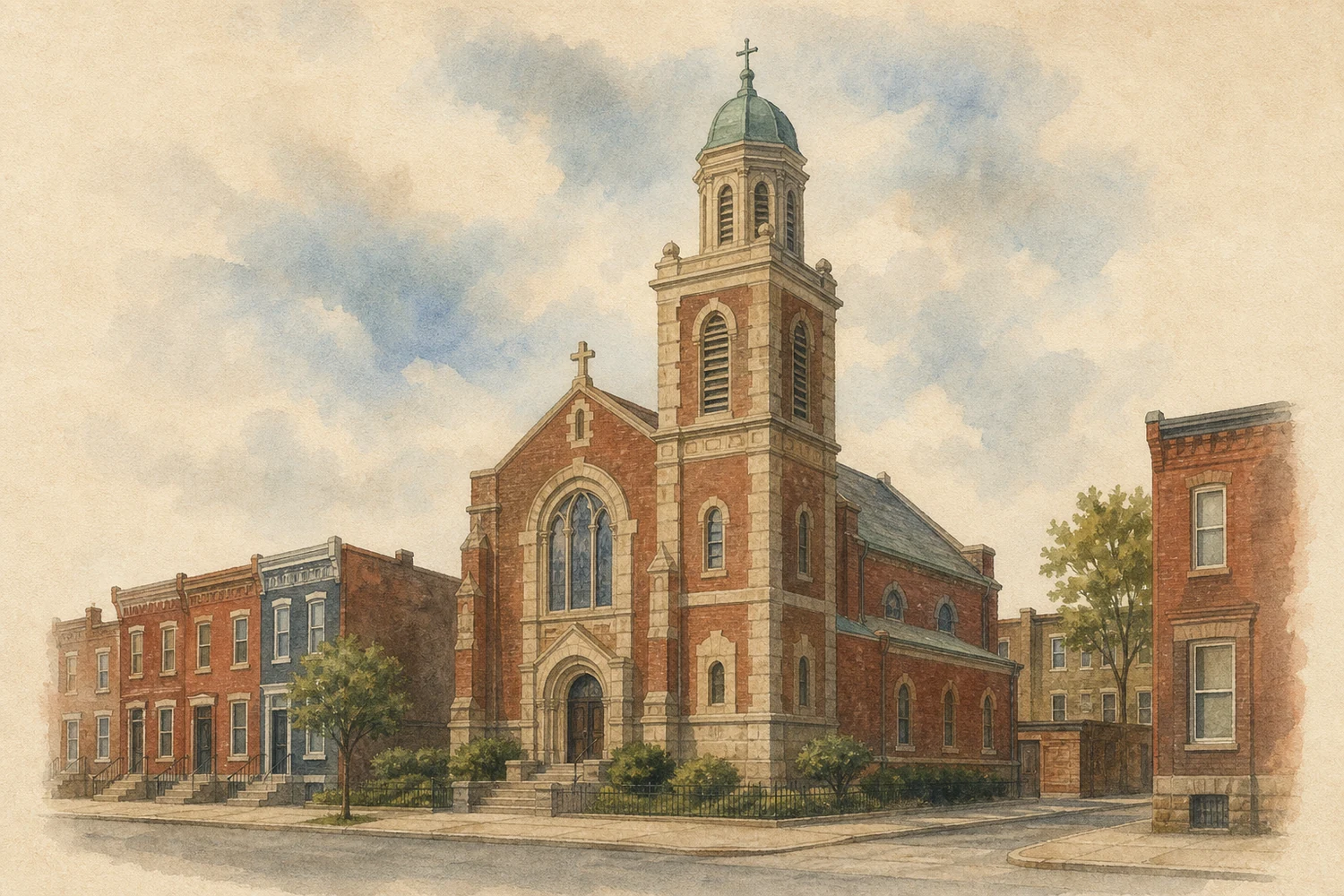
If you spend enough time on the east side of Port Richmond, you eventually realize you are moving through one of the last strongholds of Philly’s Polish heritage. St. Adalbert stands as both a physical landmark and an emotional anchor. Its presence explains why holidays feel different here, why you see older couples walking to Mass in outfits that look unchanged from childhood photographs, and why butcher paper bundles from local delis still matter more than trendy grocery chains.
Polish delis and bakeries weave through the neighborhood with quiet consistency. People who grew up here still bring home kielbasa, pop open containers of pierogi for family dinners and cycle through rituals their parents learned from their parents. The running joke in the neighborhood is that if you like Polish stuff, you are in the right place. That is not branding. It is a simple statement of how the culture has persisted even as the area fills with younger residents priced out of nearby neighborhoods.
Czerw’s: The Tiny Factory With Outsized Influence
Ask a dozen residents to name the one place that defines the neighborhood and Czerw’s will be near the top of the list every time. It functions like a cultural checkpoint. Someone new to the area is usually introduced to it within weeks. Someone moving away makes a point to stop in before packing the car. Families use its pierogies to mark holidays, weekends, parties and random Thursdays when they want comfort food without conversation.
Regulars joke about needing to take a break from the food because of how heavy and addictive it is. People advise newcomers to go early on weekends if they want the best selection without waiting. Around the major holidays, the line wraps around the block, and everyone treats it as a necessary inconvenience rather than a reason to complain. Understanding Czerw’s means understanding the relationship Port Richmond has with its history, its appetite and its sense of time.
The Spots That Locals Trust More Than Any Trendy List
Byrne’s Tavern is not flashy in any way. You go for wings that do not need explanation and beer served without pretense. People who swear they are not wing fans still tell newcomers to try them. Pizza Richmond is in a constant tug of war between residents who call it one of the best slices in the river wards and those who rant about the price, the wait times and the occasional burned crust. Even when someone complains, they usually go back.
Gaul and Co holds its own place in the local food circuit. Beyond the beer and the bar setup, it has cemented its mark thanks to the Wit or Witowski hoagie order that only makes sense once you have spent time on that side of Aramingo. Mom Mom’s provides the kind of warm, familiar food people use to reset after long weeks. Taken together, these places reflect the neighborhood: rough, comforting, loud at times and full of regulars who do not need menus to order.
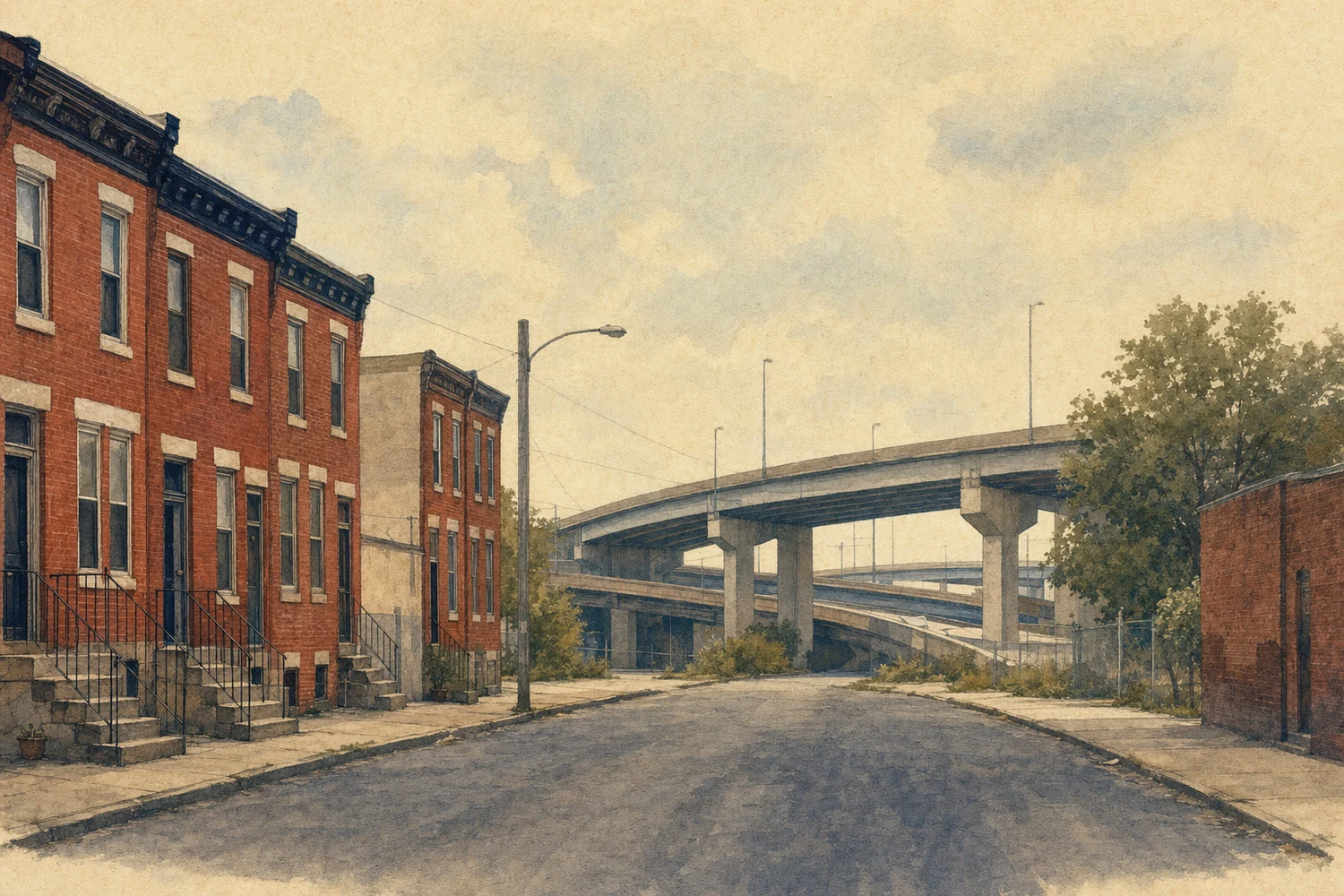
What Living Here Actually Looks Like Day to Day
The Housing Picture You Only Understand Once You Move In
On paper, Port Richmond looks like an affordable pocket of the city. Renovated rowhomes hover around the two hundred thousand mark in older comments and still sit below the prices of similar homes closer to the city center. That affordability is real but hides the extra costs residents deal with.
Roaches are a reality near the river. Pest control is not an optional budget line. Some blocks flood emotionally before they ever flood physically because people know the bugs arrive with humidity and proximity to the water. Noise varies wildly block to block. A street filled with older residents might be quiet enough that you hear every door latch. A street closer to Aramingo or a commercial corridor might feel like the soundtrack of a warehouse district. The biggest shock for many newcomers is that Zillow photos tell you almost nothing about the feel of the block. Here, the block is everything.
Walking, Driving and Taking Transit the Local Way
The walk from Port Richmond to Fishtown is about half an hour for most residents. It is not a bad walk on a mild day, and many locals choose it over the parking nightmare near Girard. But the walk also changes character depending on which direction you cut and what time you go.
The El can be extremely convenient for getting into Center City or across the river, but station areas near K&A can feel unpredictable, especially at night. People who use transit regularly learn which exits to avoid and which side of the platform feels more controlled. For drivers, I-95 access feels like one of the neighborhood’s biggest perks. You can hop onto the highway in minutes in a way that still surprises residents who used to live closer to downtown.
The Trash Reality No Listing Mentions
Trash management in Port Richmond runs on unwritten agreements. Some blocks look remarkably clean because older residents sweep, pick up litter and maintain sidewalks daily. Other blocks, especially during sanitation strikes or delays, can accumulate bags and loose debris quickly.
Seeing needles mixed with everyday trash is a heavy experience for newer residents. It is a visible reminder of being close to the larger issues unfolding in Kensington. That mixture of household waste and drug litter often sparks conversations in neighborhood groups and adds to the emotional fatigue many residents express.
The numbers the guide puts on the neighborhood
Figures as the guide reported them, not as current market truth.
How Port Richmond Talks to Itself Online
Eyes and Ears: The Edited and the Unfiltered Versions
In Port Richmond, community alerts are not a concept. They are a daily occurrence. The edited version of Eyes and Ears operates like a neighborhood scanner. Posts about car break ins, suspicious vans, missing pets and traffic jams show up fast. Moderators keep the noise level reasonable and prune the threads that spiral into chaos.
The unedited version is the opposite. It is the release valve for residents who are tired of filtered conversations. Rants get posted without much restraint. Arguments escalate. A single video or photo can trigger hundreds of comments. It is chaotic, sometimes exhausting and occasionally useful because raw information gets pushed out fast. Knowing which version to check tells you whether you want accuracy or catharsis.
When Digital Neighborhoods Start Splintering
Large groups create large problems. When you have thousands of residents posting in real time, small disagreements become full blown battles. Threads expand until they feel like a wall of noise. Residents complain about slander, screenshots, gossip and moderators who cannot keep up. At times, entire subgroups break away to start new spaces where they can talk without interruption.
This splintering reflects real street tension. People want connection and updates, but they also want to avoid being dragged into fights with neighbors. It turns online spaces into a kind of digital map mirroring the physical map: small clusters of people who talk to each other more than the whole.
How Social Media Has Become a Safety Tool
Online posts about porch pirates circulate within minutes. Residents upload images of cars blocking sidewalks or parking illegally. Rat sightings get reported because pests spread quickly in a dense rowhome neighborhood. Video clips of late night antics at DashMart are shared repeatedly to document what people endure. The digital neighborhood functions like a watchtower, but managed by the residents themselves rather than any official group.
The line between excessive complaining and real surveillance gets blurry here, yet it remains one of the most effective ways locals keep each other informed. When police response feels inconsistent, social media becomes the fallback system.
The Neighborhood That Shows Up When It Counts
The Silent Security Network Only Locals Notice
Long time residents sit on their steps at dusk and dawn, and that step sitting forms an informal security system. They spot unfamiliar cars. They know who usually walks down the block and who does not. When someone goes on vacation, neighbors genuinely watch their car because they know unattended vehicles attract problems. Newcomers often underestimate how powerful this network is until they experience it firsthand.
Stories circulate about residents confronting strangers rattling door handles or lingering too close to parked vehicles. People look out for each other in ways that are not advertised but felt. It is one of the few things everyone agrees is a real advantage of living on the right block.
The Wins That Gave the Neighborhood a Boost
Not every story here is heavy. Neighborhood wins get a surprising level of celebration. The installation of the Palmer Avenue speed hump gave residents proof that collective action works. The rerouting of Port Liberty truck traffic after persistent complaints showed that organized pressure can make industrial corridors respect residential life.
Community cleanups, sidewalk sales and resource sharing groups like the Buy Nothing community help residents swap kids items, furniture and supplies without cost. These activities build a sense of usefulness and connection that many urban neighborhoods wish they had.
Laughing Through the Stress
Local humor is not just entertainment. It is a survival mechanism. Pam from Port Richmond takes everyday chaos and turns it into video sketches that circulate through group chats. Food jokes about taking a break from heavy pierogies or being emotionally unprepared for a six dollar slice help residents bond through shared frustration.
Viral rants about parking or delivery drivers get reposted dozens of times because they capture the absurdity of what people live through. Humor becomes the one thing that makes the challenges feel manageable instead of overwhelming.
Eating and Drinking Like Someone Who Lives Here
The Institutions That Define the Neighborhood
Czerw’s is non negotiable. It is the heart of the food scene and the anchor of cultural identity. Byrne’s Tavern is the steady pick for wings and beers without the noise of trends. Pizza Richmond remains in constant rotation among residents who crave a solid slice even if they debate its pricing. Gaul and Co is where you go when you want a bar that feels like a local living room with a specific hoagie tradition. Mom Mom’s brings comfort food that tastes like it came from the kitchen of someone’s grandmother.
These places do not cater to tourists. They serve the people who actually live within a few blocks.
The Places People Love to Complain About
Part of loving Port Richmond food is complaining about it. Pizza Richmond gets both praise for its crust and frustration for its cost. Dive bars serve legendary wings but set expectations low when it comes to decor or service.
Even when residents gripe about lines, prices or slow service, they keep returning. Complaining is woven into the experience just as tightly as eating.
The Gaps Everyone Wishes Someone Would Fill
For all its character, Port Richmond still lacks a few amenities locals crave. Walkable cafes with consistent hours would change weekday routines. A brunch option with Fishtown creativity but without the Fishtown price tag would become an instant hit.
Grocery options feel limited and chaotic at peak hours. People talk openly about wishing for a neighborhood market that feels calmer and more reliable. Until those wishes get filled, residents continue relying on a mix of delis, corner stores and periodic trips to bigger chains along Aramingo.
The institutions that define the neighborhood
These places do not cater to tourists. They serve the people who actually live within a few blocks.
Czerw's
The heart of the food scene and the anchor of cultural identity. Families use its pierogies to mark holidays, weekends, parties and random Thursdays. Around the major holidays the line wraps around the block.
Best for · Going early on weekends, for the best selection without waiting
Byrne's Tavern
Not flashy in any way. You go for wings that do not need explanation and beer served without pretense. People who swear they are not wing fans still tell newcomers to try them.
Gaul and Co
A bar that feels like a local living room, with a specific hoagie tradition. Ask for it wit or Witowski, echoing the way locals have customized that order.
Mom Mom's
The kind of warm, familiar food people use to reset after long weeks. Tastes like it came from the kitchen of someone's grandmother.
The Newcomer Playbook: How to Land in Port Richmond Without Regrets
Buying a Home in a Neighborhood That Operates on Insider Logic
If you are buying in Port Richmond, your search should begin with geography, not listing photos. Start east of Aramingo. The blocks tucked between the river and Gaul Street, especially below Allegheny, tend to offer the best blend of stability, walkability and low drama. These areas still have plenty of older homeowners who keep the block in shape, and even newly renovated rowhomes stay within a reachable price range.
Be cautious near DashMart. Proximity to the 3400 block of Miller Street comes with guaranteed noise, idling engines and unpredictable foot traffic. Even places a few streets away can absorb spillover late at night, so always visit at multiple hours before committing.
Another red flag in listings is the strategic use of the word Fishtown. If the cross streets put you above Lehigh, you are in Port Richmond even if the agent is trying to push a trendier label. Some buyers fall for it and end up feeling misled. Be strict about the map.
Finally, prepare for pests. Older rowhomes near the river have roaches baked into their history. Extermination is a recurring cost, not a one time fix. Buyers who do not budget for it end up learning the hard way.
Renting With Your Eyes Wide Open
Renters face a different set of pitfalls. Read every recent review of a building before signing a lease, and do your homework on the specific unit rather than the complex's reputation.
Parking is another non negotiable factor. Before signing anything, come back to the block at 7 PM, 10 PM and early morning. Some streets are manageable until the evening crowd returns from work. Others turn into parking battlegrounds where residents rotate vehicles with military precision.
Online community groups can help you understand block reputation before you move in. People will tell you which streets stay quiet, which become party zones, which have break in patterns and which feel stable. In Port Richmond, block culture is stronger than building culture, so make decisions based on the surrounding streets, not just the property itself.
Commuting the Port Richmond Way
Avoid Aramingo during the peak evening crush. Residents plan routes like a game of chess, skipping specific intersections and choosing alternate streets to dodge the worst backups. If you need to run errands along Aramingo, mid morning and early afternoon are the sweet spots.
The Philadelphia Parking Authority shapes commuter habits more than anyone admits. People who drive into Center City sometimes time their trips based on how likely they are to get hit with a ticket when they return. Quick grocery runs and pharmacy stops are scheduled between parking windows when the block is least chaotic.
If your job requires highway access, this neighborhood is a gift. The ability to jump onto I ninety five within minutes is one of the biggest advantages of living here. Residents use it constantly and mention it often when describing why they stay despite the hassles.
The pockets inside one neighborhood
The guide splits Port Richmond into three. The two residential pockets are below; its third, the Kensington-facing edges, is described in the section itself rather than summarised here.
The stoop-strong streets
East of Aramingo, river to Gaul below AlleghenyOlder Polish families, tidy stoops, potted plants, evening conversations on the steps and low noise after sunset. Stable because the same families have owned their homes for generations. This is the band long-time residents privately rank as the sweet spot.
The Fishtown-border hybrid
Closer to Lehigh and TulipThe zone that pulls in young buyers priced out of Fishtown. Dogs, bikes, joggers and coffee beans from River Wards. Walking to bars and cafes is easy; parking is not, and people here accept that tradeoff.
If You Learn the Rules, Port Richmond Lets You Stay
Port Richmond is not a neighborhood you glide into casually. It is a place that tests your patience, demands your attention and rewards you only after you prove you understand how it works. The honesty here is sharp. The affection is unfiltered. People speak openly about the noise, the trash, the parking nightmare and the tough corners near Kensington. Yet underneath all that frustration is a web of loyalty that rarely breaks.
If you learn the timings that keep you out of Aramingo traffic, if you pick up the shorthand locals use to navigate the blocks, if you know when to laugh instead of curse, you start to see the charm everyone talks about quietly. It shows up in the neighbor who shovels your steps unasked, the older resident who keeps an eye on your car, the random bag of pierogies someone hands you after a long week and the fact that people here celebrate small victories like speed humps and rerouted trucks because those wins actually change daily life.
The hidden truth is that Port Richmond does not pretend to be perfect. It just insists on being real. If you can handle that realness and find a rhythm inside it, the place welcomes you in its own loud, chaotic and heartfelt way. Make it through your first parking week and you have already passed the hardest test.
What the guide says you are trading
Port Richmond is not a neighborhood you glide into casually. It rewards you only after you prove you understand how it works.
- I-95 access in minutes, which residents call one of the biggest advantages of living here.
- Block culture that functions as a security network — step sitters who spot unfamiliar cars and watch your car when you travel.
- One of the last strongholds of Philly's Polish heritage, from St. Adalbert to the delis and bakeries.
- A roughly half-hour walk to Fishtown, chosen over the parking near Girard.
- Wins that actually change daily life, like the Palmer Avenue speed hump and the Port Liberty truck reroute.
- Some of the worst parking in the city, plus enforcement anxiety about the Parking Authority.
- Pest control as a budget line rather than an option; roaches are a reality near the river.
- Noise that varies wildly block to block, so Zillow photos tell you almost nothing about the feel of a street.
- Trash that runs on unwritten agreements and piles up fast during sanitation delays.
- A shorthand you have to learn before residents treat you as someone who lives here.
Make it yours
Keep five Port Richmond visit notes
A short list to turn what you read into your own next steps.
Saved checks stay on this device when browser storage is available. This is a personal planning list, not a property inspection or professional assessment.
Sources & next steps
Useful advice should
show its working.
These resources support the reader tools above and help you check details for your own address, date, or plans.
- City property and zoning lookup
Opens the City's address-based zoning and permit tools.
- SEPTA trip planner
Compare transit journeys using your actual stops, date, and departure time.
- Philly311
City information explains how to ask a service question or submit a non-emergency request.
The tools do not establish police-district changes or substantiate allegations about businesses. Operator details and City service arrangements should be checked directly.
Keep exploring