
A little orientation
Find useful Kensington resources with a clear next step
Start with the service needed
Choose the support or facility that fits the question in front of you rather than a general neighborhood label.
Use current public-health guidance
Go to the City's health resources for education and treatment information; this guide does not provide clinical instructions.
Keep people at the center
Describe an observable need respectfully and share only the personal information necessary to get help.
A closer look
What would be useful today?
Choose a resource category, then use the provider's current guidance to take the next step.
Find the City's current guidance
Open the City's Substance Use Prevention and Harm Reduction page and choose the education or resource link relevant to your question. Use the provider's instructions and contact information rather than inferring medical advice from neighborhood descriptions or another person's appearance.
A useful questionWhich official resource answers the question I have today?
Source & next step ↗Find a starting point for help
Use the City's treatment guidance to identify a way to connect yourself or someone who wants support with services. Read the current contact and access information, then ask the service about the practical next step that fits the person's circumstances.
A useful questionWhat information would help the service explain the next step?
Source & next step ↗Find a recreation contact
Search the City's facility finder for the Kensington recreation space you would like to use. Ask about the particular activity, entrance, and current arrangements, keeping the conversation focused on your household's needs rather than assumptions about the people using the space.
A useful questionWho can confirm the activity my household would like to join?
Source & next step ↗Life in Kensington requires a kind of awareness and resilience that most neighborhoods never demand. Families, seniors, workers, and longtime residents move through these blocks every day, carrying the pressures that come with living beside an open-air drug market. This guide is meant to help you navigate the realities of the Avenue with clarity, respect, and grounded, practical detail. If you live here, work here, commute through Somerset or Kensington station, or support someone who does, this resource is designed for you. It goes beyond caution and headlines and offers the micro-level truths that shape daily life: how to choose the right side of the street, how to move with purpose, what different corners signal, and how to stay safe without treating the neighborhood as a spectacle.
Before You Step Onto The Avenue
Who This Guide Is For And Who It Is Not For
This guide is written for people who actually have skin in the game in Kensington. If you live on these blocks, ride the El through K and A, volunteer with outreach teams, work in a nearby shop, or have family in the neighborhood, you are the audience. You are the person trying to figure out how to move through a place where everyday life and constant crisis occupy the same sidewalk.
If you are just curious about the viral clips, the shock thumbnails, or the idea of walking through what people call Zombieland for a story, this guide is not aimed at you.
Misery tourism has made things worse. People with cameras come in for an easy burst of attention, then leave the neighbors to handle the fallout, the stigma, and the extra traffic from the next wave of visitors.
Learning how to move responsibly in Kensington means understanding that every overdose, every person nodding in the middle of the street, and every leg covered in infected wounds is someone’s actual body and someone’s loved one. Moving respectfully means planning your route, keeping your reactions in check, and not turning the neighborhood into your content. You are learning where to stand at the station, how to keep your kids’ eyes away from the worst scenes, how to walk past an active drug sale without escalating anything, and how to help without making yourself or anyone else less safe.
Coming to gawk is different. That is when people wander up to Kensington Avenue with a phone in their hand and no plan, staring at everyone, pointing out the most shocking things, and treating the blocks like a live documentary set. Residents feel that difference immediately. The point of this guide is to help you live, work, travel, and show up here without becoming part of that problem.
The Many Names Locals Use For The Same Streets
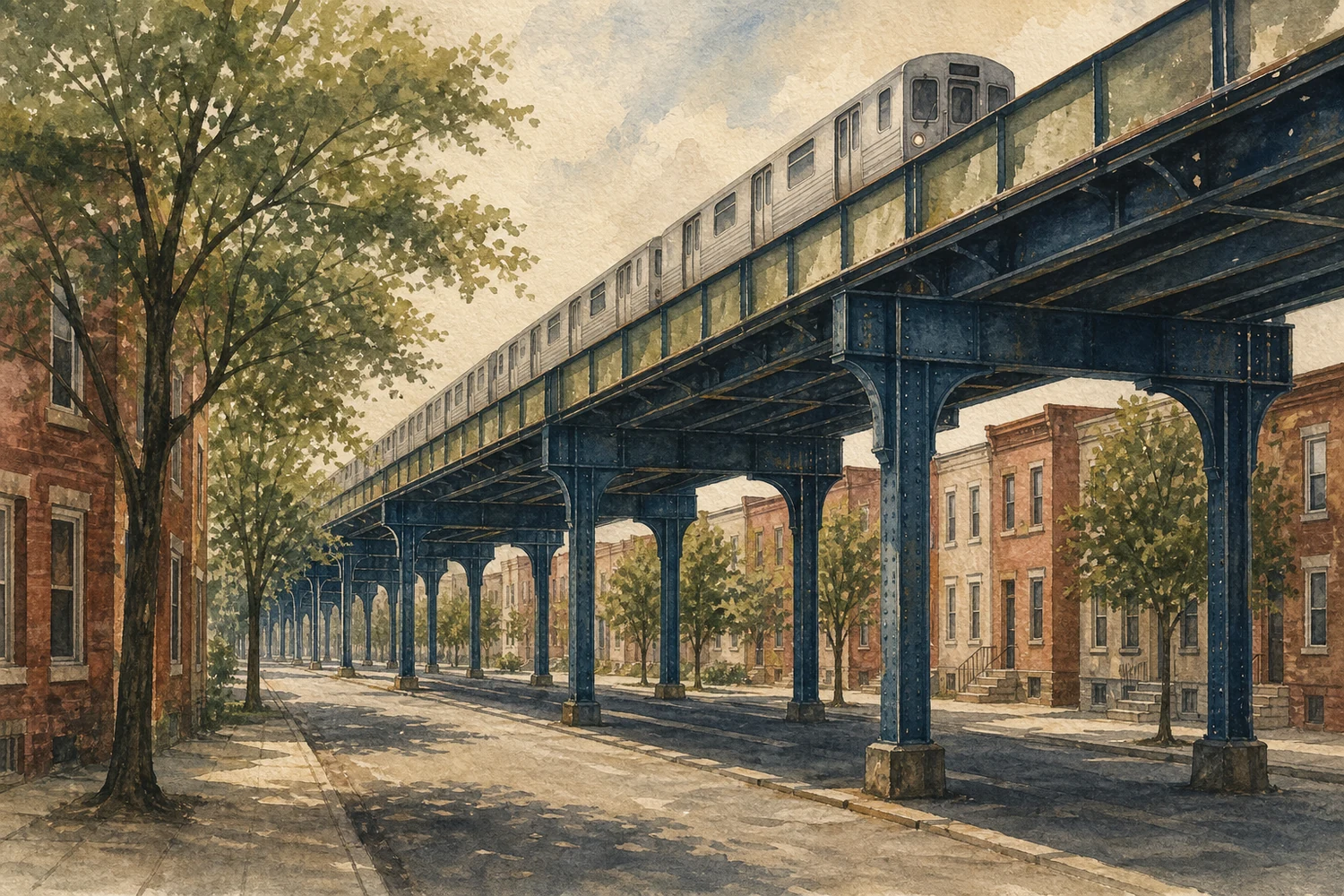
On maps, the neighborhood might be labeled Kensington, sometimes even Olde Kensington or East Kensington, but the way people talk about it on the ground is more layered. You will hear K and A for the corner of Kensington and Allegheny. You will hear people say they are heading down The Avenue, which usually means the stretch of Kensington Avenue under the El where the market and the worst visible crisis are centered. Under the L or under the track is shorthand for the steel spine that runs above the street and frames almost every photo you see from the area.
Alongside the geographic labels are the nicknames that carry emotion. Zombieland is how people summarize the sight of rows of bodies folded over, shuffling, or frozen mid step. Kensington Beach is a bitter joke about the mounds of trash and needles that collect along certain walls and corners, as if the block has formed its own shoreline made of plastic and metal instead of sand. Some compare parts of the strip to a skid row. Others call it a third world scene, not in a technical sense, but to express how far it feels from the rest of the city’s public face.
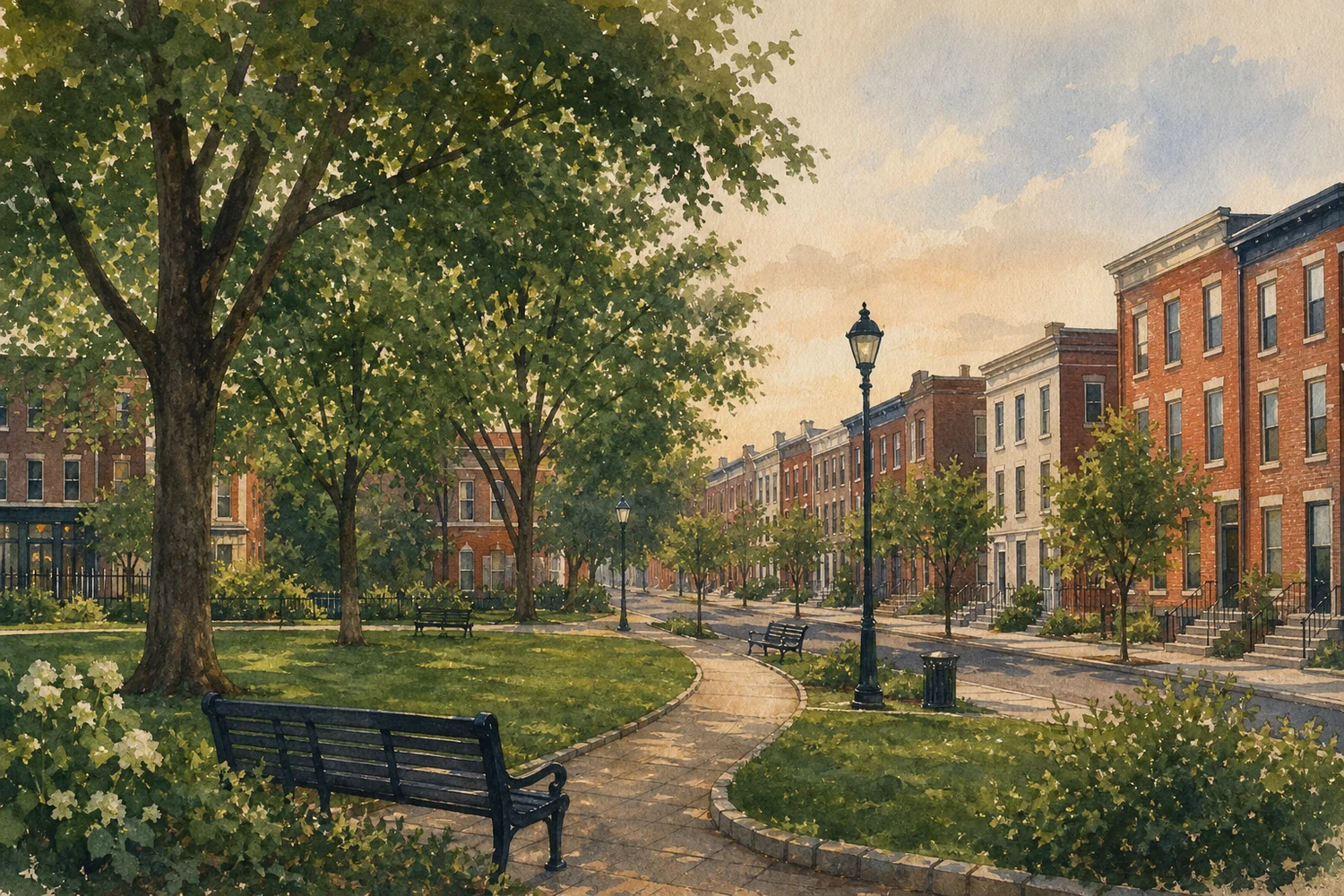
Then there is Olde Kensington, which adds its own confusion. Listings and real estate write ups use Olde Kensington for blocks that feel more like an early stage renewal zone, with rehabbed rowhouses and small businesses, even though they sit only a short ride or a few wrong turns from the open air market. Visitors see the word Kensington on an apartment listing or a cafe and underestimate how quickly they can step out of a coffee shop and into a block where people are nodding in the middle of the intersection. Understanding the difference between these names is one of the first filters you need before you plan any route.
Drawing Your Mental Map Before You Go Outside
Think of Kensington as a set of overlapping micro neighborhoods rather than one big blob on the map. The core open air market is the stretch of Kensington Avenue around K and A, under the El. That is where you see rows of people using in public, dealers moving constantly, outreach crews, police, and cameras, all in the same few hundred yards. The closer you are to the El columns and their shadows, the heavier the activity feels.
A few stops away in either direction, the SEPTA zone around Somerset and the Kensington station is its own environment. Here, the city and transit police shuffle people back and forth. Outreach efforts push people off certain corners toward the station, and SEPTA pushes them back out of the station property, which creates that feeling of human ping pong. If you ride the train, this is where you feel the crisis most directly on your commute.
Shift your focus inward a bit and you hit the scrap yard belt. On the map, these are the corners around Amber and Silver, Somerset and Trenton, and the nearby rowhouses on Coral Street. In real life, this is where you see refrigerators, stoves, and metal frames being dragged and stripped for a quick bit of cash. It is also where residents live with rats, roaches, and constant noise and fumes from the yards.
To the side, McPherson Square and the nearby alleys create another pocket. When encampments get swept off the main avenue, tents and makeshift camps settle along these paths and under smaller structures. The park swings between family uses and overdose scenes, depending on the week and the last cleanup. Nearby alleys, which look like simple shortcuts on a map, can turn into quiet encampment corridors where people sleep, use, and hide.
Finally, there are the partial renewal pockets usually labeled Olde Kensington. You might see cafes, studios, and new construction or rehabbed houses around these blocks. At the same time, the walk from there to the open air market is often shorter than an outsider expects. Locals form extremely detailed mental boundaries between where you can comfortably push a stroller and where you do not take kids at all. Learning those boundaries is part of learning the neighborhood.
Orienting on the Avenue
- Kensington Avenue
- Under the El
- Somerset station
- McPherson Square
Schematic · not to scale
Overlapping micro-neighborhoods
The guide asks you to draw a mental map before you go outside. These are the five pockets it draws.
The core open-air market
K and A, under the ElKensington and Allegheny. Rows of people using in public, dealers moving constantly, outreach crews, police, and cameras, all in the same few hundred yards. The closer you are to the El columns, the heavier the activity feels.
The SEPTA zone
Somerset and the Kensington stationOutreach efforts push people off certain corners toward the station, and SEPTA pushes them back out of station property. If you ride the train, this is where you feel the crisis most directly on your commute.
The scrap yard belt
Amber and Silver · Somerset and Trenton · Coral StreetWhere refrigerators, stoves, and metal frames get dragged and stripped for a quick bit of cash. Residents nearby live with rats, roaches, and constant noise and fumes from the yards.
McPherson Square and the alleys
The overflow pocketWhen encampments get swept off the main avenue, tents settle along these paths. The park swings between family uses and overdose scenes depending on the week and the last cleanup.
Olde Kensington
The partial renewal pocketsCafes, studios, and rehabbed rowhouses. The walk from there to the open-air market is often shorter than an outsider expects — a ten or fifteen minute walk, or a couple of wrong turns.
Street Reality Without The Filter
Standing At K And A Under The El
If you stand at K and A, it feels like every direction is doing too much at once. On one corner you may have people selling single cigarettes, loose food, and small items from folding tables. On another corner, people are slumped against the El pillars or half standing, half collapsing in place. A little further down, outreach workers and volunteers might be handing out water or supplies, while people in suits or work uniforms try to cut through to get to the train entrance.
Each corner has its own energy. One side might feel more like a constant stream of transactions, people walking up and walking away. Another side might be where people who used recently are drifting, nodding, or lying on the ground.
Closer to the station entrance you see more commuters picking their way past bodies, trying not to step on someone’s hand or blanket.
Vehicles are stopping, starting, weaving around people who wander into the street without full control of their movements.
During the day, it is chaotic but visible. You can see who is where, who seems alert, and where the densest clusters are. At night, especially late, the lighting under the El throws long shadows, and the risk feels different. Fewer commuters are around, more deals and disputes happen in darker corners of the same intersection, and the line between someone asleep, someone overdosing, and someone waiting to rob someone else is harder to read at a glance. Residents learn specific angles and sides they stick to depending on the time of day, sometimes choosing a slightly longer route to avoid standing in the most intense pocket of activity.
What People Mean When They Say Zombieland
The term Zombieland is not really about horror movies. It is a shorthand for the way people’s bodies look after repeated use of a mix of fentanyl, tranq, and other additives. You will see people bent completely at the waist, frozen for minutes at a time, arms hanging, sometimes with a cigarette still burning between their fingers. Others sway in slow circles, unable to straighten up, drifting into the street or onto the tracks until someone pulls them back.
From a distance, it is hard to tell who is asleep, who is in a deep sedated state, and who is actively overdosing. Someone can stand upright one second and then crumple in a heap the next. You might see someone mumbling to themselves, scratching at their legs, or trying to pull a sleeve over a wound. The stillness and the stiffness of the bodies make the whole block feel like time is slowed down, even while cars, bikes, and trains keep moving at regular speed.
Broad daylight does not neutralize any of this. People nod out at ten in the morning, at three in the afternoon, right outside corner stores, bus stops, and laundromats. Parents walking kids home from school are still sidestepping bodies and trying to keep the kids’ focus on something else. The intensity of seeing this up close, day after day, changes how locals talk, move, and even feel about what counts as an emergency.
Kensington Beach, Or Why You Always Watch Your Step
Sidewalks in the core zone do not look like any regular neighborhood. Standard trash like wrappers and bottles is only the base layer. On top of that you have clumps of clothing, broken furniture, food containers, and cardboard that has been rained on so many times it has become part of the pavement. Used needles, caps, and cookers are scattered everywhere. Some blocks develop mounds of trash and syringes up against fences and walls. People call those piles Kensington Beach, as if the waste has drifted into dunes.
On some blocks, residents understand that if trash is not in bags, city crews ignore it. That means anything loose, even if it is clearly an entire camp’s worth of debris, gets bypassed. Families and volunteer crews try to bag as much as they can during cleanups. By the next morning, new piles appear where people have set up camp again or simply dropped things where they stood.
For your day to day movement, this means you never walk while staring at your phone. You look where each foot is landing. You cannot assume a pile of clothes is empty, because someone could be sleeping inside it. You scan for needles and human waste before you step, and you develop a habit of checking where your kids, pets, or stroller wheels are heading. Kensington Beach is not a single landmark, it is a pattern that appears and reappears along the Avenue and on nearby side streets.
The Smell That Never Really Leaves
Living or working near the Avenue is not just a visual experience. The smells are constant and layered. On many days, the first thing you notice is urine, concentrated in the doorways and corners where people use the wall as a bathroom. In warm weather, trash piles begin to rot quickly. Leftover food, damp clothing, and whatever is in the bags and buckets nearby mix into a background odor that can make your eyes water.
Add in scrap yard fumes in the belt around Amber and Silver or Somerset and Trenton. There you might catch burning smells, metal dust, and exhaust from trucks lined up to offload old appliances and cars. These fumes do not stay neatly on one property line. They drift into the rowhouses on streets like Coral, where people open their windows and feel like the air has a metallic taste.
Rats and roaches bridge the gap between trash, yards, and encampments. Residents talk about constant infestations that they link directly to the scrap yards and to daily dumping by people looking for quick cash. Headaches, chronic coughs, and asthma flare ups are part of regular life for many families nearby. Visits to the doctor often end with advice that does not match reality, such as staying away from bad smells or polluted air, which is almost impossible when the source is the block where you live.
The Drug Scene When You Are Close Enough To Smell It
From Bar Fights To Tranq Sleepwalking
Older residents describe a Kensington that was never soft. The reputation used to center on all night bars, drunk fights on the sidewalk, and street level crime that fit a more conventional image of a rough neighborhood. That era still had plenty of harm, but people were usually conscious, moving fast, and able to yell, run, and argue.
The drug scene shifted as heroin became more common, then more potent. Fentanyl stepped in as a stronger, cheaper option. After that, xylazine, often called tranq, and more recently medetomidine entered the street mix.
Each new additive extended the high, changed how overdoses looked, and increased the physical damage to skin, veins, and tissue.
Today, when people talk about a saturated supply, they mean that the average bag on the Avenue contains not just an opioid but also a mix of animal tranquilizers and other research chemicals. The result is a population that is not only addicted but also heavily sedated and physically breaking down. Even people who manage to get clean later may have permanent injuries, amputations, or heart and lung damage from this era of the Kensington drug scene.
Skin Breaking Down, Legs Turning Green
Tranq and similar additives do not just change how a person stands or falls. They change what their skin looks like. The term green leg is common shorthand along the Avenue. It refers to the patches of deep infection that spread up from injection sites, often on the lower legs, that take on a green or gray color and leak fluid.
On sidewalks you may see people peeling bandages off, scratching around raw areas, or trying to wash wounds with bottled water. Outreach nurses and volunteers sometimes sit people down and start trimming away hardened layers of dead skin, or eschar, with simple tools like clippers and scissors, right there on the curb or a stoop. Antibiotic ointment, gauze, and makeshift dressings are applied in public view because there is nowhere else to go, and the hospital cycle is often short lived or full of barriers.
For residents, this means that it is entirely normal to pass someone whose leg is visibly rotting, whose arms are covered in deep sores, or whose wounds attract flies and other insects. You may see maggots or fleas on a limb, while the person attached to that limb is half awake and barely able to follow a conversation. It is gruesome and it is also daily life, which takes a mental toll on anyone who spends time outside here.
Narcan, CPR, And The Swing After The Spray
In Kensington, carrying Narcan is not unusual. Outreach workers have it. So do many residents, security staff, and even some commuters. Having it means you are likely to use it. People talk about learning how to tell when someone is not just sleeping but sliding into an overdose: slow or stopped breathing, lips turning blue, body limp instead of stiff.
Tranq changes the rules. Because xylazine is not an opioid, Narcan does not cancel it out. It still helps with the fentanyl component, but it might not wake someone up completely. That is why there is more talk about needing CPR, oxygen, or hospital ventilators after overdoses now. When a person does come around quickly, the reaction is not always gratitude. The story that repeats is someone regaining consciousness angry that their high is gone, confused about what happened, and swinging or yelling at the person who just pulled them back from the edge.
People who live and work in Kensington absorb this pattern. Some still choose to step in every time, despite the risk. Others become more selective, calling for medical help rather than stepping into a situation where they know they might be attacked. The adrenaline spike and emotional crash of reviving someone in the middle of your walk home, or outside your doorway, becomes another part of what it means to live here.
Dealers, Faces Everyone Knows, And The Role Of Hitters
The drug market on the Avenue has its own structure. Residents talk about recognizable crews and figures who are always present. These are not anonymous silhouettes in hoodies. They are faces that locals recognize, people who stand in roughly the same zones each day, conducting business out in the open.
Hitters are another role in this ecosystem. A hitter is someone people pay to inject them. Some users have veins that are so damaged they cannot find a spot themselves. Others are too sedated, shaky, or scared to try. They hand cash and a bag or syringe to a hitter and trust that person to get the drug into their body. The trust is often misplaced. Stories circulate of hitters reusing syringes, swapping out the product, or rushing injections in ways that increase the risk of infection and overdose.
These roles shape how each corner feels. One end of the block might be dominated by people in active withdrawal, desperate to get the next dose and willing to do almost anything. Another pocket has hitters working through a line of people. A little further down, dealers hold court, directing traffic quietly with nods and small gestures. When you live here, you learn which specific spots feel most volatile and which feel more like background noise, and you plan your walks accordingly.
When The Neighborhood Shifts Mood In A Single Day
Morning Cleanups, Afternoon Market, Night Fires
A rough daily rhythm repeats itself in Kensington. Early in the morning, you will see residents with trash bags, brooms, shovels, and gloves. They move down their own block picking up feces, urine soaked items, used needles, and scattered clothing. Some scrub graffiti off stoops and walls before work. Others call in 311 requests or send photos to neighbors to coordinate who will handle what. This is the quietest time on many blocks, when people who are housed try to reset the street for the day.
By late morning and midday, the open air market is at full strength. More people are awake and moving. Dealers take their spots. Outreach vans arrive. You will see food deliveries, people selling small items, and a constant flow of transactions along the Avenue. Commuters at this time are weaving through bodies instead of stepping over people who are completely out.
This is also when you are most likely to see film crews and content creators, because the visuals are strong and the lighting is good.
Late night, especially between midnight and three in the morning, the mood changes again. Many residents talk about fires at this time, sometimes in barrels, sometimes in piles of trash, as encampments try to stay warm or burn waste. Fewer regular pedestrians are outside. Conflicts and crimes that were simmering in the background during the day can explode when there are fewer witnesses around. This is when many locals choose to stay inside if they have that option.
Tuesday Commute Versus Saturday Night
The same piece of pavement can feel completely different depending on the day and hour. On a Tuesday morning, you might ride the El to work, step out at Kensington or Somerset, and see more people in work clothes than in party outfits. There will still be dealers and people using, but bar patrons are not spilling out, and the main focus is getting where you need to go without stepping on a syringe or a person.
On a Saturday late at night, the streets around the neighborhood's late night bars take on another layer. Inside, regulars know the staff, eat, drink, and watch games. Outside, fights break out on the sidewalk or in parking lots. People use nearby walls and alleys as bathrooms. Neighbors wake up to puddles, vomit, and needles near their cars and dumpsters. For them, the bar that others describe as a beloved anchor feels like a source of extra chaos.
Locals build an internal schedule around this. They might feel comfortable walking a certain corridor on a weekday morning but avoid leaving the house at closing time on weekends. They build routines for trash pickup and dog walking that dodge the worst windows for conflict and noise. When someone new moves in, these are the details that neighbors slowly pass along.
Summer Heat, Winter Fires, And Post Sweep Weeks
Kensington has its own micro seasons. Summer brings heat that intensifies everything. Smells are stronger. Trash rots faster. Overdoses spike as people use in higher temperatures. There is also a visible increase in people who come in specifically to film, tour, or explore what they have seen online. These months feel especially heavy for locals, who have little escape from the sensory overload.
Winter shifts the visuals and sounds. You may see encampments clustered around fires, people wrapped in blankets under the El, and more emergencies related to cold. Trash fires pop up as people burn whatever they can to stay warm. Snow does not stay white for long on the Avenue. It quickly turns gray and brown with soot, foot traffic, and runoff from trash. The cold can make some encounters sharper because everyone is more physically uncomfortable and on edge.
After city sweeps that clear encampments from the main corridor, there is a short period where the Avenue looks more open. Politicians and news crews highlight the cleared sidewalks. Locals, however, track where tents and people actually go. Very often, they resurface in nearby alleys, on side streets, and in parks like McPherson Square. For residents in those new hot spots, the post sweep weeks are when the crisis suddenly arrives on their doorstep, even as headlines talk about success.
The Corners And Blocks That Actually Matter
K And A, Corner By Corner
K and A is not a single experience. Each corner has its own profile. On one side, closest to the station entrance, the main flow is commuters ducking in and out, dodging people on the stairs and trying to keep moving. On another, there is a heavier cluster of people selling and buying. That is where you see more quick handoffs, parked cars, and people who stand instead of drifting.
A third corner might feel like a spillover zone where people who just used are leaning against walls, heading toward places to sit or lie down, or slowly weaving into the street.
Families who still need to walk kids through this intersection will often choose the path that scrapes the edge of the least intense corner, even if it means walking a little farther. People who have lived here for a while can tell you which exact curb cut, pillar, or storefront they prefer to pass by at different times of day.
Knowing which corner is which helps you predict what you are about to walk into. It affects where you wait for a ride, which side of the street you stand on to answer a phone call, and where you absolutely do not want to stand if you need to check your bag or open your wallet.
Somerset And Kensington, The Human Ping Pong Table
The area around Somerset and Kensington stations feels like a constant shuffle. Outreach teams, city workers, and police sometimes direct people off the Avenue and toward station plazas and underpasses. SEPTA police, in turn, try to keep stations from turning into permanent encampments and move people along. The result is a back and forth where the same individuals get repeatedly pushed from one patch of concrete to another.
During rush hour, platforms are crowded with people heading to jobs, appointments, and school, while others are slumped on benches, nodding near the edge, or pacing. You may hear announcements, see officers checking identification, and watch them escort some people away while others slide back in a different entrance later. For a commuter, the main question is how to position yourself so you have a clear path to the trains while avoiding sudden conflicts.
Regular riders learn which station entrances are less congested, which stairwells are most likely to have someone sleeping or using, and where it feels safer to stand while you wait. They also learn to recognize the patterns of movement as people are moved around without any real solution in place.
Scrap Yards, Quick Cash, And Coral Street’s Daily Battle
In the scrap yard belt, the rhythm of the neighborhood is different but just as intense. The yards in this belt are hubs where people bring metal for cash. You will see appliances dragged through the streets on dollies, carts, or simply pulled along the ground.
For residents on nearby blocks like Coral Street, the yards are both economic engines and sources of constant stress. Trucks line the streets, engines running. Rats and roaches move freely between scrap heaps and rowhouse basements. People complain about heavy smells and particles in the air, but their calls to city agencies have limited impact. They patrol their own sidewalks, pick up trash that blows out from yard fences, and fight infestations that they believe are directly tied to yard operations and dumping from people chasing a quick fix.
Daily life here includes the sound of metal crushing, the sight of broken appliances left half on the curb, and the knowledge that the next load could be dumped at the end of your block if the yard refuses it. It is a different layer of Kensington’s stress that rarely shows up in viral videos but dominates conversation in these rowhouses.
McPherson Square And The Alleys That Take The Overflow
McPherson Square, with its library and green space, sits at a crossroads. On some days, it looks like a normal neighborhood park where kids play and families sit on benches. On other days, especially after sweeps shift people off the Avenue, it becomes a visible extension of the drug scene. Tents pop up, people gather on the grass to use, and overdoses happen within view of anyone passing through.
The streets feeding into and out of McPherson are dotted with small alleys and side paths that are easy to overlook on a map. In practice, these spaces absorb people who can no longer camp directly under the El. They become narrow corridors filled with tents, makeshift bedding, and small clusters of people using in relative shade and privacy. For residents whose houses back onto these alleys, it feels like the crisis has moved into their backyards.
If you live near McPherson, you pay close attention to which entrance you use, what time of day you walk through, and whether you take a child to the playground or redirect to a different park. The transformation from family space to overdose hotspot can happen quickly after a new wave of displacement from the Avenue.
Olde Kensington, Rugged Charm, And The Invisible Line
Olde Kensington covers the blocks where you might see a new cafe, an art studio, or a line of rehabbed rowhouses with fresh paint and planters on the stoop. From the outside, it can look like a neighborhood on the upswing, with bike racks, dog walkers, and people working on laptops by big front windows. Real estate listings lean heavily on this image.
The crucial detail is how thin the margin is between those blocks and the crisis zones. A ten or fifteen minute walk, or a couple of wrong turns, can take you from a coffee shop on a quiet side street into a stretch where people are actively injecting on the sidewalk. Residents who live in the more stable pockets know which exact routes keep them in the realm of what they call urban grit and which paths drop them into scenes that feel closer to Zombieland.
For newcomers, this invisible line is easy to miss. They might invite friends to visit, assuming the whole neighborhood fits the vibe of their immediate block, only to have those friends wander toward Somerset or Allegheny Station and experience a completely different reality. Learning the local understanding of where Olde Kensington ends and the Avenue begins is part of truly knowing the area rather than just its listing name.
Who Really Holds Power, At Least On Paper
City Hall And The Quiet Decision To Contain
From inside the neighborhood, Kensington feels like a place that was chosen to hold a problem for the rest of the region. Residents talk about the open air drug market in terms that fit a large, profitable system, not a small street corner issue. They see money changing hands between dealers and suppliers all day. They see outreach funding, police overtime, medical costs, and outside media projects all orbiting the same few blocks.
The phrase sacrifice zone comes up a lot in conversations.
People feel that their health, safety, and property values were placed on the line so that the rest of the city and nearby counties can pretend the crisis is contained in one area.
When shootings and overdoses decrease slightly in other neighborhoods, it often feels like that improvement came at the expense of heavier concentration here.
Residents notice that the visible presence of addiction and homelessness has spread into side streets, parks, and transit stations. To them, it feels less like City Hall solved the problem and more like it rearranged the furniture so that photo ops look cleaner on the main drag while the weight of the crisis sits on a wider set of nearby blocks.
Cops, Warrants, And The Thin Line Between Help And Harassment
Police in Kensington play several roles at once. On some days, they are doing highly visible crackdowns, checking identification at the entrances to the Avenue or conducting special operations that target specific dealers and gangs. Residents hear a lot of official talk about treatment or jail, as if every person stopped will immediately be offered a bed, a program, or a clear legal consequence.
On the ground, the reality feels more complicated. Treatment beds that can handle complex withdrawal from things like fentanyl mixed with xylazine and other additives are limited. Some people are arrested on outstanding warrants that were already in the system, which clears a few names from the street for a while but does not address why they keep coming back. Others are moved along, told to leave certain station areas, then spotted a few blocks away hours later.
There are also tense examples of officers blocking acts of kindness that residents see as basic humanity. A group of men trying to hand out food along Kensington Avenue found themselves stopped and told to pack up. The official reasons may involve permits, liability, or coordination, but neighbors watching feel like even attempts to feed hungry people are being squeezed. The result is a mixed perception of police as sometimes necessary, sometimes ineffective, and sometimes an obstacle to the small good things that still happen here.
Harm Reduction, Safe Spaces, And Neighborhood Friction
Harm reduction organizations are deeply embedded in Kensington. Supporters see them as the only reason some people are still alive. These groups hand out clean syringes so people are not sharing equipment, provide basic wound care for tranq injuries that would otherwise fester, and train both residents and users in overdose response. Supervised consumption proposals like Safehouse come out of this mindset, aiming to shift use indoors and closer to medical help.
From many families and long term residents, the view is more conflicted. They see that these services draw people to the area, or keep them here longer, without an obvious path out of addiction. They watch clients use supplies and services in sight of their children’s bedroom windows and front doors. Some feel that organizations are more focused on preserving their funding streams and serving their clients than on protecting the people who actually live on these blocks year round.
Inside the neighborhood, the Safehouse debate does not feel abstract. It is not just about whether supervised consumption is good or bad in theory. It is about whether one more facility will make it easier or harder to walk a kid to school without watching someone inject on the sidewalk. When you live here, you can understand both the need for immediate harm reduction and the anger at feeling like every long term solution gets pushed into the future while daily life stays the same.
Yards, Bars, And Places That Take More Than They Give
Scrap yards, bars, and car lots sit in a gray zone between economic engines and neighborhood hazards. Scrap yards provide quick cash for people bringing in appliances and metal, and they sometimes give jobs to individuals trying to climb out of addiction. At the same time, yards around Amber and Silver or Somerset and Trenton are blamed for constant noise, dust, rodents, and the steady stream of people dragging junk through residential streets. Families nearby see broken washers dumped in their alleys and rats running along their fences and feel like their health is the price of someone else’s business model.
Bars in the area can be warm, friendly spaces once you are inside. Kensington Pub, for example, draws raves from regulars who talk about feeling safe, welcome, and well fed. Other bars, like the ones closer to heavy use corridors, might offer the same vibe inside but create chaos outside. Neighbors complain about fights in the parking lot, people throwing up or defecating near dumpsters, and heroin needles appearing in shared spaces after busy nights.
Cameras, Channels, And The Easy Money Problem
Kensington has become a content destination for people with phones and cameras. YouTube channels, TikTok feeds, and Instagram accounts dedicated to documenting tranq zombies, open deals, and daily chaos pull in high view counts. Some creators are open about starting their channels to earn money from views, treating the neighborhood as a backdrop for a side hustle or full time income.
Residents draw sharp lines between people they see as Originals and people they see as exploiters. Originals are the local videographers and documentarians who grew up here, know the streets, ask for consent when possible, blur faces, and pair their footage with real advocacy or tangible help. Even then, not everyone loves their presence, but there is at least a sense that they belong to the neighborhood.
Outsider creators, especially those who never show their own face, never talk to residents, and only post the most shocking scenes, are seen very differently. They arrive with bright cameras, hover around overdosing people, and post the clips under titles designed to shock. They earn ad revenue or sponsorships, then leave the neighbors to deal with the extra wave of tourists who show up after seeing the videos. If you are thinking about filming here, understand that this history is the lens you will be seen through from the moment you lift your camera.
How People Get Through The Day Without Shutting Down
Cleaning A Block That Will Be Dirty Again Tomorrow
For many Kensington residents, the morning routine starts outside instead of in the bathroom or kitchen. You come out with gloves, bags, and tools. You pick up human waste from the curb, peel used needles off the edges of your stoop, scrape graffiti off your gate, and gather clothing piles and food containers that were not there when you went to bed. On some blocks, this is not a once a week thing. It is every single day.
People talk about patrolling their own street, not because they have a badge, but because nobody else is going to do it consistently.
That might mean walking the length of the block two or three times a day, asking people not to dump trash in front of your steps, calling 311 to log illegal dumping or yard violations, and sending videos to news outlets or council offices when things get especially bad. Patrol in this context is equal parts cleaning, documenting, and trying to set some basic expectations for behavior.
The hardest part for many is knowing that the block will probably look bad again within twenty four hours. You can spend your early morning cleaning and still step over fresh trash that night. The choice to keep doing it anyway is partly about pride, partly about protecting kids and elders on the street, and partly about refusing to let the entire narrative of the neighborhood belong to drugs, rats, and viral cameras.
Small Tactics That Change Your Odds
Over time, you build a collection of micro strategies that make life in Kensington feel a little less volatile. Instead of getting off the El at a main entrance that always has people sleeping on the steps, you might use a side stairwell that feels less crowded, even if it adds a minute to your commute. You learn which side of Kensington Avenue is easier to traverse at certain times, which crosswalk gives you the cleanest sight lines, and which bus stop lets you stand with your back to a wall instead of to the street.
After sweeps, there are unspoken maps of alleys and side streets that everyone on the block knows to avoid. Maybe tents have popped up in a passageway that used to be a shortcut. Maybe a certain corner now has a cluster of people whose behavior feels off. Parents adjust school routes, sending kids down one street in the morning and a totally different way home in the afternoon if they hear about a new encampment or a bad incident.
Errands get timed carefully. You might choose to grocery shop in late morning, when there are more families and fewer bar crowds, or to pick up takeout on a weekday instead of a weekend night when certain corridors feel unpredictable. None of these hacks fix the underlying crisis, but they lower the everyday friction just enough that you can keep functioning.
Hearts Going Numb And Jokes Getting Dark
Living in a place where you see overdoses, rotting wounds, and fights on your regular walk creates a strange emotional mix. On some days, you feel raw anger at city leaders, at dealers, at exploitative content creators, and at the constant sense that your block is being sacrificed. On other days, you feel numb. Seeing someone passed out in the exact same spot as yesterday barely registers because you have learned to keep your emotions wrapped up so you can get to work on time.
Online spaces become pressure valves. Residents vent on Reddit, Facebook groups, and neighborhood forums, telling detailed stories of what happened at K and A or outside their stoop last weekend. Some argue that complaining without organizing does not move anything. Others insist that writing it out is the only way they stay sane. The phrase third world gets tossed around in frustration when people try to capture how far removed their daily reality feels from the city’s marketing slogans.
Humor goes dark here. The fake crime scene with chalk and red powder on the sidewalk, the sarcastic nickname Kensington Beach for trash dunes, the jokes about tourists who show up in pristine sneakers with wide eyes, all function as survival tools. At the same time, small wins matter. A new mural that stays untagged for a few months, a community garden that survives a season, or a single addict who transitions from the Avenue to a stable program gives people something to hold onto when the rest of the picture looks grim.
Kids, Families, And The Work Of Building A Life
Childhood In The Middle Of A Crisis Zone
Raising kids in Kensington means managing what they see, where they step, and how much you explain before they are ready. On a simple walk to school, a child might pass a person sprawled across the sidewalk, another leaning at a sharp angle against a pole, and a third slowly pulling a bandage off a wound that smells bad even from a distance. They might see legs covered in sores, people screaming at voices only they can hear, or someone being revived with Narcan.
Parents develop a constant scanning mode. One eye is on the child’s feet, watching for needles, glass, and human waste.
The other eye is on the horizon, looking for clusters of people that might signal trouble or scenes that will stick in a child’s memory for all the wrong reasons.
Conversations about why that person is sleeping in the street or why their leg looks the way it does come sooner than anyone would like.
Many families quietly talk among themselves about wanting to leave. The problem is that rent, credit, jobs, and family ties keep them rooted in the very place they would rather escape. That stuck feeling is heavy. You are working as hard as you can to give your kids some version of childhood while knowing that the landscape they are growing up in would shock people in other parts of the city.
Moments Of Joy On Closed Streets
Despite everything, neighbors carve out space for joy. When Kensington Avenue itself is closed for a kids block party, the transformation is striking. Instead of open dealing and slow moving bodies, you see bounce houses, tables of food, music, chalk drawings, and children on scooters racing under the same El where people usually nod out. Volunteers, local groups, and sometimes city partners work together to get permits, block traffic, and flood the space with families instead of dealers for a few hours.
Local rap shows, community concerts, and open mic events also act as counter programming. People who once lived on the Avenue as active users sometimes come back as performers or organizers, standing on makeshift stages to share stories and music rather than to pick up. Clothing and backpack drives happen out of church basements, community centers, and even the trunks of cars, providing school supplies and decent outfits as a quiet form of dignity in a place where many kids see adults at their worst every day.
These events are not constant, but when they happen, they shift the emotional weather. They remind both kids and adults that the neighborhood is more than its crisis. They also underline how much work it takes to carve out even a temporary safe zone on streets that return to their regular patterns once the speakers and tents are packed up.
School, Parks, And The Decision About McPherson
Parents in Kensington do a mental calculation every time they decide where to send their kids to play. McPherson Square is the clearest example. In some seasons, it feels like a typical neighborhood park with a library, playground equipment, and families on blankets. In others, especially after sweeps push people off the main corridor, the park becomes full of tents and people using drugs in open view. The same patch of grass can be a picnic spot one month and an overdose scene the next.
That reality shapes school choices and after school routines. Some families send their kids to schools farther away if they can, trading long commutes for routes that feel less traumatic. Others simply have fewer options and focus on escorting kids carefully, choosing specific paths that dodge known hot spots. The question Is the park safe today never really goes away. It becomes a regular part of the day, like checking the weather.
Block moms, grandmoms, older siblings, and long time neighbors function as an unofficial safety net. They warn kids away from certain corners, step outside when they hear a fight near the school path, and keep an eye on playgrounds when parents are working. This invisible layer of care does not show up in statistics or headlines, but it is one of the main reasons kids keep making it home from school in a neighborhood that often feels like it has been abandoned by larger systems.
Light In The Middle Of The El Shadow
Kensington Pub And The Surprise Behind The Door
Kensington Pub sits in an area where the outside scenery might make you hesitate. From the sidewalk, you still see the markers of the broader neighborhood: older building facades, traffic, and the knowledge that other corners nearby are dealing with far harsher realities. Once you step inside, the atmosphere shifts. Regulars talk about the place as a kind of oasis, with good bar food, staff who remember your name, and a space where you can watch a game without scanning constantly for the next crisis.
Families and groups of friends use it as a gathering spot precisely because it feels normal in a place that often does not.
Children can sit in the outdoor area while adults talk, and there is a feeling of shared responsibility that is rare on the surrounding streets. This is one of the few spots where the phrase neighborhood bar still carries the old meaning of community hub instead of sounding like a euphemism for trouble.
That does not mean you forget where you are. Walking to and from the pub still involves all the usual Kensington calculations about route and time of day. But for a few hours inside, people get to experience a version of regular life that is otherwise thin on the ground.
Other Pockets Of Calm, With Strings Attached
Kensington has other places that function as partial oases, even if they come with caveats. Some bars are beloved by their customers for friendly owners, strong community ties, and good food. At the same time, people who live next door or share a parking lot with those bars talk about fights, broken bottles, and bodily fluids showing up outside after closing time. The same business can feel like a blessing from inside and a curse from two doors down.
Small restaurants, takeout spots, and corner groceries try to carve out roles as safe places to grab a meal or basic necessities. They deal with theft, people using right outside their doors, and the risk of being filmed by content creators without consent. Owners have to manage security in a way that does not drive away regular customers but still protects staff from unpredictable behavior.
If you want to support these businesses without adding to their stress, you time your visits so you are not contributing to late night sidewalk chaos. You throw your trash in actual bins, not in the nearest alley. You respect posted rules about bathrooms, loitering, and filming. Every small bit of respect helps these fragile oases stay open in an environment that makes running a business a constant grind.
Recovery Circles And The Hard Work Of Hope
For every clip of someone nodding on the Avenue, there is a quieter story of someone who used to be in that position and is now trying to pull others out. Recovery groups in Kensington include people who slept under the El, collected metal for scrap yards, and cycled through withdrawal on these very blocks. Now they run meetings, outreach walks, and community events.
You might see barbers offering free haircuts on the sidewalk to people who are trying to get into programs or job interviews. You might see peer teams handing out clothes, hygiene kits, and simple snacks not just as charity but as an opening for conversation about treatment options. Some of the same people who once appeared in viral videos now use that exposure to talk about what helped them finally step away, and about how fragile that stability still feels when the drug they used to rely on is being sold on every corner they pass.
Recovery in Kensington is not a clean, linear journey. People relapse. People disappear and reappear. Programs close or lose funding. The point is that there is a real community of people fighting for a different outcome, not somewhere else, but right here. If you live, work, or volunteer in Kensington, connecting with these groups is one of the most constructive ways to channel your frustration. They are living proof that the neighborhood is not only a site of suffering, but also a place where resilience is constantly being tested and proven.
Outsiders And How To Move Without Making Things Worse
Commuters At The Edge Of The Storm
If you ride the El through Kensington or Somerset every day, you become part of a rhythm you did not choose. Practical survival starts with knowing where to stand. At Somerset, the stairwell closest to the middle of the platform usually has the clearest line of sight and the lowest chance of stepping over someone who is sleeping or using. The far end entrances are often crowded with people who have been pushed out of the station and drift back in, so many regulars avoid those unless the timing forces it.
You do not linger.
Pausing at the top of the stairs to check your messages is an invitation to be approached, blocked, or swept into someone’s argument.
You move with intention, keep your phone put away until you are on the train, and avoid standing near walls or blind corners where sudden conflicts can erupt.
When you see an overdose, you do not panic. You assess whether someone else is already responding, whether you have Narcan, and whether stepping in compromises your own safety. Calling for medical help is always appropriate. Filming the event or crowding in close is not. If you witness a fight, the safest move is distance. These altercations can escalate fast, and unless you are trained or in uniform, your job is not to break it up. Your responsibility is to remove yourself and alert someone who can intervene without becoming another casualty.
Volunteers And Workers Who Actually Help
Coming to Kensington to volunteer or work takes humility. You lock arms with groups who have been here longer than you. You do not freelance by walking around handing out supplies from your car just because you want to feel useful. Established outreach teams know the blocks, the personalities, the unspoken boundaries, and the unexpected risks, and they can guide you toward efforts that do real good instead of creating confusion.
Food, clothing, and wound care are powerful interventions, but they sometimes get redirected or halted by police or city officials concerned about crowding, liability, or the optics of visible aid. Instead of getting angry in the moment, you coordinate with the organizations who understand these patterns. They know which corners tend to trigger crackdowns and which ones stay stable for longer sessions.
Respect around filming is crucial. Recording people at their lowest points is one of the biggest sources of resentment in the neighborhood. If you are gathering stories for advocacy or documentation, you ask permission, blur faces, avoid capturing people in medical distress, and make sure you understand how your content will circulate. You are here to support, not to use the neighborhood as raw material for your portfolio.
Curious Visitors And The Ethical Line
Some people wander into Kensington on purpose because they have seen videos and want to witness the chaos firsthand. For residents, this is one of the most infuriating behaviors outsiders bring. To them, this place is not a spectacle. It is the street where they try to raise kids, sleep at night, and build a life despite everything stacked against them.
Before you even think about walking down the Avenue, run through an ethics checklist. Are you prepared to move respectfully, without photographing or staring at people in crisis. Are you ready to avoid blocking outreach workers, interfering with police operations, or making people believe you are there to buy. Are you aware that your presence alone can increase tension or trigger someone already in an unstable state.
If you are simply curious, redirect that energy. Follow and support local advocacy groups. Donate to organizations that provide wound care, detox support, and safe housing. Use your voice in political spaces to demand more resources and better planning. Curiosity that gets converted into pressure on leaders helps. Curiosity that turns into a sightseeing walk on the Avenue causes harm even if your intentions are neutral.
Kensington’s Past And The Roads Still Open
Rough Roots And A Crisis That Outgrew Them
Kensington’s past was never gentle. It began as an industrial neighborhood with factories, mills, and long shifts that shaped entire generations. When the factories closed, the area shifted into a mix of working class blocks and struggling corridors. Heroin took hold decades ago, and certain bars developed reputations for fights and street crime long before tranq entered the picture.
The older residents remember an era ruled by informal street codes and an old guard that managed trouble in its own ways.
Police sometimes looked the other direction as long as the worst of it stayed contained. This passive strategy created the foundation for what Kensington eventually became, a place where the drug market was expected to stay visible but geographically tight.
Gentrification has edged in from the south and west, where new construction and trendy businesses advertise the neighborhood as up and coming. But the divide between these shiny facades and the core crisis is stark. Buyers move into rehabbed rowhouses thinking they are getting urban grit with character, then realize a five minute walk in the wrong direction takes them straight into the heart of the drug corridor. Cosmetic change feels shallow when the underlying human suffering keeps intensifying.
The Big Arguments That Shape Local Life
Inside Kensington, debates about what should happen next are constant. One camp pushes for dispersal, arguing that the concentrated open air market draws people from across the region and makes the crisis worse. They want stricter enforcement, more arrests for dealers, and more pressure on people who use to seek treatment.
Another camp insists that containment, with the right resources, is the only realistic option. They argue that dispersing the crisis without building enough detox beds, shelters, and transitional housing will spread suffering to every corner of the city without actually helping anyone.
Harm reduction generates its own set of arguments. Supporters insist that clean supplies and supervised spaces save lives. Critics say these tools indirectly encourage more street use and bring unwanted activity directly outside their homes. The debate extends to every cleanup and sweep. Some see visible progress when tents disappear. Others see political theater that simply moves people a few blocks away and leaves residents in new hot spots dealing with even more instability.
What People Dream Of, Even If They Don’t Say It Out Loud
Parents want to walk their kids to school without stepping around needles. Outreach workers dream of enough detox beds so they can actually place people who say yes instead of handing out lists of numbers that rarely connect. Old timers imagine a version of the neighborhood where people can sit on their stoops again without scanning for danger every five minutes. New renters hope that the energy of Olde Kensington spreads without displacing the families who have been here for decades.
Kensington specific experiments, like proposals for supervised consumption, targeted policing, and large scale sweeps, create both hope and dread. Some imagine a future where medically supervised spaces redirect the most dangerous behavior indoors and reduce public overdoses. Others fear that programs will draw even more people into the area unless the city rebalances resources across all neighborhoods.
When residents talk about the Avenue becoming livable again, they do not mean polished sidewalks and trendy cafes. They mean a place where kids can walk outside without trauma, where the majority of people you pass are neighbors instead of people in medical crisis, and where the morning cleanup routine does not include feces and rotting trash every single day. It is a simple dream, but from Kensington’s vantage point, it requires monumental political will and concrete resources that have yet to appear.
The Kensington Field Guide
Places And Nicknames That Locals Actually Use
K and A is the crossroads that anchors the open air market.
The Avenue refers to the stretch of Kensington Avenue under the El where most visible activity happens.
Kensington Beach is the sarcastic name for trash and needle dunes that form along certain walls.
Under the L is the entire ecosystem beneath the elevated tracks.
McPherson is shorthand for McPherson Square and the park surrounding the library.
Coral Street is the rowhouse block near scrap yards where fumes and rodents are constant concerns.
Amber and Silver mark the cluster of scrap yard operations.
Somerset and Trenton signal the second major scrap yard zone and heavy foot traffic.
Olde Kensington is the area where cafes, studios, and renovated rowhouses sit close to crisis borders.
People And Positions In The Kensington Story
Hitters are the people who inject others for cash when veins are too damaged or users are too unstable.
Harm reduction orgs run syringe exchanges, wound care, and overdose response outreach.
Outreach teams include volunteers, nurses, and recovery workers trying to connect people to services.
Scrap yard owners and crews operate the metal recycling businesses that shape entire blocks.
Originals are creators or documentarians from the neighborhood who film with some accountability.
Boomers in local slang often refers to older neighbors who call cops frequently or resist any street activity.
Content creators usually refers to outsiders filming the crisis for views, often seen as exploiters.
Words And Phrases You’ll Hear Constantly
Tranq is the street nickname for xylazine and similar additives.
Nodding out describes the slow, frozen postures of people deep in sedation.
Zombieland is local shorthand for entire blocks where bodies appear suspended in half motion.
Kind but mean refers to helping where it matters but shutting down boundary crossing.
Mile from the inch describes how small favors can become overwhelming demands.
Quick fix is the logic behind scrap metal runs, scams, and spontaneous dumping.
Tap MAC refers to quick ATM withdrawals for people trying to buy or pay off small debts.
Trashed the very next day captures the frustration of cleanups that never last more than one cycle.
Micro Rules That Locals Follow Without Thinking
At K and A, avoid corners where people cluster heavily in the early afternoon. If you must wait, pick a spot near a storefront with open visibility.
At Somerset, use entrances with clear stairs and avoid shadowed corners near railings.
Never walk under the El late at night between midnight and three unless you have no choice.
After sweeps, avoid alleys and side streets where displaced camps reappear.
Walk with purpose. Do not stare. Acknowledge neighbors lightly, but do not invite interactions you cannot exit safely.
Be kind but mean. Offer help in emergencies, but protect your boundaries.
Above all, do not treat the neighborhood like a zoo. Every person you see is living through something real, and every careless action echoes through a community already holding too much.
The micro-rules locals follow without thinking
From the guide's own field guide. It is written for people who live, work, or commute here, not for visitors looking for a spectacle.
- Walk with purpose, phone away, and pick a spot near a storefront with open visibility if you must wait.
- At Somerset, use entrances with clear stairs and avoid shadowed corners near railings.
- After sweeps, avoid the alleys and side streets where displaced camps reappear.
- Be kind but mean: offer help in emergencies, and protect your boundaries.
- Acknowledge neighbors lightly, without inviting interactions you cannot exit safely.
- Do not stare, and do not treat the neighborhood like a zoo.
- Do not walk under the El late at night between midnight and three unless you have no choice.
- Do not linger at the top of the station stairs to check your messages.
- Do not film people at their lowest points — recording is one of the biggest sources of resentment here.
- Do not crowd in close at an overdose. Call for medical help instead.
Make it yours
Keep a useful resource note
A short list to turn what you read into your own next steps.
Saved checks stay on this device when browser storage is available. This is a personal planning list, not a property inspection or professional assessment.
Sources & next steps
Useful advice should
show its working.
These resources support the reader tools above and help you check details for your own address, date, or plans.
- City harm-reduction resources
Public Health links education, harm-reduction resources, and support services.
- Find substance-use treatment
City guidance explains ways to connect with treatment services.
- Find a playground or recreation center
City facility listings provide locations and contacts for checking programs and access.
This is a resource finder, not medical advice or an emergency-response guide. It does not reproduce clinical claims or use people seeking treatment as a proxy for neighborhood risk.
Social Rules And Survival Etiquette