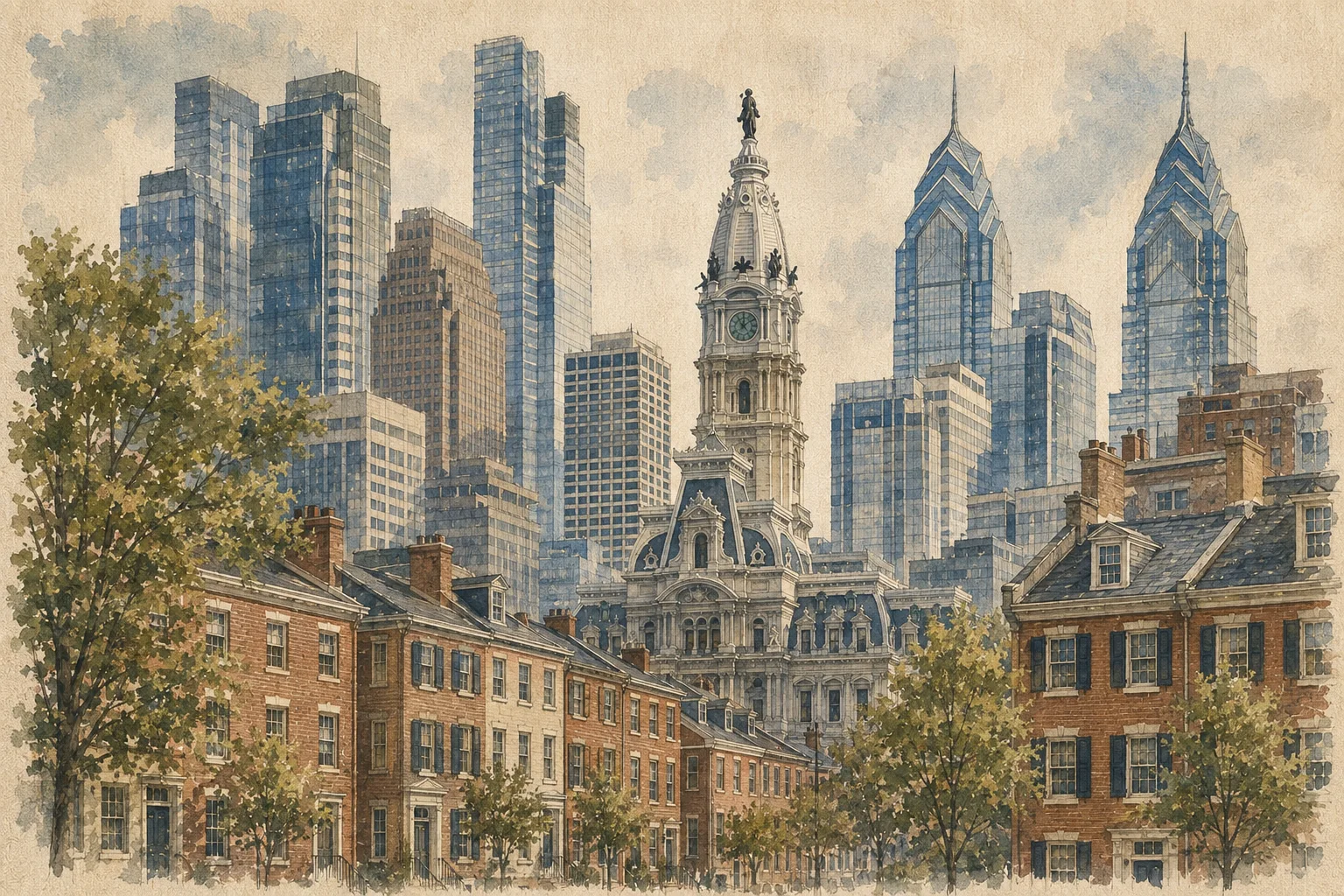
A little orientation
Give your Philadelphia move three clear stages
Before the move
Look up the property and settle questions about access, repairs, and the handover.
For move day
Check the City's current instructions if you need street space for a moving truck or container.
For the first week
Look up collection arrangements and agree on bin storage and shared-space responsibilities.
A closer look
Which stage are you planning?
Choose the next part of the move and collect the details needed to make it concrete.
Check the home you will enter
Use the City's property tools to review the Philadelphia address before the handover. Ask about unresolved work, entry arrangements, and who to contact, then plan to photograph the home's condition before unpacking or cleaning so later questions have a clear starting record.
A useful questionWhat needs a clear answer before I take the keys?
Source & next step ↗Arrange the unloading space
Read the City's current temporary no-parking application instructions if your move needs reserved street space. Gather the actual address, vehicle or container details, and intended date, then coordinate the building's loading access separately rather than assuming a permit settles every part of arrival.
A useful questionWhat street and building arrangements does this particular move require?
Source & next step ↗Set up the household routine
Look up the new home's collection arrangements through the City and check any relevant guidance for your circumstances. Ask the property contact about bin storage and shared duties, then put the practical details beside your unpacking list so waste and entrances stay manageable.
A useful questionWhere will the bins live, and who handles collection?
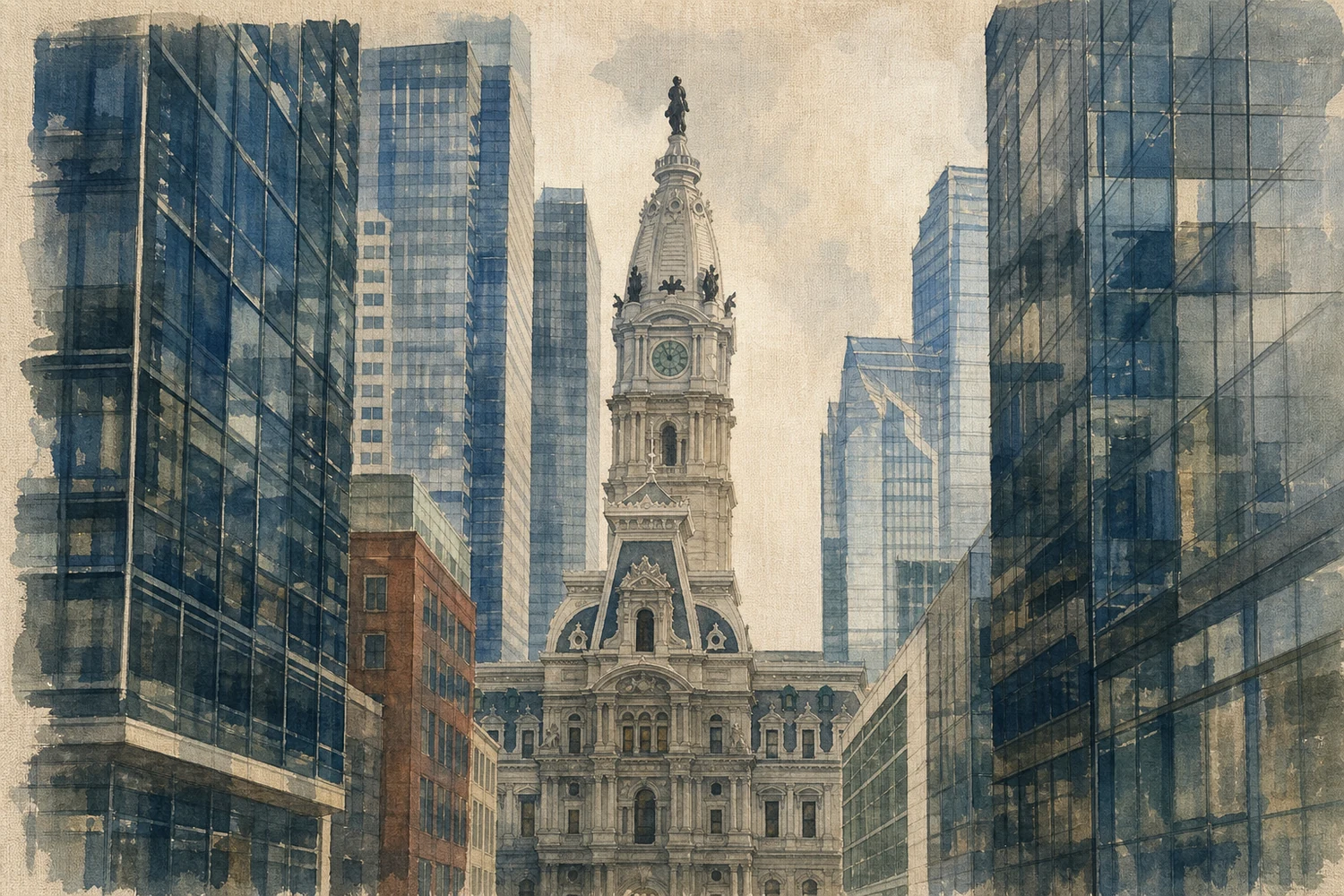
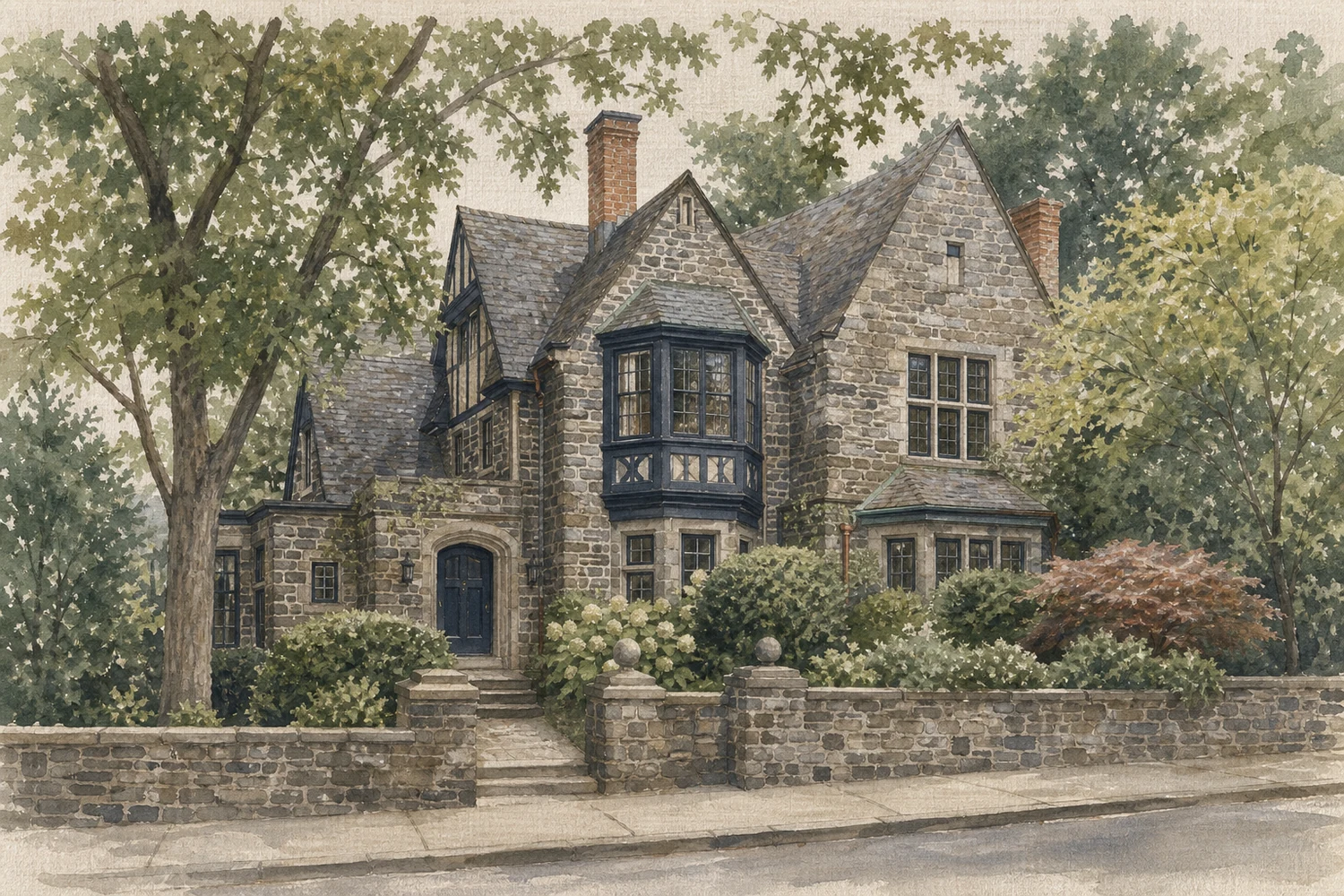
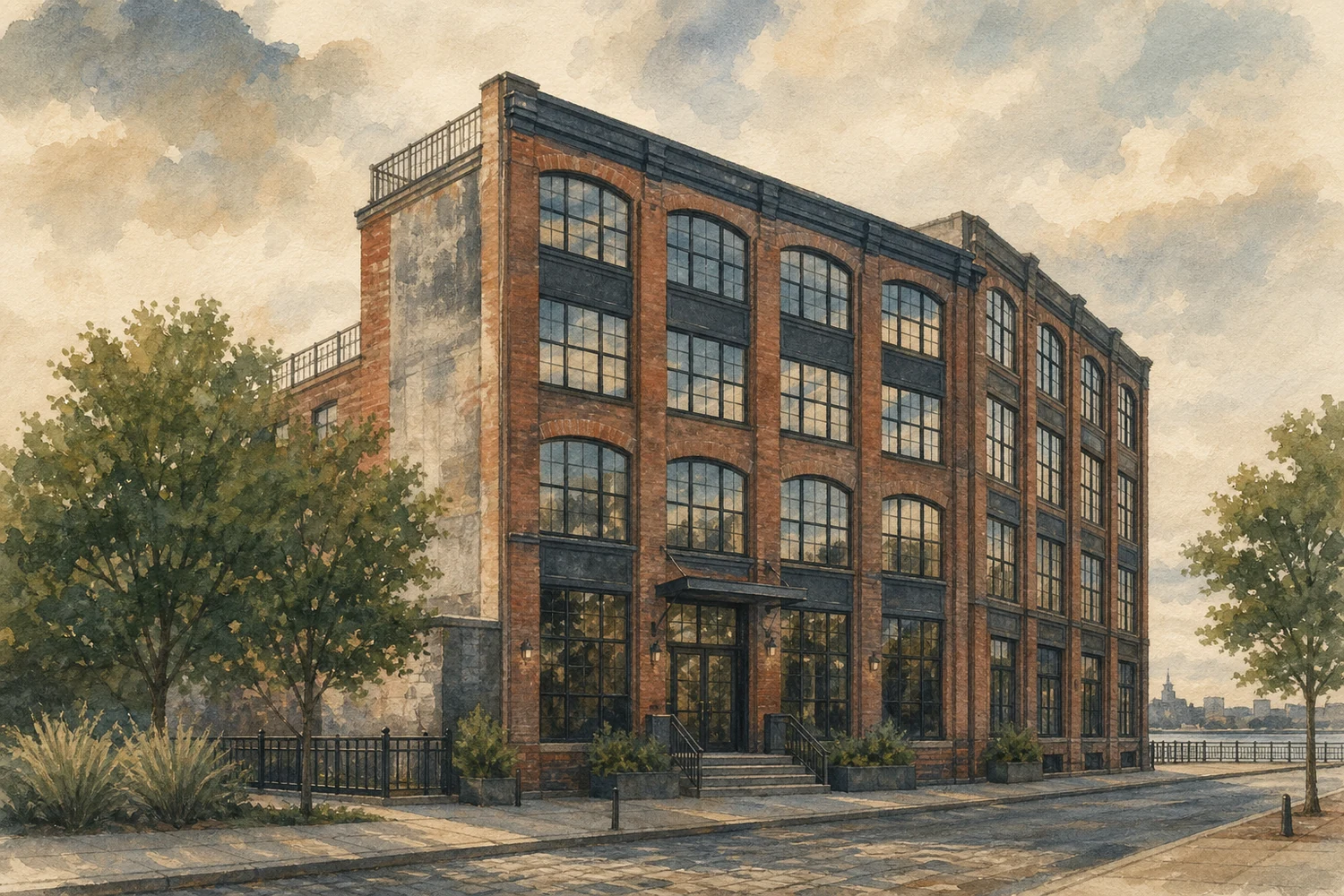
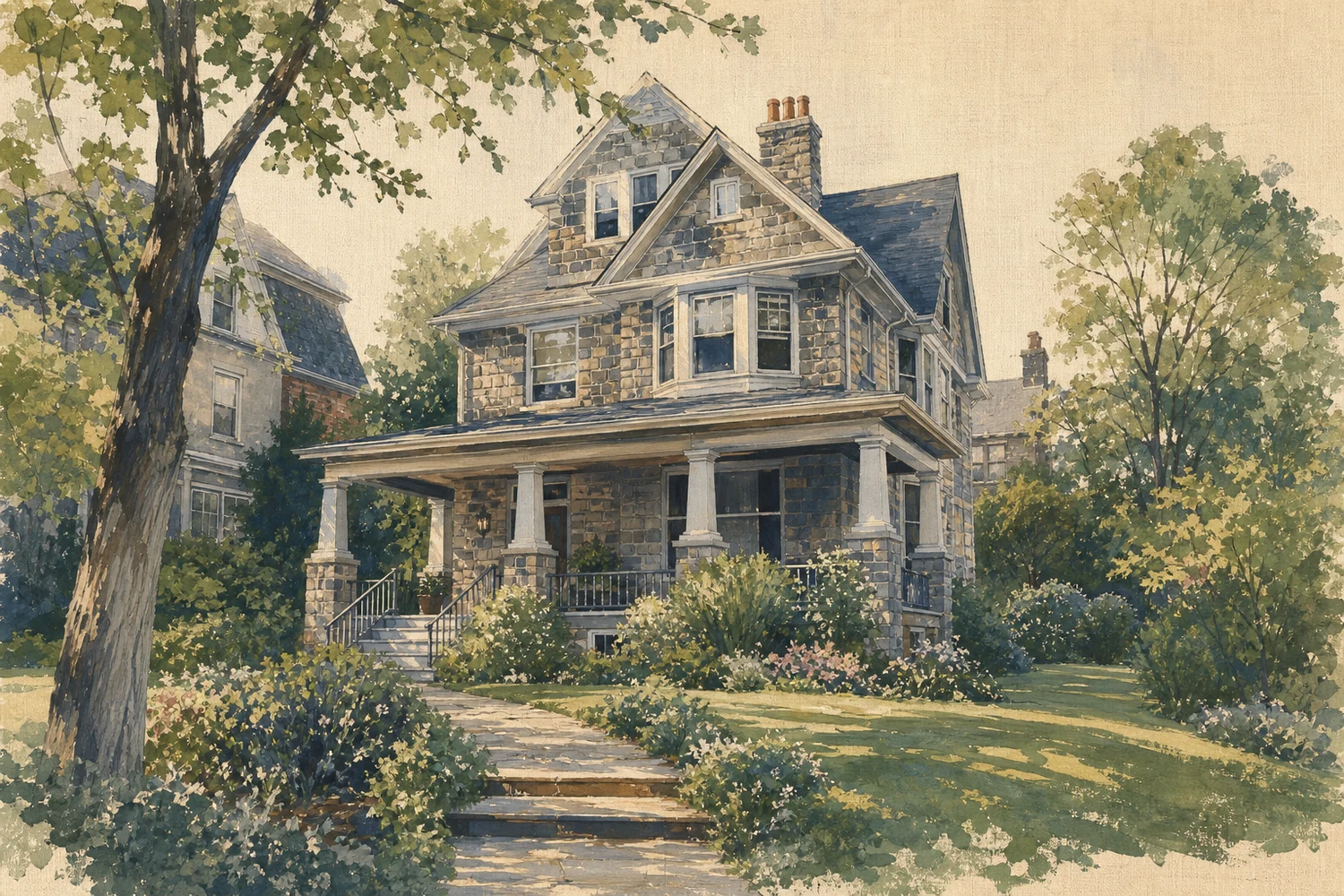
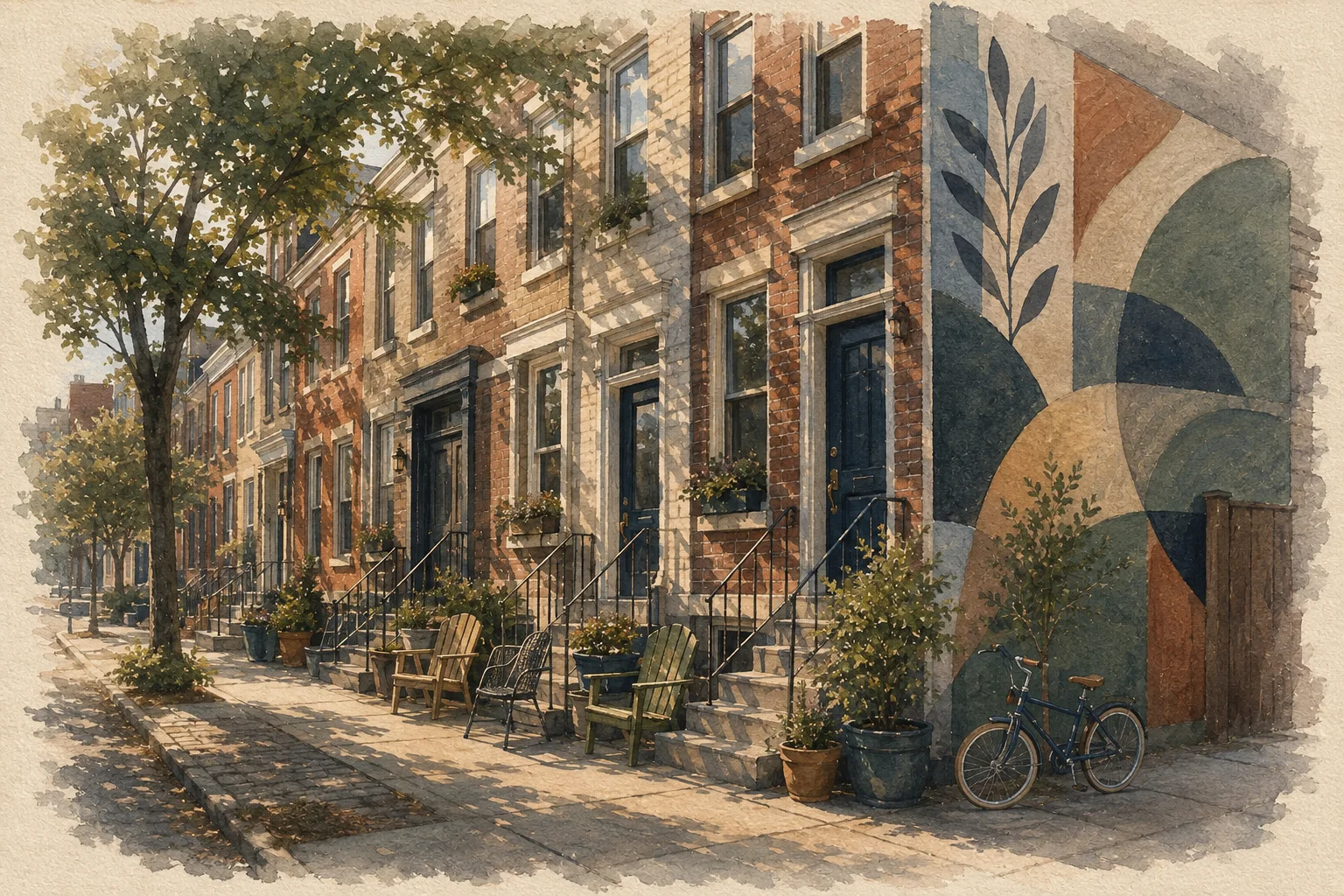
Source & next step ↗Philadelphia housing runs from Center City condos and South Philly rowhouses to the stone Victorians up in Chestnut Hill. People unpack boxes here for the first time every week: excited, nervous, a little unsure of what they just signed up for. If you’re moving to Philly, you’ve probably heard two kinds of stories: the “it’s so cheap!” one, and the “don’t go past Broad Street at night” one. The truth, like most things here, sits somewhere in the middle.
City Snapshot: Philadelphia at a Glance
Median Rent: $1,650 per month
Median Home Price: $300,000
Cost of Living: 5 percent below the national average
Walk Score: 79 / 100 – very walkable core
Average Commute: 32 minutes
Population: 1.6 million
Philadelphia at a glance
The guide's own 2025 snapshot, as it reported it — not a current market reading.
Why People Move to Philadelphia
People come here for all sorts of reasons, but most stay for the same one: it feels real. Philly doesn’t try to be something it’s not. You’ll pay maybe half what you would in New York, you’ll actually know your neighbors, and you’ll still be close enough to take a train to DC or Brooklyn when you miss the chaos.
The biggest surprise for newcomers is how neighborhood-based life is. Saying you live in “Philly” doesn’t mean much, what matters is where. Fishtown and Queen Village might be two miles apart but feel like different cities. That’s why people fall in love with their corner of it and defend it like family.
Remote workers have quietly made Philly their base, too. Philadelphia residents generally owe the city’s Wage Tax on wages regardless of where they work. If an employer is not required to withhold it, the resident generally pays the equivalent Earnings Tax directly. That’s a big deal on the East Coast.
Beyond money, it’s culture that pulls people in. Philly’s food scene has exploded. Not just the fancy stuff but the mom-and-pop kitchens in South Philly and the hidden BYOBs in Passyunk. There’s art on every block, from murals under I-95 to the galleries in Old City. And the job market’s steadier than outsiders think: healthcare, universities, tech, and the startup crowd growing around Comcast’s tower all keep the city working.
Ask a longtime resident why they stay and you’ll hear something like, “because it’s Philly.” That usually means it’s messy, crowded, a little stubborn, but also loyal in a way no other city is. Once you figure out how to cross Broad Street without losing your patience, you’ll understand.
What It Really Costs to Live in Philly
Here’s the short version: Philly gives you big-city life without the big-city price tag, but that doesn’t mean it’s cheap. You’ll pay less for rent and groceries than in New York or DC, but your salary will probably be lower, too. The balance works if you’re smart about where you live and how you spend.
Most newcomers are surprised by how far their money actually goes here. A decent one-bedroom apartment in a good neighborhood averages around $1,650 per month. If you want something nicer, say a modern spot near Rittenhouse or Northern Liberties, you’re looking closer to $2,000 or more. In more local, lived-in neighborhoods like West Philly, Port Richmond, or Manayunk, you can still find spaces under $1,300 if you’re willing to compromise on newer finishes.
Groceries are manageable, utilities can bite in winter, and parking, if you have a car, will test your patience. Philly’s heat bills climb fast in those gorgeous old brownstones with single-pane windows. Expect to pay around 5 percent less than the national average overall, but with a few budget surprises: city wage tax (3.735 percent for residents, effective July 1, 2026), pricey parking tickets, and water bills that fluctuate depending on your building setup.
Compared to other East Coast cities, the difference is dramatic. You can live in a walkable, historic neighborhood here for what you’d pay for a windowless studio in Manhattan. Philly rewards people who don’t mind a little character with their cracks, the kind of person who can see charm in uneven floors and old radiators.
The line items newcomers miss
Wage Tax and SEPTA figures are current; the remaining figures are as the 2025 guide reported them.
Choosing a Neighborhood That Fits
Philly isn’t one city. It’s a patchwork of small towns stitched together. Every neighborhood has its own pulse, accent, and reputation. You could move three blocks and suddenly find yourself paying a different rent, shopping at a new corner store, and rooting for another block’s rec-league team. Here’s the honest breakdown by vibe, not marketing.
For Young Professionals
If you want walkability, cafés, and nightlife, start in Fishtown, Northern Liberties, or Graduate Hospital. Fishtown is artsy and a little chaotic. Tattoo studios next to craft breweries and a lot of dogs. Northern Liberties has mellowed from its edgy days but still has that creative streak, while Graduate Hospital is filled with new condos and young families biking to Rittenhouse. Rents hover around $1,700–$1,900 for one-bedrooms.
For Families
Families tend to gravitate toward Chestnut Hill, Mount Airy, and Queen Village. Chestnut Hill feels suburban, with big yards, old trees, and neighbors who actually know each other’s names. Mount Airy has that same green, community-oriented vibe but with more diversity and affordability. Queen Village keeps you closer to the city’s heart. Historic rowhouses, excellent schools, and streets quiet enough for strollers. Expect $2,000–$2,400 for a solid home in these areas.
For Affordability
If you’re watching your budget, look at Manayunk, Port Richmond, or West Philadelphia. Manayunk sits along the river, with steep hills, great views, and a student-professional mix that keeps it lively. Port Richmond is quietly transforming, with rehabbed rowhomes still under $1,300. West Philly, especially near University City, is full of character and old architecture, though quality varies block to block.
You can also check out our contribution to RentCafe.com’s guide for the top things to do in Philadelphia for new students. We’ve talked about our favorite recommendations, highlighting the fun (and also budget-conscious) destinations for freshmen (but not only). Whether you are a local or you’re just moving to Philadelphia, you should check out RentCafe.com’s piece for insight from us and other fellow Philadelphians.
For Luxury Living
If you want high ceilings, concierge service, and skyline views, Rittenhouse Square, Old City, and Society Hill are your zones. These are Philadelphia’s crown jewels, polished, historic, and unmistakably high-end. Expect $2,800–$3,500 for one-bedroom condos overlooking Rittenhouse Square or tucked behind cobblestone alleys in Old City. Society Hill mixes old-money charm with modern restoration, where Georgian townhomes meet Tesla chargers.
Choosing a neighborhood that fits
The guide's own breakdown by vibe, not marketing — with the rent ranges it quoted in 2025.
For young professionals
Fishtown · Northern Liberties · Graduate HospitalWalkability, cafés and nightlife. Fishtown is artsy and a little chaotic. Northern Liberties has mellowed but keeps its creative streak. Graduate Hospital is new condos and young families biking to Rittenhouse. The guide quoted $1,700–$1,900 for one-bedrooms.
For families
Chestnut Hill · Mount Airy · Queen VillageChestnut Hill feels suburban, with big yards and old trees. Mount Airy has the same green, community-oriented feel with more diversity and affordability. Queen Village keeps you closer to the city's heart, with streets quiet enough for strollers. The guide quoted $2,000–$2,400.
For affordability
Manayunk · Port Richmond · West PhiladelphiaManayunk sits along the river with steep hills and great views. Port Richmond is quietly transforming, with rehabbed rowhomes the guide put under $1,300. West Philly is full of character and old architecture, though quality varies block to block.
For luxury living
Rittenhouse Square · Old City · Society HillHigh ceilings, concierge service and skyline views. Society Hill mixes old-money charm with modern restoration. The guide quoted $2,800–$3,500 for one-bedroom condos.
Finding a Place (and What to Watch For)
If you’re house-hunting in Philly, do yourself a favor: don’t believe every listing photo. The city’s housing stock is old, quirky, and inconsistent. A “newly renovated” apartment might mean a fresh coat of paint over century-old plaster. Always tour in person if you can.
The typical rental process here is straightforward: most landlords ask for first month, last month, and a security deposit. That’s a lot upfront, so plan your cash flow accordingly. Credit checks are standard, and some smaller landlords will still ask for pay stubs or references instead of long applications.
If you’re browsing online, Zillow, Apartments.com, and PadMapper are solid starts. Facebook Marketplace is surprisingly active, especially for short-term or sublets, but it’s also where most scams live. Craigslist is still alive in Philly, but it’s hit or miss, lots of fake listings, though you can still find hidden gems.
When touring, pay attention to the small stuff:
- Test the water pressure: Philly’s old pipes can turn a shower into a drizzle.
- Ask if heat is included: oil or gas bills can easily hit triple digits in winter.
- Check outlets and lighting: rewired rowhomes aren’t always up to code.
- Look at the windows: if they’re original, you’ll feel every draft by January.
Parking can be a make-or-break issue, too. Many buildings in Center City and South Philly don’t include parking, and street parking rules are a sport of their own. Pay attention to signs and don’t ignore street-cleaning days unless you like $51 tickets.
Pro tip: walk the block before you sign anything. You’ll learn more from 10 minutes on foot than an hour on Zillow. Listen for noise, check for nearby bus routes, and see who’s hanging out at the corner. In Philly, it’s the micro-vibe and not the ZIP code that decides how you’ll actually feel living there.
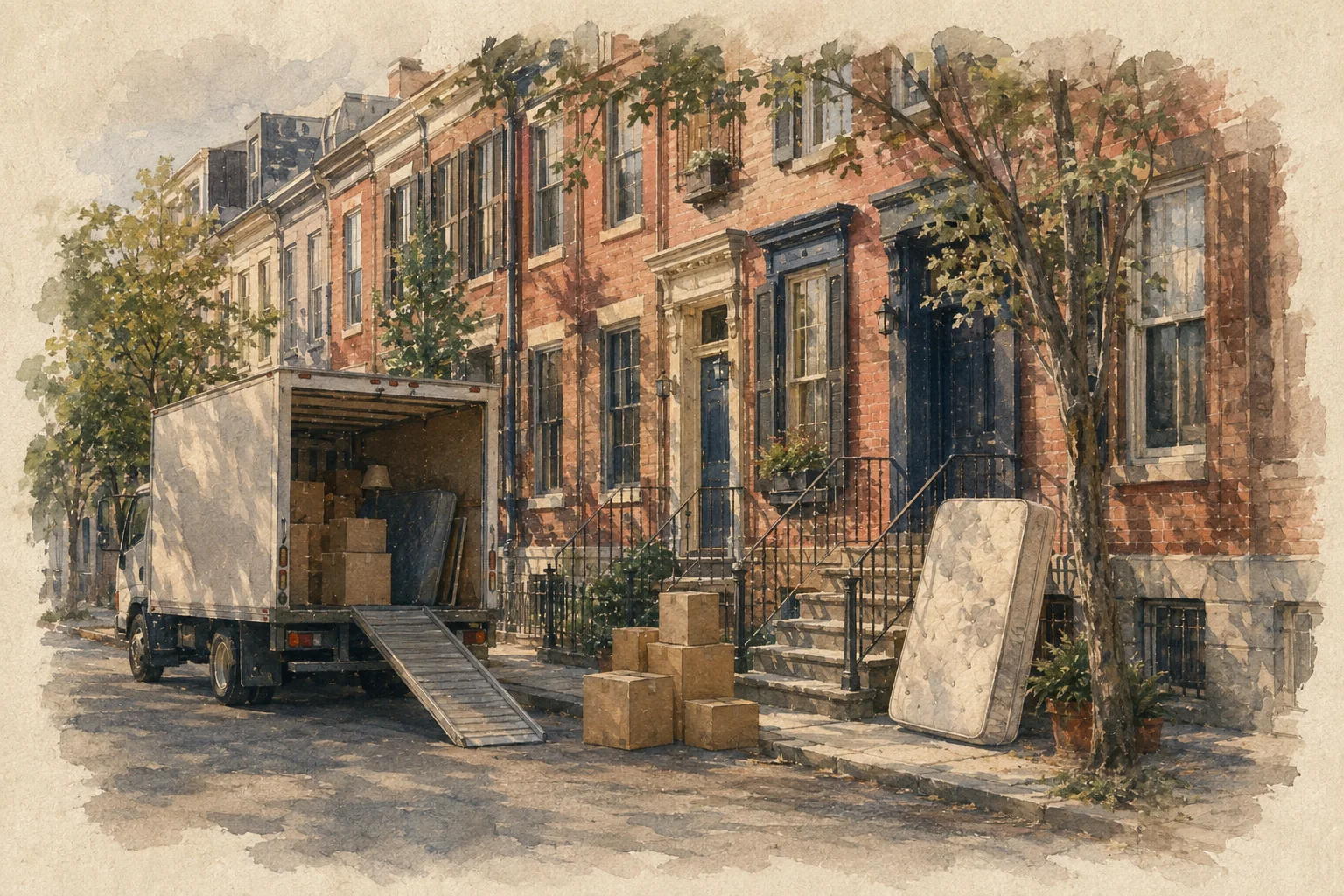
Getting Around Philly (Without Losing Your Sanity)
If you’re coming from a city with spotless subway stations or hyper-efficient trains, reset your expectations now. Philly’s SEPTA system works. It just has personality. SEPTA Bus and Metro rides are $2.90, and the Monthly TransPass+ is $116. Check SEPTA’s current fare table before budgeting because fares can change. The stations aren’t fancy, but they’re reliable enough if you time things right.
The Regional Rail connects the city to the suburbs and the airport, which is a lifesaver if you ever need to commute to a job outside Center City or visit friends in the Main Line. Regional Rail fares range from $5 to $13 depending on the trip and payment method.
Philly’s a walking city at heart. In most neighborhoods, errands, cafés, and grocery stores are within ten minutes on foot. But the city can feel patchy. You might go from cobblestone charm to boarded-up rowhouses in the same block. Walk with awareness, especially late at night in less-lit areas.
Owning a car here is a mixed blessing. You’ll want one if you live farther out, Mount Airy, Roxborough, or the Northeast, but in Center City, parking is its own dark art. Street sweeping tickets start at $51, and parallel parking on a South Philly block the width of a broomstick will test your patience.
Philly’s bike scene has grown fast. The Indego bike-share is everywhere ($17 a month unlimited 30-minute rides), and there are miles of protected lanes now, especially around the Schuylkill River Trail and West Philly. Just don’t leave a nice bike locked outside overnight unless you want to file a police report by morning.
Bottom line: in the city’s core, you can live comfortably without a car. Outside of it, public transit thins out, and you’ll start checking Zipcar or praying for parking.
Jobs and the Local Economy
Philly’s job market doesn’t sparkle like New York’s, but it’s steady and diversified. The biggest employers are hospitals, universities, and research centers, all of which have been here forever and keep the economy humming even in downturns. The “eds and meds” sector dominates: Penn Medicine, Jefferson Health, CHOP, Temple, and Drexel form a web of opportunities in healthcare, education, and research.
Tech is growing, slowly but surely. Comcast’s headquarters looms over Center City and anchors a cluster of startups around University City and Northern Liberties. Wages for most office jobs sit between $45K and $90K, depending on experience. Senior roles break six figures, but this isn’t a high-salary town compared to Boston or DC. You trade a bit of paycheck for lifestyle: lower rent, shorter commutes, and the ability to actually buy a house before you turn forty.
Finance and law remain steady industries here, though many firms operate hybrid setups with clients up and down the East Coast. And while remote work reshaped everything, Philly quietly benefits from it: plenty of people now live here but work for companies elsewhere, pocketing a big-city salary while paying Philly prices.
One more real-talk note: Philly hustles differently. People here work hard, but there’s less obsession with titles. It’s a “get-the-job-done and grab a beer after” culture. If you bring a little humility and some grit, you’ll fit right in.
Weather: The Good, The Bad, and the Muggy
You’ll experience all four seasons, sometimes in one week.
Spring (March-May): This is Philly showing off. Trees bloom along Kelly Drive, café patios reopen, and temperatures hover in the 60s and 70s. It rains just enough to make everything green again, so invest in a decent umbrella.
Summer (June-August): Hot. Humid. Sometimes miserable. You’ll want central AC or at least two window units. Temperatures can climb into the 90s with humidity that makes you question your life choices. On the upside, it’s festival season with block parties, beer gardens, and concerts at the Mann Center.
Fall (September-November): The city’s best stretch. Temperatures drop into the 60s and 70s, the air clears, and Fairmount Park turns gold. Everyone’s outside again before winter hits.
Winter (December-February): Cold but manageable. Expect highs in the 30s and 40s °F, with the occasional snowstorm that shuts down schools and delights everyone under ten. Older rowhomes leak heat, so layer up and budget for higher utility bills.
Philly’s weather teaches you adaptability. You’ll swap sandals for snow boots in a month, and no one will blink. Keep a coat, a rain shell, and sunglasses by the door year-round. You’ll probably use all three in the same day.
All four seasons, sometimes in one week
What each stretch is actually like here, and what the guide tells you to do about it.
Philly showing off. Trees bloom along Kelly Drive, café patios reopen, and temperatures hover in the 60s and 70s. It rains just enough to make everything green again.
The move · Invest in a decent umbrella. Spring is also one of the two best times to move.
Hot, humid, sometimes miserable. Temperatures can climb into the 90s with humidity that makes you question your life choices. On the upside, it is festival season.
The move · Get central AC, or at least two window units. Avoid moving in July or August — humidity and pricey moving trucks.
The city's best stretch. Temperatures drop into the 60s and 70s, the air clears, and Fairmount Park turns gold. Everyone is outside again before winter hits.
The move · Move in fall if you can. It is the other window that avoids sweltering summers and icy streets.
Cold but manageable. Highs in the 30s and 40s, with the occasional snowstorm that shuts down schools. Older rowhomes leak heat.
The move · Layer up and budget for higher utility bills. Winter moves are cheaper, but snow and narrow rowhome streets make hauling boxes a nightmare.
Culture and Lifestyle: What Philly Really Feels Like
Philly’s culture doesn’t shout at you. It seeps in slowly. You start to notice it when a stranger holds the door at Wawa, or when a group of neighbors spends twenty minutes debating where to get the best cheesesteak. It’s a mix of old-school grit and modern creativity that makes it hard to leave once you’ve settled in.
The food scene here has range. You can spend $200 at Zahav or twenty bucks for the city’s best roast pork sandwich at John’s in South Philly. You’ll find James Beard Award winners and no-frills bars serving life-changing wings, sometimes on the same block. And brunch isn’t a trend here; it’s a weekend ritual, especially around Center City, Passyunk, and Fishtown.
For the arts, Philly punches above its weight. The Philadelphia Museum of Art, Barnes Foundation, and Mütter Museum are world-class, but it’s the smaller stuff that gives the city character. Local galleries in Old City, jazz at Chris’ Jazz Café, and mural-lined alleys that turn your commute into a gallery walk. The city’s Mural Arts Program is one of the largest in the world; there are over 4,000 murals scattered across neighborhoods, each telling a piece of local history.
Then there’s the sports culture, which is basically a religion. Eagles, Phillies, Sixers, Flyers, it doesn’t matter which one you follow, you’ll learn to care. Game days are electric, and even if you don’t know the rules, tailgating in the stadium lots feels like a rite of passage. Just don’t wear a Cowboys jersey. Ever.
The best part about Philly’s lifestyle is how neighborhood-driven it is. Each area has its own mini culture. South Philly has the tight-knit, family feel where neighbors still sweep their stoops. West Philly has that creative, slightly chaotic energy from the universities and artists who’ve made it home. Fishtown and Northern Liberties are where the nightlife and coffee shops never sleep. And in Chestnut Hill or Mount Airy, life moves slower, leafy, calm, with people who still wave when you walk by.
Philly doesn’t care where you came from as long as you show up authentically. It’s a city that rewards consistency over flash, curiosity over pretension. If you can handle its imperfections, it gives you back something rare. Community that feels earned, not bought.
Safety and Crime: The Honest Talk
Let’s not sugarcoat it. Philly’s crime rate is higher than the national average, and yes, you’ll see some rough edges. But the numbers don’t tell the full story. Crime here is highly localized, often concentrated in specific blocks that most residents never go near. The reality is, you can live a perfectly safe and happy life here if you stay aware and use common sense.
Tourist-heavy areas like Rittenhouse Square, Old City, Society Hill, and Center City are generally very safe. So are family areas like Chestnut Hill, Mount Airy, and Queen Village. Neighborhoods such as Fishtown, Graduate Hospital, and Manayunk are busy and well-lit, fine for walking at night, especially in main corridors.
Locals know the block-by-block rule. One street can feel perfectly fine, the next can feel tense. Always check recent neighborhood maps or even Reddit threads before signing a lease.
That said, Philly’s community watch culture is strong. Neighbors look out for each other. People talk, share Ring footage, and post updates on Facebook groups faster than any local news outlet. Most crimes are crimes of opportunity. Unlocked cars, visible packages, bikes without locks. Keep your head up, lock your doors, and you’ll be fine.
If you’re coming from a city like Chicago or New York, Philly won’t feel unsafe, just rougher around the edges. The difference is that people here will actually tell you if you’re in the wrong spot. It’s a city that’s blunt because it cares.
Making the Move: A Practical Checklist for a Smooth Landing
Moving to Philly isn’t hard. But it’s the small details that separate a smooth move from a chaotic one. Here’s what actually matters, from someone who’s helped hundreds of people unpack in every corner of the city.
Two to Three Months Before the Move:
Start by visiting. Walk the neighborhoods you’re interested in, not just the main streets but the side alleys and corners. Philly changes block to block. Spend a weekend exploring spots like Northern Liberties or Queen Village, and see what feels right. Start budgeting for movers, deposits, and utilities; remember, most landlords want first, last, and a security deposit upfront.
One Month Before:
Lock down your lease and set up utilities early. Electric runs through PECO, gas through PGW, and water through PWD. Internet is usually Comcast/Xfinity (or Verizon Fios in some areas). Forward your mail through USPS, and if you’re bringing a car, plan to register it with PennDOT and apply for residential parking permits through the Philadelphia Parking Authority — they’ll save you countless tickets.
Move-In Week:
Schedule a deep clean before unpacking. Philly’s older apartments hide dust, paint chips, and long-forgotten corners. If you’re not into scrubbing someone else’s baseboards, Hometress offers move-in cleaning in covered Philadelphia ZIP codes. They know how to handle the quirks of hundred-year-old rowhomes and make new places feel truly new.
Once you’re in, test everything. Outlets, windows, radiators, water pressure. Meet your neighbors (they’ll tell you when trash pickup actually happens). Locate your nearest grocery store, pharmacy, and Wawa. And if you’re taking public transit, grab a SEPTA Key card right away.
Your First Month:
Register to vote, find your favorite coffee shop, and explore your block on foot. Philly opens up when you walk it. Join your local Facebook group or Nextdoor page; it’s the fastest way to stay in the loop on events, parking changes, or community clean-ups.
You’ll start to feel settled when you realize how walkable everything is, how you can grab coffee, hit the farmers’ market, and catch a show without ever needing a car. That’s the Philly rhythm: local, close-knit, and full of small surprises around every corner.
Frequently Asked Questions About Moving to Philadelphia
Is Philadelphia expensive?
Compared to New York, DC, or Boston? Not even close. A one-bedroom here averages around $1,650 a month, while the same space in Manhattan can hit $3,500 or more. Philly’s secret is value. You can still live downtown, walk to everything, and have money left for a decent brunch and a museum membership. Just budget for parking tickets, rising utility costs, and the occasional surprise from the city wage tax.
Do I need a car?
If you’re living in Center City, Rittenhouse, Old City, or University City, absolutely not. You’ll walk more here than you expect, and SEPTA covers most routes you’ll need. For Northwest, Northeast, or parts of South Philly, having a car helps, especially if you’re hauling groceries or commuting outside the city. But prepare for tight parking and signs that seem written to trick you.
Is Philadelphia safe?
Yes and no. It’s block by block. Neighborhoods like Rittenhouse, Society Hill, Chestnut Hill, and Queen Village are generally safe, well-lit, and family-friendly. Other areas can get sketchier after dark. Crime exists, but most locals go years without serious issues by staying alert, avoiding known trouble zones, and not leaving valuables visible in cars. Philly is a city that expects street smarts, not paranoia.
What’s the best neighborhood for young professionals?
Fishtown, Northern Liberties, and Graduate Hospital lead the pack. They’re lively, packed with restaurants, and walkable to downtown. You’ll pay around $1,700–$1,900 for a good one-bedroom but get community vibes that feel like Brooklyn without the burnout.
What’s the best neighborhood for families?
Chestnut Hill, Mount Airy, and Queen Village. All have strong schools, parks, and tree-lined streets where you’ll actually know your neighbors. Chestnut Hill feels suburban but still SEPTA-connected; Mount Airy is diverse and friendly; Queen Village keeps you close to everything without the late-night noise.
How’s the job market?
Strong in healthcare, education, and tech. The pay may trail coastal rivals, but cost of living balances it out. Penn Medicine, Jefferson Health, Comcast, and University of Pennsylvania are major employers. Remote workers thrive here. You can live affordably in Philly while working for a company based in NYC or DC, skipping the grind of those cities while keeping their salaries.
When’s the best time to move?
Spring or fall, you’ll avoid sweltering summers and icy streets. July and August mean humidity and pricey moving trucks. Winter moves are cheaper, but snow and narrow rowhome streets can make hauling boxes a nightmare.
Make it yours
Your Philadelphia moving checklist
A short list to turn what you read into your own next steps.
Saved checks stay on this device when browser storage is available. This is a personal planning list, not a property inspection or professional assessment.
A few good questions
Before you make a plan.
Do you need a car in Philadelphia?
When is the best time to move to Philadelphia?
Sources & next steps
Useful advice should
show its working.
These resources support the reader tools above and help you check details for your own address, date, or plans.
- City property and zoning lookup
Opens the City's address-based zoning and permit tools.
- City temporary no-parking application
Current City instructions cover reserving street space for a residential move.
- City collection-day lookup
Look up collection arrangements for a specific address and check holiday changes.
The City source covers street-space arrangements; buildings may have separate access requirements. This checklist does not give legal advice or quote deposit rules, permit fees, or processing guarantees.
Keep exploring