A little orientation
Compare the Mount Airy week you would actually live
Look up school assignment
Use the School District's address tools and contact the school about programs rather than relying on neighborhood reputation.
Name the rail service
Compare specific stations and services from your home instead of assuming every nearby rail option works the same way.
Choose a park entrance
Plan the approach to a named Wissahickon entrance, including the return trip.
A closer look
Choose your Mount Airy priority
Start with the decision that matters most to your household.
Use the actual address
Start with the School District's enrollment and school-finder tools using your prospective Mount Airy address. If C. W. Henry or another school interests you, check assignment and contact it about the program you need rather than treating a neighborhood mention as eligibility.
A useful questionWhich school and program should I confirm for this address?
Source & next step ↗Compare the stations carefully
Enter your Mount Airy home and regular destination into SEPTA's planner. Write down the specific station and service for each option, then compare the walking sections and journey home at your normal times before deciding which connection suits your week.
A useful questionWhich station and return service fit my ordinary schedule?
Source & next step ↗Make the approach part of the outing
Choose a named entrance through Friends of Wissahickon's visiting information and trace the route from your Mount Airy starting point. Plan a modest walk with an easy turning point, then check current information before deciding how much more to add.
A useful questionCan I reach this entrance comfortably from the home I am considering?
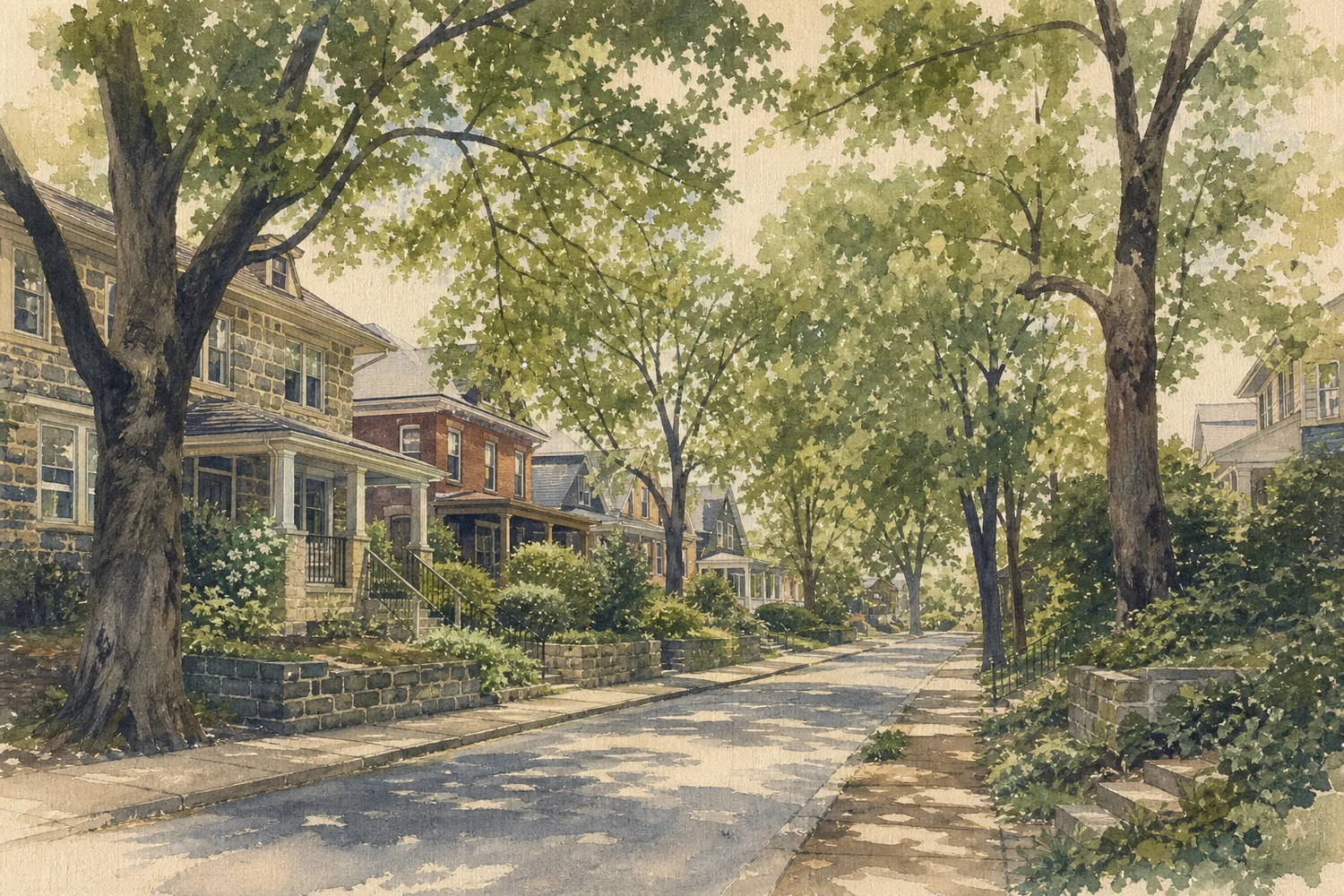
Source & next step ↗Mount Airy has a way of capturing people from the moment they step onto its tree lined blocks. It is peaceful, historic, and unmistakably community driven, and it offers a balance that many Philadelphia neighborhoods cannot match. This guide looks at how the neighborhood truly functions: the porch culture, the quiet residential energy, the morning bustle toward the regional rail, and the way families shape their routines around schools, playgrounds, and Wissahickon trails.
Mount Airy in One Look: The Goldilocks Neighborhood
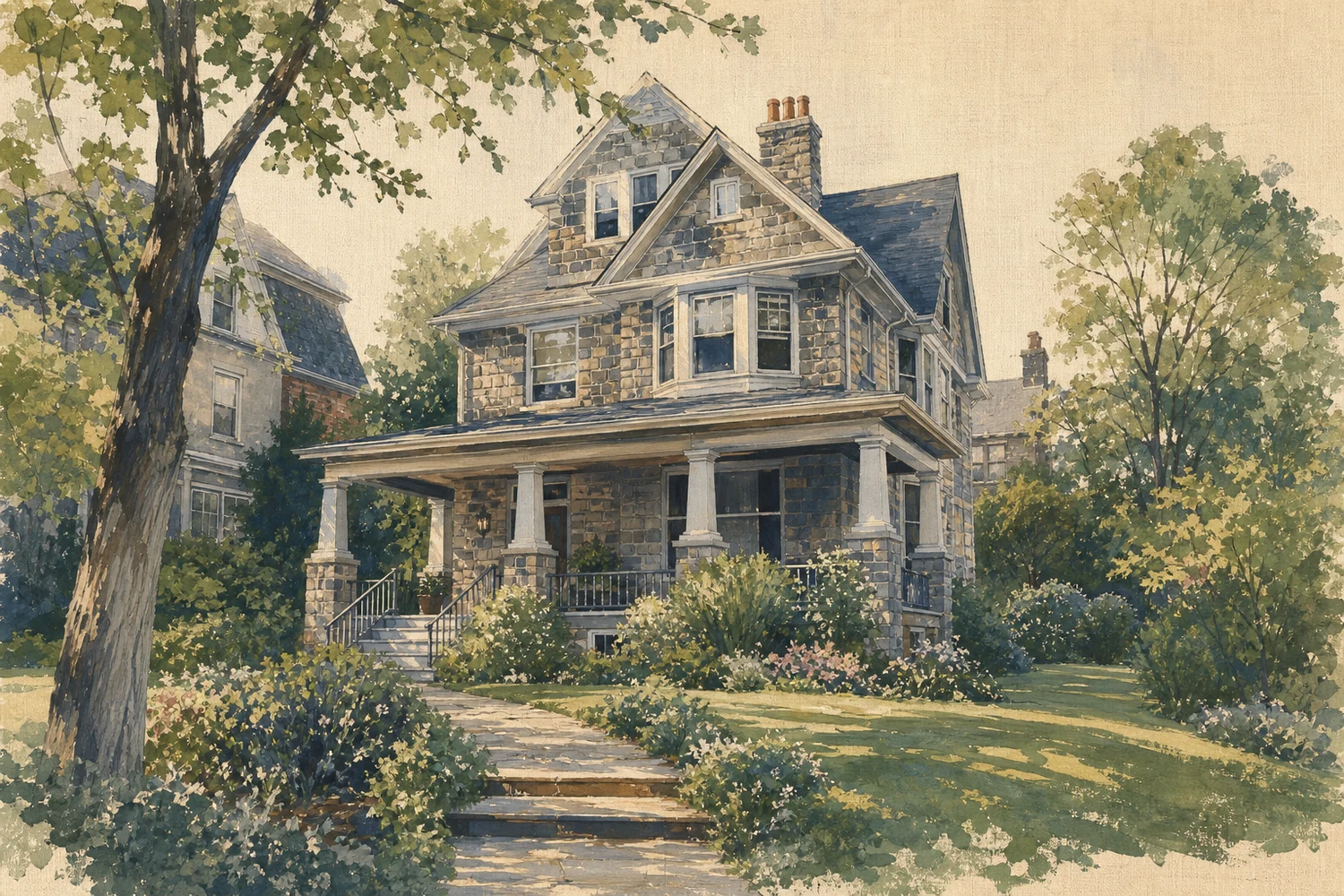
Mount Airy is the part of Northwest Philadelphia where people say they have finally found the middle ground they did not know existed until they lived here. It feels like a city neighborhood on paper, yet the first thing newcomers usually notice is how quickly the noise fades once they step off Germantown Avenue and into the tree canopy of the side streets. The blocks feel lived-in rather than curated, with older homes that give you wide porches, original stonework, tall trees, and long mornings where you can actually hear birds rather than traffic. It never gives you the tight brick rowhouse energy of South Philly and it never feels as manufactured as some of the newer developments further down the city. People come here because they want space, greenery, trains, and community without feeling cut off from the rest of the city.
There is an expectation that people who settle in Mount Airy are here for the long term. The neighborhood establishes its pace quickly. Neighbors wave, porch conversations happen without planning, and the rhythm feels steady even when the city feels chaotic. Tourists rarely drift far beyond Germantown Avenue, so the residential pockets stay protected from the kind of weekly foot traffic that defines other areas. That protective quality is exactly why locals call Mount Airy the Goldilocks neighborhood. It gives you breathing room without taking away the convenience that makes Philadelphia livable.
Where Mount Airy sits
The part of Northwest Philadelphia where people say they found the middle ground.
- Germantown Avenue
- Wissahickon Valley Park
- Allen Lane
- Weavers Way Co-op
Schematic · not to scale
How the Neighborhood Actually Works on the Ground
The moment you tell someone you live in Mount Airy, they ask which side. This is not gatekeeping. It is practical. West Mount Airy and East Mount Airy share a name but function differently on a day-to-day basis. West Mount Airy leans quieter, more polished, and more expensive. The streets stretch out wider, the porch culture is strong, the Co-op is nearby, and most of the blocks feel settled in a calm way. East Mount Airy has areas that feel just as charming, but it also has micro-pockets where residents pay closer attention to the time of day, especially around certain rec center zones or busy intersections. Learning the personality of each pocket is part of becoming a real Mount Airy resident.
You also learn quickly that people care deeply about boundaries. Areas near Wadsworth Avenue often get pulled into Mount Airy real estate conversations, and longtimers push back because they remember when those blocks were understood as Cedarbrook. You will occasionally see yard signs or community posts reminding newcomers that names matter. This is not pettiness. For residents, neighborhood identity ties into history, stability, and a sense of earned belonging.
Germantown Avenue runs through the center of everything and has the energy of a neighborhood main street. Restaurants, bars, murals, and small shops cluster there. Step one block away and life becomes instantly residential. You might hear kids on scooters, dogs on evening walks, and porch fans humming through the summer months. Life in Mount Airy always shifts depending on how close you live to the Avenue versus how deep you are within the side-street grid.
The first question anyone asks: which side?
West Mount Airy and East Mount Airy share a name but function differently day to day.
West Mount Airy
Quieter, more polishedWider streets, strong porch culture, the Co-op nearby, and most blocks settled in a calm way. Residents walk dogs late and jog early, especially in the pockets near Lincoln Drive, the train stations, or the wide tree-lined streets off Allens Lane. It is also the more expensive side.
East Mount Airy
Charming, and more situationalAreas that feel just as charming, plus micro-pockets where residents pay closer attention to the time of day. Afternoon brings families, school crowds and kids playing; late evenings can feel quieter or more unpredictable. Learning each pocket is part of becoming a real resident.
Germantown Avenue
The main streetRestaurants, bars, murals and small shops cluster here. Step one block away and life becomes instantly residential — kids on scooters, dogs on evening walks, porch fans humming through the summer months.
Daily Rhythm: What Changes by Day, Time, and Micro-Season
Mount Airy behaves differently on weekdays and weekends. Weekday mornings start early. Parents walk kids toward schools and playgrounds, early commuters head to the regional rail stations, and the Co-op eases into its morning routine with a very reliable crowd. By late afternoon, the neighborhood gets quieter as people settle into their routines. Evenings often feel calm unless there is a community meeting or an event along the Avenue.
Weekends bring an entirely different rhythm. The Wissahickon trailheads fill early with mountain bikers and runners. Brunch lines grow at Mt. Airy Breakfast and Lunch or Breakfast Boutique once it hits mid-morning. Germantown Avenue stays active throughout the afternoon with people drifting between bakeries, breweries, and small shops. Porchfest, Supper Sessions, Mount Airy Day, and other seasonal events can shift the entire mood of the neighborhood. On event days you can walk block after block and feel like you are in a small town festival inside a city.
Micro-seasons matter here more than newcomers expect. Spring brings unpredictable mud along the Wissahickon. Summer fills the porches but also brings mosquitoes into the shaded pockets. Fall is the neighborhood’s best weather window with colorful foliage and long walks along the Avenue. Winter slows everything down. The side streets get darker and snow changes the driving patterns on hilly blocks. Learning these rhythms helps you choose the right walking routes and plan errands around the natural flow of the neighborhood.
Micro-seasons matter here more than newcomers expect
Learning these rhythms helps you choose the right walking routes and plan errands around the natural flow of the neighborhood.
Unpredictable mud along the Wissahickon, and soft ground from rain on the trails.
The move · Spring rebuilds the outdoor routine as soon as the weather breaks.
Porches fill, but mosquitoes come into the shaded pockets and the trails run to heavy shade and thick vegetation.
The move · Porch fans hum through the summer months, and Pleasant Playground gets steady use, especially for younger children in warmer months.
The neighborhood's best weather window, with colorful foliage — and every trail turned into a leaf-covered backdrop.
The move · Take the long walks along the Avenue; this is the season people plan them for.
Everything slows down. The side streets get darker, snow changes the driving patterns on hilly blocks, and the trails carry icy patches.
The move · Playdates shift toward community spaces and indoor programs, and experienced locals navigate the icy trail patches carefully.
Getting Around: Trains, Buses, and the Parking Reality
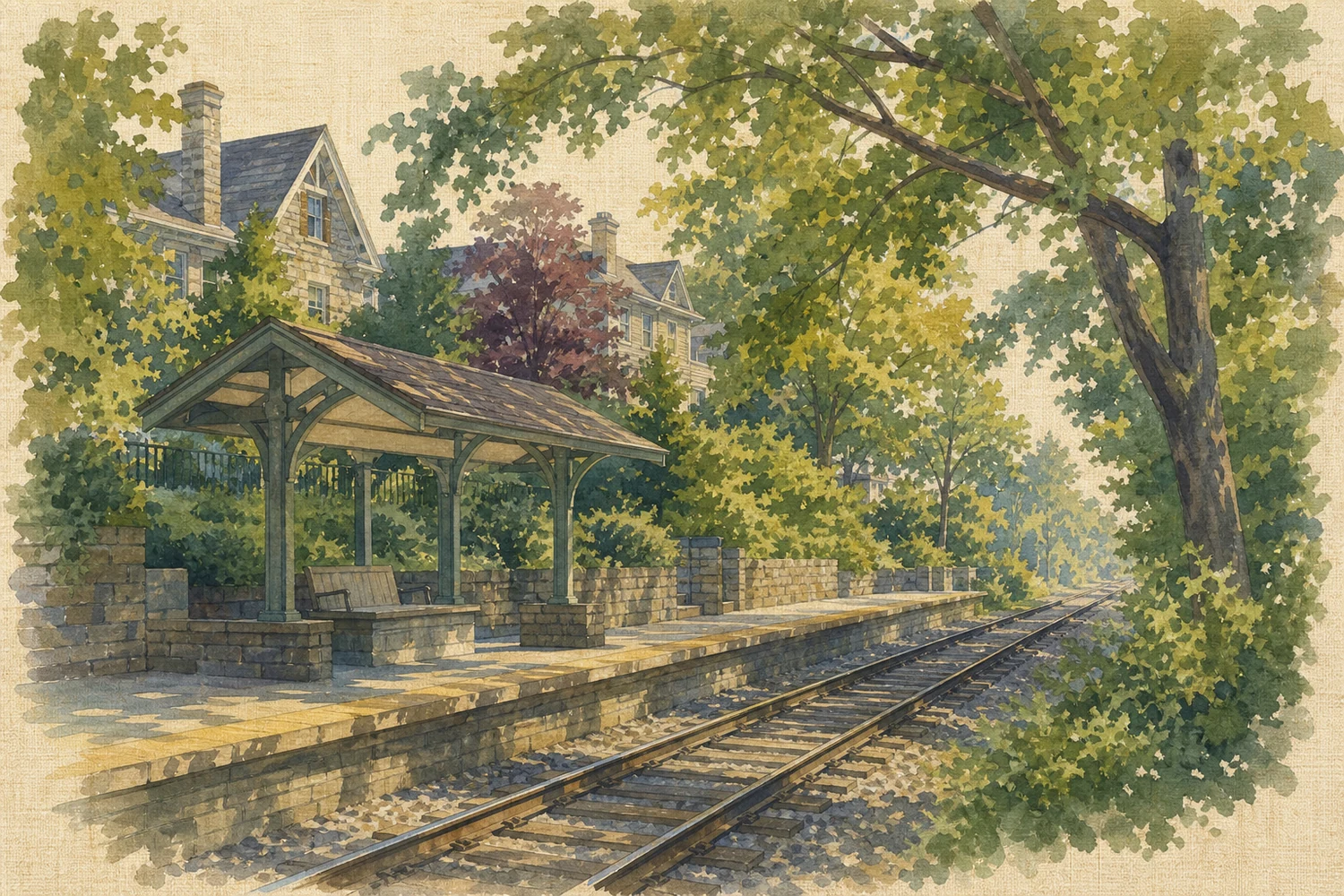
Mount Airy is easier to navigate when you understand how transportation actually works. For most residents, the regional rail is the backbone of daily life. Carpenter, Allen Lane, Upsal, and Sedgwick stations anchor the area. The trains carry commuters straight into Center City with a level of reliability that makes car-free mornings possible. People who have lived here a while often prefer regional rail over buses because the schedule is predictable and the trip feels safer and faster.
Nighttime is another story. Service gets less frequent, and returning home after social events in Center City or University City can involve long gaps between trains. Many people who rely on transit during the day use rideshare services at night to avoid long waits. This is simply part of the neighborhood routine.
Parking is not chaotic, but it becomes a real factor around Germantown Avenue during event days, evenings, and in areas with large residential buildings. Blocks near new CMX developments often fill quickly, and longtimers worry about the impact of additional units without additional parking. If you live near the Avenue, you learn which blocks open up first after dinner hours and which streets are always full by nine. Residents often place friendly reminders in their yards asking drivers to slow down, since speeding is a more common concern than congestion on the quieter streets.
Nature and Outdoors: The Wiss, Local Parks, and Everyday Wildlife
One of the reasons people stay in Mount Airy for years is how close it sits to the Wissahickon Valley Park. The most used trailheads are the ones that branch off the edges of West Mount Airy, where runners and bikers disappear into the wooded paths within minutes. The trails change personality by season. Spring brings soft ground from rain, summer brings heavy shade and thick vegetation, fall turns every path into a leaf-covered backdrop, and winter brings icy patches that experienced locals navigate carefully.
Inside the neighborhood itself, playgrounds and pocket parks shape family routines. Pleasant Playground gets steady use, especially for younger children in warmer months. Outdoor schedules shift as kids grow older, and families often rotate between different playgrounds depending on the time of year and what is happening elsewhere in the neighborhood.
Mount Airy also has its share of wildlife moments. Foxes are common, and residents sometimes worry when they see foxes showing signs of mange. There have been instances where neighbors attempted to treat wildlife themselves, and professionals in the area strongly discourage this practice. The fox conversations highlight the neighborhood’s mix of eco-minded care and well-intentioned overinvolvement. Life here always includes a mix of nature, community oversight, and the occasional reminder that not every issue needs a DIY solution.
The Human Web: Co-ops, Longtimers, and the Invisible Neighborhood Networks
Mount Airy functions through networks that outsiders never see at first glance. Some of these networks sit out in the open, like Weavers Way Co-op. The Co-op runs like a neighborhood engine. You see parents grabbing groceries between school pickups, retirees volunteering during morning shifts, and newcomers learning the unspoken etiquette of returning carts to the exact place they came from. The Co-op is where you overhear which block meeting is happening this week and where you notice a familiar face before you even learn their name.
But the deeper networks are online. Mount Airy Facebook groups, parent circles, gifting groups, and safety threads shape how information spreads. If you want to learn which playground has the best shade at four in the afternoon, someone will tell you. If a dog goes missing, a neighbor will post within minutes and ten more will respond before you can refresh the page. These spaces also host the occasional heated argument about development or neighborhood boundaries. They reveal which streets feel stable, which ones carry tension, and which topics hit a nerve for longtimers.
In Mount Airy people organize fast. A meeting at the recreation center can fill a room. A traffic concern can spark neighborhood discussions for weeks. When you live here long enough, you start to recognize familiar names across digital and real spaces. That recognition becomes the backbone of how the neighborhood stays connected.
Eating and Drinking in the Airys: The Spots Locals Trust and the Ones They Side-Eye
Mount Airy has a food scene that inspires strong opinions. You will meet people who swear by the breakfast joints and insist on visiting the same tables at Mt. Airy Breakfast and Lunch or Breakfast Boutique. The pancakes and potatoes have a well-earned reputation, and there is a weekend crowd that arrives early because they know the line grows fast.
On Germantown Avenue, the Mount Airy Tap Room has a loyal base that appreciates the rotating beer list and the comfort food that never tries too hard. The energy is steady and familiar. Earth Bread plus Brewery has a special place in the hearts of residents who like wood fired pizza and small batch brews. It is the kind of place where neighbors end up talking across tables because they recognize faces from school events or local meetings.
Not every spot earns the same loyalty. Some restaurants struggle with slow service or uncertain pricing, and locals are quick to point out which places feel inconsistent. There are delis where the orders come out wrong so often that residents keep them on a mental list of places to avoid on busy days. There is also a quiet habit of ordering takeout from other neighborhoods when options feel limited. Manayunk and Chestnut Hill often fill the gap when Mount Airy does not hit the mark.
The food scene works best when you treat it like a neighborhood puzzle. Some spots shine for breakfast, some for beer and flatbread, some only for specific days of the week. Locals rarely stick to one routine. They adapt based on wait times, weather, and which corner of Germantown Avenue has the better vibe that day.
The spots locals trust
Mount Airy has a food scene that inspires strong opinions. These are the ones that earn loyalty.
Mt. Airy Breakfast and Lunch
The pancakes and potatoes have a well-earned reputation. There is a weekend crowd that arrives early because they know the line grows fast.
Best for · a weekend breakfast you plan around
Breakfast Boutique
The other table people insist on. Brunch lines grow here once it hits mid-morning on weekends.
Mount Airy Tap Room
A loyal base that appreciates the rotating beer list and the comfort food that never tries too hard. The energy is steady and familiar.
Earth Bread plus Brewery
A special place in the hearts of residents. The kind of place where neighbors end up talking across tables because they recognize faces from school events or local meetings.
Weavers Way Co-op
Parents grabbing groceries between school pickups, retirees volunteering during morning shifts, newcomers learning the etiquette of returning carts to the exact place they came from. Where you overhear which block meeting is happening this week.
Housing Reality: Charm, Age, and the Apartment Truths No One Tells You
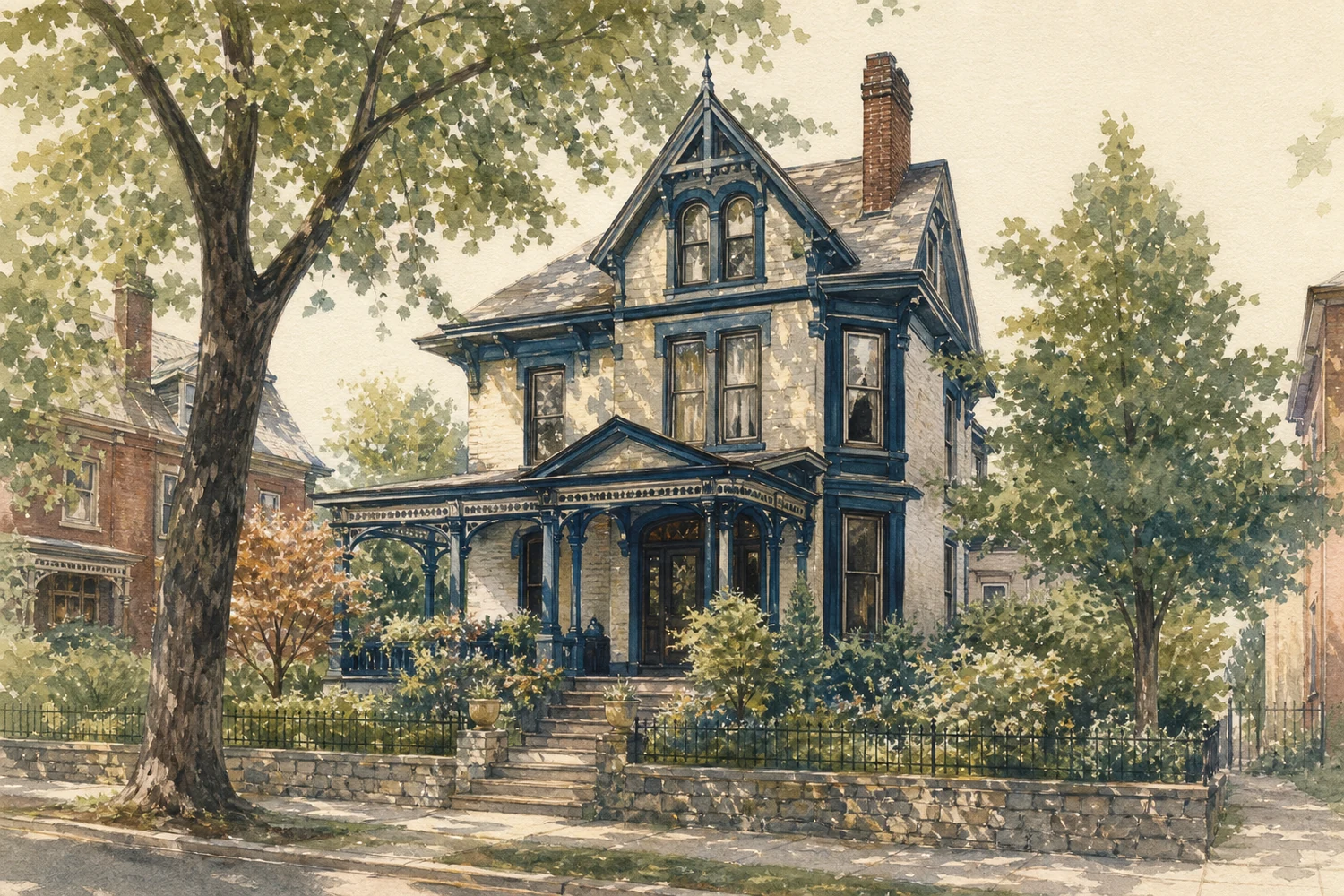
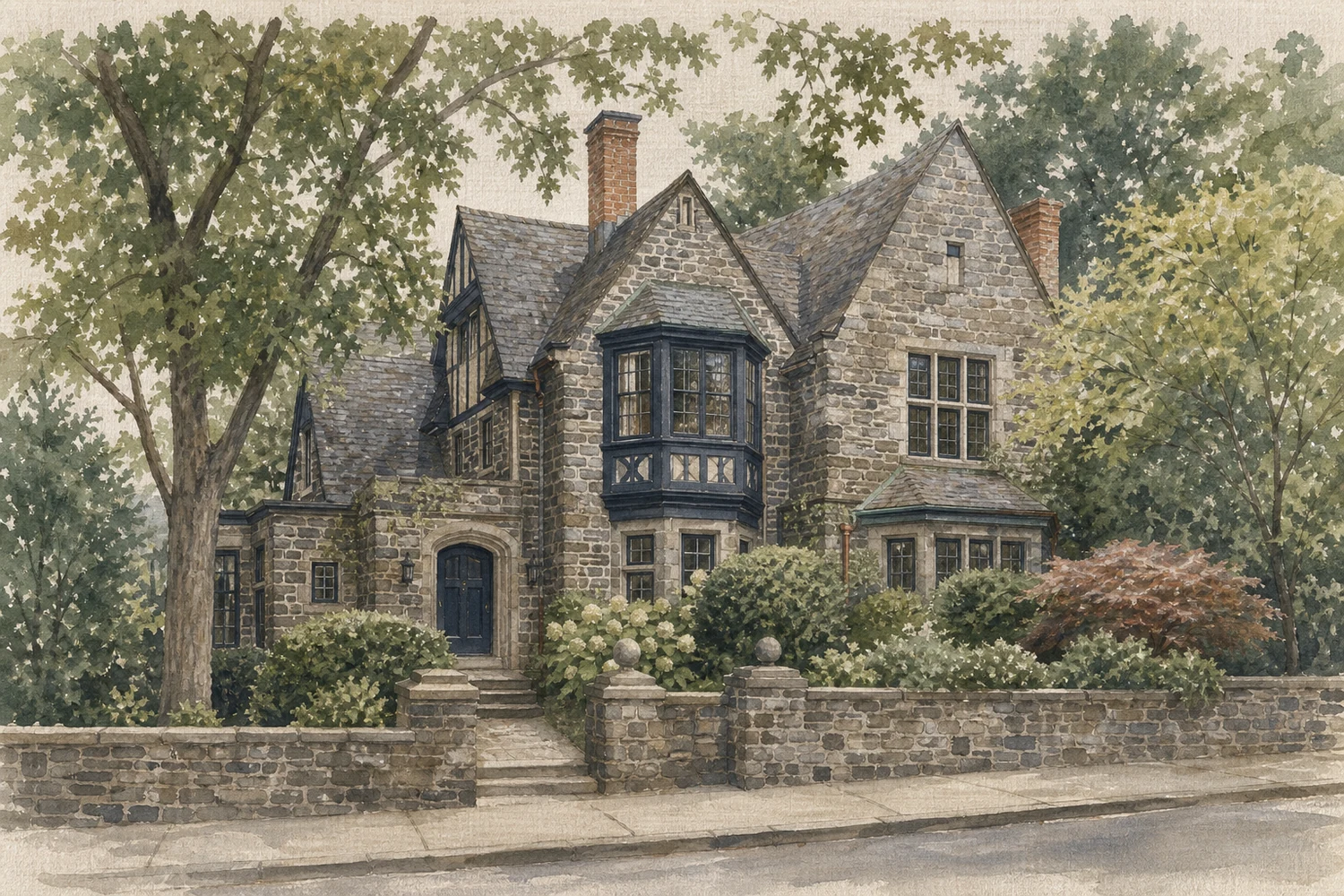
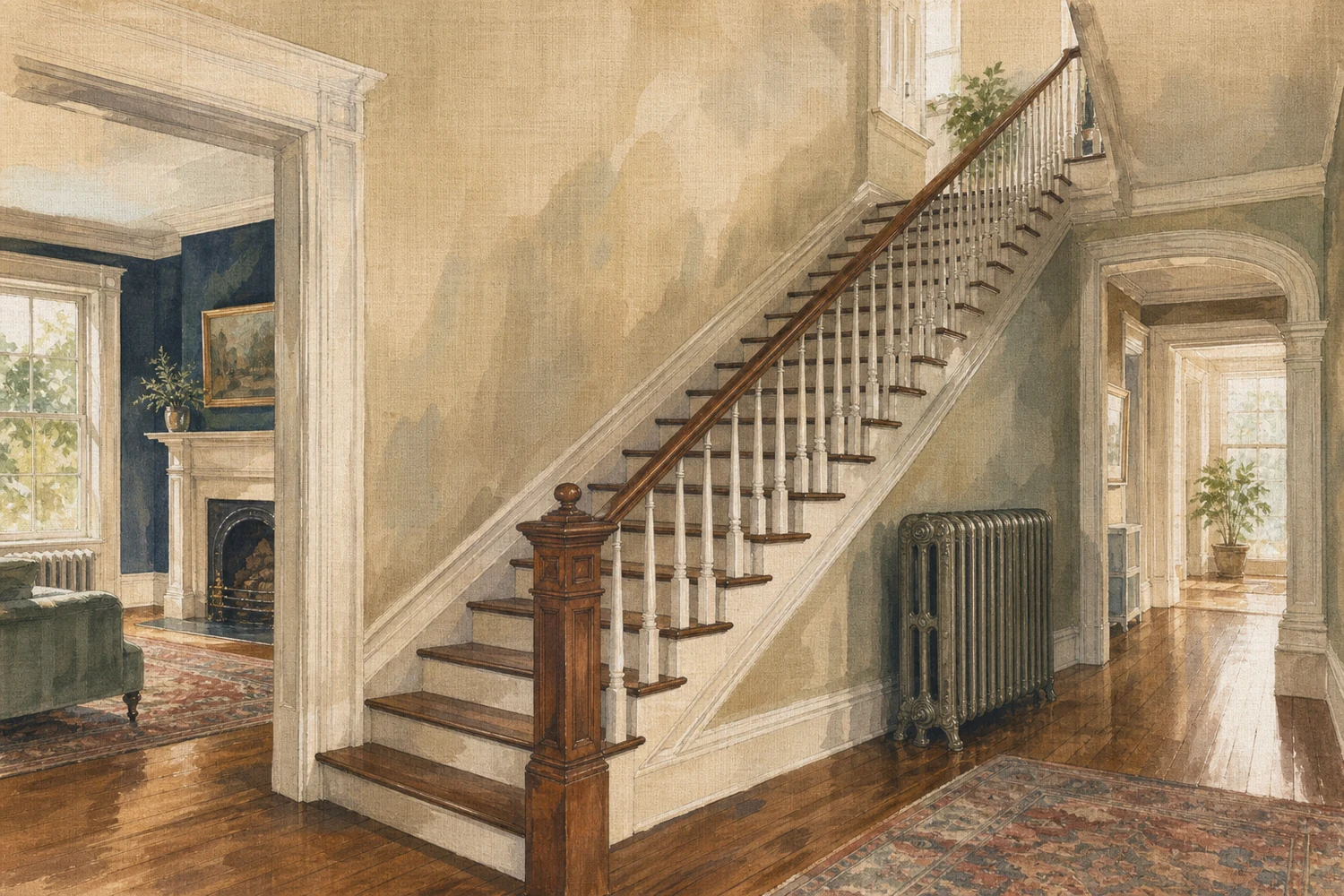
Moving to Mount Airy usually begins with falling in love with the houses. Stone facades, porch columns, deep yards, tree coverage, and interiors that reveal decades of character. But the charm comes with realities that matter more than the listings suggest. Many homes are old enough to require regular upkeep. Roofs, foundations, old radiators, and long staircases come with the territory. Residents who love the architecture also learn to budget for the quirks.
Apartment living has its own hyper-local complexity. Some older buildings have a reputation for inconsistent maintenance. Tenants talk about unclear communication, confusing move-out procedures, and repairs that take longer than expected. You often hear residents advising newcomers to tour buildings more than once, talk to people already living there, and check the safety record before signing anything.
New developments bring mixed feelings. Some residents welcome more housing near the train lines. Others feel that the buildings do not match the character of the surrounding blocks. Concerns about parking, scale, and tree loss come up frequently. The zoning debates can get intense, especially when new buildings sit next to long established residential pockets.
Choosing housing in Mount Airy is not just about finding the right address. It is about learning which buildings have stable management, which blocks stay quiet at night, which homes sit near busier intersections, and which areas carry legacy charm that residents work tirelessly to protect.
Raising Kids in the Airys: Schools, Playgrounds, and Real Family Routines
Mount Airy is a place where families settle because the area feels stable, green, and connected. Parents talk about the schools frequently, especially C. W. Henry and the surrounding catchment areas. Conversations become more detailed as kids grow older, with parents comparing after school programs, winter activity options, and which playgrounds feel safest at which times.
Playgrounds set the tone for family life. Pleasant Playground gets steady daytime traffic and becomes a warm weather gathering spot. The smaller pocket parks see more use from nearby blocks, especially during the late afternoon surge when kids return from school. Seasons matter too. Winter pushes families inside and shifts playdates toward community spaces and indoor programs. Spring rebuilds the outdoor routine as soon as the weather breaks.
Parents often use online groups to coordinate childcare swaps, ask about summer camp waitlists, or troubleshoot specific concerns on a street by street level. These conversations reveal how deeply interconnected family life is here. You feel supported because someone always has an answer. You feel informed because someone always knows the details of what happened at the rec center or at the school meeting.
Family life in Mount Airy works because the neighborhood makes room for it. The porches, the parks, the schools, and the community groups all act as extensions of each other. Over time, the place starts feeling less like a neighborhood and more like an extended network of households working in sync.
When the Neighborhood Turns Into a Festival: Events, Rituals, and the Art of Local Tourism
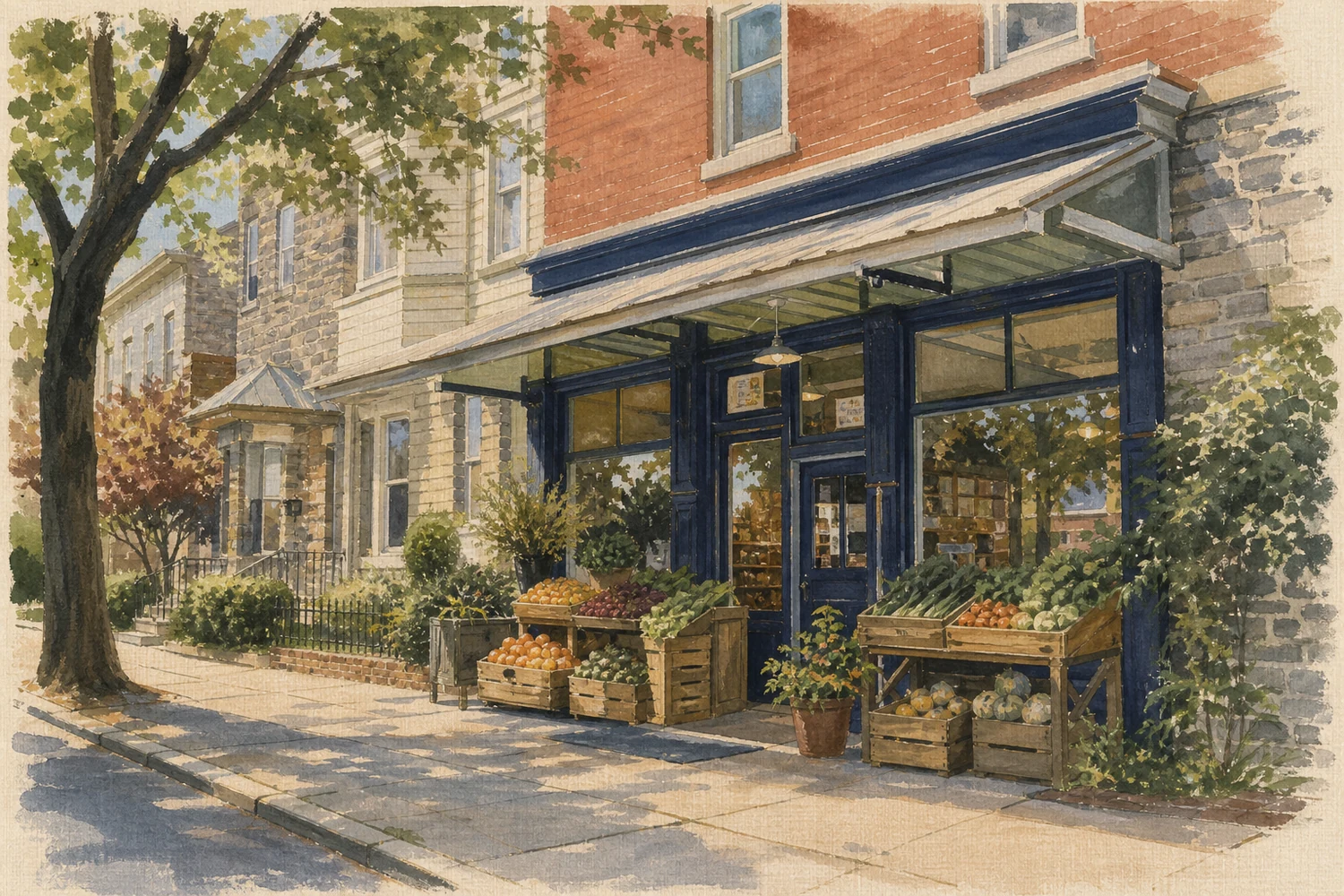
Mount Airy has moments when it feels less like a city neighborhood and more like a small town that suddenly bursts into celebration. Porchfest is the clearest example. On those days, porches become stages, sidewalks become seating, and even the quietest blocks turn lively in a way that feels entirely organic. You can walk from one porch to another and hear jazz, folk, family bands, and teenagers practicing sets they have been working on all year. Residents drift between homes, carrying folding chairs or strollers, and the entire community feels woven together.
Germantown Avenue becomes its own attraction during Supper Sessions, Restaurant Week, and the neighborhood street fairs. On these evenings the Avenue fills with food stalls, open patios, friends greeting each other across crosswalks, and children weaving through the crowd with snacks in their hands. Businesses put up lights, musicians perform on sidewalks, and people who rarely leave the side streets spend hours exploring the center of the neighborhood.
Mount Airy Day is another signature tradition. It is a chance for longtime residents and newcomers to share the same space and remember why the neighborhood matters. There are tables promoting local groups, food from nearby kitchens, and activities that stretch across entire blocks. Even when people have concerns about development or safety, the events remind everyone that community life outweighs the debates.
Local tourism has started to grow, especially with the Meet Me in Mt Airy map. This map guides visitors through the Co-op, bakeries, cafes, parks, art studios, theaters, and hidden spots that residents want to protect but also want others to appreciate. It is not tourism in a commercial sense. It is an invitation to experience the neighborhood through the eyes of the people who shape it every day.
The Goldilocks Test: How to Know if Mount Airy Fits Your Life
Mount Airy might be the perfect fit for some and a challenging match for others. The best way to understand whether it suits you is to look at your daily habits and your expectations for neighborhood life.
If you love quiet tree lined blocks, long walks on wooded trails, lively seasonal events, and the balance between urban convenience and suburban calm, you will likely feel at home here. People who appreciate porch culture, neighborhood routines, and a community that knows itself well tend to settle comfortably. If you enjoy local cafes, independent shops, and a strong sense of pride in shared spaces, the neighborhood will welcome you easily.
If you prefer dense nightlife, walkable late night transit, and a constant rotation of restaurants, you might find yourself leaving the neighborhood often. Mount Airy’s pace slows dramatically in the evenings, especially on the residential side streets. You will enjoy the food and drink scene if you like reliable comfort spots, but it will not give you the variety you may find in other parts of the city.
The best way to test Mount Airy is to spend two full days living the way locals do. Start with a morning visit to the Co-op, then walk one of the trail entrances that residents use most. Eat brunch at a neighborhood staple and then spend the afternoon wandering Germantown Avenue. Return at night and walk the same block you visited earlier so you can see how it shifts after dark. The next day, follow the community map, stop into the bookstores and cafes, and if there is an event or meeting happening, attend it. By the end of those two days, you will know whether the neighborhood’s rhythm matches your own.
Mount Airy is not perfect, but it is purposeful. It asks you to slow your pace, learn the micro patterns of daily life, and engage with the community as it truly is. If that sounds like the kind of place where you could build a life, then the Goldilocks nickname may start to make sense.
The Goldilocks test
The best way to understand whether it suits you is to look at your daily habits and your expectations for neighborhood life.
- You love quiet tree lined blocks, long walks on wooded trails, and lively seasonal events.
- You want the balance between urban convenience and suburban calm.
- You appreciate porch culture, neighborhood routines, and a community that knows itself well.
- You enjoy local cafes, independent shops, and a strong sense of pride in shared spaces.
- You prefer dense nightlife and walkable late night transit.
- You want a constant rotation of restaurants — the food scene rewards reliable comfort spots, not variety.
- You expect evening energy; the pace slows dramatically after dark, especially on the residential side streets.
- You need frequent late trains — service gets less frequent at night, and long gaps are part of the routine.
Make it yours
Your Mount Airy comparison notes
A short list to turn what you read into your own next steps.
Saved checks stay on this device when browser storage is available. This is a personal planning list, not a property inspection or professional assessment.
Sources & next steps
Useful advice should
show its working.
These resources support the reader tools above and help you check details for your own address, date, or plans.
- School District enrollment tools
Find the District's school finder and enrollment guidance; no school ranking is implied.
- SEPTA trip planner
Compare transit journeys using your actual stops, date, and departure time.
- Friends of Wissahickon visit planner
The park steward's starting point for maps, access, and visiting information.
These links do not rank schools or establish admission to a program. Store availability, rail arrangements, and park conditions should be checked for the visit you plan.
Keep exploring