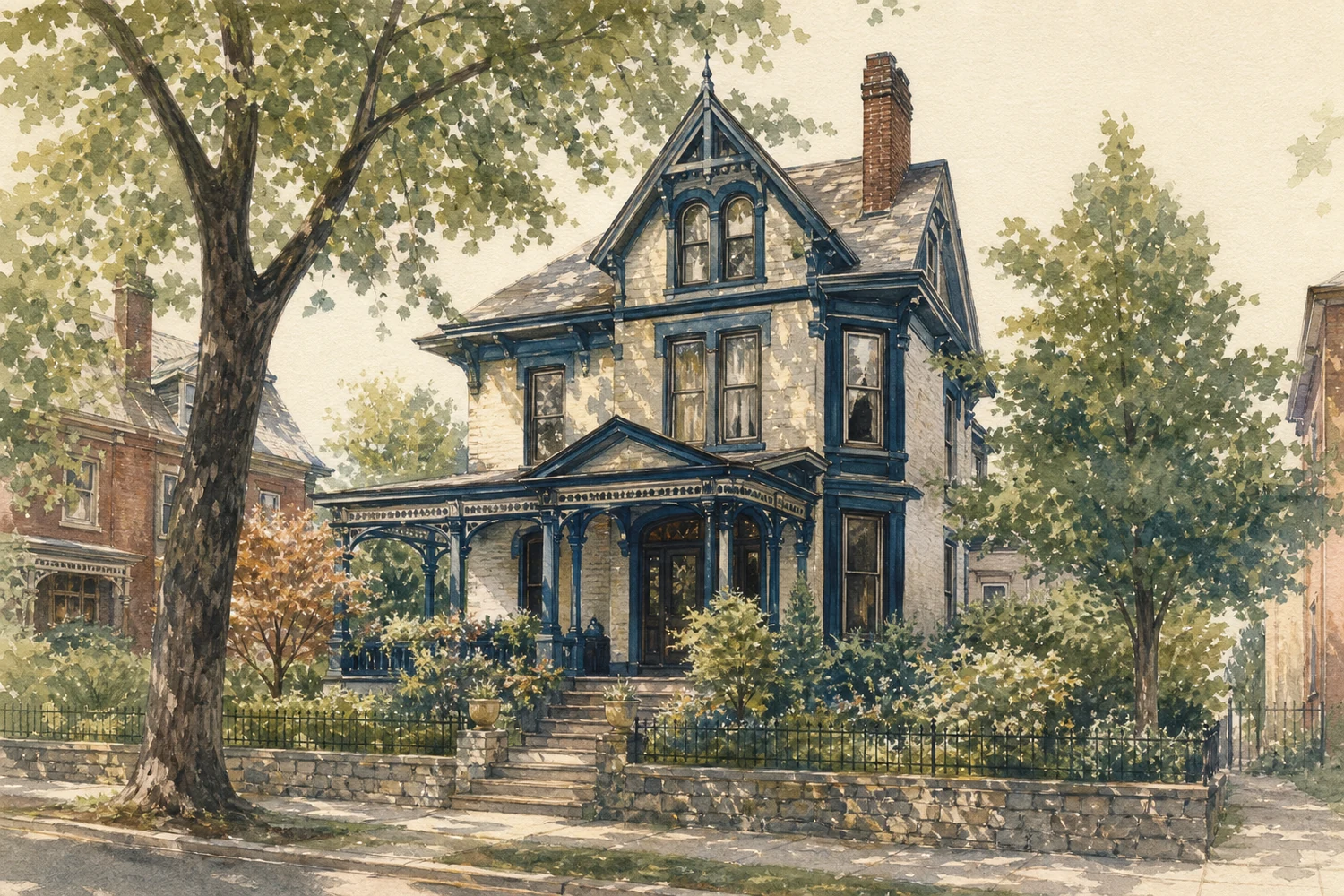
A little orientation
Plan a Germantown history visit with time to listen
Choose one main site
Confirm a visit before trying to fit several historic houses into the same day.
Read the operator's interpretation
Use the site's own historical and educational material to prepare questions for the visit.
Ask about access
Check tour arrangements, entrances, and any needs in your group directly with the site.
A closer look
Where would you like to begin?
Choose a historic site from the guide and turn it into a visit you can actually arrange.
Start with the site's own questions
Read Cliveden's visitor and interpretation pages before choosing a tour or program. Note one question about the people and history presented, then confirm the visit arrangements directly so your time on site has room for learning rather than rushing onward.
A useful questionWhat question would I like to bring to this visit?
Source & next step ↗Arrange a visit with a clear purpose
Open Johnson House's visit information and contact the site about the tour you have in mind. Share your group size and access needs, then read its account of the Underground Railroad history before adding another Germantown destination to the day.
A useful questionWhat should our group know before arranging a tour?
Source & next step ↗Choose the house, garden, or program
Use Wyck's own site to identify the visit or program that interests you and check how it is arranged. Ask which spaces are included for your date, then leave time to explore that choice without assuming every part is always accessible.
A useful questionWhich part of Wyck is included in the visit I choose?
Source & next step ↗Germantown Philadelphia: Where History Actually Lives
Germantown runs from Victorian mansions near Cliveden to rowhouses along Chelten Avenue. It isn’t trying to be a tourist attraction. It just happens to be one of the most historically significant places in America that people still actually live in.
Where Germantown sits
- Germantown Avenue
- Wissahickon Valley Park
- Cliveden
- SEPTA Chestnut Hill East/West lines
Schematic · not to scale
What Makes Germantown Different
This isn’t Old City, where history is preserved behind velvet ropes and admission fees. In Germantown, 300-year-old buildings house corner stores. Revolutionary War battle sites sit on blocks where kids play basketball. Underground Railroad safe houses are neighbors to family-owned soul food spots that have been here for decades.Located eight miles northwest of Center City (20 minutes via SEPTA’s Chestnut Hill line), Germantown offers something rare: authentic Philadelphia history without the crowds, mixed with a thriving Black-owned business scene, 50+ miles of forested trails in Wissahickon Valley Park, and home prices that won’t make you cry.
Here’s what you actually need to know—from people who are in this neighborhood every single day.
Germantown isn’t Old City with its crowds of tourists taking Liberty Bell selfies. It’s where Philadelphia’s history actually lives—in the historic houses people still occupy, the cobblestone streets locals drive on daily, and the community organizations that have been here for generations.
Located about eight miles northwest of Center City, Germantown stretches along Germantown Avenue from roughly Hunting Park up to Mt. Airy. The neighborhood splits into two sections divided by Germantown Avenue itself: East Germantown (east of the avenue, extending to Wister Street) and West Germantown (west side to Wissahickon Avenue).
ZIP Codes: 19144, 19138
Getting here: SEPTA Chestnut Hill East/West lines, or bus routes 18, 23, 26, 41, 53, 65, 71, 81
Germantown at a glance
The numbers the legacy guide puts on the neighborhood.
The History Nobody Tells You
Yes, Germantown was founded in 1683 (older than Philadelphia itself). Yes, it was the site of the only Revolutionary War battle fought within city limits. Yes, George Washington slept here—literally, at several different houses.But here’s what matters more: Germantown was a major stop on the Underground Railroad, with several homes serving as safe houses. The Johnson House Historic Site is one of the few intact Underground Railroad stations you can actually tour. This isn’t sanitized history—it’s raw, honest, and deeply connected to the neighborhood’s current identity as a center of Black culture and activism.
The neighborhood’s reputation for activism isn’t random. It’s rooted in centuries of people fighting for justice, from the first anti-slavery petition written in America (penned here in 1688) to today’s grassroots organizations.
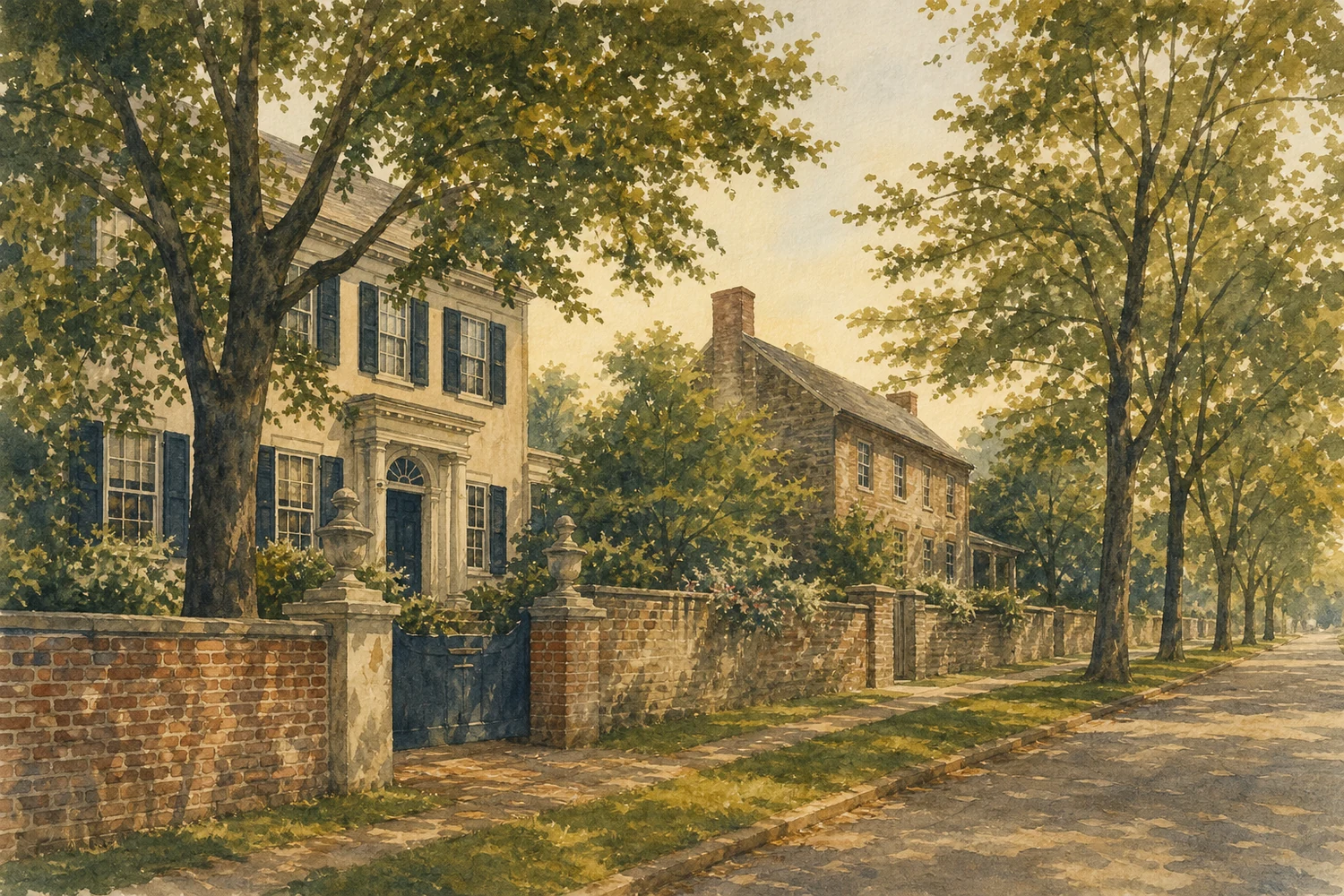
Where to Actually Eat (Not Just Where Instagram Says)
Forget the generic “best restaurants” list. Here’s what locals actually eat:
Uncle Bobbie’s Coffee & Books (5445 Germantown Ave)
Half bookstore, half café, entirely Black-owned. The coffee is excellent, but come for the vibe—shelves filled with authors of color, community events, and the kind of conversations you don’t get at Starbucks. Best time: Weekend mornings before 10am, grab a window seat.
Salam Cafe (5041 Germantown Ave)
Hidden Ethiopian spot that’s been here forever. The platters are massive and shareable. Most locals order the Vegetarian Combo—six different dishes for $12. Cash only. Parking is terrible (more on that below).
The Nile Café (6008 Germantown Ave)
Another Ethiopian gem, this one with slightly more seating. The coffee ceremony is worth experiencing if you have time—traditional preparation that takes 30+ minutes but transforms coffee into an event.
Lily of the Valley Cupcakery (5833 Germantown Ave)
Black-owned bakery with cupcakes that sell out by early afternoon on weekends. The red velvet is what people come back for. Pro tip: Call ahead to reserve a half-dozen if you’re visiting Saturday or Sunday.
Reality check on dining: Germantown isn’t a foodie destination like Fishtown or East Passyunk. You’ll find soul food spots, Asian buffets, vegetarian cafes, and plenty of fast food chains west of Germantown Avenue. If you’re expecting farm-to-table Instagram-worthy plates, you’re in the wrong neighborhood.
Where locals actually eat
Four spots the legacy guide names on Germantown Avenue, with its own notes.
Uncle Bobbie's Coffee & Books
Half bookstore, half cafe, entirely Black-owned. The coffee is excellent, but come for the vibe.
Best for · Weekend mornings before 10am, a window seat
Salam Cafe
Hidden Ethiopian spot that has been here forever. The platters are massive and shareable.
Best for · The Vegetarian Combo — six dishes for $12
The Nile Cafe
Another Ethiopian gem, this one with slightly more seating.
Best for · The coffee ceremony, 30+ minutes
Lily of the Valley Cupcakery
Black-owned bakery with cupcakes that sell out by early afternoon on weekends.
Best for · Red velvet — call ahead on a weekend
The Historic Houses (And Which Ones Are Actually Worth Your Time)
Germantown has seven preserved historic houses within a two-mile stretch. Here’s the honest breakdown:
Cliveden (6401 Germantown Ave)
Worth it: Yes
The site of the Battle of Germantown (October 1777). British soldiers held this mansion while Washington’s troops attacked. You can still see musket ball damage in the walls. Entry: $8 adults, free on Second Saturdays. Budget 90 minutes. Parking: Street parking on Cliveden Street is usually available.
Johnson House Historic Site (6306 Germantown Ave)
Worth it: Absolutely
This is the real deal—an intact Underground Railroad station where enslaved people actually hid. The tours are led by people who know the history deeply and don’t sugarcoat it. Entry: $8 adults, but donations accepted. Budget 60-75 minutes.
Wyck Historic House (6026 Germantown Ave)
Worth it: If you care about gardens
Nine generations of one family lived here (1690-1973). The rose garden is legitimately special—some varieties are over 150 years old. Free entry on Second Saturdays, plus they host a Friday farmers market (3-7pm, seasonal). Budget 45 minutes.
Stenton (4601 N 18th St)
Worth it: For history buffs
George Washington’s headquarters at one point. Smaller crowds than Cliveden, which means you can actually ask questions. Entry: $5 adults. Budget 60 minutes.
Grumblethorpe (5267 Germantown Ave)
Worth it: Only if you’re doing all of them
Known for having North America’s oldest female ginkgo tree (planted 1785). The house is fine, but unless you’re really into trees or completing the full historic house tour, skip this one.
Reality check: These houses are spread out. Don’t try to see them all in one day unless you have a car. Most tourists cluster near Cliveden and Johnson House—start there.
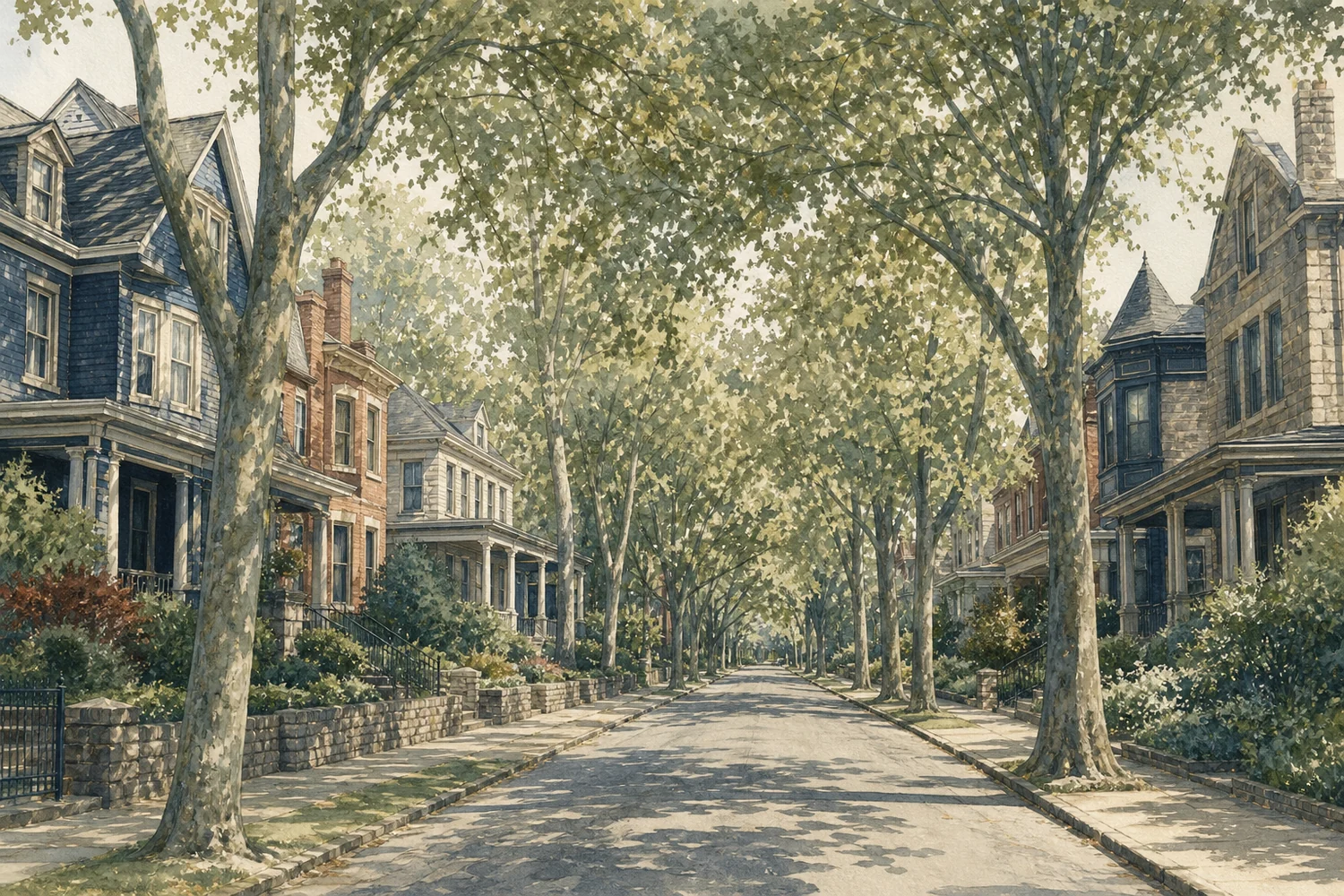
Wissahickon Valley Park: The Best Part of Germantown
Here’s the truth: Most people come to Germantown for the history and stay for Wissahickon Valley Park. Wissahickon Valley Park covers about 1,800 acres and has more than 50 miles of trails. It runs along the western edge of Germantown and feels nothing like you’re in a major city.
Best entry points from Germantown:
- Rex Avenue entrance (near Lincoln Drive): Less crowded than main entrances, free street parking usually available
- Forbidden Drive at Northwestern Avenue: Most popular, gets packed on weekends after 10am
What to actually do:
- Forbidden Drive: Flat, gravel path perfect for walking, jogging, or casual biking. Follows Wissahickon Creek for 5.5 miles.
- Historic Rittenhouse Town (206 Lincoln Drive): America’s first paper mill, now a small village you can tour. Free entry, open weekends.
- Valley Green Inn (Springfield Ave at Wissahickon): Historic restaurant inside the park. Get lunch on the patio by the creek. Parking lot fills up fast—arrive before 11:30am on weekends.
Real talk on parking: Wissahickon parking is a nightmare on nice-weather weekends. Arrive before 9am or after 3pm. Otherwise, you’ll circle for 20+ minutes. The Rex Avenue entrance is your best bet for finding spots.
The Arts Scene You Won’t Find on Visit Philly
Germantown has a quietly thriving arts community that most tourists never see:
Ubuntu Fine Art (5341 Germantown Ave): Contemporary photography gallery focusing on African diaspora and Philly street scenes. Free entry, rotating exhibitions. Worth 30 minutes.
iMPeRFeCT Gallery (6236 Germantown Ave): Grassroots space showcasing local artists. Hours are irregular—check their Instagram before visiting.
Street art: Walk Maplewood Mall (pedestrian pathway between Germantown Ave and Greene Street) to see murals by local artists like Nomad and Vincent Bush. The Henry Avenue Bridge also has ever-changing street art.
Sun Ra House (5626 Morton St): Former home of legendary jazz musician Sun Ra. It’s a private residence now, but some of his former bandmates still live and occasionally perform there. Not open for tours, but you can view from the street.
Events Worth Planning Around
Revolutionary Germantown Festival (October)
This is Germantown’s biggest event—Revolutionary War reenactments, colonial crafts, beer garden, live music. Gets 5,000+ attendees. Held at Cliveden. Free entry. Parking is impossible; take SEPTA.
Juneteenth Festival (June)
Held at Johnson House Historic Site. Music, food, history presentations. Free entry. Much smaller crowd than Revolutionary Fest, which makes it better if you actually want to learn something.
Friday Farmers Market at Wyck (3-7pm, May-October)
Local produce, prepared foods, live music. Small but consistent. Free parking in Wyck’s lot.
Celebration of the Roses (Spring)
Festival at Wyck celebrating their historic rose garden. Timing varies by bloom season—check their website.
Worth planning around
Revolutionary Germantown Festival
Revolutionary War reenactments, colonial crafts, beer garden, live music. 5,000+ attendees, free entry. Parking is impossible; take SEPTA.
Juneteenth Festival
Music, food, history presentations. Free entry, and a much smaller crowd than the Revolutionary festival.
Friday Farmers Market at Wyck
Local produce, prepared foods, live music. Small but consistent, with free parking in Wyck's lot.
Celebration of the Roses
A festival celebrating Wyck's historic rose garden. Timing varies by bloom season.
Living Here: The Real Story
We clean homes throughout Germantown, from $100K rowhouses to $500K renovated Victorians. Here’s what you should know if you’re considering moving here:
The Good:
- Affordable: Median home price $146,600 (vs. $300K+ in Fishtown or Rittenhouse)
- Space: You get more square footage here than almost anywhere in Philly
- History: Living in a 150-year-old Victorian feels different
- Community: High activism/involvement, strong neighborhood organizations
- Transit: Well-connected to Center City via SEPTA (Chestnut Hill East/West lines)
The Challenges:
- Safety: Crime rates vary block-by-block. East Germantown near Chelten has more issues than areas closer to Mt. Airy
- Commercial amenities: Limited grocery options (no Whole Foods or Trader Joe’s here)
- Uneven: Beautiful blocks next to completely neglected ones
- Parking: Street parking only, and it’s competitive
Price reality: Sale prices swing widely with condition and exact location, and this guide does not publish a dated range. The farther north you go along Germantown Avenue (toward Mt. Airy), prices increase. You’re paying for proximity to Wissahickon Park and better block conditions.
Renter info: A majority of Germantown residents rent. Current asking rents are not published here; check active listings for the block you are considering.
The good and the challenges
The legacy guide's own two lists for anyone considering a move here.
- Affordable: median home price $146,600, versus $300K+ in Fishtown or Rittenhouse.
- Space: more square footage than almost anywhere in Philly.
- History: living in a 150-year-old Victorian feels different.
- Community: high activism, strong neighborhood organizations.
- Transit: well connected to Center City via SEPTA's Chestnut Hill lines.
- Safety: crime rates vary block by block, with more issues near Chelten.
- Commercial amenities: limited grocery options, no Whole Foods or Trader Joe's.
- Uneven: beautiful blocks next to completely neglected ones.
- Parking: street parking only, and it is competitive.
Make it yours
Before your Germantown history visit
A short list to turn what you read into your own next steps.
Saved checks stay on this device when browser storage is available. This is a personal planning list, not a property inspection or professional assessment.
Sources & next steps
Useful advice should
show its working.
These resources support the reader tools above and help you check details for your own address, date, or plans.
- Cliveden
The historic site's own pages cover visits, programs, and historical interpretation.
- Johnson House Historic Site
The site's visit and contact pages support arranging a tour.
- Wyck
The operator provides current information about the house, garden, and programs.
These operator links support visits and historical learning. They do not substantiate the guide's housing figures or imply every site is open on the same day.
Keep exploring