A little orientation
Choose your own West Philly comparison
Compare addresses
Choose specific homes or intersections rather than assigning one character to all of West Philly.
Use the same destinations
Test every candidate against the same work, school, and shopping trips so the comparison stays fair.
Inspect the home
A neighborhood description cannot establish a particular building's condition, access, or maintenance arrangements.
A closer look
Make a comparison that fits your week
Choose the question that will help narrow your West Philly shortlist.
Give each address the same test
Pick one address in each West Philly area you are considering, such as Cedar Park, Spruce Hill, or Powelton Village. Enter the same destination and departure time for each, then compare walks, transfers, and the return journey.
A useful questionWhich address makes my repeated journey easier to manage?
Source & next step ↗Read beyond the listing photographs
Open the City's property tools for each shortlisted home and review available zoning and permit information. Bring building-specific questions to a viewing, including shared space, repairs, and access, rather than treating neighborhood reputation as evidence of condition.
A useful questionWhat does this building need that the listing leaves unexplained?
Source & next step ↗Map something you would use often
Choose a playground or recreation activity you would return to, then check the City's listing and contact details. Build a modest outing from each candidate address, allowing time for errands instead of filling the day with distant stops.
A useful questionWould this outing still feel practical after an ordinary workweek?
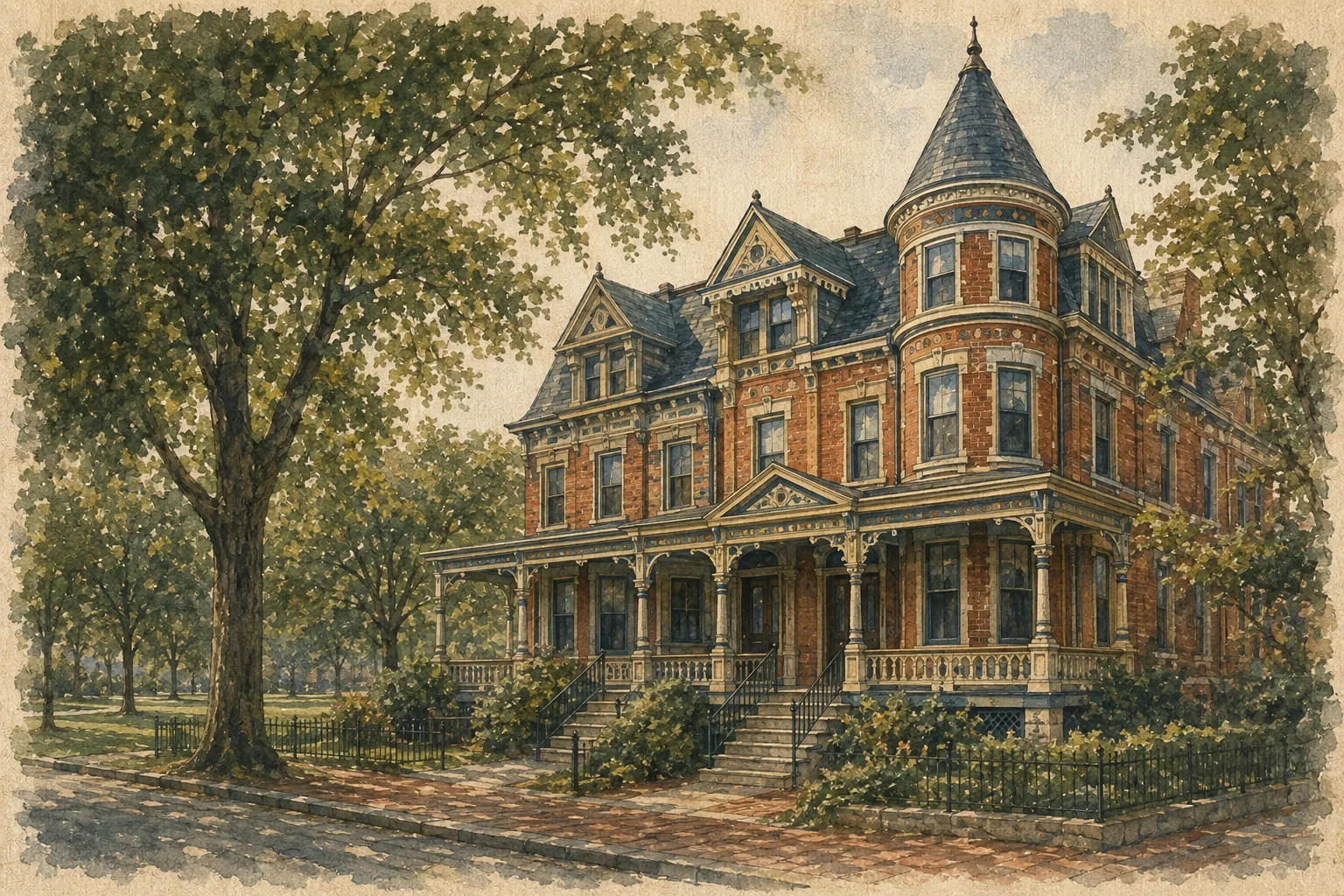
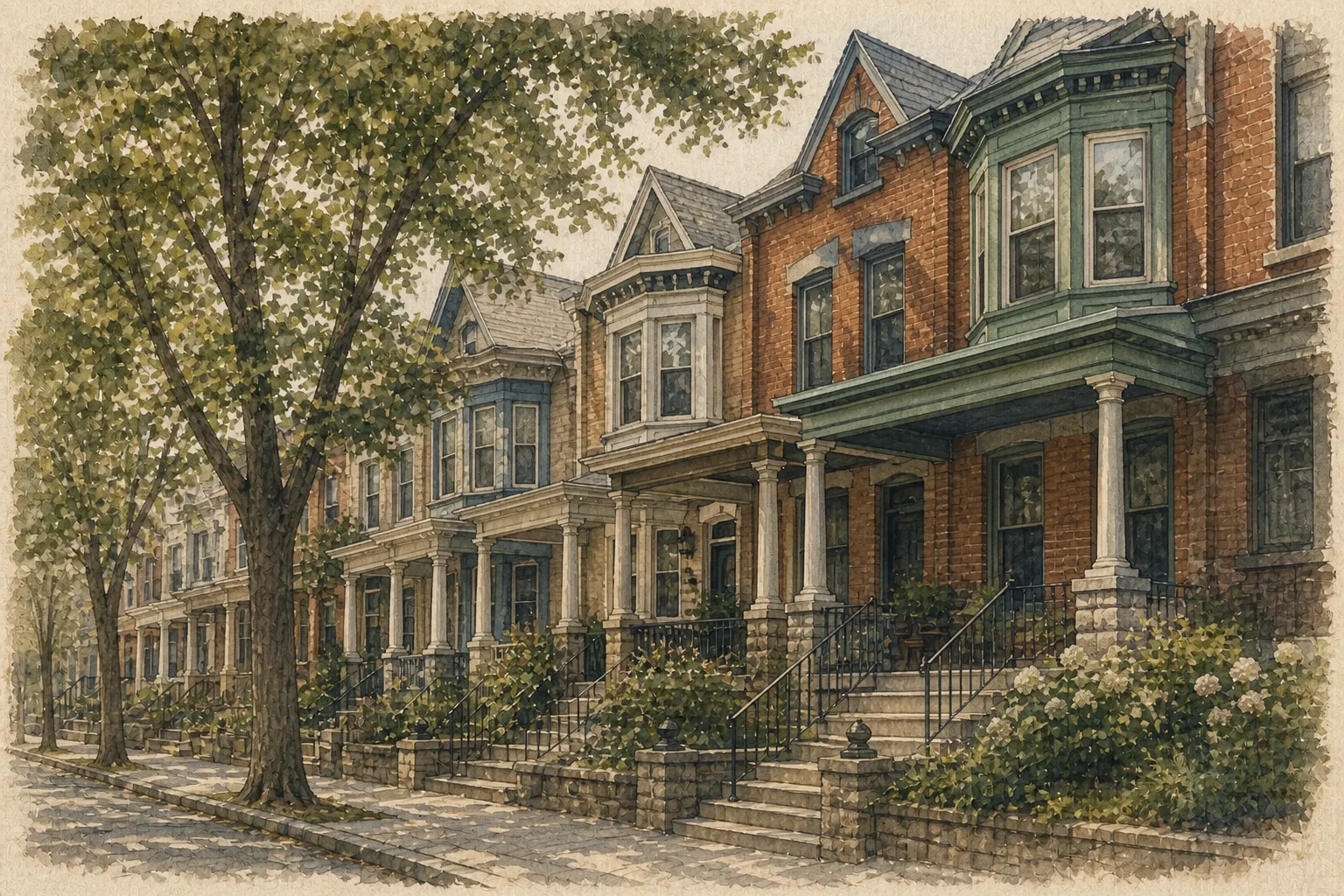
Source & next step ↗West Philly is a collection of very different places: historic Spruce Hill houses, Clark Park rowhomes, student apartments, family homes, and far-west blocks that outsiders rarely talk about accurately. This guide is about how the neighborhood is actually lived rather than how it is described online — why timing matters for everything from deliveries to parking, and why people argue so passionately about development, food, and change.
Why West Philly Refuses to Be One Story
If you try to summarize West Philadelphia in a sentence, you will get it wrong. That is the first lesson locals learn and the first mistake outsiders make. West Philly is not a vibe, a safety rating, or a development trend. It is a collection of blocks that behave differently depending on the hour, the season, and who you know on that block. People love it loudly and complain about it even louder, often in the same breath. That contradiction is not confusion. It is accuracy.
On one block, neighbors know each other by name and pass babies back and forth during a park hang. Two streets over, someone is fighting the city over a collapsing porch that has been reported for years. A new coffee spot opens and half the neighborhood celebrates having somewhere to sit while the other half reads it as another sign that the place they grew up in is slipping away. None of these reactions cancel each other out. They stack.
West Philly is emotionally loud because people are invested. You do not drift through this part of the city. You plant yourself, even temporarily, and the neighborhood responds to you based on how you move, when you move, and whether you bother to learn the rules that are never posted. The reward for paying attention is belonging. The penalty for flattening it into a single narrative is instant rejection.
Where West Philly sits
- Clark Park
- Baltimore Avenue
- University City
- The El
Schematic · not to scale
How Locals Draw the Map in Their Heads
The map locals use does not match the one on your phone. It is built out of shortcuts, thresholds, and unspoken lines that matter far more than official neighborhood borders. People talk in terms of blocks and cross streets because that is where reality changes.
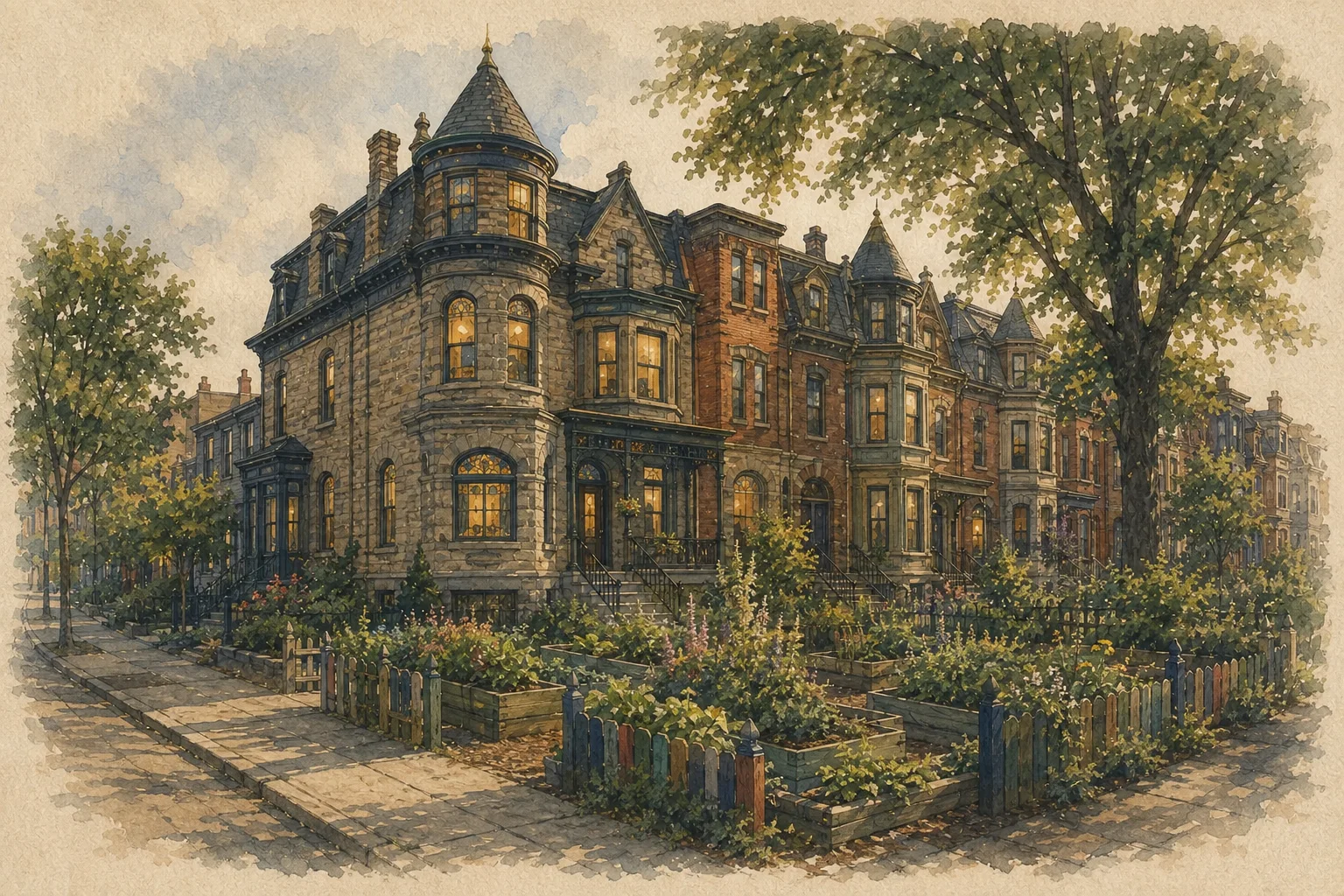
Spruce Hill and the area wrapped around Clark Park sit at the center of how many people picture West Philly. This is where the Victorian houses cluster, where families, professors, students, and artists overlap, and where daily life spills outside without feeling staged. Streets here feel calmer not because nothing happens, but because people are around and paying attention. That presence matters.
University City pulls everything toward it like gravity. The closer you are, the more the neighborhood feels shaped by Penn and Drexel. That influence shows up in rents, food prices, policing patterns, and who is walking around at night. Some people feel safer near that orbit. Others feel pushed out by it. Both reactions come from lived experience, not ideology.
Then there is the shorthand locals repeat to each other. Farther west, people use phrases like west west Philly to signal that the conversation has changed again. These are not judgments so much as shorthand. Locals speak this way to avoid generalizing and to stay precise.
If someone gives you advice without naming a street or at least a number, it is probably not worth much.
How locals draw the map in their heads
The map locals use does not match the one on your phone. It is built out of shortcuts, thresholds, and unspoken lines.
Spruce Hill and Clark Park
The center of the pictureWhere the Victorian houses cluster, and where families, professors, students and artists overlap. Daily life spills outside without feeling staged. Streets here feel calmer not because nothing happens, but because people are around and paying attention.
The University City orbit
Toward Penn and DrexelThe closer you are, the more the neighborhood feels shaped by the two campuses. That influence shows up in rents, food prices, policing patterns and who is walking around at night. Some people feel safer near that orbit; others feel pushed out by it.
The shorthand lines
Cross streets, not bordersLocals repeat phrases to each other — west west Philly — to signal that the conversation has changed. The guide's own framing: these are not judgments so much as shorthand, used to avoid generalizing and stay precise. Advice that names no street or number is probably not worth much.
Safety Talk Without the Fear Theater
Ask if West Philly is safe and you will get a defensive reaction, not because nothing happens here, but because the question ignores how locals actually manage risk. Safety is discussed in terms of timing, routes, and habits, not blanket warnings.
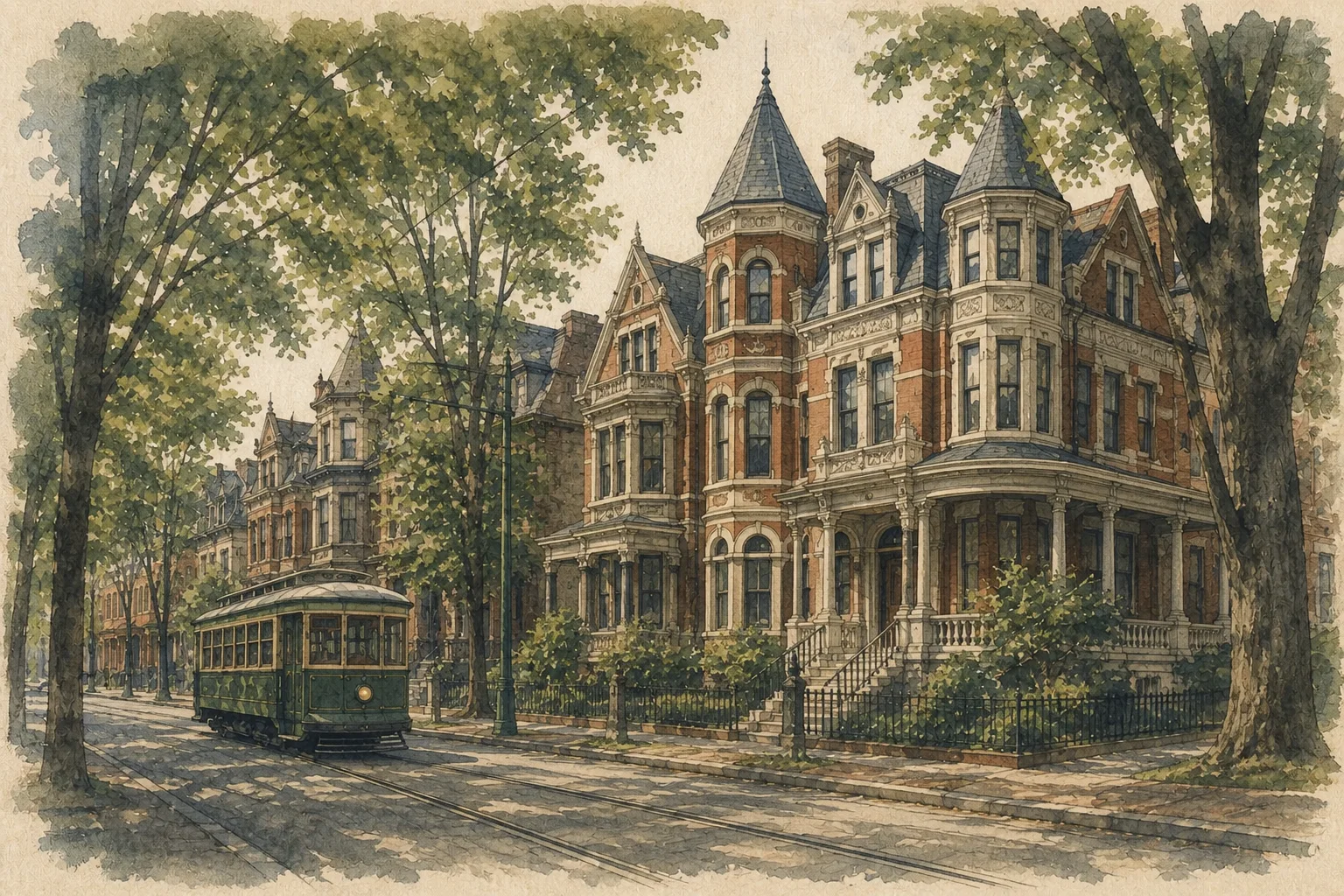
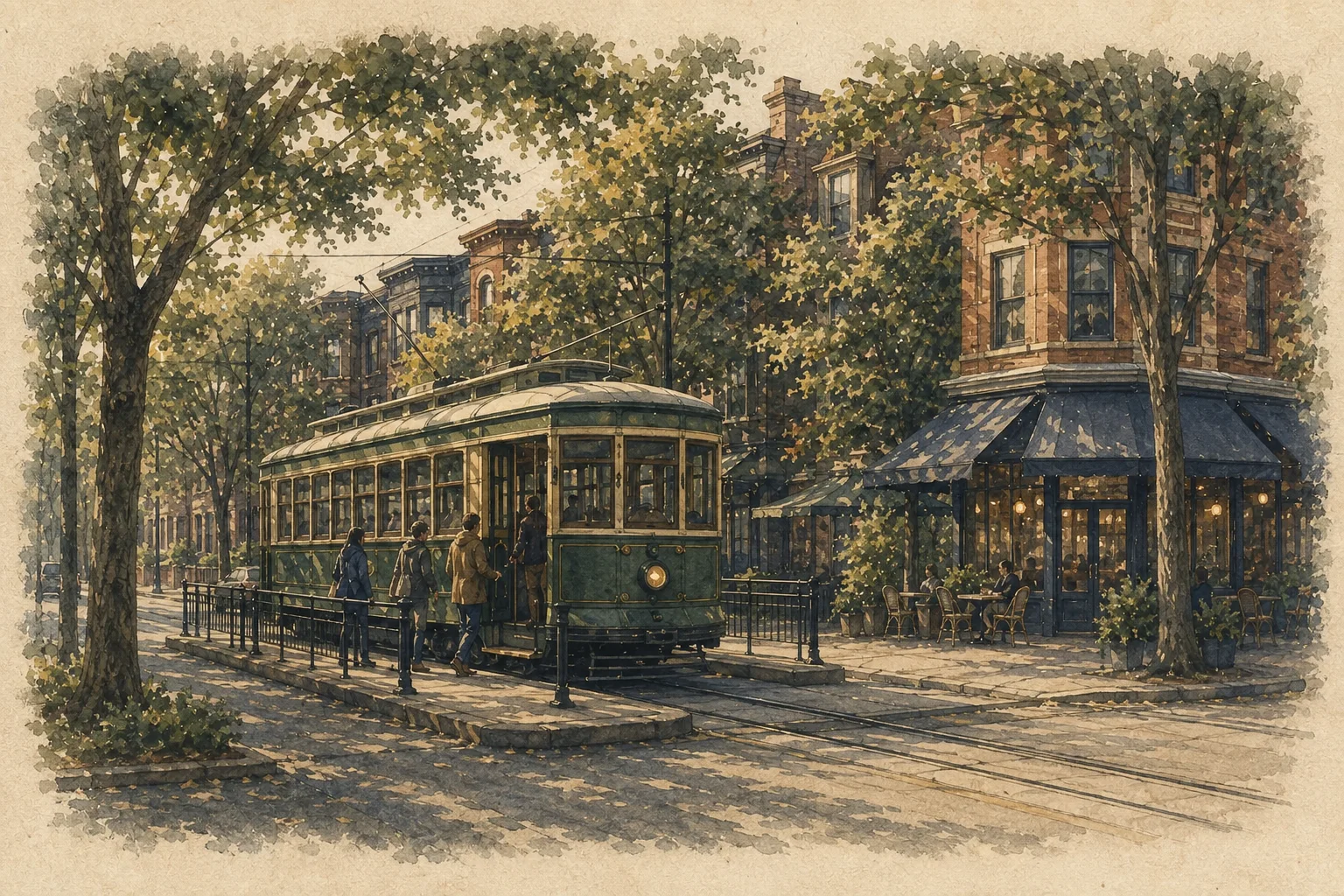
People will tell you their block is quiet and mean it. They will also tell you they change how they move after dark and mean that too. Both can be true. Certain streets feel different at night, and even familiar routes get reconsidered depending on whether it is a weekday or a weekend. Transit conversations follow the same logic. Some people ride the El daily without issue and others avoid it alone late at night, opting for trolleys or buses when they can. That is not contradiction. That is adaptation.
Resources exist and locals know exactly where their limits are. Walking escorts are used strategically within defined boundaries. People share which direction they feel fine walking and where they prefer to cut over a block earlier than necessary. None of this shows up on crime maps, but it is how people live here without being constantly on edge.
There is also open resistance to fear based narratives, especially when they slide into coded language. Locals push back hard when safety talk drifts away from specifics and into stereotypes. Precision is the social requirement. If you cannot say when, where, and why, you are not helping anyone.
Where Daily Life Actually Happens
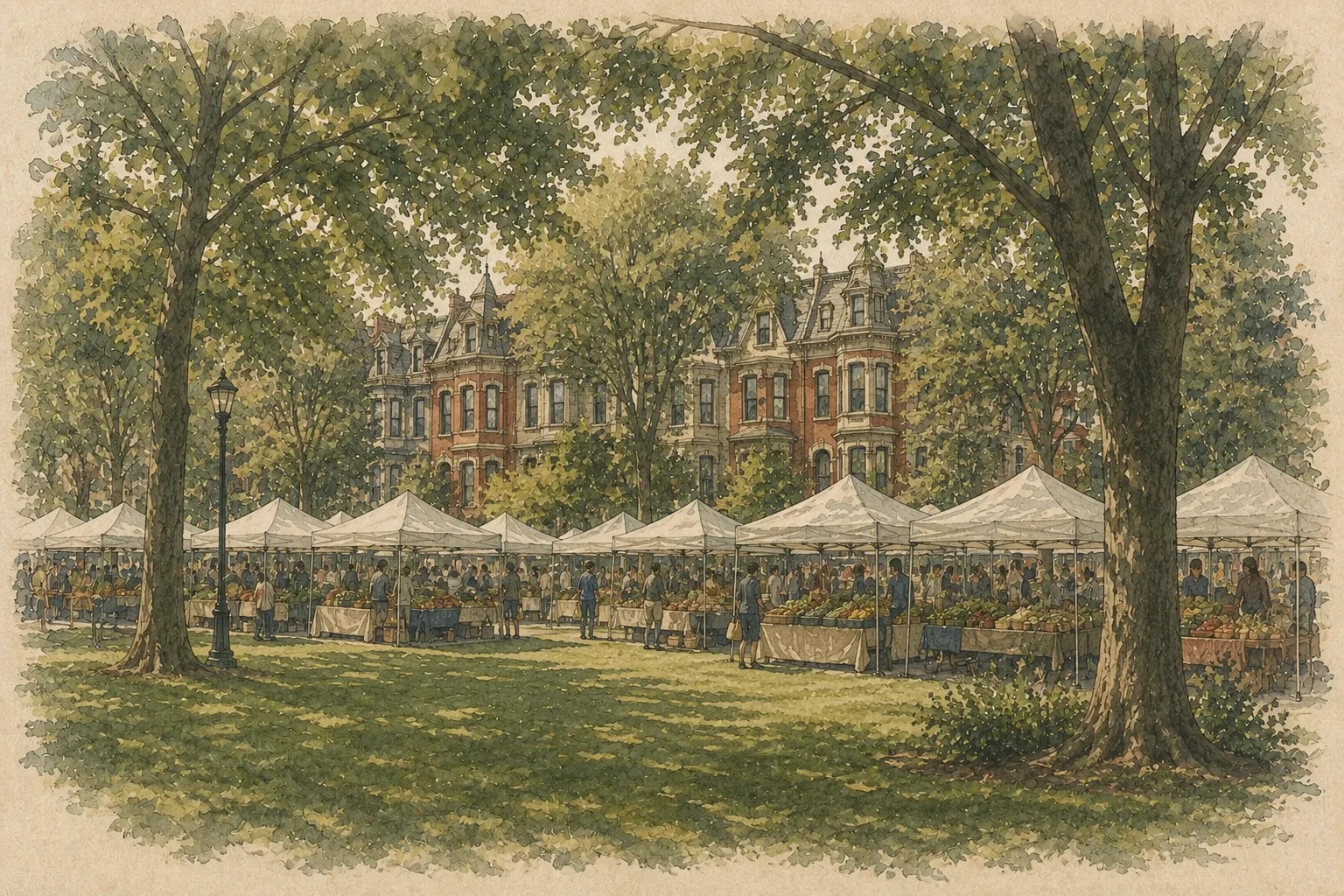
Community in West Philly does not revolve around events. It revolves around places that people return to over and over until they become part of routine. Clark Park is the clearest example. It functions less like a destination and more like a shared backyard. On weekends, the farmers market pulls people in with the same rhythm every time. During the week, the park fills and empties in waves tied to school schedules, work hours, and the weather. Music, pickup games, and kids running loose are not special occasions. They are background noise.
What makes this work is not programming but familiarity. People recognize each other even if they do not know names. That soft recognition creates accountability. It is why families feel comfortable lingering and why newcomers who pay attention start to feel included faster than they expect.
Cedar Park shows the other side of this dynamic. It is loved by many and treated cautiously by others, sometimes both by the same person depending on the day. Summer evenings might bring fire twirlers and small performances. Other times, the energy feels rougher. Locals do not argue about which version is real. They accept that both are.
Daily life in West Philly is shaped by these rhythms. Knowing when a place feels relaxed versus tense matters more than knowing its official description. Once you learn that, the neighborhood starts to make sense on its own terms.
Where daily life actually happens
Community here does not revolve around events. It revolves around places people return to until they become routine.
Clark Park
It functions less like a destination and more like a shared backyard. Weekends bring the farmers market with the same rhythm every time; during the week it fills and empties in waves tied to school, work and weather. Music, pickup games and kids running loose are background noise, not special occasions.
Best for · The soft recognition that makes newcomers feel included faster than they expect
Cedar Park
Loved by many and treated cautiously by others, sometimes both by the same person depending on the day. Summer evenings might bring fire twirlers and small performances; other times the energy feels rougher. Locals do not argue about which version is real. They accept that both are.
Baltimore Avenue
Every opening and closing becomes a referendum. When a beloved shop disappears, the conversation is not about inventory but about whether the replacement understands the street.
Eating in West Philly Is Never Just About the Food
Food is one of the fastest ways to learn how political West Philly can be. People argue about restaurants here not because they are bored, but because food is a proxy for who the neighborhood is being built for. Price, ownership, and history matter as much as taste, sometimes more.
The shift from older, inexpensive food courts to polished university adjacent halls is remembered in very specific terms. When people complain about a menu, they are often really talking about who can afford to be spontaneous anymore.
Along Baltimore Avenue, every opening and closing becomes a referendum. A beloved shop disappears and a new one takes its place, and suddenly the conversation is not about inventory but about whether the replacement understands the street. Some businesses are judged harshly for past behavior and never recover, even years later. Others get a second look once people learn who is behind the counter. These debates do not fade quickly. They layer.
Bars and cafes near campus are measured by who fills the room at certain hours. A place packed with students on a Friday night might feel very different during a weekday afternoon when neighborhood regulars reclaim the space. Locals notice those shifts and use them to decide where they actually belong. Eating in West Philly is less about finding the best spot and more about understanding what a place signals to the people who live nearby.
Development Is the Background Noise You Cannot Turn Off
Gentrification is not a topic in West Philly. It is the context. It shows up in conversations about housing, food, safety, and even street cleanliness. People bring it up even when they are trying not to, because it explains too much to ignore.
For longtime residents, the story is about displacement and loss. Entire areas are remembered by names that no longer appear on maps but still carry weight. New buildings are read as warnings, not improvements, especially when they advertise luxury while long standing problems go unresolved. Graffiti on new facades is not random vandalism. It is commentary.
At the same time, there are residents who welcome certain changes. Better lighting, more foot traffic, and new amenities can make daily life feel easier. These people are not imaginary or rare, and pretending otherwise is part of why the debate never settles. What frustrates many locals is that the benefits and the costs rarely land on the same people.
This tension plays out publicly and often brutally. Any proposal tied to new construction can ignite arguments that spiral far beyond zoning. Personal history, race, class, and credibility all get dragged in. The reason these fights feel endless is because they are rooted in lived experience, not abstract policy. No one feels neutral because no one is untouched.
The Online Neighborhood You Are Supposed to Hate but Still Check
West Philly has an entire digital layer that residents claim to despise while relying on it daily. Neighborhood Facebook groups function like a chaotic town square. Lost pets, minor noise complaints, business promotions, and explosive political arguments all share the same feed. The rules are strict in some places and unevenly enforced in others, which only adds to the tension.
People leave these groups and then quietly rejoin. Others move away and never unsubscribe. The reason is simple. This is where hyper local information shows up first. Porch theft patterns, suspicious activity, and which blocks to avoid on a given week surface here long before they reach any official channel.
Nextdoor operates on a similar logic but with a heavier dose of exhaustion. Most of what appears there feels petty or inflammatory, yet every so often someone posts something genuinely useful that you would not have learned anywhere else. That intermittent value keeps people lurking even when they swear they are done.
Instagram and other platforms add a visual layer to all of this. Ring camera clips, neighborhood tours, and quick rants circulate fast, reinforcing certain narratives while challenging others. Together, these spaces form an informal early warning system. They are stressful, imperfect, and impossible to ignore if you live here.
The Grind That Breaks People Down Over Time
The issues that wear residents down in West Philly are rarely the dramatic ones that make the news. They are the small, repeating problems that interrupt daily life and never fully go away.
Package theft is one of the most common. It happens often enough that people stop reacting with shock and start trading strategies. Certain buildings and blocks become known for repeat incidents. Timing matters, and residents adjust delivery schedules or watch their phones more closely because of it.
Abandoned properties create a different kind of stress. When a vacant house starts to collapse or attract squatters, it does not just sit there. It damages neighboring homes, brings safety concerns, and forces residents into long battles with the city. Reports get filed, ignored, and filed again. Organizing becomes a necessity, not a hobby.
Parking enforcement and sidewalk chaos add to the fatigue. Tickets appear with frustrating consistency, while unlicensed businesses and dumping seem to linger without consequence until residents push hard enough to trigger a response. This imbalance fuels distrust and encourages people to rely on each other rather than institutions.
None of these problems alone define West Philly. Together, they explain why residents sound tired even when they say they love where they live.
The Quiet Techniques That Make Daily Life Work
Living in West Philly long enough changes how you operate. People do not announce these adjustments. They just start doing them and eventually forget they ever moved differently.
Timing becomes one of the first adaptations. Deliveries get scheduled for hours when someone is likely to be home. Walks that feel fine during the afternoon get rerouted after dark, sometimes by just one block. Transit choices shift based on who else is riding and how late it is, not on official schedules. None of this feels dramatic once it becomes routine.
Relationships matter more than systems. Neighbors keep an eye out for each other without formal coordination. Block captains and longtime residents quietly enforce standards that no city department manages consistently. When something goes wrong, people often talk to each other first before deciding whether it is worth calling anyone else.
Locals also learn when not to engage. Some arguments are unwinnable and some online threads are designed to explode. People who last here learn to gather information without jumping into every fight. The unofficial playbook is about conserving energy while staying informed.
The Rules Nobody Writes Down but Everyone Enforces
West Philly has social rules that reveal themselves only after you break them. The most important one is precision. Generalizing the neighborhood is the fastest way to lose credibility. People expect you to name streets, times, and conditions. Vague statements get corrected quickly and not always kindly.
Respect for history is another line that matters. Certain topics carry weight, and treating them lightly marks you as someone who has not bothered to learn where you are. That judgment sticks longer than most mistakes.
There is also an unspoken expectation about how you participate in debates. Development, safety, and change are not abstract conversations here. If you enter them without listening first, you will be read as performative or opportunistic. Locals can tell the difference.
Finally, there is an understanding that not everything needs to be shared publicly. Some information moves quietly between neighbors for a reason. Knowing when to keep something off a group feed is part of earning trust.
The Reason People Put Up With All of It
Despite the arguments, the fatigue, and the constant adjustment, people stay in West Philly because it feels alive in a way that is hard to replace. There is pride in living somewhere that resists being simplified. The neighborhood demands attention, but it gives back a sense of belonging that is earned rather than sold.
Moments of mutual aid cut through the noise. When something goes wrong, neighbors mobilize quickly. Those experiences build loyalty that outlasts any single frustration. Even people who move away often stay emotionally connected, checking in from a distance and defending the place when outsiders write it off.
West Philly is not comfortable in the conventional sense. It is honest. People stay because they recognize themselves in the contradictions and because leaving feels like giving up a conversation that is still unfolding.
Why people put up with it
None of these problems alone defines West Philly. Together they explain why residents sound tired even when they say they love where they live.
- Somewhere that feels alive in a way that is hard to replace, and resists being simplified.
- A sense of belonging that is earned rather than sold.
- Mutual aid that cuts through the noise. When something goes wrong, neighbors mobilize quickly.
- Neighbors who keep an eye out without formal coordination, and block captains who quietly enforce standards no city department manages consistently.
- Package theft, common enough that people stop reacting with shock and start trading strategies.
- Abandoned properties that damage neighboring homes and force long battles with the city.
- Parking tickets that appear with frustrating consistency, while dumping seems to linger without consequence.
- Development arguments that spiral far beyond zoning and never settle, because no one is untouched.
Make it yours
Compare three addresses on one page
A short list to turn what you read into your own next steps.
Saved checks stay on this device when browser storage is available. This is a personal planning list, not a property inspection or professional assessment.
Sources & next steps
Useful advice should
show its working.
These resources support the reader tools above and help you check details for your own address, date, or plans.
- SEPTA trip planner
Compare transit journeys using your actual stops, date, and departure time.
- City property and zoning lookup
Opens the City's address-based zoning and permit tools.
- Find a playground or recreation center
City facility listings provide locations and contacts for checking programs and access.
This comparison is a reader worksheet, not a ranking of West Philly neighborhoods. School assignment, service eligibility, and housing condition require their own address-specific checks.
Keep exploring