A little orientation
A Passyunk Square guide for everyday living
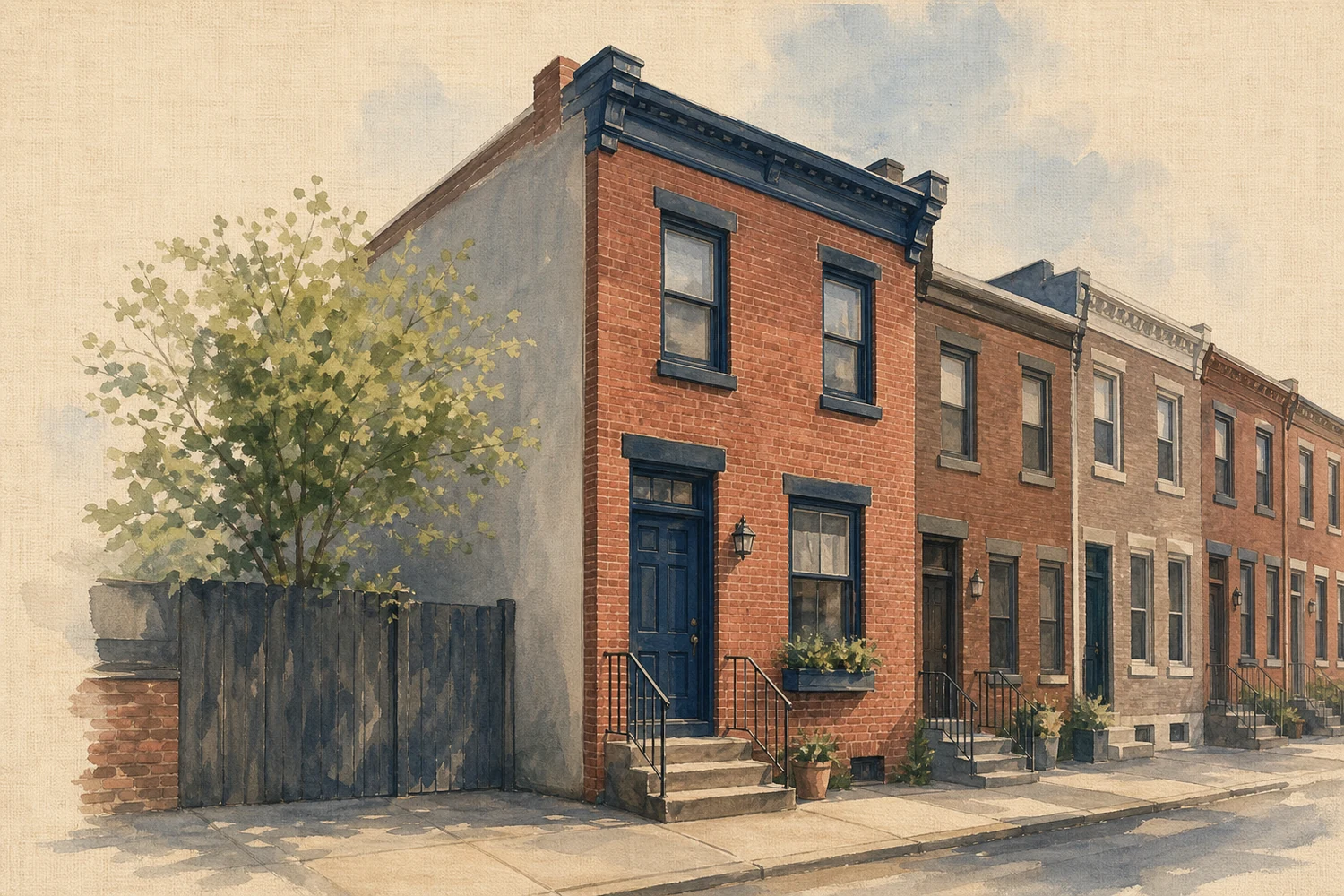
Start with the home.
Ask about the actual unit’s entry, materials and maintenance before assuming a neighborhood description explains how it will feel to live there.
Check a regular park activity.
Look up Columbus Square and confirm the particular activity or access your household needs instead of relying on general nearby-park appeal.
Use the address for school research.
Find the District’s relevant lookup and enrollment guidance rather than assuming Passyunk Square is a single school-assignment area.
A closer look
Home life beyond the dining plan
Use East Passyunk’s tools for a meal out; use these checks to consider a place to live.
Ask about an ordinary weekday.
Review the property address, then ask the owner about entry, deliveries, shared spaces and maintenance reporting. Visit at a time useful to your routine and date your observations, without treating one quiet or busy moment as a permanent condition.
A useful questionWhat would the everyday arrangements at this home ask of your household?
Source & next step ↗Find the activity behind the name.
Look up Columbus Square through official facility information and ask about the program or visit you want. Confirm the relevant entrance and participation arrangement, then connect that answer to your routine rather than assuming every household uses the space similarly.
A useful questionWhich Columbus Square activity and access details would matter to your week?
Source & next step ↗Follow the address-based process.
Use the District’s enrollment resources with the specific home address and your child’s grade or circumstances. Confirm unclear results directly before making the housing decision, keeping school research separate from dining, park and neighborhood-reputation preferences.
A useful questionWhich school questions still need an official answer for this home?
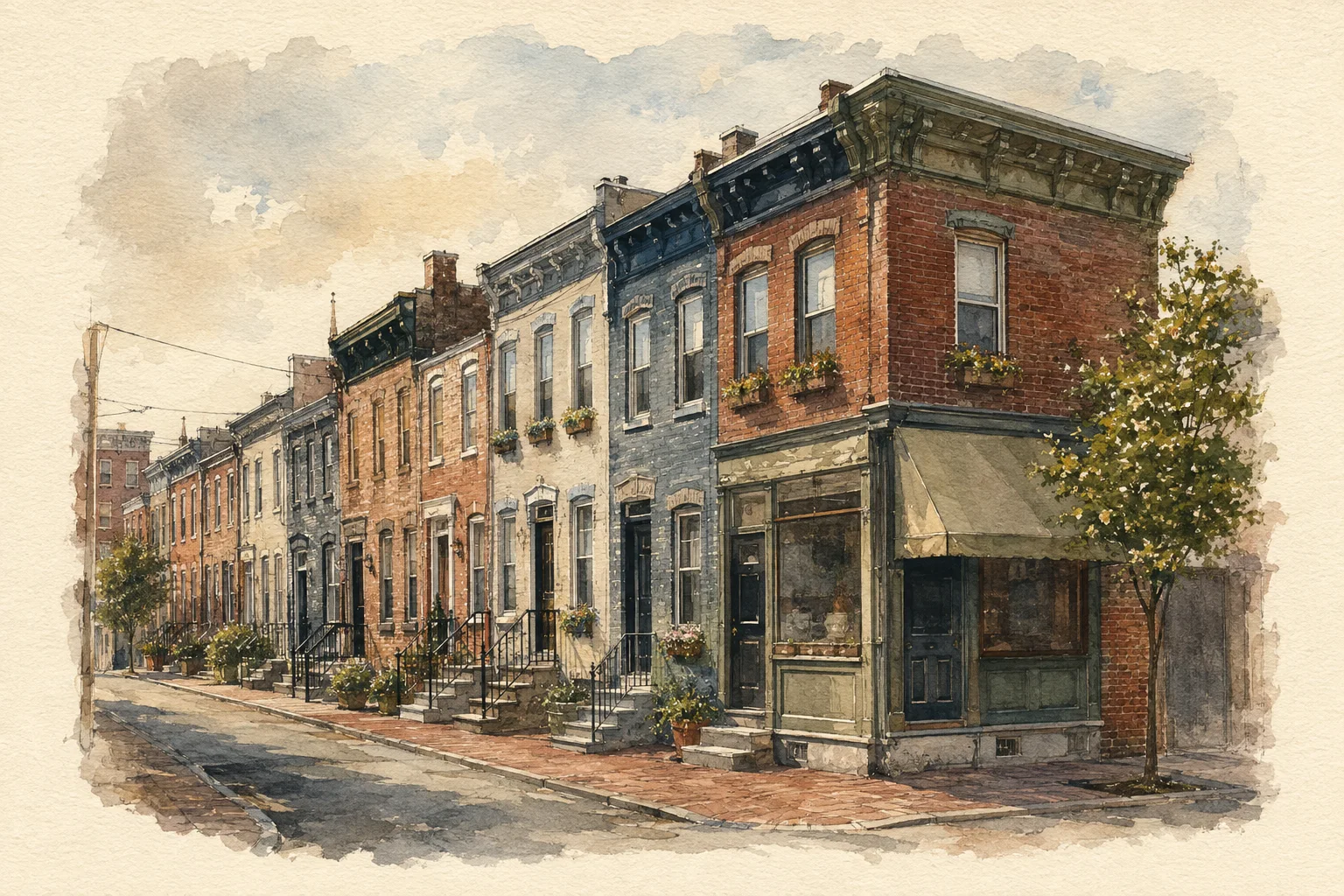
Source & next step ↗Passyunk Square runs from the rowhomes near Tasker Street to the stoop-lined blocks just off The Ave. Parking wars, residents sweeping their own curbs after trash day, and a late-night soundtrack of clinking glasses and car horns are all part of life here. Whether you’re thinking about moving in, visiting for a weekend, or just curious why everyone argues about parking, tacos, and how to pronounce “Passyunk,” this is your unfiltered look inside the neighborhood, written with the same honesty and care we bring to every home we service.
The Neighborhood in One Breath
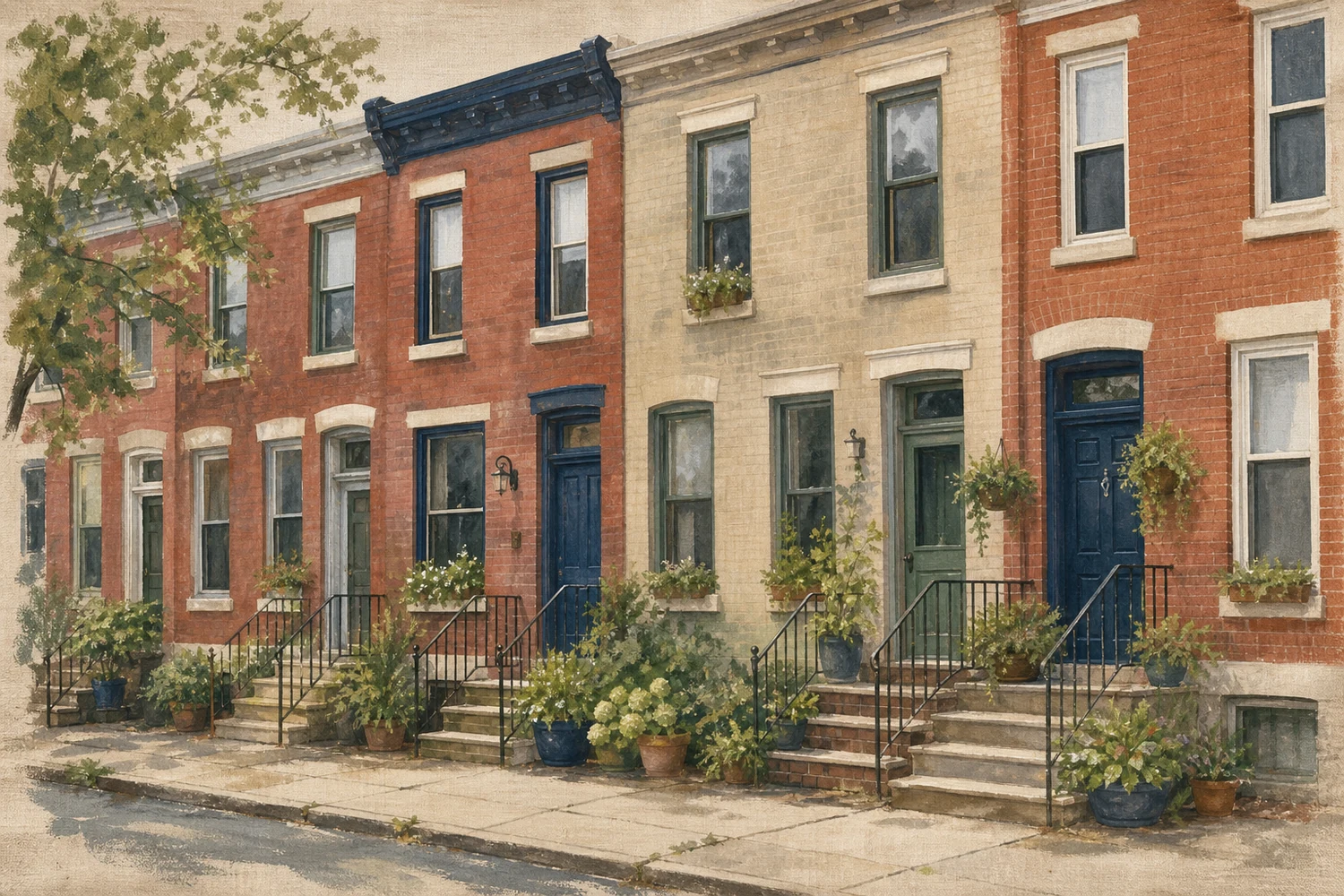
Passyunk Square isn’t just another Philadelphia zip code. It’s a living contradiction that manages to be loud and charming at the same time. The neighborhood sits right in the middle of South Philly’s push and pull between tradition and transformation. You’ll notice it the moment you turn onto East Passyunk Avenue, where century-old rowhomes frame new cocktail bars, corner bakeries, and modern restaurants. The balance is delicate but intentional. Every block feels lived in, shaped by the people who still sweep their own sidewalks, hang out on their stoops, and argue over where the best tacos are.
Locals often shorten the name to “Passyunk” or simply “The Square.” Outsiders call it “Pass-yunk,” but most long-timers pronounce it “Pash-unk” or “Punk,” a tiny detail that immediately reveals who really lives here. The area stretches roughly between Broad Street and 6th, from Washington down toward Snyder. Those few blocks hold a world of micro-differences. The northern end closer to Washington leans busy and food-focused, while the southern edges are quieter, where families and older residents keep a steadier rhythm.
Passyunk Square’s identity is deeply tied to its history as a working-class neighborhood. The buildings are old, the stories even older, but the energy feels young. It’s where people walk to dinner, neighbors greet each other by name, and street parking can test your patience and your vocabulary. Yet despite the noise and chaos, people stay. Because beneath the honking, the festivals, and the endless search for a parking spot, there’s an unmistakable sense of pride that keeps this neighborhood grounded.
Where Passyunk Square sits
- East Passyunk Avenue
- The Singing Fountain
- Columbus Square
- Broad Street
Schematic · not to scale
The Flow of the Week
Life in Passyunk Square follows its own beat, and it’s one you learn quickly once you live here. The week starts with trash trucks clattering down narrow streets. The collection crews are efficient, but it’s common to see bits of paper and plastic left behind. By Tuesday, the air clears, and the streets start to feel calm again. Midweek brings a shift in mood. Midweek, East Passyunk Avenue fills with foot traffic when the farmers market runs at the corner of Passyunk and Dickinson; check its current day and hours before you plan around it. It’s a local favorite that draws everyone from new residents in work-from-home attire to older neighbors carrying reusable bags and swapping recipes.
Thursday nights pick up energy as restaurant patios fill and cars start to line the curbs earlier than usual. But Friday is the real turning point. Locals treat the afternoon like a tactical operation: get home before three if you want a parking space anywhere within shouting distance of your block. From that point forward, the neighborhood becomes a maze of circling cars, restaurant goers, and residents trying to squeeze into the few remaining open spots. Weekends belong to “dog and baby days,” a neighborhood term that perfectly captures the scene. Families walk strollers past cafés, dogs sniff everything in sight, and every block seems alive.
Sunday mornings restore order. You’ll see people sweeping the remnants of Friday’s and Saturday’s activity, chatting across driveways, and trading neighborhood updates. It’s the weekly reset before everything begins again. The rhythm never really stops here; it just quiets for a few hours before the next round of motion begins.
The flow of the week
The neighborhood keeps a weekly beat, and the legacy guide spells it out day by day.
The Core: East Passyunk Avenue
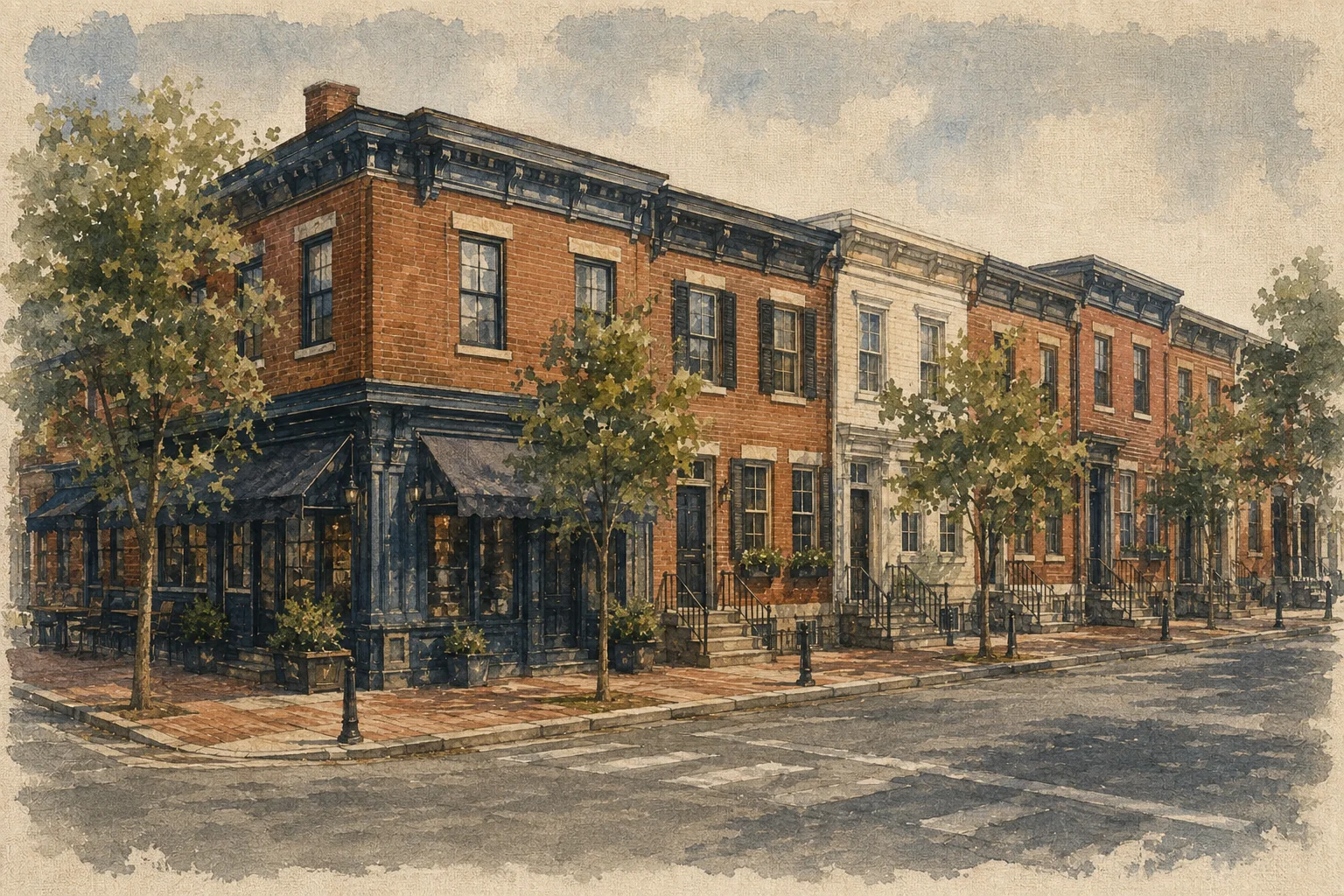
Ask anyone where the soul of the neighborhood lives, and they’ll point to East Passyunk Avenue, known simply as The Ave. It’s the beating heart of the community, lined with restaurants, coffee shops, and bars that stay busy nearly every day of the week. What makes it special isn’t just the variety but the closeness of it all. In a few blocks you can move from handmade pasta to vegan tacos to an old-school dive bar that still only takes cash. The Ave isn’t curated for tourists. It’s for people who live nearby and walk there several times a week.
The northern section near Tasker Street is where most of the action happens. It’s where Garage Passyunk sits, famous for its rotating food truck and wall of canned beer. Closer to the Singing Fountain, the center of The Ave, the pace changes. You’ll find families, regulars, and couples meeting up after work. South toward Broad Street, things slow down again. Small boutiques and bakeries fill the gaps between rowhomes, and the crowd thins out. Every few months, the street transforms into a pedestrian-only zone for events like Flavors on the Avenue, a food and music festival that captures everything locals love about this area.
The Ave isn’t just a place to eat; it’s a neighborhood loop. People walk it for errands, quick coffee runs, and chance encounters. It’s where you overhear block gossip, find your next contractor, or spot a familiar face cleaning their storefront window. It’s lively, messy, and full of character. Just don’t expect to park anywhere close.
Where to Stand, Park, or Avoid
Parking in Passyunk Square is more than a daily chore; it’s a neighborhood sport that everyone eventually learns how to play. The unwritten rule is simple: the earlier you park on Friday, the easier your weekend will be. By mid-afternoon, every available spot disappears, and cars start looping the same blocks in quiet frustration. Tasker and 12th are among the most difficult intersections, and Montrose near 7th has its own reputation for blocked sidewalks and abandoned furniture. Locals who’ve been here long enough know to park two or three blocks off East Passyunk Avenue and walk the rest.
The small parking lot near the ACME is often misunderstood. It’s technically public, but the posted time limits are worth reading before you leave the car, because overstaying can lead to tickets that add up fast. Most residents rely on a residential parking permit, though even that is no guarantee of convenience. Street sweeping and trash pickup days mean shuffling cars early in the morning, sometimes in pajamas, to avoid fines.
There are patterns to the chaos if you pay attention. Arriving home before three in the afternoon on Fridays dramatically improves your odds. Mondays are quieter, especially before the restaurants open for dinner. Sundays after breakfast bring a rare moment of peace when weekend visitors have left and residents haven’t yet reclaimed every space. As much as people complain, most accept that parking is part of the cost of living in a neighborhood as lively as this. It’s a shared headache that somehow adds to the sense of belonging, like surviving a small urban rite of passage.
The Real Street Life
Life here happens on the sidewalks. Passyunk Square has the energy of a place that’s constantly awake, even when it’s quiet. The narrow streets amplify every sound. Conversations drift from stoops, the music from bars carries two blocks away, and car horns echo through the rowhomes. It’s not just background noise; it’s part of the neighborhood’s character. Late-night laughter from The Ave mixes with the rhythmic clatter of trash trucks on collection mornings.
Trash pickup runs on a fixed weekly schedule you can look up by address with the City of Philadelphia’s Streets Department, but that schedule creates its own challenges. Bags tear, cans tip over, and bits of debris linger on non-pickup days. Residents often take it into their own hands, sweeping the sidewalks outside their homes and sharing cleaning tools with neighbors. The sense of responsibility runs deep. Keeping the block tidy isn’t about appearances; it’s about pride.
Evening brings another transformation. The Ave glows under streetlights as people gather for drinks, meals, and music. It’s lively and welcoming, but that same energy can stretch late into the night. Cars double-park, horns blare, and laughter from outdoor tables drifts up into bedroom windows. Those who live closest to the action know it’s best to invest in good curtains and a white noise machine. Despite the minor inconveniences, the heartbeat of the neighborhood comes from this balance between noise and comfort. It’s a place where activity never fully stops, only shifts from one rhythm to another.
The People Patterns
The faces of Passyunk Square reflect its blend of history and change. Generations of South Philly families still live here, often in the same homes their parents owned. Alongside them are younger residents drawn by the food, walkability, and proximity to Center City. The result is a neighborhood where you might see an older neighbor watering plants next to a new arrival carrying groceries from The Ave’s markets. There’s tension at times, but also a sense of shared stewardship. Everyone wants the area to thrive, even if they disagree on what that means.
Weekends reveal the social rhythm. Mornings are filled with strollers, leashed dogs, and café lines that spill onto sidewalks. Locals refer to these as “dog and baby days,” when every corner feels like a family gathering. It’s an affectionate term that captures how the community shifts from gritty city living to something that feels like a small-town weekend. By nightfall, the same sidewalks fill with couples on dinner dates and groups heading toward bars, creating a second wave of energy that lasts well past midnight.
The people of Passyunk Square take pride in being self-reliant. Many still clean their own curbs, maintain flower boxes, and know exactly which neighbors will watch their homes when they travel. They debate parking policies, support local fundraisers, and help organize block cleanups after festivals. Beneath the debates about noise or development, there’s a deep sense of loyalty. Residents may argue online, but face to face they hold the same belief: Passyunk Square’s imperfections are part of what make it home.
The Emotional Geography
Passyunk Square isn’t divided by formal borders as much as it is by feeling. The closer you are to East Passyunk Avenue, the louder and busier the experience becomes. Living a block or two away feels like being in the middle of an ongoing block party, filled with conversations spilling out of bars, restaurants, and stoops. Moving farther toward Snyder or 6th Street shifts the atmosphere to something more residential. There, you’ll hear televisions through open windows and smell dinner cooking before sunset. These subtle differences shape how people talk about where they live, sometimes even creating nicknames for specific blocks.
The area known informally as Dickinson Narrows sits near the edge between Passyunk Square and Pennsport. Proximity matters here. A two-block move can mean quieter nights or shorter walks to The Ave. That micro-scale awareness is part of how people navigate their days.
Each section of Passyunk Square carries a different emotional weight. The central blocks near The Singing Fountain feel social and public. South of Tasker, there’s more room for calm. Close to Broad Street, there’s convenience but also traffic and constant activity. Everyone develops their own version of the map over time, a personal understanding of when and where the neighborhood feels most like home.
The emotional geography
Passyunk Square is divided by feeling more than by borders. Four stretches locals treat differently.
The Ave north of Tasker
East Passyunk Avenue · Tasker StreetWhere most of the action happens. Garage Passyunk sits here, famous for its rotating food truck and wall of canned beer.
The Singing Fountain
East Passyunk and Tasker · the center of The AveThe center of gravity, and the reliable meeting point. Families, regulars, and couples meeting up after work.
South toward Broad
The quiet end of The AveThings slow down again. Small boutiques and bakeries fill the gaps between rowhomes, and the crowd thins out.
Dickinson Narrows
The edge toward PennsportSits near the edge between Passyunk Square and Pennsport. Proximity matters here — a two-block move can mean quieter nights or shorter walks to The Ave.
The Love-Hate Essentials
Every resident of Passyunk Square carries two lists in their head: what they love and what drives them crazy. On the good days, the food scene feels endless, the neighbors are friendly, and the small-town charm feels real. The farmers market, neighborhood festivals, and steady rhythm of life along The Ave make it feel like a self-contained world inside the city. People appreciate that they can walk to anything they need, from espresso to a late-night cheesesteak, without ever leaving the neighborhood.
The frustrations are equally vivid. Parking is the most common complaint, and it dominates conversations both online and in person. Finding a space after seven in the evening can test anyone’s patience. Trash day brings its own headaches when wind scatters debris or pickup runs late. Noise is another constant tradeoff. Living close to The Ave means easy access to bars and dining but also late-night car horns and outdoor conversations that echo through the rowhomes.
What keeps people rooted here despite those problems is pride. Residents are deeply protective of Passyunk Square’s reputation. They can criticize it among themselves, but outsiders rarely get away with doing the same. The love and frustration are two sides of the same feeling: belonging. Once you’ve learned the patterns, the inconveniences stop being annoyances and become part of the local rhythm.
The love-hate essentials
Every resident carries two lists. These are the legacy guide's.
- A food scene that feels endless, and neighbors who are friendly.
- You can walk to anything you need, from espresso to a late-night cheesesteak, without leaving the neighborhood.
- The farmers market, the festivals, and the steady rhythm of life along The Ave.
- A self-contained world inside the city, with small-town charm that feels real.
- Parking, the most common complaint, dominating conversations online and in person.
- Finding a space after seven in the evening tests anyone's patience.
- Trash day, when wind scatters debris or pickup runs late.
- Late-night car horns and outdoor conversations echoing through the rowhomes.
Seasonal Shifts and Micro-Events
Passyunk Square changes character with the seasons. Spring wakes the neighborhood up. Restaurant patios reappear, streets fill with pedestrians, and the first warm weekends bring the return of dog and baby days. Parking becomes a challenge again as soon as the weather improves, and locals start planning their Friday arrivals with military precision. The annual Flavors on the Avenue festival marks the start of the neighborhood’s social season, when East Passyunk Avenue turns into a pedestrian street filled with food stalls and live music.
Summer is both the liveliest and the most difficult time to live here. The heat amplifies the smells of trash waiting for pickup, and open windows let in the full range of city sounds. Many families take early morning walks to beat the heat, while evenings stretch into long, noisy gatherings. Outdoor dining thrives, and the farmers market reaches its peak crowds. The season is beautiful in its own messy way, full of life and constant motion.
Fall brings a noticeable shift. The air cools, the crowds thin slightly, and parking improves just enough to make daily life easier. The sidewalks stay busy, but the pace slows down. By winter, the neighborhood feels more intimate. The bars stay full, but the streets go quiet, and the smell of cooking replaces the hum of outdoor tables. It’s a time when locals reconnect indoors, talk about the past year’s festivals, and quietly look forward to spring’s return. Every season changes the tempo, but none alter the personality that makes Passyunk Square unmistakably itself.
The Local Compass
Every neighborhood has its landmarks, but in Passyunk Square, they serve more as anchors for daily life than tourist attractions. The Singing Fountain at East Passyunk and Tasker is the center of gravity. It’s where people linger on warm afternoons with coffee, where kids play while parents chat, and where musicians often fill the air with soft background music. It’s also a reliable meeting point, the kind of place where someone can say “see you at the fountain” and everyone knows what that means.
A few blocks away, Columbus Square plays a different role. It’s the neighborhood’s open space for recreation and reflection. During the day, you’ll find parents pushing swings, people walking dogs, and a steady rhythm of basketballs hitting pavement. The park has gone through renovations that mirror the neighborhood’s transformation, but it still feels local and unpretentious. Small community events and cleanup efforts often begin here, connecting old and new residents in small but meaningful ways.
Nearby developments, like the one at 1100 Wharton, often spark conversations about change. Some see them as progress, while others worry about lost character and increased parking strain. And not far from there, the renaming of the former Andrew Jackson School is a reminder of the neighborhood’s evolving values. Each landmark, park, and corner store tells part of the same story. They are the compass points that help locals navigate not only where they live, but who they’ve become as a community.
Survival Toolkit
Living comfortably in Passyunk Square requires a few learned habits and insider tricks. Timing is everything here. If you drive, park early on Fridays or prepare for a long search. If you walk, plan your errands around trash pickup and market hours. The farmers market is wonderful, but it can make nearby parking nearly impossible. You’ll adapt quickly by learning when to move your car and which crossings move fastest.
Cash is still king in many of the local favorites along The Ave, so keeping a few bills on hand saves you from surprise ATM runs. Knowing the difference between a restaurant’s weekday calm and its weekend rush will make dining out smoother. If you live close to the main strip, expect noise on weekends and plan accordingly. A small investment in good earplugs or a white noise machine goes a long way.
It also helps to understand the social etiquette that keeps things running smoothly. Don’t block sidewalks, don’t honk unnecessarily, and always leave space for strollers. When trash pickup runs late, sweep your own curb. These small gestures carry weight. The neighborhood runs on cooperation as much as it does on habit, and residents quietly notice who contributes. Following these unwritten rules makes life easier and earns you a place in the rhythm of the community.
The Adjustment Curve
The first few months in Passyunk Square can feel like a test. During the first month, most newcomers wrestle with parking, noise, and the unpredictability of trash day. It feels chaotic until you realize that everyone else is navigating the same challenges. By the third month, you start to find your own flow. You remember which streets to avoid after sunset, where to park on Fridays, and how to weave through market crowds without frustration. The quirks that once irritated you begin to feel like signs of life.
By the sixth month, you start calling it home. You know the best time to walk to The Ave for dinner, which barista remembers your order, and when to expect the street sweepers. You’ve probably had a small argument about parking or noise, and you’ve also had a neighbor help you shovel snow or hold your package. The neighborhood starts to feel smaller, more predictable, and more connected.
That’s the real turning point. You stop thinking of Passyunk Square as an unpredictable place and start seeing it as a living system that rewards awareness. Its imperfections become familiar rhythms. The sound of late-night conversations or the flash of streetlights through the blinds no longer feels like disturbance but background music. Once you’ve adjusted, it’s hard to imagine living anywhere else in the city with quite the same mix of chaos, community, and heart.
The Locals’ Code
There is an unwritten code that holds Passyunk Square together. It is not posted anywhere, but everyone who lives here eventually learns it. The first rule is simple: keep your block clean. Sweeping your curb is not optional; it is a quiet sign of respect for your neighbors. People notice who puts in the effort. The second rule is about noise. This is a lively area, but excessive honking or shouting after dark quickly earns frowns from nearby windows. Residents expect each other to balance energy with courtesy.
Sidewalk space is sacred. Cars that park too close or block the way disrupt more than traffic; they break the unspoken agreement that the street belongs to everyone. Another part of the code is discretion. Locals guard their parking strategies and favorite food spots with care. It is not gatekeeping out of selfishness; it is self-preservation. Sharing too much often leads to overcrowding and new frustrations.
Finally, kindness matters more than anything. A simple hello, a wave from the stoop, or lending a broom to a neighbor builds lasting goodwill. The people who thrive here understand that cooperation is what keeps the neighborhood functioning despite its imperfections. The rules are not written because they do not need to be. Living here long enough teaches you how to follow them naturally.
The Final Feel
Living in Passyunk Square is equal parts comfort and chaos. It is the sound of laughter from a nearby patio mixing with the clatter of trash trucks on a collection morning. It is the satisfaction of finding a parking spot after circling for half an hour and the reward of a quiet cup of coffee at the fountain before the city wakes. Every part of the neighborhood tells a story, and every story adds to its character.
The longer you stay, the more those imperfections stop feeling like problems and start feeling like personality. You learn to time your routines around the rhythm of the streets, to appreciate the warmth of casual greetings, and to accept that no day will ever be exactly the same. Passyunk Square teaches patience, community, and adaptability in ways that few other places can.
In the end, what makes this neighborhood unforgettable is how real it feels. It does not try to hide its rough edges, and that honesty creates connection. Life here is loud, imperfect, and deeply human. When people say they would never trade their block for anywhere else, it is not an exaggeration. It is a reflection of what makes Passyunk Square more than just a place on the map. It is a shared rhythm that becomes part of you once you’ve lived it.
Make it yours
Your Passyunk Square home notes
A short list to turn what you read into your own next steps.
Saved checks stay on this device when browser storage is available. This is a personal planning list, not a property inspection or professional assessment.
Sources & next steps
Useful advice should
show its working.
These resources support the reader tools above and help you check details for your own address, date, or plans.
- Philadelphia Atlas
Look up an address and review available City property records.
- Philadelphia Parks & Recreation Finder
Find named public facilities and their contact information.
- School District enrollment tools
Find the address-based school lookup and current enrollment instructions.
The tools focus on residential decisions and complement the East Passyunk outing planner. They do not promise a neighborhood-wide school, noise or safety experience.
Keep exploring