
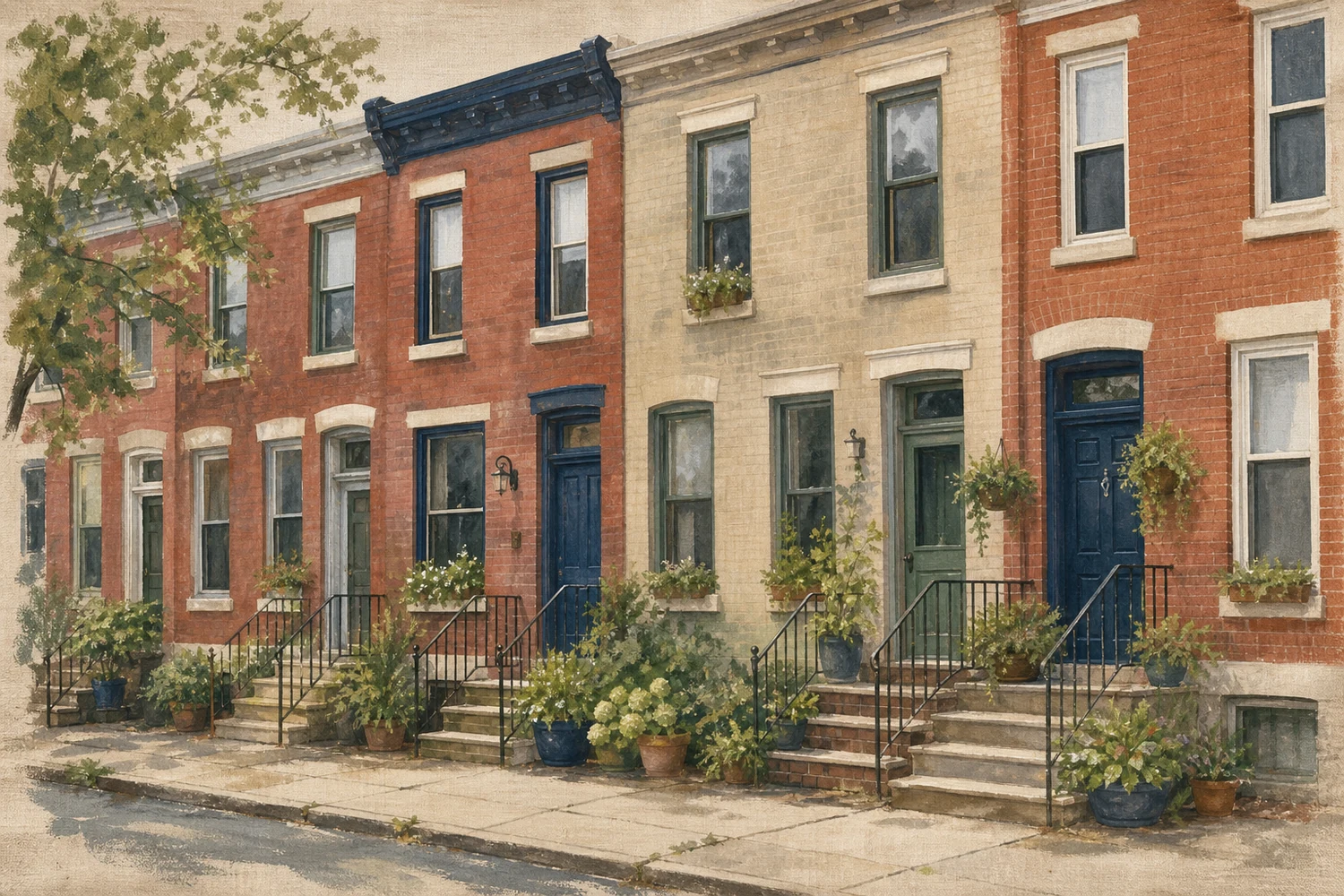
A little orientation
Plan an East Passyunk outing
Start with current businesses.
Use the district’s directory to research the guide’s destinations rather than assuming every familiar restaurant name still describes a place to visit.
Choose the occasion first.
A quick bite, a booked dinner and an afternoon of browsing need different plans; decide what matters to your group.
Leave space between stops.
Plan a modest route and confirm any time-sensitive booking, keeping the return journey and your party’s access needs in view.
A closer look
One avenue, your own afternoon
Use the fountain and avenue references for orientation while relying on confirmed business addresses for the plan.
Follow the current directory.
Start with the East Passyunk Avenue BID’s business directory and research the places that fit your meal or shopping idea. Confirm each business’s own current details before building a plan around a name from the article, especially an older restaurant reference.
A useful questionWhich currently confirmed businesses fit the kind of outing you want?
Source & next step ↗Ask the question that matters.
Use the district listing to find the business, then contact it about your actual party, budget and access or dietary needs. Compare what is included in the arrangement rather than assuming an avenue-wide dining reputation answers those individual questions.
A useful questionWhat must the business confirm for this visit to suit your group?
Source & next step ↗Keep the route comfortable.
Plan the journey between your confirmed stops on or around East Passyunk Avenue. Include the approach from transit and the return, letting your group’s walking and carrying needs set the scale instead of trying to cover every guide recommendation.
A useful questionWhich stops fit comfortably between your arrival and the journey home?
Source & next step ↗East Passyunk is not just a place to live, it is a rhythm to adjust to. Its character lies in its routine, its noise, and its imperfection. The same block where parking feels impossible one day becomes the block where neighbors share leftovers or lend each other ladders the next. This guide covers the neighborhood as its residents describe it, a community that works, celebrates, and endures together.
Where Philly Still Feels Like a Village
There’s a certain moment, just before dinner hours on a Friday, when East Passyunk Avenue reveals its rhythm. The air carries the smell of butter from fresh pastries, char from a grill, and the hum of neighbors greeting one another across the narrow street. To people who live here, this stretch isn’t “East Passyunk Avenue.” It’s simply “The Ave,” and calling it anything else would make you sound like you just stepped off the train. This neighborhood has the rare quality of feeling urban and familiar at the same time. You can walk out your front door, pick up a loaf from Machine Shop, stop by for a $6 burger at Fountain Porter, and still run into someone you know at the fountain before heading home.
The pace of life moves according to its own small rituals. Trash trucks roar down the block before sunrise midweek, like clockwork. The smell of coffee drifts from Bing Bing in the mornings. And by evening, the fountain becomes the center of gravity again, pulling in families, couples, and friends who treat it as an open-air living room. Parking is a constant test of patience, but the neighborhood’s walkability and tight community are what keep people anchored here. It’s a place where you can live car-free, but only if you learn the unspoken timing of the street.
For newcomers, The Ave isn’t a destination. It’s a lifestyle you learn one errand, one meal, and one parking ticket at a time. It’s that mix of grit and comfort that defines this pocket of South Philly. If you’re looking for sleek, predictable calm, this isn’t it. What you’ll find instead is a neighborhood that still breathes, argues, and looks out for its own.
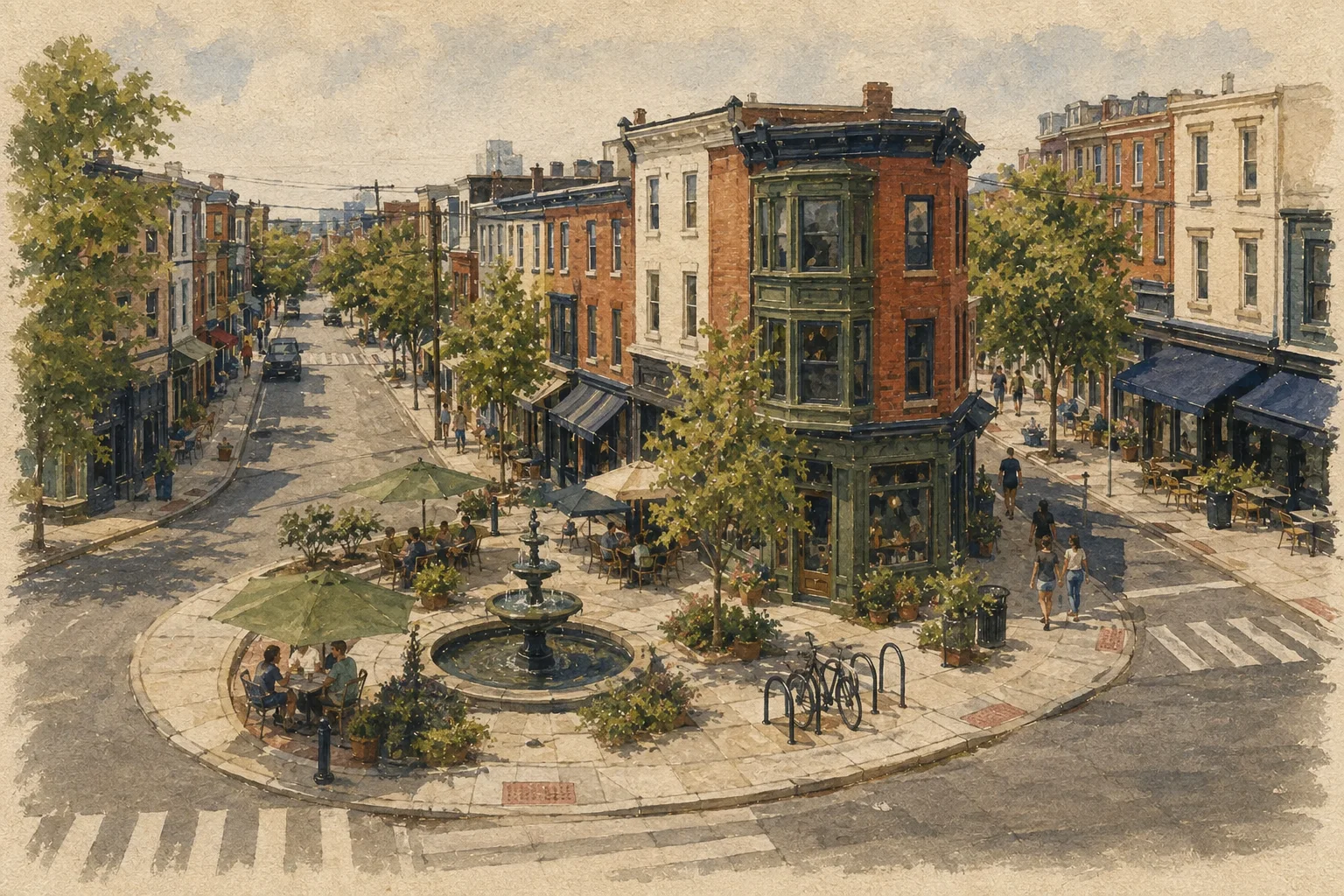
The Geography of Everyday Life
Understanding East Passyunk means learning its invisible map. The street itself is more than a diagonal strip of shops; it’s a patchwork of micro-zones that locals navigate without thinking. South of The Ave is where the noise builds, where bars keep music playing late and parking spots vanish by dusk. North of it, things quiet down into family blocks where stoops are decorated with plants and every neighbor has a story. Ask anyone who’s lived here long enough, and they’ll mention “the Rizzo side” or “west of Broad” like those phrases are cardinal directions.
Broad and Snyder acts as an unspoken boundary, and it is a busy one. The calmer streets are tucked westward, toward residential pockets where neighbors share mail keys and watch out for one another’s packages.
Then there’s the fountain, the heart of the neighborhood. It’s the meeting point, the shortcut landmark, and the backdrop for countless daily rituals. Parents bring their kids to chase the spray while friends gather with coffee or takeout. When people talk about “the village feel,” this is what they mean. The fountain turns city life into something small-scale and human again, surrounded by bakeries, bars, and the faint smell of tomato sauce wafting through summer air.
Life here moves within those few blocks, but the familiarity runs deep. Everyone has their version of The Ave, and learning yours begins with finding which side of the fountain you stand on and how far you’re willing to walk when parking disappears.
- East Passyunk Avenue
- The fountain
- Broad and Snyder
- Morris Street
Schematic · not to scale
Rhythm of the Week
Every day on The Ave feels slightly different, and locals plan their errands, meals, and sanity around that rhythm. Mondays are slow, almost silent, the one day when you can find a spot within shouting distance of your door. Tuesdays stay calm through the afternoon, with the street nearly empty between two and five. By Wednesday, the trash trucks arrive before dawn, their metallic crash announcing the middle of the week.
Thursday feels like the starter pistol for the weekend. By three in the afternoon, traffic thickens and locals hurry to get home before the nightly hunt for parking begins. Once Friday arrives, “dog and baby hours” take over. Families push strollers toward the fountain, dogs tug on leashes, and outdoor tables fill before sunset. After that, patience is currency. Finding a spot for your car or a table without a wait becomes part of the challenge.
Saturday brings out the festival energy. The air fills with music, and food trucks line the block, offering everything from tacos to gelato. It’s joyful, chaotic, and sometimes exhausting. Locals who’ve lived here long enough either dive in or plan errands far away from The Ave until night falls. Sunday mornings belong to brunch crowds, the longest lines of the week. By mid-afternoon, the chaos subsides, leaving quiet streets and neighbors walking home with leftovers.
Living here means syncing with this pulse instead of fighting it. Know the calm hours, respect the noisy ones, and you’ll start to feel like you belong. It’s not about escaping the city pace; it’s about learning the rhythm that makes this corner of Philadelphia tick.
Rhythm of the week
Locals plan errands, meals, and sanity around it.
Food Culture and the Battle for Authenticity
Food is the heartbeat of East Passyunk. You can walk six blocks and taste six different versions of what the neighborhood believes great food should be. Some of it is experimental and chef-driven, some of it is old-school and cash-only, but all of it is rooted in a sense of pride that locals carry with them. The Ave is not a place where people talk about “the scene.” It’s a place where they debate which spot still does it right.
Fountain Porter sits at the center of that identity. The burger there is famous not because it’s fancy, but because it’s honest. It tastes the same every time, it costs less than you’d expect, and it reminds people why they stay loyal to small spots instead of chasing trends. A few blocks away, Milk Jawn turns something as simple as ice cream into an obsession. The Lemon Curd with Blueberry Basil has become part of the local vocabulary, the flavor that defines summer nights near the fountain.
Then there are the battles over authenticity. The Ave’s restaurants are constantly compared, sometimes harshly, to smaller, more traditional places just a few blocks away. The divide between trendy bars serving cocktails and family-run kitchens making mole or enchiladas is more than a difference in menu. It’s a reflection of the neighborhood’s identity struggle. Longtime residents defend the quieter, humbler spots, while newer arrivals celebrate the energy and creativity of what’s moved in. Both sides are right in their own way, and the mix of both keeps the area alive.
Some names carry stories that stretch beyond food. Ember and Ash used to draw a crowd of loyal diners when its menu featured organ meats and experimental dishes. Now it stands as a reminder that success on The Ave depends as much on community connection as it does on creativity. In East Passyunk, reputations rise and fall fast, and locals rarely forget.
Still, the neighborhood thrives on small rewards that never make it into glossy lists. Marra’s still takes cash when everything else crashes, and that small detail feels like security. The Machine Shop sells out before noon most days, so the smart ones set an early alarm. These little rules form an unwritten map of pleasure that only locals seem to follow.
East Passyunk’s food culture isn’t about who serves the best meal. It’s about the network of habits, loyalties, and shortcuts that turn eating out into a way of belonging.
The spots locals name
Not a best-of list — the habits, loyalties, and shortcuts the body records.
Fountain Porter
The $6 burger is famous because it's honest, not because it's fancy.
Milk Jawn
Lemon Curd with Blueberry Basil is part of the local vocabulary.
Bing Bing
The smell of coffee drifts out of it in the mornings.
Machine Shop
Sells out before noon most days, so the smart ones set an early alarm.
Marra's
Still takes cash when everything else crashes.
Community Code and Unspoken Rules
To live comfortably on The Ave, you have to understand its etiquette. It’s not written anywhere, but everyone seems to know it. The first rule is to accept noise as part of the deal. The nightlife, the festivals, the early trash trucks, the occasional argument outside a bar, all of it comes with the address. Those who expect silence are quickly reminded that this is a living neighborhood, not a showroom.
The second rule is respect for space. Parking is limited and tempers can flare, but the locals who last the longest are the ones who know how to share curb space. If someone saves a spot with a cone or chair, there’s usually a reason. It’s better to ask than assume. On the sidewalks, the same courtesy applies. Do not block someone’s gate or chain your bike to a fence you don’t own. It’s an easy way to make enemies you’ll keep bumping into every week.
Inside the shops and markets, small gestures matter. The regulars at ACME know the cashiers by name, and those who take a second to greet them usually move through faster. It’s not about favoritism. It’s about the rhythm of a community that runs on recognition. The same thing happens at the fountain. By your third or fourth visit, faces start to become familiar. Parents nod to one another while kids play in the water. By the tenth, you’re part of the loop.
There’s also an invisible layer of neighborly care that rarely gets mentioned. When someone’s package is left on a stoop too long, another neighbor tucks it behind the gate. When someone cooks too much, portions get shared across the block. During festivals, people bring chairs from their porches and make space for others. None of this is organized or announced, but it keeps the neighborhood feeling small despite its growing popularity.
To fit in here, you don’t need to know everyone. You just need to act like you live among people who notice what you do. East Passyunk rewards familiarity, small acts of respect, and patience. If you understand that its imperfections are part of what make it real, you’ll find that this “village” in the middle of Philadelphia quietly starts to take care of you in return.
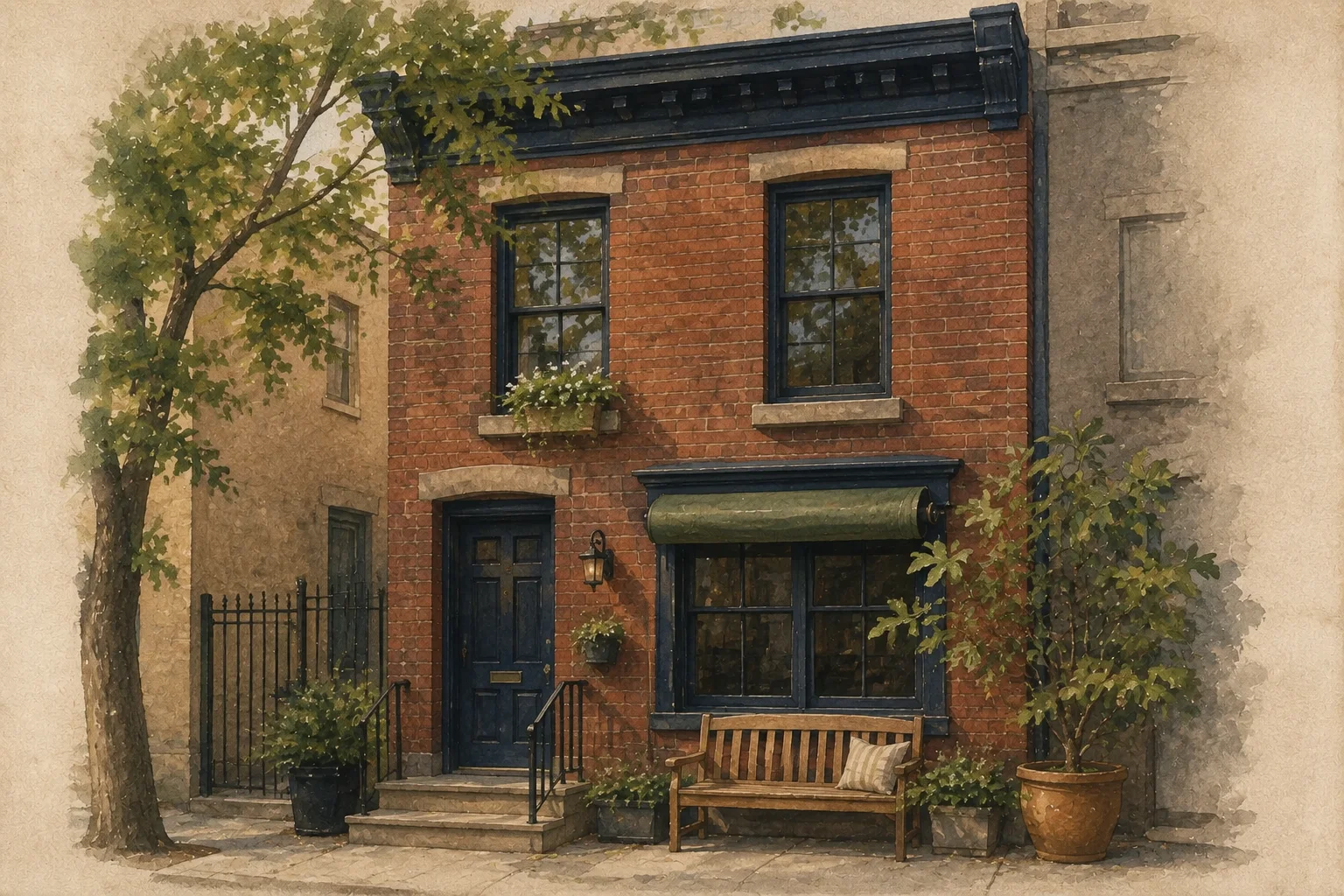
The Emotional Weather
The emotional temperature of East Passyunk changes as often as the sky over the city. Living here means learning to move between irritation and affection in a single day. It starts with frustration. Parking is a daily test of willpower. Construction cones multiply without warning, and when the PPA makes another sweep, the mood on the block can sour instantly. There’s always a sense that the neighborhood is changing faster than anyone asked for, and longtime residents grumble about new bars replacing old stores that once held memories.
But beneath those complaints lies deep pride. The Ave may test your patience, but it rewards loyalty. When the first warm weekend of spring arrives, the fountain fills with laughter and music. Families gather on stoops, restaurant patios buzz, and even the sidewalks feel alive again. The same people who curse the noise in winter are the ones setting up folding chairs outside come summer. There’s a shared understanding that this street belongs to everyone who participates in it, whether that means sweeping your sidewalk, saying hello to the barista who knows your order, or watching a neighbor’s kid for five minutes while they grab the mail.
Nostalgia lingers like the smell of tomato sauce drifting from open windows. People talk about when parking was easier or when certain restaurants still had their original menus. The past isn’t gone here, it just sits under the surface. Even the frustrations carry a sense of affection, because they come from wanting the neighborhood to stay what it’s always been, human-sized, loud, and full of personality. That tension between chaos and community is what makes East Passyunk feel alive. Every week brings another small annoyance, but also another reminder of why people rarely leave once they settle in.
Survival Guide for Outsiders
If you’re new to East Passyunk, think of this as your starter manual. The first rule is to master the timing of the street. Arrive home before three in the afternoon if you want any chance at parking nearby. After six, most spots are gone, and the side streets fill with quiet frustration. If you drive, budget extra time to circle the block, and learn to accept that the PPA seems to appear the moment you think you’re safe.
The second rule is to plan your errands around the rhythm of the week. Tuesdays and early afternoons are peaceful, the best time to shop or grab coffee without waiting. Fridays bring the crowd, with strollers, dogs, and festival setups turning The Ave into a moving maze. If you prefer quiet, stay west of Broad after dark and skip the late-night rush. Sundays are for brunch, but the lines stretch long, so it’s better to pick a smaller spot off the main path.
Festival days are the heart of the neighborhood but also its most exhausting. Traffic becomes impossible, and music fills the air until well past midnight. Locals know to stock up on groceries early and park in a spot they won’t need to move for two days. Bring cash, because small vendors often have card readers that fail once the crowd gets heavy. Expect the fountain area to feel like a block party, complete with kids running through the water and neighbors sharing food from folding tables.
Safety here is about awareness, not fear. If you bike, lock it indoors; abandoned frames on signposts are proof of what happens otherwise.
Finally, understand the social rules. Noise complaints are frowned upon. Patience earns respect. Eye contact and small talk go a long way, especially with the people you’ll see every week. Learn the language. The Ave, the fountain, dog and baby hours, and people will treat you as one of their own. East Passyunk doesn’t expect perfection; it expects participation. If you can adapt to its rhythm, overlook its flaws, and contribute to its energy, the neighborhood will slowly start to feel like home.
What you get, what you put up with
- Walkability and a tight community are what keep people anchored.
- You can live car-free, if you learn the unspoken timing of the street.
- A package left too long gets tucked behind the gate by a neighbor.
- The fountain works as an open-air living room.
- Parking is a constant test of patience.
- Trash trucks roar down the block before sunrise midweek.
- If you bike, lock it indoors.
- A latte that used to cost four dollars now edges toward seven.
What’s Changing and What Locals Argue About
Change is a constant in East Passyunk, but how people feel about it depends on which block they call home. Some see progress in the new restaurants and cocktail bars, while others miss the small stores that once gave the street its humble charm. Every month seems to bring a new storefront with polished glass and imported fixtures, and while the energy can feel exciting, it also raises quiet questions about who all this growth is really for.
Older residents remember when The Ave was full of hardware shops, family delis, and bakeries that knew every customer by name. When Wilensky Hardware finally closed and a sleek wine bar took its place, the response split the community. Some welcomed it as a sign that the neighborhood was thriving. Others saw it as a loss of character, another step toward a version of East Passyunk that caters more to visitors than neighbors. The same divide appears whenever a beloved restaurant changes ownership or a long-standing business gets priced out by rising rent.
Real estate pressure adds to the tension. Modest rowhomes that once sold for under four hundred thousand now stretch past six hundred in many sections. Newly built condos draw young professionals, but they also bring more traffic, tighter parking, and a feeling that the neighborhood’s edges are shifting. The sound of construction has become as familiar as the bells from the ice cream truck.
Prices creep up quietly. A latte that used to cost four dollars now edges toward seven. Water ice, once an affordable summer treat, feels like a small luxury. Some shrug it off as the cost of living in a desirable area, while others worry that the working families who gave the street its warmth will slowly disappear. Still, even with the changes, the neighborhood refuses to lose its personality. The festivals, the kids at the fountain, the noise from a band echoing down the block, these things hold the place together.
What locals argue about most is authenticity. New residents tend to celebrate what East Passyunk has become: a vibrant, food-centered neighborhood that can hold its own with any in the city. Longtime locals look for traces of what it was: the small gestures, the messy sidewalks, the sense that this was never meant to be polished. The truth is that both versions coexist. Every argument about new bars or parking or prices is really an expression of how much people care. The Ave is changing, but it has not lost its heart. It is still a place where frustration and affection live side by side.
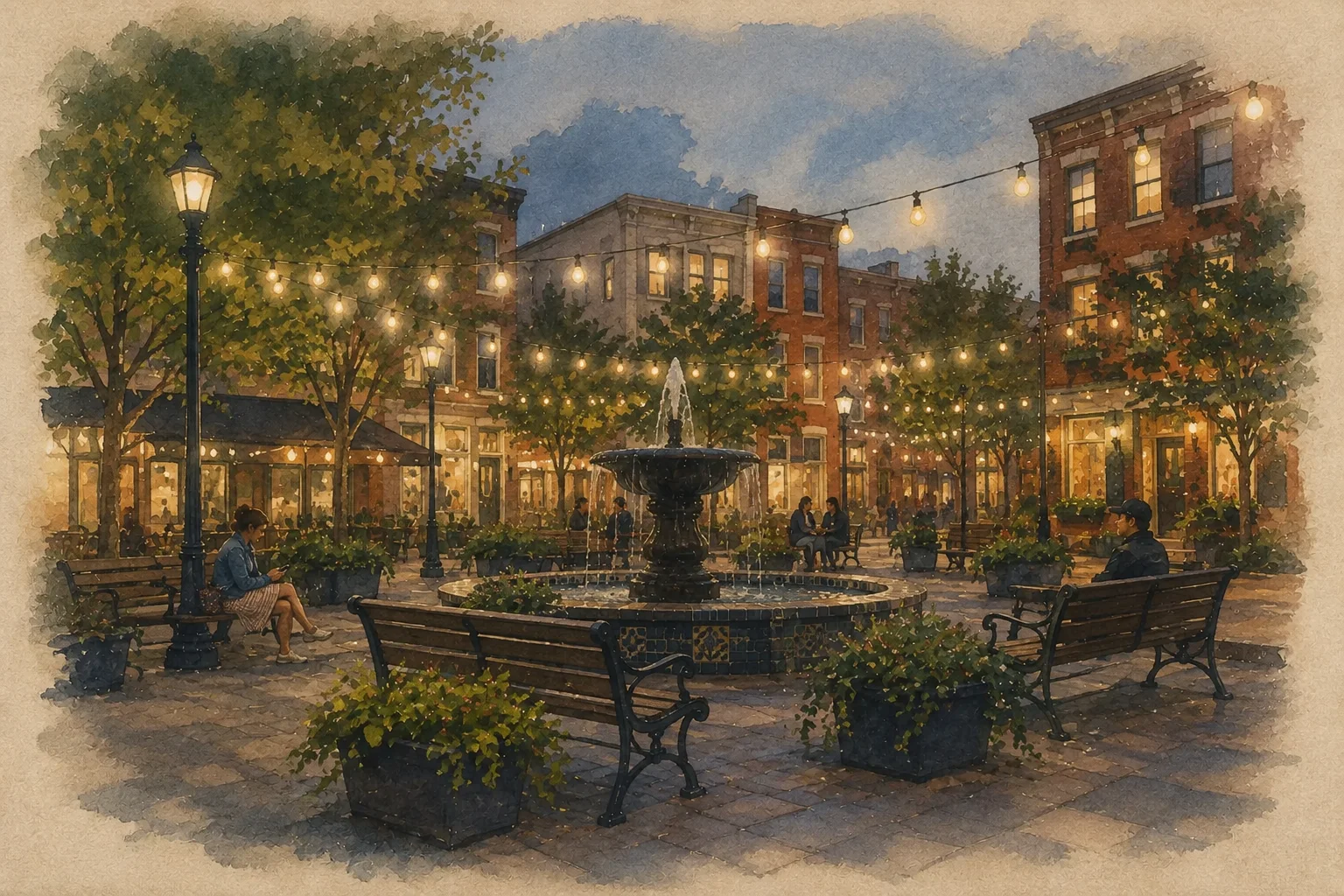
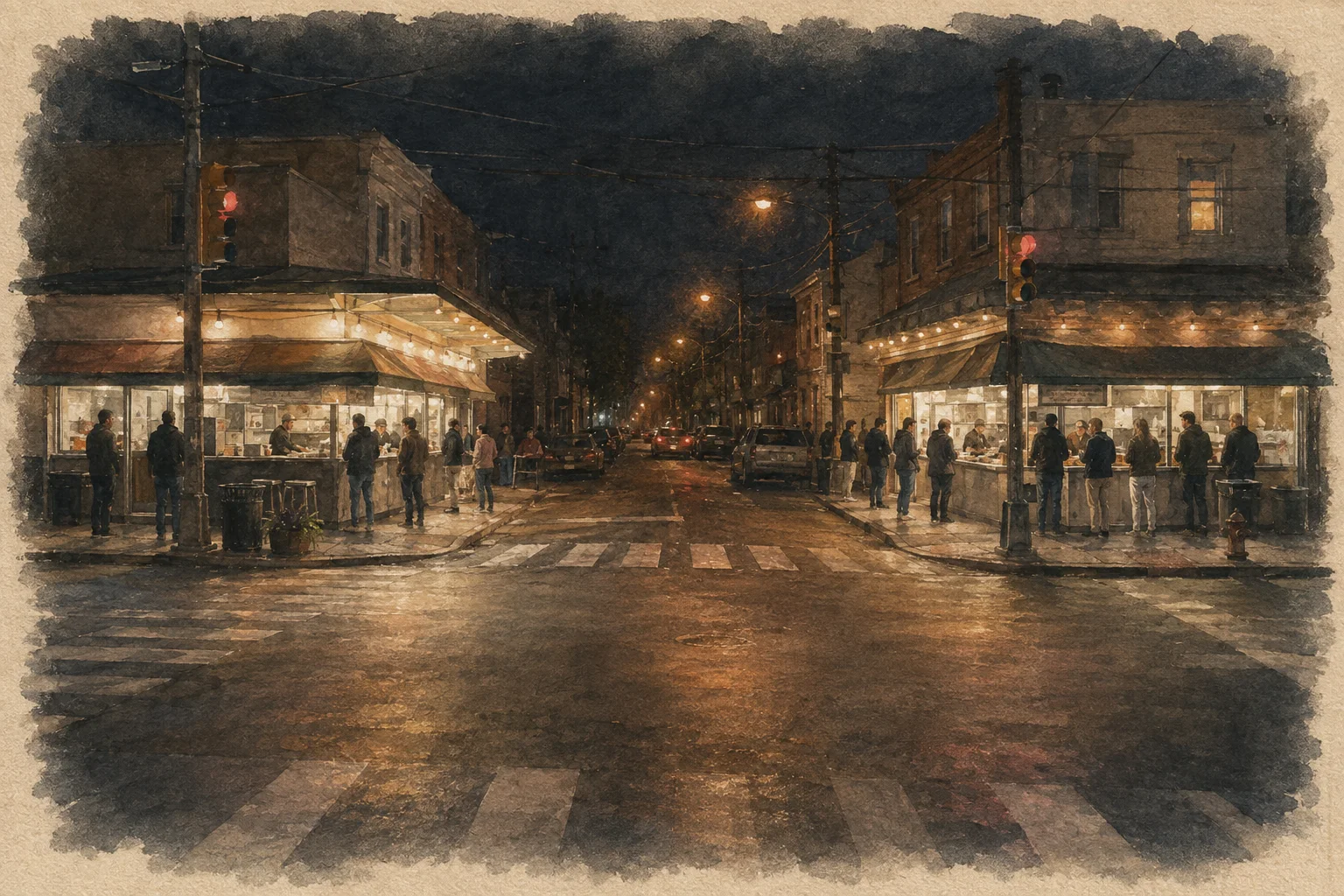
Why Locals Stay
There comes a point when frustration gives way to belonging. It might happen while walking home after dinner, when the smell of garlic and rain fills the air, or on a Saturday morning when someone waves from their stoop. Despite the noise, the tickets, and the crowds, people stay in East Passyunk because it still feels human. It is one of the few parts of the city where you can recognize faces after a few weeks, where the barista remembers your order, and where the same family walks the same dog past your window at the same time each day. Those repetitions create comfort.
People stay because the neighborhood lets them live close to everything without losing the sense of community that most cities have traded away. You can walk to dinner, pick up your groceries, visit the park, and still end the night sitting outside talking to your neighbors. The boundaries between public and private life are thin here, and that’s part of its charm. Life spills out onto the sidewalks, into the fountain plaza, and across the stoops where plants and chairs make every block feel alive.
They stay for the balance of grit and grace. For every cracked sidewalk and loud festival, there’s an unexpected kindness that offsets it. A neighbor helping another find a lost package. A restaurant sending extra food to someone nearby. An entire street that decorates for the holidays together. It is that mix of effort and generosity that makes the inconveniences easier to forgive.
Even as the neighborhood evolves, that feeling of connection remains strong. New faces arrive, buildings change, and yet the character of The Ave holds steady. It’s in the laughter that fills the fountain plaza in summer, the faint music drifting out of restaurants on warm nights, and the steady rhythm of footsteps along the same brick sidewalks that have carried generations before.
For those who choose to stay, East Passyunk becomes more than an address. It becomes a habit of life. One built on small gestures, shared frustrations, and a deep appreciation for everything that still feels real. The parking battles fade, the noise becomes background music, and what remains is a neighborhood that looks after its own. In a city that moves fast, this little stretch of South Philadelphia continues to feel like home.
Make it yours
Your East Passyunk outing list
A short list to turn what you read into your own next steps.
Saved checks stay on this device when browser storage is available. This is a personal planning list, not a property inspection or professional assessment.
Sources & next steps
Useful advice should
show its working.
These resources support the reader tools above and help you check details for your own address, date, or plans.
- East Passyunk Avenue BID
Check the district’s business directory and event announcements.
- SEPTA trip planner
Plan your date, direction and return journey; check service and accessibility details.
These tools do not carry forward the guide’s Bing Bing coffee claim or certify individual venues. Use Passyunk Square’s tools for a residential comparison.