A little orientation
Bring a project to Fabric Row
Bring the project brief.
Pack the pattern or measurements and describe the intended use so a seller understands what the material needs to do.
Ask before the cut.
Confirm width, price unit, quantity and cutting or return terms before agreeing to a purchase that is prepared for you.
Keep the care information.
Ask for the material and care details that apply to your purchase, then save them with the project notes afterward.
A closer look
From an idea to a useful purchase
Use the South 4th Street shop references as leads to confirm, then let the project guide your questions.
Find the shop for the project.
Use South Street District’s directory to research the Fabric Row shops mentioned in the guide, then contact the business directly. Ask whether it handles the material or service you need, and confirm its current address before planning your visit.
A useful questionWhich shop can discuss the material or service your project actually needs?
Source & next step ↗Get the details before buying.
Bring your pattern or measurements and explain how the fabric will be used. Ask the seller about material, width, care and cutting terms, then write the answers down before purchasing; a district listing does not establish those product details.
A useful questionWhat material, quantity and purchase terms have you confirmed before the fabric is cut?
Source & next step ↗Plan for the size of the purchase.
Decide whether you expect a small bag or a larger collection, then check the transport and loading arrangement that fits. Review official parking information if driving, and agree on any collection details with the shop before paying for bulky materials.
A useful questionHow will the purchased material get from the shop to your workspace?
Source & next step ↗Fabric Row is one of South Philadelphia’s most recognizable small business corridors, but it is also one of the easiest places to misunderstand if you only know it by name. Centered on South 4th Street in Queen Village, the area still carries its historic textile identity through fabric shops, tailoring resources, upholstery materials, trims, foam, leather, and old-school supply stores. At the same time, the street has changed. Today’s Fabric Row includes boutiques, cafés, restaurants, services, and newer neighborhood businesses mixed in with the remaining textile shops.
This guide from Hometress looks at Fabric Row as it actually feels now: useful, changed, walkable, sometimes frustrating, and still meaningful to people who know what they are looking for. Whether you are shopping for a sewing project, exploring Queen Village, comparing fabric stores, or trying to understand why longtime locals talk about the Row with so much nostalgia, this guide breaks down what to expect before you go.
Fabric Row Is Smaller Than Its Reputation, But It Still Has a Pulse
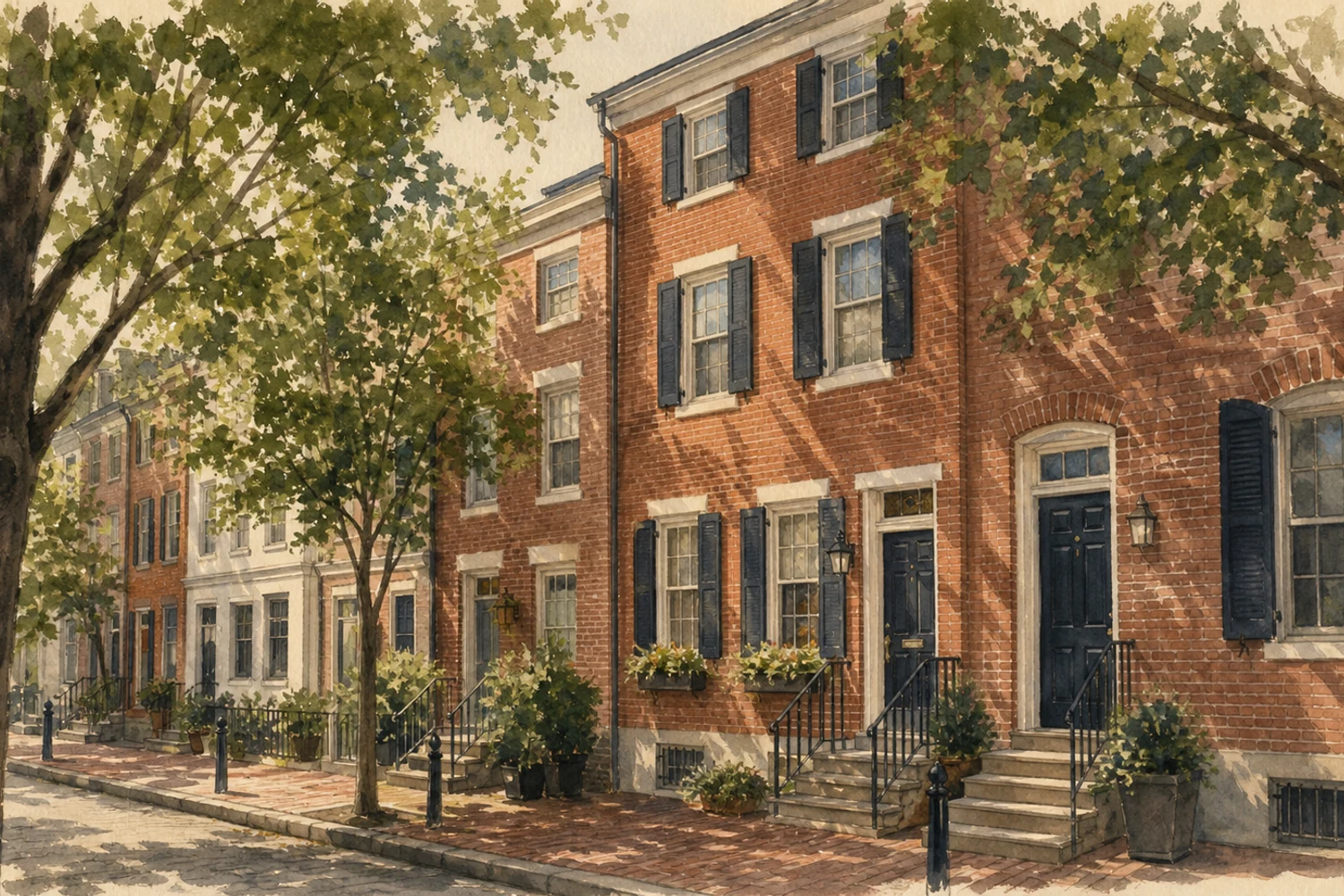
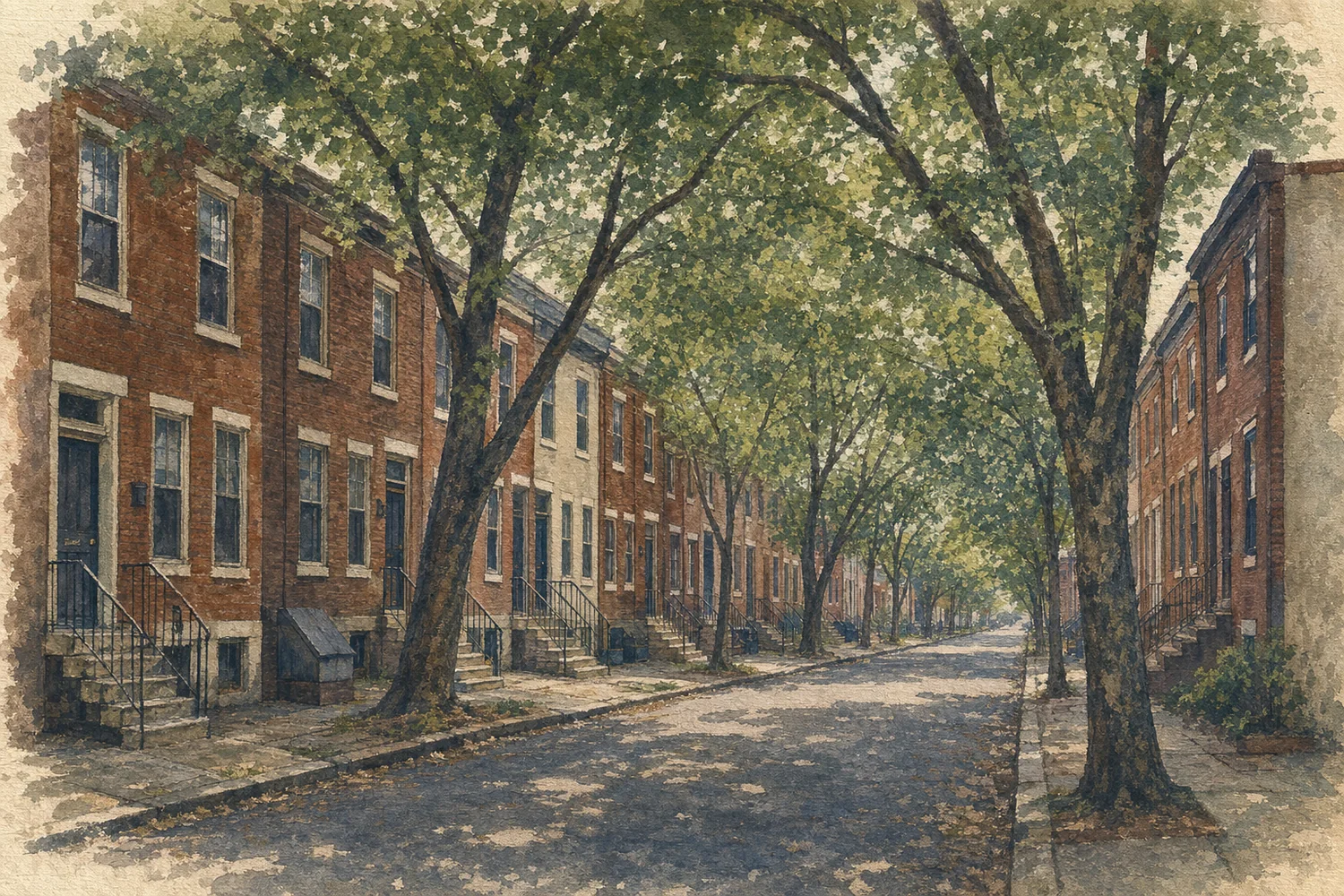
Fabric Row is one of those Philadelphia places where the name carries more history than the average visitor realizes. On paper, it is a stretch of South 4th Street in Queen Village. In local memory, it is the old textile corridor where generations came for fabric, trims, tailoring, upholstery materials, dress goods, foam, buttons, and the kind of supplies you needed to touch before buying.
The important thing to know before visiting is that Fabric Row is no longer the wall-to-wall fabric district some longtime Philadelphians remember. The old version had a much denser concentration of fabric shops. Today, the corridor is more mixed. You will still find textile businesses and old-school supply shops, but you will also see boutiques, cafés, restaurants, services, and newer retail sharing the same blocks.
That mix is why people talk about Fabric Row with such divided energy. Some see it as a changed but still useful shopping street. Others see the shrinking number of fabric shops as a loss that cannot be replaced by coffee, lifestyle retail, or cute storefronts. Both reactions make sense once you walk the block.
The best way to approach Fabric Row is with clear expectations. If you are looking for apparel fabric, upholstery material, leather, foam, trims, tailoring, or a few specific stops in one walkable area, South 4th can still be worth the trip. If you are expecting a giant fabric bazaar, endless quilting cotton, late-night shopping, or a polished retail district where every shop keeps the same hours, you may leave frustrated.
Fabric Row rewards people who know what they came for. A serious sewist, upholsterer, design student, costume maker, or homeowner with a cushion project will see things a casual browser might miss. At the same time, casual visitors can still enjoy it as part of a Queen Village afternoon, especially if they pair the fabric shops with nearby food, boutiques, and a walk toward South Street.
The honest version is simple: Fabric Row has changed, but it has not disappeared. The old textile identity is still there, just in pockets.
Where Fabric Row Actually Is
Fabric Row is centered on South 4th Street in Queen Village, just below the South Street orbit. If you are looking at it like a local, think less in terms of a formal attraction and more in terms of a few blocks where fabric shops, tailoring, upholstery suppliers, leather, and newer retail overlap.
People describe the boundaries in slightly different ways. Some place it around the 700 block of South 4th. Others describe it as South 4th between South Street and Catharine, or between Bainbridge and Catharine. You may also see Christian, Monroe, and nearby Queen Village corners come up when people are talking about specific shops. That variation is part of the local reality. The historic identity, the surviving fabric businesses, and the newer commercial strip do not line up into one neat boundary.
If someone from outside Philadelphia says “Fabric Row,” they may mean the general destination. If someone who knows the area gives directions, they are more likely to say South 4th, the 700 block, below Bainbridge, near South Street, or near a specific shop. That is the more useful way to understand it.
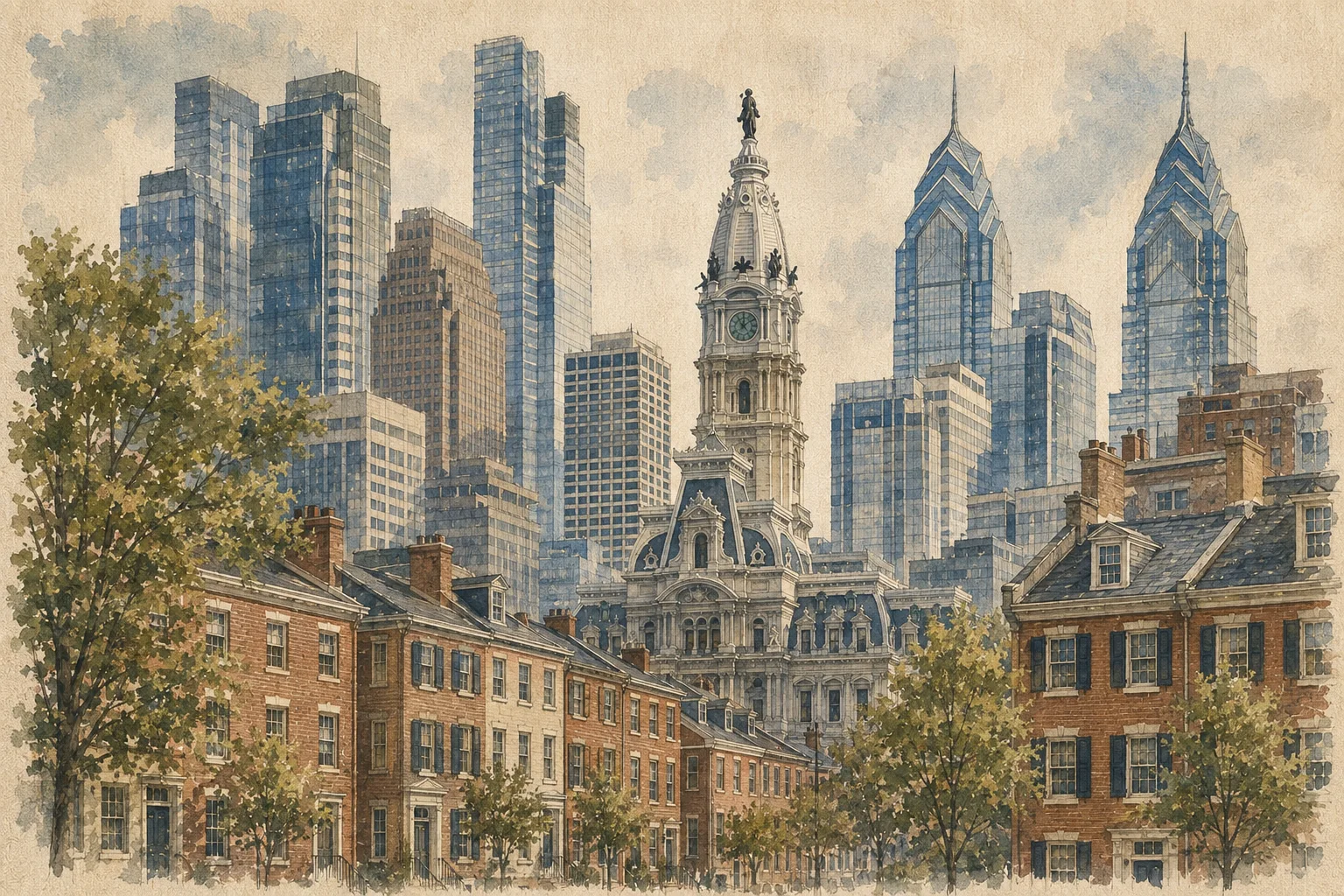
The Row also sits in a part of the city where nearby neighborhood names matter. Queen Village is the main reference point, but South Street, Bella Vista, Society Hill, and South Street/Headhouse all shape how people approach it. Someone walking over from Society Hill is having a different experience than someone driving in from the suburbs to buy fabric for a project.
The most practical mental map is this: get yourself to South 4th Street in Queen Village, expect the fabric identity to appear in clusters rather than one continuous strip, and plan to walk. Fabric Row works best when you treat it as a small, block-by-block route rather than a single destination with one front door.
- South 4th Street
- South Street
- Queen Village
Schematic · not to scale
The Quick Reality Check: What Fabric Row Is and Is Not
Fabric Row is still useful, but only if you understand what kind of useful it is. It is strongest when you need materials that benefit from being seen and touched in person: garment fabric, upholstery fabric, trims, zippers, buttons, foam, poly-fill, leather, embellishments, dress fabric, and tailoring-adjacent supplies.
It is also helpful when you want to compare multiple shops in a compact area. That is one of the corridor’s biggest advantages. You can walk into one store, look at color, weight, price, and texture, then check another shop nearby before making a decision. For fabric shopping, that matters. A photo online will not always tell you how a fabric drapes, whether a color is right, or whether a material feels sturdy enough for the job.
Where people get disappointed is when they arrive with the wrong picture in mind. Fabric Row is not a massive fabric warehouse. It is not a guaranteed modern quilt-shop corridor. It is not the best bet for Sunday browsing. It is not always ideal after work, because many old-school shops are associated with earlier closing hours. It is also not the kind of place where every price, policy, or inventory detail is automatically obvious to a beginner.
The local rule is to avoid going vague. If you need fabric for a dress, know the kind of drape or weight you want. If you need upholstery material, bring measurements and think about durability. If you need foam, know the size. If you need trim, bring a sample or at least a clear color direction. If you are flexible, say that. If you are not, be specific.
Fabric Row is forgiving to curious browsers, but it is more rewarding to prepared shoppers. The person who walks in saying they need three yards of something for a lined skirt will usually have a better experience than the person who just wants “nice fabric” and has no plan.
For casual visitors, the Row still works as a walkable Queen Village stop. Just understand that the fabric part is no longer the entire street. The current experience is fabric, old shop culture, boutiques, food, and neighborhood change all sitting beside one another.
The quick reality check
Fabric Row is still useful, but only if you understand what kind of useful it is.
- Strongest when you need materials that benefit from being seen and touched in person.
- Helpful when you want to compare multiple shops in a compact area.
- Good for garment fabric, upholstery, foam, poly-fill, trims, buttons and leather.
- The place to get the fabric today instead of ordering online.
- Not a massive fabric warehouse.
- Not a guaranteed modern quilt-shop corridor.
- Not the best bet for Sunday browsing.
- Not ideal after work — many old-school shops close in the late afternoon.
A Short History Without Turning It Into a Museum Piece
Fabric Row’s history is the reason people are so protective of it. This stretch of South 4th Street grew out of Philadelphia’s textile and garment trade, with deep ties to Jewish and Eastern European immigrant merchants. Before it became a named shopping destination, it was connected to pushcarts, sewing, fabric sales, tailoring, and the practical economy of making and repairing things.
For much of its strongest period, the Row had a dense concentration of fabric businesses. Longtime shoppers remember it as the place to go for garment fabric, drapes, trims, notions, upholstery materials, bridal fabric, and the supplies that supported both home sewing and professional work. The number that comes up often in local memory is the contrast between the old abundance and the much smaller number of fabric-related shops that remain today.
That history matters because the Row’s identity was never just visual. It was functional. People came because they needed something for a project, a garment, a home, a business, a wedding, or a repair. The shops were not just storefronts. They were part of a working ecosystem.
Today, the history can be easy to flatten into a cute phrase: a historic fabric district near South Street. That misses the emotional weight. For many locals, the question is not whether the street still has charm. The question is whether it still has enough fabric life to deserve the name.
That is why closures feel personal here. When a fabric shop disappears, it is not just another retail turnover. It chips away at the reason the corridor became known in the first place. On the other hand, when a new textile-related business opens or an old shop keeps going, people read that as a sign that the Row still has a future.
A good Fabric Row guide should respect the past without pretending the present is unchanged. The old version had more shops and a clearer identity. The current version is smaller, more mixed, and still trying to hold onto the work that made the street matter.
Then vs. Now: Why People Have Mixed Feelings
The tension around Fabric Row comes from the gap between memory and current reality. Longtime shoppers remember a South 4th Street where the fabric identity felt dense and obvious. The old Row was more clearly about textiles: bolts of fabric, trims, notions, bridal materials, drapery goods, upholstery supplies, tailoring, foam, and old-school shopkeepers who knew their inventory.
The current Row is more complicated. Some of those businesses remain, and they are still important. But the street also has boutiques, cafés, restaurants, lifestyle retail, spas, and other businesses that do not belong to the old textile economy. To a newer visitor, that mix can make the area feel more lively and easier to enjoy casually. To a longtime fabric shopper, the same mix can feel like evidence that the original identity has thinned out.
That is the central split. One person sees a corridor adapting. Another sees a corridor losing its reason for being. The truth depends on what someone came looking for.
For a casual visitor, newer shops can make Fabric Row more approachable. You can browse, get coffee, look at clothing or gifts, stop nearby for food, and still peek into a few fabric-related businesses. That version of the Row works well for a Queen Village afternoon.
For a serious maker, the question is different. They want to know whether the street still has the materials they need. Are there enough apparel fabrics? Is there upholstery material? Can someone cut foam? Can they find trims or hardware? Are the hours reliable? Are prices clear? Can they get the fabric today instead of ordering online?
The old-vs-new debate also carries a social edge. Fabric Row is increasingly visible through Instagram, TikTok, walking videos, and neighborhood guides. That brings new attention, but it can also make the place feel like a backdrop. Locals who remember the working fabric district may be less interested in how cute the blocks look and more concerned with whether the remaining shops survive.
The best way to write about Fabric Row is not to choose one side. The street is both changed and active. It has lost a lot of fabric density, but it still has fabric businesses worth knowing. New businesses bring energy, but they also change the meaning of the Row. That tension is the story.
Who Fabric Row Is Actually For
Fabric Row is not equally useful for every visitor. The best experience depends on what you need.
For serious sewists and makers, Fabric Row can still be valuable. If you are shopping for garment fabric, trims, notions, embellishments, dress material, or project-specific supplies, the ability to walk between shops and compare options in person is the advantage. It helps to arrive with basic details: fabric type, yardage, color, weight, stretch, lining needs, or a sample you are trying to match.
For fashion students, design interns, costume makers, and people learning textiles, the Row works as a hands-on classroom. You can feel the difference between materials, ask about use cases, compare how shops organize inventory, and understand why fabric shopping is not the same as scrolling through photos online.
For homeowners and interior projects, Fabric Row has another kind of value. Upholstery fabric, drapery material, foam, poly-fill, and custom-cut supplies are not always easy to judge online. If you are fixing cushions, recovering a chair, planning curtains, or looking for sturdier home fabrics, the Row’s practical shops may be more useful than its reputation suggests.
For bridal, eveningwear, and dress projects, the corridor is worth researching shop-by-shop. Some stops are associated with dress fabrics, special occasion materials, tailoring, and more specialized fabric needs. This is where a prepared shopper benefits most.
For quilters, expectations need to be careful. Fabric Row may have materials that work for certain quilting projects, but it is not consistently described as a modern quilt-shop destination. If your entire trip depends on quilting cotton selection, check specific shops first and have a backup.
For casual visitors, Fabric Row can still be enjoyable, especially if you treat it as part of a South 4th and Queen Village walk. The newer boutiques, food options, cafés, and nearby South Street energy make it easier to visit without a strict shopping mission.
The person most likely to be disappointed is the one who arrives with a vague idea of a huge fabric market. Fabric Row is better when approached with a purpose, a little flexibility, and enough time to walk.
The Main Shops and What People Associate Them With
Before planning a special trip, verify each shop’s current hours, address, and status. Fabric Row is made up of independent businesses, and the details matter. A shop that is perfect for one project may not be useful for another.
Fleishman Fabrics & Supplies, 749 S 4th Street
Fleishman’s comes up as one of the practical anchors of the Row. It is commonly associated with apparel fabric, embellishments, dry-cleaner supplies, bag hardware, and a useful, approachable shopping experience. Among the remaining fabric-related businesses, it has the kind of reputation that makes people recommend it when someone asks where to start for garment or general sewing needs.
Jack B. Fabrics, 748 S 4th Street
Jack B. is part of the old-school utility map of Fabric Row. It is associated with apparel fabric, foam, poly-fill, and custom-cut foam. This is the kind of stop that helps explain why Fabric Row still matters for practical projects. Not every visitor is looking for a pretty print. Some need material, stuffing, or foam cut for a specific job.
Phuong’s Tailor & Fabrics, 757 S 4th Street
Phuong’s is connected with dress fabrics, eveningwear, and tailoring. Its value is in the overlap between fabric and garment help. For people working on dresses, formalwear, alterations, or a more finished clothing project, that combination makes it a meaningful stop.
Maxie’s Daughter, 724 S 4th Street, near 4th and Monroe
Maxie’s Daughter is associated with bridal, dress fabric, drapery, upholstery, vinyl, and vintage textile character. It carries more of a specialized destination feel than a general browsing stop. For shoppers looking for event fabric, dress materials, or something with a deeper textile feel, it belongs on the list.
B. Wilk Fabrics, 801 S 4th Street
B. Wilk is tied more strongly to interiors: upholstery, draperies, decorating, and home fabric needs. This matters because Fabric Row is not just for clothing. It also serves people trying to repair, recover, or build something for a home.
PA Fabric Outlet, 758 S 4th Street
PA Fabric Outlet appears in the local fabric-shopping map as a general fabric stop, with mentions connected to lightweight and quilting-related materials. Before making it a key part of a trip, check current inventory and hours, especially if you need a specific category.
Adler’s, 742 S 4th Street
Adler’s is associated with foam, poly-fill, custom-cut materials, and practical supplies. It fits the side of Fabric Row that casual visitors may overlook: the places that exist for project-solving rather than browsing.
Baldwin / Baldwin Leathers
Baldwin is one of the names that shows up strongly in more visual discovery content. Leather gives first-time visitors a clear reason to stop because it is tactile and visually memorable. If leather sourcing is part of your visit, this is one of the names to verify.
Approved Textiles
Approved Textiles matters because it points toward Fabric Row’s possible future, not just its past. New textile-related businesses are significant here because every fabric-centered opening pushes back against the idea that the Row is only shrinking.
The best way to use this section in real life is to match the shop to the project. Fabric Row is not one store. It is a short route of specific doors, each with a different purpose.
The doors, and what each is for
Fabric Row is not one store. It is a short route of specific doors. Verify hours before a special trip.
Fleishman Fabrics & Supplies
Apparel fabric, embellishments, dry-cleaner supplies, bag hardware. Where people say to start.
Jack B. Fabrics
Apparel fabric, foam, poly-fill, and custom-cut foam.
Phuong's Tailor & Fabrics
Dress fabrics, eveningwear, and tailoring — fabric and garment help in one stop.
Maxie's Daughter
Bridal, dress fabric, drapery, upholstery, vinyl, and vintage textile character.
B. Wilk Fabrics
Interiors: upholstery, draperies, decorating, and home fabric needs.
PA Fabric Outlet
A general fabric stop, with lightweight and quilting-related materials.
Adler's
Foam, poly-fill, custom-cut materials, and practical supplies.
Baldwin Leathers
Leather gives first-time visitors a clear reason to stop.
Approved Textiles
Points toward Fabric Row's possible future, not just its past.
When to Go: Hours, Days, and Micro-Timing
Timing matters on Fabric Row more than many first-time visitors expect. The safest general advice is to plan around Saturday afternoon and to check the exact hours of the specific shops you care about before leaving.
Many of the old-school fabric businesses are associated with earlier closing times, often around late afternoon on weekdays. That makes after-work browsing risky. Someone who imagines stopping by at 6pm for fabric may find that the shops they wanted are already closed or that only part of the corridor is active.
Sundays are also not the best default choice. If you are visiting casually, you may still find places open nearby, especially in the broader Queen Village and South Street area. But if your goal is serious fabric shopping, Sunday is not the day to assume everything will be available.
Saturday works better because it lines up with how many people actually shop the Row: come during the day, give yourself time, walk between stores, compare materials, and do not rush. Earlier is usually safer than later if you need help, cutting, or time to think through a purchase.
4th Friday adds another layer. The event is often described as an after-hours neighborhood shopping night, roughly in the 4pm to 8pm range, with shops, drinks, galleries, and a more social feel. It can be a good time to experience the newer Fabric Row atmosphere. Just do not treat it as a guarantee that every fabric shop will be open late or ready for serious project shopping.
The local habit is simple: check before going. Check hours. Check the shop. Check whether the business you need still carries the category you want. Fabric Row is independent, block-by-block, and a little unpredictable. That is part of its character, but it also means timing can decide whether the trip feels useful or wasted.
Parking, PPA, and Getting Around Fabric Row
If you are driving to Fabric Row, build parking into the plan before you leave. South 4th Street sits close enough to South Street and Queen Village that parking can become the most annoying part of the trip, especially if you are trying to shop during a busy afternoon or around an event.
The local move is to park once and walk. Do not try to move the car from shop to shop. The corridor is compact enough that giving up a decent spot to save half a block usually makes no sense. Once you find parking, keep it, check the meter or sign carefully, and walk the stretch on foot.
PPA anxiety is part of the experience for a lot of Philly drivers. Read the signs, watch the time, and do not assume a quick fabric errand will stay quick. If you are comparing materials, waiting for fabric to be cut, asking questions, or checking multiple shops, time can move faster than expected.
If you are already in Queen Village, Bella Vista, Society Hill, or around South Street, walking may be easier than driving. Fabric Row is best experienced slowly anyway. You notice more when you walk: which storefronts still feel like old textile shops, which blocks have shifted toward boutiques, where the fabric identity gets stronger, and where it starts to fade.
For visitors coming from outside the neighborhood, the best mindset is simple: arrive, park once, walk the Row, and make the trip worth the parking hassle by visiting more than one stop.
What Fabric Row Is Better Than Online For, and Where Online Still Wins
Fabric Row’s biggest advantage is touch. Fabric is physical, and a screen can only tell you so much. In person, you can feel weight, check drape, compare color, see texture, and understand whether a material actually fits the project.
That matters for clothing, upholstery, curtains, cushions, leather, trims, and anything where the wrong weight or finish can ruin the result. A fabric that looks soft online may feel stiff in person. A color that looks perfect on a phone may be wrong under real light. A trim that seems close in a photo may clash when placed beside the actual garment or cushion.
The Row is also useful when you need advice. Staff at old-school shops may be able to suggest a better material, explain whether something will hold up, or point you toward a nearby stop that carries what they do not. That local cross-shop knowledge is hard to replace online.
Fabric Row also helps when time matters. If you need something today, waiting for shipping is not helpful. A short walk between shops can solve a problem faster than ordering three samples and hoping one works.
Online shopping still has advantages. It is better for late-night browsing, massive inventory, easy price comparison, bulk hunting, and very specific quilting or specialty fabric searches. If you need a guaranteed stock count or a rare print, online may be easier.
The smartest approach is not choosing one forever. Use Fabric Row when touch, color, weight, advice, and same-day problem-solving matter. Use online when selection, convenience, or price comparison matters more.
Nearby Alternatives Locals Compare It To
Locals do not treat Fabric Row as the only fabric option in the region. They compare it with other places depending on the project.
Gaffney Fabrics in Germantown comes up as a common comparison, especially for people who want another serious fabric-shopping option within Philadelphia. For certain shoppers, the choice is less about which place is better overall and more about which one fits the fabric category they need that day.
Fabric Mart in Reading is another comparison point, especially for people looking for broader selection or different pricing. It is not a casual neighborhood substitute, but serious fabric shoppers may consider the trip when inventory matters more than convenience.
Jomar is often treated as a cheaper, bigger, less polished alternative. It may appeal to shoppers who care most about volume and discounts, while Fabric Row appeals more to people who want a walkable cluster, local shop knowledge, and specific South 4th businesses.
These comparisons matter because they show how locals judge Fabric Row. They do not ask whether it is perfect. They ask whether it is the right stop for the job.
Fabric Row Itineraries for Different Visitors
If you are sewing a garment, start with the shops most associated with apparel and dress fabrics. Bring your pattern, yardage estimate, color direction, and any notes about stretch, lining, or drape. Give yourself enough time to compare more than one shop before buying.
If you are working on upholstery, cushions, or drapes, focus on shops connected with home fabrics, foam, poly-fill, drapery material, and custom-cut supplies. Bring measurements. Photos help, but measurements matter more.
If you need leather, verify leather-focused stops before going and make them the center of the trip. Leather is one of the materials that benefits most from being seen and handled in person.
If you are browsing with a friend, treat Fabric Row as a South 4th walk rather than a pure fabric errand. Look into the textile shops, then mix in boutiques, coffee, food, or a walk toward South Street. That version of the trip works even if you do not buy fabric.
If you are a quilter, go with cautious expectations. Check specific shops before making the trip, and consider having a backup option if you need a deep quilting cotton selection.
If you are visiting from out of town, do not make Fabric Row your only Philadelphia plan unless you have a specific textile reason. Pair it with Queen Village, South Street, nearby food, and a slow walk through the surrounding blocks. The area makes more sense when you experience it as a neighborhood, not just a shopping label.
Common Mistakes First-Timers Make
A lot of Fabric Row frustration comes from avoidable expectations. The biggest mistake is showing up without checking hours. Independent shops do not always behave like chain retail, and weekday evenings or Sundays can disappoint serious shoppers.
Another mistake is expecting the old wall-to-wall version of Fabric Row. There are still fabric-related businesses, but the modern street is more mixed. If you expect every storefront to be fabric, the change will feel jarring.
First-timers also underestimate how specific they need to be. Asking for fabric without knowing the project, yardage, or material needs can make the shopping process harder. You do not need to be an expert, but you should bring enough information to have a useful conversation.
Driving shop-to-shop is another mistake. Park once, read the signs, and walk.
Do not assume 4th Friday means every fabric shop is open late. Treat it as a neighborhood event with variable participation.
Do not assume prices are always obvious. Ask before cutting, compare when possible, and speak up if budget matters.
Most of all, do not judge the Row from one doorway. Some of the most useful shops are practical rather than polished. The street makes more sense when you walk it as a cluster.
Quick cheat sheet:
- Best general window: Saturday afternoon
- Riskier times: weekday evenings and Sundays
- Always check individual shop hours
- Bring measurements, samples, or project notes
- Park once and walk
- Compare shops if price or material matters
Show all 8
- Expect a mix of old fabric shops and newer retail
- Go for specific textile errands, not fantasy-fabric-bazaar expectations
The cheat sheet
Fabric Row FAQ
Is Fabric Row still worth visiting?
Yes, if you go with the right expectations. Fabric Row is smaller than its old reputation, but it still has useful textile shops, tailoring connections, upholstery resources, foam, trims, leather, and project-based supplies. It is also a good Queen Village walk if you are interested in the changing mix of old shops and newer businesses.
Where exactly is Fabric Row?
Fabric Row is centered on South 4th Street in Queen Village. People often describe it around the 700 block of S 4th, near South Street, Bainbridge, Catharine, Christian, and Monroe. The exact boundaries can feel fuzzy because the historic fabric identity, current fabric shops, and newer businesses overlap across nearby blocks.
What is Fabric Row best for?
It is best for garment fabric, dress fabric, upholstery material, foam, poly-fill, trims, notions, buttons, zippers, leather, tailoring-adjacent needs, and in-person material comparison. It is strongest when you need to see and touch something before buying.
Is Fabric Row good for quilting fabric?
It can be useful for some quilting-related needs, but it is not consistently described as a modern quilt-shop destination. Quilters should check specific shops before visiting and consider backup options if they need deep quilting cotton selection.
What is the best day to visit?
Saturday afternoon is the safest general recommendation for serious shopping. Weekday evenings can be risky because some shops close earlier, and Sundays are not ideal if your goal is fabric shopping.
Are shops open during 4th Friday?
Some businesses may participate in 4th Friday, which is often described as an after-hours neighborhood shopping event. Participation and hours can vary, so do not assume every fabric shop will be open late.
Is parking difficult?
Parking can be frustrating because Fabric Row sits near Queen Village and South Street. If you drive, find a legal spot, check the signs, and walk the corridor. Do not plan to move the car from one shop to another.
Is Fabric Row only fabric shops?
No. Today the street includes remaining fabric and textile businesses along with boutiques, cafés, food, services, and newer retail. That mix is part of why people have such different feelings about it.
Why do longtime locals say it changed?
The corridor used to have many more fabric shops and a stronger textile identity. Today, fewer fabric-related businesses remain, and the street has become more mixed-use. For longtime shoppers, that change feels significant.
Should I bring anything with me?
Bring measurements, project notes, swatches, photos, patterns, color references, or a sample of what you are trying to match. The more specific you are, the easier it is for a shop to help.
The Honest Version of Fabric Row
Fabric Row is best understood as a changed but still meaningful stretch of South 4th Street. It carries a textile history that locals remember, a smaller group of surviving fabric-related shops, and a newer layer of boutiques, food, services, and neighborhood retail.
The right way to visit is to be practical. Know what you need, check hours, park once, walk the strip, and keep your expectations grounded. If you are looking for fabric, foam, trims, leather, upholstery material, dress goods, or project advice, the Row can still be useful. If you are looking for the old wall-to-wall district, you will feel what has been lost.
That tension is the real Fabric Row story. The old identity has not vanished, but it now shares the block with everything that came after it.
Make it yours
Your Fabric Row project checklist
A short list to turn what you read into your own next steps.
Saved checks stay on this device when browser storage is available. This is a personal planning list, not a property inspection or professional assessment.
A few good questions
Before you make a plan.
Is Fabric Row still worth visiting?
What is parking like near Fabric Row?
Sources & next steps
Useful advice should
show its working.
These resources support the reader tools above and help you check details for your own address, date, or plans.
- South Street District
Use the district’s business and event listings to plan individual stops.
- Philadelphia Parking Authority
Check official parking information; read the restrictions at the actual space.
The directory helps locate businesses, not select a technically suitable fabric. Product advice and purchase terms need confirmation with the actual seller.
Keep exploring