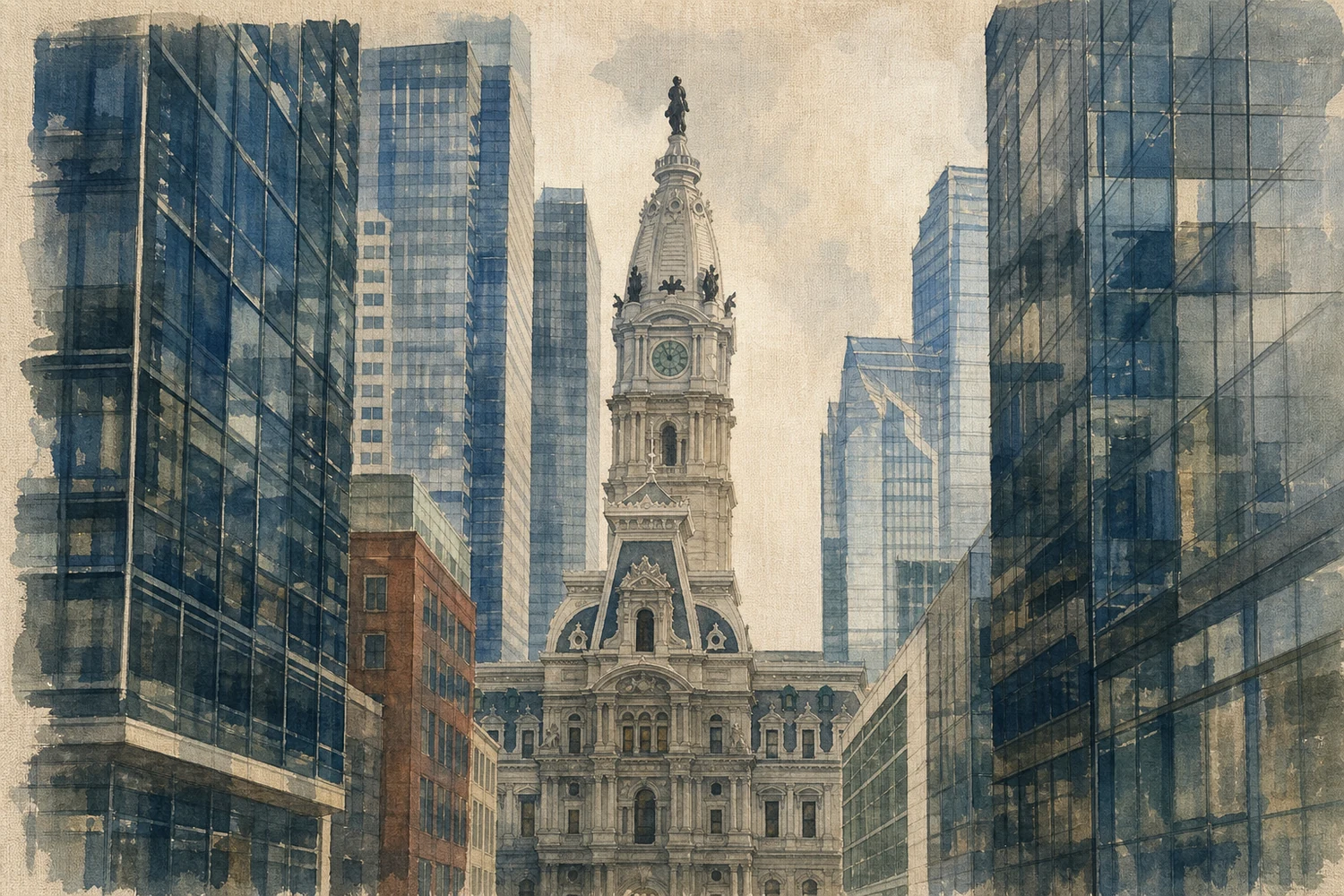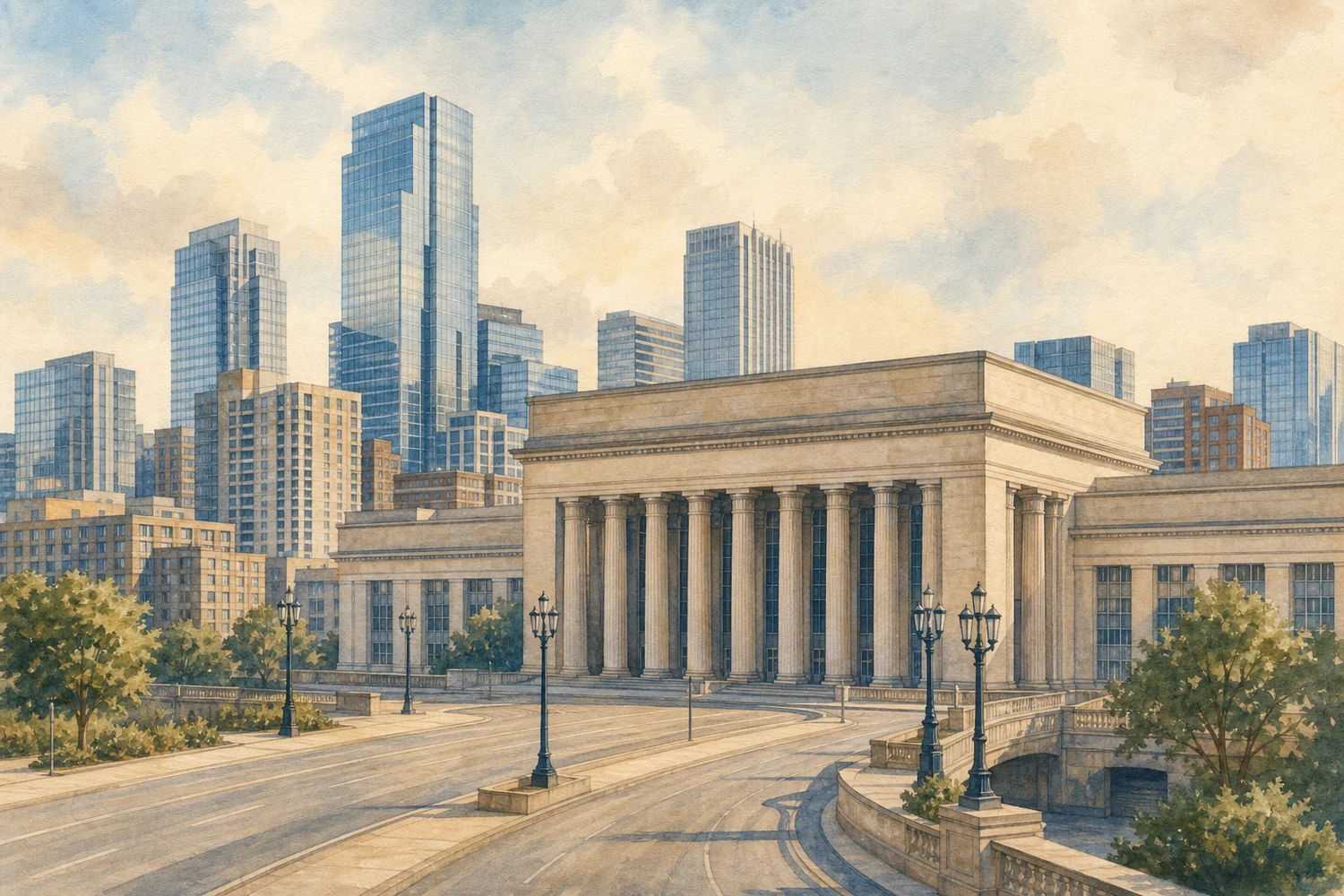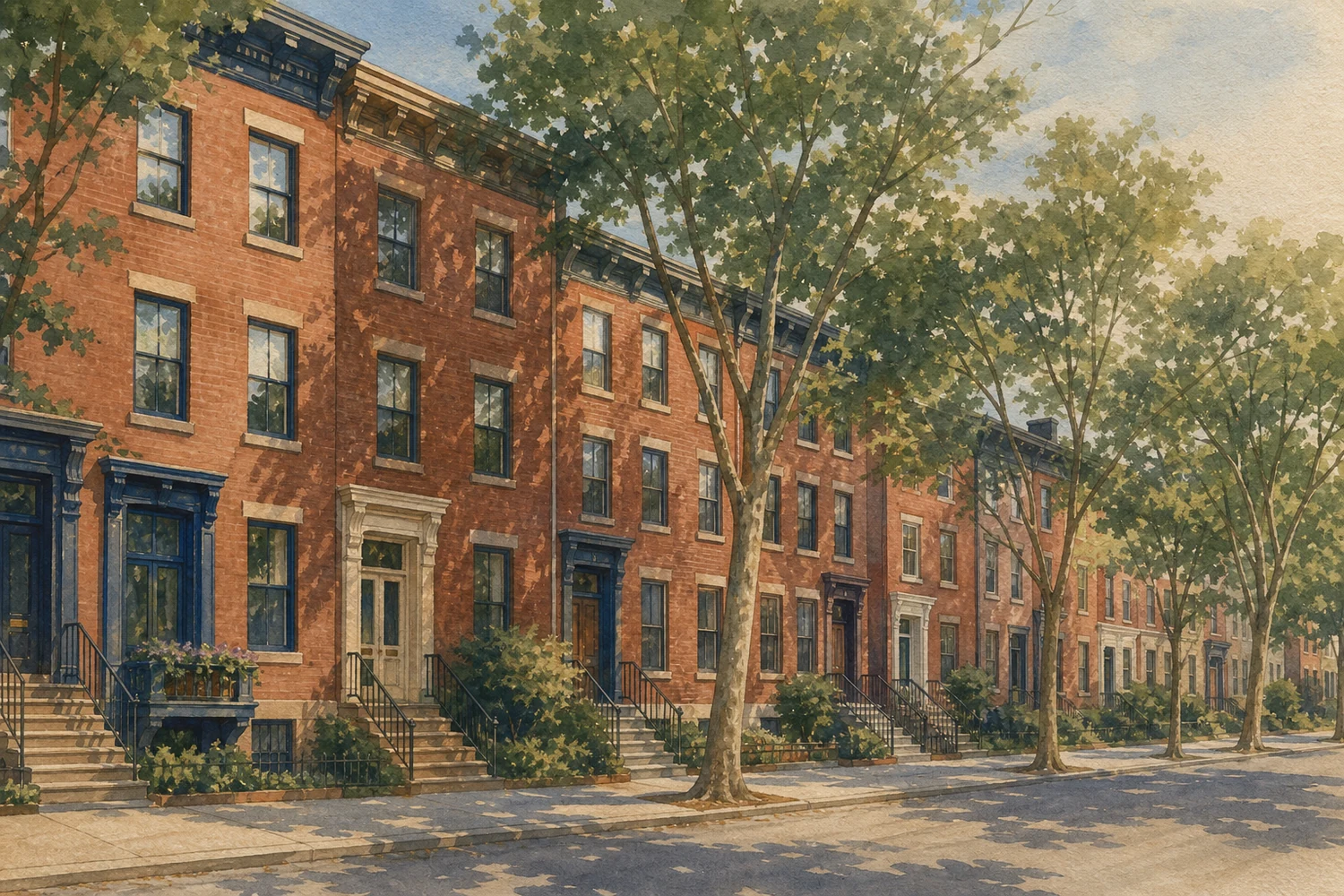
A little orientation
Build a Graduate Hospital afternoon around your household
Use the correct park name
Julian Abele Park is the named destination to look up when planning that part of your visit.
Check the actual activity
Ask Marian Anderson Recreation Center about the program or facility you need before relying on a general recommendation.
Walk from the real entrance
Include the home doorway, crossings, and return journey when judging how errands and outings fit together.
A closer look
Choose a Graduate Hospital routine
Pick the space or journey you would like to make part of your ordinary week.
Plan a small neighborhood pause
Use the Friends of Julian Abele Park site to locate the park and learn about the space. Choose a meeting point and a short visit, then connect it with an errand you genuinely need rather than adding distant stops for completeness.
A useful questionWould this park fit naturally into our ordinary errand route?
Source & next step ↗Ask about the activity first
Find Marian Anderson Recreation Center through the City's facility listings and contact it about the activity your household wants. Confirm current arrangements, access, and any registration before treating a pool, class, or other program as part of your weekly routine.
A useful questionWho can confirm the activity and access we need?
Source & next step ↗Test a useful round trip
Enter your Graduate Hospital starting address and a regular destination into SEPTA's planner. Compare the outward and return journeys, then inspect the walking sections with your household's actual needs in mind, including bags, a stroller, or a slower pace.
A useful questionHow would this journey work with everything we usually carry?
Source & next step ↗Graduate Hospital operates as a community up close: neighbors sweep their sidewalks together, share tools during block cleanups, and wave to the same faces each morning on their way to work. This guide isn’t about tourist highlights; it’s about what it truly feels like to live here, from the rhythm of the streets to the habits that define everyday life. Whether you’re a new arrival or a longtime resident still learning your block’s rhythm, we’ll walk you through the unwritten rules, hidden routines, and real stories that make Grad Hospital feel like home.
Getting Oriented With The Real Graduate Hospital
Graduate Hospital isn’t the kind of neighborhood you can understand from a map. Locals call it “Grad Hospital,” not “South of South” or “Southwest Center City,” which sound more like real estate slogans than lived places. The area runs roughly from South Street down to Washington, and from 15th to about 24th Street, though everyone draws the lines differently depending on where they feel comfortable walking at night.
The heart of the neighborhood beats between the edges of Center City convenience and a quieter, family-centered lifestyle. It’s one of those few pockets in Philadelphia where parents, young professionals, and long-timers coexist on the same stoops, waving at each other while simultaneously grumbling about the same problems. Grad Hospital feels like a middle ground: close to the hospitals and the universities, but far enough from the chaos of downtown to have tree-lined blocks, block parties, and playground chatter echoing through warm evenings.
Yet even within those boundaries, the neighborhood splits along invisible lines. A few blocks west of 21st Street, nights feel different. Less foot traffic, more caution. Around the 2100 block of Catharine, longtime residents quietly warn newcomers to be alert, even though it looks perfectly ordinary in daylight. North of Christian, the mood brightens; streetlights feel closer together, and restaurants, dog walkers, and cyclists fill the sidewalks. That mix of safety and unease is part of the reality of living here: one moment you feel entirely at ease, the next you’re remembering which route to take home after dark.
Locals call it Grad Hospital, not Southwest Center City.
- Marian Anderson Recreation Center
- Julian Abel Park
- Schuylkill River Trail
- South Street
Schematic · not to scale
The Daily Pulse: How Grad Hospital Moves
Every block has its own rhythm, and if you live here long enough, you start to notice the micro-patterns. Mornings are the calm before the shuffle. Coffee shops open early, the Schuylkill River Trail comes alive with joggers and medical workers biking toward University City, and the small daycare centers hum with drop-offs and quick goodbyes. By noon, the energy fades to a slow heartbeat. Restaurants go quiet, side streets empty, and even the parks settle into a soft midday lull.
Then Saturday hits. The same blocks that feel still on a Tuesday become a walking parade of strollers, brunch crowds, and dogs pulling their owners toward Sidecar Bar. Around late afternoon, you’ll hear the first notes of chatter rising again—friends meeting for drinks, neighbors returning from errands, parents catching up over fences. On warm weekends, the Marian Anderson Recreation Center pool draws families until sunset, while the sidewalks around South Street hum with restaurant chatter.
Seasonal rhythms are equally distinct. Spring brings block cleanups and park events; summer is defined by the pool, the playgrounds, and the constant hunt for shade. Fall feels like a collective exhale. Less noise, easier parking, and cooler nights when everyone leaves windows open. Winter, however, changes everything: the streets quiet, the sidewalks clear of foot traffic, and you can finally find a parking space without a miracle. These are the small shifts that make life here feel cyclical, like the city breathes with the seasons.
Safety in Layers: The Unspoken Geography
Safety in Grad Hospital isn’t something that can be summed up by a statistic. It’s learned through routes, habits, and shared advice passed between neighbors. Most people will tell you the neighborhood is safe, and they’re right. If you know where to walk, when to walk, and which corners to avoid. North of Christian Street, the streets stay well-lit and busy enough that even late-night walks feel uneventful. South and west of 21st Street, however, things change slightly. It’s not danger in the dramatic sense, but there’s a shift you feel when foot traffic thins and streetlights seem too far apart.
The real danger here is less about random crime and more about being unprepared. Residents develop small protective habits almost without realizing it: they walk on the more illuminated side of the street, avoid headphones after dark, and text neighbors when they spot something off. The sense of community fills the gaps that city services often leave empty. When the police are slow to respond, it’s the neighbors who step in, checking on each other, turning porch lights on, or installing cameras facing shared alleys.
What outsiders might not understand is that safety here is layered. It’s not about fear. It’s about awareness. People still walk their dogs late at night, but they know which blocks are fine and which deserve a detour. Parents still let their kids ride scooters to the park, but only within the known safe grid. Living in Grad Hospital teaches you to navigate comfort and caution in equal measure, blending urban instincts with a neighborhood’s quiet trust.
The lines locals draw without a map
Even within those boundaries, the neighborhood splits along invisible lines.
North of Christian
The bright halfStreetlights feel closer together, and restaurants, dog walkers and cyclists fill the sidewalks. Late walks feel uneventful.
East of 18th
Denser sideDenser and livelier, with more restaurants, cafes, and new construction.
West of 21st
Quieter sideQuieter, older homes and more parking struggles. Foot traffic thins and streetlights seem farther apart after dark.
Parking, Packages, and the Everyday Survival Tactics
Anyone who’s lived in Grad Hospital for even a week learns that parking and package delivery are not chores; they’re endurance tests. After five in the evening, the streets transform into a silent competition of parallel parking instincts and sheer luck. The locals call it a “move early” culture: people rearrange their cars right before dinner, often circling their blocks until a space opens up. It’s not unusual to see someone double-parked with flashers on, waiting for a neighbor to pull out. If you have a garage, you’re envied. If not, you plan your life around alternate-side luck and weekend gridlock.
Packages follow their own set of unspoken rules. Everyone knows the front steps are risky. Porch pirates move quickly, so residents adapt through a kind of collective ingenuity—locking delivery boxes, renting PO boxes, or walking to the Amazon locker at 23rd and South Street before it fills up for the day. The waitlist for local PO boxes is long, but the peace of mind is worth it. You learn to coordinate deliveries like appointments: small windows of safety, texts to neighbors for pickup, and a kind of mutual understanding that everyone’s trying to outsmart the same problem.
It’s a system of modern survival that blends frustration with strategy. In Grad Hospital, you don’t just live with parking and package chaos—you master it. Those who stay long enough learn when to drive, when to park, and how to make sure every online order actually reaches their front door.
Trash and Pride: The Two Sides of Cleanliness
The litter issue in Grad Hospital is the neighborhood’s open secret. It frustrates everyone, yet also binds the community in quiet solidarity. The city’s cleaning schedule feels unpredictable, especially after heavy weekends or municipal strikes, so many residents take matters into their own hands. Every block has at least one person who organizes informal cleanups, often armed with gloves, trash bags, and a resigned sense of pride. These small acts of maintenance are as much about identity as they are about hygiene.
Trash piles rise faster in warm months, when pests multiply and the air thickens with summer heat. After city strikes, rats and roaches are common enough that people keep their cans sealed and their porches swept daily. Yet amid the frustration, there’s a kind of neighborhood resilience that shows through. Families, retirees, and newcomers work side by side cleaning sidewalks, often joking or venting while they sweep. It’s an unspoken truth that in Grad Hospital, community starts with a broom.
The cleanliness problem never fully disappears, but it’s part of what defines the area’s character. For every overflowing bin, there’s a neighbor out front turning complaint into action. This rhythm of irritation and ownership is what keeps the streets livable, if imperfect. The block captains, volunteers, and everyday residents are the real infrastructure here, the ones who make sure that pride still outweighs neglect.
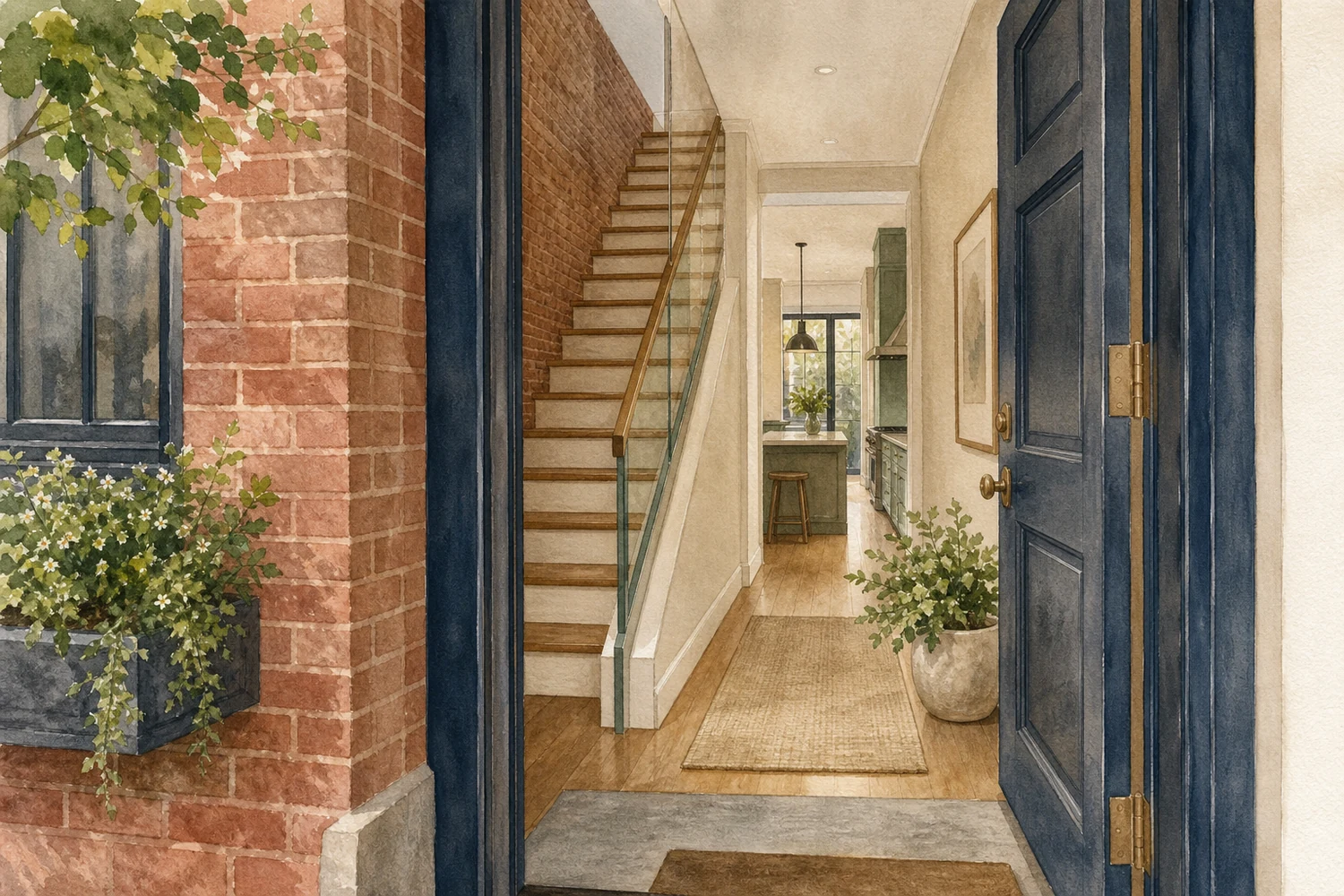
The Landmarks That Hold the Neighborhood Together
Grad Hospital’s sense of community is anchored in a handful of places that everyone seems to orbit around. At the center is the Marian Anderson Recreation Center, affectionately called MARC. It’s more than a pool or gym—it’s a gathering space that defines the rhythm of local summers. Families spend their afternoons there, children learn to swim under the watch of familiar faces, and the season always ends with a neighborhood celebration that feels almost ritualistic.
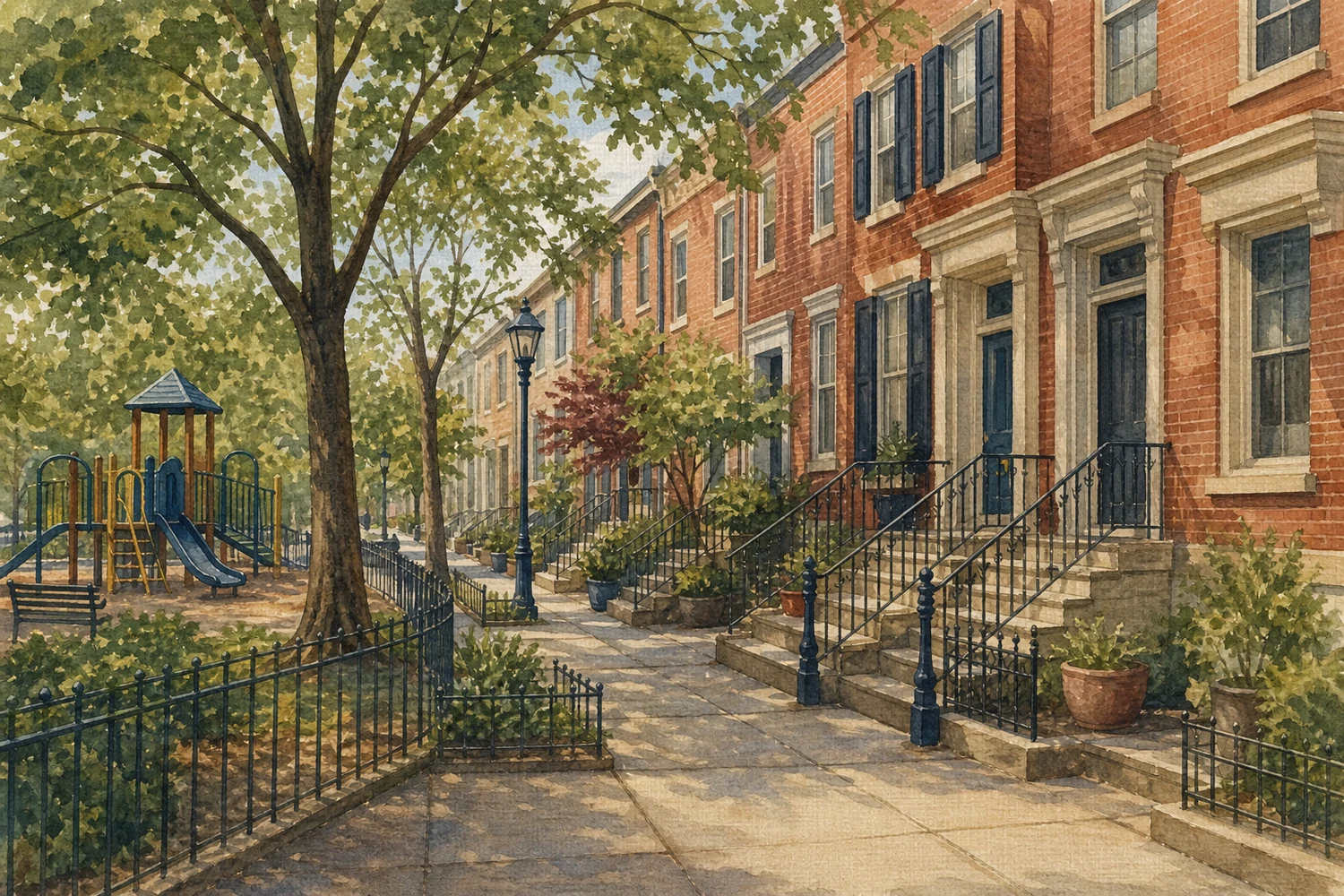
A few blocks away, Julian Abel Park offers a quieter sort of heartbeat. It’s small, well-kept, and beloved by those who live nearby. Weekday mornings fill with strollers, yoga mats, and dogs leashed to fences during coffee runs. On weekends, the park becomes a stage for casual catch-ups and kid games, a shared backyard for hundreds of homes without one.
And then there’s Sidecar Bar, the social anchor where friendships are made over local brews and trivia nights. For many, it’s where they first meet their neighbors, share block gossip, or celebrate another week of surviving parking roulette. Add the Schuylkill River Trail for joggers and the Christian Street YMCA for families needing reliable childcare, and you start to see how this neighborhood functions as a small ecosystem. Every spot serves a purpose: fitness, connection, sanity, or simply a sense of belonging.
The Character of the Community
Grad Hospital thrives on quiet familiarity. You start to recognize the rhythm of your block after only a few weeks—the same parents chatting on the corners during daycare pickup, the dog walkers who loop the same route, the neighbor who always greets you even when your hands are full of groceries. It’s a small ecosystem that functions on trust and repetition. Everyone knows when someone moves in, and everyone notices when a face goes missing.
The sense of belonging comes not from big neighborhood associations but from micro-interactions: waving at the same jogger each morning, sharing salt during snow season, or exchanging a quick message about a lost cat. Many residents describe it as a neighborhood that quietly watches over itself. There’s pride in how ordinary that feels. It’s not a showy sense of community—it’s built on eye contact, shared inconveniences, and the casual kindness that accumulates over time.
What makes the area distinct is how it balances change and continuity. The faces evolve, but the rituals remain. The same parks fill with kids each summer, the same bars host trivia nights, and the same residents still sweep their sidewalks at dusk. That steady rhythm holds the place together, even as rents climb and new apartments rise.
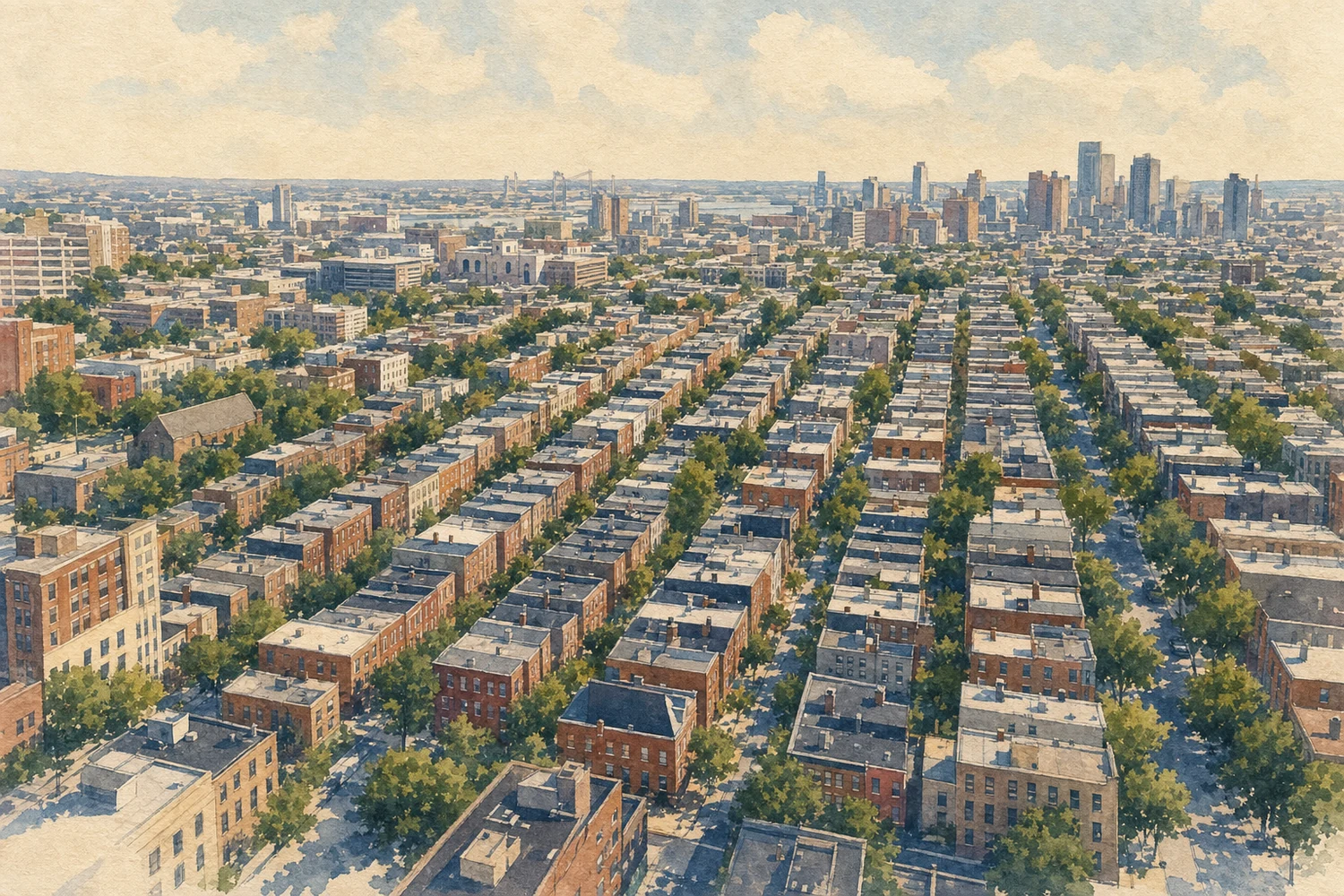
The Real Estate Equation
Buying or renting in Grad Hospital is a test of patience and perspective. On paper, it looks like an affordable alternative to Rittenhouse, but locals know that prices have been creeping upward for years. The typical rowhome is larger than what you’d find in Center City. That balance between space and proximity keeps demand steady, even as competition makes buyers cautious.
The neighborhood divides subtly between east and west. East of 18th Street feels denser and livelier, with more restaurants, cafes, and new construction. West of 21st, the atmosphere shifts—quieter, older homes, more parking struggles, and streets that still bear traces of their pre-renovation character. Renters often describe the area as one where listings disappear in hours. Many learn to act quickly, applying with deposits ready and paperwork pre-filled.
For homeowners, the appeal is stability. Property values tend to rise, and families often stay longer than expected. Yet with that growth comes unease about what’s being lost. Longtime residents recall when the area was more diverse and less expensive. New arrivals praise the same changes that others mourn. The real estate conversation here isn’t just about square footage. It’s about how the soul of the neighborhood shifts one renovation at a time.
The real estate equation
The boundaries the guide actually pins down.
The Emotional Map of Grad Hospital
Grad Hospital feels like a place of contrasts held together by effort. Pride and frustration live side by side. People care deeply about their blocks, even when they’re tired of the city’s shortcomings. The pride shows in the way neighbors plant flowers under street trees, organize yard sales, or share tools for cleanup days. Frustration surfaces when trash piles up or packages vanish again.
Affection for the area runs deep because it’s earned, not assumed. Every resident invests in making their corner livable, whether that means repainting rowhouse steps or looking out for a neighbor’s delivery. The love here isn’t idealized; it’s practical, rooted in shared persistence. Residents laugh about the parking, curse the trash, and still show up to the same park barbecue every summer.
What holds it all together is resilience. People stay not because it’s perfect, but because the imperfect parts feel familiar. Grad Hospital is a place where annoyance and appreciation intertwine, where community doesn’t just exist—it’s built daily through small acts of effort and care.
The Unspoken Code of Everyday Living
Every neighborhood has its quirks, but in Grad Hospital, those quirks function like laws. You learn them quickly, sometimes the hard way. Never leave anything visible in your car. Park early on weekends before the dinner rush begins. If your streetlight flickers, report it immediately because it shapes how safe that block feels after dark. Deliveries should never be left unattended, and every longtime resident knows which side of the street is better lit for walking home at night.
Locals also share quiet courtesies that keep the community running smoothly. You don’t block a driveway even for a minute, you don’t move someone’s cone, and you don’t complain publicly about your quiet block. Those who find the calmest corners protect them fiercely, sharing the details only once they trust you. On trash days, neighbors drag each other’s bins out without asking, because small gestures keep resentment from building.
Living here means participating in a social ecosystem where everyone upholds the balance. The unwritten code isn’t about rules on paper—it’s about shared habits that make life in a dense, unpredictable city feel slightly more predictable. These customs don’t come from a handbook; they come from the rhythm of people learning to coexist on the same narrow blocks, year after year.
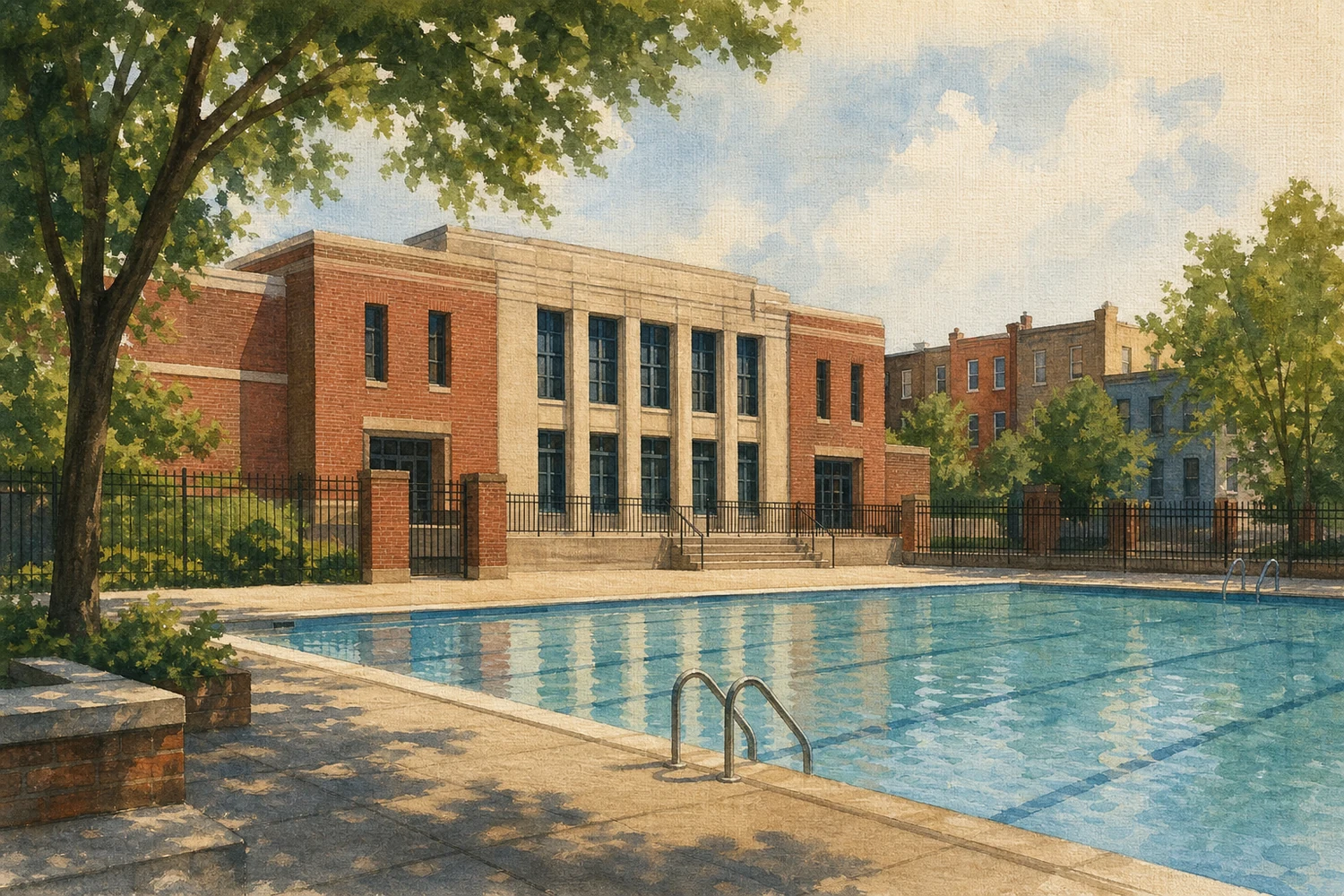
How Locals Measure Life Here
Residents in Grad Hospital don’t evaluate the neighborhood through brochures or listings—they measure it through personal tests that only make sense once you live here. Can you still find parking after six in the evening? Have you gone more than a month without losing a package? How many of your neighbors’ first names do you know? These are the real benchmarks of belonging.
Newcomers earn their stripes by learning shortcuts and coping systems. The experienced residents judge how “settled” someone is by the rhythm of their habits: where they walk their dogs, how they handle trash days, whether they have a locker plan for deliveries. Even the smallest routines, like how quickly you wave back to the familiar faces on your block, reveal how attuned you’ve become to the local rhythm.
Over time, these details become the markers of comfort. The stress of parking fades into strategy. The litter problem turns into a shared weekend task. And what once felt like a chaotic city block starts to feel like a personal territory you help maintain. That’s how locals measure life in Grad Hospital—not by perfection, but by how well you adapt, contribute, and stay connected to the people around you.
The Neighborhood of Contradictions
Grad Hospital is a neighborhood that lives in tension with itself. Every strength has a shadow. It feels like a calm, family-friendly enclave, yet parking and trash can turn peaceful evenings into small battles. It is praised for its affordability next to Rittenhouse, yet prices have steadily pushed many long-term residents out.
The people who live here accept these contradictions because they coexist within them daily. Pride and irritation blend seamlessly. You can love the same street that frustrates you every week. The community’s warmth can’t hide the city’s rough edges, but those edges are what make the place feel alive and unpolished. Grad Hospital doesn’t pretend to be perfect. It asks its residents to adapt, care, and engage, and in return it offers a sense of belonging that feels more earned than given.
The contradictions are not flaws to fix; they are part of the neighborhood’s identity. They remind you that the place is real, built on effort, compromise, and a shared belief that it is worth investing in, even when it tests your patience.
The neighborhood of contradictions
Every strength has a shadow.
- A calm, family-friendly enclave
- Praised for its affordability next to Rittenhouse
- Neighbors who sweep sidewalks together and organize block cleanups
- Parking and trash can turn peaceful evenings into small battles
- Prices have steadily pushed many long-term residents out
- The city's cleaning schedule feels unpredictable
Insider Knowledge for Daily Life
Living comfortably in Grad Hospital requires learning its micro-patterns. Locals know which corner of South and 21st is best for catching a rideshare without blocking traffic. They know that the Amazon lockers restock early in the morning and fill by noon, that Sidecar trivia night fills every Thursday, and that parking is easiest on Tuesdays before dinner. They also know not to share too much about quiet blocks online, protecting their small pockets of calm.
The rhythm of errands has its own logic. Weekday grocery runs are quick, but Saturday mornings require patience. Deliveries are safest during work hours when neighbors are watching. If you walk at night, the lit side of the street is your default path, and if you commute by bike, you already know where the potholes and tricky turns are. Over time, you stop thinking about these habits; they become part of your navigation instincts.
These small details are the difference between living in Grad Hospital and simply having an address there. They represent the local intelligence that keeps things flowing: knowledge shared quietly between neighbors who have learned every shortcut, every workaround, and every reliable trick for surviving the neighborhood’s chaos with a little grace.
The Soul of Grad Hospital
At its heart, Grad Hospital is about persistence. People here don’t love the neighborhood because it’s perfect; they love it because they have made it theirs. The streets can be noisy, the parking impossible, and the trash endless, yet the same residents stay for years. They build connections, organize cleanups, plant trees, and create the sense of order the city sometimes forgets to provide.
The neighborhood’s spirit comes from effort layered over effort. It’s in the parents watching their children learn to swim at the Marian Anderson pool, the retirees sweeping sidewalks on summer mornings, the late-night neighbors who turn porch lights on for others walking home. It’s in the quiet wave exchanged between strangers who have seen each other for years but never needed words.
Grad Hospital endures because of its people. They have shaped it into a living example of how community survives in a big city through repetition, patience, and shared care. The result is a place that never stops challenging you, yet somehow keeps you rooted. It teaches that home isn’t defined by what’s perfect, but by what’s worth showing up for every single day.
Make it yours
Your household visit checklist
A short list to turn what you read into your own next steps.
Saved checks stay on this device when browser storage is available. This is a personal planning list, not a property inspection or professional assessment.
Sources & next steps
Useful advice should
show its working.
These resources support the reader tools above and help you check details for your own address, date, or plans.
- Friends of Julian Abele Park
The park's friends group identifies its location and shares information about the space.
- Find a playground or recreation center
City facility listings provide locations and contacts for checking programs and access.
- SEPTA trip planner
Compare transit journeys using your actual stops, date, and departure time.
The park name is Julian Abele. These prompts make no safety-grid claim and do not assume particular delivery lockers, pool sessions, or programs are available.
Keep exploring