A little orientation
Plan a Chinatown meal and visit
Choose by the meal.
Use the guide’s dishes and restaurant names to start a search, then check the current menu with the business.
Confirm the practical details.
Ask directly about dietary needs, payment and reservations instead of relying on a neighborhood-wide rule about how restaurants operate.
Leave space for community context.
Use PCDC’s own resources to learn about current projects and programs without reducing Chinatown to a restaurant list alone.
A closer look
Put together your Chinatown visit
Begin with Race Street or the Friendship Gate as a guide reference, then confirm the specific places you will use.
Make one meal the anchor.
Choose one of the guide’s restaurant leads, such as Nan Zhou or Sang Kee, and confirm its current address and menu directly. Then plan the journey around that destination instead of assuming every nearby business has the same hours.
A useful questionWhich dish, dietary question and restaurant contact will guide your first stop?
Source & next step ↗Read the organization’s own updates.
Before repeating a project claim or building a trip around a community event, consult Philadelphia Chinatown Development Corporation’s updates. Note the date and the organization behind the information, then follow the relevant contact for questions about participation.
A useful questionWhat does the current organizer say, and when was that information published?
Source & next step ↗Separate a meal from a car stop.
If you drive or collect a large grocery order, plan that part of the visit deliberately. Review official parking information and read the actual signs; a restaurant recommendation does not establish a suitable waiting or loading place.
A useful questionWhere can you arrange a lawful stop without interrupting someone else’s access?
Source & next step ↗Chinatown Philadelphia: Where Duck Hangs in Windows and Nobody Apologizes
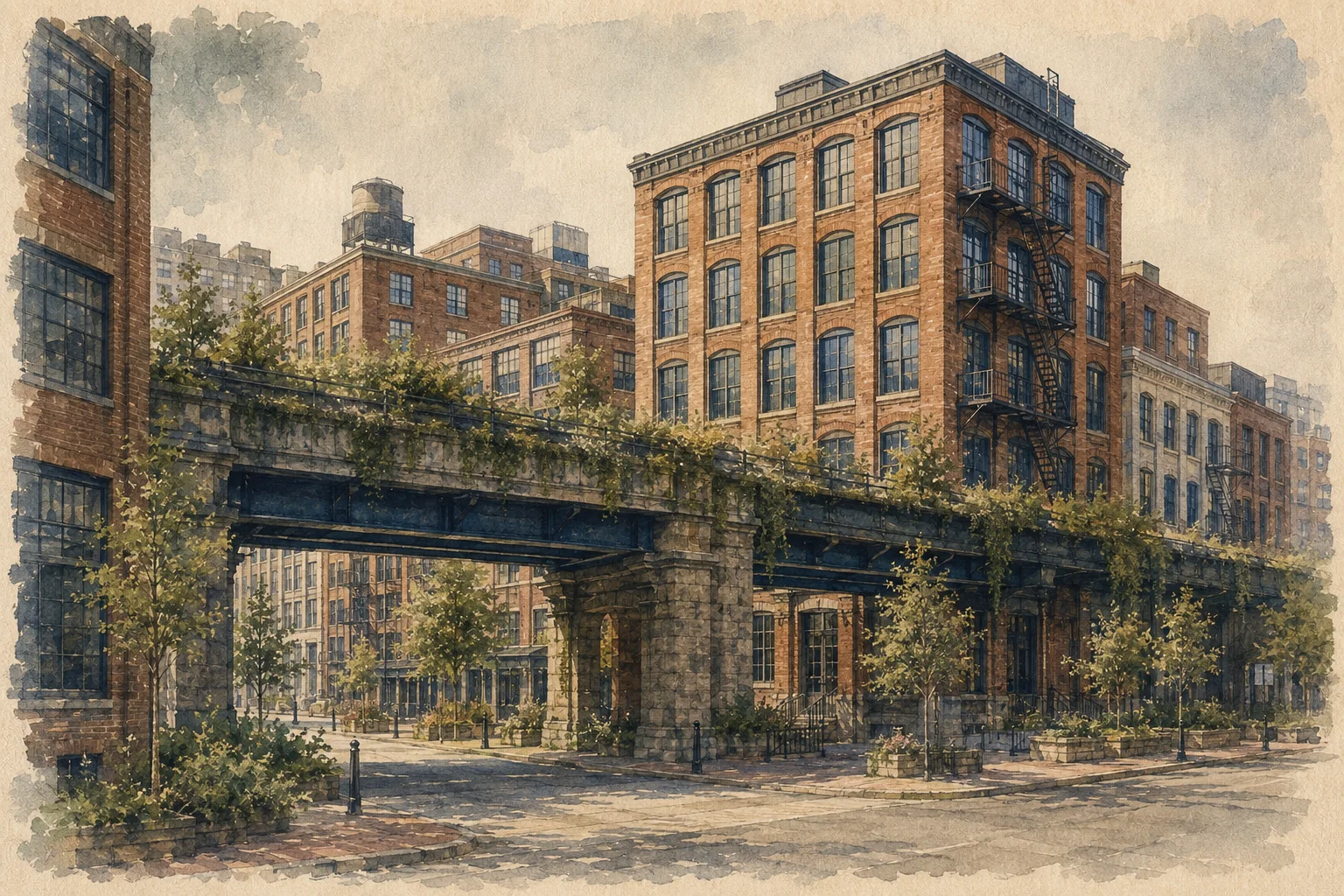
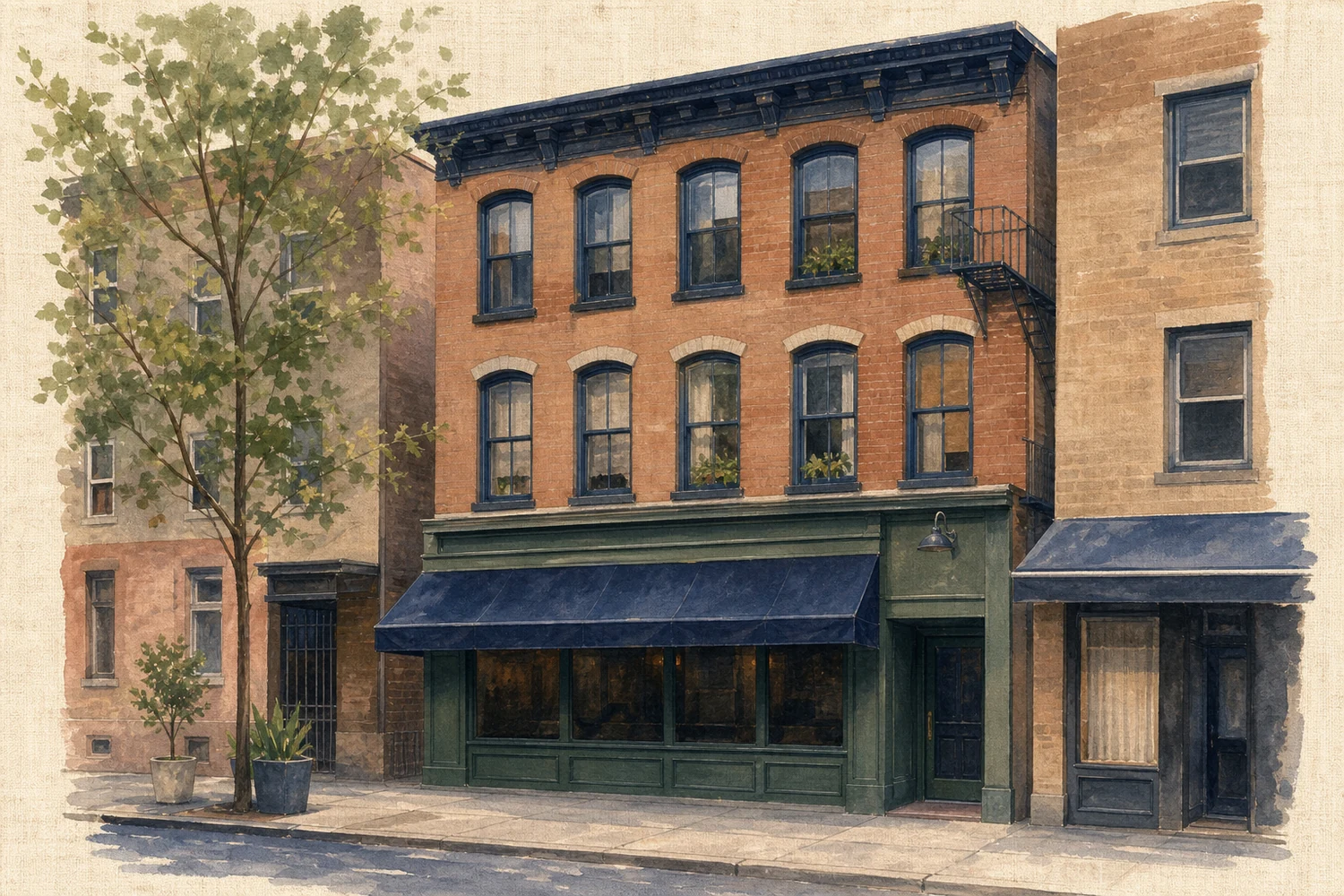
Chinatown housing runs from converted loft spaces above restaurants on Race Street to tiny studios where the smell of roasted duck seeps through the walls. Chinatown isn’t trying to be Instagram-friendly or quiet or convenient for driving—it’s three square blocks of sensory overload where you can eat hand-drawn noodles at 2am, get your palm read, buy live crabs, and walk past at least four bakeries with windows full of char siu bao before you even realize you’ve been here for three hours.
China Town at a Glance
Established: 1871
Bounded by: 7th to 11th Street, Arch to Vine Street
Chinatown at a glance
The three dates the guide fixes.
What Makes Center City Different
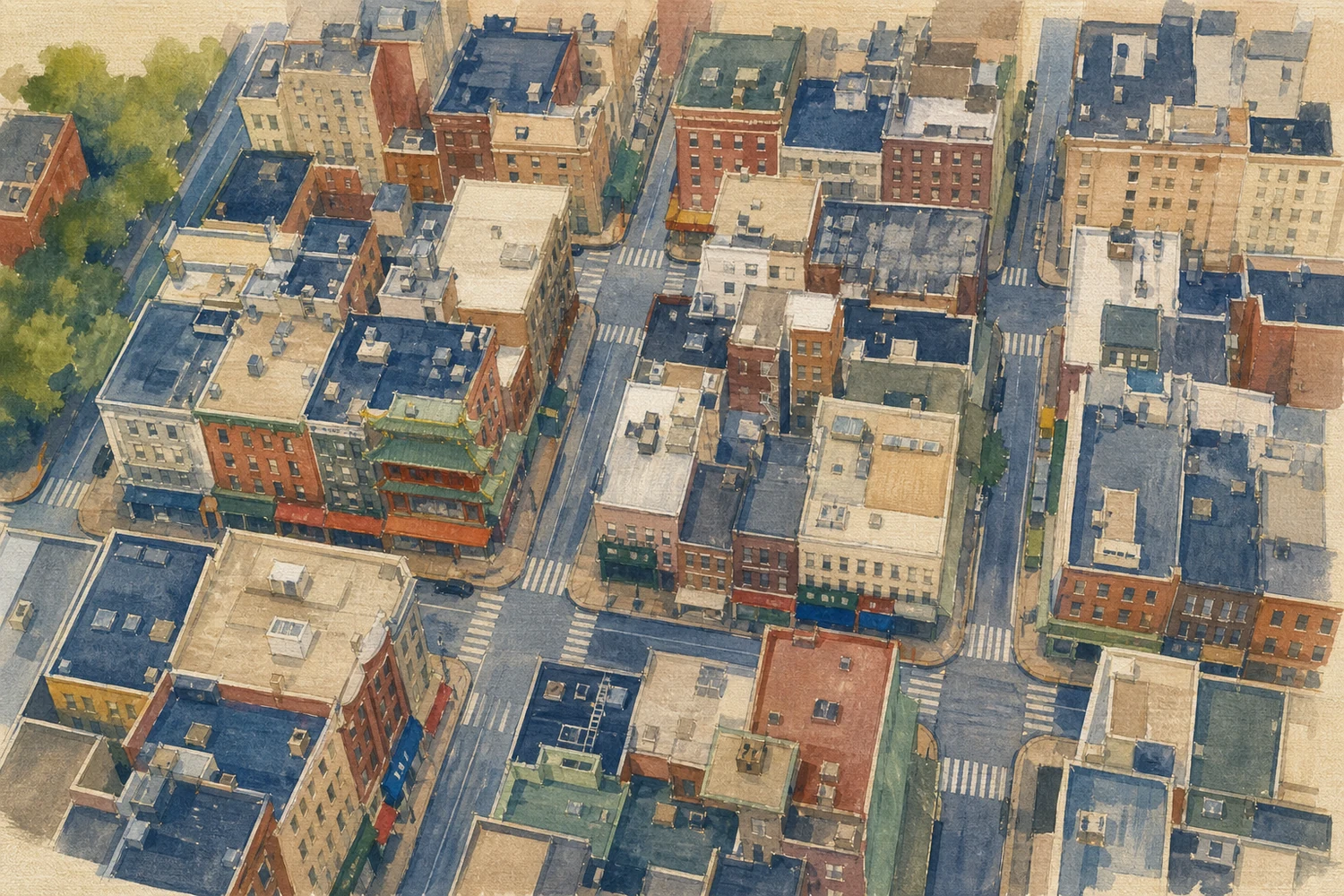
This isn’t Rittenhouse. This isn’t Old City. Chinatown runs roughly from 7th to 11th Street and Arch to Vine Street — a dense cluster centered around 9th and Race. The parking is nonexistent, and a full meal costs what a Starbucks latte does anywhere else.
Philadelphia’s Chinatown has been here since 1871—making it one of the oldest Chinatowns in the country. It started with a single Chinese laundry and grew into a neighborhood that somehow survived the Vine Street Expressway being carved through it, multiple casino proposals, and now a proposed Sixers arena. The community has been fighting and winning these battles for decades, which means when you eat here, you’re supporting businesses with serious roots.
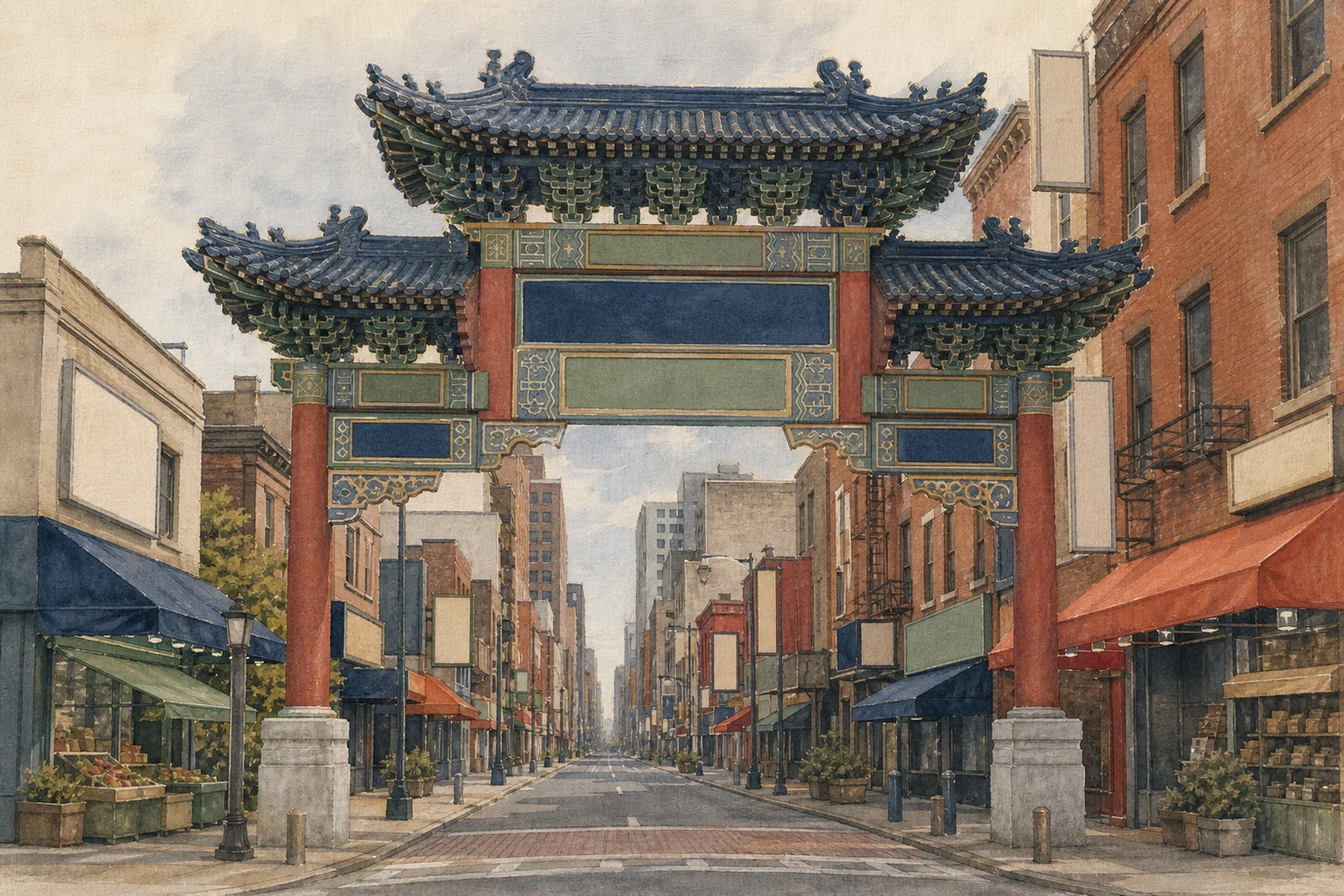
The ZIP code is 19107 (same as most of Center City), but Chinatown operates on its own schedule and logic. Jefferson Station sits on the southern edge at 10th and Market. The iconic Friendship Gate—built by artisans from Tianjin, China in 1984—marks the entrance at 10th and Arch. From there, it’s a grid of narrow streets packed with restaurants, bakeries, grocers, herbalists, bubble tea shops, karaoke bars, and more roasted duck than you’ve ever seen in your life.
The SEPTA Broad Street Line stops at Race-Vine. Multiple bus routes cut through. You can walk to Independence Hall, Reading Terminal Market, City Hall, or Rittenhouse in under 15 minutes. It’s as central as it gets.
What defines Chinatown is the food, the hustle, and the fact that it’s a real residential neighborhood—not a tourist attraction that happens to have residents. Restaurant workers on smoke breaks. Double-parked delivery trucks blocking half a street while someone unloads a hundred pounds of rice. This is a working neighborhood that also happens to be one of the best places to eat in Philadelphia.
Where Chinatown sits
Same ZIP code as most of Center City, but it operates on its own schedule and logic.
- Friendship Gate
- Race Street
- Jefferson Station
- Race-Vine
Schematic · not to scale
Race Street & The 10th Street Corridor
If you only have time for two streets, walk Race Street between 9th and 11th, then head north on 10th toward Vine. This is where the density hits you.
Race Street is restaurant row. Dim Sum Garden. EMei. Nan Zhou. Spice C. Penang. Terakawa. Vietnam Restaurant. You could eat at a different spot every day for a month and still have options. Foot traffic is constant—locals cutting through, tourists wandering, office workers on lunch breaks, people waiting in line for soup dumplings.
10th Street runs north from Arch through the Friendship Gate and into the thickest part of Chinatown. Sang Kee. Ocean Harbor. QT Vietnamese Sandwich. Bakeries every half block. Grocers with produce spilling onto sidewalks. Herbal medicine shops with windows full of dried roots and unidentifiable things in jars. Bubble tea shops. A surprising number of bubble tea shops.
Parking: There isn’t any. Street parking is competitive, double-parked trucks are everywhere, and the residential permit zones are impossible. There’s a flat-rate lot between 8th and 9th on Race/Vine if you absolutely must drive, but everyone will tell you the same thing: take SEPTA.
Best times to visit: Early morning before the lunch rush (9-11am) or mid-afternoon (2-4pm). Weekday lunch (11:30am-1:30pm) gets absolutely slammed, especially at the popular spots. Friday and Saturday nights are packed. Sunday dim sum is a whole scene—get there early.
How locals use this space: This is where people grocery shop, grab takeout on the way home from work, meet friends for ramen at midnight, pick up moon cakes, argue about which duck spot is best, and occasionally run into someone they haven’t seen in 20 years. It’s functional first, tourist attraction second.
Where to Actually Eat and Drink
Chinatown’s restaurants are a dense cluster centered around 9th and Race. The food density is unmatched in Philadelphia. This isn’t a neighborhood where you “leave to eat somewhere better”—people come here to eat.
The Non-Negotiables (Get These First)
Nan Zhou Hand Drawn Noodle House (1022 Race St)
The hand-drawn noodles here are the gold standard. Watching them make the noodles in the window never gets old. Get the beef noodle soup or the oxtail soup. The broth is rich, the noodles have that fresh-made texture, and the portions are massive. Scallion pancakes are also fire. Around $7-10 for a full meal. Cash preferred but they take cards. The soup will ruin other noodle soups for you.
Sang Kee Peking Duck House (238 N 9th St)
Chinatown institution since 1980.
The roast duck is the move—crispy skin, juicy meat, served over rice with bok choy and that meat juice drizzled on everything.
Also get the watercress dumplings (don’t sleep on those). The honey roasted pork is ridiculous. This place gets busy, especially around holidays when people pre-order whole ducks. Three treasures over rice (duck, chicken, pork) is the classic order. $10-15 per person. Takes cards.
EMei (915 Arch St)
Sichuan spot that consistently delivers. Get the Chongqing spicy chicken (fried chicken with a mountain of dried chilies and Sichuan peppercorns—don’t eat the peppers unless you’re into that), mapo tofu, dan dan noodles, dry fried green beans, ants climbing tree. Everything here is bold flavored—lots of garlic, lots of heat. The cumin lamb is excellent. The restaurant supported the anti-arena fight, which locals appreciate. $12-18 per person. Can get salty, but that’s the style. Takes cards.
Spice C (1022 Race St)
Hand-drawn noodle soup place that competes with Nan Zhou. The roast duck hand-drawn noodle soup is the signature dish. The Szechuan wings are absurdly good—crispy, spicy, addictive. Scallion pancakes. Service is fast. Some say it’s overtaken Nan Zhou since Nan Zhou got more popular and crowded. Both are great. Spice C tends to have shorter waits.
Terakawa Ramen (926 Race St)
Best ramen in Chinatown, maybe best in Philly. The signature ramen with wavy noodles, the heritage pork tonkotsu, the mayu ramen, the tan tan—all excellent. Also get the takoyaki. The wait times can be ridiculous (30+ minutes on weekends), but people accept it because the ramen is that good. There’s a second location in University City that some prefer. $12-16 per bowl. Takes cards.
Dim Sum Garden (1020 Race St)
The soup dumplings (xiaolongbao) here are what everyone talks about. Plump, filled with steamy broth, some of the best in the city. If you go, just get the pork soup dumplings (#1 on the menu) and maybe the steamed bok choy. $8-12 per person. Takes cards.
Penang (117 N 10th St)
Malaysian food that’s been consistent for 20+ years. The roti canai (flaky flatbread with curry dipping sauce) is the must-order—get at least two orders. Mango chicken. Beef rendang. Satay. Mee Siam. The food here is flavorful, the portions are generous, and it’s BYO (bring wine, save money). $15-20 per person. Takes cards.
Vietnam Restaurant (221 N 11th St)
A 2024 James Beard America’s Classics winner. The pork spring rolls here are divine—they use rice paper instead of wheat wrappers, which makes them crispier and less greasy. The BBQ platter (grilled pork, beef, spring rolls) is essential. Beef wrapped in grape leaves. Get extra mint to wrap everything in. $12-18 per person. Takes cards. There’s some history here—the chef apparently split from Vietnam Palace across the street, and some regulars have strong opinions about which is better.
Ting Wong (138 N 10th St)
Cantonese BBQ spot known for cheap, quality roast meats. Roast duck over rice, wonton soup, congee with fried dough (youtiao). The three treasures rice platters. $8-12 per person. Competes with M Kee and Sang Kee for roast meat supremacy.
Ocean Harbor (1023 Race St)
Old-school dim sum with cart service. The servers are patient with non-Cantonese speakers, which makes it more accessible than some spots. Lava buns, spare ribs over rice noodles, all the classic dim sum hits. Weekend mornings get packed—get there early. $12-18 per person. Takes cards. Hong Kong families approve.
Late Night Food (The 2am Essentials)
One of Chinatown’s superpowers is late-night food. Not many neighborhoods in Philly let you eat a real meal at 2am.
Jade Harbor (1129 Vine St)
Open till 2-3am. Dim sum, seafood, family-style Cantonese. This is the classic post-bar/club spot. The fact that you can get decent dim sum at 2am is clutch. $15-20 per person.
David’s Mai Lai Wah (1001 Race St)
Used to be open late for sit-down Peking duck at 1:30am. Now takeout-only, which people are sad about. The salt and pepper shrimp was legendary. If they bring back sit-down service, run there immediately.
Yi Pin (913 Arch St)
Szechuan skewers and hot dishes. Open till 2am. Vegetarian-friendly, which is rare. Customizable spice levels. The cumin dishes are great. $10-15 per person.
The Sleepers (What Locals Know)
M Kee (225 N 10th St)
Hong Kong-style pan-fried noodles and scallion chicken on rice. Competes with Ting Wong for BBQ meats. Lower profile but solid quality. $8-12 per person.
Cily Chicken (multiple locations)
Hainanese chicken rice and Thai food. The ginger scallion sauce that comes with the chicken is incredible. The radish soup is healing. Both the red and green curries with tofu are nice. Fast casual, cheap, gets the job done. $8-12 per person.
QT Vietnamese Sandwich (multiple locations)
Banh mi and bun rieu. Lunch-break favorite. The tofu mushroom onion banh mi is excellent. Quick service. $6-10.
Tai Lake (622 Washington Ave—technically not Chinatown proper but close)
Cantonese seafood spot that Chinese families approve of. Live seafood tanks. Steamed fish, lobster with ginger and scallion, honey walnut shrimp, lobster sticky rice. Family-style dining. More upscale, good for special occasions. $20-30 per person.
Kung Fu Hot Pot
All-you-can-eat hot pot with premium ingredients. Lobster, oysters, a whole meat sauce bar. $25-35 per person.
Tom’s Dim Sum (various mentions)
Alternative to Dim Sum Garden. Same quality soup dumplings, quieter, less wait. Sometimes the sauce is wrong (one person said it tasted like buffalo sauce), but generally solid. $8-12 per person.
Mayflower Bakery (multiple locations)
Char siu bao (BBQ pork buns), egg tarts, milk tea, savory items. Reliable, not flashy. $1-3 per item.
KC’s Pastries (multiple mentions)
Egg tarts, cream buns, pastries. Competes with Mayflower. One has better filling, one has better crust—locals wish they’d combine forces. $1-3 per item.
Bread Top House (multiple mentions)
Salted duck egg cookies, sesame balls, various Chinese bakery items. $1-3 per item.
A La Mousse (various mentions)
Fancy mousse cakes, matcha desserts, earl grey mousse, tofu cheesecake, burnt cheesecake. Cherry blossom matcha. Lantern-shaped mousse. Pretty, Instagrammable, expensive. $6-10 per item.
Mango Mango (multiple locations)
Mango pancakes, shaved ice, mango sticky rice smoothie, lychee jelly. Massive portions that feed 5 people for $15. $3 per person. Refreshing in summer.
Matcha Panda Cafe (various mentions)
Cream puffs, matcha desserts. Wildly sized cream puffs. $4-8 per item.
Bubble Tea (Because There Are Many)
Tea Do, Chi Cha San, Mr. Wish, Tiger Sugar, Moge Tea, Tan Tea Knight Club (open till 1am for late-night cravings). Sesame milk tea is addicting. $4-7 per drink.
Bar Ly (various mentions)
60 draft beers on tap. Cheap drinks. Chill spot after dinner. Sports on TV. $4-8 per drink.
Hop Sing Laundromat (various mentions)
Speakeasy with strict rules, dress code, and a confrontational reputation. The cocktails are wickedly good, but you have to do research before going. Not for everyone. Love-hate relationship. $12-18 per cocktail.
Reality check on dining:
The food in Chinatown is legitimately excellent and absurdly affordable. The trade-off is that some spots have language barriers, service can feel brusque (they’re focusing on efficiency, not small talk),. Many places are cash-only or prefer cash. Bring $40-50 in cash for two people. Lines can be long at popular spots during lunch and dinner rushes. But pound for pound, this is the best value dining in Philadelphia. You will spend $20-30 per person and leave stuffed.
The non-negotiables
The food density is unmatched in Philadelphia. This isn't a neighborhood where you leave to eat somewhere better.
Nan Zhou Hand Drawn Noodle House
$$$$Watching them make the noodles in the window never gets old. Get the beef noodle soup or the oxtail soup — rich broth, fresh-made texture, massive portions. Scallion pancakes are also fire. Cash preferred but they take cards.
Best for · the soup that ruins other noodle soups
Sang Kee Peking Duck House
$$$$The roast duck is the move — crispy skin, juicy meat, served over rice with bok choy. Also get the watercress dumplings. Three treasures over rice (duck, chicken, pork) is the classic order. Gets busy, especially around holidays.
EMei
$$$$Chongqing spicy chicken, mapo tofu, dan dan noodles, dry fried green beans. Everything is bold flavored — lots of garlic, lots of heat, and the cumin lamb is excellent. The restaurant supported the anti-arena fight, which locals appreciate.
Terakawa Ramen
$$$$The signature ramen with wavy noodles, the heritage pork tonkotsu, the mayu, the tan tan — all excellent. Also get the takoyaki. Waits run 30+ minutes on weekends and people accept it.
Best for · a bowl worth the wait
Penang
$$$$Consistent for 20+ years. The roti canai is the must-order — get at least two. Mango chicken, beef rendang, satay, mee siam. Flavorful, generous portions, and bringing wine saves money.
Vietnam Restaurant
$$$$The pork spring rolls use rice paper instead of wheat wrappers, which makes them crispier and less greasy. The BBQ platter is essential, as is beef wrapped in grape leaves. Get extra mint to wrap everything in.
Shopping & Cultural Attractions
Heng Fa Market (various mentions)
Chinese grocery. Mushrooms, bok choy, tofu, noodles, dried goods, freezer section. Fish smell warning when you enter. Cheaper than regular grocery stores.
AsianFresh Market (various mentions)
Similar to Heng Fa. Good produce, lower prices than chain stores, solid selection of imported goods.
You & Me Market (11th St)
Toy store facade. Go downstairs and it’s a massive, clean, modern Asian market. Beer, cosmetics, snacks, food, toys. Mind-blowing discovery moment for first-timers.
S. Mart (various mentions)
Snacks, skincare, K-beauty products, Japanese/Korean imports. Locals do “skincare dashes” between S. Mart and K Beauty Outlet.
Little Seven House (various mentions)
Whimsical gifts, knickknacks, toys, collectibles. Popmart blind boxes, plushies.
Long Life Chinese Herbs (various mentions)
Herbal remedies, teas, traditional Chinese medicine.
Friendship Gate (10th & Arch St)
The 40-foot-tall ornamental gate built by artisans from Tianjin in 1984. Photo spot. Marks the entrance. Historical significance: the first authentic Chinese Friendship Gate built outside China.
Asian Arts Initiative (1219 Vine St)
Gallery and creative space showcasing AAPI art. Cultural programming. Community anchor.
Living Here: The Real Story
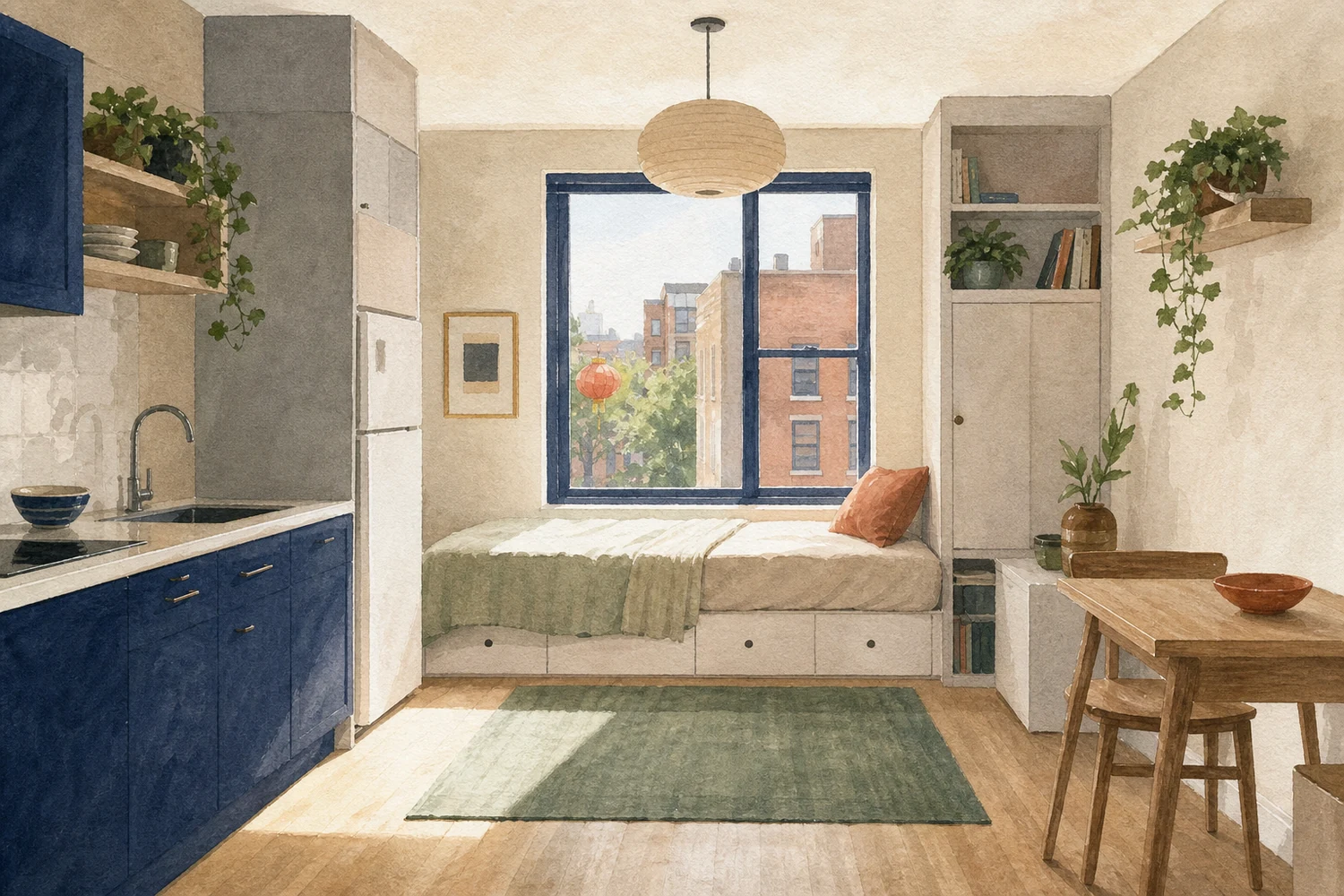
Chinatown housing is mostly small studios and converted lofts above restaurants, with some high-rises on the edges near Callowhill. There’s limited residential stock because so much of the neighborhood is commercial.
The Good:
- Walkability is off the charts. You don’t need a car.
- SEPTA access is perfect. Jefferson Station, Broad Street Line, multiple buses. Reverse commuting to the suburbs is doable on regional rail.
- Food access is unmatched. Every cuisine. Every price point. Late-night options.
- It’s safe during the day and evening. Lots of foot traffic. Well-lit. Police station nearby.
- Everything is close. Reading Terminal, Old City, Rittenhouse, Convention Center all within 10-minute walks.
- Groceries are cheap. Asian markets have better produce prices than Whole Foods or Acme.
- It’s a real community. Multi-generational. People know each other. Not sterile.
- You can rent Indego bikes to get around even faster.
The Challenges:
- It’s loud. Very loud. Traffic, delivery trucks, people, restaurants opening/closing, honking. If you’re sensitive to noise, this isn’t your spot.
- Parking is a nightmare. Street parking is impossible. If you own a car, you’ll pay for it.
- The streets are narrow and congested. Double-parked cars everywhere. Pedestrians darting around. Delivery trucks blocking lanes. Aggressive drivers.
- Commuting to the suburbs is exhausting over time. The regional rail works, but it’s 45+ minutes each way. Driving is worse. People do it, but it gets old.
- Some apartments are above restaurants, which means noise and food smells 24/7.
- The neighborhood is under threat. The Sixers arena proposal is existential. Gentrification is happening. Old businesses are closing.
- Winter can feel sticky and stinky. Summer heat amplifies the smell.
Price reality:
Rent is relatively affordable for Center City. Compared to Rittenhouse or Old City, it’s a deal. Compared to Point Breeze or Fishtown, it’s more expensive. Ownership stock is limited and mostly condos or lofts. The market is stable but under pressure from development.
Renter info:
Leases are standard 12 months. Some landlords are small-time operators with limited English, which can make communication tricky. Some buildings have move-in/move-out fees ($100-400). Apartment quality varies wildly—some are updated lofts, some are old walk-ups. Always check noise levels before signing.
Who should live here:
- Young professionals who work in Center City and want walkability
- People who love food and Asian culture
- Reverse commuters who can tolerate the regional rail ride
- Folks who value location over space
- People who aren’t bothered by noise, smells, and sensory overload
- Car-free or car-light lifestyles
Who shouldn’t:
- People who need quiet or crave peace
- Families with kids (limited green space, narrow sidewalks, congestion)
- Anyone who drives daily for work (parking will destroy you)
- People sensitive to smells
- Anyone expecting a polished, sanitized neighborhood experience
Who should live here, and who shouldn't
Rent is relatively affordable for Center City. The trade is noise, smell, and no parking.
- Young professionals who work in Center City and want walkability.
- People who love food and Asian culture.
- Reverse commuters who can tolerate the regional rail ride.
- Folks who value location over space, and car-free or car-light lifestyles.
- People who aren't bothered by noise, smells, and sensory overload.
- People who need quiet or crave peace. It is loud — traffic, delivery trucks, restaurants, honking.
- Families with kids: limited green space, narrow sidewalks, congestion.
- Anyone who drives daily for work. Street parking is impossible and parking will destroy you.
- People sensitive to smells — apartments above restaurants get noise and food smells 24/7.
- Anyone expecting a polished, sanitized neighborhood experience.
Getting Around
Walking:
You can walk everywhere. Independence Hall, Reading Terminal Market, Rittenhouse Square, Old City and City Hall are all within an easy walk. The sidewalks are narrow and crowded, but it’s manageable.
SEPTA:
Jefferson Station (10th & Market) is the main hub—regional rail, PATCO, and connections to other lines. The Broad Street Line has a stop at Race-Vine. Multiple bus routes (23, 43, 45, 48, 61, others) cut through. You can get to University City, North Philly, South Philly, or the suburbs easily.
Driving:
Don’t. But if you must: street parking is competitive, double-parked trucks are everywhere, residential permit zones are hard to get, and monthly garage parking is an added cost. There’s a flat-rate lot between 8th-9th and Race-Vine. The AutoPark at the Fashion District is another option. But seriously, take SEPTA.
Biking:
Chinatown is bikeable, but the narrow streets and aggressive drivers make it less chill than other neighborhoods. There are Indego stations throughout. The Schuylkill River Trail is 10 minutes away.
Events Worth Planning Around
Lunar New Year Parades (late January/early February)
Lion dances, parades, firecrackers, cultural performances. The energy is electric. Streets are packed. It’s one of the biggest events in Chinatown. Crowded but worth it.
YèShì Chinatown Night Market (October)
Annual street festival with food vendors, performances, and art installations. USA Today ranked it a top cultural festival. Massive crowds, but fun.
Philadelphia Chinese Lantern Festival (varies, usually spring/summer)
Technically in Franklin Square (Old City), but it’s close enough. Huge light displays, performances, cultural exhibits. Beautiful.
Mid-Autumn Festival (September)
Moon cakes, lanterns, community celebrations. Smaller than Lunar New Year but still festive.
Parking/crowds: All of these events shut down streets, eliminate parking, and draw massive crowds. Take SEPTA. Plan for delays.
Worth planning around
All of these shut down streets, eliminate parking, and draw massive crowds. Take SEPTA and plan for delays.
Lunar New Year Parades
Lion dances, parades, firecrackers, cultural performances. The energy is electric and it is one of the biggest events in Chinatown. Crowded but worth it.
YèShì Chinatown Night Market
Annual street festival with food vendors, performances, and art installations. USA Today ranked it a top cultural festival. Massive crowds, but fun.
Mid-Autumn Festival
Moon cakes, lanterns, community celebrations. Smaller than Lunar New Year but still festive.
Philadelphia Chinese Lantern Festival
Technically in Franklin Square in Old City, but close enough. Huge light displays, performances, and cultural exhibits.
The Arena Fight (And the Victory)
Let’s talk about the elephant in the room—or rather, the elephant that almost trampled the room but then turned around and went to South Philly instead.
Chinatown has been fighting existential threats for 60+ years. The Vine Street Expressway carved through in the 1980s. Multiple casino proposals in the 2000s. Stadium proposals in 2000. Every time, the community organized, fought back, and won—or lost but survived.
The most recent fight was the proposed Sixers arena at 10th and Market (technically the Fashion District site, which some say is “not Chinatown proper” but is right on the border). The community was overwhelmingly opposed. The Save Chinatown Coalition mobilized protests, rallies, and multi-generational activism.
The concerns were:
- Traffic congestion would choke the neighborhood
- Construction would devastate small businesses
- Gentrification would displace residents
- The cultural identity of Chinatown would be eroded
- This is a pattern: Chinatowns across the country have been destroyed by arenas and stadiums
In December 2024, City Council’s Committee of the Whole voted in favor of the arena legislation despite the protests, with 12 councilmembers in support. The fight seemed lost.
Then everything changed.
In 2025 the Sixers abandoned the Center City arena plan. They are staying in South Philadelphia instead, in a joint venture with Comcast Spectacor; the City set out that South Philadelphia plan in the Mayor’s March 2025 budget address.
Chinatown won.
After years of planning, debate, protests, and organizing, the community successfully fought off another existential threat. Union reps and city officials confirmed the deal. Some city councilmembers felt “bamboozled”. But for Chinatown, this is a victory.
What this means:
The immediate threat is gone. The neighborhood has breathing room. Small businesses can plan for the future without worrying about construction shutting them down. Residents don’t have to fear displacement. The cultural identity of Chinatown is preserved—for now.
But this isn’t the end of the story. Chinatown has survived threats for 60+ years by staying vigilant, organized, and united. Gentrification is still happening. Old businesses are still closing. Development pressure is still real.
If you care about Chinatown existing in 20 years: Support the businesses now. Eat here. Shop here. Show up to community events. Pay attention to the politics. The arena fight was won because the community showed up. That same energy needs to continue.
This neighborhood has been here since 1871. It’s not going anywhere—but only because people fight to keep it alive.
The Unwritten Rules (What Locals Actually Know)
There’s what tourists do in Chinatown, and then there’s what locals know. These are the insider moves that nobody tells you but everyone who’s been here more than twice has figured out.On weekends, Sang Kee sometimes has “saddle” available—it’s a specific cut of roast pig. Locals know to ask for it. It’s different from the regular roast pork (char siu). If they have it, get it.
Franklin Square Park Is Your Dining Room
If you get takeout and don’t want to eat in your car or on a random bench, walk five minutes south to Franklin Square Park in Old City. There are actual tables, shade, and it’s way more pleasant than eating in a parking lot. Locals who work nearby know this move.
These are details repeat visitors notice over time. Chinatown rewards repeat visitors. The more you come, the more you notice. And the more you realize how much is here.
Honest Safety Assessment
Generally safer blocks:
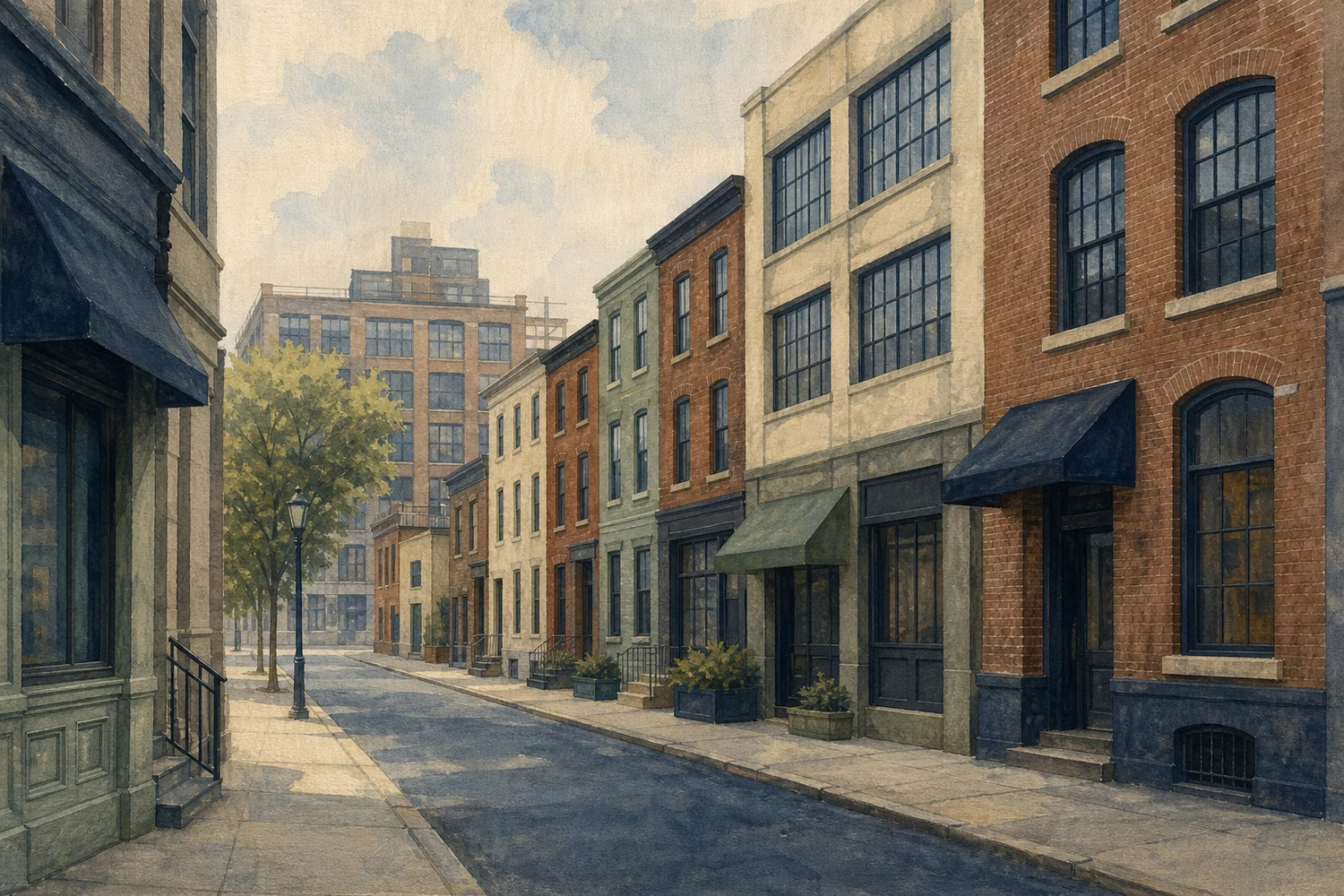
The main corridors (Race, Arch, 10th, 11th) are well-lit, heavily trafficked, and safe during the day and evening. The Friendship Gate area is busy and visible. The blocks near Jefferson Station are packed with commuters.
Day vs. night:
During the day, Chinatown is packed and safe. Evening (5pm-10pm) is still busy, especially around restaurants and shops. Late night (after midnight) is quieter, but some spots (Jade Harbor, Yi Pin, karaoke bars) stay open and active. After 2am, it’s pretty empty except for the occasional drunk person or late-night worker.
Reality check:
Locals feel comfortable walking around day and night. The police station is nearby (though locals joke it’s useless). There’s a general sense of community eyes on the street.
Nearby Neighborhoods Worth Exploring
→ Old City (10-minute walk east)
Historic district with Independence Hall, Liberty Bell, cobblestone streets, galleries, and upscale restaurants. Tourist-heavy but worth seeing.
→ Callowhill / Loft District (2-minute walk north)
Quieter, more residential. Some people live here to avoid Chinatown noise but still have access. Breweries, loft apartments.
→ Reading Terminal Market (3-minute walk south)
Indoor food market with Amish vendors, Dinic’s roast pork, Beiler’s donuts, and 100 other stalls. A Philly institution.
→ Rittenhouse Square (12-minute walk west)
Upscale neighborhood with parks, shopping, dining, and Philly’s wealthiest residents. Completely different vibe.
Make it yours
Before your Chinatown outing
A short list to turn what you read into your own next steps.
Saved checks stay on this device when browser storage is available. This is a personal planning list, not a property inspection or professional assessment.
Sources & next steps
Useful advice should
show its working.
These resources support the reader tools above and help you check details for your own address, date, or plans.
- SEPTA trip planner
Plan your date, direction and return journey; check service and accessibility details.
- Philadelphia Chinatown Development Corporation
Find the organization’s community resources and project updates.
- Philadelphia Parking Authority
Check official parking information; read the restrictions at the actual space.
Restaurant names are leads from the guide. The sources support travel and community research, not current menus or a blanket business verification.
Keep exploring