A little orientation
Plan the small household details in Newbold
Ask the carrier first.
Check which delivery-management options apply to your own shipment rather than assuming a neighborhood rule can control when it arrives.
Make access instructions precise.
Agree on the actual door or collection arrangement with the owner and carrier without exposing unnecessary private access information.
Keep repairs separate from housekeeping.
Use property questions and the owner’s maintenance process for unresolved work; a routine clean cannot establish the cause of a building issue.
A closer look
The door, the parcel, the errand
Use the Broad Street and Morris Street references for orientation while keeping the plan specific to your home.
Choose an option the carrier offers.
For USPS mail or packages, review its management tools and check which options apply to your address or shipment. Follow the carrier’s actual process rather than relying on a supposed Newbold delivery window or an assurance that instructions prevent theft.
A useful questionWhich carrier option is available for this particular shipment and address?
Source & next step ↗Clarify the home’s access.
Look up the property address and ask the owner about shared entrances, deliveries and maintenance reporting. Record clear instructions for your own use, and keep private access details out of public notes; an address record cannot establish a suitable parcel arrangement.
A useful questionWhat has the owner confirmed about entry, deliveries and shared-space responsibilities?
Source & next step ↗Plan one trip beyond the doorstep.
Choose a confirmed destination from the guide’s food references or an essential errand of your own. Plan the full journey from the home near the relevant Broad or Morris Street reference, including the return with anything you will carry.
A useful questionWhich everyday trip would help you judge whether this address fits your routine?
Source & next step ↗Life in Newbold is shaped by stoops, block rhythms, and the relationships you build just by being present. It’s a place where neighbors notice things, where knowing when to bring in your trash bin matters just as much as knowing which taco spot is cash only after six. Comfort here isn’t just about having a clean space, but also understanding how the block moves, how deliveries work, when noise rises and falls, and how community keeps the neighborhood connected. This guide shares the lived-in knowledge that helps your home and daily life feel rooted here.
Where Newbold sits
- Broad Street
- The Triangle
- Broad Street Line
- Morris Street
Schematic · not to scale
The Neighborhood As It’s Actually Lived
If you look at a map, this area might be labeled Newbold. If you talk to real estate agents, they will tell you that name with a smile. But most people who have been here longer than a few seasons just call it Point Breeze, especially if they have ties that go back before the breweries and the cafés. The name you use depends on who you are standing with, and you usually figure that out by how people talk to each other on the block.
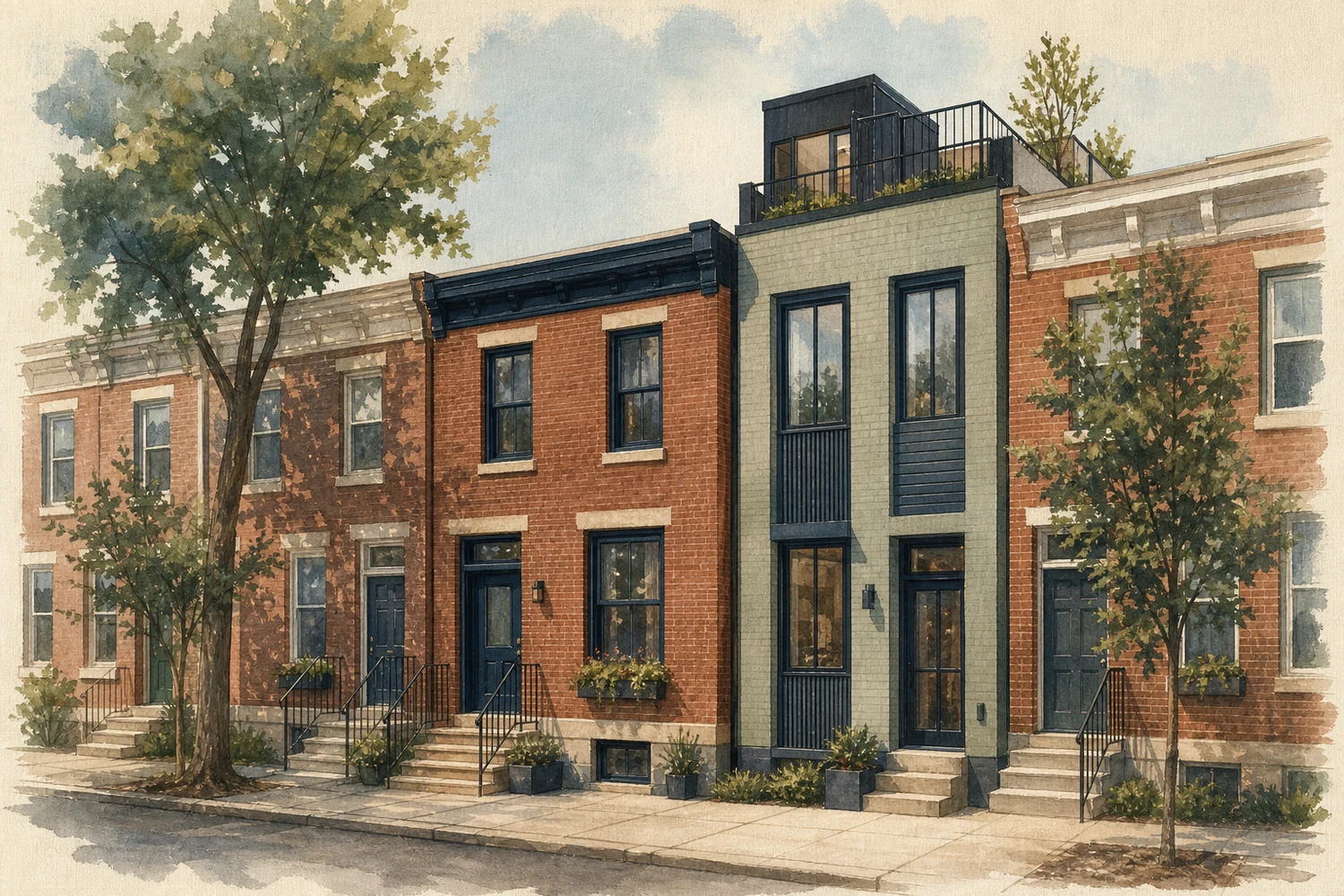
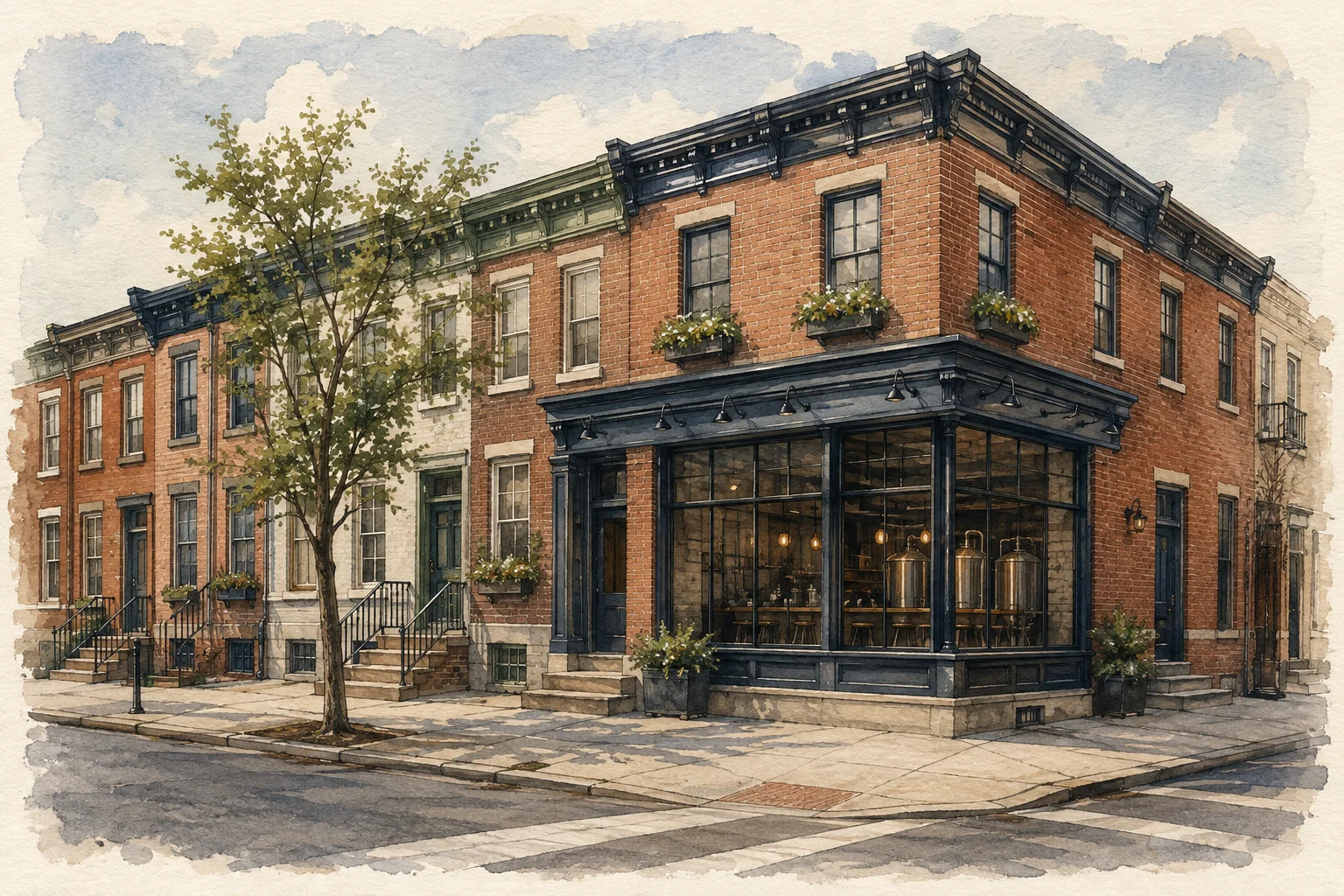
This is not a neighborhood where every street feels the same. One side of Morris can feel calm, with kids drawing chalk on the sidewalk and elders sitting in lawn chairs. Walk one block down and the pace is louder, faster, more traffic, more movement. Broad Street marks a real shift too. Closer to Broad, you feel more flow, more people passing through, more late-night foot traffic. Three blocks off Broad, someone is always watching from a porch, which is its own kind of safety.
And then there is the Triangle. Some maps call it a plaza, some call it a weird slice of pavement, but everyone knows it as the place where the day changes tone. Morning has older neighbors chatting and checking on each other. Afternoons are slower, maybe someone working on a bike, maybe someone grabbing an iced coffee on the way somewhere. After sunset, especially in the warmer months, you feel the whole place widen out. Music, conversation, laughter across stoops, someone telling a story with hands moving big in the air. The Triangle is not just a spot. It is how the neighborhood breathes.
This is not a neighborhood where every street feels the same
The legacy guide's own block-by-block reading.
Closer to Broad
The flowMore people passing through, more late-night foot traffic. Around the stations the tone changes a little after about 9:30 at night. Not dangerous as a rule, just different.
Three blocks off Broad
The porchesSomeone is always watching from a porch, which is its own kind of safety. Being known means a neighbor notices a package that has sat too long or a car alarm going off.
The Triangle
Morning to nightWhere the day changes tone. Older neighbors checking on each other in the morning, someone working on a bike in the afternoon, and in warm months the whole place widens out after sunset.
How the Neighborhood Moves
If you walk, you learn your paths by the feel of each block at different times of day. In daylight, most streets are perfectly fine to stroll without thinking too hard. At night, people adjust without speaking about it. You cross the street early if a block feels too quiet or too active. You stay where there are porch lights and familiar eyes. This is not fear. It is awareness, the same way you know which side of the street stays dry after a storm. You just learn.
For transit, the Broad Street Line is right there, but locals choose exits based on lighting, who is usually hanging around, and how late it is. Some bus stops have two corners, and people pick the side that has more visibility, not necessarily the official stop signage. After about 9:30 at night, the tone around stations changes a bit. Not dangerous as a rule, just different. You stay awake to your surroundings, same as any city.
Parking has its own rhythm. Weekday late mornings to early afternoons are the sweet spot when a space opens without too much circling. After dinner time, especially after 8, it becomes a slow loop around the block. Fridays are the real test. People come home with groceries and you can see it in their faces. Sundays are their own puzzle because of nearby churches. If you return from errands after services end, expect to circle.
Biking is a solid way to move here but you must lock your bike like you are serious. A flimsy cable will not last the night. Locals use a U-lock through the frame and a chain looped through the rear wheel at minimum. You learn where to lock by watching where other bikes actually survive.
Living Inside the Block
What really defines life here is how people use their stoops. A hello or a small wave goes a very long way. It is not about becoming best friends with your neighbors. It is about being known. Once you are recognized, people look out for you without needing to be asked. They notice if your package has been sitting too long. They knock if your car alarm is going off. They mention if someone unfamiliar walked down your alley. Visibility is safety here.
Every block also has someone who quietly runs things. Sometimes it is an elder who has seen every change over decades. Sometimes it is a neighbor who always seems to know who moved in last week and who is repainting their fence next month. You recognize them because everyone on the block greets them first. Respect goes to them automatically. You do not challenge their role. You just learn from what they pay attention to.
Participation is not formal. It just means you sit outside sometimes, or help pick up a fallen trash can after a storm, or you ask someone if they want anything when you run to the corner store. When you are known, you are part of the block. When you are part of the block, moving through the neighborhood after dark feels different. Not safer in the police sense, but safer in the human sense. Eyes that notice you are the ones that keep you grounded.
Home Realities They Don’t Put in Listings
A lot of places around here do not have central air. In July, that means long nights where the brick holds heat until close to midnight. You learn which streets are cooler because they have shade trees and which ones feel like they are still giving off heat from the afternoon. On winter mornings, the shaded side of some streets turns into an ice strip that lasts long after the sun hits everything else. The same block can feel completely different depending on which side you walk.
Trash pickup is sometimes reliable and sometimes not. Some blocks get collected early in the day. Others sit until late afternoon or even spill into the next morning. Because of that, everyone labels their trash bins clearly. If your bin is plain and unmarked, sooner or later it becomes someone else’s bin. This is not personal. It is just how objects migrate.
Rats come out more in the summer, especially near alleys behind older houses. People here use peppermint oil on stoops and trash lids the same way others might water plants. It is not a perfect solution, but it keeps the balance manageable. You learn to expect them, not fear them.
Deliveries, Errands & Daily Logistics
USPS & Delivery Timing
Expect a morning USPS sweep closer to Broad, then a lighter pass later in the day as carriers loop back toward 15th and 16th. Private carriers cluster late afternoon, which is when doorbells start pinging in a row along Tasker and Morris. Storm days shift everything earlier and increase theft risk.
Delivery windows by street zone
- Near Broad to 15th: Heaviest drop window 2 pm to 5 pm. Packages stack up quickly and draw eyes.
- 15th to 16th corridor: Mixed windows. If you work from home, aim signature-required for anything pricey after 1 pm.
- North of Morris vs south of Morris: North leans earlier, south trends later as trucks finish routes.
Porch piracy spike hours and how neighbors watch
The soft target window is late afternoon into early evening when commuters have not returned yet and stoops are empty. Stormy afternoons invite more prowling since residents hesitate to step out. On blocks with strong stoop culture, neighbors silently monitor each other’s steps after 4 pm and will text or DM when they see a box sit too long. Think minutes, not hours, for visible packages.
Delivery notes that actually work
Write notes that steer couriers to the front stoop only. Alley doors invite problems. Use simple, specific lines like front stoop only, do not leave at side gate, ring twice. If you have a planter or bench, label a drop spot with your unit number. Add a phone number for signature items so they text rather than guess.
Cash Culture
- Why carry small bills at night: Faster at the window, fewer delays, better odds of grabbing a last-minute salsa or extra tortillas without holding the line. It also smooths late runs to corner stores that switch to cash in the evening.
Food the Way Locals Actually Do It
The Taco Circuit
- El Rancho: Your dependable anchor. Tacos at a price point that still feels like a neighborhood favor. Evenings move fast, so keep a ten and a few singles ready.
- El Sueño: Slightly different vibe and pricing, still firmly local. Good when El Rancho’s line spills to the sidewalk. Rotating specials reward repeat visits.
The unwritten no-new-Yelp-tourist rule
If you found it on a glossy list this week, tread lightly. Walk in, order quickly, skip the tripod, and keep the aisle clear. Locals make room for people who keep the line moving and treat small counters like shared space.
Block Party Grilling
You do not wait for an invitation. You read the signals. Folding tables appear, coolers show up, a Bluetooth speaker warms up at low volume, and the first plume from a charcoal chimney confirms it.
- Who brings what: The neighbor with the big porch usually supplies the grill. The person who is always first on trash day brings the cooler and ice. Someone with a ground-floor window facing the stoop handles the speaker. Bring a side or a twelve pack and you are in.
Coffee and the bougie tension
Newer cafés function as a neighborhood mood ring. Some welcome a quiet corner and stronger Wi-Fi, others see it as a sign the block is shifting away from old rhythms. If you linger, buy a second drink or a pastry and return the table quickly on weekend mornings. That small gesture keeps the peace more than you think.
Where locals actually go
The two named stops on the legacy guide's own circuit.
El Rancho
The dependable anchor. Tacos at a price point that still feels like a neighborhood favor. Evenings move fast, so keep a ten and a few singles ready.
Best for · A fast evening run
El Sueño
A slightly different vibe and pricing, still firmly local. Good when the line at El Rancho spills to the sidewalk, and the rotating specials reward repeat visits.
Best for · When the other line is long
Safety: The Real, Nuanced Version
Not safe vs unsafe. Safe if you move correctly
The same block flips by hour. After dark, walk the side with the most occupied stoops. Keep headphones low, phone put away, and keys ready before you turn onto your block.
Time-of-day shifts on the same block
Late afternoon brings package watchers and delivery vans. After 10 pm on Fridays, sound carries and crowds form near corners. Mornings feel calm but alleys can still be empty and echoing.
Porch piracy realities
A box that sits in full view during weekday afternoons rarely lasts long. Treat visible packages like groceries in summer. Coordinate with a neighbor, use an inside drop spot, or request a pickup at a staffed counter when you cannot be home.
The Alley Rule
Never direct deliveries to alley doors. Alleys hide footsteps, block sightlines, and invite casual lifting. If a driver texts for an alternate drop, restate the front stoop and meet them.
Knowing your block is the best tool
Learn who usually sits out, which porch lights stay on, and what normal looks like on weeknights. When you recognize the daily pattern, disruptions stand out and you react faster.
Kids, Schools & Movement Waves
The 3 pm corridor burst
On school days the streets between Morris and Tasker fill fast around 3 pm. Expect clusters at crosswalks and a short window of double parked cars near corners. Plan errands before 2 pm or after 3:30 pm if you want a smoother drive and a better parking shot.
Weekend scooter zones
Late Saturday morning and early Sunday evening turn certain blocks into scooter lanes. The safer stretches are the ones with consistent stoop watchers and fewer midblock alleys. Drivers slow down without needing a sign because the whole block expects kids to be outside.
Block captains and community care
When the weather is warm, the eyes on the street belong to elders and long timers planted on their stoops. They clock who is with whom, call out when a ball rolls into the street, and text a parent if a little one wanders past the usual corner. If you are new, introduce yourself, share your unit number, and say when you usually get home. The network takes it from there.
Seasonal and Storm Rhythms
Summer is when the neighborhood fully comes outside. Stoop season starts the moment the evening air is warm enough to sit without a jacket. People eat outside, talk outside, work outside, and the day stretches well past sunset. Fireworks begin appearing long before any holiday. They echo off the rowhomes, sometimes close, sometimes several blocks away, always familiar. The neighborhood has a pulse in summer, and it is strongest between sunset and midnight.
Winter changes everything. The cold sends most people indoors, and the streets feel quieter and more direct. After snowfall, the unwritten rule takes over. If someone has shoveled out a parking spot and placed a chair there, that space belongs to them until the snow melts. Residents honor it because everyone remembers the work behind clearing a frozen wheel well. Chairs, cones, crates. Each one means someone labored for that space.
Storm nights require preparation. Bring your bins in early or you may have to chase them halfway down the block later. When wind tunnels between rowhomes, trash cans and recycling lids become airborne. A heavy stone or brick placed on top is normal. Deliveries are risky during storms as well. People often watch each other’s stoops a little more closely on these nights because fewer people are out. It is a quiet kind of neighborhood alertness.
Two seasons that change the housework
Only the seasons whose own paragraph names a household move.
A lot of places around here do not have central air, so the brick holds heat until close to midnight — and rats come out more, especially near alleys behind older houses.
The move · People here use peppermint oil on stoops and trash lids the same way others might water plants. It is not a perfect solution, but it keeps the balance manageable.
On winter mornings the shaded side of some streets turns into an ice strip that lasts long after the sun hits everything else.
The move · After snowfall the unwritten rule takes over: a shovelled-out spot with a chair in it belongs to whoever cleared it until the snow melts. Chairs, cones, crates — each one means someone laboured for that space.
Construction, Flips and Noise Culture
Rehab crews start early. The first hammer, saw, or impact drill usually begins around 7:45 in the morning. It does not matter which block you are on. There is always at least one property being redone. The sound carries. You learn to tell the difference between sanding wood floors, cutting tile, and tearing out old fixtures simply by the rhythm.
Dumpsters can sit on the street for days or even weeks, which reduces parking and changes the way a block flows. You adapt. You learn a new rotation. You leave home five minutes earlier. The neighborhood has been through many cycles like this. Some residents see construction as improvement, others feel like something familiar is slipping away. Both feelings exist at the same time.
As flipping increases, the character of the block changes slowly at first, then all at once. New fences, new porch lights, new paint colors. A block can feel lighter or more polished, but it can also lose some of the rough edges that once gave it personality. You notice it most in the way sound behaves. A freshly renovated house absorbs less and echoes more. Noise is part of the story of change.
How Neighbors Actually Communicate
There might be a Facebook group for the area, but the real communication happens in direct messages. When someone sees a package sitting too long, they send a quick text to a neighbor. When a cat slips out through a screen door, the entire block helps look within minutes. When someone needs a ladder, a jumper cable, or a cup of rice, a simple message brings options.
Small neighborhood group chats are where most daily coordination happens. One chat might be all parents on the block. Another might include the people who sit outside in the evenings. There is often one group for general updates and another for emergencies or quick alerts. Doorbell cameras are part of the network too. Not surveillance. Just information. If something looks out of place, footage gets shared and people respond.
Communication here is not formal. It is immediate and personal. Knowing who you can message is part of being woven into the block.
The People Who Fit Here and the People Who Don’t
You will love this neighborhood if you are comfortable with life happening in full view. People talk from porch to porch. Music carries. Conversations spill into the street. You will love it if you value knowing your neighbors more than having a perfectly quiet night. If you like the feeling of a place that remembers you, this area can hold you.
You will struggle here if you need silence and predictability. If you prefer the kind of order where every noise has to be explained and every interaction should be controlled. If the idea of participating in the block feels tiring rather than grounding, it may not be the right match.
This is a beautiful, chaotic, warm, loud, real place. The tacos truly are good. The rats truly do exist. And the stoops will either welcome you into the neighborhood or remind you that belonging here takes time, presence, and patience.
The people who fit here, and the people who don't
Both columns are the legacy guide's own closing section, kept in its words.
- You are comfortable with life happening in full view
- You value knowing your neighbors more than a perfectly quiet night
- You like the feeling of a place that remembers you
- Being known means neighbors notice a package, an alarm, an unfamiliar face
- You need silence and predictability
- You want every noise explained and every interaction controlled
- Participating in the block feels tiring rather than grounding
- Rehab crews starting around 7:45 in the morning would wear on you
Make it yours
Your Newbold household checklist
A short list to turn what you read into your own next steps.
Saved checks stay on this device when browser storage is available. This is a personal planning list, not a property inspection or professional assessment.
Sources & next steps
Useful advice should
show its working.
These resources support the reader tools above and help you check details for your own address, date, or plans.
- USPS mail and package management
Check USPS options and eligibility for managing your own mail or packages.
- Philadelphia Atlas
Look up an address and review available City property records.
- SEPTA trip planner
Plan your date, direction and return journey; check service and accessibility details.
USPS information applies to USPS services and eligible items. These tools make no delivery-security guarantee and omit unsupported parcel-theft timing rules.
Keep exploring