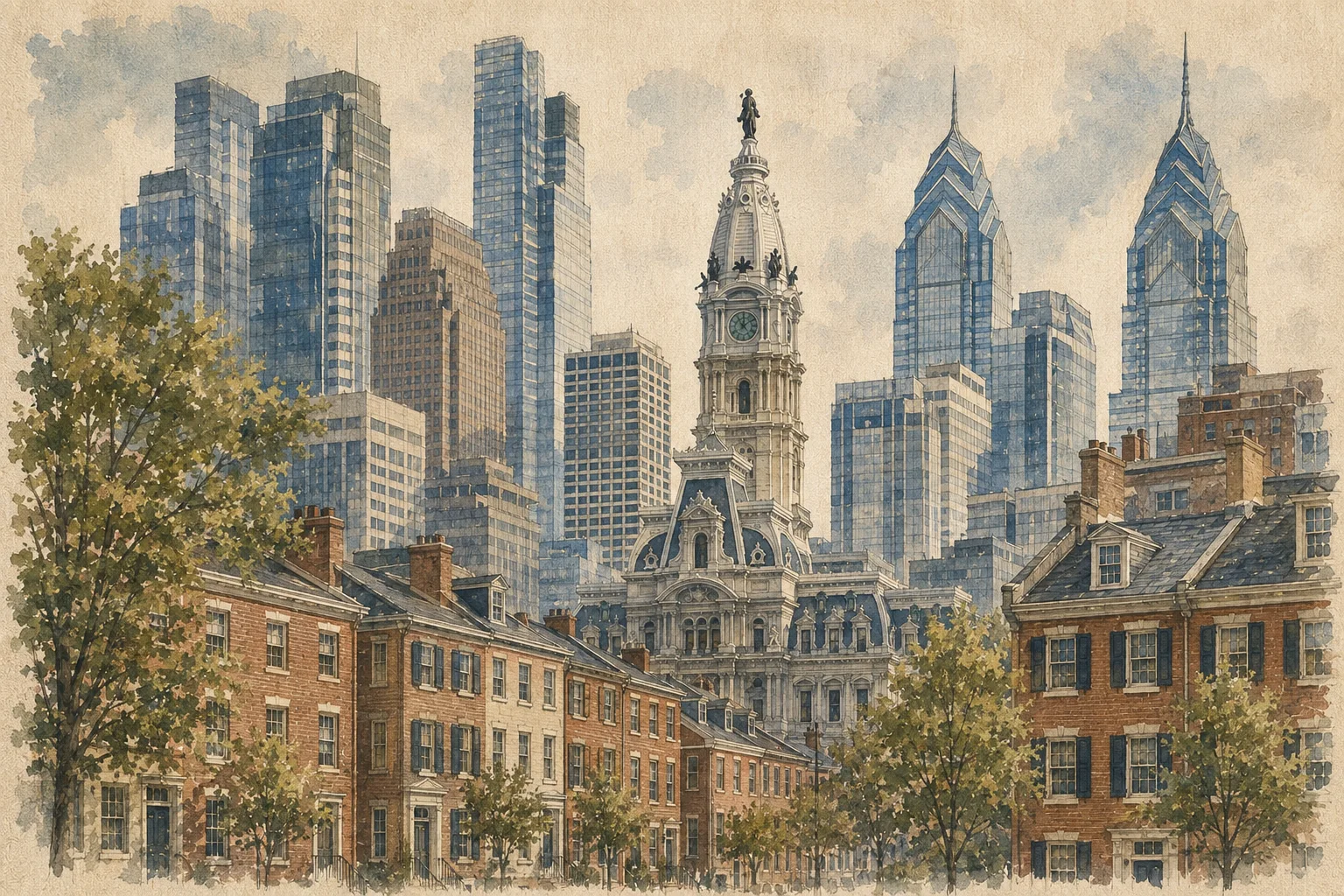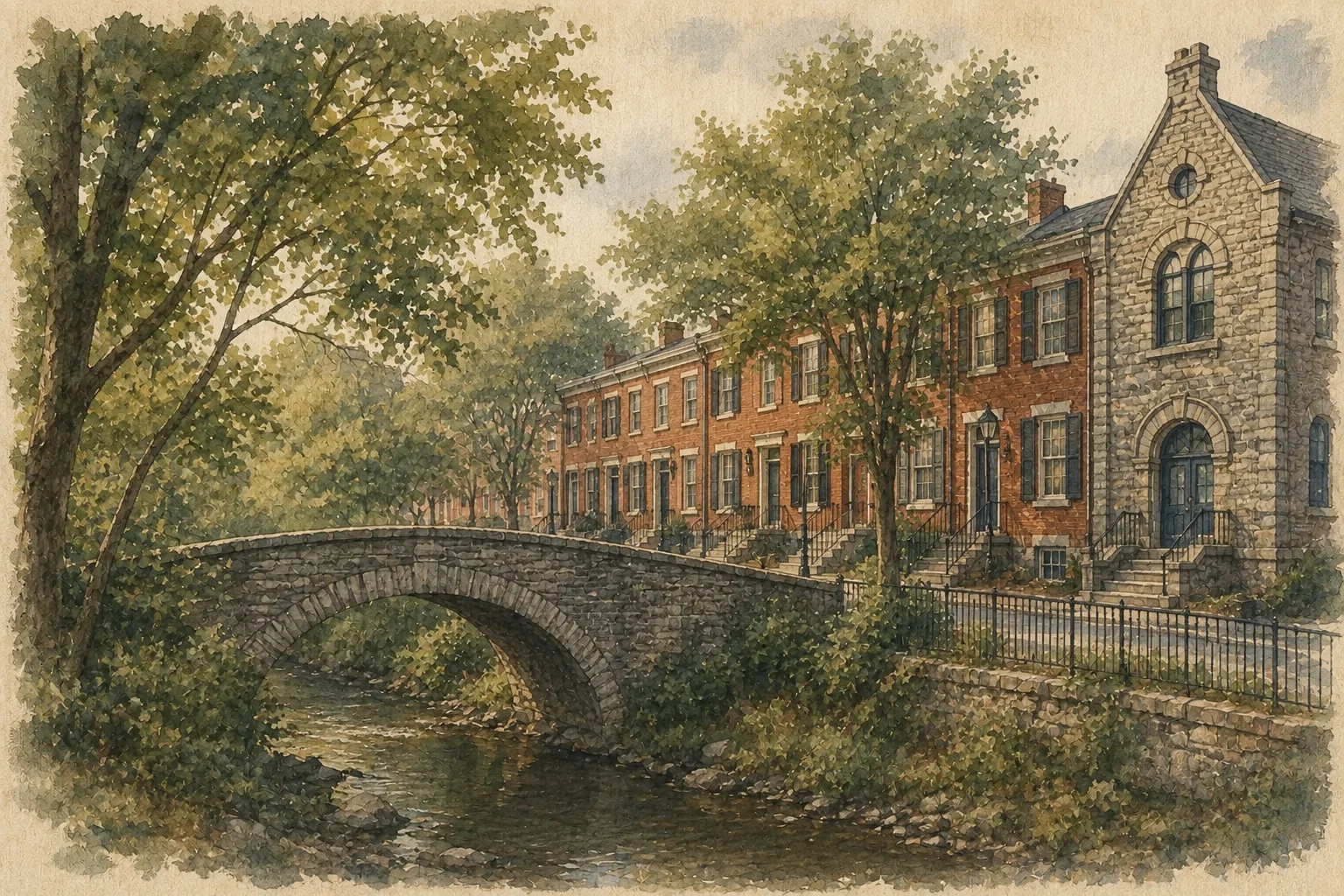
A little orientation
A practical Holmesburg visit and home check
Separate history from today’s trip.
A historical reference may add context without being a place you can enter; confirm visitor access before building an outing around it.
Choose the Pennypack destination.
Find the specific entrance and activity that suit your group rather than assuming the park name supplies a complete route.
Check schools by address.
Use the District’s own enrollment resources for the home and relevant grade instead of adopting a general school verdict.
A closer look
From the guide to a workable day
Use Holmesburg Bakery and Pennypack as research leads, then confirm the details that matter to your visit.
Make one confirmed stop the anchor.
If Holmesburg Bakery is part of your plan, check the business’s own current address and arrangements first. Then plan the outward and return journey around that confirmed stop, leaving a realistic gap before any separate park or other activity.
A useful questionWhich confirmed destination will anchor your visit, and how will you return?
Source & next step ↗Choose an access point with purpose.
Use official park information to research the Pennypack entrance relevant to your proposed walk. Ask about access and current notices before setting out, and keep the planned outing small enough to change if the route does not suit your group.
A useful questionWhich entry and route questions should be answered before your Pennypack visit?
Source & next step ↗Use the home address.
For a possible move, use the District’s address-based school and enrollment resources with your child’s relevant grade. Ask the District to clarify questions about the result rather than treating a broad neighborhood account as evidence of assignment or suitability.
A useful questionWhat school information needs confirming for the particular address you are considering?
Source & next step ↗Holmesburg is one of those areas where the experience depends heavily on the block, the routine you build, and how you adapt to everyday realities. You’ll find more space for your money compared to other parts of the city, access to large green spaces like Pennypack Park, and a quieter residential feel that sits somewhere between urban and suburban living.
What you find online rarely matches how people actually live here, the issues residents deal with regularly, or what matters most when it comes to maintaining a clean, comfortable home in this environment.
This guide is built from real local insights, not surface-level descriptions. The goal is simple: help you understand what living in Holmesburg actually feels like so you can decide if it’s the right fit for you.
The Context You Can’t Ignore: Holmesburg’s Identity Starts With Its Past
If you spend enough time reading about Holmesburg, talking to locals, or even just scrolling through discussions online, one topic keeps coming back up. It is not restaurants, it is not housing, and it is not even crime. It is the prison.
Holmesburg Prison is not treated like distant history. People talk about it as something that still shapes the neighborhood today. What happened there from the 1950s through the 1970s is widely documented. Inmates were used in medical and chemical experiments without proper consent. The details are disturbing, and for many families, this is not just something they read about. It is something they lived through or grew up around.
More importantly, people do not talk about it in a neutral, historical way. The tone is emotional. There is anger, frustration, and a strong sense that what happened has never been fully addressed. Many people feel that the city has never properly acknowledged or taken responsibility for it.
That emotional context matters more than the history itself. It helps explain something you will notice quickly if you live here. Holmesburg can feel guarded. People can be friendly, but they are not always open right away. There is a level of skepticism toward outsiders, toward institutions, and toward anyone who shows up with strong opinions about how the neighborhood should change.
If you ignore that context, a lot of the neighborhood’s personality will not make sense. If you understand it, the way people talk, react, and protect their space starts to feel a lot more logical.
Why People Still Move to Holmesburg: The Real Trade-Off
For all of the issues people bring up about Holmesburg, there is one reason the neighborhood keeps coming up in conversations about moving. You get more space for your money.
Compared to other parts of Philadelphia, Holmesburg is one of the places where you can still find a full rowhome or a larger property without paying Center City or South Philly prices. That is the main draw, and it is not a small one. For buyers and renters who feel priced out elsewhere, Holmesburg shows up as an option that actually feels attainable.
But nobody talks about that value without adding something else right after it.
The way locals describe Holmesburg almost always follows the same pattern. It is affordable, but it comes with trade-offs. It is quiet, but it is not polished. It has space, but it lacks convenience in some areas. The phrase that comes up again and again in different forms is that it is rough around the edges.
Part of the appeal is the pace. Holmesburg does not feel like Center City. It is more residential, more spread out, and generally calmer block by block. Some people describe it as having a mix of city and suburban living. You are still in Philadelphia, but you are not dealing with the same density or constant activity.
At the same time, that quieter environment comes with practical limitations. You will likely rely on your car more. You will not have the same level of walkability for everyday errands. And depending on your expectations, the overall upkeep of the neighborhood may feel inconsistent.
That is really the core trade-off you have to understand. Holmesburg is not trying to be trendy or fully developed. It is a place where you can get space at a lower cost, but you have to be comfortable accepting the imperfections that come with it.
People who are happy here usually understand that from the beginning. People who expect it to feel like a polished, high-demand neighborhood tend to get frustrated.
Where Holmesburg sits
- Pennypack Park
- Holmesburg Bakery
- Holmesburg Prison
Schematic · not to scale
Safety and Daily Risk: What You Actually Deal With
When people consider moving to Holmesburg, safety is almost always part of the conversation. But the way locals talk about it is different from how outsiders often expect.
It is not usually framed as constant danger. It is framed as something you have to be aware of.
One of the most common concerns is not violent crime. It is property-related issues. Car vandalism comes up frequently in discussions, especially from people trying to decide whether to move in. There is a sense that you have to be mindful about where you park, what you leave in your vehicle, and how visible your belongings are.
Package theft is another everyday issue that people bring up. Deliveries left on porches or steps can go missing, and it is common enough that residents mention it as part of normal life rather than an unusual event. If you rely on frequent deliveries, it is something you will need to plan around.
More serious incidents, like shootings, do get mentioned, but usually in a different tone. They are not described as constant, but they are part of the broader perception of the area. When people talk about Holmesburg, they do not ignore those incidents, even if they are not happening on every block.
What you see in real conversations is a pattern of awareness rather than panic. People do not necessarily say you should avoid the area completely. Instead, they talk about being careful, paying attention, and developing small habits that reduce risk.
That might mean bringing packages inside quickly, being selective about where you park, or simply staying aware of your surroundings at night. It is not presented as a high-alert lifestyle, but it is not carefree either.
For most residents, it becomes part of the routine. It is one of the trade-offs that sits alongside the lower housing cost and quieter blocks.
The Biggest Quality-of-Life Issue: Trash, Dumping, and City Services
If there is one topic that dominates nearly every conversation about Holmesburg, it is trash.
This is not a minor complaint. It is something that shows up repeatedly, across different platforms, from different types of residents, and in different parts of the neighborhood. Whether people are talking about parks, side streets, or vacant lots, the issue comes up again and again.
The most common description is that trash is simply everywhere. You will see it in empty lots, on certain corners, and even in areas that are supposed to be maintained, like sections of Pennypack Park. It is not just the presence of trash that bothers people. It is the consistency of it.
There is also a pattern that locals recognize. Trash builds up, the city eventually cleans it, and then it comes back. In many cases, people describe this cycle happening within a couple of weeks. It creates a sense that the problem is not really being solved, just temporarily reset.
Illegal dumping is a big part of that cycle. What surprises many newcomers is that it does not always happen at night. Residents have described it happening during the day, sometimes in broad daylight, which makes it feel even more frustrating. There is also an ongoing argument about who is responsible. Some blame contractors who dump materials. Others blame residents who do not follow proper disposal rules.
The issue goes beyond appearance. In warmer months, the smell becomes noticeable. Trash attracts animals, including rats and raccoons, which tear open bags and spread debris further.
What makes this especially frustrating is that it touches almost every part of daily life. It affects how streets look, how parks feel, and how people experience their own blocks. It is not limited to one area. It is something that can vary from block to block, but it is present enough that it becomes part of the neighborhood’s identity.
For many residents, this is the issue that defines Holmesburg more than anything else. It is also one of the main reasons why people describe the neighborhood as rough around the edges.
Schools: The Decision Factor for Families
If you are moving to Holmesburg with children, schools will likely be one of the most important factors in your decision. It is also one of the areas where local opinions are the most consistent.
More broadly, the public school system in this part of the city is often described as unpredictable. Rather than assuming that your assigned school will meet your expectations, many families approach it as something they need to actively manage.
That leads to a common pattern. Families look into alternatives. Catholic schools, charter schools, and magnet programs are all part of the conversation. Some parents plan these options before moving. Others adjust after they have already settled in the area.
This approach reflects a larger reality. For families, Holmesburg is rarely just about the house or the block. It is about whether you are prepared to navigate the school system in a more hands-on way.
For people without children, this may not be a major concern. But for families, it often becomes a deciding factor. It is one of the clearest examples of the trade-offs that come with living in the neighborhood.
Daily Life Friction: The Small Things That Add Up
Beyond the larger topics like safety and schools, there are smaller, everyday issues that shape what it actually feels like to live in Holmesburg. These are the kinds of things that do not always show up in real estate listings, but they affect your routine over time.
Package theft is one of those issues. If you order frequently, you will need to think about where your deliveries are left and how quickly you can bring them inside. It is common enough that people treat it as part of normal planning.
Mail delivery can also be inconsistent. Residents have raised concerns about delays or missing items, which adds another layer of unpredictability to something that is usually routine.
Pets are another source of friction between neighbors. Some residents do not clean up after their dogs, which leads to complaints about waste on sidewalks and in shared spaces. There are also concerns about dogs being off leash or barking late at night. These issues might seem minor on their own, but when they happen regularly, they become a source of ongoing tension.
Noise is another factor that can vary by block. Late-night activity, including music or general noise, is something people mention, especially in the early hours of the morning. It is not constant everywhere, but it is something you may encounter depending on your location.
There are also specific areas that become known for recurring issues. For example, certain intersections are mentioned in local discussions as problem spots, whether due to traffic, noise, or general activity. These kinds of details are not always obvious until you live there or hear about them from others.
Then there is the matter of furniture and large items being left out on the street, especially after someone moves out. For some residents, this is seen as normal city behavior. For others, especially those who are new, it can be surprising.
Individually, none of these issues define the neighborhood. But together, they create a sense of daily friction. It is not about one major problem. It is about a series of small inconveniences that you learn to manage over time.
Getting Around: Why a Car Changes Everything
One of the first practical adjustments people make when living in Holmesburg is realizing how much a car matters.
Unlike more central parts of Philadelphia, where you can rely heavily on walking or public transportation, Holmesburg often requires you to drive for everyday errands. Grocery stores, restaurants, and other services are not always within easy walking distance, depending on your exact location.
This is part of what gives the neighborhood its quieter, more spread-out feel. But it also means that your daily routine is shaped by how easily you can get in and out of the area.
Having a car provides flexibility. You can reach different parts of the city more easily, access a wider range of stores, and avoid relying on limited options nearby. Without a car, your choices can feel more restricted.
Parking is another factor to consider. While Holmesburg is not as dense as other parts of the city, some blocks still have tight parking situations, especially in areas with narrower streets. It is not always difficult, but it is not always effortless either.
The overall experience is somewhere in between city and suburban living. You are not dealing with the constant congestion of Center City, but you also do not have the convenience of a fully suburban layout where everything is designed around driving.
Understanding this balance is important. If you expect a fully walkable neighborhood, Holmesburg may feel limiting. If you are comfortable relying on a car, it can feel much more manageable.
The One Place Everyone Talks About: Holmesburg Bakery
In a neighborhood where there are not many widely recognized landmarks, Holmesburg Bakery stands out. It is one of the few places that comes up consistently in conversations about the area.
The bakery has a long history and a strong local following. It is the kind of place that people recommend not because it is trendy, but because it has been part of the neighborhood for years. Knowing about it, and knowing what to order, is almost a small marker of familiarity with Holmesburg.
One of the items that gets the most attention is the cream donuts. They are often described as the most reliable choice, and people who visit regularly tend to go for them specifically. If you ask around, this is usually the first recommendation you will hear.
There is also a lot of discussion around the butter cake. Unlike the donuts, opinions on this are divided. Some people consider it a standout item, while others find it too sweet or not worth the hype. That difference in opinion is part of the experience. It is something people talk about rather than agree on.
Timing plays a role in how you experience the bakery. Popular items can sell out, especially later in the day. If you arrive in the afternoon, there is a chance that some of the most requested items will already be gone. That is why regular customers often go earlier.
There are also practical details that matter. The shop itself is small, and there are certain expectations around how you order and pay. Being prepared for that makes the experience smoother.
Overall, Holmesburg Bakery is less about being the best bakery in the city and more about being a consistent part of the neighborhood. It is one of the few places that both longtime residents and newcomers will eventually hear about.
Pennypack Park: The Best Feature With a Catch
If you ask people what they like about Holmesburg, Pennypack Park is one of the first things that comes up. It is a large green space that offers something many parts of the city do not. Access to nature, walking paths, and open areas that break up the urban environment.
For many residents, the park is part of their routine. It is where people go for walks, take their dogs, or just get some space away from the street. In a neighborhood that can feel uneven in terms of upkeep, the park provides a sense of relief.
At the same time, the experience of the park is not the same everywhere. Some sections are well-maintained and enjoyable. Others are affected by the same issues you see in the surrounding area, including litter.
This creates a mixed experience. You can have a peaceful walk in one part of the park and then come across areas that feel neglected. It depends on where you go and, sometimes, when you go.
Locals tend to develop their own routes over time. They know which paths are more pleasant, where to walk their dogs, and how to move through the park in a way that avoids less maintained areas. These habits are not always obvious if you are new.
Pennypack Park is still one of the strongest positives of living in Holmesburg. It adds space, greenery, and a different pace to the neighborhood. But like many things in the area, it comes with a level of inconsistency that you learn to navigate.
The two places everyone names
In a neighborhood without many widely recognized landmarks, these are the two that come up in every conversation.
Holmesburg Bakery
A long history and a strong local following. People recommend it not because it is trendy but because it has been part of the neighborhood for years. The cream donuts are the most reliable choice and usually the first recommendation you will hear; opinions on the butter cake are divided. Popular items sell out later in the day, which is why regulars go earlier.
Best for · An early visit, for the cream donuts
Pennypack Park
A large green space with walking paths and open areas that break up the urban environment. Part of many residents' routine — walks, dogs, or space away from the street. Upkeep is uneven, so locals develop their own routes over time.
Best for · A walk on a route you have learned
Change, Decline and What Locals Notice
If you talk to people who have lived in Holmesburg for a long time, one of the first things they will bring up is how much the neighborhood has changed. The tone of that conversation is rarely neutral. It is usually a mix of nostalgia, frustration, and concern about where things are heading.
There is a clear sense that certain parts of the neighborhood have declined over time. Residents point to issues like increasing trash, more visible neglect, and properties that are not maintained the way they used to be. Abandoned or poorly kept buildings come up as examples of this shift, reinforcing the feeling that parts of the area are being overlooked.
Some of the changes are tied to housing. The conversion of single-family homes into multi-unit properties is often mentioned as something that has altered the character of certain blocks. For some residents, this is seen as a practical response to demand. For others, it is viewed as a factor that contributes to overcrowding and less consistent upkeep.
There is also a noticeable gap between older landmarks and newer developments. Longtime residents remember businesses that are no longer there, including local bakeries and shops that once defined parts of the neighborhood. These places are often talked about with a sense of loss, as if something important disappeared with them.
At the same time, there are signs of growth. New construction and new businesses are appearing in certain areas, especially along main roads. But these changes do not always outweigh the ongoing concerns about maintenance, safety, and overall quality of life.
The result is a neighborhood that feels uneven. Some blocks show signs of improvement, while others feel like they are falling behind. That inconsistency is one of the most noticeable aspects of Holmesburg today.
Where Real Conversations Happen: Facebook, Nextdoor and Local Drama
If you want to understand what people in Holmesburg are really thinking, you will not find it in official neighborhood descriptions. You will find it in local online groups.
Facebook groups, neighborhood forums, and apps like Nextdoor are where daily life is discussed in real time. These spaces are not polished, and they are not always productive, but they provide a clear window into what people care about.
Most of the conversations focus on practical issues. Trash collection, missed pickups, and illegal dumping come up repeatedly. Residents share photos, report problem areas, and argue about who is responsible. These discussions can escalate quickly, especially when the same issues keep happening.
Package theft is another common topic. People warn each other about incidents, ask for advice, and sometimes post footage or descriptions of what happened. It creates a sense that these problems are part of the everyday environment, not isolated events.
Certain locations become known within these groups as recurring trouble spots. Intersections, streets, and corners are mentioned repeatedly, often in the context of traffic issues, safety concerns, or ongoing complaints. Over time, these places develop a reputation that only locals are aware of.
The tone of these groups can be intense. Arguments about change in the neighborhood, including who belongs and who does not, can turn personal. Moderation decisions, political discussions, and disagreements about how to handle problems often lead to conflict.
At the same time, these platforms also show moments of cooperation. People organize cleanups, share information, and help each other solve problems. That side of the community exists alongside the conflict.
If you live in Holmesburg, these online spaces become part of how you stay informed. They are not always easy to navigate, but they reflect the reality of the neighborhood more directly than any formal source.
Local Knowledge You Only Learn After Living Here
There are certain things about Holmesburg that you only learn by living there. They are not written down anywhere, but they shape how people move through the neighborhood.
One of the first is how to manage deliveries. Because of the risk of packages being taken, many residents adjust their schedules or have items sent to more secure locations. It becomes a routine consideration rather than an occasional concern.
Timing also matters more than you might expect. For example, certain services or conditions change depending on the day of the week. Trash collection schedules affect how streets look, and delays can quickly lead to visible buildup. If you know when these cycles happen, you can plan around them.
The same applies to local businesses. Places like Holmesburg Bakery have peak times when popular items are no longer available. Regular customers adjust their visits based on experience, knowing that timing can make the difference between getting what you want and missing out.
There are also unwritten rules about how to handle neighborhood issues. Reporting problems, dealing with complaints, and interacting with neighbors all have a local context. What might seem like a straightforward issue can become more complicated depending on how it is approached.
Certain areas have reputations that are not obvious to outsiders. Specific streets, corners, or sections of parks are known for particular issues, whether it is traffic, noise, or maintenance. These details are rarely documented, but they are widely understood by people who live there.
Over time, you build a mental map of the neighborhood that goes beyond street names. You learn where to go, when to go, and what to expect. That is the kind of knowledge that only comes from experience.
Who Holmesburg Is Actually For and Who It Is Not
Holmesburg is not a one-size-fits-all neighborhood. Whether it works for you depends on what you are looking for and what you are willing to accept.
It can be a good fit for people who prioritize affordability. Compared to other parts of Philadelphia, you can often get more space for your money. That is one of the main reasons people consider moving here.
It also works for people who are comfortable with a level of inconsistency. If you can adapt to changing conditions, handle minor issues as they come up, and focus on the positives, you may find the neighborhood manageable.
People who prefer a quieter environment with access to green space may also appreciate Holmesburg. Pennypack Park and the overall layout of the area provide a different pace compared to more central parts of the city.
On the other hand, it may not be the right fit if you are looking for convenience and predictability. Daily life can involve small challenges, from transportation to maintenance issues. If you expect everything to function smoothly, you may find it frustrating.
Families with school-aged children often need to make additional plans, especially when it comes to education. This can involve looking at alternative options outside the immediate neighborhood.
It may also be a difficult adjustment for people who are sensitive to issues like noise, cleanliness, or safety concerns. These factors vary by location, but they are part of the overall environment.
Ultimately, Holmesburg works best for people who understand the trade-offs and are willing to navigate them. It is not about finding a perfect neighborhood. It is about deciding which factors matter most to you.
Who Holmesburg is for, and who it is not
The guide's own answer: it works best for people who understand the trade-offs and are willing to navigate them.
- People who prioritize affordability — you can often get more space for your money.
- Anyone comfortable with a level of inconsistency, who can handle minor issues as they come up.
- People who prefer a quieter environment with access to green space.
- Anyone comfortable relying on a car, which makes daily life much more manageable here.
- Anyone looking for convenience and predictability.
- People who expect everything to function smoothly.
- Families with school-aged children, who often need to make additional plans for education.
- Anyone sensitive to noise, cleanliness or safety concerns.
- Anyone expecting a fully walkable neighborhood.
The Real Holmesburg
Holmesburg is a neighborhood defined by contrast. It offers affordability, space, and access to green areas, but it also comes with challenges that shape everyday life.
The most important thing to understand is that no single description captures the full experience. It depends on your block, your routine, and your expectations. Two people can live in the same neighborhood and have very different experiences.
There are clear positives. You can find a quieter environment than in more central areas of the city. You have access to large outdoor spaces like Pennypack Park. Housing can offer more value compared to other neighborhoods.
At the same time, there are ongoing issues that are hard to ignore. Trash, inconsistent services, and concerns about safety are part of the conversation among residents. These are not isolated complaints. They are recurring themes that influence how people feel about the area.
There is also a strong sense of identity tied to the neighborhood’s history. The past is not just something that happened. It continues to influence how people see the area and how it is talked about.
The community itself is complex. You will find helpful neighbors and a sense of local pride, but you will also encounter tension around change and differing expectations.
If you are considering Holmesburg, the most important step is to see it for yourself. Walk the streets, spend time in different areas, and pay attention to how the neighborhood feels at different times of day.
Holmesburg is not defined by a single narrative. It is a place where the positives and negatives exist side by side, and understanding that balance is key to deciding whether it is the right fit for you.
Make it yours
Your Holmesburg planning list
A short list to turn what you read into your own next steps.
Saved checks stay on this device when browser storage is available. This is a personal planning list, not a property inspection or professional assessment.
Sources & next steps
Useful advice should
show its working.
These resources support the reader tools above and help you check details for your own address, date, or plans.
- SEPTA trip planner
Plan your date, direction and return journey; check service and accessibility details.
- Philadelphia Parks & Recreation Finder
Find named public facilities and their contact information.
- School District enrollment tools
Find the address-based school lookup and current enrollment instructions.
The links support travel, park and school lookups. They do not verify historical claims or rate the neighborhood’s schools.
Keep exploring