A little orientation
A practical starting point in Allegheny West
Check the whole housing offer.
Ask what condition and responsibilities come with a property rather than treating a headline price as the whole decision.
Confirm the help you need.
For any food, jobs or senior program mentioned in the guide, contact its organizer about current access and participation.
Make the journey specific.
Plan from your own address to work or a regular errand, including the walk and the return journey.
A closer look
Three parts of an everyday plan
A useful local reference connects a home, a journey and a place you might use.
Look at the address first.
Find the property in Atlas and use available records to prepare questions for the owner or agent. Ask separately about repairs, utilities and who is responsible for unresolved work; a low asking price does not answer those questions.
A useful questionWhich property questions remain unanswered after reading the listing and available records?
Source & next step ↗Plan a real Allegheny Avenue trip.
Choose a destination you need along or beyond Allegheny Avenue and enter the actual addresses in SEPTA’s planner. Compare your outbound and return times, then note transfers and walking connections that affect whether the trip fits your routine.
A useful questionWould this route still work for your usual return time and carrying needs?
Source & next step ↗Check a named public resource.
Look up Panati Playground through the City’s facility finder and use its contact details to ask about the activity you want. Confirm access and any program arrangements directly before making it part of a child’s or household’s weekly schedule.
A useful questionWhat do you need to confirm before adding Panati to your routine?
Source & next step ↗Allegheny West is one of those Philadelphia neighborhoods that only makes sense once you understand how people actually live there. On paper, it stands out for affordability, transit access, and proximity to Center City. On the ground, it is a place shaped by routines, specific corners, and lived experience. Residents navigate the area based on time of day, block conditions, and familiarity with the environment. You will find strong community ties, long-term homeowners, and local businesses that have stayed through years of change. At the same time, you will also see the effects of underinvestment, uneven services, and ongoing redevelopment pressure. This guide from Hometress breaks down Allegheny West the way locals experience it, focusing on real patterns, real locations, and the everyday decisions that define life in this part of North Philadelphia.
What Allegheny West Is Really Like
The short version locals would recognize
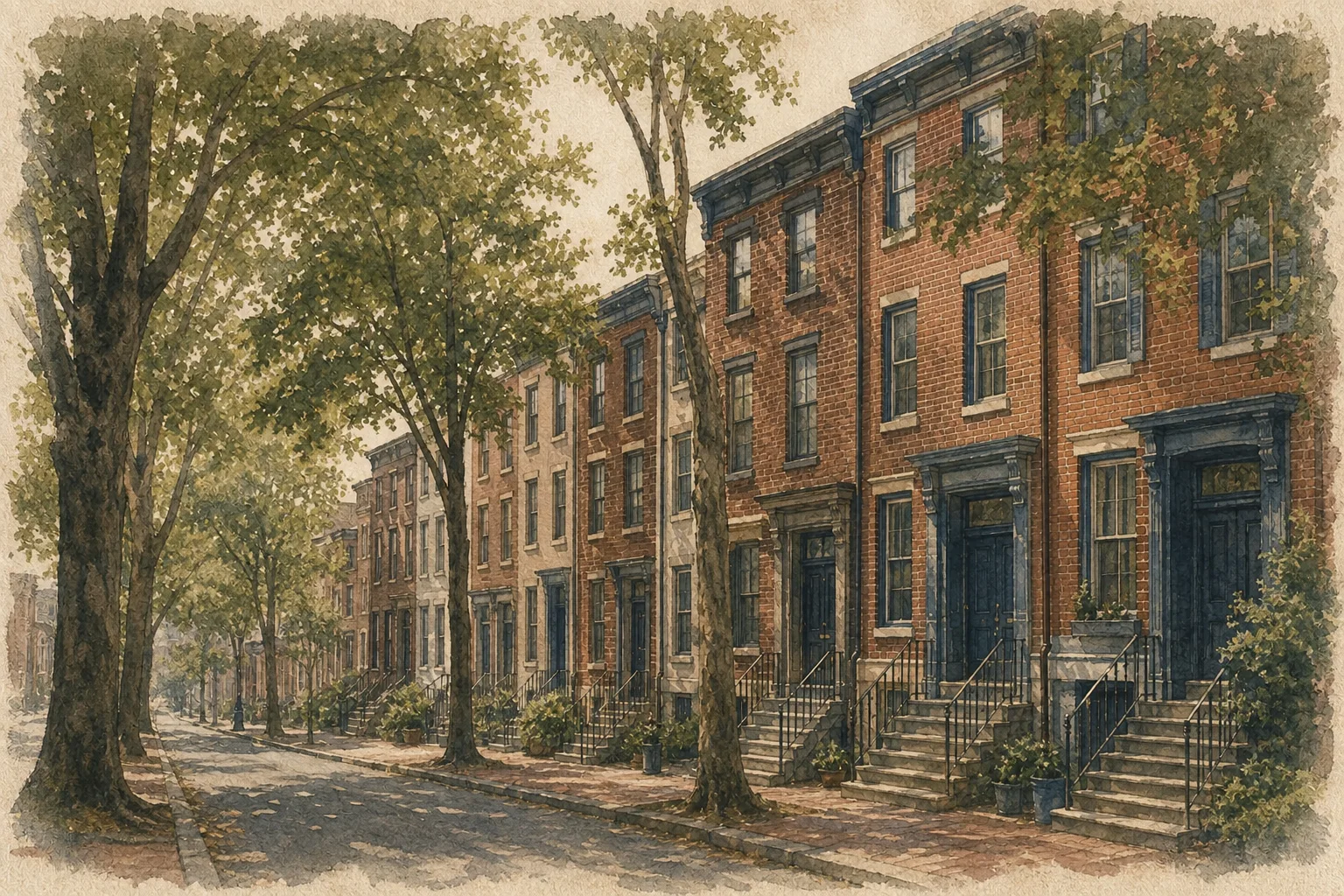
Allegheny West sits in that narrow lane where affordability, convenience, and reality all collide. You can still find houses under six figures, rents that are lower than most of the city, and a layout that lets you walk to stores, catch transit quickly, and reach Center City without a long commute. That is what draws people in. But once you are actually on the block, the experience becomes more layered. The streets feel lived-in, not polished. You see corner stores doing real business, older homes with wear, and people who have been there for decades.
Locals often describe the neighborhood with a kind of grounded pride. They know the issues, they do not pretend they are not there, but they also talk about it as home. You hear the same pattern again and again in how people frame it. It is affordable, it is practical, and it works for daily life if you understand it. The phrase “hood-but-home” captures that balance. It reflects a place where people stay not because it is perfect, but because it is familiar, functional, and still theirs.
Why a block-by-block guide matters here
Allegheny West is one of those neighborhoods where a single label will mislead you. Looking at it from a map or even driving through once will not give you the full picture. The experience shifts depending on where you stand. W. Allegheny Avenue has a completely different feel compared to the quieter residential streets a few blocks over. The intersection of W. Allegheny and N. Broad tends to carry more movement and more tension for someone new, while areas around 23rd and Venango can feel more settled depending on the time of day.
Even within the same block, the mood can change. A street that feels calm in the afternoon can feel louder or more active later at night. Parking patterns shift, foot traffic changes, and the same corner can go from quiet to busy within a few hours. That is why locals talk about specific corners and routines instead of generalizing the whole neighborhood. To understand Allegheny West, you have to think in terms of blocks, not boundaries.
The neighborhood’s emotional split
There is a clear divide in how Allegheny West is talked about depending on who you ask. People looking from the outside tend to lead with safety concerns and reputation. That conversation often focuses on crime, neglect, and the neighborhood’s place in North Philly. But when you listen to residents, the conversation expands.
Locals talk about families, pets, and older neighbors who have been there for years. They mention small businesses, daycares, and community events that do not show up in broad city rankings. They describe neighbors who watch out for each other and routines that make daily life manageable. You also see pride in simple things like having stores nearby, knowing your block, and being able to stay in the city without being priced out.
The reality is both perspectives exist at the same time. The neighborhood carries real challenges, but it also has a strong sense of lived community. That contrast defines how people experience Allegheny West day to day.
Where Allegheny West Is in Philadelphia
The local mental map
Allegheny West sits in North Philadelphia, centered around Allegheny Avenue and just west of Broad Street. For locals, the name is tied less to official boundaries and more to familiar corridors and intersections. The 19132 zip code shows up constantly in conversations about the area. You see it in rental listings, safety discussions, and even social media posts that tag the neighborhood by zip instead of name.
That zip code becomes part of how people understand the area. It signals affordability, certain expectations about services, and a specific part of North Philly that operates differently from Center City or more developed neighborhoods. When people talk about Allegheny West, they are often really talking about a cluster of blocks within that 19132 identity.
Important nearby reference points
To navigate Allegheny West, locals rely on a handful of key reference points. W. Allegheny Avenue is the main commercial spine where errands, shopping, and transit access happen. N. Broad Street acts as a major connector, especially for getting in and out of the area quickly.
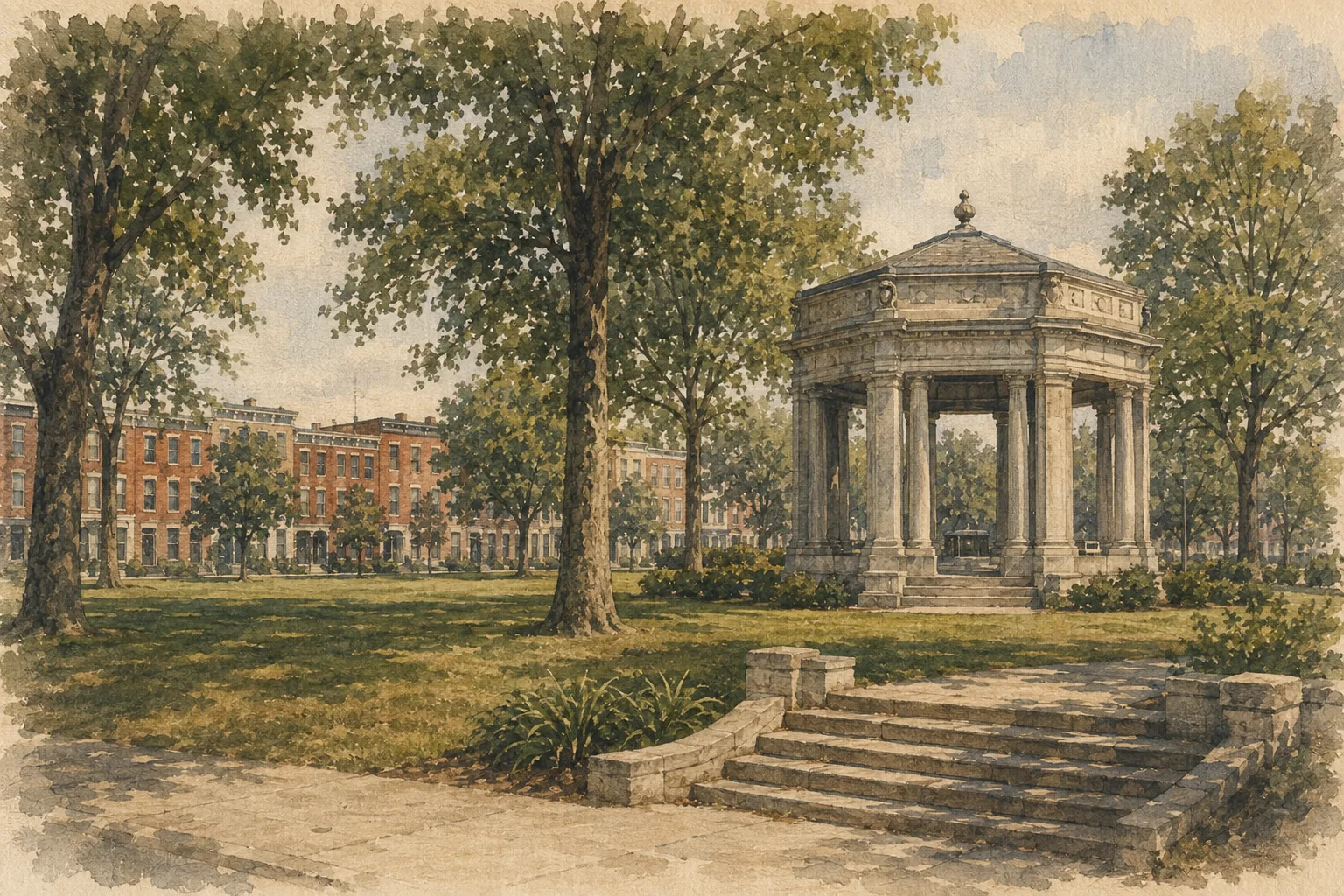
Further into the neighborhood, 23rd and Venango stands out as a recognizable hub, especially because of the Allegheny West Plaza and the activity around it. Panati Playground at 22nd and W. Clearfield is another important landmark, especially during community events and seasonal gatherings.
Some residents also reference nearby areas like East Falls when they talk about restaurants, farmers’ markets, or places to spend time outside the neighborhood. It is common for people to live in Allegheny West but leave the immediate area for certain amenities.
Why Google Maps does not tell the full story
If you rely on maps alone, Allegheny West can feel unclear or even misleading. The neighborhood boundaries blur into nearby areas like Tioga and Hunting Park, and online platforms often group everything together under broader North Philadelphia labels. On top of that, searches for Allegheny West sometimes pull in results from entirely different cities, which adds to the confusion.
Locals do not navigate the area that way. They think in terms of exact streets, corners, and known spots. A listing that says Allegheny West does not tell you much unless you know the cross-streets. A rental tagged with the right zip code can still feel completely different depending on which block it sits on. That is why people who live there focus on precise locations instead of broad neighborhood names.
The local mental map
- W. Allegheny Avenue
- N. Broad Street
- Allegheny West Plaza
- Panati Playground
Schematic · not to scale
The Block-by-Block Reality of Allegheny West
W. Allegheny Avenue feels more exposed
W. Allegheny Avenue functions as the backbone of the neighborhood. It is where most of the visible activity happens. You have stores, foot traffic, transit access, and a steady flow of people moving through the area. It is where errands get done, where buses run, and where the neighborhood feels most connected to the rest of the city.
That activity also means it feels more exposed. There is more noise, more movement, and more interaction with people who are not from the immediate block. For some residents, that makes it convenient. For others, it is the part of the neighborhood where you stay more alert.
Side streets can feel quieter but more isolated
Once you move off W. Allegheny Avenue, the environment shifts. Residential streets tend to be quieter, with less constant movement. During the day, some blocks can feel calm, almost slow compared to the main corridor. That quiet can be appealing, especially for families or older residents.
At the same time, that reduced activity can create a different kind of tension. Fewer people around can mean less visibility, and some residents describe certain streets as feeling more isolated at night. Parking can also become a routine challenge, with people circling blocks or waiting for spots to open up. You also hear about small but consistent quality-of-life details, like kids playing basketball late into the evening and the sound carrying through the block.
Why locals talk about corners, not just streets
In Allegheny West, the difference between two nearby corners can be noticeable. The intersection of 23rd and Venango carries a different rhythm than 22nd and Clearfield. W. Allegheny and N. Broad feels different from a residential street a few blocks away. These differences shape how people move through the neighborhood.
That is why locals describe places with precision. They will tell you where it feels more active and where things tend to stay quieter. It is not about labeling the whole neighborhood one way or another. It is about understanding how each part functions on its own terms.
Corners, not boundaries
Locals describe this place with precision. Two nearby corners can carry completely different rhythms, and the mood on one block shifts by the hour.
W. Allegheny Avenue
The backboneWhere most of the visible activity happens — stores, foot traffic, transit, a steady flow of people. That also makes it feel more exposed: more noise, more movement, more interaction with people who are not from the immediate block.
The side streets
Off the main corridorQuieter, with less constant movement; some blocks feel calm, almost slow. The reduced activity cuts both ways — fewer people around means less visibility, and some streets feel more isolated at night.
W. Allegheny and N. Broad
The busiest crossingCarries more movement and more tension for someone new, and locals read it differently from a residential street a few blocks away.
23rd and Venango
The plaza cornerA recognizable hub because of Allegheny West Plaza and the activity around it. It can feel more settled depending on the time of day.
22nd and Clearfield
Panati PlaygroundA different rhythm from 23rd and Venango, and an important site for community activity and seasonal gatherings.
Safety in Allegheny West: Careful, Not Scared
The honest safety reputation
Safety is one of the most talked-about aspects of Allegheny West, and it comes up across every platform where people discuss the neighborhood. There are consistent mentions of crime, visible drug activity, and the need to stay aware of your surroundings. You also see content focused on safety awareness tied to the 19132 area, which reinforces how residents think about risk at a local level.
The general consensus is that the neighborhood is not easy or polished. It requires awareness, and people who move in without adjusting their habits tend to notice that quickly.
The local nuance about danger
At the same time, there is a more nuanced perspective from people who actually live in or around the area. Some describe the risk as more situational than constant. The idea is that many serious incidents are tied to specific conflicts rather than random events, and that day-to-day life can be managed if you understand how to move through the neighborhood.
That does not mean the area is safe in a casual sense. It means residents approach it with a mindset that balances caution and routine. They adjust how they move, where they go, and when they do things, rather than avoiding the neighborhood entirely.
The unwritten safety rules locals follow
There are patterns in how people navigate Allegheny West that do not get written into official guides. Walking with purpose is one of them. People avoid standing around distracted or focused on their phones. Keeping valuables out of sight is another basic rule. Cars are locked, windows are kept up at night, and homes often stay closed off visually with blinds.
There are also subtle behavioral cues. People try not to stand out as new to the block. Even small things like where you park or how you carry yourself can signal whether you are familiar with the area. These habits are not unique to Allegheny West, but they are consistently reinforced here.
How timing changes the experience
Time plays a major role in how the neighborhood feels. Weekday afternoons can be relatively quiet, especially on residential streets. Errands happen, people move through the area, and things feel routine. As the week progresses, the atmosphere shifts.
Thursday through Saturday nights tend to bring more activity, especially near busier corridors and corner stores. Noise levels go up, more people are outside, and the pace changes. It is not a strict rule, but it reflects how people adapt to the neighborhood’s timing.
Housing, Rent, and Affordability in Allegheny West
Why people look here in the first place
Affordability is the main reason people consider Allegheny West. Compared to most of Philadelphia, the cost of housing stands out.
For buyers, it is one of the few areas where owning a home in the city still feels possible without a high budget. For renters, it offers more space at a lower cost than many other neighborhoods.
The catch behind the price
That affordability comes with tradeoffs that residents are very aware of. Safety concerns are part of it, but so are slower public services, infrastructure issues, and fewer high-end amenities. You also see uncertainty around long-term property value growth, with some people describing the area as less likely to appreciate compared to other parts of the city.
Living in Allegheny West often means accepting those tradeoffs in exchange for lower housing costs and proximity to the rest of Philadelphia.
Rental listings and “move-in ready” marketing
Real estate content in the area tends to follow a specific pattern. Listings emphasize words like “move-in ready,” “renovated,” and “massive” to highlight value. Some also include phrases like “cash accepted,” which signals a different kind of rental market compared to more regulated or higher-end neighborhoods.
These listings present the area as an opportunity, especially for renters looking for space or investors looking for properties that can be updated and re-leased.
Gentrification, flipping, and displacement pressure
There is an ongoing tension around development in Allegheny West. On one side, you see renovated homes, redevelopment of old industrial spaces, and increased interest from investors. On the other side, there is concern from longtime residents about rising prices and being pushed out.
People talk about buildings sitting unused for years and then suddenly being turned into projects that attract new attention. That shift creates uncertainty. Some see it as progress, while others see it as the beginning of displacement.
Affordability, and what comes with it
Residents are very aware of both columns. The savings are real; so is the adjustment.
- Houses still under six figures, and rents lower than most of the city.
- Walk to stores, catch transit quickly, and reach Center City without a long commute.
- More space at a lower cost than many other neighborhoods.
- Long-term homeowners, small businesses, and neighbors who watch out for each other.
- Safety awareness is required, and habits have to adjust when you move in.
- Slower public services, aging infrastructure, and potholes on the side streets.
- Fewer amenities, and food options that lean heavily toward fast food.
- Uncertainty about long-term property value, plus real displacement pressure.
Getting Around Allegheny West
Transit is one of the strongest advantages
One of the most consistent positives about Allegheny West is how easy it is to move through the city without relying heavily on a car. Bus routes and train access connect the neighborhood directly to Center City, and many residents describe the commute as quick and reliable compared to other parts of Philadelphia. It is common to hear that getting downtown feels fast, sometimes within a short ride that does not require much planning.
This access changes how people use the neighborhood. Even if Allegheny West does not offer everything within walking distance, residents know they can reach other parts of the city without a long or complicated trip. That convenience is a major reason people stay, even when other parts of the neighborhood feel rough around the edges.
Walking is useful, but not carefree
Walking in Allegheny West is part of everyday life. People walk to stores, transit stops, and nearby services regularly. The layout supports that kind of movement, especially along main corridors where businesses and foot traffic are concentrated.
At the same time, walking here comes with a different mindset than in more polished neighborhoods. Residents stay aware of their surroundings, especially during quieter hours or on less active blocks. It is not unusual to see people moving with purpose, paying attention to who is around them, and avoiding unnecessary distractions. The walkability is real, but it is paired with awareness rather than ease.
Parking is manageable but tactical
Parking in Allegheny West is possible, but it often requires patience. People describe needing to search for spots, especially during busier hours or on more active streets. It is not constant gridlock, but it is not effortless either.
Over time, residents develop their own strategies. One of the more common habits is parking slightly away from their home instead of directly in front of it. This is partly practical, since open spots may be easier to find a block over, and partly social, as it helps avoid standing out as someone new to the area. Parking becomes part of the routine, something you plan around rather than expect to be simple.
Everyday Shopping and Food in Allegheny West
The ShopRite, Family Dollar, and Rite Aid triangle
Daily life in Allegheny West revolves around a small set of reliable stores. ShopRite, Family Dollar, and Rite Aid form a core shopping pattern that residents mention frequently. These are not specialty shops or destination retail spaces. They are practical, consistent, and accessible.
People rely on these stores for groceries, household items, and pharmacy needs. They represent stability in a neighborhood where other services may feel less dependable. Even when the broader area is described as rough, these locations are often treated as dependable anchors.
Why “peaceful shopping centers” matters
One of the more interesting patterns is how residents describe certain shopping areas as peaceful, even while acknowledging larger issues in the neighborhood. That contrast shows how people separate specific places from the overall reputation of the area.
A shopping center can feel calm, predictable, and easy to navigate, even if the surrounding blocks feel more uncertain. For residents, that distinction matters. It means there are pockets of reliability where everyday errands can happen without added stress. These small zones of comfort play a big role in how people experience the neighborhood.
The fast-food problem
Food access in Allegheny West is not about whether food is available. It is about what kind of food is available. Residents often point out that many nearby options lean heavily toward fast food and less healthy choices.
That creates a gap between convenience and quality. You can find something to eat quickly, but it may not be what people would prefer if they had more variety. This is one of the reasons some residents look outside the neighborhood for better dining options, even if it means traveling a bit farther.
Local restaurants and functional takeout
Restaurants in the area tend to serve a practical role rather than acting as destinations. Spots like Allegheny Restaurant along W. Allegheny Avenue reflect this pattern. They provide takeout, delivery, and straightforward meals that fit into daily routines.
These places are not marketed as trendy or upscale. They exist to serve the neighborhood, offering consistent food without a lot of attention or hype. For residents, that reliability is more important than presentation.
Community Resources Locals Actually Use
Allegheny West Foundation as a major neighborhood anchor
The Allegheny West Foundation plays a central role in the neighborhood’s daily life. Its presence shows up across food access, job support, community events, and development efforts. It is one of the few organizations that consistently appears in both resident conversations and official outreach.
The foundation connects people to resources in a way that feels immediate and practical. Whether it is distributing food, organizing events, or working with city agencies, it functions as a bridge between residents and support systems that are not always easy to access.
Allegheny West Foundation food-drive notices
The Allegheny West Foundation hosts food distributions at 2330 West Allegheny Avenue. Check the foundation’s current event notice for the next date, time, availability, and participation requirements before making the trip.
Allegheny West Plaza at 23rd and Venango
Allegheny West Plaza at 23rd and Venango is more than just a retail area. It functions as a community gathering point, especially during organized events. Food distributions here include groceries, meat, vegetables, snacks, dry goods, and even supplies like dog food.
The plaza becomes a place where residents interact, share information, and access resources. Its role goes beyond shopping. It acts as a visible center of activity that reflects how the neighborhood supports itself.
Panati Playground and holiday giveaways
Panati Playground, located at 22nd and W. Clearfield, is another important site for community activity. It is especially active during seasonal events, including holiday food distributions. Large-scale giveaways, such as turkey distributions, draw residents from across the area.
These events highlight how public spaces are used in the neighborhood. They are not just for recreation. They become points of access for resources and opportunities, especially during times of higher need.
Job fairs and workforce support
Job fairs hosted in and around Allegheny West provide another layer of support. These events often involve collaboration between local organizations and city agencies. They are designed to connect residents with employment opportunities and training.
The presence of these events points to a broader issue within the neighborhood. Access to stable, well-paying work is a recurring concern. Job fairs represent an effort to address that gap, even if they do not fully solve it.
Senior outreach and estate planning
The neighborhood has a visible population of older residents, and that shows up in the types of outreach programs offered. Senior-focused initiatives include education around wills, estate planning, and long-term financial protection.
These programs respond to specific concerns, including the risk of scams, pressure from outside buyers, and uncertainty about how property will be passed down. For many families, these issues are tied directly to the larger conversation about development and displacement.
What residents actually use
Not destination retail. The network of anchors, distributions, and shopping that daily life is built around.
Allegheny West Foundation
Central to daily life here — food access, job support, community events, and development work. It functions as a bridge between residents and support systems that are not always easy to reach.
Best for · the first call for resources
Allegheny West Foundation food distributions
Check the foundation's current event notice for the next date, time, availability, and participation requirements before making the trip.
Best for · food access
Allegheny West Plaza
More than a retail area. Food distributions here cover groceries, meat, vegetables, snacks, dry goods, and even dog food, and the plaza doubles as a place residents meet and share information.
Best for · distributions and gathering
Panati Playground
Most active during seasonal events, including holiday food distributions. Large-scale giveaways such as turkey distributions draw residents from across the area.
Best for · seasonal community events
ShopRite, Family Dollar, Rite Aid
Practical, consistent, accessible. Groceries, household items, and pharmacy needs, treated as dependable anchors even when the broader area is described as rough.
Best for · the weekly errand run
Allegheny Restaurant
Restaurants here serve a practical role rather than acting as destinations — takeout, delivery, straightforward meals that fit daily routines. Reliability matters more than presentation.
Best for · a functional weeknight meal
Families, Seniors, and Community Life
Why residents still call it family-friendly
Despite the challenges, many residents still describe Allegheny West as a place where families live and grow. The presence of children, pets, and multi-generational households shapes how people talk about the neighborhood.
Community events, shared routines, and familiar faces contribute to that sense of stability. The label of family-friendly does not come from amenities alone. It comes from how people interact and support each other in daily life.
The elder-and-youth mix
One of the more noticeable patterns in Allegheny West is the mix of older adults and younger residents. Seniors who have lived in the area for decades share the same streets with children, teenagers, and younger families.
This mix creates a specific kind of neighborhood dynamic. Older residents bring continuity and memory, while younger residents bring energy and change. The balance is not always smooth, but it defines how the community feels.
Schools and youth concerns
Education is an area where concerns come up frequently. Residents point to limited funding and challenges within local schools. There is a sense that young people are not always getting the support they need to succeed academically.
At the same time, community pages and local organizations highlight youth programs, events, and positive stories. These efforts show that while the system may have gaps, there are still people working to support the next generation.
Local pride through small businesses
Small businesses play a key role in how residents express pride in Allegheny West. Places like NbeautyInc HairSalon and Life’s Little Treasures Day Care Center are not just services. They represent people who built something within the neighborhood and stayed.
There is also a strong sense of identity tied to growing up in the area. Business owners and community members often emphasize their roots, framing their work as part of the neighborhood’s ongoing story rather than something separate from it.
Allegheny West’s Industrial Past and Redevelopment Future
Tasty Baking, Pep Boys, and the neighborhood name
Allegheny West’s identity is tied to its industrial past. The neighborhood’s name itself comes from an association linked to businesses like Tasty Baking and Pep Boys. These companies were once central to the area’s economy and shaped how the neighborhood developed.
That history still influences how residents think about the area. It is not just a residential neighborhood. It is a place that was built around industry, work, and production.
Budd Steel, Krupp, and vacant industrial sites
Large industrial sites once used for manufacturing, including facilities connected to Budd Steel and later Krupp, remain part of the neighborhood’s physical landscape. Many of these spaces sat vacant for years after industrial decline.
In more recent years, some of these sites have been repurposed for filming, events, and other temporary uses. They stand as reminders of both the neighborhood’s past and its uncertain transition into something new.
Why redevelopment feels complicated
Redevelopment in Allegheny West does not come with a clear narrative. On one hand, reused buildings and new activity suggest progress. On the other hand, residents remember how long these spaces were left unused.
There is frustration tied to that timeline. Buildings that sat idle for decades are now being positioned as opportunities, often without addressing the years of neglect that came before. That tension shapes how people react to new projects.
The displacement fear behind “new investment”
As investment increases, so does concern about what it means for longtime residents. Rising property values and increased attention can lead to higher costs and pressure to move. There is a strong awareness that changes in the neighborhood may not benefit everyone equally.
For many residents, the concern is not just about development itself. It is about who gets to stay and who gets pushed out as the neighborhood changes.
Infrastructure, Potholes, and City Services
Why residents feel the city comes late
A recurring theme in Allegheny West is the sense that help does not always arrive when it is needed. Residents often describe a gap between visibility and response. You may see police presence during the day or around certain events, but when something urgent happens, the response can feel delayed. That same pattern shows up in other services.
Maintenance issues follow a similar rhythm. Problems are acknowledged, but the timeline for fixing them stretches longer than expected. Over time, that creates a mindset where people rely more on their own routines and less on immediate city support. It shapes how residents think about safety, repairs, and everyday planning.
Water-main projects and utility work
Infrastructure work is a constant background presence in the neighborhood. Residents are used to seeing project alerts tied to specific intersections and blocks. Areas like 21st and Clearfield, 21st and 22nd near Allegheny, Bambrey and Stillman, W. Seltzer, W. Sterner, and N. 27th come up in discussions about water-main replacements and utility upgrades.
These projects are often communicated through neighborhood-level alerts and community channels. While they signal investment in the area, they also reinforce how much of the infrastructure is aging and in need of ongoing work. For residents, these updates are not abstract. They affect daily routines.
Potholes and side-street frustration
Potholes are one of the most visible and persistent complaints, especially on residential streets. Main corridors tend to receive more attention, but side streets can go much longer without repair. Residents notice when service trucks pass through without addressing deeper issues.
This creates frustration because the problem is not hidden. It is something people deal with every day while driving, parking, or walking. Over time, it becomes part of the neighborhood experience, something people expect rather than something they assume will be fixed quickly.
What infrastructure work means day to day
Utility and repair work affects daily life in small but consistent ways. Streets can be partially blocked, parking becomes harder to find, and noise levels increase during active projects. There can be temporary outages or changes in access that require residents to adjust their routines.
These disruptions are rarely dramatic on their own, but they add up. Planning becomes more important. People pay attention to which streets are being worked on, where they can park, and how long a project might last. It reinforces the idea that living in Allegheny West requires flexibility and awareness of what is happening on your specific block.
What Locals Are Protective About
They are protective of the neighborhood’s reputation
Residents are aware of how Allegheny West is portrayed, especially in online videos and outside commentary. Content that focuses only on danger or labels the area in extreme ways often feels disconnected from daily reality. It reduces the neighborhood to a single narrative and ignores the people who live there.
At the same time, locals do not deny the challenges. The frustration comes from how those challenges are framed. There is a difference between acknowledging real issues and turning the neighborhood into a spectacle. That distinction matters to people who live there and feel a sense of ownership over how their community is described.
They are protective of seniors and longtime homeowners
The presence of older residents shapes how people think about change in Allegheny West. Many families have lived in the area for years, sometimes across generations. As redevelopment increases and property values shift, there is concern about how those residents will be affected.
Programs focused on estate planning and financial protection reflect that concern. They highlight the need to protect homes, pass down property, and avoid situations where longtime residents lose what they built. The conversation about development is tied directly to these fears.
They are protective of local businesses and people who stayed
Small businesses carry a lot of weight in the neighborhood’s identity. Hair salons, day care centers, and local services represent people who chose to invest in Allegheny West when it was not considered desirable by outsiders. These businesses are part of the community’s stability.
Community events, church gatherings, and local publications that focus on positive stories also play a role. They highlight everyday life instead of focusing only on problems. For residents, supporting these spaces is a way of reinforcing the neighborhood’s value from within.
What Outsiders Usually Get Wrong
They treat the whole neighborhood as one experience
One of the most common mistakes is assuming Allegheny West can be described with a single label. In reality, the experience changes from block to block. A street near a busy corridor will feel different from a quieter residential area just a few blocks away.
Without that context, it is easy to misunderstand the neighborhood. What feels true in one spot may not apply somewhere else. That is why residents emphasize specific locations instead of general impressions.
They confuse cheap with easy
Lower housing costs often attract attention, but affordability does not translate into simplicity. Living in Allegheny West requires adjustment. Safety awareness, planning around services, and accepting limited amenities are all part of the tradeoff.
People who move in expecting a smooth experience based on price alone tend to feel unprepared. The cost savings are real, but they come with responsibilities that are not always obvious at first.
They confuse institutional events with everyday reliability
Job fairs, food giveaways, and community events show that there is support in the neighborhood. City agencies, local organizations, and elected officials are present at times. These moments can give the impression that systems are working consistently.
Residents often describe a different day-to-day reality. Emergency response times can still feel slow, and basic services may not meet expectations. The presence of organized events does not always reflect how things function on a regular basis.
They use the wrong geography
Another common issue is misunderstanding where Allegheny West actually sits. Online content can mix it with other parts of North Philadelphia, nearby corridors, or even entirely different neighborhoods with the same name in other cities. Tags and hashtags add to the confusion.
Even within Philadelphia, boundaries blur into areas like Tioga or Hunting Park. Listings and posts may use overlapping zip codes or labels. For residents, this makes precise location more important than broad descriptions. Knowing the exact street matters more than the name attached to it.
Local Rules for Newcomers
Learn the block before judging the neighborhood
The first step to understanding Allegheny West is spending time on the specific block you are considering. Watch how people move during the day and at night. Notice which stores are active, how parking works, and how loud the area gets at different times.
That level of observation gives a clearer picture than any general description. It helps you understand what daily life will actually feel like instead of relying on assumptions.
Move like you know where you are going
Behavior matters in how people experience the neighborhood. Moving with purpose, staying aware, and avoiding distractions are habits that locals develop naturally. These small adjustments make a difference in how comfortable you feel.
It is less about acting differently and more about paying attention. Being present and aware helps you navigate the environment in a way that feels normal to residents.
Plan errands and arrivals by time of day
Timing plays a role in almost everything. Daytime errands tend to feel more routine, while evenings and late-week nights can bring more activity. Knowing when to go out and when to head back becomes part of daily planning.
Resource schedules also factor in. Events like Friday food distributions have specific times, and missing those windows means waiting until the next week. Over time, people build their routines around these patterns.
Respect the difference between caution and disrespect
Locals often share advice about being careful, but that does not mean they want the neighborhood dismissed or insulted. There is a difference between understanding the environment and judging it from the outside.
Respecting that difference helps build a better understanding of the community. It shows awareness without reducing the neighborhood to its challenges.
The Best Way to Understand Allegheny West
Look at what people use, not what platforms promote
To understand Allegheny West, focus on the places residents rely on every day. The Allegheny West Foundation, ShopRite, Family Dollar, Rite Aid, Panati Playground, and W. Allegheny Avenue are all part of that network. These are the locations that shape daily life.
Transit access, local services, and community events matter more than how the neighborhood is presented online. The reality is built around usage, not promotion.
Listen to contradictions instead of smoothing them out
The neighborhood does not fit into a single category. It can feel stable and unpredictable, supportive and challenging, familiar and changing. Those contradictions are part of what defines it.
Trying to simplify the experience removes important context. Understanding comes from recognizing how these elements exist together in everyday life.
The most honest summary
Allegheny West is a working North Philadelphia neighborhood shaped by affordability, history, and daily routines. It carries the effects of industrial decline, uneven services, and ongoing redevelopment. At the same time, it holds a strong sense of community, with families, seniors, small businesses, and local organizations playing a central role.
Life here is built around awareness and adaptation. People learn their blocks, follow patterns that make sense for them, and stay connected to the resources that matter. It is not a place designed for presentation. It is a place where people live, adjust, and continue building their routines over time.
Make it yours
Your Allegheny West follow-up list
A short list to turn what you read into your own next steps.
Saved checks stay on this device when browser storage is available. This is a personal planning list, not a property inspection or professional assessment.
Sources & next steps
Useful advice should
show its working.
These resources support the reader tools above and help you check details for your own address, date, or plans.
- Philadelphia Atlas
Look up an address and review available City property records.
- SEPTA trip planner
Plan your date, direction and return journey; check service and accessibility details.
- Philadelphia Parks & Recreation Finder
Find named public facilities and their contact information.
Program and business names in the guide are starting leads. These tools do not verify availability, eligibility, housing value or neighborhood safety.
Keep exploring