
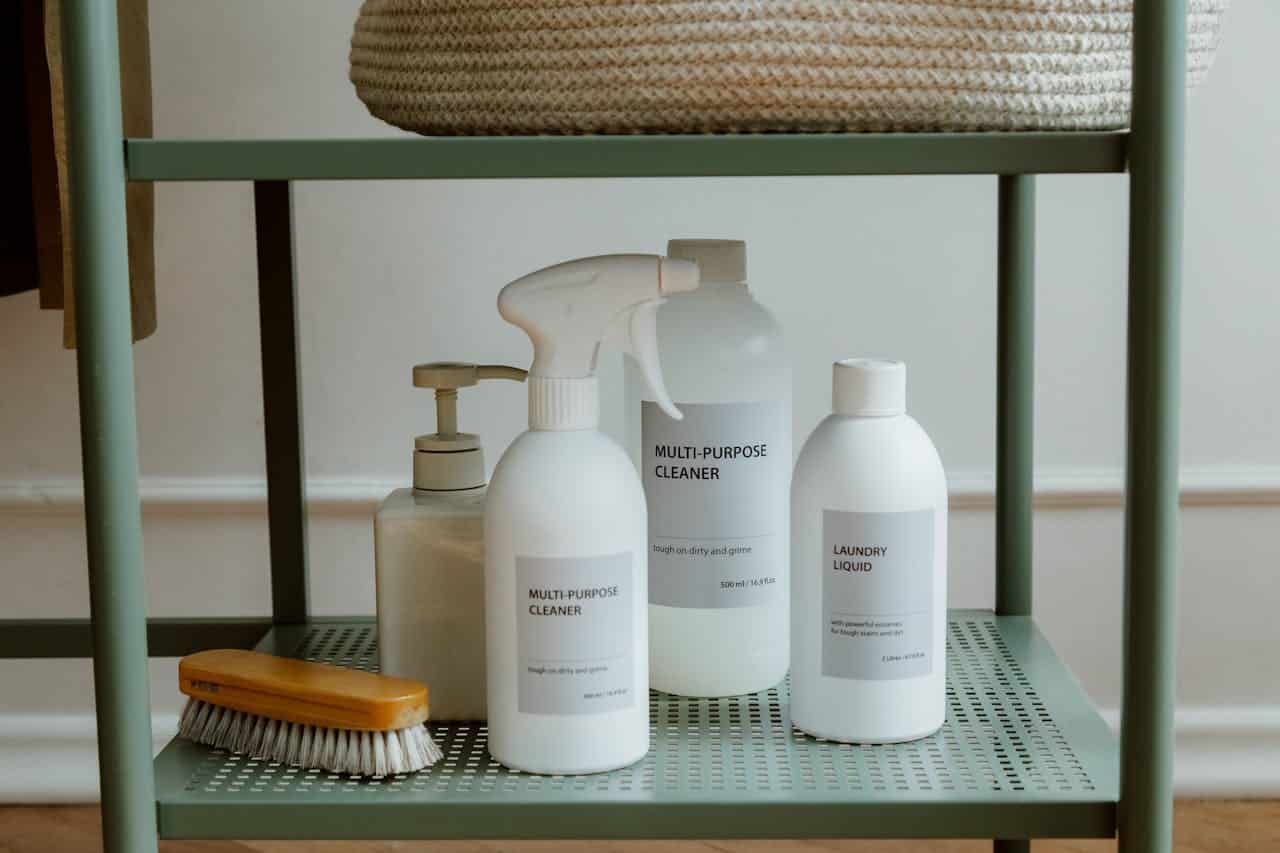
In a city like Philadelphia, where the past meets the present every day, keeping a home sparkling and full of life is a real skill. From the classic rowhouses to trendy lofts and towering apartments, they all share one thing: they need some tender loving care. Whether you call a lively spot in Center City home or enjoy the peace of Chestnut Hill, a fresh living space takes more than just hard work – it begins with choosing the right tools for the job. If you've ever hunted for top-notch cleaning products or pondered where to score professional-grade cleaners in Philly, you've found your answer. What follows is how to choose products for the surfaces Philadelphia homes actually have, rather than a list of brands to buy. Hometress does not publish an approved-product list, and a label you can verify is worth more than a recommendation you can't.
Why Choosing the Right Cleaning Products Matters in Philadelphia Homes
Sure, it's easy to assume that any old cleaner from the store will get the job done. However, in a city like Philadelphia, where you're often dealing with a mix of classic materials such as original hardwood floors, exposed brick, marble fireplaces, and fragile plaster walls, using the wrong product can actually do more damage than good. A strong degreaser might ruin the finish on century-old banisters. An abrasive cleaner could damage a soapstone countertop, and the National Park Service warns against acidic cleaners on calcareous stone such as marble and limestone. In a place like Philly, the tools you select to care for your home need to be both powerful and gentle.
Let's be honest, we all know Philadelphia deals with its share of city grime, seasonal allergies, and that sticky summer humidity. Each of these presents its own cleaning headaches. Think about it: residue gunking up surfaces faster when it's muggy, and pollen making a mess in the spring. That's why the pros in the area are so choosy about their cleaning tools. They understand that a truly good cleaning product isn't just about making things sparkle; it's about keeping your home's unique feel and, importantly, keeping your loved ones healthy.
Choosing by Label and by Surface
Start with the label rather than the brand. Choose products carrying a recognized certification such as EPA Safer Choice or Green Seal, and follow the label — including the contact time, which is the part most people skip. From there it is a question of matching the product to the surface.
An all-purpose spray does most of the daily work. Look for a certified, pH-neutral formula: neutral is what keeps it safe on the painted woodwork and vintage cabinetry common in South Philly homes, where a strong degreaser will lift a finish.
A disinfectant is a separate product from a cleaner, and it only works on a surface that has already been cleaned. If you want one, check that it carries an EPA registration number for the claim it makes, and leave it wet for the contact time printed on the bottle.
A mild abrasive handles tarnished sinks, scuffed tile and cooktop residue. "Mild" is the operative word: test any abrasive on a hidden patch first, and keep it off polished stone entirely.
A hardwood floor cleaner matters more than most people expect in Old City and Society Hill, where original floors are common. Use a water-based, residue-free product made for finished wood, applied on a barely damp mop — standing water is what damages old boards, not dirt.
A refill system — a durable bottle plus concentrate — cuts the plastic that a cleaning cupboard otherwise generates. Several exist; judge them on the same certification and the same pH question as anything else.
DIY Alternatives: Safe and Effective Solutions You Can Make at Home
Sometimes, you might not have those heavy-duty cleaners around, or maybe you just like making your own stuff. Either way, there are tons of DIY options that work surprisingly well without all the chemicals in regular cleaners.
One of the easiest and best DIY cleaning sprays is just a mix of white vinegar and water. In Philly, cleaning experts often suggest this for wiping down glass, tiles, and even certain floors. Since hard water can leave yucky stains on fixtures over time in the city, vinegar is great at dissolving that mineral gunk without needing strong acids.
Baking soda is a tried-and-true favorite among many professional cleaners, particularly when it comes to banishing odors and tackling light scrubbing tasks. You can sprinkle it on carpets before vacuuming for a fresh scent, or use it to spruce up your trash cans. For a simple yet effective cleaning solution, mix baking soda with a bit of lemon juice to create a bubbly paste that quickly cleans and deodorizes your kitchen sink.
Essential oils such as tea tree or lavender are often added to homemade sprays for scent. Treat them as scent, not as disinfection — a home-mixed oil solution is not an EPA-registered disinfectant and should not be relied on as one. If anyone in the home reacts to fragrance, the useful distinction is that the EPA defines fragrance-free as containing no fragrance materials and no masking scents, which "unscented" does not guarantee.
Homemade mixes are fine for regular upkeep. A full deep clean is mostly a question of time and reach rather than of a secret product, which is the honest argument for handing that one off.
What to Avoid: Common Mistakes Philadelphia Homeowners Make with Cleaning Products
Even with the best of intentions, some homeowners, despite meaning well, unintentionally cause more damage than benefit by selecting inappropriate products. Philadelphia's distinct types of homes make it even more crucial to be careful in this regard.
A really common slip-up is going overboard with bleach. Sure, bleach is great for disinfecting, but it's super rough on things like stone, the grout between your tiles, and even your metal fixtures. If you use too much bleach too often, it can actually wear down these materials, making your cleaning problems worse, not better.
Another mistake people make a lot is using scrubbers that are too harsh, like steel wool, on sensitive surfaces. If your home in Philadelphia is one of the older ones with original tile or marble, scrubbing too hard can leave permanent scratches that even a pro might have trouble fixing.
Be really cautious with cleaners that have ammonia in them, or maybe just skip them altogether. Sure, they can blast through grease, but they're strong enough to wear away the finishes on your floors and cabinets. Even worse, in a city like Philly, if you don't vent well while using them, you can end up with a sore throat and breathing problems – and that's just not worth it when there are plenty of safer options out there.
Also, try to avoid products that are loaded up with fake scents and dyes. These extra ingredients aren't needed, and they can cause allergies or even asthma attacks, which are already big health issues for people living in cities.
By making wise decisions and steering clear of typical mistakes, you can guarantee your house will not only look amazing but also stay strong and secure for all its inhabitants.
Hometress's published policy says each visit includes eco-friendly, people- and pet-safe supplies, and that customers may request products to use or avoid — so if a surface in your home needs a particular product, or needs one kept away from it, say so in the booking notes.
Book a cleaning online and see your calculated total before you confirm.