
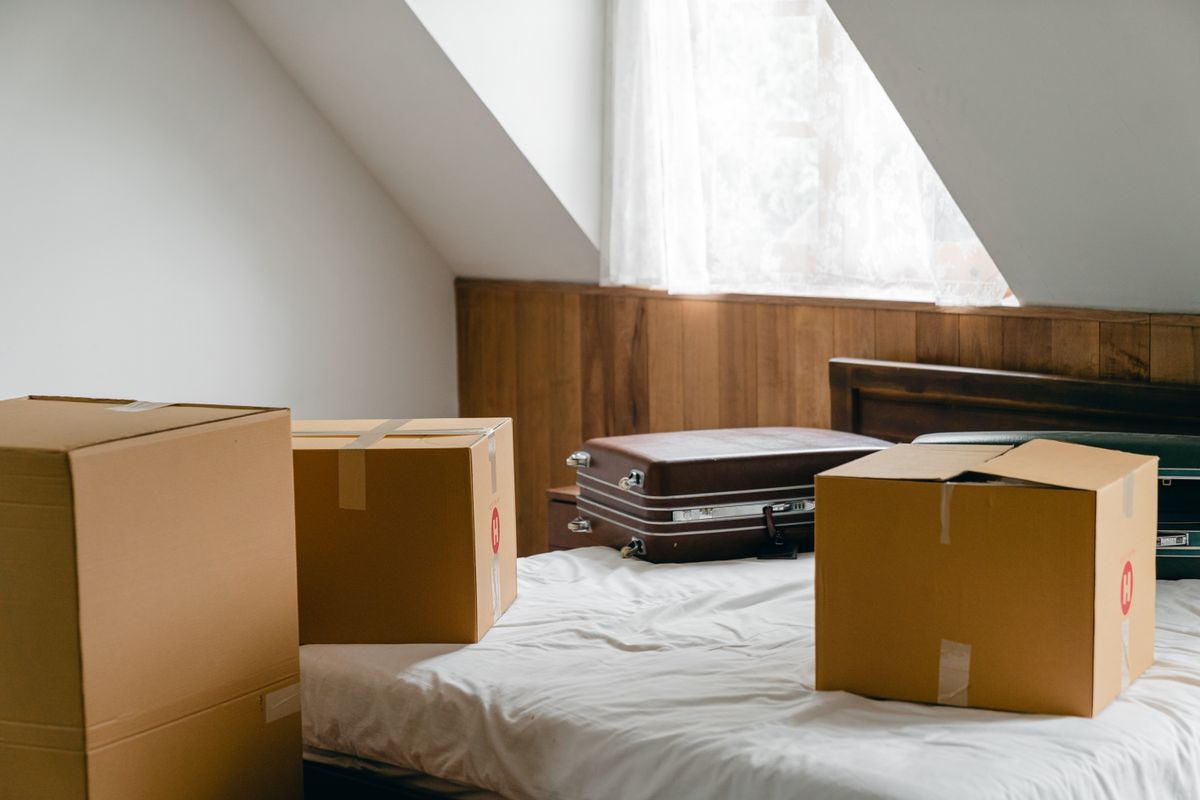
Summer apartment moves in Seattle have their own rhythm. Around July 31, late August, and the first rush of September, renters across the U-District, Capitol Hill, South Lake Union, Belltown, Ballard, Fremont, and downtown are either trying to leave one apartment without getting dinged on the deposit or move into another before the last tenant’s grime becomes their problem. That is why summer cleaning has to cover both sides of turnover. Move-out cleaning is about inspection, proof, and reducing cleaning-related deductions. Move-in cleaning is about sanitation, comfort, and catching issues before furniture, groceries, dishes, and boxes hide the evidence.
Why Summer Apartment Moves in Seattle Need a Different Cleaning Plan
A generic apartment cleaning checklist does not fully match what happens in Seattle during summer. The timing alone changes the job. End-of-month lease turnovers, UW move-outs, incoming students, tech workers changing neighborhoods, and renters shifting between Capitol Hill, SLU, Belltown, Ballard, Fremont, and downtown can all collide during the same few weeks. That means the cleaner you would normally book with a few days of notice may already be full. The elevator you assumed would be available may already be reserved. The loading zone near your building may already be taken by another tenant’s movers before you even start carrying boxes.
Summer also compresses both sides of the apartment turnover. One renter is trying to get out, return keys, pass the final walkthrough, and document the unit before losing access. Another renter may be waiting to move in, hoping the apartment was actually cleaned well enough before their bed, sofa, dishes, and clothes arrive. In larger buildings around the U-District, Capitol Hill, SLU, Belltown, and downtown, this can feel like a conveyor belt. Property managers may be processing several move-outs and move-ins in the same stretch of days, especially around July 31 and late August. Even when management has a cleaning crew or turnover process, the renter still needs to protect themselves with their own inspection, photos, and targeted cleaning.
Seattle’s summer move-in and move-out pressure is also shaped by building logistics. A renter in a smaller Ballard or North Seattle building may mainly worry about timing, stairs, and whether the landlord will be picky about the oven. A renter in a Belltown or SLU high-rise may need to coordinate a freight elevator, key fob, loading dock, parking instructions, and cleaner access before anyone can even start. In Capitol Hill, even a small apartment can become difficult if the cleaner has nowhere practical to park or unload supplies. In the U-District, the late-summer student turnover can make everything feel rushed, with many renters trying to clean, move, and return keys on the same few days.
That is why summer apartment cleaning in Seattle needs a plan that handles both cleaning quality and timing. The work is not only about wiping surfaces. You need to know which areas property managers tend to notice during move-out, which hidden areas are worth cleaning before you move in, when to book help, when to take photos, and how to avoid getting trapped by the last-minute rush. A strong Seattle renter cleaning checklist should help you leave one apartment with proof and enter the next one with fewer surprises.
Move-Out vs Move-In Cleaning: The Difference Seattle Renters Should Understand
Move-out cleaning and move-in cleaning often involve the same rooms, but the purpose is different. During a move-out, you are cleaning for the final walkthrough. The apartment needs to be empty, detailed, and inspection-ready. The goal is to reduce the chance of cleaning-related deductions by handling the areas a property manager is most likely to check, then documenting the condition before you return the keys. During a move-in, you are cleaning for yourself. The goal is to sanitize the spaces you are about to use every day, catch what the previous tenant or property crew missed, and photograph anything that should not be blamed on you later.
That difference matters in Seattle because summer turnovers can move fast. In a busy building near UW, Capitol Hill, SLU, or Belltown, the same unit may go from one tenant’s final walkthrough to another tenant’s move-in window with very little breathing room. A property crew may have cleaned the apartment, but that does not always mean the inside of the cabinets feels ready for your dishes, the fridge is fresh enough for groceries, or the bathroom has been cleaned to the level you would want before using it. A unit can look ready at first glance and still have greasy cabinet handles, dusty baseboards, hair in bathroom corners, old crumbs in drawers, grime in window tracks, or a fridge that needs a second pass.
For move-out cleaning in Seattle, focus on the items that can become inspection issues. The oven, stovetop, drip pans, range hood, refrigerator, cabinets, bathroom grout, toilet base, shower tracks, window tracks, baseboards, blinds, floors, closets, and balcony can all carry more weight than renters expect. A clear counter and swept floor are helpful, but they do not prove the apartment was cleaned at move-out level. Property managers tend to notice the forgotten edges and hidden buildup because those are easy to photograph and easy to list as cleaning issues.
For move-in cleaning, the priority shifts. You want to clean before your belongings block access. Once your couch is against the wall, your bed is assembled, your dishes are in the cabinets, and your clothes are in the closets, the apartment becomes much harder to clean thoroughly. Move-in cleaning should happen before the rugs go down, before pantry items go on shelves, before toiletries fill the bathroom, and before boxes cover the baseboards. It is also the right time to document anything that was already dirty, damaged, stained, or worn when you received the unit. If you clean first and photograph later, you may lose proof of the condition you inherited.
The easiest way to think about the difference is outcome. Move-out cleaning helps you leave with fewer cleaning arguments. Move-in cleaning helps you settle into a cleaner, healthier space while creating a record of what was already there. Both matter more during Seattle’s summer rush because the faster the turnover, the easier it is for details to get missed.
The Seattle Renter Reality: Deposits, Turnovers, and Hidden Grime
Moving in Seattle is expensive before cleaning even enters the picture. Renters may be paying a deposit, first month’s rent, possible rent overlap, application fees, movers, truck rental, packing supplies, elevator fees, storage, pet charges, and utility setup. By the time cleaning comes up, it can feel like one more cost stacked on top of an already expensive summer. That is why many renters hesitate between doing it themselves and hiring help, especially for a small apartment. The decision usually comes down to time, stress, deposit risk, and how strict the building is likely to be.
For move-out renters, the anxiety is usually about getting dinged. Nobody wants to lose part of a deposit because the oven racks were greasy, the bathroom grout looked neglected, the fridge had old crumbs, the blinds were dusty, or the window tracks were full of black grime. Cleaning cannot guarantee that every dollar of a deposit comes back, because deductions can involve damage, unpaid rent, carpet issues, painting, missing items, or other lease-related charges. Still, cleaning is one of the most controllable parts of the move-out process. If the apartment is empty, detailed, photographed, and supported by a receipt or checklist, the renter is in a stronger position than someone who rushed out and left the condition open to interpretation.
For move-in renters, the stress is different. The worry is not usually a deposit deduction on day one. It is the feeling that you are inheriting someone else’s life. Grease on the range hood, hair in bathroom corners, pet residue in floor edges, dusty closet shelves, sticky cabinet handles, food smells in the fridge, and old grime in window tracks can make a new apartment feel used before you have even unpacked. In summer, when turnovers are fast and several units may be changing hands in the same building, it is reasonable to inspect and clean before settling in.
The hidden grime matters because moving in makes it harder to reach the very areas that need attention. Boxes hide baseboards. Beds block floor edges. Dishes cover cabinet shelves. Clothes fill closets. Rugs cover floor dust. A stocked fridge makes it harder to clean spills, smells, or residue. Once the apartment is full, cleaning becomes maintenance instead of a true fresh start.
Seattle renters also need to think about proof on both ends. Before moving out, proof shows what you left behind. Before moving in, proof shows what you inherited. A simple photo set of the oven, fridge, cabinets, bathroom, floors, walls, tracks, closets, and existing damage can matter later if a cleaning or damage issue becomes a dispute. Summer moves are busy, but skipping documentation is one of the easiest ways to lose leverage.
What Seattle Property Managers Notice During Summer Move-Outs
During a Seattle move-out, the final walkthrough is rarely about whether the apartment looks decent from the doorway. Property managers are more likely to notice the areas that show whether a renter did a real move-out clean or only a surface pass. This is especially true in larger apartment buildings around the U-District, Capitol Hill, South Lake Union, Belltown, downtown, and other high-turnover areas where move-outs may follow a checklist. When several units are turning over in the same week, the inspection can become very practical: what is dirty, what needs extra labor, what can be photographed, and what can be charged under the lease.
The kitchen usually gets the most attention because it collects the kind of buildup that does not disappear with a quick wipe. The oven interior should be cleaned, including racks and baked-on grease where possible. The stovetop should be cleared of residue, and drip pans should not look neglected. If they are inexpensive and heavily stained, replacing them can sometimes be easier than scrubbing for hours. The range hood and backsplash also matter because grease collects above and behind the obvious cooking surface. Renters often clean the counter and stovetop but forget the hood filter, the underside of the hood, and the sticky edges around the appliance.
The refrigerator is another high-risk area. It should be empty, wiped inside, and checked for spills, crumbs, odors, and sticky drawer tracks. The top of the fridge can collect dust, especially in older apartments or units where the fridge sits below cabinets. If the fridge can be moved safely and without damage, the floor behind and underneath may need attention too. Even when a property manager does not pull the fridge forward, visible crumbs, food residue, or odor inside the appliance can make the kitchen feel unfinished.
Cabinets and drawers are easy to overlook because they look clean once they are empty. During a move-out, empty is not enough. Shelves, drawer bottoms, handles, fronts, and cabinet edges can hold crumbs, dust, grease, and sticky residue. The same applies to pantry shelves and bathroom cabinets. A property manager opening a cabinet and finding old crumbs or hair has an easy reason to mark the clean as incomplete.
Bathrooms carry a different kind of scrutiny. A renter should pay close attention to the toilet base, the area behind the toilet, the tub or shower, grout, caulk, shower door tracks, drains, faucet bases, mirrors, sink edges, and floor corners. Soap scum, hard water marks, mildew, and hair are all visible signs that a bathroom was not deeply cleaned. The bathroom exhaust fan and vents can also collect dust, which becomes more noticeable once the rest of the room is empty.
Throughout the apartment, the small edges matter. Baseboards, blinds, window tracks, sliding door tracks, closet shelves, door frames, handles, light switches, outlet plates, vents, and floor edges can all become inspection magnets. In apartments with balconies or patios, sweep the outdoor area and clean the sliding door track. In high-rises, even a small balcony can be part of the inspected unit. A renter who only cleans the center of the room may still leave behind the exact details that get flagged.
The practical rule for move out cleaning Seattle renters should follow is simple: clean the places that prove detail. Visible counters and open floor space help, but the final walkthrough often turns on the oven, fridge, bathroom, cabinets, tracks, baseboards, blinds, and corners.
What Seattle Renters Should Clean Before Moving In
Move-in cleaning deserves just as much attention as move-out cleaning, especially during Seattle’s summer turnover season. An apartment can be officially ready for keys and still not feel clean enough for your dishes, clothes, groceries, pets, or bare feet. In busy student-heavy buildings, downtown high-rises, and fast-turnover apartment communities, the previous tenant may have moved out only days before you arrived. Even if management sent a cleaner through, the job may have focused on getting the unit presentable rather than giving every hidden area the kind of attention you would want before settling in.
The best time to clean is before furniture arrives. Once the apartment fills up, the hardest areas to reach are the same areas that tend to hold old dust and grime. Start with photos before you clean anything. Capture the oven, stovetop, fridge, cabinets, bathroom, floors, walls, closets, windows, tracks, vents, and any stains, chips, odors, or damage. If a cabinet shelf is sticky, photograph it. If the bathtub has old discoloration, photograph it. If the floor has scratches or the fridge has a lingering smell, document it before you try to fix it. This protects you later if there is a disagreement at move-out.
In the kitchen, clean the areas that will touch your food and dishes. Wipe inside cabinets and drawers before plates, cups, utensils, pantry items, or cookware go in. Clean the refrigerator and freezer before buying groceries. Pay attention to drawer grooves, rubber seals, shelves, and any spots where old spills may have dried. Wipe the oven handle, stovetop, microwave, sink, faucet, counters, and backsplash. Even if you do not plan to deep clean the oven immediately, inspect it so you know whether the residue was there when you moved in.
In the bathroom, sanitize before first use. Clean the toilet, including the base and the area behind it. Scrub the tub or shower, fixtures, sink, faucet base, mirror, cabinet handles, and floor edges. Check grout, caulk, drains, shower tracks, and the exhaust fan. Bathroom issues feel worse after move-in because they affect daily routines immediately. A quick surface wipe may not be enough if the last turnover was rushed.
Closets and cabinets should be cleaned before they are filled. Wipe closet shelves before clothes go in. Check corners for dust, pet hair, dead bugs, or old debris. If there is a laundry area in the unit, inspect around the machines, lint areas, floor edges, and detergent residue. In living areas and bedrooms, clean baseboards, vents, switch plates, window sills, window tracks, and floor edges before beds, desks, rugs, and storage bins block access.
Move-in cleaning is also a chance to reset the apartment’s smell and feel. Old food odors, pet hair, musty closets, dusty vents, and bathroom residue can make a new place feel uncomfortable even if it looks acceptable during a quick tour. Summer heat can make odors more noticeable, especially in units that have been closed up between tenants. A careful move-in clean gives you a better starting point and a clearer record of the unit’s true condition.
Summer Timing: When to Book, Clean, Inspect, and Document
Summer timing can make or break a Seattle apartment move. The cleaning itself matters, but the order of events matters just as much. Around July 31, the end of August, and early September, a renter may be competing with other tenants for cleaners, movers, freight elevators, loading zones, building staff, and walkthrough appointments. The closer the move gets to UW turnover or a major end-of-month lease date, the less room there is for improvising.
For move-out cleaning, start by reading the lease, building move-out instructions, and any cleaning checklist from the leasing office. Do this before booking a cleaner or buying supplies. If your building has specific expectations for appliances, carpets, balconies, trash removal, elevator reservations, or key return, those details should shape the cleaning plan. In larger buildings, ask about elevator windows, loading dock access, parking rules, key fob procedures, and whether cleaners need to be checked in by the renter. These details can waste hours if they are handled on cleaning day.
During peak summer, book professional cleaning at least 2 to 3 weeks ahead when possible. If you are moving during late August near UW or at the end of a busy lease cycle, earlier is better. Good cleaners may already be booked for the final weekend of the month, and the remaining options may be more expensive, less flexible, or unable to handle your exact window. If you are doing the cleaning yourself, block more time than you think you need. A true move-out clean after the apartment is empty takes longer than normal maintenance cleaning.
For move-out, clean after everything is removed. Boxes, furniture, rugs, and bags hide the areas that property managers check later, including floor edges, baseboards, closet corners, cabinet interiors, and wall scuffs. If you hire a cleaner while the apartment is still full, you may end up paying for a partial job that cannot reach the real inspection areas. After cleaning, take photos and video before returning keys. Capture the kitchen, oven, fridge, cabinets, bathroom, floors, windows, tracks, closets, balcony if applicable, and any pre-existing damage.
For move-in, the timing runs in the opposite direction. Clean before furniture, groceries, dishes, clothes, and rugs arrive. If you can get access before the moving truck or delivery window, use that time to photograph and clean the kitchen, bathroom, cabinets, closets, floors, vents, and tracks. If you cannot clean everything before move-in day, prioritize the areas your belongings will immediately cover or touch: cabinets, closets, fridge, bathroom fixtures, floors, and baseboards.
Morning cleaning slots are often the safest choice when the schedule is tight. For move-out, a morning clean can leave time for a final check, touch-ups, photos, and the walkthrough. For move-in, a morning clean can prepare the unit before movers arrive later in the day. In high-rises around SLU, Belltown, downtown, and some Capitol Hill buildings, morning also gives you more time to solve access issues if the elevator, loading zone, or key fob process is not as smooth as expected.
The cleanest apartment in Seattle still needs a practical schedule behind it. In summer, the smart order is to book early, coordinate access, clean when the unit is empty or before it is filled, document everything, and leave enough time to fix the small things before they become expensive things.
Neighborhood-Specific Summer Cleaning Notes for Seattle Renters
The cleaning checklist may look similar across Seattle, but the move itself can feel completely different depending on the neighborhood and building type. A renter leaving a small older building in Ballard has a different problem than someone trying to clean a Belltown high-rise before a scheduled elevator window closes. A UW student moving out of the U-District in late August has a different kind of deadline than a tech worker relocating from SLU to Capitol Hill with movers arriving the same afternoon. During summer, the smartest cleaning plan is the one that accounts for both the apartment and the neighborhood around it.
In the U-District and near UW, timing is the first issue. Student move-outs and move-ins can stack up quickly, especially around late August and September. Renters in this area should assume that cleaners, movers, and building staff may all be dealing with several apartments at once. For move-out cleaning, it helps to finish packing before the cleaner arrives so the oven, fridge, cabinets, closet floors, and baseboards are fully accessible. For move-in cleaning, inspect the apartment before boxes spread across the floor. Student-heavy units can hide grime in predictable spots: under the fridge, behind the toilet, inside drawers, along window tracks, and in bathroom corners that were easy to ignore during the school year.
Capitol Hill, or Cap Hill as most locals say, adds a different layer. The apartments can be dense, parking can be frustrating, and turnover can move fast. A cleaner who has to circle for parking or carry supplies from blocks away loses time before the job starts. If you are booking Cap Hill apartment cleaning during summer, send access instructions early. Tell the cleaner whether there is a loading zone, where they can legally park, how to enter the building, and whether you need to meet them with keys or a fob. For move-out cleaning, do not leave the balcony, sliding tracks, blinds, or bathroom grout for the last hour. These details can be easy to miss when the building, street, and schedule already feel busy.
In South Lake Union, the common challenge is the corporate high-rise rhythm. Many SLU apartments have more formal move-in and move-out procedures, including elevator reservations, concierge desks, key fobs, loading docks, and property-management checklists. For SLU move-out cleaning, access matters as much as cleaning quality. If the cleaner cannot enter the building, use the elevator, or park close enough to bring supplies, the job can start late and end rushed. Renters should confirm whether the cleaner needs to be registered with the front desk, whether the elevator window overlaps with the cleaning window, and whether the unit must be empty before cleaning begins.
Belltown and downtown Seattle can be even tighter because high-rise logistics, loading zones, one-way streets, and key fob access all matter. A renter moving out of a downtown apartment should not treat cleaning as a casual errand after the movers leave. The better plan is to coordinate the cleaner around the elevator window, building access, and final walkthrough. Move-in renters in these buildings should also clean before furniture arrives because once the bed frame, desk, sofa, and storage bins are in place, baseboards, floor edges, vents, and window tracks become harder to reach.
Ballard and Fremont often call for a more mixed approach. Some apartments are newer, while others are older buildings with more dust, older cabinets, bathroom wear, and awkward corners. In these neighborhoods, local referrals can matter more than generic search results. If your building has older fixtures or less standardized management, ask neighbors who they used and what the landlord actually checked. Move-in cleaning in older units should pay special attention to cabinet interiors, closet shelves, vents, bathroom fans, under-sink areas, and floor edges.
West Seattle and North Seattle can vary even more by building. Some renters may deal with smaller landlords, older apartment stock, exterior stairs, limited parking rules, or less formal walkthroughs. That does not mean the clean matters less. It means the expectations may be less predictable. When the rules are not clearly written, documentation becomes more important. Take photos before and after cleaning, save your messages, and get any cleaning expectations in writing.
Across all neighborhoods, the pattern is the same: the cleaning tasks are familiar, but the friction points change. In student areas, timing is the issue. In high-rises, access is the issue. In dense neighborhoods, parking and turnover speed are the issue. In older buildings, hidden dust and buildup are the issue. A strong Seattle apartment cleaning plan should adjust to the block, the building, and the season.
DIY vs Hiring a Professional Cleaner During Seattle Summer
Doing the cleaning yourself can work if the apartment is small, the buildup is light, and you have enough time before key return or move-in. A one-bedroom apartment with a reasonably maintained kitchen and bathroom may be manageable if you have cleaning supplies, patience, and a full day to work after everything is out. DIY can also make sense for move-in cleaning when the apartment is mostly clean but you want to sanitize cabinets, the fridge, the bathroom, floors, and closets before unpacking.
The problem is that Seattle summer moves rarely feel slow. By the time cleaning starts, many renters have already dealt with packing, movers, elevator windows, parking, utility changes, work schedules, and overlapping leases. If you are moving out of a Capitol Hill apartment on a tight timeline, or leaving an SLU high-rise with a scheduled walkthrough, a DIY plan can fall apart quickly. The same is true if you are moving near UW during late August, when cleaners and movers are already busy and your apartment may need more than a quick surface clean.
Professional cleaning makes more sense when the deposit is large, the building is strict, the unit is bigger, or the apartment has grime that will take hours to handle properly. Heavy oven buildup, sticky cabinets, dusty blinds, pet hair, bathroom mildew, dirty tracks, stained floors, or a refrigerator with old smells can turn a simple checklist into a long project. A professional cleaner can also bring supplies that most renters have already packed or thrown away by move-out day.
For move out cleaning Seattle renters should think about proof as well as labor. A professional cleaning receipt can help show that you made a serious effort to leave the unit clean. It does not guarantee a full deposit, and it does not erase damage or lease obligations, but it gives you another piece of documentation if a cleaning charge is disputed later. If you hire a cleaner, send the building’s move-out checklist before the appointment. A cleaner working from the property manager’s list is more useful than a cleaner guessing from a generic checklist.
For move-in cleaning, hiring a professional is less about deposit protection and more about starting fresh. It can be worth it if the apartment looks clean at first glance but the kitchen, bathroom, floors, vents, and cabinets need deeper work before you unpack. This is especially helpful if you are moving into a high-rise or student-heavy building where the turnover window may have been short. A move-in clean can also save you from unpacking into dusty shelves, greasy drawers, or a bathroom that still feels like it belongs to the previous tenant.
The best decision is based on time, condition, access, and risk. DIY is reasonable when the apartment is small, empty, and not heavily soiled. Professional cleaning is the safer choice when you have a tight walkthrough, a high deposit, a larger unit, strict management, limited access time, heavy buildup, pet hair, or no energy left after the move. During Seattle summer, availability should also be part of the decision. If you think you may need help, book early instead of waiting until every good cleaner is already full.
The Seattle Summer Move-Out Cleaning Checklist
A strong Seattle renter cleaning checklist should focus on the areas that property managers are most likely to notice during a final walkthrough. The goal is not to make an old apartment look brand new. The goal is to leave the unit empty, detailed, and easy to defend if a cleaning issue is raised later. Start after everything has been moved out. If boxes, rugs, furniture, or storage bins are still in the unit, you will not be able to clean the edges, closets, floors, and walls properly.
Begin in the kitchen because it usually takes the longest. Clean the oven interior, racks, door, and handle. If the stovetop has removable parts, clean around and beneath them. Check drip pans and replace them if they are inexpensive and too stained to rescue. Wipe the range hood, hood filter area, backsplash, counters, cabinet fronts, drawer fronts, and handles. Clean the sink, faucet base, and any hard-water buildup around the fixture. Empty the refrigerator completely, then wipe shelves, drawers, door bins, seals, and the freezer area. Check the top of the fridge and the floor around it. If the appliance can be moved safely, clean behind or underneath it without damaging the floor. Wipe the microwave inside and out, including the ceiling and handle. Clean the dishwasher front and frame, especially the edges where grime collects. Open every cabinet and drawer, then wipe the inside surfaces before calling the kitchen finished.
Move to the bathroom with the same level of detail. Clean the toilet bowl, seat, lid, base, hinges, and the floor behind it. Scrub the tub or shower, paying attention to grout, caulk, corners, drains, shower tracks, and soap scum. Wipe the sink, faucet base, counter, mirror, medicine cabinet, vanity doors, drawers, and handles. Dust or wipe the bathroom fan cover if reachable and safe. Clean the floor edges, especially around the toilet and vanity. Bathroom dirt is easy to photograph during an inspection, so do not leave hair, residue, mildew spots, or visible grime in corners.
In living areas and bedrooms, focus on edges and touchpoints. Wipe baseboards, window sills, window tracks, blinds, closet shelves, doors, door frames, handles, light switches, outlet plates, and vents. Remove obvious wall scuffs with a safe cleaner, but avoid damaging paint by scrubbing too aggressively. Check the tops of door frames and closet corners where dust can settle. If your building has a detailed final walkthrough, these small areas can make the difference between a surface clean and an inspection-ready clean.
Floors need more than a quick pass through the middle of the room. Vacuum along baseboards, under where furniture sat, inside closets, and near entryways. Mop hard floors after vacuuming so dust and hair do not spread into wet streaks. If the unit has carpet, vacuum slowly and thoroughly, especially around edges and high-traffic areas. If there are carpet stains, document them and review your lease or building instructions before deciding whether professional carpet cleaning is expected.
Do not forget the apartment’s outdoor or semi-outdoor areas. If you have a balcony or patio, sweep it, remove debris, wipe the door handle, and clean the sliding door track. In Seattle apartments, balcony grime can build up quietly during damp months and become obvious once everything else is empty. If the balcony has planters, storage items, or pet residue, remove and clean those areas before the walkthrough.
Finish by walking the unit like a property manager. Open the oven, fridge, cabinets, drawers, closets, and bathroom vanity. Look along the floor edges instead of just across the room. Check tracks, blinds, baseboards, and fixtures. Once the apartment is fully clean, take photos and video before returning keys. That final record matters as much as the cleaning itself.
The Seattle Summer Move-In Cleaning Checklist
A move-in cleaning checklist should start before you unpack. Once furniture, dishes, groceries, rugs, and clothes are in place, the apartment becomes harder to inspect and harder to clean properly. Summer move-ins in Seattle can move fast, especially in U-District, SLU, Belltown, Capitol Hill, and downtown buildings where one tenant’s move-out may be followed quickly by another tenant’s move-in. Even if the unit looks ready, take time to inspect and clean the areas you are about to use every day.
Before cleaning, photograph the unit. Capture the kitchen, bathroom, floors, walls, windows, tracks, closets, appliances, cabinets, and any stains, chips, odors, residue, or damage. If something is dirty when you receive the keys, document it before wiping it away. If the fridge smells odd, the cabinet shelf is sticky, the bathtub has discoloration, or the floor has scratches, take photos before you cover or clean the area. These move-in photos can help protect you when you eventually move out.
Start in the kitchen because this is where sanitation matters most. Wipe the inside of cabinets and drawers before dishes, utensils, pantry items, or cookware go in. Clean cabinet handles, drawer pulls, shelves, and corners. Wipe the refrigerator and freezer before buying groceries, including shelves, door bins, drawers, seals, and handles. Check for old spills, crumbs, odors, or residue that may have been missed during turnover. Clean the stovetop, oven handle, microwave interior, microwave handle, counters, backsplash, sink, faucet base, and garbage disposal area if applicable. If the oven interior is dirty, photograph it before cleaning so you have a record of the condition at move-in.
The bathroom should be cleaned before first use. Sanitize the toilet, including the base and the floor behind it. Clean the tub or shower, shower walls, grout, caulk, shower door tracks, sink, faucet base, mirror, vanity, cabinet interiors, and fixtures. Check the exhaust fan, corners, drains, and floor edges. If there is hair, mildew, soap scum, hard-water residue, or discoloration, document it before cleaning. A bathroom can look acceptable during a quick tour and still feel uncomfortable once you are using it daily.
Closets should be wiped before clothes, shoes, linens, or storage bins go in. Clean shelves, rods, door handles, floor corners, and baseboards. In older Seattle apartments or units that have been vacant for a short period, closets can hold dust, musty smells, pet hair, or debris that becomes harder to handle once your belongings are inside. If the closet smells damp or the walls show staining, photograph it and notify management before covering it with boxes.
Clean the floors before rugs, beds, desks, and sofas arrive. Vacuum thoroughly, including floor edges and corners. Mop hard floors after removing loose dust and hair. If the apartment has carpet, inspect it carefully before placing furniture. Look for stains, pet smells, worn spots, or damp areas. Photograph anything that looks pre-existing. Even if you plan to use rugs, do not cover floor issues before documenting them.
Check vents, window tracks, sliding door tracks, baseboards, switch plates, outlet plates, and laundry areas if your unit has them. These details often hold dust and residue from the previous tenant. In a summer move-in, when windows may be open more often and dust circulates quickly, cleaning vents and tracks early helps the apartment feel fresher. If you have a balcony, sweep it and check the door track before placing furniture or plants outside.
A move-in clean gives you control before the apartment fills up. It also gives you a record of the condition you received. That matters because the same cabinet, floor, oven, or bathroom issue that seems small on move-in day can become a dispute when you move out later.
Documentation for Move-Out and Move-In: The Step Seattle Renters Should Not Skip
Documentation is one of the most important parts of Seattle apartment cleaning because it connects the cleaning work to proof. A move-out clean without photos can still become a disagreement if management says something was missed. A move-in clean without photos can erase evidence of dirt, damage, stains, or wear that existed before you arrived. In both cases, the goal is to create a clear record before access changes, furniture moves in, or keys are returned.
For move-out, take photos and video after the apartment is empty and cleaned, but before turning in the keys. Capture the full room first, then the details. In the kitchen, photograph the oven interior, stovetop, range hood, refrigerator, freezer, cabinets, drawers, sink, counters, microwave, and floors. In the bathroom, photograph the toilet, toilet base, tub or shower, grout, sink, mirror, vanity, floors, and fan area. In living areas and bedrooms, capture baseboards, walls, floors, blinds, closets, windows, tracks, vents, door frames, and light switches. If there is a balcony or patio, photograph that area too.
Video can help show continuity. A slow walkthrough from room to room can show that the apartment was empty, cleaned, and left in a certain condition at a specific point in time. Avoid rushing the video. Open cabinets, the oven, the fridge, closets, and bathroom vanity so the condition is visible. If you hired a cleaner, save the receipt, invoice, appointment confirmation, messages, and any checklist you gave them. A professional receipt does not guarantee that management will return every dollar, but it helps show that you made a serious effort to complete move-out cleaning.
For move-in, documentation should happen before cleaning and before unpacking. Photograph anything dirty, damaged, stained, broken, worn, loose, missing, or questionable. Capture appliance issues, cabinet wear, bathroom discoloration, floor scratches, carpet stains, window track grime, odors where possible through written notes, wall marks, closet damage, balcony issues, and any signs of pet residue or moisture. Send important concerns to management in writing so there is a timestamped record.
Move-in photos matter because they protect you from being blamed later for something you inherited. If you clean a sticky cabinet without documenting it, the issue disappears from the record. If you cover a floor scratch with furniture, it may later look like it happened during your tenancy. If you move into a unit with dirty tracks or a stained tub and never report it, the problem can become harder to explain at move-out.
Seattle renters should also keep written records. Save the lease, move-in checklist, move-out checklist, emails, maintenance requests, cleaner receipts, property manager instructions, and photos in one folder. Label photos by room if possible. When a deposit issue comes up, organized proof is easier to use than a camera roll full of random images.
Cleaning handles the physical condition. Documentation protects the story of what happened. During summer, when everyone is moving quickly, that record can be the difference between a clear handoff and a frustrating dispute.
Summer Move-In / Move-Out Mistakes That Cost Seattle Renters Time or Money
One of the most common summer mistakes is waiting too long to book cleaning help. In Seattle, the final days of July, the end of August, and early September can fill quickly because renters, students, movers, cleaners, and property managers are all working through the same turnover rush. Waiting until the last weekend of August near UW or the final days of a lease cycle can leave you with fewer options, higher prices, or cleaners who cannot match your walkthrough window.
Another mistake is scheduling move-out cleaning before the apartment is empty. A cleaner cannot fully clean baseboards, floor edges, closet corners, cabinet interiors, wall scuffs, or the space where furniture sat if boxes and belongings are still in the way. This often leads to a unit that looks partially clean but still has inspection problems. For move-out, the best cleaning window is after the unit is empty and before final documentation or walkthrough.
High-rise renters often underestimate access. In SLU, Belltown, downtown, and some Capitol Hill buildings, the cleaner may need a fob, front desk access, elevator reservation, loading dock instructions, or parking information. If those details are not handled before the appointment, the cleaning can start late and end rushed. A cleaner carrying supplies from a difficult parking spot or waiting in the lobby for access is losing time that should have gone into the oven, bathroom, fridge, tracks, or floors.
Move-in renters make a different mistake: unpacking before inspecting. Once dishes are in the cabinets, clothes are in the closets, rugs are on the floors, and furniture is against the walls, it becomes harder to see and document old dirt or damage. A sticky shelf, scratched floor, stained carpet, dirty track, or bathroom issue should be photographed before it is cleaned, covered, or forgotten.
A major move-out mistake is assuming a standard clean is enough. Wiping counters, sweeping floors, and taking out trash may make the apartment look better, but move-out cleaning needs more detail. Ovens, fridge interiors, range hoods, cabinets, bathroom grout, toilet bases, window tracks, blinds, baseboards, and floor edges are the areas most likely to show whether the unit was truly cleaned.
Another costly mistake is hiring only by the lowest price without confirming scope. A low quote can become expensive if the cleaner does not include appliances, cabinets, blinds, tracks, pet hair, balcony areas, or heavy bathroom buildup. Before booking, ask what is included, how extra time is approved, whether they bring supplies, and whether they can follow the building’s checklist. During Seattle summer, a cheap appointment that misses inspection areas can cost more than a clearer, more complete service.
Renters also lose leverage when they return keys before documenting the unit. Once access is gone, it becomes harder to prove what the apartment looked like. Take photos and video before key return. For move-in, take photos before unpacking. For both, save messages, receipts, checklists, and instructions.
Finally, do not assume that a move-in unit has been fully sanitized just because it was released for occupancy. Summer turnover can be fast. Clean the kitchen, bathroom, cabinets, floors, closets, vents, and tracks before settling in. A little time upfront can prevent weeks of feeling like the apartment was never truly yours.
A Practical Summer Cleaning Game Plan for Seattle Renters
A Seattle summer move goes smoother when cleaning is planned before the final week. Start by reading your lease, move-out instructions, move-in checklist, and any building rules connected to elevators, loading zones, parking, trash, keys, and walkthroughs. If you are moving during late July, late August, or near UW turnover, assume cleaners and movers will be in high demand. Book early, especially if you need a specific morning or same-day window.
If you are moving out, empty the apartment before the final clean. Give your cleaner the building checklist if you have one. Prioritize the kitchen, bathroom, appliances, cabinets, tracks, blinds, baseboards, closets, floors, balcony, and visible touchpoints. After cleaning, walk the unit slowly. Open the oven, fridge, cabinets, drawers, closets, and bathroom vanity. Look along the floor edges and window tracks. Take photos and video before returning keys, then save receipts and messages in case a cleaning issue comes up later.
If you are moving in, inspect before unpacking. Photograph the apartment as you received it, including dirt, stains, appliance issues, floor damage, cabinet wear, bathroom problems, odors, and old grime. Clean the kitchen before dishes and groceries go in. Clean the bathroom before first use. Wipe closets before clothes go in. Clean floors before rugs and furniture arrive. Check vents, baseboards, window tracks, sliding tracks, and laundry areas before they are blocked by boxes.
For high-rises in SLU, Belltown, downtown, and parts of Capitol Hill, coordinate access before cleaning day. Confirm fobs, elevators, loading areas, parking, front desk instructions, and whether the cleaner needs to be escorted. For U-District and UW-area moves, pay close attention to late-summer timing because many renters may be moving at once. For Ballard, Fremont, West Seattle, and North Seattle, ask neighbors, building staff, or local groups about which cleaners understand the area and what landlords tend to check.
The best summer plan is simple: book early, clean at the right moment, focus on inspection magnets, document everything, and do not let boxes or deadlines hide the details. Move-out cleaning helps you leave with a stronger record. Move-in cleaning helps you start fresh before the apartment fills up. In Seattle’s summer turnover season, both sides matter.