
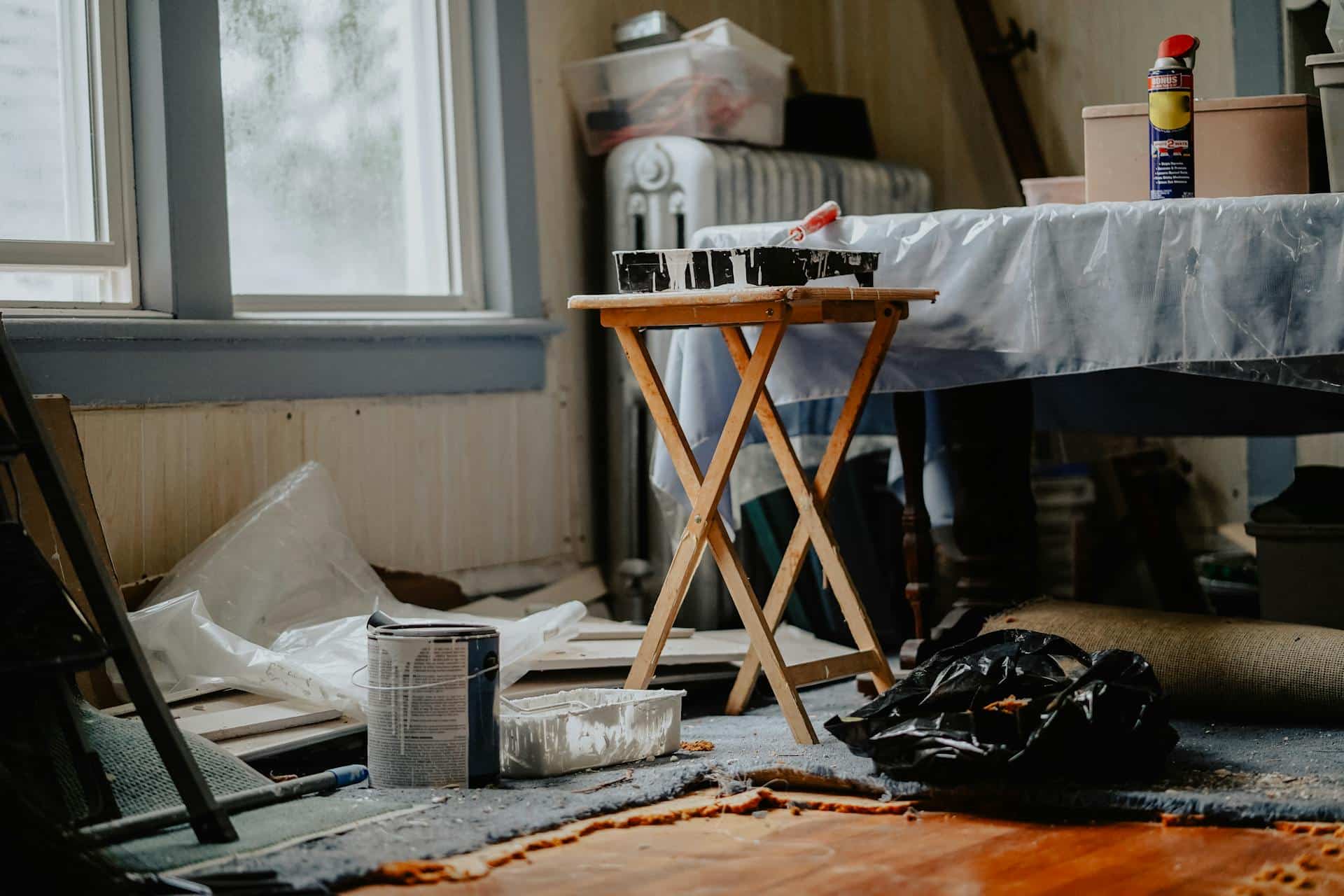
At Hometress, we know the end of a renovation does not always mean your home is ready to live in. In Seattle, post-construction cleaning comes with its own set of challenges: fine drywall dust that settles into vents and cabinets, window tracks filled with construction grit, new floors that need careful handling, and access issues in condos, townhomes, hills, alleys, and dense neighborhoods. Hometress offers this service through a custom project quote. Share the space, timing, and scope through the service page; the residential booking catalog does not price this work. This guide explains what a real post-construction clean includes, why contractor cleanup is not the same as a final clean, when to schedule the service, and how to understand the cost before move-in, listing photos, or final handoff.
The Renovation Isn’t Really Over When the Contractor Leaves
The strange part about finishing a renovation in Seattle is that the house can look complete and still feel impossible to live in. The contractor may be done. The cabinets may be installed. The floors may be finished. The bathroom may finally have tile, fixtures, and working lights. Then you walk through the space and notice the film on the window glass, the dust inside the cabinet boxes, the grit along the baseboards, the fine powder on the floor, and the cloudy layer sitting on surfaces you thought were already wiped down. That is the moment many homeowners realize there is a big difference between a project being built, swept, and truly move-in ready.
Post-construction cleaning is the bridge between renovation and real life. It is the step that turns a finished construction area into a home you can unpack in, cook in, breathe in, photograph, rent, sell, or hand over without feeling like the job is still halfway done. In Seattle, that step matters even more because the homes themselves can complicate the cleanup. A newly remodeled Capitol Hill townhouse with stairs, street parking, and high windows is not the same cleaning situation as a single-level home in a quieter part of the city. A downtown condo may need elevator access, loading rules, and building coordination before a crew can even bring in equipment. A Queen Anne remodel may involve hills, tight parking, and a long walk from the van to the door. A Ballard home with alley access can look simple on paper and still create load-in problems for vacuums, ladders, buckets, and detail tools.
The biggest surprise is usually the dust. Fine construction dust does not behave like ordinary household dust. It settles into vents, tracks, drawers, cabinet interiors, door frames, ledges, and floor edges. It can keep appearing after the first wipe, especially if the HVAC system has been running or if trades were still finishing small items after the main work ended. Seattle’s damp climate adds another layer to the concern because homeowners are not only thinking about what looks clean. They are thinking about indoor air, moisture, mold anxiety, and whether the space actually feels healthy enough to live in.
That is why post-construction cleaning in Seattle should not be treated as a last-minute version of regular house cleaning. It is part of the renovation plan. If it is timed well, scoped clearly, and handled by a crew that understands construction dust, new finishes, glass, vents, and access logistics, it can make the end of the project feel calm instead of chaotic. If it is treated as an afterthought, the renovation may be technically finished while the home still feels like a job site.
What Post-Construction Cleaning Actually Means in Seattle
Post-construction cleaning is often misunderstood because the word “cleaning” makes it sound familiar. Most homeowners know what a regular cleaning is. They know what a deep cleaning is. They know what it means to have bathrooms scrubbed, floors mopped, counters wiped, and dust removed from the usual surfaces. Post-construction cleaning lives in a different category. It deals with the leftovers of building work, not normal household use. Drywall dust, sawdust, grout haze, paint specks, adhesive residue, sticker film, cabinet dust, window track debris, and construction grit behave differently from daily dirt, and they require a more careful process.
In Seattle, that process often starts with what the trades call a rough clean. This is the first stage where obvious debris, loose dust, packaging scraps, leftover materials, and construction residue are removed so the space can be worked through properly. It is not the polished finish. It is the reset that makes detailed cleaning possible. After that comes the more detailed work: HEPA vacuuming where appropriate, repeated dust passes, wiping walls and ledges, cleaning baseboards, addressing door frames, removing dust from vents, cleaning inside cabinets and drawers, and working through the small edges where fine particles collect.
The final clean is where the home starts to feel complete. This is where glass gets attention, window tracks are checked, fixtures are polished, floors are cleaned with the right method for the new surface, kitchens and bathrooms are sanitized, and high-touch areas are reviewed. In some projects, a touch-up clean may also be needed after dust has had more time to settle or after the final punch-list items are completed. That is especially relevant when the contractor still has small adjustments to make after the main cleaning appointment.
A good recurring cleaner can be excellent at maintaining a home and still be the wrong fit for post-construction cleanup. That is not an insult to regular cleaning. It is simply a different job. A cleaner who usually handles weekly or biweekly maintenance may not arrive with the equipment, time, products, or construction-specific process needed for drywall dust, paint specks on glass, sticker residue on new fixtures, or dust hidden inside fresh cabinet installations. Post-construction work also carries more risk because the surfaces are often brand new. A careless scrub on a new floor, the wrong product on a fixture, or rushed scraping on glass can create damage at the exact moment the homeowner expects the renovation to look its best.
This is why the phrase “not your average housekeeper” comes up so often around post-construction cleaning. The real point is not that ordinary house cleaning is simple. The point is that construction cleanup has its own conditions. It needs time, sequencing, equipment, and a clear scope. A true post-construction crew is not only looking at whether the counters are wiped. They are checking whether the house is safe to occupy, ready to photograph, ready for guests, ready for a tenant, or ready for the owner to finally stop living around the renovation.
For Seattle homeowners, the scope can also shift based on the property itself. A compact condo may have fewer square feet but more glass, stricter access, elevator rules, and tight timing. A newly built townhome may have multiple flights of stairs, high ledges, tall windows, and dust carried through several levels. An older home after a kitchen or bathroom remodel may have dust that has migrated into nearby bedrooms, closets, hallways, and vents. The name of the service may be the same, but the job is never one-size-fits-all.
The Seattle Dust Problem: Why Renovation Dust Keeps Coming Back
The main villain in post-construction cleaning is not the pile of debris you can see. It is the fine dust you keep finding after you thought the space was already clean. Drywall dust, sheetrock dust, sawdust, tile dust, sanding dust, and the thin film that follows construction work can move through a house in ways that surprise homeowners. It lands on the obvious surfaces first, then shows up inside drawers, along window tracks, on the tops of door frames, in cabinet corners, on baseboards, around vents, and along the floor edges where a quick mop does not reach.
This is why a renovation area can look acceptable from the doorway and still feel dirty once you start living in it. You open a cabinet and see dust on the shelf. You run your hand across a window sill and feel grit. You look at the new bathroom mirror in better light and notice haze. You walk barefoot across the floor and feel a powdery film. The house may photograph well from a distance, but the details tell a different story.
Fine construction dust also has a habit of returning. Even after the first cleaning pass, particles can continue settling for 24 to 48 hours, especially if the HVAC system has been running, doors were open during the work, or trades were still moving through the home. This is one reason experienced post-construction cleaners do not treat the job like a single surface wipe. They expect dust to move. They work through the space in a sequence, often using vacuuming before wiping and repeated passes before final detail work.
In Seattle, the dust conversation has another layer because moisture is already part of how people think about homes. The city’s damp climate makes homeowners more aware of indoor air quality, mold risk, ventilation, and what might be lingering in hidden areas. Construction dust in a dry climate is already frustrating. In Seattle, homeowners may also worry about what happens when fine dust sits around vents, window tracks, bathrooms, basements, or other areas where moisture can become part of the picture. The concern is not always dramatic, but it is real. A home should not only look clean after renovation. It should feel breathable, dry, and healthy.
This is where basic cleaning tools can fall short. A disposable duster may move fine dust from one surface to another. A quick mop can turn powder into streaks. Wiping before vacuuming can smear dust into corners and edges. Using the wrong product on new floors or fixtures can create residue or damage. That is why construction dust often calls for a more deliberate process: controlled vacuuming, careful dust removal from high to low areas, detail work around vents and tracks, and floor cleaning that matches the surface.
The hardest part for homeowners is that dust does not always respect the boundary of the remodel. A bathroom remodel can leave dust in the hallway. New floors can create dust that travels into closets. A kitchen renovation can send particles into the living room, stairwell, and nearby bedrooms. In multi-level Seattle townhomes, dust may move up and down stairs as workers come and go. In condos, dust can concentrate around entry points, windows, vents, and tight corners. A proper post-construction clean has to follow where the dust actually went, not just where the work technically happened.
Why Your Contractor’s “Cleanup” Is Usually Not a Final Clean
One of the most common misunderstandings after a renovation is the phrase “we’ll clean up.” Homeowners often hear that and imagine the space will be ready to live in. Contractors may mean something much narrower. They may remove large debris, sweep the main work area, gather tools, take out obvious trash, and wipe a few surfaces. That kind of cleanup has value, but it is not the same as a professional post-construction final clean.
A contractor’s main job is to complete the build. Their attention is on installation, repair, finishing, the punch list, materials, subcontractors, and whether the construction work itself is complete. A post-construction cleaning crew is looking at the space through a different lens. They are asking whether dust has settled into vents, whether cabinet interiors are usable, whether window tracks are full of grit, whether paint specks remain on glass, whether fixtures need polishing, whether the floor still has construction film, and whether the home feels safe and presentable after the trades leave.
That difference matters because a home can pass the contractor’s version of cleanup and still fail the homeowner’s version of clean. The kitchen may be installed, but the drawers may have dust inside them. The bathroom tile may be finished, but the mirror and fixtures may still have haze. The floors may be swept, but the edges may still hold powder. The windows may be uncovered, but the tracks may have dust, stickers, residue, or paint specks. The contractor may see the project as complete. The homeowner sees the mess they still have to live with.
This is especially important in Seattle renovations where the final days of a project can be crowded with small tasks. A painter returns for touch-ups. A cabinet installer adjusts doors. Flooring work gets a final trim. A plumber or electrician comes back for one item. Each small visit can create more dust or debris. If the cleaning is treated as something that happens casually in the middle of that process, the space can get dirty again before the homeowner even moves back in.
A professional final clean is more detailed because its purpose is different. It is not only about removing what is obvious. It is about preparing the space for use. That means kitchens should be ready for dishes and food storage. Bathrooms should be ready for daily routines. Floors should feel clean underfoot. Windows should not distract from the finished work. Vents should not be visibly dusty. Cabinet interiors should not need another wipe before unpacking. The home should feel like the renovation has ended.
This is why homeowners should ask their contractor what cleanup actually includes before assuming the final result will be move-in ready. Some contractors may arrange a true post-construction clean as part of the project, but many do not. Some may sweep and remove debris. Others may leave the homeowner to book a specialist. The safest approach is to treat post-construction cleaning as its own step with its own scope, schedule, and expectations.
When to Schedule the Clean: The Timing Mistake Seattle Homeowners Make
The best post-construction clean happens after the messy work is truly finished, not just after the contractor says the project is almost done. That distinction matters. If painters, flooring installers, cabinet crews, electricians, plumbers, or touch-up workers are still coming in and out, the home is not ready for its final clean. Every small return visit can create dust, fingerprints, packaging debris, floor grit, or new residue on surfaces that were already cleaned.
The ideal sequence is simple in theory. The main construction work ends. The punch list is mostly complete. Tools, ladders, scraps, and materials are removed. Dust has had some time to settle. Then the post-construction cleaning crew comes in before move-in, listing photos, an appraisal, an inspection, a tenant handoff, or the homeowner’s final setup. In real Seattle renovations, that timeline often gets squeezed. A project runs late by a few days. The move-in date does not move. The photographer is already scheduled. The condo elevator reservation is limited. The cleaner is suddenly expected to solve every delay at the end.
That is why scheduling flexibility matters, but it should not replace good sequencing. Booking too early can waste money because the home gets dirty again. Booking too late creates panic because the cleaner has no room to adjust if dust is worse than expected or if a second pass is needed. For a cleaner result, homeowners should plan the final clean as part of the renovation timeline instead of waiting until the last night before they need the space.
Seattle adds its own timing issues. In a downtown condo, the building may require a service elevator reservation, loading dock access, proof of insurance, or specific work hours. If the project is in a dense neighborhood, parking may need to be planned before the crew arrives with vacuums, ladders, buckets, and detail tools. In a multi-level townhome, load-in and setup take longer than they would in a simple driveway-access house. On Queen Anne or Capitol Hill, hills and parking can turn a straightforward appointment into a slower start. In Ballard, tight alley access can affect how easily equipment gets moved inside.
The dust itself also affects timing. Fine particles can continue settling for a day or two after the main work ends, especially if the HVAC system has been running or if workers were still moving through the home. For some projects, the smartest schedule allows a little space between the final trade visit and the final clean. That does not mean waiting forever. It means avoiding the common mistake of cleaning while the construction phase is still producing dust.
A clear final walkthrough should happen after cleaning, not while the home is still in construction mode. That is when the homeowner can check cabinet interiors, glass, tracks, vents, baseboards, fixtures, and floor edges. If the cleaning company offers a satisfaction window, the walkthrough gives everyone a fair chance to catch details while the project is still fresh. Good timing protects the cleaner, the homeowner, and the renovation itself.
Seattle Logistics That Can Change the Quote Before Cleaning Even Starts
In Seattle, a post-construction cleaning quote is not only about square footage. Square footage matters, but it does not tell the whole story. A 700 square foot condo with difficult access, lots of glass, strict elevator rules, and construction dust inside every cabinet may take more coordination than a larger home with a driveway, easy entry, and fewer detail-heavy surfaces. The work begins before anyone wipes a counter because the crew has to get equipment, people, and supplies into the space.
Access is one of the most overlooked parts of the quote. A proper post-construction crew may arrive with HEPA vacuums, ladders, buckets, floor-safe products, microfiber supplies, scrapers for appropriate glass work, detail brushes, and other tools. If there is no close parking, no loading zone, a long stair carry, or a tight elevator window, the job becomes more complicated before the cleaning itself starts. That does not mean every access challenge creates a major price change, but it does affect planning, time, and crew efficiency.
Capitol Hill is a good example of why location matters. A remodel on a sloped street with limited parking is different from a house where the crew can pull into a driveway. Queen Anne can create a similar issue with hills, older homes, stairs, and tight street access. Ballard can bring alley access problems, especially when a crew needs to unload equipment without blocking neighbors or wasting time circling for parking. Downtown Seattle adds another layer through loading docks, elevators, building rules, security desks, and work-hour restrictions. A cleaner may be ready to start at 8 a.m., but the building may not allow service access until a specific window.
Multi-level townhomes can also change the work. Seattle has many narrow, vertical homes where dust moves between floors and cleaners spend extra time carrying equipment up and down stairs. High ceilings, tall windows, can lights, and upper ledges require ladders or reach tools. Lots of glass can make the job more detailed even if the home is not huge. A three-story townhome with new floors, fresh paint, and dusty window tracks may be much more involved than the square footage suggests.
The Eastside and the broader I-5 corridor also matter because many Seattle-area post-construction cleaning companies serve beyond Seattle proper. Bellevue, Kirkland, Shoreline, Lynnwood, Everett, Renton, and other nearby areas can all fall within a provider’s service map, but travel, timing, and job size may influence availability. Larger post-construction jobs often justify regional travel because the ticket is higher than a routine maintenance clean. Still, a provider needs to know where the home is, how easy it is to access, and whether the schedule works with traffic and crew routing.
This is why the best quote conversations are specific. A homeowner should not only say, “It is 1,200 square feet.” They should explain whether the home is a condo, townhouse, single-family house, new build, or occupied renovation. They should mention stairs, parking, elevator rules, loading docks, high windows, cabinet interiors, debris, pets, move-in deadlines, and whether contractors are fully done. The more specific the conditions, the more accurate the quote.
For Seattle homeowners, this level of detail is not overexplaining. It is how you avoid surprises. The city’s hills, dense neighborhoods, condo rules, townhome layouts, and regional traffic all affect how a post-construction clean gets done. A quote that accounts for those realities is more likely to match the job than a simple number based only on square footage.
Why Post-Construction Cleaning Costs More Than a Deep Clean
Post-construction cleaning costs more than a standard deep clean because the job is built around a different kind of mess, a different level of risk, and a different level of detail. A regular deep clean deals with the buildup of everyday life: soap scum, kitchen grease, dust on furniture, fingerprints, pet hair, crumbs, and normal floor soil. A post-construction clean deals with the residue of renovation work: drywall dust, sawdust, grout haze, adhesive residue, paint specks, protective film, sticker glue, construction grit, and dust that has settled inside areas people do not usually clean every week.
That difference changes the time involved. In a regular deep clean, a cleaner may wipe cabinet exteriors, clean counters, scrub bathrooms, dust furniture, vacuum, and mop. In a post-construction clean, the crew may need to open the cabinets, clean inside the drawers, vacuum along edges, wipe ledges, check door frames, detail window tracks, remove film from fixtures, polish glass, dust vents, clean baseboards by hand, and make multiple passes because fine dust keeps moving. The job is slower because the dust is lighter, more persistent, and more likely to hide in corners and cracks.
Windows are one of the biggest reasons the quote changes. Basic window wiping is not the same as post-construction glass work. After a renovation, windows may have paint specks, sticker residue, protective film, dusty tracks, dirty frames, and construction haze. A home with large windows, tall windows, patio doors, skylights, or several levels of glass can take much longer than the square footage suggests. In Seattle townhomes and condos where glass is a major part of the design, this can become one of the most detail-heavy parts of the clean.
Floors can also require more care after construction. A newly installed floor may have dust film, adhesive traces, footprints from trades, or fine grit along the edges. The crew has to clean it without damaging the finish. That means the method matters. A heavy scrub that works on an old utility floor may be wrong for new hardwood, luxury vinyl, tile, or polished surfaces. A professional post-construction quote has to account for the time and caution needed to protect what was just installed.
Local pricing reflects this difference. Post-construction work is quoted per project rather than off a residential price list, because the amount of dust, the quantity of glass, the surfaces that need protecting, and the access to the site vary far more than they do in an occupied home. That is also why a real post-construction clean lands well above the price of a normal deep clean.
A quote may rise or fall based on how bad the dust is, how much glass needs detail work, whether the home has multiple floors, whether debris haul-off is included, how urgent the timeline is, how easy the property is to access, and whether the crew is expected to clean inside cabinets, vents, high ledges, appliance areas, closets, and window tracks. A small condo with difficult downtown access and detailed glass may not be a small job in practice. A larger house with easier parking, fewer windows, and minimal debris may be easier to stage.
The best way to think about the price is to look at what the crew is being asked to protect. A renovation is expensive. New floors, cabinets, counters, fixtures, tile, paint, and glass all need careful handling. A rushed or underpriced clean can leave dust behind, damage new finishes, or create another round of work for the homeowner. A properly scoped post-construction clean is priced for time, equipment, detail, and accountability, not just for someone to wipe visible surfaces.
The Details That Decide Whether the Home Feels Finished
The success of a post-construction clean is usually judged in the small details. Most homeowners do not walk into a renovated home looking for one dramatic mess. They notice the evidence trail: dust inside a drawer, grit in a window track, a cloudy film on glass, paint specks near the frame, powder along the baseboard, or a dusty vent above a freshly painted wall. Those details are what make a home feel either finished or still stuck in construction mode.
Cabinet interiors are one of the clearest quality markers. After a kitchen, bathroom, laundry room, or built-in storage renovation, dust often settles inside the new cabinet boxes and drawers. From a distance, the cabinets may look perfect. The problem appears when the homeowner starts unpacking plates, pantry items, towels, cleaning supplies, or personal belongings. If the inside surfaces still have dust, the homeowner has to clean before they can use the space, which defeats the purpose of hiring a post-construction crew.
Window tracks are another major test. A clean pane of glass can still sit inside a dirty frame. Construction dust collects in the lower tracks, along sills, in corners, and around sliding door channels. Paint specks and sticker residue can make new glass look neglected even when the rest of the room is freshly renovated. In Seattle homes with large windows, tall townhome glass, balcony doors, or condo views, dirty tracks and hazy glass stand out quickly because the windows are part of the finished look.
Vents matter because they affect how the house feels after the crew leaves. A visible layer of dust around a vent tells the homeowner that particles may continue moving through the home. If the HVAC system was running during construction, dust may have traveled farther than the actual work area. A proper post-construction clean should at least account for visible vent surfaces and surrounding dust so the home does not keep broadcasting the renovation into every room.
Baseboards, floor edges, and door frames are also easy places to spot a rushed job. Fine dust settles along edges and lower trim, especially after flooring, drywall, painting, or sanding work. When those areas are skipped, the room can look clean in a wide-angle photo but feel gritty when someone walks through it or runs a hand along the wall. Door frames, ledges, and trim collect dust quietly because they are not always at eye level, but they are part of what makes the space feel truly finished.
Fixtures and hardware deserve close attention because they are usually new, shiny, and easy to judge. Bathroom faucets, shower trim, kitchen fixtures, cabinet pulls, door handles, mirrors, and light fixtures can hold fingerprints, dust, haze, or residue from installation. A polished fixture makes the renovation feel complete. A dusty or streaked fixture makes the homeowner wonder what else was missed.
The next-day test is important too. Some dust may continue to settle after the cleaning, especially if construction ended recently. That does not automatically mean the crew failed, but a good cleaning process should reduce the problem and prepare the homeowner for what to watch. If the home looks clean only for a few hours and then dust appears across counters, cabinet tops, vents, and floors, something in the timing, method, or scope may have been incomplete.
The real quality standard is simple: can the homeowner use the space without cleaning behind the cleaner? Can they put dishes in the cabinets, walk barefoot on the floor, open windows without seeing dusty tracks, and turn on lights without noticing haze on fixtures? A finished renovation should not require the homeowner to spend the next weekend wiping every hidden surface by hand. The right post-construction clean should make the home feel ready for normal life.
How to Vet a Seattle Post-Construction Cleaning Company Before You Book
The first question to ask any cleaning company is whether they specifically handle post-construction cleaning, not just deep cleaning. Many companies can do excellent recurring maintenance or move-out cleaning, but construction cleanup has different demands. The crew should understand fine dust, debris, new finishes, glass detail, cabinet interiors, vents, and the importance of sequencing. If the answer sounds vague, the scope may be vague too.
Ask how they deal with construction dust. A stronger answer should mention a careful process rather than a quick wipe-down. Depending on the home, that may include HEPA vacuuming, high-to-low dusting, repeated passes, detailed edge work, and attention to vents, ledges, baseboards, and cabinet interiors. The exact tools may vary by company, but they should be able to explain how they keep fine dust from simply being moved around the house.
Windows should be discussed before booking. Ask whether glass, tracks, frames, sills, paint specks, sticker residue, and protective film are included or priced separately. This is one of the most common areas where expectations can split. A homeowner may assume windows are part of the service, while a company may treat scraping, tracks, exterior glass, or high windows as add-ons. It is better to clarify that before the appointment than after the final walkthrough.
Cabinet interiors, drawers, closets near the renovation area, vents, door frames, fixture polishing, and high surfaces should also be part of the conversation. A kitchen remodel, for example, is not truly ready if the new cabinets still have dust inside. A bathroom remodel can still feel unfinished if the mirror, fixtures, fan cover, tile edges, and floor corners are hazy. A company does not have to include every possible detail in its base rate, but it should be clear about what is included.
Insurance matters because the home is full of new finishes. Ask whether the company is insured and whether it has experience working around new floors, new cabinets, fresh paint, glass, stone, tile, and fixtures. Post-construction cleaning often happens at the most delicate stage of the project. The surfaces are new, the homeowner is already financially invested, and mistakes can be expensive.
A walkthrough before quoting is one of the strongest signs that the company understands the work. In Seattle, this is especially important because access, parking, stairs, glass, debris, and building rules can all affect the job. A downtown condo, a Queen Anne house, a Capitol Hill townhouse, and an Eastside new build may all require different planning. Photos can help, but they rarely show the full condition of dust, tracks, high ledges, residue, or load-in difficulty.
Ask what happens if dust settles again or something is missed. A satisfaction window, touch-up policy, or final walkthrough process can prevent frustration later. Fine construction dust may continue to settle after the first clean, so the company should be able to explain what is normal, what is covered, and what would require a separate visit.
The cheapest quote is not always the safest quote. A vague low price can become expensive if windows, debris, high areas, cabinet interiors, or vents are excluded. A better quote explains the scope clearly, names the details that matter, and gives the homeowner confidence that the crew knows what they are walking into.
New Build Final Clean vs. After-Renovation Cleaning in a Lived-In Seattle Home
A new build final clean and an after-renovation clean inside a lived-in home can both fall under post-construction cleaning, but they are not the same experience. An empty new build usually has full-site construction residue. There may be dust on every floor, stickers on appliances or windows, protective film on fixtures, debris in corners, paint specks on glass, dusty tracks, new cabinet interiors, and floors that have never been cleaned for actual daily use. The advantage is that the space is usually empty, so the crew can move through it without working around furniture, personal belongings, pets, or occupied-room boundaries.
A lived-in renovation is different. The construction may have happened in one kitchen, one bathroom, a basement, a flooring area, or a group of rooms, but the dust rarely stays perfectly contained. It can travel into hallways, bedrooms, closets, stairwells, furniture, vents, and nearby living areas. The homeowner may have been living around plastic barriers, temporary storage, shifted furniture, and boxes for weeks. By the time the project ends, the cleaning is partly about the renovated space and partly about restoring the rest of the home.
Seattle housing makes this distinction more important. A narrow townhome may carry dust up and down several flights of stairs. A condo renovation may push dust into tight closets, entry areas, and HVAC vents. An older Seattle home may have trim, built-ins, basements, radiators, older windows, or small rooms where dust settles into details. A newly built home may have more stickers, glass, cabinet interiors, and full-site construction film, while an occupied remodel may have more personal belongings and dust migration.
Partial remodels can be deceptive. A bathroom renovation sounds contained until dust shows up in the hallway, linen closet, bedroom, and floor edges nearby. A kitchen remodel can affect the living room, dining area, pantry, stairs, and entryway because workers travel through those areas every day. New flooring can spread dust throughout the path workers used to cut, stage, and install materials.
This is why the cleaning company needs context before quoting. The crew should know whether the home is empty or occupied, whether furniture is still in place, which rooms were renovated, whether the HVAC ran during work, whether there are pets or children, whether closets and cabinets need interior cleaning, and whether the homeowner needs the space ready for move-in, photos, guests, tenants, or normal family life. The service name may be the same, but the cleaning plan should match the actual condition of the home.
The Final Walkthrough: What to Check Before You Call the Job Done
The final walkthrough is the homeowner’s chance to confirm that the space feels finished, not just improved. It should happen after the crew has completed the cleaning and before the project is mentally closed. If the company offers a satisfaction guarantee or a short correction window, this is the time to flag anything that looks missed or unclear.
Start with cabinet interiors and drawers. Open them, look into the corners, and check the shelves where dishes, towels, pantry items, or toiletries will go. If the renovation included a kitchen, bathroom, laundry room, mudroom, or built-ins, these interiors matter. A cabinet that looks beautiful from the outside but has dust inside is not ready for use.
Move to the windows. Look at the glass, edges, frames, sills, and tracks. Check for dust, paint specks, sticker residue, cloudy film, or debris in the lower channels. If windows were excluded from the scope, this should already be clear. If they were included, the tracks and edges are where quality often shows.
Check vents, baseboards, door frames, ledges, and trim. These are the areas where fine dust often survives a rushed clean. Look at the tops of door frames, the edges of baseboards, the corners of rooms, and the surfaces around air vents. If the HVAC has been running, visible dust around vents is worth noting.
Then check floors and floor edges. Walk through the space in normal light and, if possible, with sunlight or brighter lighting. New floors can hide a fine construction film until the angle changes. Look along walls, under cabinet edges, around thresholds, and near stair edges. The floor should not feel gritty underfoot.
Bathrooms and kitchens deserve extra attention because they need to be usable right away. Look at faucets, sinks, mirrors, shower glass, tile edges, counters, cabinet pulls, appliance fronts, and fixture surfaces. Dust, haze, fingerprints, and residue stand out more in these rooms because they are tied to hygiene and daily routines.
Finally, check the areas just outside the renovation zone. Closets, nearby bedrooms, hallways, stairwells, and entry paths may have collected dust while workers moved through the home. In a Seattle townhome or condo, these transition areas can matter as much as the remodeled room because they affect how the whole home feels.
A good final walkthrough should not feel adversarial. It is a practical step that protects everyone. The homeowner gets confidence that the job is complete, and the cleaning company gets a clear opportunity to address details while the scope is still fresh. The goal is not simply a home that looks better than it did before the crew arrived. The goal is a home that feels safe, livable, and truly finished after the renovation.
The Clean Is the Last Phase of the Renovation
Post-construction cleaning in Seattle should be planned as the last phase of the renovation, not as an emergency chore after the contractor leaves. The dust, glass, vents, cabinet interiors, floors, and fixtures all affect whether the finished project feels complete. Timing matters because cleaning too early can lead to re-dusting, while cleaning too late can create stress before move-in, photos, inspections, or handoff.
Seattle adds its own realities to the job. Damp weather raises concerns about air quality and moisture. Townhomes can mean stairs, high ledges, and multiple levels of dust. Condos may require elevator reservations, loading access, and building rules. Neighborhoods like Capitol Hill, Queen Anne, Ballard, downtown Seattle, and the Eastside can all create different access and scheduling conditions.
A proper final clean protects the investment you just made in the renovation. It helps new finishes look the way they should, reduces the dust left behind by construction, and gives you a clear point where the project finally feels done. When the scope is clear, the timing is right, and the crew understands post-construction work, the clean becomes more than a finishing touch. It becomes the step that lets you actually enjoy the home you worked so hard to improve.