
A little orientation
Make a practical Roxborough shortlist
Time your own journey
Test outward and return travel using the hours you expect to keep.
Distinguish park destinations
Choose a specific Wissahickon entrance or recreation facility rather than treating nearby green space as one destination.
Check work by address
Look up the site of visible construction before asking how it might affect access to a home.
A closer look
Choose your Roxborough comparison
Start with the trip, outdoor routine, or property question that matters most.
Check a normal workday
Plan a SEPTA journey from the prospective Roxborough home to your regular destination. Compare your usual start and finish times, then note the walking sections around Ridge Avenue rather than assuming one travel estimate applies to every nearby address.
A useful questionWhat does this trip ask of me twice a day?
Source & next step ↗Choose an entrance you can use
Use Friends of Wissahickon's visiting information to choose a named entrance and a modest route. Trace the approach from your Roxborough starting point, and check current visiting information before deciding whether the outing fits your available time and energy.
A useful questionWhich entrance makes this a repeatable outing from home?
Source & next step ↗Ask about the actual site
Find the address of any construction that could affect the home you are considering, then review available City zoning and permit information. Ask the property contact about access and expected disruption without relying on an undated neighborhood construction timeline.
A useful questionWhat work could change access to this specific home?
Source & next step ↗At Hometress, we support families and residents who want to feel settled in their homes, and Roxborough is one of the neighborhoods where our work becomes especially meaningful. Daily life here shifts by the hour, from the quiet backstreets near the Wissahickon to the pressure filled energy on Ridge Avenue. We serve customers who know the value of a calm and welcoming home after dealing with trash delays, unpredictable traffic, or the long afternoons when the high school dismissal crowds take over certain blocks. Many Roxborough residents use professional cleaning as a way to reclaim peace in a neighborhood that blends suburban comfort with city unpredictability.
The Real Roxborough: What You Are Actually Moving Into
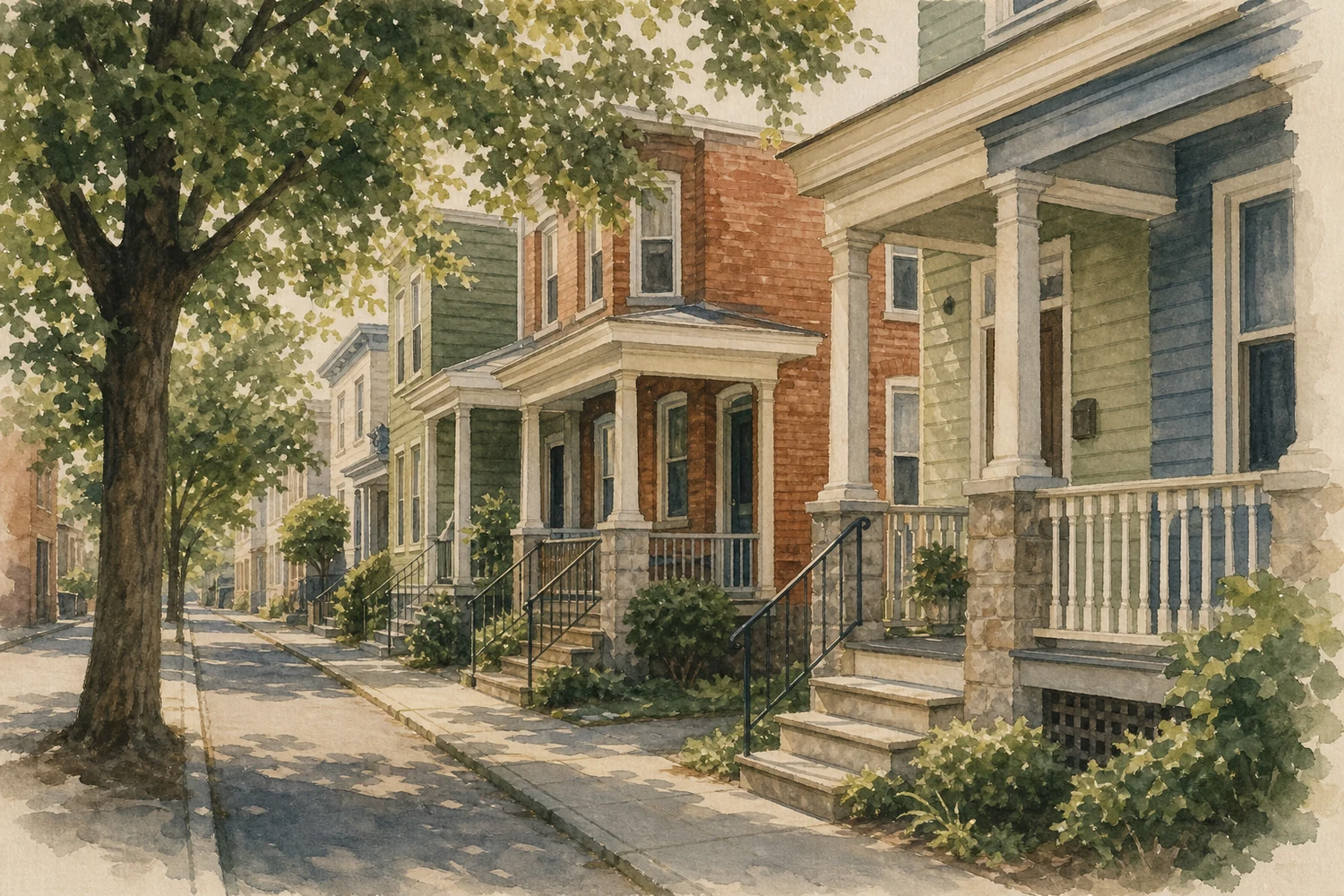
Roxborough is one of the rare places in Philadelphia where a newcomer can experience two conflicting realities at once. On the residential blocks tucked behind Ridge Avenue, the pace is slow, the sidewalks feel lived in, the houses settle into a comfortable rhythm, and neighbors greet each other with the familiarity of people who have shared a block for decades. These streets feel closer to a Pennsylvania suburb than a city neighborhood, which is why many residents describe Roxborough as the most secure and predictable area in Northwest Philadelphia. Yet only a few minutes away, the main corridor tells a very different story. Ridge Avenue is where the neighborhood reveals its raw daily life, with traffic stalled during rush hours, sidewalks interrupted by construction fencing, and trash bags that linger longer than anyone wants to admit. This mix of calm and chaos shapes everyday life here, and the people who stay eventually learn how to navigate both identities.
While newcomers focus on the safety and affordability compared to other parts of the city, long-timers often describe something deeper. They are attached to the quieter memory of Roxborough, a version many feel is slipping away as more buildings rise and traffic increases. You might hear frustration about overdevelopment, or nostalgia for a time when Ridge Avenue felt easier to manage, but beneath all of that is a clear sense of community pride. The same neighborhood that can overwhelm you with congestion is the same one where a missing dog post triggers hundreds of comments within minutes, and where neighbors jump in without hesitation to help someone dealing with a sudden problem. The duality does not confuse the people who live here. It is precisely what makes Roxborough feel both complicated and deeply human.
Living here means accepting that daily life can swing rapidly between peaceful and chaotic depending on the block, time of day, and season. Someone walking their dog near Fairmount Park might hear nothing but rustling leaves and joggers passing by, then head toward the Ridge corridor and immediately enter a busy stretch that feels out of sync with the quiet neighborhood behind it. This push and pull is part of the culture, and locals instinctively adjust their routines to move between the pockets of calm and the pockets of pressure. Instead of rejecting the contradiction, residents wear it like a badge. It proves they can handle the messy parts without losing sight of what makes the neighborhood worth fighting for.
What surprises many new residents is how quickly they begin to read the neighborhood the way locals do. After a few months, you start to recognize which roads are reliable at certain hours, which corners feel friendlier, which businesses are part of the day to day routine, and which ones you simply avoid. You begin to understand why people defend Roxborough so fiercely in online spaces, even while criticizing its flaws. It is not denial. It is attachment. And anyone who stays long enough begins to feel it too.
Where Roxborough sits
- Ridge Avenue
- Henry Avenue
- The Wissahickon
- Gorgas Park
Schematic · not to scale
Safety, Reality and Daily Comfort
For most locals, safety is not a topic that requires reassurance. People walk their dogs early in the morning, push strollers across residential streets, and jog toward the park without second-guessing their surroundings. The consistent feedback from people who live here is that they do not feel exposed to the kinds of risks associated with other parts of the city. When you look at how quiet the streets are at night, or how many long-timers choose to age in place here, it becomes clear that the day to day environment feels predictable and stable. Even late evenings in the backstreets are usually quiet, with porch lights glowing and a few neighbors still chatting outside.
Still, safety in Roxborough is not a single experience. The environment shifts noticeably depending on the exact street you are on and the time of day. Walking along the backstreets near Fairmount Park feels peaceful and almost suburban, especially during early mornings when you mainly see joggers or dog walkers passing by. Once you approach Ridge Avenue, the tone changes. The corridor is more active, with louder traffic, more foot movement, and unpredictable behavior that comes from being the main commercial strip. People do not describe it as unsafe, but they do treat it with more caution simply because it feels crowded and less controlled.
The largest time based shift happens on school days when Roxborough High dismisses students. Between roughly 2 PM and 4 PM, the areas closest to the school and the Wawa become congested with teenagers who move in large groups. The behavior does not threaten most residents, but it does create moments of tension, especially around businesses and parking lots. This window is understood as part of the neighborhood routine, and many locals simply avoid specific intersections and stores until the surge settles.
Another factor affecting daily comfort is driving behavior. While Roxborough does not struggle with citywide violent crime patterns, it does struggle with reckless drivers at certain intersections. These are not issues of personal safety in the traditional sense, but they influence how locals move around. It is an example of how the details matter here. The neighborhood is safe overall, but its micro patterns dictate how comfortable you feel in specific moments.
Ultimately, safety in Roxborough is best understood as a layered experience. The foundation is stable. The backstreets are comfortable. The routines are predictable. What varies are the bursts of congestion and activity that happen in very specific places and times. Once you learn the rhythm, you know exactly when to adjust your route, where to walk, and how to avoid the handful of situations that create friction. That ability to read the neighborhood is what makes longtime residents feel at ease here.
Ridge Avenue: The Stress Corridor
Ridge Avenue is the central artery of Roxborough, and it carries the weight of every complaint locals have about congestion, trash, noise, and development. What looks like a straightforward commercial strip on a map feels very different when you live here. The stretch between Roxborough High School and the Wawa at 6701 Ridge is discussed constantly because of the way trash accumulates, particularly during holiday delays or periods when sanitation services fall behind. Residents describe this area as the part of the neighborhood that collects the most visible problems, and it is the first place newcomers point to when they wonder why locals are so vocal about trash issues.
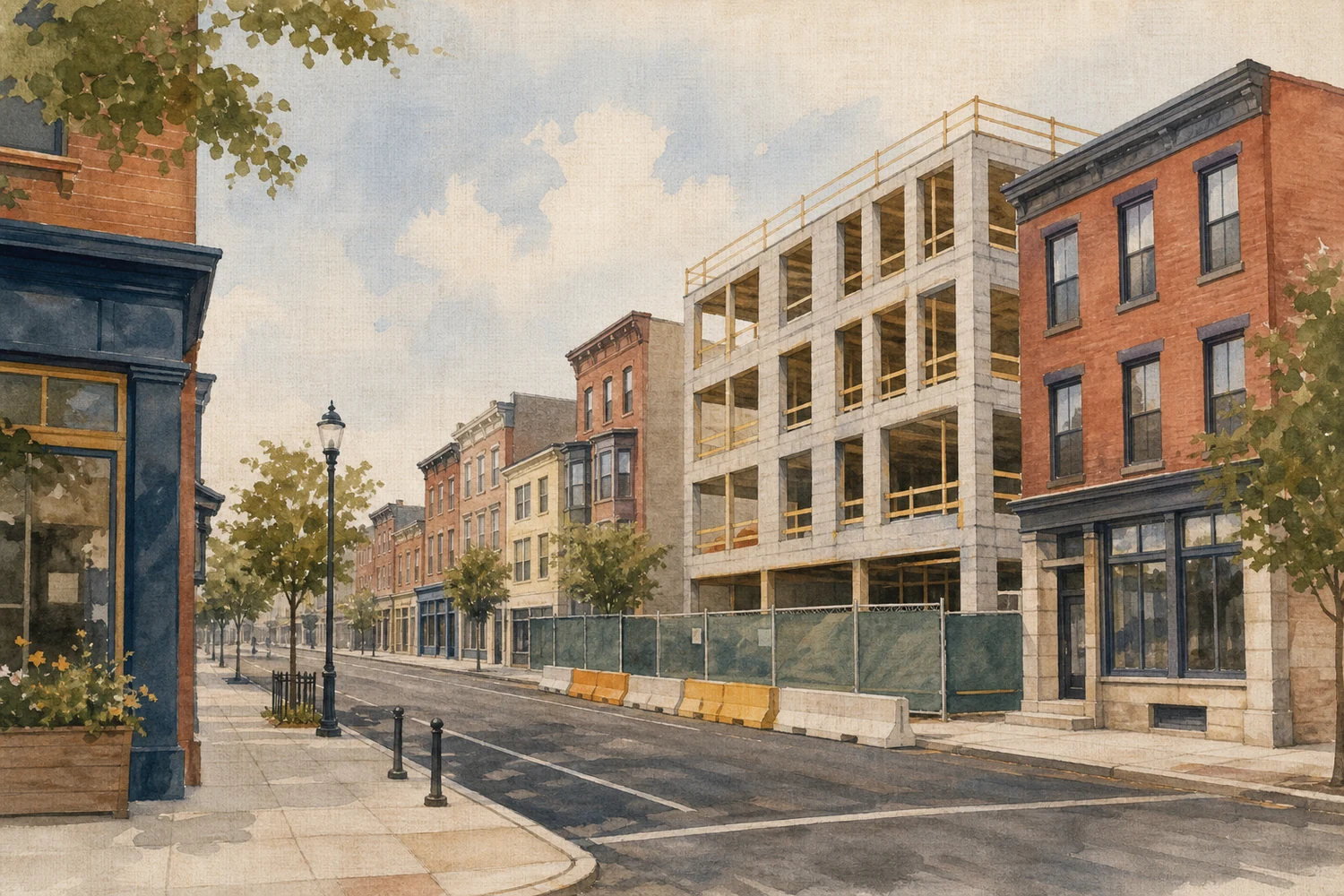
This corridor is also home to some of the most notorious construction sites. Longstanding projects, including the well known site near 6174 Ridge, have created an ongoing sense of disruption for people who walk, drive, or commute through this route. Sidewalk closures, early morning drilling, and blocked lanes are not temporary inconveniences here. They are recurring elements that shape everyday life, especially during morning and evening rush hours. Residents quickly learn which side of the street to use, which crosswalks are passable, and which corners are simply not worth dealing with when a project is active.
Traffic along Ridge follows a very specific pattern. In the early morning it is manageable, but as commuters head toward Center City or back toward the suburbs, the road becomes a slow moving chain of cars. Newcomers often underestimate how long it takes to drive from one end of the neighborhood to the other during these peak times. What might look like a ten minute trip on Google Maps can turn into forty five minutes of inching along the same corridor everyone depends on. There are only a few realistic ways in and out of Roxborough, and Ridge carries the most pressure, which means delays compound easily.
Trash, traffic, and construction are not separate issues on Ridge. They combine to create what locals think of as the neighborhood’s pressure valve. When you speak with residents who have lived here long enough, they rarely talk about Ridge with any sense of neutrality. It is either the source of their daily irritation or the necessary strip they must pass through for groceries, takeout, or errands. The emotional weight of this corridor is significant. It shapes how people think about living here, how they schedule their day, and how they judge changes in the neighborhood over time.
Ridge Avenue may not represent the entirety of Roxborough, but it defines the parts that require patience. Once someone learns how to navigate around its peak hours, how to read the flow of traffic, and how to bypass garbage filled stretches when needed, life in the neighborhood becomes far more manageable. Every local has a personal strategy for dealing with Ridge, and only after living here for several months do those strategies become second nature.
Neighborhood Identity: RRR, Local Drama and Digital Life
Roxborough Rants and Raves, often referred to simply as RRR, is the unofficial town square of the neighborhood. It is a digital space where everyday frustrations, local discoveries, and neighborhood politics collide. The group is known for its intense discussions, dramatic comment threads, and moments of genuine community support. What sets it apart is how deeply it influences the way residents understand what is happening around them. In many cases, people learn about neighborhood events from RRR long before hearing about them through formal channels.
RRR functions as both a community forum and an ongoing source of entertainment. A single post about a suspicious car, a misplaced package, or a sanitation delay can turn into a multi hour debate involving hundreds of comments. The conversations often reveal the unwritten social rules of the neighborhood, such as expectations about parking etiquette, trash placement, and neighborly responsibility. While the group is known for heated arguments, it also provides practical information that residents rely on, including recommendations for contractors, updates about road closures, and notices about missing pets.
The dynamic within the group reflects the diversity of Roxborough itself. Long time residents use RRR to voice concerns about overdevelopment or changes to familiar landmarks, while newer residents often seek guidance on how to navigate the neighborhood. The clashes that occur between these groups reveal the tension between preserving tradition and adapting to the rapid growth happening along Ridge Avenue. Despite the conflict, both sides participate actively, which shows how invested people are in the direction of the neighborhood.
RRR also plays a surprising role in binding the community together during moments of crisis or confusion. When an animal goes missing or when someone encounters a dangerous situation, the group mobilizes quickly. Posts spread rapidly across the platform, and neighbors volunteer information, street sightings, or direct assistance. These moments remind residents why they stay engaged despite the drama. The same group that can overwhelm your phone with arguments can also rally to solve problems in ways that feel distinctly local and genuine.
In the end, RRR is not just an online community. It is a reflection of Roxborough’s identity: opinionated, protective, deeply connected, often chaotic, and unfiltered. Learning how to participate, or at least observe, becomes part of living here. Newcomers eventually discover that understanding RRR is almost as important as understanding the neighborhood streets, because the conversations within it reveal the heartbeat of Roxborough in real time.
Where the Trash Tells the Story of the Block
Trash in Roxborough is not just trash. It is a weekly weather system that shapes mood, routines, and neighbor relationships. On many streets, especially the ones feeding into Ridge Avenue, trash does not disappear quickly. Bags can sit from Friday night until the first Monday pickup, which means the sidewalk becomes a visual record of who on the block is careless, who forgets the schedule, and who tries to shame the city into responding. During strikes or holiday delays, entire corners transform into small mountains of bags, torn boxes, and loose debris that drift into the street. Locals have learned to read these piles the way others read traffic maps. If the bags are stacked tightly and high, the pickup missed its window. If they are scattered and half open, raccoons or stray cats have had their fun. If the pile grows across the weekend, everyone silently blames the city policy that reduced pickups.
Ridge Avenue carries the worst version of this problem, particularly the stretch between the high school and Wawa. Trash gathers in the small dips along the curb, in front of stores that cannot keep up with the flow, and around construction areas where fencing creates perfect traps for loose wrappers and coffee cups. Some residents treat this section as the neighborhood’s problem child. Others walk it daily without much reaction because they have accepted that Ridge has its own personality. The frustration does not come from the trash alone. It comes from knowing which parts of the neighborhood stay clean, which ones always look neglected, and how uneven the maintenance feels. The contrast between a spotless backstreet and a chaotic commercial stretch is sharp enough that locals bring it up anytime the topic of quality of life appears.
What makes trash such an emotional flashpoint is the sense of powerlessness it creates. People see the same patterns repeat across seasons, city administrations, and sanitation announcements. They post photos online hoping to spark action, but the responses usually turn into debates about pickups, neighbors who put trash out too early, and complaints about the city ignoring calls for enforcement. Over time, this turns trash into a cultural marker. Residents fill the gaps in service with their own systems, from choosing the cleanest walking routes to coordinating with neighbors about when to drag bins out. The solutions are small and improvised, but they reflect the underlying truth. Trash is not a cosmetic issue in Roxborough. It is part of the rhythm of the neighborhood, and everyone who lives here eventually understands how much it shapes their daily environment.
The Territorial Dance of Parking and Cars
Parking in Roxborough is a test of patience, strategy, and emotional endurance. The neighborhood’s layout combines narrow residential blocks with high pressure corridors, which means that parking availability changes dramatically within a few steps. On the calm blocks behind Henry Avenue, you might find open spaces at most hours of the day. Move closer to Ridge or any construction site and the entire system collapses. Cars circle, squeeze into half legal spots, or hover aggressively while waiting for someone to pull out. Residents learn quickly that parking is not just a practical issue. It triggers a protective instinct that feels almost territorial. Some neighbors treat the space in front of their house as if it belongs to them, even though it is public. Others push back, sharing photos of license plates online to make a point that the block belongs to everyone. This conflict creates an ongoing undercurrent in local forums and group chats.
Specific intersections magnify the problem. The Wawa lot is notorious, especially in the late afternoon when students flood the area. Scrapes on poles, minor bumper dents, and chaotic maneuvering are common enough that long time residents avoid the lot entirely during certain hours. Behind Dalessandro’s, parking becomes another kind of endurance challenge. The popularity of the cheesesteaks combined with a small residential street means the area fills quickly, and weekend afternoons resemble a slow moving puzzle of cars and pedestrians. People who live nearby adjust their schedules around the busiest times to avoid being trapped by visitors who do not understand how tight these streets really are.
The experience is not entirely negative. Locals develop a sense of mastery over the patterns. They know which side of the street tends to clear first in the mornings, which blocks offer reliable spots after 9 PM, and how to approach certain intersections without getting forced into a standstill. This knowledge takes time to build, and newcomers often go through a period of frustration before they find their own routines. The core truth is that parking in Roxborough is not random. It is predictable if you pay attention to the micro patterns of each block. Mornings are easier on residential streets, evenings depend heavily on nearby restaurants, and weekends operate on their own logic depending on events and weather. Those who stay long enough begin to read the signs instinctively, and that instinct eventually becomes part of their daily comfort.
The Quiet Burn of Long Time Residents During the Building Boom
Behind the friendliness and community pride that defines Roxborough, there is a quieter but persistent frustration simmering among long time residents. Many of them remember a version of the neighborhood that felt smaller, calmer, and more self contained. Over the last decade, however, development has accelerated along Ridge Avenue and surrounding pockets. New apartment buildings appear where older homes or small businesses once stood, and massive construction sites operate for months or years at a time. These projects have created a sense of disruption that extends far beyond noise. Residents talk about early morning drilling before 7 AM, sidewalks torn apart, and construction vehicles using private driveways as if they were part of the job site. When these incidents occur, people often feel ignored by the very institutions meant to help them.
Many residents have expressed worries about how aggressive development is altering the character of the neighborhood, especially when historic buildings are demolished or replaced with high density projects that lack parking.
The emotional core of the issue is not resistance to growth. Most people understand that neighborhoods evolve. What troubles long time residents is the speed and scale of the change. They feel the infrastructure is not keeping up, the city is not enforcing boundaries, and the developments are arriving without meaningful dialogue. The result is a mix of nostalgia and disappointment. People who once felt completely aligned with the neighborhood’s identity now feel disconnected from the transformation happening around them. They still care deeply about Roxborough, but they also worry that the character they loved is being overshadowed by projects that prioritize density over community rhythm.
This tension creates a divide between those who embrace the convenience of new housing and those who feel a loss of continuity. The conversations can become heated, especially online, where residents debate the benefits and drawbacks of growth. Underneath the debates is a shared concern about what the neighborhood will look like in the next decade. Even those who support development acknowledge that it has created new challenges, from traffic congestion to parking shortages to strained public spaces. The long time residents may not always say it directly, but their frustration is less about the buildings themselves and more about the feeling that Roxborough is changing in ways that do not fully consider the community’s lived reality.
The Unspoken Map Inside the Neighborhood
Roxborough is not a single, uniform place. It is a cluster of micro neighborhoods, each with its own tempo, personality, and unspoken rules. Locals navigate the area using an internal map that visitors never see. Behind Ridge Avenue lies a web of quiet streets that attract families who want predictable routines. Homes here sit close together, porch lights stay on late, and neighbors often keep mental notes of who belongs on the block. People walk their dogs with ease, and the sidewalks stay relatively clean compared to the busier roads. This part of Roxborough feels like its own small world, and it is where most residents find daily comfort.
Move closer to Ridge and the entire atmosphere changes. Noise from traffic echoes between buildings, construction projects interrupt the sidewalks, and the flow of cars can feel relentless. Locals learn quickly which side streets serve as escape routes and which ones pull you back into the main corridor. Even the timing of your walk matters. A mid morning stroll feels calm, but an afternoon trip can drop you into the middle of school dismissal or delivery truck chaos. People who know the area well understand these shifts and adjust their routines accordingly.
Henry Avenue forms another important boundary in the neighborhood. Its long, steady incline creates a separation that newcomers often underestimate. Walking uphill from Main Street or Manayunk can feel intense, especially in the summer, which is why many locals treat Uber or rideshare as part of their regular routine. It is common to see people ride down toward the Manayunk shops and then call a car to get home, particularly if they are carrying bags or traveling at night. Henry Avenue itself stays quieter than Ridge, but its speed limits and wide lanes attract faster drivers, which influences where residents choose to cross and when.
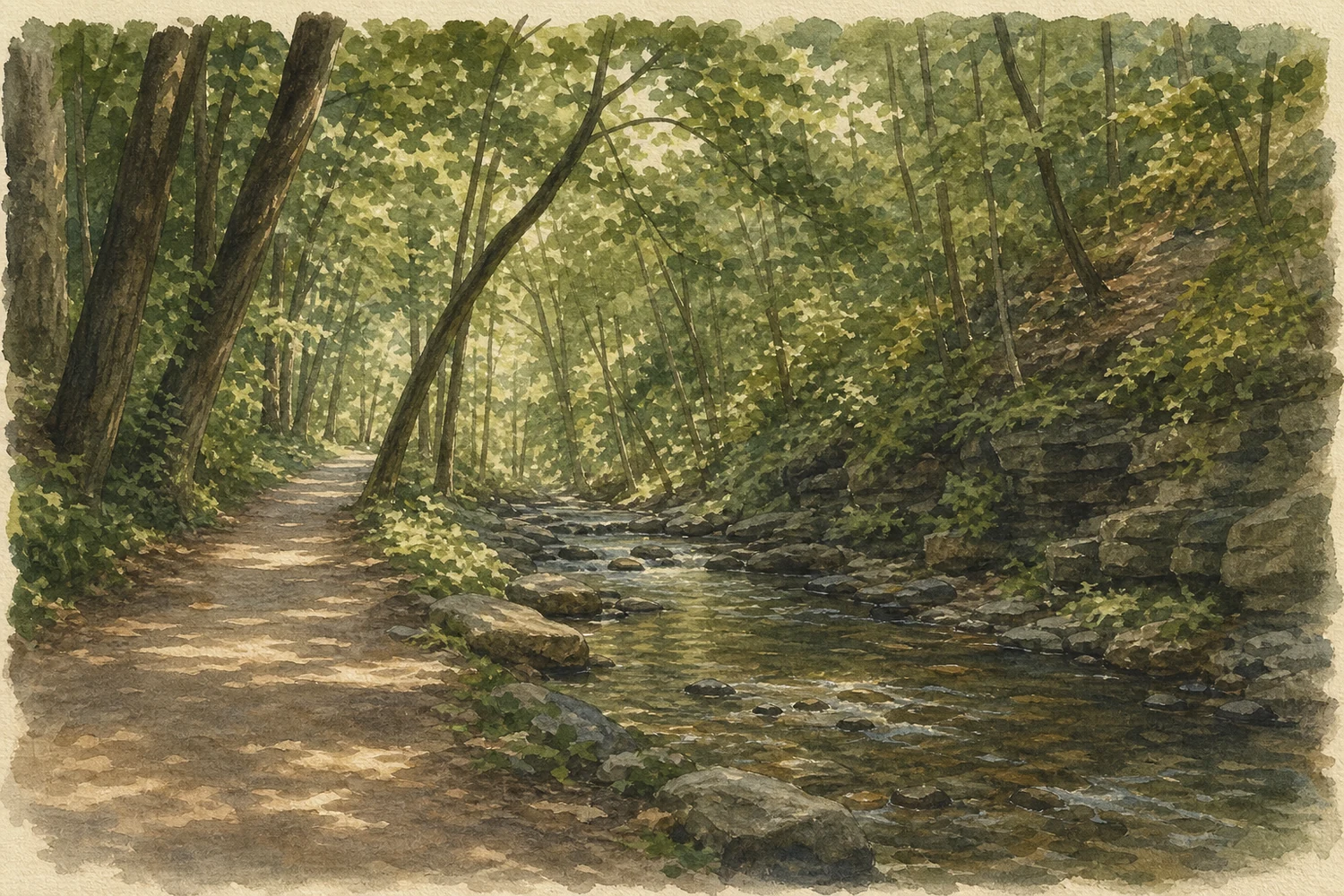
The Wissahickon side of Roxborough feels entirely different. Trail access draws hikers, runners, and dog owners. Streets near these entrances stay peaceful for long stretches, and the presence of green space creates a buffer from the busier parts of the neighborhood. People who live near the park often choose to stay there for years because they enjoy the consistent calm that comes with being close to nature. In contrast, those near commercial hubs deal with a rhythm that changes hour by hour.
Understanding these micro neighborhoods is essential to navigating Roxborough like a local. The community does not move as a single unit. It shifts with time of day, traffic patterns, and even school schedules. Once you learn the internal map, you start to understand why people defend their specific blocks so fiercely and why newcomers often find the neighborhood confusing at first. Roxborough is not just a place. It is a network of personal territories that residents navigate with a mix of habit, instinct, and learned wisdom.
The unspoken map inside the neighborhood
Roxborough is not a single, uniform place. Locals navigate it with an internal map visitors never see.
Behind Ridge Avenue
The quiet backstreetsA web of quiet streets that attract families who want predictable routines. Homes sit close together, porch lights stay on late, and the sidewalks stay relatively clean compared to the busier roads.
The Ridge corridor
The stress corridorTraffic noise echoes between buildings, construction interrupts the sidewalks, and the flow of cars can feel relentless. A mid-morning stroll feels calm; an afternoon trip drops you into school dismissal or delivery-truck chaos.
Henry Avenue
The inclineWalking uphill from Main Street or Manayunk can feel intense, especially in summer, which is why many locals treat rideshare as part of the routine. Quieter than Ridge, but wide lanes attract faster drivers.
The Wissahickon side
Near the trail entrancesTrail access draws hikers, runners and dog owners, and the green space buffers the busier parts of the neighborhood. People who live here often stay for years for the consistent calm.
Food Rituals, Local Favorites and Daily Eating Patterns
Food in Roxborough follows its own pattern, shaped by local habits, long standing businesses, and the neighborhood’s physical layout. Dalessandro’s anchors the food identity of the area, but enjoying it requires strategy. The cheesesteaks are famous, but the parking along Wendover Street turns every visit into a small challenge. Locals know that the best approach is to walk from a nearby residential block or arrive at quieter hours to avoid the peak lunch and weekend crowds. Even with the wait times and crowded sidewalks, residents happily return because the food is tied to long standing routines. Ordering from the pickup window, grabbing water from the cooler, and eating outside on the curb have become part of a cultural rhythm that people accept without complaint.
Roxborough Seafood House is another local favorite that surprises newcomers. Tucked away from Ridge Avenue, it draws a mix of regulars who order the chicken Alfredo or seafood platters that get praised repeatedly in local reviews. The energy here is different from the busy cheesesteak spots. It feels intimate, familiar, and grounded in neighborhood tradition. People often go in groups or as part of a family outing because the environment is relaxed and the food is reliably satisfying. This kind of place reflects what many locals love most about the neighborhood. It is unpolished but genuine.
The food culture also extends to parks and playgrounds. Gorgas Park serves as a gathering point for families who pack snacks or takeout and let their kids run while they unwind. The free street parking around the park makes it easy to treat the space as a regular part of the week, especially for parents. Sutcliffe Park and other smaller green spaces play a similar role. Weekend mornings often bring clusters of families, joggers, and dog owners, creating a familiar scene that repeats throughout the year.
Dining in Roxborough is deeply connected to routine. People know which restaurants take too long on weekends, which ones stay steady during weekdays, and which places work best for takeout when Ridge Avenue traffic becomes unbearable. Food choices often depend on timing and location. A quick stop at a local cafe might make sense on a weekday morning, but on a Friday night, the same area could be backed up with a mix of restaurant visitors and delivery drivers. Over time, residents fine tune their food rituals to fit the neighborhood’s rhythm. They know when to go out, when to order in, and when to avoid certain streets altogether.
The result is a food landscape that feels alive, unpredictable, and community driven. Newcomers often arrive expecting a few standard spots, but they soon discover that the real pleasure of eating in Roxborough comes from learning how to navigate the timing, crowds, and rhythms unique to each part of the neighborhood. The food scene is less about variety and more about ritual, and that ritual is what gives the neighborhood its flavor.
Food is a ritual here, not a scene
The food scene is less about variety and more about ritual — and every ritual has a timing strategy attached.
Dalessandro's
The anchor of the neighborhood's food identity, and a small challenge every visit because of the parking. Locals walk from a nearby residential block or arrive at quieter hours. Ordering at the pickup window and eating on the curb is part of the rhythm.
Best for · Off-peak hours, on foot
Roxborough Seafood House
The local favorite that surprises newcomers. Regulars order the chicken Alfredo or the seafood platters. Intimate, familiar and grounded in neighborhood tradition — unpolished but genuine.
Best for · Family outings and groups
Gorgas Park
Where families pack snacks or takeout and let kids run. Free street parking around the park makes it easy to treat as a regular part of the week.
Best for · Weekend mornings with kids
Where the Woods Become Therapy: Nature as the Neighborhood Reset
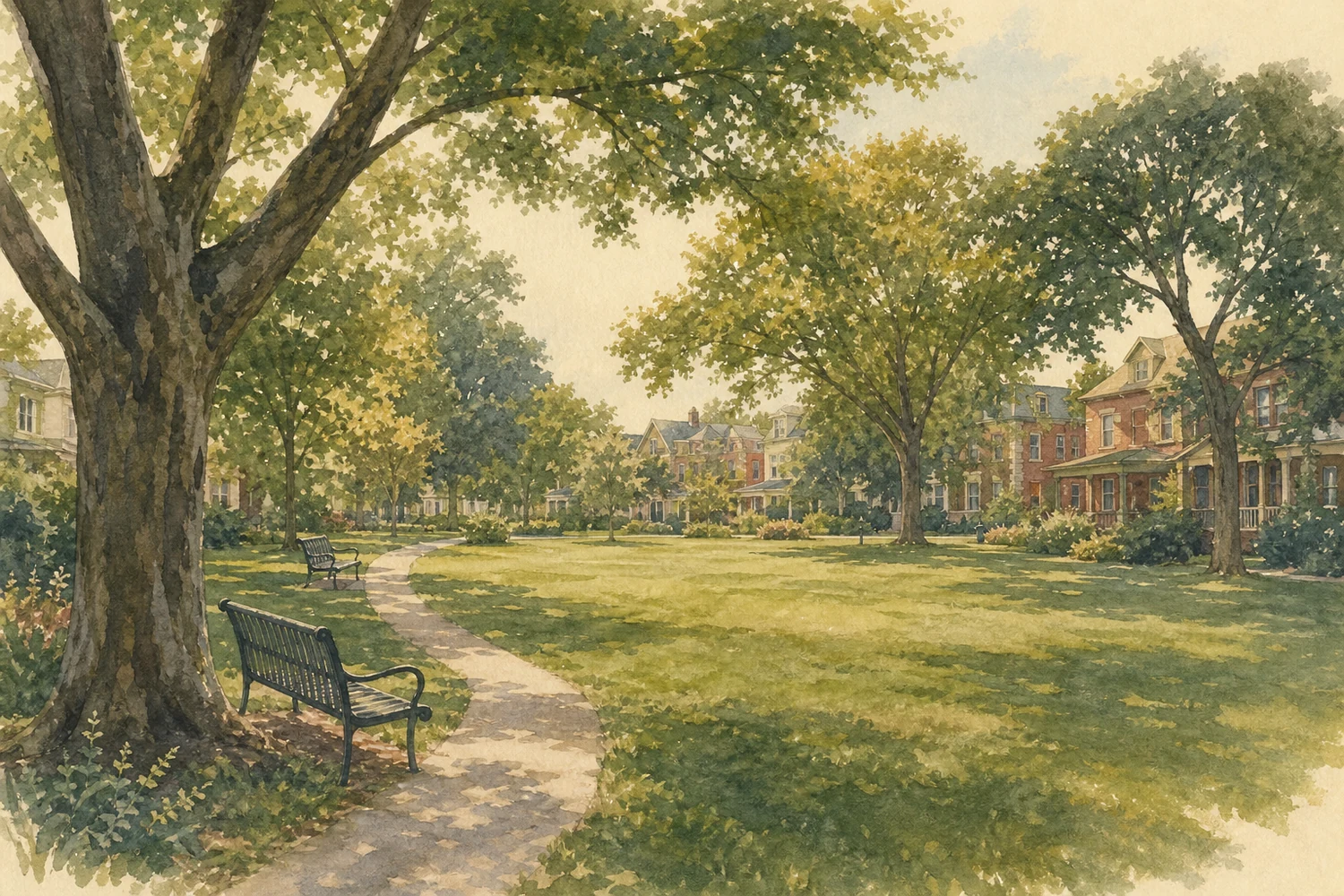
For many Roxborough residents, the Wissahickon is not simply a park. It is the neighborhood’s natural pressure valve, a place people go to rebalance after dealing with Ridge Avenue traffic, school dismissal crowds, or the endless churn of construction. Living here means you have direct access to miles of trails, shaded creek paths, and quiet pockets of green where you can step away from the noise with almost no effort. On any given morning you might see a mix of dog walkers, trail runners, and people carrying a small backpack with snacks for a longer hike. Even those who prefer city living eventually form a relationship with the park, because it fills a gap that the busy commercial corridor cannot.
The park has its own rhythm and micro seasons. Early fall feels like the neighborhood’s golden hour. Leaves change, mornings are crisp, and families flock to the trails before heading to weekend errands. Summer brings thick greenery and long afternoons where dogs splash in the creek. Winter strips everything down and brings a peaceful quiet that feels almost unreal compared to the activity on Ridge. People who live close to the park often mention that they stay in Roxborough because they can step into nature within minutes. This convenience creates a type of neighborhood loyalty that is not based on shops or nightlife, but on the ability to enter the woods after a long day and return home feeling restored.
Even the dog walking routines tie into the landscape. Certain intersections near the park require caution because of fast drivers, so residents develop their own trusted routes. Some prefer long loops that cut through shaded blocks before dipping into the trails. Others stick to flatter paths for easier walks with older pets. These patterns are so ingrained that locals rarely think about them. They simply know which turns feel safe and which ones feel chaotic. The presence of nature shapes not only leisure time but also daily movement, and over time it becomes one of the defining comforts of living in this neighborhood.
The People Behind the Porch Lights: Culture and Community Life
Roxborough’s culture is a combination of loyalty, nostalgia, and a strong sense of responsibility toward the neighborhood. Many residents have lived here for decades and carry vivid memories of how the area felt before the recent development boom. They remember the quieter version of Ridge Avenue, the older storefronts, and the days when parking felt less competitive. This history affects how they respond to change. When they see more buildings rising or traffic increasing, they react with a mix of frustration and protectiveness. They want the neighborhood to remain grounded in the identity they grew up with.
Newer residents bring a different energy. They appreciate the safety, the quiet backstreets, and the access to the Wissahickon. They see Roxborough as a place where they can settle without giving up the benefits of city living. Their relationship with the neighborhood is more optimistic and forward looking. They participate in local events, ask questions in community groups, and try to understand the unwritten rules that long timers consider obvious. This blend of old and new creates a community that is both anchored and evolving.
One of the most striking elements of Roxborough people is their willingness to get involved. Lost pets are tracked within minutes. Car break ins generate block wide conversations. Neighborhood issues become collective concerns rather than isolated frustrations. People may argue fiercely online, but when someone needs help, the response is immediate. This duality defines the local culture. Residents complain loudly about problems, yet remain deeply committed to fixing them. They care enough to stay vocal, and that passion gives the community a sense of identity that extends far beyond its physical boundaries.
The Neighborhood Code: Rules Everyone Follows Without Saying Them
Every neighborhood has etiquette, but Roxborough has a full internal code that people follow instinctively. It is not written down or posted on signs, yet everyone seems to understand it after a few months of living here. The first rule involves timing. Residents avoid certain places during school dismissal because the crowd of students takes over the sidewalks and stores. The Wawa shutdown hour is the most obvious example, but the surrounding blocks also shift during this window. People learn to run errands earlier or wait until the afternoon rush fades.
The second rule revolves around Ridge Avenue. Locals know that approaching Ridge during peak hours is a test of patience. Morning commutes turn into a slow moving line of cars, and evening rush hour is even slower. Those who know the neighborhood well avoid Ridge entirely during these times and use backstreet routes that visitors never realize exist. It becomes second nature to weave in and out of residential blocks just to skirt around a single congested intersection.
Parking has its own set of unspoken rules. Residents prefer not to park repeatedly in front of the same house, even though the street is public. There is an unspoken courtesy that maintains harmony. Similarly, people avoid leaving cars in spots that block narrow driveways or make it difficult for someone else to pull out. Violating these norms creates tension that lingers long after the car is moved.
Trash day brings another set of silent expectations. Putting bags out too early is frowned upon, especially if they sit overnight and attract animals. Everyone knows which neighbors follow the schedule strictly and which ones need reminders. This coordination helps reduce the chaos that can appear when pickups are delayed.
These unwritten rules are what allow the neighborhood to function smoothly despite its challenges. They create an invisible structure that guides how people interact, move, and maintain the environment. Once you understand the code, you start to feel like you truly belong in Roxborough.
Living Like a Local: Practical Hacks That Change Everything
To live comfortably in Roxborough, you need more than an address. You need strategies that fit the neighborhood’s rhythm. The first and most important hack is route selection. Always plan alternative paths that take advantage of quiet backstreets. Using Fleming Street, Lyceum Avenue, or the smaller residential lanes can cut your travel time significantly compared to Ridge Avenue during peak hours. These detours may look slower on a map, but they usually save time because they avoid the bottlenecks created by construction and school traffic.
The second hack involves parking. If you live near a popular business or restaurant, you need to anticipate visitor traffic. Weekends near Dalessandro’s become crowded quickly, so locals park a block or two away and walk. This small adjustment prevents unnecessary circling and frustration. Near Wawa, it is best to avoid the lot altogether during the afternoon rush. A short walk from a quieter street is safer and easier.
Errand timing is the third major hack. If you need groceries, gas, or coffee, aim for early mornings or late evenings. Midday can be unpredictable due to delivery trucks, school schedules, and traffic surges. Creating a routine around these windows makes daily life feel calmer and more efficient.
For outdoor activities, pick the right trail entrances. Some paths near the Wissahickon fill with joggers at sunrise, while others stay open and quiet. Experiment with different access points until you find one that fits your pace. People who master these routes rarely feel overwhelmed by weekend crowds.
These local hacks turn Roxborough from a confusing maze into a predictable and manageable environment. Newcomers who learn them early adjust quickly and enjoy the full benefits of living in a neighborhood that rewards attention and adaptability.
The Quiet Reason People Stay: Roxborough’s Emotional Core
At its heart, Roxborough is a neighborhood built on a sense of belonging. The quiet backstreets, the steady presence of the Wissahickon, and the community’s eagerness to help each other create a feeling that is difficult to find elsewhere in the city. Even people who complain about Ridge Avenue traffic or the unpredictability of trash pickup speak with a kind of affection that reveals how much the neighborhood means to them. These frustrations do not push residents away. They connect people through shared experiences and daily challenges.
What keeps people here is the balance between calm and activity. You can enjoy the tranquility of a shaded residential street, then walk a few minutes and enter a busy corridor that brings in energy and convenience. You can spend the morning in the woods, then grab lunch at a local spot that feels like it has been part of the community for generations. This dual nature gives Roxborough a rhythm that becomes familiar and comforting over time.
There is also a strong sense of continuity. Families stay for decades, neighbors recognize familiar faces, and long timers pass down knowledge about the best walking routes or the safest places to cross Henry Avenue. This shared memory forms the emotional foundation of the neighborhood. It helps people feel grounded, even when development and traffic introduce new challenges.
In the end, Roxborough’s emotional truth is simple. People stay because it feels real. It feels connected. It feels like a place where daily life matters and individual routines shape the character of the community. There are challenges, but there is also pride. There are frustrations, but there is also commitment. Once you understand the rhythm, Roxborough becomes more than a place to live. It becomes a place that feels like home.
Calm and chaos, a few minutes apart
The guide's central claim: a newcomer can experience two conflicting realities at once, and the people who stay learn to navigate both.
- Backstreets where the pace is slow and neighbors have shared a block for decades.
- Direct access to miles of Wissahickon trails, shaded creek paths and quiet green pockets.
- Streets quiet enough at night that long-timers choose to age in place here.
- A community that mobilizes fast — a missing dog post draws hundreds of comments within minutes.
- Ridge Avenue at rush hour, where a ten-minute trip can become forty-five.
- Trash that lingers, especially between the high school and the Wawa during delays.
- Construction that means sidewalk closures, early morning drilling and blocked lanes.
- Parking that collapses near Ridge or any active construction site.
- The 2pm to 4pm school-dismissal window around Roxborough High.
Make it yours
Five notes for a Roxborough visit
A short list to turn what you read into your own next steps.
Saved checks stay on this device when browser storage is available. This is a personal planning list, not a property inspection or professional assessment.
Sources & next steps
Useful advice should
show its working.
These resources support the reader tools above and help you check details for your own address, date, or plans.
- SEPTA trip planner
Compare transit journeys using your actual stops, date, and departure time.
- Friends of Wissahickon visit planner
The park steward's starting point for maps, access, and visiting information.
- City property and zoning lookup
Opens the City's address-based zoning and permit tools.
The profile offers no crime ranking or construction completion forecast. Park access, property work, and travel should be checked for the address and date you are considering.