
A little orientation
Historic-home storm planning starts before the forecast
Plan before weather arrives
Save the responsible contacts and unresolved repair questions ahead of time, using current official notifications when conditions begin to change.
Investigate before treating
Record a moisture concern and ask for material-specific advice before applying a coating or sealant to historic brick or mortar.
Keep repair access appropriate
Describe what you can observe from accessible locations and arrange qualified help for work that requires specialist knowledge or difficult access.
A closer look
What needs a plan before the storm?
Keep the building question, material question and alert plan distinct.
Decide how you will get updates
Review ReadyPhiladelphia's official notification options and choose the information channels that suit your household. Keep important contact details accessible too. Alerts help you follow changing instructions; they do not establish that a roof, drain or other building system is ready.
A useful questionHow will each person receive current instructions if the weather changes while you are apart?
Source & next step ↗Avoid choosing a treatment by appearance
Use the National Park Service masonry guidance to frame questions about moisture, soiling and proposed treatments. A coating choice should follow evaluation of the actual material and condition. Do not treat an article's generic sealant suggestion as a repair specification for historic brick.
A useful questionWhat is causing the visible problem, and who will evaluate the proposed treatment?
Source & next step ↗Check review before changing historic fabric
If repair work is proposed, check the City's historic-property guidance for the address and scope. Keep photographs, the contractor's proposed method and any relevant correspondence together. Resolve the review questions in advance rather than treating storm preparation as permission for an alteration.
A useful questionWhich proposed repair still needs a material assessment or confirmation of applicable City review?
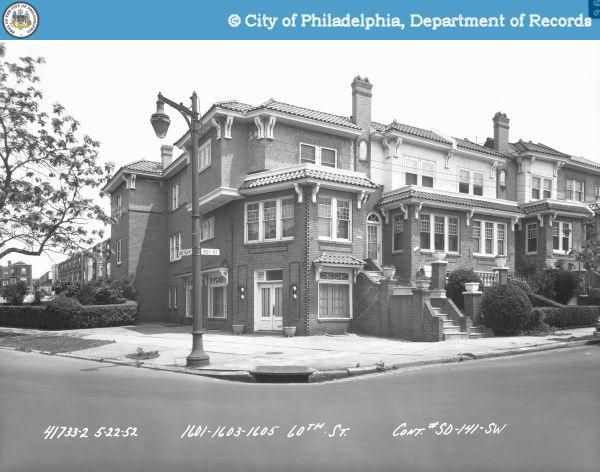
Source & next step ↗In Philadelphia, old homes are more than just houses—they’re like living reminders of the city’s history. From small rowhouses in Fishtown to grand brick homes in Society Hill, these buildings have a special charm. But because they’re old and unique, they can be more at risk during bad weather. Hurricanes, strong winds, and big storms can damage both the structure and the historical value of these homes.
Protecting your home also protects a piece of Philadelphia's history. Here’s how you can keep your home safe during storms while keeping its special look and feel.
How Philadelphia’s Weather Affects Old Homes
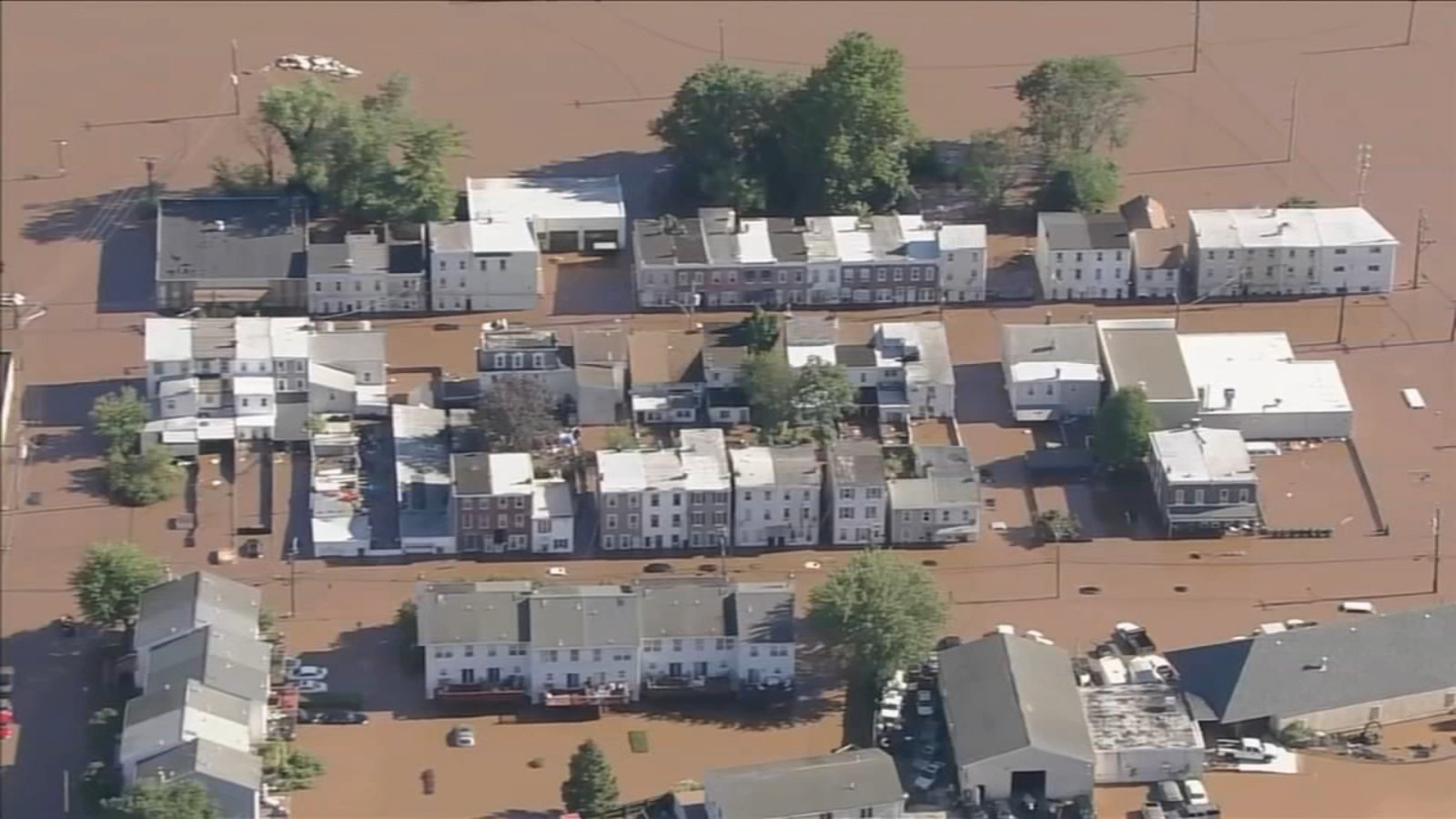
Philadelphia’s location near the Atlantic Ocean makes it prone to hurricanes, tropical storms, and harsh weather. While full hurricanes rarely hit the city directly, it often deals with heavy rain, strong winds, and flooding caused by leftover storms and nor’easters.
The Facts About the Storms
The National Weather Service reports that Philadelphia gets about 42 inches of rain each year, with the worst storms usually happening in late summer and early fall. For example, the remains of Hurricane Ida in 2021 led to historic flooding along the Schuylkill River, showing how easily the city can be damaged by extreme weather.
Understanding Your Historic Home’s Vulnerabilities
Owning a historic home can be challenging because older materials and building methods may not be as strong as modern ones when it comes to handling storms. Common issues include:
- Original Windows: Many historic homes have single-pane windows, which can break easily in strong winds.
- Aging Roofs: Roofs made of materials like slate or wood shingles may not last long under heavy rain or wind.
- Foundation Weaknesses: Many historic homes were built on shallow or weak foundations, making them more likely to flood during heavy rains.
How to Get Your Home Ready for Storms
To keep your historic home safe during bad weather, you’ll need to do regular maintenance and make some smart upgrades. Here’s a guide for Philadelphia’s historic homes:
Check and Strengthen Your Roof
Your roof is your home's main protection during storms. Get it checked by a professional to find any missing or broken shingles and make sure the areas around chimneys are secure. For older homes, consider using modern materials like synthetic slate or metal roofing that look like traditional materials but are stronger and last longer.
Improve Windows and Doors
Keeping original windows is important to maintain your home's historic style. You can add storm-resistant window films or custom shutters that match the look of older homes. Make sure your doors have strong seals to stop water from getting in.
Control Water Drainage
Make sure your gutters and downspouts are working well to move rainwater away from your home's foundation. Since Philadelphia often has sudden heavy rains, keep drains clear of leaves and dirt, and make sure the ground slopes away from your house to avoid water collecting around it.
Protect the Outside of Your Home
Record visible cracks or moisture changes and have the cause assessed before selecting a treatment. Do not apply a sealant to historic brick as routine storm preparation: the National Park Service explains that water-repellent coatings are usually unnecessary for historic masonry. Any proposed treatment needs evaluation for the actual material and condition.
Get a Backup Power Supply
In Philadelphia, storms often cause power outages. A backup generator can keep important systems like sump pumps and heating/cooling units running, so your home stays safe and works properly.

Insights from Philadelphia’s Neighborhoods
Different parts of Philadelphia have their own storm-related challenges:
- Society Hill: This area has historic rowhouses and flat land, which can cause drainage problems. Keeping gutters clean is important to prevent basement flooding.
- Manayunk: Homes here are close to the Schuylkill River, making them more likely to flood. Adding flood barriers or raising utilities can help reduce damage.
- Old City: The small streets and tightly packed buildings in this historic area can make it hard to manage rainwater. Using special paving that lets water soak through for sidewalks can help lessen water flow.
The Role of Regular Maintenance
Protecting your home from storms isn’t just about getting ready for bad weather; it’s also about keeping up with regular care. A home that isn’t well-maintained is much more likely to get damaged. Simple tasks like cleaning gutters, checking window seals, and clearing debris from outside can have a big impact.
Protecting the Interior of Your Home
While the outside of your home is the first thing that protects it, the inside also needs some preparation:
- Put valuable items like antiques and important papers in containers that can keep water out.
- If your area is likely to flood, lift furniture and electronics off the floor.
- Have an emergency kit ready with things like flashlights, batteries, and a portable phone charger.
Hometress Cleaning Service: Here to Help You
Once the water is out and any repairs are done, the house still needs putting back together. That part — floors, kitchens, bathrooms, the tracked-in grit a storm leaves behind — is ordinary house cleaning, and it is what Hometress covers. Structural drying, water-damage remediation and debris hauling are restoration work, and you'll want a licensed restoration contractor for those.

Why Choose Hometress?
Hometress offers Philadelphia house cleaning through its published booking scope: Standard, Deep, Move and Dream Home, plus add-ons chosen at booking. Cleaners follow one method and checklist, and if your home has delicate original finishes, you can record them in the booking form’s optional arrival notes.
To schedule a post-storm cleaning, book online and see your calculated total before you confirm.
Make it yours
Prepare a historic-home storm file
A short list to turn what you read into your own next steps.
Saved checks stay on this device when browser storage is available. This is a personal planning list, not a property inspection or professional assessment.
Sources & next steps
Useful advice should
show its working.
These resources support the reader tools above and help you check details for your own address, date, or plans.
- ReadyPhiladelphia
Official options for receiving local emergency notifications.
- National Park Service masonry guidance
Preservation Brief 1 addresses evaluating historic masonry cleaning and water-repellent treatments.
- Work on historic properties
City guidance on Historical Commission review and maintenance exceptions.
This planner does not certify storm readiness or specify repairs. Follow current emergency instructions and obtain appropriate assessment for the actual property.