
A little orientation
Philadelphia permits: prepare the project first
Describe the proposed work
Separate demolition, construction, changes of use and trade work in your project notes before asking which approvals may be needed.
Check the actual property
Research the address and ask about historic review before assuming that an ordinary repair or alteration follows a standard route.
Keep the process visible
Record each application, responsible person, outstanding document and next action together so an approval is not confused with project completion.
A closer look
Three questions before you apply
Use this as a preparation worksheet; the City determines the requirements for your project.
Name each part of the proposal
Write a plain-language description of what changes and what remains. Use the City's building-permit page to identify relevant requirements and linked approvals, then ask L&I about anything unclear. Do not assume building, zoning and trade reviews are interchangeable alternatives.
A useful questionWhat physical change or change of use are you asking the City to review?
Source & next step ↗Check historic-property requirements
Look up the City's guidance for work on historic properties and establish whether it applies to your address and proposal. Bring photographs and the proposed scope to the relevant reviewer. Avoid choosing a treatment or replacement before understanding the applicable review.
A useful questionWho has confirmed whether Historical Commission review applies to this work?
Source & next step ↗Keep a separate record for each step
Create a project file for the current instructions, drawings, submitted application and correspondence. Record who is responsible for each outstanding item. Refer back to the City's process when the scope changes rather than assuming an earlier approval covers the revised proposal.
A useful questionWhich document or decision is needed before your next project step?
Source & next step ↗Dealing with building permits in Philly can be a real headache, but knowing what to expect can make things a whole lot easier. It doesn't matter if you're sprucing up your house, building something brand new, or fixing some serious structural issues, you absolutely need the right permits. This guide will walk you through the whole building permit process in Philadelphia, including the nitty-gritty details for specific areas, some handy home maintenance advice, and expert tips to help everything go smoothly.

Understanding the Philadelphia Building Permit Process
The Philadelphia Department of Licenses and Inspections (L&I) is the one in charge of building permits, making sure all construction work follows safety codes and zoning rules. You'll need a building permit for most structural work, any major electrical or plumbing updates, and big renovation projects. If you're scratching your head wondering if your project needs a permit, it's a good idea to check out the city's official website or ask a local contractor.
Types of Building Permits
- New Construction Permits – Required for constructing a new building or major additions.
- Alteration Permits – Needed for structural changes, including removing or adding walls.
- Demolition Permits – Required for tearing down structures.
- Mechanical Permits – Necessary for HVAC installations and upgrades.
- Plumbing & Electrical Permits – Required for major plumbing and electrical modifications.
Area-Specific Permit Considerations
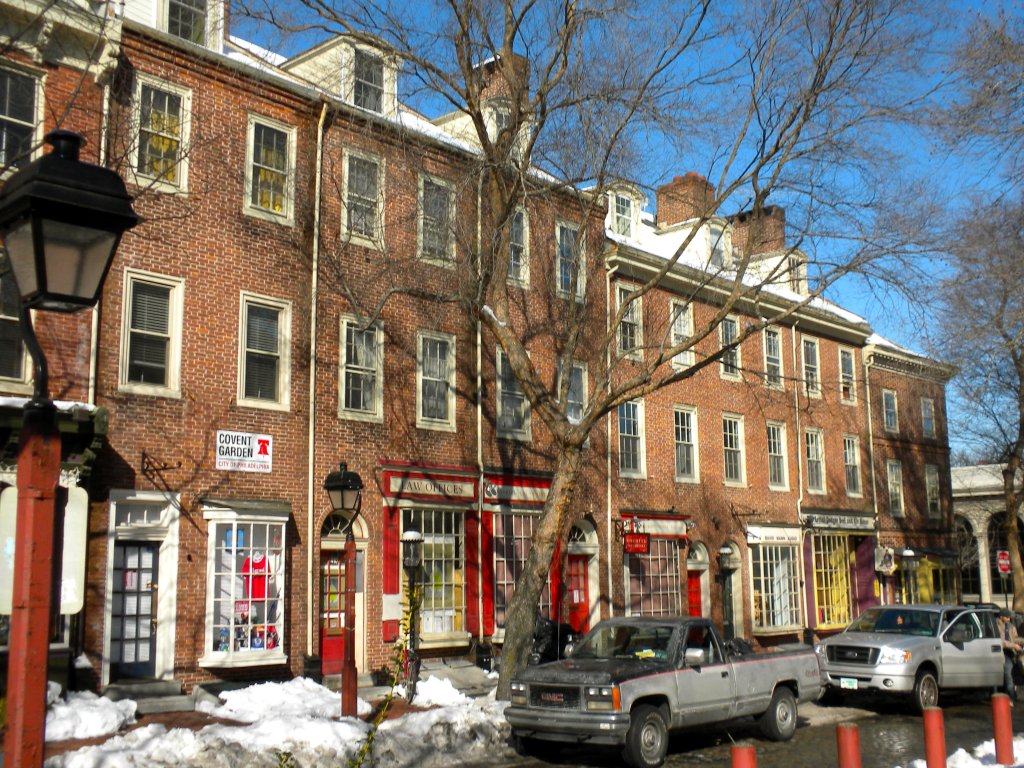
Philadelphia's neighborhoods are all unique, and so are their building rules. This is especially true for historic areas like Society Hill and Old City. If you're sprucing up a property in one of these places, you might need extra approvals from the Philadelphia Historical Commission. On the flip side, areas like Northeast Philadelphia or Roxborough might have different zoning rules that you'll need to consider for new construction projects.
Steps to Obtain a Building Permit in Philadelphia
- Identify Required Approvals: Describe the complete project and check each applicable review. Building and zoning approvals are not interchangeable: for new buildings and additions, the City requires zoning approval to obtain a Building Permit. Confirm the requirements for your particular scope with L&I.
- Prepare Documentation: Gather architectural plans, contractor details, and scope of work.
- Submit an Application: Apply online via eCLIPSE, the city’s digital permit system, or visit the L&I office.
- Await Review: City officials review your submission for code compliance. This can take several days to weeks, depending on project complexity.
- Schedule Inspections: Once approved, inspections must be scheduled at different project stages.
- Complete Work & Obtain Final Approval: Ensure the work aligns with permit requirements before receiving final approval.
Home Maintenance Tips for Permit-Related Projects
Keeping your home tidy and organized is super important when you're doing a renovation or construction project that's been approved. Dust and mess can really pile up, especially when you're tearing things down or making big changes. Here are some things to think about:
- Use plastic sheeting to block off the areas where work is being done. This helps keep dust from spreading everywhere.
- Run air purifiers to keep the air inside your home clean.
- Plan on getting a professional deep cleaning after the construction is finished to get rid of all the tiny dust particles and leftover mess.
Expert Insights & Common Challenges
Local contractors and developers often talk about the usual headaches that pop up during the permit process. These include surprising delays because something's missing in the paperwork or because of zoning rules that clash. To steer clear of these roadblocks, double-check that all your documents are complete before you turn them in. And if you need to, get some help from a seasoned permit expediter.
The Cost of a Building Permit in Philadelphia
The cost of permits really depends on how big your project is. Fees vary by project — check L&I's current schedule. If your project is a big one, the permit fee might be calculated as a percentage of the total construction cost. The best way to get a clear idea of the fees is to check the most recent schedule on the city's website.
Service Tie-In: Why Post-Construction Cleaning is Essential
Once you've wrapped up a construction or renovation project that required a permit, it's super important to give your place a deep cleaning. This gets rid of all the construction dust, debris, and potential allergens that might be lingering. Hometress offers this service through a custom project quote. Share the space, timing, and scope through the service page; the residential booking catalog does not price this work.
Getting a building permit in Philly is crucial for any home improvement work you want to do safely and legally. Knowing what's needed, doing things by the book, and keeping your place tidy during the construction work will definitely help things go more easily. And if you're planning to renovate, don't forget to book a good cleaning with Hometress Cleaning Service after everything's finished, so you can enjoy a sparkling clean home.
Make it yours
Build a permit preparation file
A short list to turn what you read into your own next steps.
Saved checks stay on this device when browser storage is available. This is a personal planning list, not a property inspection or professional assessment.
Sources & next steps
Useful advice should
show its working.
These resources support the reader tools above and help you check details for your own address, date, or plans.
- Philadelphia building permits
Current City requirements, application materials and linked approvals for building work.
- Work on historic properties
City guidance on Historical Commission review and maintenance exceptions.
- Philadelphia property records
City instructions for researching an address in Atlas and L&I records.
This worksheet helps organize questions for City reviewers. It does not determine permit eligibility, professional licensing or approval for a particular project.