
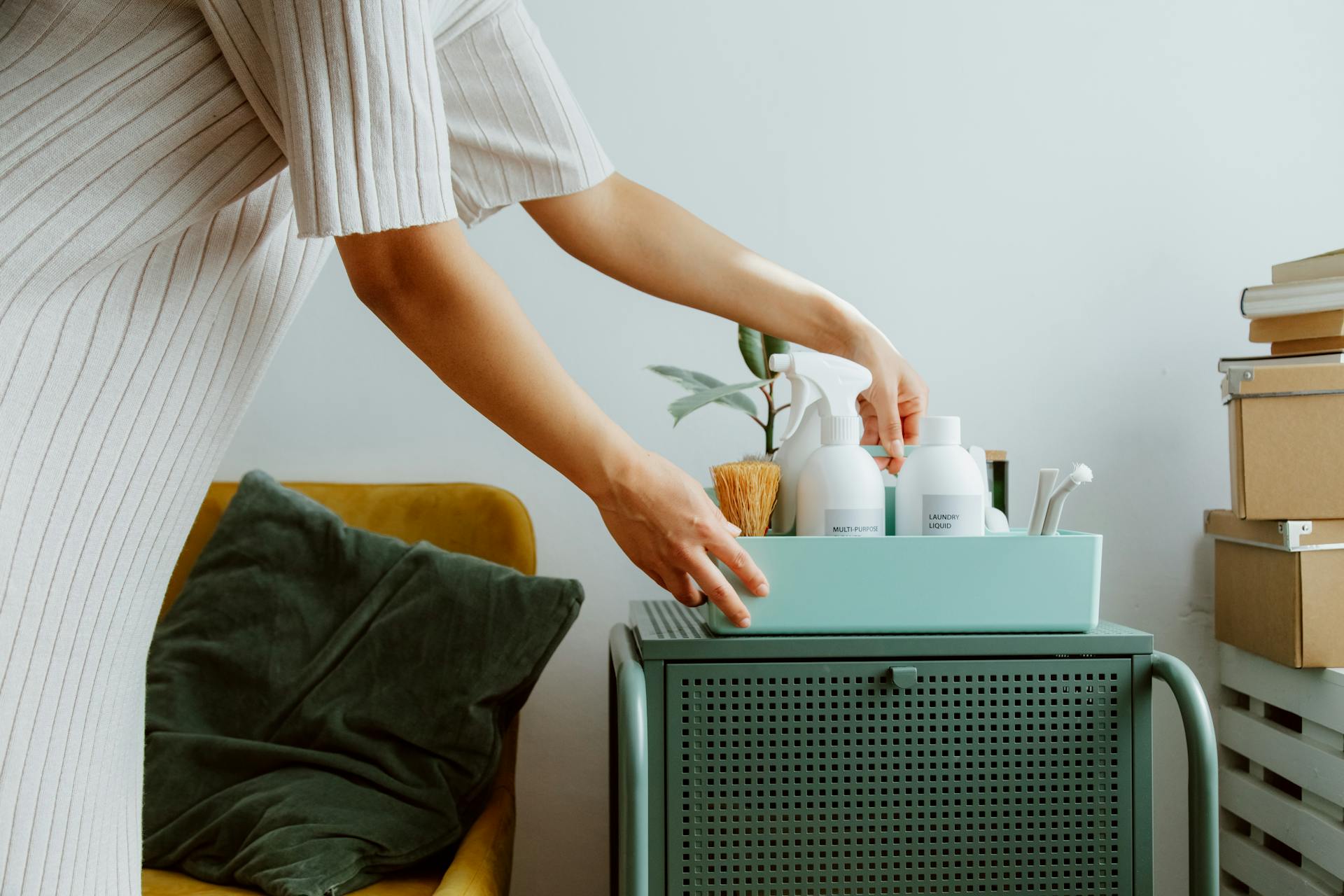
If you're like many people in Philadelphia, you're pretty invested in the environment, your family's well-being, and the neighborhood you call home. Living in a city bursting with history, community spirit, and culture, it makes perfect sense that you'd want your own space to echo those same values of care and responsibility. That's why switching to eco-friendly cleaning here isn't just a passing fad as it's becoming a real movement. Whether you reside in a classic University City brownstone, a charming Fishtown rowhome, or a sleek Center City high-rise, making the switch to greener cleaning can truly transform your home into a healthier, more sustainable haven.
Traditional cleaning products often use harsh chemicals that can lower your indoor air quality, irritate your skin, and even contribute to pollution in local waterways. The Philadelphia Water Department's guidance on storm drains is blunt about it: only rain should go down them, and mop water and household chemicals belong in a sink or at a hazardous-waste drop-off instead. By choosing eco-friendly options, you're not just helping your own home; you're also doing your part for the bigger picture, supporting the overall health of the city and its natural surroundings.
This guide is designed to help you understand what truly makes a cleaning product "green," show you how to tackle cleaning each room in a sustainable way, highlight the health benefits you stand to gain, and explain how local services like Hometress can support your efforts. Whether you're completely new to green cleaning or just want to fine-tune your current routine, this comprehensive guide has all the information you need to kick off your eco-friendly cleaning journey right here in Philadelphia.
What Makes a Cleaning Product "Eco-Friendly"?
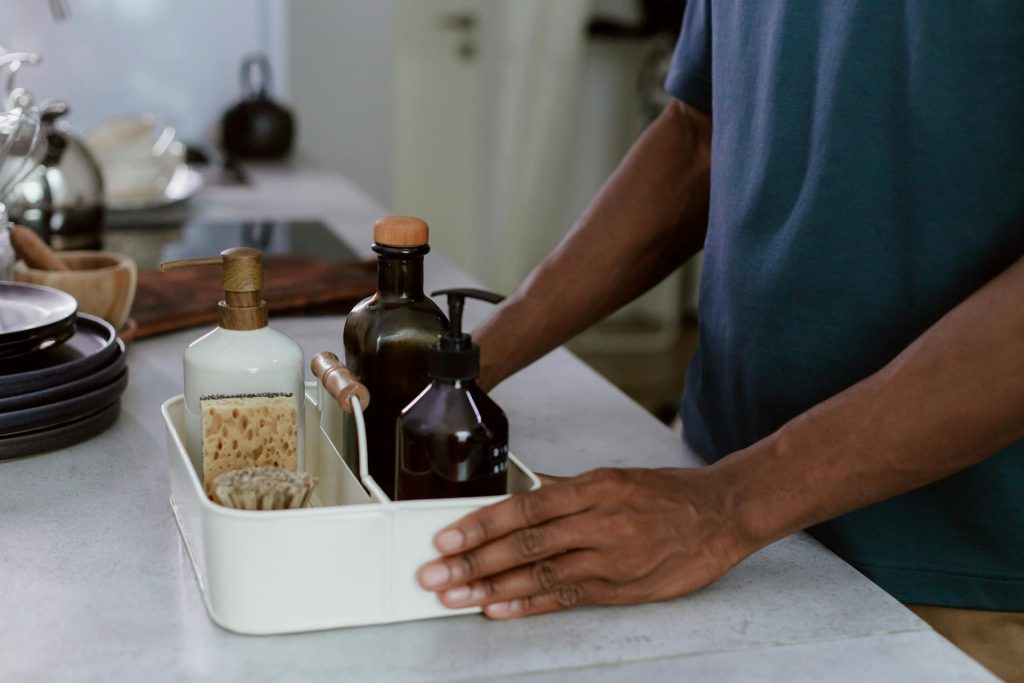
Don't just automatically trust every product with a green label you see! In the world of marketing, terms like "natural" and "non-toxic" get thrown around pretty loosely, so it really pays to know what actually makes something eco-friendly. Figuring that out can save you time, money, and protect you from accidentally using things that aren't good for you.
A truly eco-friendly cleaning product usually hits a few key points. First off, it uses ingredients that break down naturally, called biodegradable, so they don't leave behind nasty residues. Second, it stays away from harsh chemicals like ammonia, chlorine bleach, and artificial fragrances. You might have heard the Environmental Working Group (EWG) say these can trigger allergies and cause breathing problems.
The packaging matters too. If it's in something recyclable or refillable, that helps cut down on waste in landfills. Finally, look for trusted third-party seals like Green Seal, EcoLogo, or EPA Safer Choice. These give you confidence that the product really meets tough environmental and health safety standards.
Ingredients like white vinegar, baking soda, castile soap, and lemon juice might sound basic, but they’re actually super effective when you know how to use them. For instance, the acetic acid in vinegar is great at breaking down mineral buildup and grime, while baking soda gently scrubs away dirt and naturally freshens things up. And castile soap, which comes from vegetable oils, works wonderfully as an all-purpose cleaner as long as you dilute it right.
The real difference between regular cleaning and green cleaning is the long-term effect. Sure, one bottle of harsh cleaner doesn’t seem like a big deal, but using it over and over means you’re constantly exposing your lungs, skin, and even the water systems to harmful stuff. Switching to eco-friendly options lets you get your home sparkling clean without putting your health or the planet at risk.
The Health and Environmental Benefits of Eco-Friendly Cleaning
Choosing eco-friendly cleaning methods isn’t just about doing the right thing as it actually makes a real difference to your health and the environment. Let’s start with the things that matter most: the air you breathe and the surfaces you touch every single day.
Healthier Air and Surfaces at Home
When you use regular cleaning products, you’re probably filling your indoor air with volatile organic compounds, or VOCs. These are gases that come from things like disinfectant sprays, bleach-based cleaners, and even air fresheners. The U.S. Environmental Protection Agency lists eye, nose and throat irritation, headaches and nausea among the effects reported from VOC exposure, and notes that levels of about a dozen common organic pollutants averaged two to five times higher indoors than outdoors. How much any of that affects you depends on the product, the concentration and how long you are exposed.
Making the switch to non-toxic options helps cut down your contact with harsh chemicals. Items made with plant-based ingredients don’t release dangerous fumes, and many include essential oils like tea tree, lavender, or eucalyptus, which naturally fight bacteria without causing side effects. If you or anyone you care about deals with asthma, skin sensitivities, or other health concerns, you might start seeing positive changes right away after swapping out chemical cleaners.
Lower Environmental Impact
Eco-friendly cleaning solutions are designed to cause less damage to our waterways and natural environments. When regular cleaners go down the drain, they can wash pollutants like phosphates and chlorine into rivers like the Schuylkill and Delaware, two key water sources for Philadelphia. These chemicals can lead to excessive algae growth and harm the creatures living in the water.
Nutrients are the mechanism worth understanding here. EPA describes nutrient pollution — excess nitrogen and phosphorus reaching waterways — as one of the most widespread and costly environmental problems in the country, because it drives algal growth that starves the water of oxygen. Phosphates were removed from household laundry and dish detergents for exactly that reason. Keeping what you pour down the drain simple, and keeping it out of the storm drain entirely, is the part of it you control.
Supporting a Sustainable Future
You'll often find that green cleaning products come from companies that really care about doing the right thing. They focus on getting their ingredients ethically, don't test on animals, and work hard to keep their manufacturing processes environmentally friendly and carbon-neutral. When you choose to buy these products, you're essentially casting a vote with your money, showing your support for businesses that put sustainability first.
Take Philadelphia, for example. It's a city known for its strong sense of community and pride, and more and more families and companies there are really getting on board with green initiatives. Groups like the Clean Air Council and the Sustainable Business Network of Greater Philadelphia are actively encouraging people to make eco-friendly choices in their daily routines, including how they clean. Joining in this trend isn't about making huge sacrifices; it's mostly about making smarter, more informed choices.
Sustainable Practices for Eco-Friendly Home Cleaning
Switching to an eco-friendly cleaning routine for your Philadelphia home doesn't have to feel like a huge challenge. Actually, it all starts with making a few simple, thoughtful choices that can collectively shrink your environmental impact while also making your home a healthier place for you and your loved ones. The key to making this change involves the cleaning products you pick, the tools you use, and the habits you build to cut down on waste and save resources.
When you're buying cleaning supplies, it’s wise to look past the bold "green" labels and vague words like "natural" or "plant-based." What really sets eco-friendly cleaning products apart are third-party certifications like EPA Safer Choice, Green Seal, and EcoLogo. These stamps of approval are based on tough environmental and health standards, so you can trust that both the ingredients and the packaging have been checked for sustainability. In Philadelphia you can find these at MOM’s Organic Market, and refill-style shops open and close often enough that it is worth checking a store is still trading before you make the trip. Or, you could always make your own cleaners using simple ingredients like distilled white vinegar, baking soda, lemon juice, or castile soap since they work just as well and are much easier to understand.
Want to make your cleaning routine more eco-friendly? Reducing waste is a really important part of that. Think about how much we use – disposable paper towels, plastic bottles, and those single-use wipes really add up. Making the switch to reusable options, like microfiber cloths or washable mop heads, is not only better for the planet, but it can actually save you money down the road.
You can also cut down on plastic waste by looking for refillable cleaning stations. Some co-ops in Philadelphia or other eco-minded stores offer concentrated cleaning formulas that you can pour into your own containers. And buying cleaning supplies in bulk sizes means less packaging overall and fewer trips to the store, which is another great way to shrink your carbon footprint.
Mindful use of water and electricity is also key to greener cleaning. Even if you live in an older Philly home with maybe not-so-efficient fixtures or appliances, you can still make a difference with small habits. Things like turning off the tap while you're scrubbing, washing clothes in cold water, or investing in an energy-efficient vacuum with a HEPA filter can all significantly reduce your resource use without sacrificing a spotless home. These little changes might seem small, but they really do add up over time, helping lower your utility bills and lessening your impact on the environment.
The cleaning tools you pick are just as crucial as the products themselves. Swapping out synthetic sponges and plastic brushes for natural fiber scrubbers, compostable sponges, or wooden-handled tools with cotton or sisal heads is a simple change that makes a big difference. Not only do these items cut down on landfill waste, but they also help avoid the microplastic particles that many regular cleaning tools leave behind. Zero-waste and refill shops around the city stock these, and most general grocers now carry at least compostable sponges and natural-fiber brushes — check what is currently open near you rather than assuming a shop is still there.
Eco-Friendly Cleaning Tips for Different Areas of Your Home
Going green with cleaning isn't just about what you use; it's also about how you tackle each area of your house, adjusting your methods to fit the specific needs of each room. In Philadelphia homes, where historic details often meet everyday city dust, taking care of each space individually is both practical and satisfying.
Let's begin by focusing on your living room and bedrooms. These are usually the spots you spend the most time in, so they tend to gather dust, allergens, and clutter pretty fast. A simple damp microfiber cloth, along with a mix of vinegar and water, works wonders for grabbing dust and grime without needing those commercial sprays that are often packed with artificial scents. If you're looking to breathe easier indoors, many eco-friendly folks in Philly bring in natural air-purifying plants like peace lilies or spider plants as they're great at cutting down on pollutants. Making sure to vacuum your rugs and carpets regularly with a machine that has a HEPA filter can also pull out hidden allergens, which is especially helpful if you have pets or little ones around. And when it's time to clean your hardwood floors, go for a gentle solution of castile soap mixed with warm water instead of harsh floor cleaners. Those stronger ones, often containing ammonia or alcohol, can really dry out your wood floors.
The kitchen is a place where keeping things clean is super important, and using eco-friendly methods here can be really effective and safe. You can easily wipe down your countertops and appliances with a mix of vinegar, water, and lemon essential oil; it does a great job cutting through grease and killing germs without leaving behind any harmful residues where your food is. For cleaning the inside of your oven, try making a paste with baking soda and water, letting it sit overnight, and then wiping it all away the next day. That way, you won't need to use any harsh oven sprays. Your stainless steel sink will sparkle after a quick scrub with baking soda followed by lemon juice, which naturally freshens and brightens without scratching the surface. And when you're tidying up your refrigerator, just use castile soap and a damp cloth to make sure you aren't spreading chemicals on your food areas, definitely something you don't want near your groceries!
Your bathroom might feel like a place that really needs strong chemical cleaners, but you can actually get rid of soap scum and bacteria just as well with natural options. These are much safer for your health and better for the planet too. For example, mixing baking soda and vinegar makes a great toilet cleaner – just let it sit for a few minutes before you scrub. Showers and tubs also clean up nicely with a vinegar spray, followed by a gentle scrub with something like a natural-bristle brush or even an old toothbrush for the grout lines. And guess what? You don't even need harsh ammonia for mirrors and glass. Just mix equal parts vinegar and water, spray it on, and wipe it down with a lint-free cloth or some old newspaper for a streak-free shine. Even mold and mildew, which love damp spots like bathrooms (especially common in places like Philadelphia), can be managed. Keep the air flowing regularly, and sometimes use a mix of diluted tea tree oil – it’s known to fight fungus.
Want to keep your floors and carpets looking great? A simple way to help is by taking your shoes off at the door. It really cuts down on all the dirt and grime tracked in from outside, which means you won't have to deep clean as often. For hard surfaces like wood, tile, or laminate, just using a mop with a little diluted castile soap or vinegar water is often all you need to keep them shining, and it won't damage the finish or fill your home with harsh fumes. For your carpets, try giving them a good sprinkle of baking soda. Let it sit for at least 15 minutes, it helps soak up odors and lift dirt, then vacuum it all up. If you need a deeper clean, there are many eco-friendly carpet cleaning services in Philadelphia that offer steam treatments or use plant-based enzymatic cleaners. These options tackle stains and odors effectively without relying on synthetic perfumes or petrochemicals.
Remember, going green with your cleaning isn't about settling for less. It's about making choices that match what you value, protect your health, and are better for our planet. In every room of your house, you have chances to swap out those harsh cleaners for safer, more sustainable options, all while still keeping your home exactly as clean as you want it.
Eco-Friendly Cleaning Services in Philadelphia
Want to simplify your green cleaning routine and reclaim some of your time? A professional eco-friendly cleaning service might be just what you need. In a place like Philadelphia, where many houses are historic or multi-family dwellings, cleaning demands can get pretty involved. Bringing in pros who focus on non-toxic, sustainable methods ensures your home gets a deep clean while keeping your health and the environment safe.
What really makes professional green cleaners stand out isn't just the products they use, but how they go about their work. They stick to earth-friendly products that meet tough third-party standards, like EPA Safer Choice or Green Seal. Plus, these cleaners use washable microfiber cloths, non-toxic disinfectants, and methods that cut down on waste to keep their impact on the planet as small as possible. In neighborhoods such as Rittenhouse Square, Fishtown, and University City, many busy professionals and families depend on these services to keep up a healthy, regular cleaning schedule without the fuss.
Hometress is one option here. Our published policy is that each visit includes eco-friendly, people- and pet-safe supplies, and that you can request specific products to use or avoid — worth naming in the booking notes if a surface in your home needs a particular one. Booking is online: pick a tier and a cadence, and the screen calculates your total before payment.
Opting for a local eco-friendly cleaning service is also a great way to support the city's bigger sustainability efforts. When you team up with businesses that are cutting down on plastic, using biodegradable solutions, and saving water, you're actually helping Philadelphia move towards a greener future. Whether you're juggling a super busy schedule or just want that extra bit of peace of mind, professional green cleaning services provide a smart and responsible choice compared to older, more traditional methods.
How to Make the Switch to Eco-Friendly Cleaning
Making the switch to a more eco-friendly cleaning routine doesn't mean you have to go all-in at once. Actually, the most effective and lasting changes often start with small steps. Instead of swapping out all your cleaning supplies in one go, why not begin by replacing just one item, like your all-purpose spray or window cleaner, with a non-toxic, biodegradable option? This way, the process feels less overwhelming and gives you a chance to see what works best for your home.
It's just as important to get the people you live with on board as it is to change the products you use. Whether you share your space with family, roommates, or a partner, getting everyone aligned on why green cleaning matters can really help build lasting habits. Talking about the benefits, like fewer allergens, better air quality, and safer surfaces for kids and pets,can really encourage others to join in and support the change. You might even want to involve everyone in making simple DIY cleaners, like mixing vinegar with lemon or adding a few drops of essential oil to baking soda for scrubbing. These activities not only promote sustainability but also give you a chance to bond over shared goals.
Once you start making the switch to greener cleaning, getting into the habit of reading labels is really important. Even products that claim to be natural or eco-friendly can sometimes hide harmful ingredients like phthalates, synthetic dyes, or artificial fragrances. Taking the time to learn about ingredients and look for trusted certifications helps you feel confident about the choices you make. Try to steer clear of things like chlorine bleach, ammonia, and anything simply labeled "fragrance," as that term often masks a mix of chemicals you can't easily identify. There are useful tools, like the Environmental Working Group’s Guide to Healthy Cleaning, that can help you compare different products and spot any potential risks.
When you start swapping out your old cleaners for new ones, think about how to get rid of the ones you're replacing in an eco-friendly way. You shouldn't just pour old chemical cleaners down the drain or toss them in the regular trash, because they can pollute our water and release harmful stuff into the air. Instead, use the city's household hazardous waste drop-off events, which take chemicals, batteries and similar materials safely and free for Philadelphia residents. Dates and locations change, so check the current schedule on the Streets Department's household hazardous waste page before you load the car.
Think about the savings and benefits down the road. While some eco-friendly products might cost a bit more initially, their concentrated formulas often mean they last longer, and reusable tools mean you don't have to buy replacements as often. In the long run, this new routine supports your health and the environment, plus it can simplify your life and cut down on unnecessary spending.
Frequently Asked Questions About Eco-Friendly Cleaning
A lot of folks in Philadelphia who are thinking about greener cleaning often wonder if eco-friendly products are just as good as the regular ones. The answer is yes! When used the right way, non-toxic cleaners made from plants or minerals can clean just as thoroughly as their chemical versions. Ingredients like vinegar, hydrogen peroxide, and baking soda are classic solutions for disinfecting, cutting through grease, and getting rid of odors – especially if you use the right techniques and tools.
Another common question is whether you can whip up your own eco-friendly cleaning products at home. You absolutely can! In fact, many people in Philly prefer making their own because it gives them full control over what's in them. You can easily make a basic all-purpose cleaner by just mixing equal parts white vinegar and water – you can even add things like lemon juice or essential oils for a nice scent. It's not just cheaper, but it also lets you avoid those hidden additives and fragrances that often come in store-bought cleaners.
Price is definitely something to think about when choosing between regular and green cleaning services. While eco-friendly options might cost a bit more upfront because of the higher-quality products and special training involved, the real value comes from lowering your exposure to harsh chemicals and the positive effects on your health and the planet down the line. Plus, lots of cleaning companies in Philadelphia now offer green services at prices that are hard to beat, especially if you book them regularly, making it an option for families all over the city.
The bottom line is, eco-friendly cleaning in Philly isn't just a passing fad anymore, it's becoming a way of life that’s helping people, families, and neighborhoods live healthier and more sustainable lives. Whether you worry about the air your kids breathe, how much trash your home produces, or what chemicals might be on your surfaces, making the switch to green cleaning gives you peace of mind and real advantages.
You've now learned what makes a product eco-friendly, how to spot trustworthy green certifications, and ways to bring sustainable habits into every part of your home. You've looked into how professional cleaners can help, considered DIY options, and understood why cutting down on waste matters. It doesn't have to be overwhelming or break the bank; it’s really about making small, manageable changes that really add up over time.
If you would rather hand the work over, eco-friendly supplies are included on every Hometress visit under our published policy. Book online and review your total before payment — one visit to start, or a recurring cadence if you want it kept up.