
Winter is almost here, and with it comes the usual struggle of dealing with snow and ice. Your driveway, which is often the first part of your property to be affected, takes the hardest hit from the tough winter weather. If you don’t prepare properly, it can quickly turn into a dangerous and time-consuming issue. If you’ve ever had to scrape away stubborn ice in freezing cold or deal with piles of snow blocking your car, you know how important it is to stay ahead of winter’s challenges. Being prepared not only saves you time and effort but also helps avoid expensive damage to your driveway. Cracks can get worse, surfaces can wear down, and clearing snow becomes harder if you don’t take the right steps. By acting now, you can make sure your driveway stays safe, usable, and easy to take care of all winter long, giving you confidence and peace of mind during the colder months.
Start with an Inspection
Before it starts snowing, check your driveway for any problems. Look for cracks, holes, or other damage that could get worse when the weather changes between freezing and thawing. Fixing these issues now can save you from bigger, more expensive repairs later.
If you have an asphalt driveway, think about putting on a sealant before it gets too cold. Sealants protect your driveway by stopping water from getting into cracks and freezing. If you have a concrete driveway, use a special filler to fix any damage. This easy step helps your driveway stay strong during tough winter weather.
Invest in the Right Tools and Materials
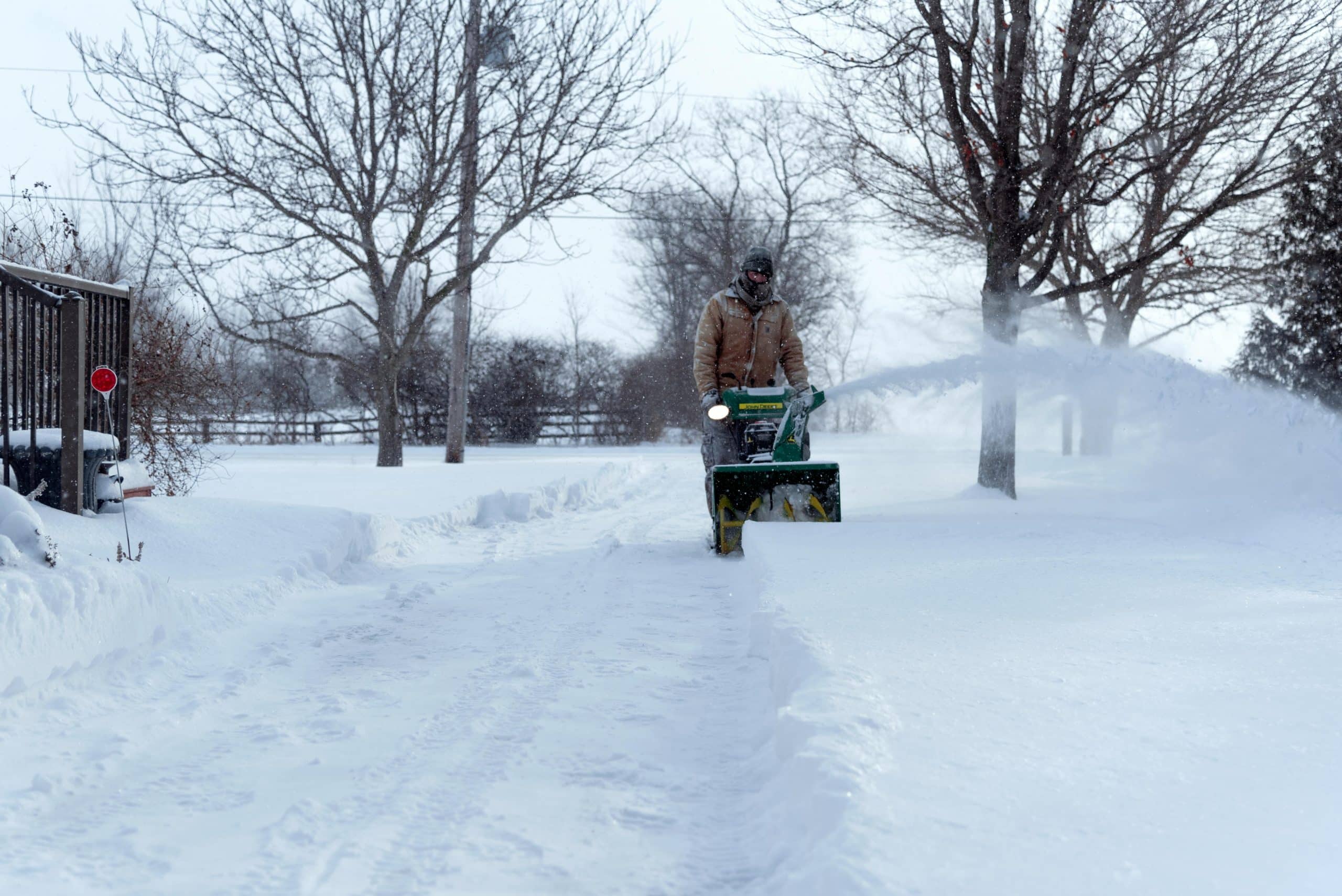
Having the right tools can really help when dealing with snow and ice. A strong snow shovel is essential, but not all shovels are the same. Try to find one with a comfortable handle to avoid hurting your back. If you have a big driveway, a snow blower might be a good idea. They cost more at first, but they save time and effort, especially during heavy snow.
Also, remember to use ice melt. Ice melt lowers the freezing point of water, making it easier to clear snow and stop ice from sticking to your driveway. Follow the surface and product manufacturer’s directions; deicers can damage concrete, plants, metal, and finished surfaces. If you have pets, choose a pet-safe ice melt to protect their paws.
Clear Snow Promptly and Effectively
When it starts snowing, don’t wait too long to clean it up. Fresh snow is easier to clear than snow that has been packed down or melted and then frozen again. Try to shovel or use a snow blower soon after the snow stops. If there’s a heavy snowstorm, clear your driveway in stages to stop the snow from building up too much.
Shoveling isn’t just about getting the job done quickly; it’s also about staying safe. To avoid straining yourself, push the snow instead of lifting it when you can, and take regular breaks to drink water and rest.
Prevent Ice from Forming
Ice can make winter driveways dangerous, but you can take steps to reduce it. After shoveling snow, spread ice melt or sand to make the surface less slippery. Sand doesn’t melt ice, but it helps with traction, which is great for sloped or uneven driveways.
If you live in a place with very cold winters, think about getting a heated driveway system. It can be expensive at first, but it means no more shoveling or dealing with ice.
Keep Your Driveway Safe
Using the wrong products or tools to remove ice can seriously harm your driveway. For instance, metal shovels can scratch asphalt or break pieces off concrete, which can lead to expensive fixes. Rock salt, though it works well, can also weaken concrete over time.
To prevent damage, use plastic shovels or ones with a rubber edge. If you’re using a snow blower, make sure it’s set up so it doesn’t scrape the driveway. When choosing de-icing products, pick ones that are safe for your driveway’s material, and always follow the instructions on the label.
Address Drainage Issues
Good drainage is very important to stop ice from forming and to protect your driveway. Make sure water flows away from your driveway instead of collecting on it. Bad drainage can cause icy spots that are dangerous and can also make damage from freezing and thawing worse.
If your driveway is on a slope, think about adding a trench drain or French drain to move water away. For flat driveways, keep gutters and downspouts clean and make sure they guide water away from the driveway.
Plan for Extreme Weather
Winter storms can be hard to predict, so it’s smart to have a plan for bad weather. Make sure you have things like salt for melting ice, sand, and gas for your snow blower before winter begins. Watch the weather reports and be ready to act fast if a storm is coming.
Besides getting your driveway ready, make sure your car is prepared for winter too. Keep a small snow shovel, an ice scraper, and a bag of sand or kitty litter in your trunk. These can help you deal with icy roads or get unstuck if your car slides on a slippery driveway.
Environmental Considerations for Winter Maintenance
As you prepare to take care of your driveway in winter, it’s important to think about how your choices affect the environment. Many common ice-melting products, like rock salt, can damage plants, soil, and water when they get washed away by melting snow. The Environmental Protection Agency (EPA) warns that too much salt runoff can make nearby rivers and lakes saltier, which harms water ecosystems.
To help protect the environment, use only the amount of deicer the product label calls for and remove excess material when conditions allow; road-salt runoff can harm freshwater and infrastructure. Sweeping up leftover product so you can reuse it is practical advice, not an EPA instruction. This way, you can keep your driveway safe while being kinder to the environment.
If you care about wildlife, pick ice melts that are safe for pets and the environment. These products are less harmful to animals that walk on treated surfaces. You can also use less chemical de-icers by trying things like snow mats or choosing a driveway surface that lets water drain naturally.
Another way to make your winter routine more eco-friendly is by using renewable energy. If you get a heated driveway, choose one that runs on solar or geothermal power. These options might cost more at first, but they are better for the planet in the long run and help reduce your carbon footprint.
Thinking about the environment helps protect nature and supports efforts to fight climate change. By making smart choices in how you handle snow and ice, you can keep your driveway safe while also helping the planet.
Consider Professional Services
If taking care of your driveway in winter feels like too much work, think about hiring a professional snow removal service. These services can save you time and effort, especially when there’s a lot of snow.
Using professionals can also lower the chance of getting hurt. Heavy snow shoveling can sharply strain the heart, especially for people with cardiovascular risks; the American Heart Association advises taking breaks and stopping immediately for chest pressure, lightheadedness, or palpitations. By letting someone else handle this job, you can focus on staying safe and healthy.
Stay Consistent Throughout the Season
Taking care of your driveway in winter isn’t something you do just once; it needs regular work all season long. Keep clearing snow, using ice melt, and fixing any drainage problems to keep your driveway in good shape and lower the chance of accidents.
Don’t forget, being prepared is important. By getting ready before winter starts, you can make dealing with snow and ice easier. With the right tools, supplies, and methods, your driveway will be ready to handle whatever winter brings.