
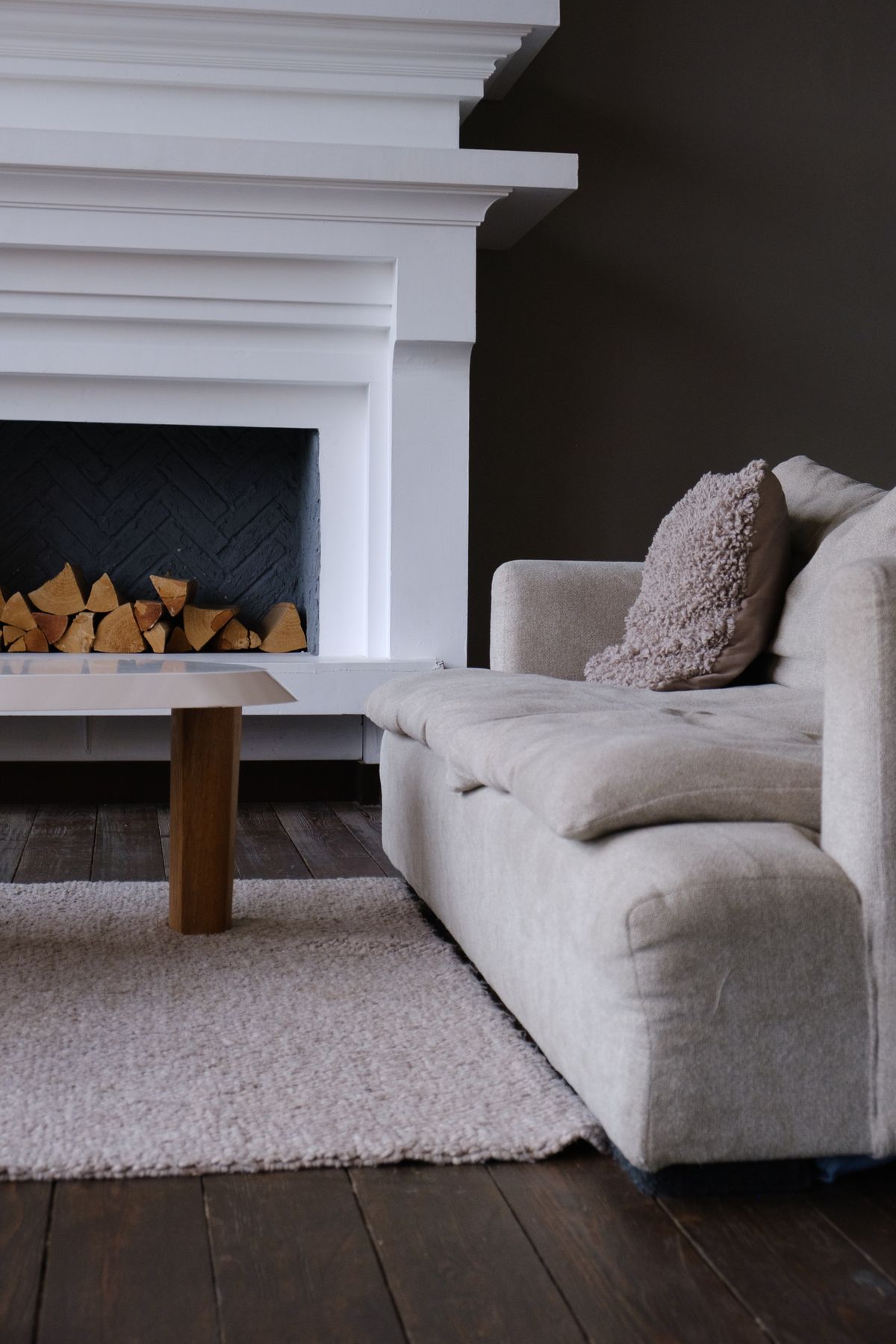
Cleaning a Seattle home before listing it for sale takes more than making the rooms look tidy. Seattle buyers move quickly online, but they are still careful when they walk through a property. They notice whether the home feels bright during a gray week, whether the entry carries damp dirt from the rain, whether the bathroom caulk shows mildew, and whether the kitchen smells clean without being overwhelmed by fragrance. That is why house cleaning Seattle homeowners schedule before listing should be treated as part of the selling strategy, not as a last-minute chore. A clean home helps buyers focus on the layout, light, finishes, and neighborhood instead of dust, odors, pet hair, grime, or signs of deferred care. In a market where presentation can shape first impressions before a showing is even booked, the right cleaning plan helps your home feel ready, cared for, and easier to imagine living in.
Why “Clean Enough” Is Different When You’re Selling in Seattle
The way you clean while living in your home is not the same way you clean before selling it. A home can feel perfectly acceptable to you and still fall short once buyers, agents, photographers, and inspectors start looking at it with fresh eyes. Normal daily cleaning usually focuses on comfort. Listing cleaning focuses on perception. It has to make the home feel fresh to someone who has no emotional attachment to it yet.
Seattle adds a few layers that sellers in drier or newer markets may not think about. A rainy-season entryway can collect mud, wet leaves, grit, and shoe marks faster than you expect. Pet hair can settle into rugs, corners, and condo hallways even when you vacuum often. Older bathrooms can show mildew around caulk, grout, or shower edges, especially in homes where ventilation has never been ideal. Window tracks can hold a surprising amount of grime in older buildings, and front steps or patios may pick up moss or green staining during damp months.
These details matter because buyers rarely judge a home one room at a time. They absorb the feeling of the home quickly. If the photos look bright but the home smells musty in person, the impression changes. If the kitchen looks staged but the inside of the fridge or oven feels neglected, the buyer starts wondering what else has been overlooked. If the basement has a damp smell, even a clean finished space may raise concerns.
A Seattle home going on the market needs to pass three tests. First, it needs to photograph well online, where buyers make fast decisions about whether a showing is worth their time. Second, it needs to smell clean and neutral when someone walks in. Third, it needs to create buyer confidence. That last part is where many sellers underestimate the work. Buyer confidence comes from small signs that the home has been cared for: clean baseboards, clear windows, fresh bathrooms, wiped cabinet faces, dust-free vents, clean floors, and an entry that does not feel like it is still carrying last week’s rain.
When you clean for a listing, you are not trying to impress yourself. You are trying to remove distractions before buyers start forming objections. The cleaner the home feels, the easier it is for buyers to focus on the space, the light, the flow, and the life they could build there.
The Seattle Listing Clean vs. a Regular House Clean
A regular house clean keeps a lived-in home manageable. It usually covers the visible routine areas: counters, sinks, toilets, mirrors, floors, dusting, trash, and general tidying. That may be enough for daily life, guests, or recurring upkeep, but a listing clean has a different standard. When your home is about to be photographed, toured, and compared against other Seattle listings, buyers are not only looking for whether the surfaces were wiped. They are looking for whether the home feels ready for someone new.
This is where sellers often run into the gap between “broom clean” and “move-in ready.” Broom clean may mean the home is empty, swept, and free of obvious debris. Buyers often expect more than that, especially when they are deciding whether a property feels well maintained. They may open cabinets, look inside appliances, check bathroom corners, notice baseboards, inspect window tracks, and react instantly to odors. Even if they never mention these things out loud, those details influence how they feel about the home.
A pre-listing clean is closer to a deep clean or move-out clean than a standard maintenance clean. It should reach the areas that regular cleaning often skips: the cabinet fronts around handles, the grease on the backsplash, the crumbs inside drawers, the dust along trim, the grime near the toilet base, the hair behind bathroom doors, the residue around shower glass, the smudges on switch plates, and the old dust sitting on blinds or window ledges. In Seattle homes, it should also account for moisture-related details like mildew-prone caulk, musty lower levels, damp entry mats, and exterior grime that builds up around steps or walkways.
It helps to think of four different cleaning levels. Daily cleaning keeps the home livable. Deep cleaning removes built-up dirt and detail-level grime. Move-out cleaning prepares an empty or mostly empty property for the next occupant. Pre-listing cleaning prepares the home for judgment. It includes parts of all three, but the purpose is specific: make the home feel cared for before buyers see it.
That purpose should shape every decision. If you are choosing between wiping the kitchen counter again or cleaning the cabinet edges near the handles, the cabinet edges may matter more for a listing. If you are choosing between adding a strong scent or actually removing the source of an odor, remove the source. If you are choosing between hiding items in a closet or organizing visible storage, remember that buyers may open storage areas.
A good listing clean makes the home feel calm, dry, bright, and ready. It lowers the chance that a buyer will get distracted by someone else’s daily life. In a Seattle sale, that can be the difference between a home that simply looks available and a home that feels ready to move into.
Before You Clean: Declutter Like the Photos Are Already Scheduled
Before any serious cleaning starts, you need to remove the things that make cleaning harder. Decluttering is not the same as cleaning, but it controls how effective the cleaning can be. If counters are covered, floors are blocked, bathroom ledges are crowded, and storage areas are overflowing, even a thorough clean will struggle to look photo-ready.
Start by imagining that the photographer is already booked. That mindset changes what you notice. The stack of Amazon packages near the door, the extra shoes by the entry, the wet jackets hanging in sight, the pet bed in the living room, the kitchen appliances crowded along the counter, the mail pile on the dining table, and the boxes in the hallway may all be normal for daily life. In listing photos, they become visual noise.
Seattle homes often have specific clutter patterns. Condos and apartments can collect hallway clutter quickly because there is less storage. Family homes in older neighborhoods may have mudroom-style entry areas full of rain gear, backpacks, shoes, dog leashes, and reusable bags. Townhomes can gather items on landings and stairs because vertical layouts make it easy to set things down temporarily. Garages and basements often become overflow zones during packing, especially when sellers are trying to get the main rooms ready first.
Clear the surfaces before expecting them to shine. Kitchen counters should be as open as possible, with only a few intentional items left out. Bathroom counters should be cleared of personal products, toothbrushes, razors, hair tools, and medicine. Tabletops, nightstands, window ledges, and built-ins should be simplified so dusting can actually reach the surface. Floors should be clear enough for vacuuming and mopping without constantly moving bags, bins, shoes, toys, or pet items.
Closets and visible storage deserve attention too. Buyers in Seattle often care about storage, especially in condos, older homes, and townhomes where space may already feel limited. Do not pack every closet so tightly that it looks like the home lacks room. Remove what you do not need during the listing period, then organize what remains. The same applies to garage shelves, basement storage, laundry areas, and pantry spaces.
Decluttering also helps with odor control. Pet blankets, damp shoes, old towels, laundry piles, trash, food packaging, and crowded soft goods can hold smells that cleaning alone may not solve. Removing or washing these items before the deep clean gives the home a fresher baseline.
The goal is not to erase all personality. The goal is to give every room enough space to look clean, open, and easy to understand. Once the clutter is gone, cleaning becomes more effective. Counters can be wiped properly. Floors can be cleaned edge to edge. Baseboards become reachable. Window tracks can be seen. Bathrooms feel larger. The home starts to look less like a place you are trying to manage and more like a property that is ready to be shown.
The Rooms Seattle Buyers Judge First
Buyers may walk through the whole house, but certain areas carry more weight. In Seattle, where homes can range from older Craftsman-style houses and townhomes to compact condos and hillside properties with damp lower levels, the highest-impact rooms are the ones that reveal how the home has been lived in. These are the areas to clean first and clean most carefully.
The kitchen usually gets the sharpest attention. Buyers notice grease, crumbs, cabinet smudges, appliance residue, sink buildup, floor stickiness, and odors. Clean the counters, backsplash, sink, faucet, cabinet faces, handles, range hood, stovetop, microwave, refrigerator exterior, and floor. If the appliance interiors are part of your plan, do not skip the oven and fridge. Even if buyers do not inspect them during the first showing, they may look later. A clean kitchen helps the home feel maintained. A greasy kitchen can make the whole property feel tired.
Bathrooms are next because they create the strongest emotional reaction. Scrub the tub, shower, toilet, sink, mirror, fixtures, vanity, floors, and the area around the toilet base. Pay close attention to grout, caulk, shower doors, corners, and exhaust fan covers. Seattle’s damp climate can make mildew feel like a recurring problem, especially in older bathrooms or homes with weaker ventilation. Buyers may not know whether a mildew stain is minor or serious, but they will notice it. Clean bathrooms should feel fresh, dry, and easy to use immediately.
The entryway sets the first in-person impression. In a Seattle home, the entry often carries evidence of the weather: damp mats, mud, grit, leaves, umbrellas, rain jackets, dog leashes, and shoes. Clean the door, threshold, floor, mat area, nearby walls, switch plates, and any visible storage. If there are exterior steps, a porch, or a walkway, sweep away leaves and remove visible moss or grime where appropriate. A buyer should not feel like they are stepping over daily clutter to enter the home.
Living areas need to feel bright and settled. Dust shelves, mantels, baseboards, vents, light fixtures, blinds, and window ledges. Vacuum upholstered areas if there is pet hair. Mop or vacuum floors carefully, especially along edges and under visible furniture. Clean windows where possible, because natural light matters in Seattle. A gray day already reduces brightness, so dirty glass or dusty blinds can make a room feel darker than it is.
Bedrooms should feel calm and low-maintenance. Make the beds, clear nightstands, dust surfaces, vacuum floors, clean mirrors, and remove laundry, storage bins, or excess personal items. Closets should look usable, not stuffed. Buyers do not need to see perfection, but they do need to feel that the room has enough space and storage for normal life.
Basements and lower levels need special care because they can trigger moisture concerns. Remove cobwebs, vacuum corners, wipe visible ledges, check for musty odors, and clean laundry areas or utility spaces. If the basement smells damp, do not try to cover it with fragrance. Ventilate, remove odor-holding items, clean soft surfaces where possible, and address visible mildew or grime. Buyers may treat basement odor as a warning sign, even when the issue is partly caused by old storage or poor airflow.
Garages should not be ignored. Even if the garage is not fully finished, it should be swept, organized, and free of obvious debris. Remove trash, old boxes, loose packing material, and anything that makes the space look smaller than it is. Buyers may not expect a spotless garage, but they do expect to understand its size and function.
Finally, look at the outdoor approach. Seattle buyers see the walkway, stairs, porch, patio, siding-adjacent areas, and exterior entry before they process the interior. Sweep leaves, clear dirt, remove obvious moss where safe and appropriate, wipe the front door area, and make sure the path to the home feels clean and maintained. A strong first impression outside makes the interior feel more credible once buyers walk in.
The Seattle Smell Test: What Buyers Notice Before They Notice the Floor Plan
Smell shapes a showing faster than almost anything else. A buyer can love the block, the kitchen layout, the natural light, and the commute, but if the home smells like pets, damp carpet, trash, smoke, old upholstery, or last night’s dinner, their attention shifts. They may still walk through every room, but part of their mind is already asking what caused the smell and how hard it will be to remove.
This is where many Seattle sellers run into the difference between a home that is photo clean and a home that is nose clean. Photo clean means the counters are clear, the floors look vacuumed, and the rooms are arranged well enough for online listing images. Nose clean means the home feels fresh when the door opens. Both matter, but the second one is harder to fake.
Seattle homes can hold odor in subtle ways. Damp weather can make old rugs, entry mats, basements, closets, and upholstered furniture smell heavier than they do during dry stretches. Pet beds, litter areas, dog blankets, and favorite couch corners can carry odor even when the visible hair is gone. Small condos can hold cooking smells longer because the kitchen, living area, and entry are often close together. Older homes with lower levels can develop a musty smell that sellers stop noticing because they pass through it every day.
Start with air movement. Open windows when weather allows, especially after cooking, cleaning, packing, or moving stored items around. Run bathroom fans and kitchen ventilation. Avoid cooking strong-smelling meals before showings, especially fish, fried foods, garlic-heavy dishes, or anything that lingers in curtains, rugs, or upholstery. Empty trash before every showing, including bathroom bins, kitchen trash, diaper pails, and pet-waste containers.
Then remove the sources instead of covering them. Wash pet blankets, slipcovers, throw blankets, entry mats, and washable rugs. Vacuum upholstered furniture thoroughly, including under cushions. Clean around litter boxes, food bowls, crate areas, and dog beds. Mop hard floors near pet zones and wipe baseboards where fur and dust gather. If carpet smells damp or pet-heavy, surface vacuuming may not be enough before buyers arrive.
Do not ignore drains. Kitchen sinks, garbage disposals, bathroom drains, laundry drains, and basement utility sinks can all create faint smells that become more noticeable in a closed home. Clean visible buildup, flush drains appropriately, and make sure no wet towels, sponges, mop heads, or laundry piles are sitting out.
Be careful with fragrance. Many Seattle buyers are sensitive to heavy scents, and a strong artificial smell can feel suspicious, especially if the home already has signs of pets, moisture, or smoke. A neutral, clean home will usually feel better than one that smells like candles, plug-ins, sprays, and disinfectant layered together. Fresh air, clean soft surfaces, empty trash, and dry bathrooms do more for buyer confidence than perfume-like scent.
Before photos and showings, walk outside for a few minutes, then come back in through the main entrance. That reset helps you smell the home more like a buyer would. Check the entry, kitchen, bathrooms, pet areas, basement, laundry area, and bedrooms. If one room has a smell you keep trying to explain away, buyers may notice it too.
Seattle Moisture Problems That Make a Home Look Neglected
Seattle moisture has a way of making ordinary dirt look like neglect. A home can be well cared for and still collect mildew near bathroom caulk, grime in window tracks, damp smells in lower levels, moss near exterior steps, or green staining on patios and walkways. Buyers may understand that the climate is damp, but they still react to what they see and smell during a showing.
Bathrooms usually show moisture first. Older tile, aging caulk, shower corners, grout lines, fan covers, and the area behind toiletries can develop mildew faster than sellers expect. Before listing, clean shower walls, glass, fixtures, tile edges, grout, and caulk lines carefully. If mildew keeps returning or caulk is cracked, cleaning may not be enough. That is a maintenance issue to address before buyers start wondering whether the bathroom has ventilation problems.
Windows are another Seattle trouble spot. Condensation areas, sills, tracks, and frames can collect dust, moisture marks, dead bugs, and dark grime. Clean glass matters for photos, but the edges matter in person. Buyers standing near a window to check light or views may notice dirty tracks and stained sills. In older homes or condos, this detail can make the room feel less maintained even when the rest of the space is tidy.
Basements, lower levels, and laundry areas need special attention because they can create the strongest concern. Remove cobwebs, wipe ledges, clean floors, check corners, and clear old storage that may be holding musty odor. Laundry rooms should look dry, functional, and organized. If there are visible water stains, active leaks, or persistent dampness, do not treat that as a cleaning issue. Cleaning can improve presentation, but it cannot replace proper repair or disclosure where a real moisture problem exists.
Entryways also carry the climate into the house. Rain gear, wet shoes, umbrellas, mats, and dog towels can make the first few feet of the home feel damp or cluttered. Clean the threshold, floor edges, nearby walls, closet floor, and any bench or shoe storage. Wash or replace entry mats if they smell old or look worn. During the listing period, keep extra shoes, coats, bags, and wet items out of sight before showings.
Outside, the approach to the home matters. Mossy steps, slippery-looking walkways, wet leaves, green-stained patios, and dirty siding-adjacent surfaces can make buyers think the exterior has been ignored. Sweep leaves, clear debris, and clean visible buildup where safe and appropriate. Pay attention to the path buyers will actually use, not only the areas that look good in photos. A clean front approach makes the home feel more cared for before the door opens.
Seattle sellers should think of moisture cleanup as buyer reassurance. You are not trying to pretend the climate is dry. You are showing that the home has been maintained despite the climate. Clean bathrooms, fresh windows, dry-smelling lower levels, clear entryways, and tidy exterior paths help buyers focus on the property instead of worrying about dampness, mildew, or deferred care.
The Photo-Ready Cleaning Timeline
A strong pre-listing clean works best when it follows the listing calendar. Cleaning too early can backfire because the home gets lived in again before photos. Cleaning too late creates panic if something is missed, if a room needs extra work, or if the home still has odors after the first pass. The goal is to give yourself enough time for deep work, then keep the home controlled until photos and showings.
Two to three weeks before listing, start with removal. Declutter the rooms that will be photographed, thin out closets, clear storage overflow, and remove items you do not need during the listing period. This is also the time to deal with donation piles, packed boxes, extra furniture, garage overflow, pet items, old linens, and anything that makes rooms feel crowded. Cleaning will be much easier once the home has less in it.
About one week before photos, focus on the high-impact cleaning zones. The kitchen, bathrooms, entry, living areas, windows, floors, and pet areas should get the most attention. This is the stage where you find the problems that take longer than expected: greasy cabinet edges, stained grout, dusty blinds, musty basement corners, window tracks, or a refrigerator that needs more than a quick wipe. Finding those issues a week out gives you time to correct them without rushing.
Three to seven days before photos, handle the full pre-listing clean. This is the best window for detailed work because the home will still feel fresh by the time photos happen, but you are not cleaning so late that missed areas become a crisis. The pre-listing clean should address visible surfaces, detail dust, floors, bathrooms, kitchen buildup, appliance exteriors, window areas, odor sources, entryways, and any buyer-facing storage areas.
The day before photos, do a reset rather than another full clean. Clear counters, wipe kitchen and bathroom surfaces, check mirrors and glass, spot-clean floors, empty trash, straighten beds, remove personal items, and walk through the home for odors. Open blinds and make sure the rooms feel bright. If the weather has been wet, check the entry, porch, steps, and mats so the first impression does not look muddy.
Before each showing, repeat a shorter reset. Buyers may schedule around work, weekends, and sudden availability, so your home needs a simple routine that can be done quickly. Keep cleaning supplies easy to reach, but out of sight. Keep pet items controlled. Avoid cooking anything with a strong smell while the home is active on the market.
Before the final walkthrough, treat the home closer to move-out clean standards. Empty cabinets and drawers, check appliance interiors if they are staying, clean bathrooms, sweep and mop floors, remove trash, clear the garage, and make sure no personal items are left behind. The listing clean helps attract the buyer. The final clean helps complete the handoff without creating a last-minute disappointment.
The 30-Minute Seattle Showing Reset
Once the home is listed, showings can interrupt normal routines. A full deep clean before every tour is not realistic, especially if you are still living in the home. What you need is a fast reset that protects the work already done and keeps the home feeling fresh when buyers arrive.
Start with light. Open blinds and curtains, especially in rooms that need every bit of brightness on a gray day. Turn on lights in the entry, kitchen, bathrooms, hallway, basement, and any room that tends to feel dark. Clean homes feel better when buyers can actually see the space. If a window has a view, make sure the glass and sill are not distracting from it.
Move next to the kitchen. Clear the sink, wipe counters, remove dishes, check the stovetop, and empty or tuck away trash if there is any odor. Put away sponges, dish towels, food packaging, and small clutter that makes the kitchen feel busy. If you recently cooked, ventilate the space and avoid using heavy sprays to hide the smell.
Bathrooms need a quick but careful pass. Wipe counters, sinks, faucets, mirrors, and toilet seats. Close toilet lids. Hang fresh towels or straighten the ones already out. Remove personal products from the shower ledge, tub edge, and vanity. Check the floor around the toilet and vanity for hair, dust, or water marks. A bathroom that looks almost clean can still feel neglected if these small areas are missed.
Handle pets before buyers arrive. Remove pet bowls, toys, litter tools, dog beds, and visible pet blankets where possible. Vacuum or spot-clean fur from the main walking paths, rugs, and furniture. If pets are leaving the home during showings, check the door area they use most often. Paw marks and pet hair tend to collect near entries.
Reset the entry. Seattle weather can make this area look messy fast. Remove wet shoes, rain jackets, umbrellas, shopping bags, dog towels, and damp mats from view. Sweep or wipe the entry floor if there is grit, mud, or leaf debris. Make sure the path from the front door into the home feels open and easy.
Do a quick floor scan. Spot-vacuum visible crumbs, pet hair, dust clumps, and entry debris. Straighten rugs. Check stairs if the home has a vertical layout. In townhomes, stairs often become the place where items are set down temporarily, so clear them before buyers arrive.
Finish with smell. Empty trash, open a window briefly if weather allows, and check the basement, bathrooms, kitchen, and pet areas. Aim for neutral air. A buyer should notice the space, not the scent. Before you leave, make the beds, straighten pillows, clear visible laundry, and do one slow walk from the front door to the main living area. That is the path buyers will use to form their first impression.
Neighborhood-Sensitive Cleaning Notes
Cleaning priorities change across Seattle because homes do not all carry the same problems. A compact condo, an older Craftsman-style home, a townhome with multiple stair flights, and a house with a damp lower level all need different attention before listing. The goal is to clean for the way buyers will experience that specific property, not for a generic checklist.
In older Ballard or Wallingford-style homes, buyers often notice the details that give the home character: wood trim, built-ins, older windows, original doors, stair rails, and bathroom edges. Dust on trim, grime around window tracks, dull woodwork, and mildew near older tile can make charm look like deferred maintenance. These homes usually need careful detail cleaning around baseboards, ledges, vents, old window frames, and bathroom corners.
Capitol Hill-style condos and older apartments often need a different focus. Smaller layouts make odors, clutter, pet hair, and kitchen mess feel more concentrated. Window ledges, blinds, compact bathrooms, entry closets, and kitchen counters carry a lot of visual weight because there is less space for the eye to move. In a condo, the goal is to make the space feel open, fresh, and easy to live in, not crowded by daily routines.
West Seattle sellers should think about timing as much as tasks. If the listing schedule includes photos, staging, cleaning, and repairs close together, travel time and access can affect the day. Build in enough margin so a late arrival, traffic issue, or wet-weather delay does not push cleaning into the last possible hour. This is especially important if the home needs exterior entry cleanup, pet odor work, or a full reset before weekend showings.
Queen Anne homes and view-oriented properties need special attention to glass, light, and sightlines. Buyers may spend more time near windows, balconies, and rooms with outlooks. Dirty glass, dusty sills, fingerprints, and clutter near view windows can weaken one of the property’s strongest selling points. Clean windows, clear ledges, and bright rooms matter more when light and outlook are part of the appeal.
South Lake Union and other newer condo-style spaces often need cleaning that supports a sleek, low-maintenance impression. Smudged cabinets, fingerprints on appliances, dusty vents, streaky glass, bathroom residue, and cluttered counters can stand out quickly against modern finishes. Pet hair can also be more obvious on hard floors and smooth surfaces, especially in smaller units.
Homes with basements or lower levels need odor and moisture attention no matter the neighborhood. Buyers may forgive an unfinished space, but they still want it to feel dry, usable, and maintained. Clear storage, remove cobwebs, sweep floors, check corners, and avoid covering musty smells with fragrance. A basement that smells clean and looks organized can support buyer confidence instead of creating concern.
Family homes in pet-heavy or high-traffic neighborhoods need extra focus on floors, stairs, upholstery, mudrooms, and entry areas. Daily life leaves evidence in corners, rug edges, baseboards, and soft surfaces. Before listing, these homes benefit from a clean that removes the feeling of active household traffic and helps buyers imagine their own routines there.
The best cleaning plan follows the property. Older homes need detail work. Condos need freshness and space. View homes need glass and light. Homes with lower levels need odor control. Pet-heavy homes need hair and soft-surface attention. Seattle buyers may be comparing homes across very different neighborhoods, but they are always looking for the same feeling: clean, cared for, and ready for the next owner.
What to DIY vs. What to Hire Out
Some Seattle sellers can handle pre-listing cleaning on their own, especially if the home has been well maintained and there is enough time before photos. If the kitchen is already clean, the bathrooms are in good shape, the floors only need routine attention, and the home does not have pet odor, damp smells, or heavy buildup, a careful DIY approach can work. The key is being honest about the standard. You are not cleaning for a normal weekend at home. You are cleaning for buyers who will notice details you have stopped seeing.
DIY is usually realistic when the home is small, lightly lived in, and already decluttered. It can also work when you have a flexible listing schedule, enough time to clean room by room, and the energy to handle detail areas like baseboards, window tracks, grout, cabinet faces, appliance edges, and entry floors. If you are still living in the home, you also need to keep up with the showing reset after the deeper cleaning is done.
Professional help becomes more practical when the home has issues that affect buyer perception quickly. Pets are one of the biggest reasons. Hair in corners, odor in soft surfaces, paw marks near entries, litter areas, and pet beds can be hard for owners to judge objectively. Dampness is another factor. Seattle homes with musty basements, mildew-prone bathrooms, older windows, or wet-season entry buildup often need more focused cleaning before buyers arrive.
A tight photo deadline also changes the decision. If photos are scheduled in a few days, you may not have enough time to deep clean, declutter, handle odors, and correct anything missed. Larger homes, older homes with detailed trim, homes with multiple bathrooms, move-out properties, and homes that have been rented or heavily lived in usually need more than a light DIY pass.
Kitchen grease, dirty appliance interiors, old bathroom residue, stained grout, dusty blinds, neglected baseboards, and garage or basement debris are also signs that help may be worth considering. The decision should come down to time, condition, and risk. If a cleaning issue could distract buyers, weaken photos, or create doubt during a showing, it deserves more attention before the home goes live.
The “Broom Clean” Trap Before Closing
After a buyer accepts the home, cleaning can still create tension. Sellers often focus so much on getting through photos, showings, inspection, and negotiation that the final handoff becomes an afterthought. That is where the idea of “broom clean” can cause problems. A contract or local custom may set a minimum standard, but buyer expectations are often higher than the minimum.
By the final walkthrough, the buyer is no longer imagining the home from listing photos. They are preparing to take possession. Empty rooms make dirt more visible. Dust lines show where furniture used to sit. Cabinets that looked fine from the outside may reveal crumbs, old liners, or sticky spots. Appliances that were not opened during the first showing may now get checked. Bathrooms, garage floors, closets, laundry areas, and basement corners all become more noticeable once the seller’s belongings are gone.
Treat the final clean as a handoff. The home should be empty, wiped, swept, odor-free, and free of trash or leftover items. Kitchen cabinets and drawers should be checked. Appliance interiors should be cleaned if they are staying with the property. Bathrooms should be scrubbed, mirrors cleaned, toilets fresh, sinks wiped, and floors cleaned. Closets should be empty. The garage should be swept and cleared of debris. Basement and laundry areas should be free of loose trash, cobweb buildup, and abandoned supplies.
This final stage matters because it shapes the buyer’s last emotional impression before ownership. A home that looked beautiful online can still leave a sour feeling if the buyer arrives for walkthrough and finds dirty appliances, forgotten trash, pet hair, or leftover junk. A clean final handoff helps the sale end on a professional note. It tells the buyer that the home was cared for through the finish line, not just polished for the listing.
Common Mistakes Seattle Sellers Make Before Listing
Cleaning after photos instead of before
One of the easiest mistakes is waiting until after photos to do the serious cleaning. By then, the listing has already made its first impression online. Floors, windows, counters, bathroom surfaces, and clutter all affect how bright and inviting the home looks in photos. Cleaning before photos gives the listing its best chance from the start.
Ignoring pet odor because you are used to it
Pet owners often stop noticing the smell of their own home. Buyers do not. Pet beds, rugs, couches, litter areas, dog blankets, and favorite corners can hold odor even when the home looks tidy. Before listing, wash what can be washed, vacuum soft surfaces, clean pet zones, and remove visible pet items before showings.
Using too much fragrance
A strong candle, plug-in, spray, or heavily scented cleaner can make buyers wonder what is being covered up. Seattle buyers can be sensitive to fragrance, and many respond better to clean, neutral air than a perfume-like smell. Remove odor sources first, ventilate when possible, and keep scents subtle.
Skipping window tracks and sills
Clean glass helps photos, but buyers standing near a window may notice the tracks, ledges, blinds, and frames. This matters in older homes, condos, and view-oriented properties where windows draw attention. Dust, dead bugs, and grime in the tracks can make the home feel less maintained.
Leaving mildew around bathrooms
Mildew near caulk, grout, shower corners, and fan covers can make a bathroom feel older and less cared for. Seattle’s damp climate makes this common, but buyers still react to it. Clean visible mildew before listing, and address cracked caulk or persistent moisture if cleaning does not solve the issue.
Assuming buyers will not inspect appliances
Buyers may open the fridge, oven, microwave, dishwasher, cabinets, and drawers during later visits or walkthrough. Grease, crumbs, residue, or old smells inside these areas can undo the impression created by clean counters. If appliances are staying, they should look and smell ready for the next owner.
Forgetting the entry
The entry is easy to overlook because sellers pass through it every day. Buyers experience it as the first physical moment of the showing. Mud, wet mats, shoes, umbrellas, leaves, dog towels, and porch grime can make the home feel messy before anyone reaches the living room.
Not planning around wet weather
Rain can undo parts of a clean quickly. Entry floors, mats, steps, walkways, patios, and dog areas may need extra checks before showings. During damp stretches, plan for a quick entry reset and keep wet gear out of sight.
Relying on a quick tidy
A quick tidy can make a room look better, but it rarely solves built-up kitchen grease, bathroom grime, pet odor, dusty trim, or musty lower levels. Before listing, buyers need the home to feel cared for, not simply straightened.
Final Pre-Listing Cleaning Checklist
First impression areas
Clean the front door, handle, threshold, porch, steps, walkway, entry floor, nearby walls, switch plates, mats, and visible coat or shoe storage. Remove wet gear, extra shoes, umbrellas, dog towels, packages, and bags before photos or showings.
Kitchen
Wipe counters, backsplash, cabinet faces, handles, sink, faucet, stovetop, range hood, microwave, refrigerator exterior, appliance edges, and floors. Check the oven, fridge, drawers, and cabinets if buyers may inspect them. Remove trash, food packaging, dirty sponges, and strong cooking smells.
Bathrooms
Scrub toilets, tubs, showers, sinks, mirrors, fixtures, counters, floors, grout, caulk lines, shower glass, exhaust fan covers, and the area around the toilet base. Remove personal products, laundry, old towels, visible cleaning tools, and anything that makes the room feel crowded.
Floors and soft surfaces
Vacuum carpets, rugs, stairs, and upholstery. Mop hard floors. Pay attention to corners, edges, under visible furniture, and pet-heavy zones. Remove hair, crumbs, dust clumps, and entry grit.
Windows and light
Clean glass where possible, then check sills, ledges, blinds, frames, and tracks. Open blinds for photos and showings. Clear clutter near view windows, balcony doors, and rooms where light is a selling point.
Odors and pet areas
Empty trash, wash pet blankets, remove litter tools, clean pet feeding areas, vacuum furniture, ventilate, and check drains. Avoid heavy fragrance. Aim for clean, neutral air.
Moisture and mildew spots
Check bathroom caulk, grout, window condensation areas, basement corners, laundry areas, entry mats, porch steps, patios, and walkways. Clean visible mildew, moss, leaves, and wet-season grime where safe and appropriate.
Storage, garage, and basement
Thin closets, organize shelves, clear storage overflow, sweep garage floors, remove trash, wipe laundry surfaces, and clear cobwebs. Make storage areas look usable rather than overloaded.
Final showing reset
Open blinds, turn on lights, wipe counters, close toilet lids, refresh towels, clear sinks, empty trash, remove pet items, spot-vacuum floors, straighten beds, sweep the entry, and check for odors before leaving.
Clean for Buyer Confidence, Not Just Cleanliness
Cleaning a Seattle home before listing is about more than making each room look neat. Buyers are reading the home for signs of care. They notice whether the photos feel bright, whether the entry is clean after a rainy week, whether the bathrooms look fresh, whether the basement smells dry, whether pet odor is under control, and whether small details suggest the home has been maintained.
A strong pre-listing clean removes doubt. It helps buyers focus on the home’s layout, light, storage, finishes, and neighborhood instead of grime, smells, clutter, or moisture signs. It also gives sellers a better routine for showings, because the home starts from a cleaner baseline and only needs controlled resets while it is active on the market.
The goal is not perfection. The goal is buyer confidence. A Seattle home should feel bright, dry, fresh, cared for, and easy to imagine moving into. When the cleaning supports that feeling, the listing has a stronger chance to make the right impression from the first photo to the final walkthrough.