
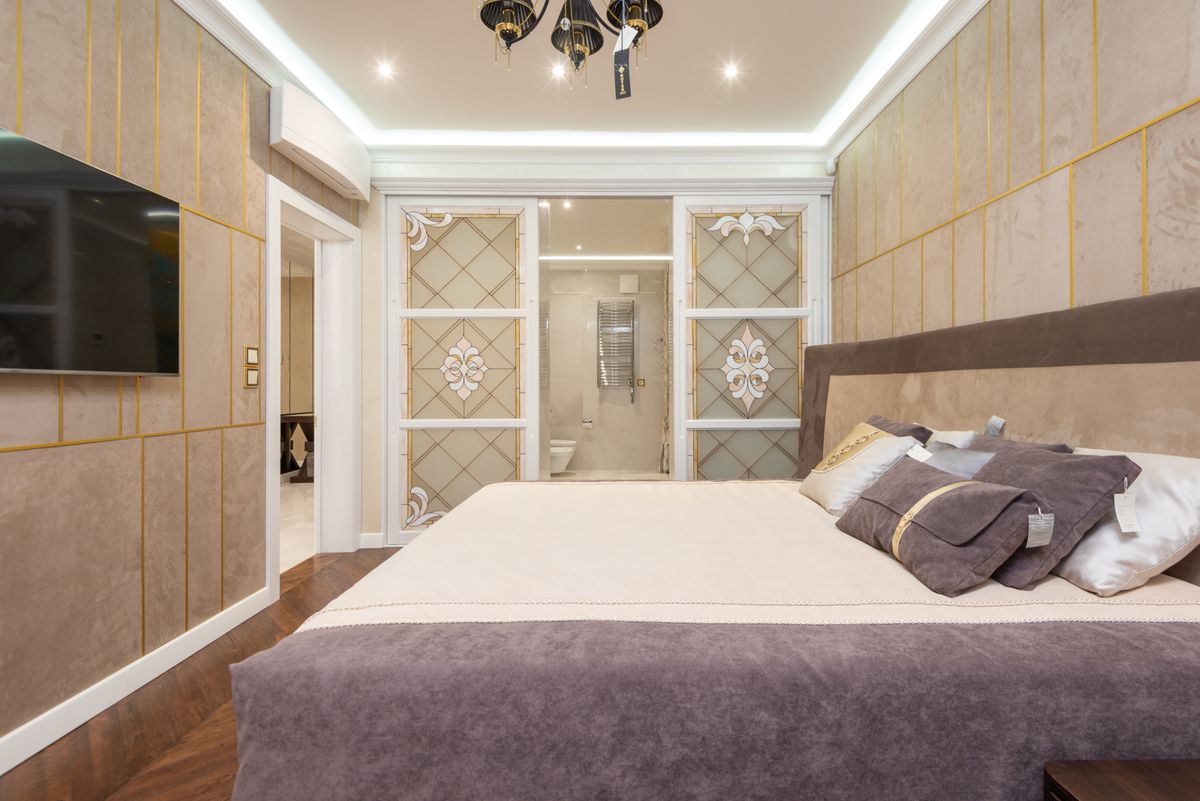
Airbnb cleaning in Seattle has to move faster than regular house cleaning because the next guest is often already on the way. A proper turnover clean does more than remove dust, trash, and fingerprints. It resets the space so it feels ready for a paid stay, with fresh linens, stocked basics, checked appliances, clean bathrooms, photo proof, and enough buffer to protect your next check-in. In a city with dense rentals, weekend guest flow, summer travel, and unforgiving cleanliness reviews, Seattle hosts need a system, not just a cleaner.
Why Seattle Airbnb Cleaning Has Its Own Rules
Seattle Airbnb cleaning has its own rhythm because the city does not behave like one single market. A same-day turnover in Capitol Hill, Downtown, South Lake Union, Belltown, Queen Anne, Fremont, or Ballard can feel completely different from a slower weekday reset in Shoreline, Edmonds, SeaTac, Renton, or Burien. In Seattle proper, the cleaner may be dealing with apartment access, elevator timing, paid parking, compact kitchens, shared trash rooms, and guests arriving only a few hours after checkout. In the surrounding areas, the bigger issue may be drive time, service radius, minimums, and whether the cleaner can realistically cover another property afterward.
Most hosts think about Airbnb cleaning as a checklist, but in Seattle, the harder problem is the triangle of clock, laundry, and guest review. The usual 10am to 4pm or 11am to 3pm turnover window sounds manageable until the last guest leaves wet towels in every room, the dryer runs slow, the building access code stops working, or the next guest asks for early check-in. A Saturday turn in Capitol Hill during a busy travel weekend does not have the same margin for error as a Tuesday clean in a single-family rental outside the core.
That is why Seattle hosts need to think in systems. The cleaner needs a unit-specific checklist, clear supply locations, backup linens, photo expectations, damage-reporting rules, and a realistic scope. The property needs to be set up so the turnover can happen quickly without guessing where the trash bags, shampoo refills, towels, or extra sheets are stored. A clean Airbnb is the visible result. The real work is the process underneath it.
The Seattle Turnover Reality: It’s Not Just a House Clean
A regular house clean is usually built around comfort for the people who already live there. An Airbnb turnover is built around first impressions for people who have never stepped inside before and will judge the space within minutes. Seattle hosts need to understand that difference because a cleaner who does excellent residential work can still miss the details that matter in a short-term rental.
In a normal home, a cleaner may focus on floors, counters, bathrooms, dusting, and general tidiness. In an Airbnb, the cleaner also has to think like a guest, an inspector, and sometimes the host’s eyes on the ground. The fridge has to be checked for leftover food. The microwave cannot have splatter from the last stay. The remote should not feel sticky. Drawers need to be opened. Under beds need to be checked. Trash, recycling, and compost need to be removed. Supplies need to be restocked. Linens need to look fresh, not just washed. Towels need to be placed where guests expect them. The entry area should not have loose trash or a dirty door handle before the guest even gets inside.
This matters even more when the host manages remotely. Many Seattle Airbnb owners are not walking the unit after each stay. They rely on the cleaner to notice broken furniture, stained sheets, missing items, low toilet paper, empty soap, unusual odors, or guest damage. Without a photo process, the host may not know what the guest is about to see.
Seattle guests also bring hotel-level expectations, especially in central neighborhoods where short-term rentals compete with hotels, apartment-style stays, and professionally managed units. A guest who books near Downtown, SLU, Belltown, or Capitol Hill is not grading the space like a friend visiting someone’s spare room. They expect the bathroom to feel unused, the bed to look crisp, the kitchen to be reset, and the whole unit to smell fresh without heavy fragrance. The cleaner’s job is not just to make the space look better than it did at checkout. The job is to make the next guest feel like the previous guest was never there.
The 11am–3pm Problem: Why Timing Controls Everything
The most important part of Airbnb cleaning in Seattle is often the clock. Many turnovers happen inside a narrow window between checkout and check-in, commonly around 11am to 3pm or 10am to 4pm. On paper, that looks like four to six hours. In practice, the usable time can shrink quickly once the cleaner deals with traffic, parking, building access, laundry, unexpected messes, and the final photo report.
This is why laundry has to start first. Beds should be stripped as soon as the cleaner enters, and towels should be gathered before deep cleaning begins. If laundry is handled on-site, the machines set the pace. A slow washer, a small dryer, or one extra load can throw off the entire turn. If laundry is handled off-site, the cleaner still needs a clean backup set ready to go. Waiting until the end to deal with sheets and towels is one of the easiest ways to lose control of the schedule.
Floors should come last for the opposite reason. During a turnover, dust, crumbs, hair, lint, and small debris keep moving as beds are changed, towels are handled, trash is removed, and bathrooms are cleaned. If the cleaner mops too early, the floor can pick up footprints or new debris before the final walkthrough. The better flow is to do an early pass for visible hair and crumbs, then finish with the final vacuum and mop after everything else has been reset.
Weekday turns and weekend turns do not always feel the same. A weekday turnover may give the host and cleaner more room to communicate, adjust, and solve small problems. A Saturday turnover in Seattle proper can feel like triage because more guests are checking out, more guests are checking in, and more hosts are trying to use the same pool of cleaners. During summer, cruise season, big events, and holiday weekends, a small delay can become a check-in problem. Timing is not a background detail in Seattle Airbnb cleaning. It is one of the main standards of the job.
Seattle Proper vs Drive-Out Turnovers
A useful Seattle Airbnb cleaning plan should separate Seattle proper from drive-out turnovers. The cleaning tasks may look similar on paper, but the day does not run the same way. A cleaner moving between Capitol Hill, Downtown, South Lake Union, Belltown, Queen Anne, Fremont, Ballard, Eastlake, or Westlake may be dealing with dense scheduling, apartment access, limited parking, elevator delays, loading zones, trash rooms, compact units, and guests who expect a polished city-stay experience. Even when the unit is small, the logistics can make the turn harder.
Central Seattle properties often need sharper instructions because there are more non-cleaning steps around the clean. The cleaner may need a building code, lockbox location, garage instructions, package-room directions, trash chute rules, recycling details, and a backup contact if access fails. If the unit is in a condo or apartment building, the cleaner may lose time before the first bed is stripped. That time still counts against the check-in window.
Drive-out turnovers in Shoreline, Edmonds, SeaTac, Renton, or Burien have a different challenge. The property may be easier to access, but the cleaner has to account for travel time and whether the job fits into the rest of the route. A host outside Seattle proper may need to ask more direct questions about service radius, minimum charges, weekend coverage, and how much buffer the cleaner needs between jobs. The risk is not always the clean itself. Sometimes the risk is assuming that a cleaner who covers Seattle can easily add a surrounding-area turn without affecting timing.
For hosts, the practical lesson is simple. Do not build your turnover system around a generic Seattle label. Build it around the actual neighborhood, building type, access process, laundry setup, and travel reality of the property.
The Non-Negotiable Seattle Airbnb Turnover Checklist
A strong Seattle Airbnb turnover checklist should begin before any scrubbing starts. The cleaner should confirm entry, check for obvious damage, open windows where appropriate, note odors, and look for anything unusual left by the previous guest. If the unit has a tight same-day window, the first real task should be linens. Strip all beds, gather used towels, separate stained items, and either start laundry immediately or bag everything for off-site washing. Clean backup sheets and towels should already be available so the bed reset is not dependent on a dryer finishing at the last minute.
Trash should be handled early. Kitchen trash, bathroom trash, bedroom bins, recycling, compost, and leftover food should be removed before the cleaner gets deep into the reset. The fridge needs to be opened and checked, not just wiped outside. Guests notice old food quickly, and it makes the whole unit feel neglected. The cleaner should also check the entry area, especially in buildings or homes where loose trash near the door can shape the guest’s first impression.
The kitchen needs a full guest-facing reset. Counters, sink, faucet, cabinet fronts, table surfaces, stove, microwave, coffee maker, fridge handles, appliance handles, switches, and trash area should be cleaned and checked. Dishes should be washed, loaded, unloaded, or put away depending on the unit’s process. The microwave needs to be opened. The toaster or coffee station should be checked for crumbs, spills, used pods, or empty supplies. Dish soap, dish tabs, paper towels, trash bags, coffee or tea, and a clean sponge should be restocked according to the host’s standard.
Bathrooms need the most unforgiving attention. Toilets, sinks, faucets, counters, mirrors, showers, tubs, tiles, shower glass, floors, cabinet fronts, trash bins, bath mats, and towel areas should be cleaned and reset. Hair needs to be checked in drains, corners, shower walls, around the toilet base, behind the door, and on towels. Chrome and glass should not be left streaky because streaks make guests question whether the bathroom was fully cleaned. Toilet paper, hand soap, shampoo, conditioner, body wash, extra towels, and bath mats should be checked before the cleaner leaves the room.
Bedrooms should be reset with fresh linens, clean pillowcases, smooth bedding, and towel placement that matches the host’s guest setup. Nightstands, lamps, switches, handles, window sills, closet areas, under-bed spaces, and visible surfaces should be checked. Linens should be inspected for hair, stains, and lint before the bed is considered ready. A bed can be made neatly and still fail the guest test if a stray hair is sitting on the sheet or pillow.
Living areas need more than a quick vacuum. Remotes, switches, handles, tables, shelves, window sills, blinds, sofa cushions, rugs, and visible decor should be dusted, wiped, straightened, and checked for crumbs or personal items. Pillows and throws should be returned to the listing setup as much as possible. If the unit has a balcony, entry nook, laundry area, or desk setup, those spaces need to be included because guests use them even when they are not the main rooms in the listing photos.
Restocking should be treated as part of cleaning. Toilet paper, paper towels, dish tabs, trash bags, soaps, shampoo, body wash, coffee, towels, linens, and guest basics should be checked every turn. If supplies are low, the cleaner should report it before the next guest has to ask.
The final step should be floors, walkthrough, and photos. Vacuum carpets, rugs, bedrooms, living areas, corners, and under visible furniture. Mop hard floors last, working toward the exit where possible. Then do a final pass through every room. Open drawers, check appliances, inspect the bathroom, confirm trash is gone, look for odors, verify supplies, and send photos of the finished unit. In Seattle Airbnb cleaning, the checklist is not complete until the host has proof that the space is guest-ready.
The Hair War: The Detail That Kills Cleanliness Reviews
Hair is one of the fastest ways to lose a guest’s trust. Dust can look like a missed chore. Hair feels personal. When a guest finds hair in the shower, on a pillowcase, inside the sink, around the toilet, on a towel, or stuck to the bathroom floor, they immediately feel like the previous guest is still in the room. That reaction can overpower everything else that was done well.
Seattle Airbnb hosts should treat hair as its own turnover category, not as something covered by general bathroom cleaning. Bathrooms need a slow visual check after the main scrub is done because wet surfaces and light-colored tile can hide strands until the cleaner changes angle. Shower drains, tub edges, corners, baseboards, bath mats, and the floor behind the door deserve extra attention. In bedrooms, sheets and pillowcases should be inspected before and after the bed is made. Upholstery, throw blankets, rugs, and sofa cushions should be lint-rolled or checked closely, especially in pet-friendly units or high-turnover spaces.
The most reliable system is a two-pass approach. Do an early vacuum or sweep once trash and linens are moving so loose hair and crumbs do not travel through the unit. Then do the real final vacuum and mop after the rooms are staged. A lint roller should be part of the turnover kit, not something used only when there is visible pet hair. Good lighting also matters. A bright handheld light or headlamp can reveal hair, dust, cobwebs, and streaks that normal room lighting hides.
The goal is not perfection for its own sake. The goal is to remove the detail that makes guests feel the clean was fake. If a Seattle host is tracking only one cleanliness trigger across reviews and cleaner photos, hair should be near the top of the list.
Laundry and Linens: The Hidden Bottleneck in Seattle Airbnb Turns
Laundry is one of the biggest reasons Airbnb cleaning costs more and takes more planning than a regular clean. A small unit can become a difficult turnover if there are multiple beds, towels in every room, stained sheets, slow machines, or a same-day check-in. In Seattle, where many turnovers happen inside tight windows and peak weekends can stack bookings close together, linen planning can decide whether the unit is ready on time.
The safest setup is to keep at least one full backup set of sheets and towels for every bed. High-turnover units should strongly consider two full sets, especially if the property often gets weekend bookings, family stays, or same-day turns. A cleaner should not have to wait for the dryer before making the beds. Clean linens should be ready, organized by bed size, and stored where the cleaner can find them quickly. If the host uses duvet covers, extra pillowcases, sofa-bed sheets, or different towel counts by guest group, those details should be written into the unit checklist.
Stained linens need a clear rule. They should be separated immediately, photographed if needed, and removed from the guest-ready set. A cleaner trying to decide on the spot whether a stained pillowcase is acceptable is already working with too much uncertainty. The host should define what gets reused, what gets treated, and what gets retired.
Off-site laundry can make sense when the unit has frequent back-to-backs, limited machines, or more linens than the cleaner can reasonably process during the turn. Some Seattle operators treat laundry like infrastructure, especially when they handle multiple units or need consistent linen quality. Even without a formal off-site setup, the same principle applies: laundry should not be the fragile part of the system.
Towel placement also matters. Guests should not have to search for basics after traveling. Some hosts place towel sets on beds, while others stock bathrooms or linen closets. The exact setup matters less than consistency. When towels, sheets, and extras are staged the same way every time, the unit feels intentional, and the cleaner has a clear finish line.
Restocking Is Part of Cleaning, Not an Extra
A Seattle Airbnb can look spotless and still feel unfinished if the basics are missing. Guests do not separate cleaning from readiness the way hosts and cleaners sometimes do. If there is no toilet paper in the bathroom, no hand soap at the sink, no trash bag in the kitchen, or no coffee where the listing implied it would be, the guest experiences the unit as unprepared.
Restocking should be built into every turnover checklist. At minimum, the cleaner should check toilet paper, paper towels, trash bags, dish tabs, dish soap, hand soap, shampoo, conditioner, body wash, coffee or tea, clean sponges, laundry supplies if guests have access to laundry, and the correct towel count. If the property uses small welcome items, those should be checked during the same pass. The goal is for the next guest to settle in without messaging the host for something basic.
This matters even more for remote hosts. If the host is not walking the unit between stays, the cleaner is the person most likely to notice that the shampoo is almost empty, the last trash bag is being used, or the coffee supply will not last through the next booking. A simple low-supply message after the clean can prevent a guest complaint later.
Central Seattle guests may also arrive with hotel-like expectations, especially in Downtown, South Lake Union, Belltown, Capitol Hill, or Queen Anne units where they are comparing the stay to nearby hotels and professionally managed rentals. They may not expect luxury, but they do expect the essentials to be there. A clean shower loses impact if there is no body wash. A reset kitchen feels incomplete if the sponge is used up or the paper towels are gone.
Hosts should make restocking easy by storing supplies in one labeled location and setting a clear par level. The cleaner should know what “fully stocked” means for that property. That might be two extra toilet paper rolls per bathroom, one wrapped sponge per stay, a set number of coffee pods, or a full hand soap bottle at each sink. Without those standards, restocking becomes guesswork, and guesswork eventually shows up in guest messages.
Photos or It Didn’t Happen: Documentation for Remote Hosts
Photo documentation should be treated as part of the turnover, especially for Seattle hosts who are not physically checking the property after each stay. A cleaner can do good work, but without photos, the host has no immediate proof of what the next guest will see. When the schedule is tight and another guest is arriving the same afternoon, photos help the host catch issues while there is still time to fix them.
A basic photo set should include the entry area, kitchen, bathrooms, bedrooms, beds, linens, living room, floors, stocked supplies, and trash removed. If the unit has a balcony, desk, laundry area, or outdoor entry, those should be included when relevant. The host does not need twenty artistic photos. They need clear, consistent proof that the main guest-facing areas were reset.
Photos also protect the cleaner. If a guest later claims the unit was not ready, timestamped photos can show the condition at the end of the turn. If the previous guest damaged furniture, stained linens, broke a blind, left excessive trash, or caused a mess beyond normal use, photos help document when the issue was discovered. That matters for host decisions, guest claims, cleaner accountability, and future maintenance.
For Seattle properties with back-to-back bookings, the photo process should be fast and standardized. The cleaner should not have to ask what to photograph every time. The host can create a short shot list: kitchen counters and sink, inside bathroom, toilet and shower, each made bed, towels, living area, entry, stocked supplies, and any damage. For larger units, the list can be organized by room.
A photo routine also creates discipline. When cleaners know they must photograph the finished bathroom mirror, the made bed, the kitchen sink, and the restocked supplies, they are more likely to catch small misses before leaving. Documentation is not just proof after the fact. It becomes part of quality control.
The Final Walkthrough: What to Check Before Leaving
The final walkthrough is where a turnover clean becomes guest-ready. By the time the cleaner reaches this point, the unit may already look good from the doorway. The purpose of the walkthrough is to catch the things guests notice after they unpack, open cabinets, use the bathroom, look for supplies, or settle into the living room.
Start with hidden spaces. Check under beds, inside drawers, closets guests can access, nightstands, bathroom cabinets, kitchen cabinets used by guests, and any storage area where the last guest may have left items. Forgotten socks, wrappers, toiletries, food, or personal items make the next guest feel like the unit was not fully inspected.
Then check the kitchen. Open the fridge and confirm there is no leftover food unless the host intentionally provides sealed items. Open the microwave and look for splatter. Check the sink, faucet, coffee area, trash bin, dishwasher, dish rack, and cabinet handles. Make sure trash and recycling have been removed and fresh liners are in place where expected.
Bathrooms need a second look from multiple angles. Check the toilet base, shower drain, tub edges, mirror, sink, faucet, floor corners, bath mat, towel placement, soap levels, toilet paper, and trash bin. Hair often appears after the main clean when surfaces dry or lighting changes. A bathroom should feel untouched by the previous guest.
Move through the living and sleeping areas next. Check remotes, light switches, thermostat, window locks, door handles, sofa cushions, rugs, beds, linens, pillows, throws, and visible dust on shelves or sills. Confirm that towels are placed according to the host’s setup and that the bed presentation matches the listing style as closely as possible.
Floors should be finished last. Vacuum and mop after the rest of the reset is complete, working toward the exit where possible. Before leaving, do one last smell check and glance at the entry area. If the property has a front step, hallway area, or sidewalk-facing entrance, check for loose trash or anything that would make the arrival feel careless. Then send the photo set. A good final walkthrough prevents small misses from becoming public complaints.
Deep Clean vs Turnover Clean: What Seattle Hosts Get Wrong
One of the easiest ways for hosts and cleaners to frustrate each other is to use the words “turnover clean” and “deep clean” as if they mean the same thing. They do not. A turnover clean resets the property between guests. A deep clean restores the areas that build up grime over time. Both matter, but they serve different purposes.
A turnover clean focuses on what the next guest will immediately use and judge. Beds are changed, towels are replaced, bathrooms are scrubbed, kitchen surfaces and appliances are checked, trash is removed, supplies are restocked, floors are cleaned, and the unit is staged. The goal is to make the property ready for the next stay inside a limited window.
A deep clean goes after the slow buildup. Baseboards, blinds, vents, tops of cabinets, behind furniture, grout, upholstery, window sills, appliance interiors, under large furniture, cabinet interiors, light fixtures, and corners that do not get full attention every turn need periodic work. Seattle short-term rentals with steady bookings can age quickly because dozens of guests touch the same surfaces, use the same appliances, drag luggage across the same floors, and create small messes that accumulate.
Hosts get into trouble when they expect deep-clean results during every same-day turn without allowing more time or paying for the extra labor. Cleaners get into trouble when they only do quick resets and never rotate deeper tasks. The better system is to define both services clearly.
For active Seattle Airbnbs, deep tasks should be scheduled before they become visible in reviews. A unit with frequent weekend bookings may need monthly or seasonal deep-clean blocks, depending on size, guest volume, pets, and how much cooking guests do. Summer, cruise season, and event-heavy months can be especially hard on high-traffic units, so pre-season deep cleaning can prevent small buildup from turning into guest complaints.
A strong turnover system keeps the unit ready today. A strong deep-clean schedule keeps the property from slowly slipping below guest expectations.
Seasonal Turnover Planning in Seattle
Seattle Airbnb cleaning changes with the calendar. A host who can manage a slower weekday schedule in winter may still run into problems during summer travel, cruise season, holiday weekends, and major event periods. The cleaning checklist may stay the same, but the pressure around it changes.
Before peak season, hosts should confirm cleaner availability, weekend coverage, backup options, supply levels, linen inventory, and deep-clean needs. Waiting until the first fully booked summer weekend to solve a cleaner shortage is risky. By then, other hosts are trying to book the same reliable people, and last-minute coverage becomes harder to find.
Summer and cruise-season turns often bring tighter guest flow. Guests may arrive with luggage, early check-in requests, and hotel-level expectations. Central neighborhoods such as Downtown, Belltown, South Lake Union, Capitol Hill, and Queen Anne can feel especially compressed because units are closer together, buildings have more access steps, and check-in timing can be less flexible. A cleaner may be able to turn the unit itself, but parking, elevators, trash rooms, and laundry can still eat up the window.
Weekend peaks also require more backup planning. A Saturday turnover should not depend on one person, one set of sheets, one nearly empty bottle of soap, or one slow dryer. Hosts should stock extra toilet paper, paper towels, trash bags, dish supplies, hand soap, shampoo, body wash, coffee, and linens before busy periods. The cleaner should know what to do if a guest leaves excessive trash, stained sheets, pet hair, or damage.
Pre-season deep cleaning is one of the best ways to reduce peak-season stress. Before the busiest months, schedule time for baseboards, vents, blinds, cabinet fronts, grout, under furniture, appliance interiors, upholstery, and entry areas. That way, regular turnovers can focus on speed and guest-readiness rather than trying to fix months of hidden buildup during a same-day check-in window.
Good seasonal planning makes the busiest weeks feel less improvised. It gives the cleaner enough structure to move fast without skipping the details that protect reviews.
How to Set Up the Unit So Any Turnover Goes Faster
A fast turnover starts before the cleaner arrives. Hosts often focus on finding a better cleaner when the real problem is that the unit is hard to reset. If towels are in one closet, trash bags are under a sink, shampoo refills are in a locked cabinet, extra sheets are mixed by size, and building instructions are buried in old messages, the cleaner loses time before the actual cleaning begins.
Every Seattle Airbnb should have a unit-specific turnover setup. Start with a labeled owner’s closet or supply area. Organize backup linens by bed size. Separate towels from sheets. Keep extra pillowcases, duvet covers, bath mats, kitchen towels, and sofa-bed linens clearly marked. Store toilet paper, paper towels, trash bags, dish tabs, sponges, hand soap, shampoo, conditioner, body wash, coffee, and other guest supplies in predictable locations.
The cleaner should also have written access instructions. For Seattle proper units, this may include building entry codes, lockbox location, parking notes, elevator instructions, trash room location, recycling and compost rules, package-room warnings, and backup contact information. A cleaner working inside a three or four-hour window should not have to wait for a host to answer basic access questions.
Appliance notes should be included when needed. If the washer is slow, the dishwasher has a specific setting, the thermostat needs to be left at a certain temperature, the garbage disposal is sensitive, or the coffee maker uses a specific pod type, the cleaner should know before the turn begins. The same applies to Wi-Fi cards, remotes, sofa beds, balcony doors, and guest manuals.
A damage-reporting process should also be clear. The cleaner should know what to photograph, when to message the host, where to place stained linens, and what counts as normal wear versus something that needs attention.
A cleaner should not have to hunt for supplies during a three-hour turn. The more organized the host’s system is, the more the cleaner can focus on the details guests actually judge.
Red Flags When Hiring an Airbnb Cleaner in Seattle
The first red flag is a cleaner who treats an Airbnb turnover like a regular house clean. Residential cleaning experience is valuable, but it does not automatically mean the cleaner understands same-day turns, guest-ready staging, laundry pressure, restocking, damage reports, and photo documentation. If they talk only about floors, counters, and bathrooms, ask how they handle the rest of the reset.
Another red flag is resistance to checklists. Every Airbnb has its own setup, especially in Seattle buildings where access, trash rooms, parking, laundry, and supply storage can vary widely. A cleaner who refuses to follow a unit-specific checklist may miss details that matter to guests, even if the general cleaning is good.
No photo process is another concern. Remote hosts need proof of the finished space, and cleaners also benefit from documentation. If the cleaner does not normally send photos, ask whether they are willing to follow a standard shot list. If they cannot document the entry, kitchen, bathroom, beds, supplies, and damage, the host is taking on more risk.
Unclear weekend or holiday availability should also be taken seriously. Many Airbnb turnovers happen when guests actually travel, which often means Fridays, Saturdays, Sundays, holidays, summer weeks, cruise-season dates, and event weekends. A cleaner who is reliable Monday through Thursday may still be a poor fit for a high-turnover Airbnb.
Watch for vague laundry policies. Ask whether they wash on-site, bag linens for off-site laundry, make beds from backup sets, separate stained linens, and report damaged items. Laundry is one of the biggest bottlenecks in STR cleaning, so vague answers usually become problems later.
Other red flags include no backup coverage, no restocking process, no damage-reporting habit, unclear pricing for rush cleans or pet messes, slow communication, and no familiarity with back-to-back check-ins. If the property is in Seattle proper, also ask whether they are comfortable with building access, elevators, parking constraints, and trash or recycling rules. The best cleaner for an Airbnb is not simply the person who can clean well. It is the person who can protect the check-in.
What to Ask Before Booking a Turnover Cleaner
Before booking a turnover cleaner, ask questions that match the way your Seattle Airbnb actually operates. A studio in Belltown, a townhouse in Capitol Hill, a single-family rental in Ballard, and a drive-out property in Renton do not create the same workday. The cleaner needs to understand the location, the timing, the laundry setup, the supply system, and the guest standard.
Start with availability. Ask if they handle same-day turnovers, back-to-back bookings, weekends, holidays, summer travel periods, cruise-season demand, and last-minute schedule changes. Then ask what happens if they are sick, delayed, or unavailable. If there is no backup plan, you need to know that before a fully booked weekend.
Ask about laundry in detail. Do they strip beds first? Do they wash on-site? Do they require backup linens? Can they make beds from a clean set while used linens are handled separately? What happens with stained sheets, wet towels, or extra guest laundry? If the unit has multiple beds or a sofa bed, confirm how that changes timing and price.
Ask about the reset process. Will they check the fridge, microwave, coffee maker, drawers, under beds, remotes, switches, bathroom drains, trash bins, and supplies? Will they restock toilet paper, paper towels, dish tabs, soap, shampoo, body wash, trash bags, coffee, sponges, and towels according to your checklist? Will they report low inventory?
Ask about documentation. Do they send photos after every clean? Which rooms and details do they photograph? Will they document damage, stains, missing items, or unusual messes before the next guest arrives?
Finally, ask about pricing and scope. How do they price studios compared with multi-bedroom units? What costs extra: rush turns, pets, heavy messes, laundry, deep-clean tasks, restocking, or surrounding-area travel? The right questions prevent the most common host-cleaner conflict: both sides agreeing to a clean while imagining different jobs.
Pricing Expectations: Why Airbnb Cleaning Costs More Than Regular Cleaning
Airbnb cleaning in Seattle usually costs more than a comparable residential clean because the job carries more pressure, more steps, and less room for delay. A regular cleaning visit may focus on the home itself. A turnover clean has to prepare the space for a paying guest, often inside a narrow same-day window, with laundry, staging, restocking, documentation, and guest-facing details included.
Pricing can change quickly based on the property. A studio with one bed and simple laundry is not the same as a multi-bedroom unit with two bathrooms, a sofa bed, pet stays, and a full kitchen setup. More bedrooms mean more sheets, pillowcases, towels, surfaces, trash checks, and staging. More bathrooms mean more hair checks, mirrors, fixtures, toilets, showers, floors, and restocking. If the unit has heavy cooking, long stays, families, pets, or frequent weekend bookings, the cleaner’s workload changes again.
Same-day urgency also affects pricing. A cleaner who has from 11am to 3pm to reset a unit in Seattle proper is taking on schedule risk. That risk grows if the property has difficult parking, apartment access, elevator delays, trash-room instructions, or slow laundry machines. A drive-out turnover in Shoreline, Edmonds, SeaTac, Renton, or Burien may bring a different cost issue: travel time and whether the job fits into the cleaner’s route.
Low flat fees can create problems when the scope is vague. If a host expects laundry, restocking, appliance checks, hair removal, damage photos, trash handling, and guest-ready staging, the price should reflect that. Otherwise, the cleaner may rush, skip hidden tasks, or treat the job like a standard house clean. Hosts should ask what is included, what costs extra, and how the cleaner handles rush turns, pet messes, deep-clean tasks, and extra laundry.
A fair turnover price should match the real work of protecting the next check-in. In Seattle, that often means paying for reliability, speed, documentation, and judgment, not just cleaning labor.
The Host-Cleaner Scope Agreement
Most Airbnb cleaning problems start before the cleaner enters the unit. The host thinks they booked a full guest-ready reset. The cleaner thinks they were hired to clean surfaces, bathrooms, floors, and beds. Both may be reasonable, but if the scope is not written down, the turnover depends on assumptions.
A host-cleaner scope agreement should define every recurring responsibility. Laundry should be clear first. Who strips beds? Who washes linens? Is laundry done on-site, off-site, or swapped from backup sets? What happens to stained sheets, wet towels, damaged pillowcases, or missing bath mats? If the cleaner is expected to make beds from a clean set and bag the used linens, that should be stated.
Supplies also need rules. The agreement should say who buys toilet paper, paper towels, dish tabs, coffee, soap, shampoo, body wash, trash bags, sponges, and laundry supplies. The cleaner may check and report low inventory, but the host needs to define where supplies are stored and what counts as fully stocked.
Damage reporting should be part of the scope. The cleaner should know when to photograph broken furniture, stains, missing items, guest-left belongings, excessive trash, pet messes, appliance issues, or anything that could affect the next stay. The host should also define what the cleaner should do with guest-left items and whether any minor maintenance is expected or only reported.
Deep tasks need a separate plan. Baseboards, blinds, vents, grout, behind furniture, upholstery, and appliance interiors should not be silently expected during every same-day turn unless extra time and pay are included. Emergency turns, rush cleans, holidays, and weekend coverage should also be addressed.
A done-for-you turnover still needs written instructions. The more clearly the host defines the job, the easier it is for the cleaner to deliver the same standard every time.
The Seattle Host’s Backup Plan
A Seattle Airbnb host should never build the entire turnover system around one person, one linen set, or one supply shelf. Back-to-backs, cleaner illness, traffic, building access problems, holidays, and peak travel weekends can expose weak points quickly. The backup plan is what keeps a small problem from becoming a guest-facing failure.
Start with cleaner coverage. Even if you have a reliable primary cleaner, keep at least one backup option or backup process. That could be another trained cleaner, a small team that can step in, or a documented emergency plan you can activate when the primary cleaner is unavailable. The backup person should not be starting from scratch. They should have the same checklist, access instructions, supply locations, laundry rules, photo requirements, and damage-reporting process.
Next, protect the linen system. Keep at least one full backup set per bed, with towels and bath mats included. High-turnover properties should consider more, especially if they handle families, pets, or same-day check-ins. A cleaner should be able to reset beds even if the last guest left stained sheets or the dryer is running behind.
Emergency supplies matter too. Keep extra toilet paper, paper towels, trash bags, dish tabs, soap, shampoo, body wash, coffee, wrapped sponges, and basic cleaning supplies stocked before weekends, holidays, cruise season, and summer travel spikes. Running out during a busy period creates unnecessary guest messages.
When possible, use check-in language and settings that give a little flexibility. Not every booking allows it, but a small buffer can help when the previous guest leaves late or the cleaner finds a bigger mess than expected. The goal is simple: if something goes wrong, the next person should still be able to follow the system and get the unit ready.
Common Turnover Mistakes That Lead to Bad Reviews
Most bad cleanliness reviews come from details that make guests feel the previous stay was not fully cleared out. Hair is one of the biggest triggers. A clean bathroom can still feel dirty if there is hair in the shower, on the floor, on a towel, or near the toilet. Linens can look neatly arranged but still fail if a guest finds hair or stains on the pillowcase.
Kitchen misses create the same reaction. A dirty microwave, crumbs in the toaster, food left in the fridge, a sticky coffee area, or dishes that were not fully cleaned can make guests question the entire turnover. Guests may forgive a simple layout or older finishes, but they are less forgiving when they find old food or visible residue from the last booking.
Trash is another common failure point. Bathroom bins, kitchen trash, recycling, compost, and small bedroom bins all need to be checked. A fresh liner matters too. Trash left behind creates odor, attracts pests, and instantly breaks the feeling of arrival.
High-touch areas are easy to overlook. Sticky remotes, greasy light switches, dirty door handles, thermostat smudges, and appliance handles can make the unit feel used even when the floors are clean. Bathrooms need a final angle check for streaky mirrors, chrome marks, shower residue, and hair that appears after surfaces dry.
Restocking mistakes also lead to complaints. Missing toilet paper, empty hand soap, no paper towels, low shampoo, no trash bags, or a used-up sponge can make a guest feel like the host did not prepare for them. The same goes for towels. If the guest count does not match the towel count, the problem becomes obvious quickly.
Poor staging can also hurt the first impression. Beds should be made cleanly, pillows and throws should look intentional, and towels should be placed consistently. Odors should be addressed before leaving, not hidden with heavy fragrance. Finally, skipping the final walkthrough is one of the most expensive mistakes. Most issues are catchable if the cleaner opens drawers, checks appliances, looks under beds, confirms supplies, finishes floors last, and sends photos before leaving.
Sample Seattle Airbnb Turnover Flow
A sample Seattle turnover flow should be built around the common 11am to 3pm window, then adjusted based on property size, laundry setup, building access, and guest count. A small studio with backup linens may move faster. A multi-bedroom unit with on-site laundry and heavy kitchen use will need more time.
At 11:00, the cleaner arrives and confirms access. Before starting, they should quickly check for obvious damage, odors, excessive trash, guest-left items, or access issues that need to be reported. If the unit is in a central Seattle apartment or condo, this first step may also include navigating the building, elevator, parking, and trash-room process.
At 11:05, open windows where appropriate and strip the beds. Gather all towels, bath mats, kitchen towels, and used linens. Separate anything stained or damaged. If laundry is done on-site, start the first load immediately. If laundry is handled off-site, bag the used linens and move to the clean backup sets.
At 11:30, do the trash and fridge sweep. Remove kitchen trash, bathroom trash, bedroom bins, recycling, compost, and leftover food. Check the fridge, freezer, microwave, coffee station, dishwasher, and sink area before the deeper kitchen clean begins.
At 11:45, clean the bathrooms and kitchen. Bathrooms need the most detailed sanitation and hair checks. The kitchen needs appliance checks, counters, cabinet fronts, handles, dishes, sink, trash area, and restocked basics. These rooms usually carry the highest complaint risk, so they should not be rushed at the end.
At 12:45, move through bedrooms and living areas. Make beds with clean linens, inspect pillowcases and sheets, place towels according to the host’s setup, dust surfaces, check under beds, wipe switches and remotes, reset pillows and throws, and clear any guest-left items.
At 1:30, restock and stage. Confirm toilet paper, paper towels, soap, shampoo, body wash, dish tabs, coffee, trash bags, sponges, towels, and other guest basics. Return the unit to its listing-ready setup as closely as possible.
At 2:00, finish floors. Vacuum rugs, carpets, corners, bedrooms, and living areas. Mop hard floors last, working toward the exit. Use this pass to catch hair, crumbs, and lint that moved during the reset.
At 2:30, complete the final walkthrough and photos. Open drawers, check appliances, confirm trash removal, inspect bathrooms, check odors, verify supplies, and send photos of each main area. Keep the final 15 to 30 minutes as a buffer for fixes, especially during back-to-back turns.
A Clean Seattle Airbnb Is Really a System
A clean Seattle Airbnb starts long before the cleaner arrives. The best turnovers come from a system that accounts for timing, laundry, supplies, neighborhood logistics, guest expectations, and the reality of back-to-back bookings. Extra linens, labeled storage, clear access instructions, a unit-specific checklist, photo documentation, backup coverage, and realistic scope all make the actual clean faster and more consistent.
Seattle hosts have to plan for more than dust and floors. A central-city turn in Capitol Hill, Downtown, SLU, Belltown, or Queen Anne can be shaped by access, parking, elevators, tight check-in windows, and hotel-level guest expectations. A drive-out turn in Shoreline, Edmonds, SeaTac, Renton, or Burien may require more route planning and buffer time. Summer travel, cruise season, weekends, and holidays add another layer of pressure.
The goal is not just to make the property look clean. The goal is to make the next guest feel like the space was prepared specifically for them. When the system works, the cleaner knows what to do, the host knows what was done, and the guest has no reason to question the stay. In Seattle, a strong Airbnb cleaning process protects reviews, revenue, and guest trust.